







Can Blepharoplasty Improve Vision?



Yes, blepharoplasty can significantly improve vision when droopy upper eyelids obstruct your visual field. At Hazany Derm, this procedure removes excess skin and fat to restore clear sight while enhancing appearance.
Many people consider blepharoplasty purely for cosmetic reasons, but this eyelid surgery can provide significant functional benefits. When excess skin and fat accumulate around the upper eyelids, they can droop enough to interfere with normal vision. This condition, known as ptosis or dermatochalasis, affects thousands of people and can dramatically impact quality of life.
The relationship between eyelid appearance and vision function is more connected than most people realize. As we age, the skin loses elasticity and muscles weaken, causing the upper eyelids to sag progressively. This natural aging process can eventually create a "hooding" effect where the excess skin hangs over the eye opening. The result is a reduced visual field that can make daily activities challenging and potentially dangerous.
At Hazany Derm, patients often discover that their vision concerns can be addressed through expert blepharoplasty techniques. Dr. Salar Hazany combines medical expertise with aesthetic artistry to provide solutions that restore both function and appearance. Understanding when and how this procedure can improve vision is essential for anyone experiencing eyelid-related sight issues.
Understanding Vision Impairment from Droopy Eyelids
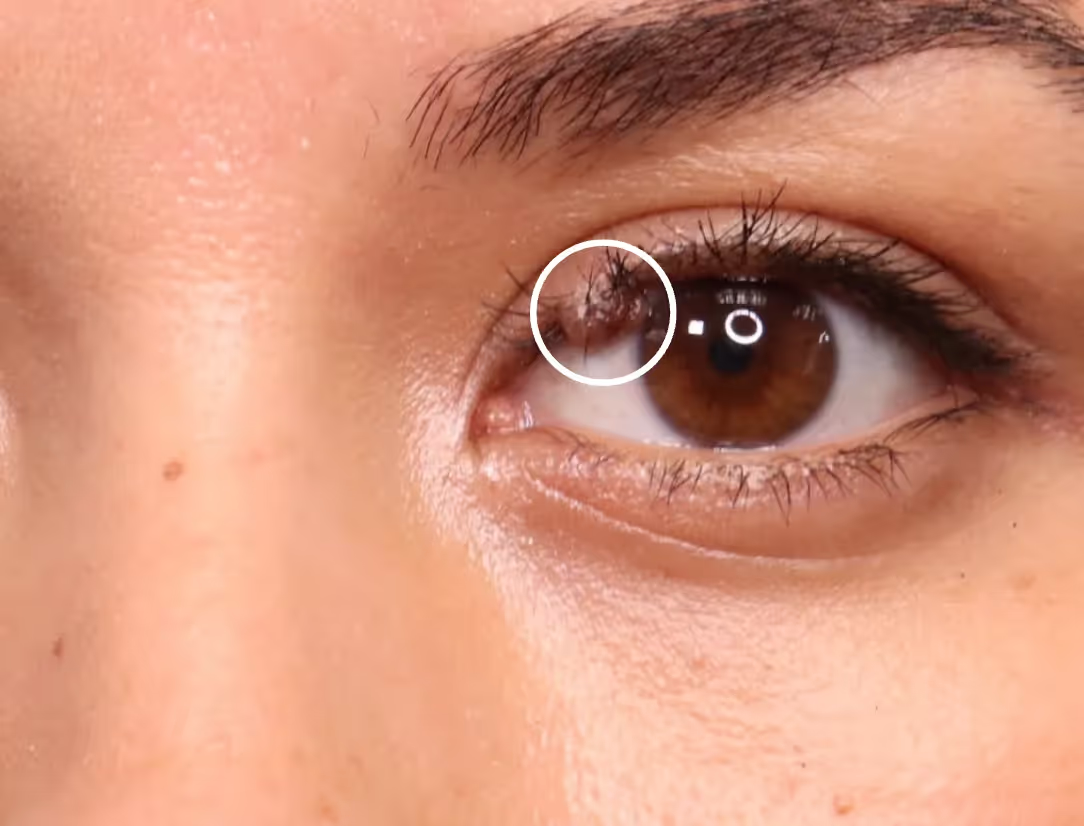
Eyelid ptosis occurs when the upper eyelid droops low enough to cover part of the pupil or create visual obstruction. This condition can develop gradually over years, making it difficult for patients to recognize the extent of their vision loss. Many people unconsciously compensate by raising their eyebrows or tilting their heads back to see clearly. These adaptations can lead to forehead muscle fatigue, headaches, and neck strain over time.
The medical term dermatochalasis specifically refers to excess eyelid skin that hangs over the eye opening. Unlike ptosis, which involves muscle weakness, dermatochalasis is primarily a skin elasticity issue. Both conditions can occur simultaneously, creating more severe visual impairment. The drooping skin creates shadows over the eyes and physically blocks portions of the visual field, particularly affecting peripheral and upper vision.
Functional vision problems from droopy eyelids extend beyond simple visual field reduction. Patients often struggle with depth perception, have difficulty with stairs or uneven surfaces, and find reading or computer work increasingly challenging. The constant effort to see around drooping tissue can cause eye strain and fatigue. These symptoms often worsen throughout the day as facial muscles tire from compensatory movements.
Several factors contribute to eyelid drooping and vision impairment:
- Aging process: Natural collagen breakdown causes skin to lose elasticity and muscles to weaken over time
- Genetics: Family history of droopy eyelids increases likelihood of developing similar conditions
- Sun damage: Chronic UV exposure accelerates skin aging and contributes to tissue breakdown
- Medical conditions: Certain diseases, medications, or previous surgeries can affect eyelid position and function
The progression of vision impairment from droopy eyelids is typically gradual but relentless. Many patients don't realize how significantly their sight has been affected until they undergo treatment. The brain remarkably adapts to reduced visual input, making the condition less noticeable to the patient. However, this adaptation comes at the cost of reduced visual acuity and increased risk of accidents or falls.
Professional evaluation becomes crucial when eyelid drooping begins affecting daily activities. Hazany Derm provides comprehensive assessments to determine whether vision problems stem from eyelid position issues. Early intervention can prevent further deterioration and restore optimal visual function before permanent adaptation occurs.
How Blepharoplasty Addresses Vision Problems
Blepharoplasty, commonly known as eyelid surgery, directly addresses the anatomical causes of vision impairment from droopy eyelids. The procedure involves removing excess skin, muscle, and sometimes fat from the upper eyelids to restore normal positioning. This surgical correction eliminates the physical obstruction that blocks the visual field. The result is immediate improvement in the amount of visible area above the eye.
The surgical technique for vision-improving blepharoplasty requires precise planning and execution. Dr. Salar Hazany carefully measures the amount of tissue to remove, ensuring adequate correction without over-correction. The incision is typically placed in the natural eyelid crease, making scars virtually invisible once healed. During surgery, the excess skin is carefully excised, and underlying tissues may be repositioned or tightened as needed.
Recovery from blepharoplasty is generally straightforward, with most patients experiencing rapid vision improvement. Initial swelling may temporarily affect sight, but this resolves within days to weeks. The removal of obstructing tissue provides immediate relief from the physical barriers to vision. Patients often report dramatic improvements in their ability to see peripherally and above eye level without compensatory head positioning.
Key benefits of blepharoplasty for vision improvement include:
- Expanded visual field: Removal of drooping skin opens up previously blocked areas of sight
- Reduced eye strain: Elimination of compensatory movements decreases muscle fatigue and tension
- Improved depth perception: Restored normal eyelid position enhances spatial visual processing
- Enhanced daily function: Better vision makes reading, driving, and other activities safer and more comfortable
The functional improvements from blepharoplasty extend far beyond simple vision enhancement. Patients frequently experience reduced headaches as they no longer strain to see around drooping tissue. Neck and shoulder tension often improves when compensatory head positioning is no longer necessary. The psychological benefits of restored vision and improved appearance can significantly enhance quality of life and self-confidence.
Long-term results from vision-correcting blepharoplasty are typically excellent and permanent. While normal aging continues, the dramatic improvement in eyelid position and visual function is maintained for many years. At Hazany Derm, patients receive detailed post-operative care instructions to optimize healing and maintain results. Regular follow-up appointments ensure proper recovery and address any concerns that may arise during the healing process.
Determining Candidacy for Vision-Improving Blepharoplasty
Not everyone with droopy eyelids requires surgery, making proper evaluation essential for determining candidacy. The decision for blepharoplasty should be based on objective measurements of visual field impairment and functional limitations. Medical documentation of vision problems helps distinguish between cosmetic desires and medical necessity. Insurance coverage often depends on proving that eyelid position significantly impairs normal visual function.
Comprehensive eye examinations can objectively measure the extent of visual field loss from droopy eyelids. Visual field testing maps exactly which areas of sight are blocked by excess eyelid tissue. Photography with and without manual eyelid elevation demonstrates the potential for vision improvement. These diagnostic tests provide concrete evidence of functional impairment rather than relying solely on patient complaints.
Ideal candidates for vision-improving blepharoplasty have documented visual field defects caused by eyelid ptosis or dermatochalasis. Good overall health and realistic expectations are essential for successful outcomes. Patients should understand both the benefits and limitations of the procedure. Those with underlying eye diseases or certain medical conditions may require additional evaluation before surgery can be safely performed.
Factors that support candidacy for functional blepharoplasty include:
- Documented visual field defects: Objective testing shows significant sight impairment from eyelid position
- Functional limitations: Daily activities are affected by vision problems related to droopy eyelids
- Failed conservative measures: Non-surgical approaches have not provided adequate improvement
- Realistic expectations: Understanding of procedure goals, risks, and expected outcomes
The consultation process at Hazany Derm involves thorough evaluation of both functional and aesthetic concerns. Dr. Salar Hazany assesses eyelid anatomy, measures the degree of ptosis, and discusses patient goals and expectations. Medical history review identifies any conditions that might affect surgery or healing. This comprehensive approach ensures that blepharoplasty is appropriate and likely to achieve desired vision improvements.
Pre-surgical preparation includes detailed discussions about the procedure, recovery process, and expected outcomes. Patients receive specific instructions about medications, activities, and post-operative care. Understanding the commitment required for optimal results helps ensure patient satisfaction and successful healing. The team at Hazany Derm provides ongoing support throughout the entire process, from initial consultation through complete recovery.
Frequently Asked Questions
How much vision improvement can I expect after blepharoplasty?
Vision improvement from blepharoplasty varies based on the severity of eyelid drooping and individual anatomy. Most patients experience significant enhancement in their visual field, particularly in peripheral and upper vision areas. Dr. Salar Hazany often sees patients regain 10-30 degrees of previously blocked visual field after surgery. The improvement is typically immediate once initial swelling subsides, though complete healing takes several weeks. Patients frequently report they can see better without tilting their head back or raising their eyebrows. The extent of improvement depends on how much excess tissue is removed and the underlying cause of vision impairment.
Is blepharoplasty covered by insurance for vision problems?
Insurance coverage for blepharoplasty depends on demonstrating medical necessity rather than cosmetic preference. Hazany Derm helps patients document functional visual impairment through proper testing and photography. Visual field testing must show significant defects caused by eyelid ptosis or excess skin. Insurance typically requires documentation that the upper eyelid margin blocks the pupil or significantly impairs the visual field. Pre-authorization is usually required, and specific criteria must be met for approval. The process involves submitting medical records, photographs, and visual field test results. Even with medical necessity, patients may still have deductibles or co-payments depending on their specific insurance plan.
What is the recovery time for vision-improving blepharoplasty?
Recovery from functional blepharoplasty is generally quicker than many patients expect, with vision improvements often noticeable immediately after surgery. The team at Hazany Derm provides detailed recovery instructions to optimize healing and results. Initial swelling and bruising typically peak within 48-72 hours and then gradually improve over 1-2 weeks. Most patients can return to desk work within a week, though heavy lifting and strenuous activities should be avoided for 2-3 weeks. Complete healing and final results are usually evident within 6-8 weeks. During recovery, temporary blurred vision or sensitivity to light is normal. Following post-operative care instructions carefully helps ensure optimal healing and vision improvement.
Can both upper and lower eyelids affect vision?
While upper eyelid issues more commonly cause vision problems, lower eyelid conditions can also impact sight in certain situations. Dr. Hazany evaluates both upper and lower eyelids to determine their contribution to visual impairment. Severe lower eyelid bags or sagging can create shadows or interfere with downward gaze, though this is less common than upper lid problems. Upper eyelid ptosis or dermatochalasis is the primary culprit in vision-related eyelid surgery. Some patients benefit from addressing both upper and lower eyelids simultaneously for optimal functional and aesthetic results. The decision depends on individual anatomy, visual complaints, and examination findings. Combined procedures can provide comprehensive improvement while minimizing overall recovery time.
Are there non-surgical alternatives to improve eyelid-related vision problems?
Non-surgical options for eyelid-related vision issues are limited but may provide temporary improvement in mild cases. Hazany Derm specialists evaluate whether conservative measures might help before recommending surgery. Prescription eye drops can sometimes help with minor muscle weakness, though results are typically modest and temporary. Botox injections may provide slight eyelid elevation in very specific cases, but this is not a standard treatment for functional ptosis. Eyelid exercises or physical therapy rarely provide meaningful improvement for anatomical problems like excess skin. When vision is significantly impaired by droopy eyelids, surgical correction with blepharoplasty remains the most effective treatment. Conservative measures are generally tried first when vision impairment is minimal.
How long do the vision benefits of blepharoplasty last?
The vision improvements from blepharoplasty are typically long-lasting, with most patients maintaining benefits for many years. Dr. Salar Hazany explains that while normal aging continues, the dramatic functional improvement achieved through surgery is generally permanent. The excess skin and tissue that caused vision problems are permanently removed during the procedure. However, some gradual changes may occur over 10-15 years as natural aging processes continue. Most patients never require revision surgery for functional purposes, though some may choose additional procedures for cosmetic reasons later in life. Protecting the skin from sun damage and maintaining good skincare can help preserve results longer. The functional benefits often last a lifetime, making blepharoplasty an excellent long-term investment in vision health.
What are the risks of blepharoplasty when done for vision improvement?
Like any surgical procedure, blepharoplasty carries certain risks that patients should understand before proceeding. The Hazany Derm clinic thoroughly discusses all potential complications during consultation to ensure informed decision-making. Common risks include temporary swelling, bruising, dry eyes, and sensitivity to light during recovery. More serious but rare complications can include infection, scarring, asymmetry, or changes in eyelid position. Overcorrection resulting in difficulty closing the eyes completely is possible but uncommon with experienced surgeons. Vision changes or double vision can occur but are typically temporary. Bleeding, adverse reactions to anesthesia, and poor wound healing are other potential risks. Most complications are minor and resolve with proper care and time.
How do I know if my vision problems are caused by droopy eyelids?
Determining whether droopy eyelids cause vision problems requires professional evaluation and specific testing procedures. The experts at Hazany Derm use comprehensive assessments to identify the relationship between eyelid position and visual impairment. Visual field testing objectively measures which areas of sight are blocked by excess eyelid tissue. A simple test involves manually lifting the eyelids to see if vision improves immediately. Patients often notice they unconsciously raise their eyebrows or tilt their head back to see better. Symptoms like eye strain, headaches, or difficulty with peripheral vision may indicate eyelid-related problems. Photography comparing vision with and without eyelid elevation helps document functional impairment. Professional evaluation can distinguish between eyelid issues and other eye conditions affecting vision.