






%201.avif)



Are All Moles Cancerous?



No, the vast majority of moles are completely benign and harmless. However, some moles can develop into melanoma or indicate skin cancer, making professional evaluation crucial. Hazany Derm provides expert mole assessment to ensure your skin health and peace of mind.
One of the most common concerns patients bring to dermatologists is whether their moles could be cancerous. This worry is completely understandable, given the serious nature of skin cancer and the prevalence of moles on most people's bodies. The good news is that the overwhelming majority of moles are completely benign and pose no health risks whatsoever. However, understanding the difference between normal moles and potentially concerning ones is crucial for maintaining optimal skin health.
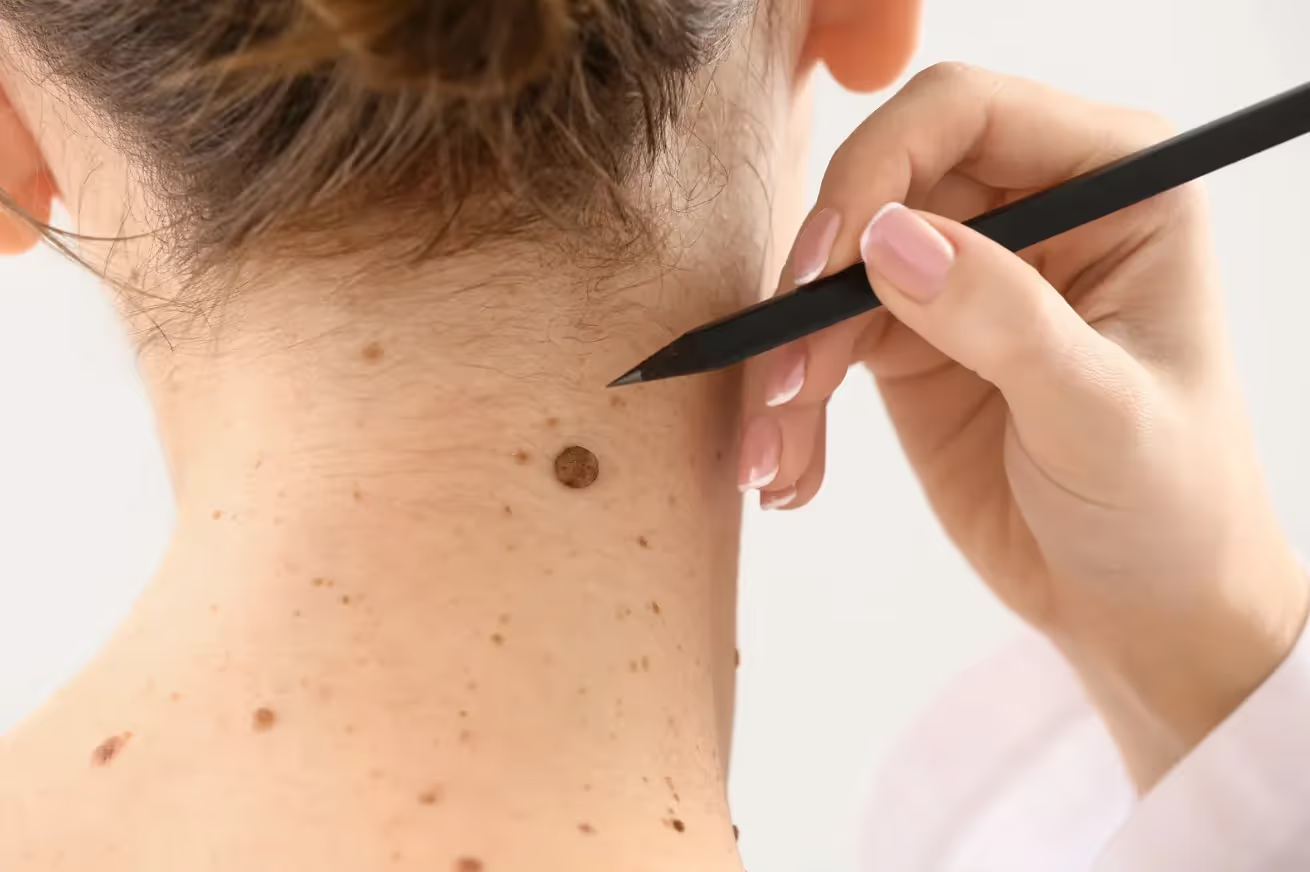
Moles, medically known as nevi, are extremely common skin growths that develop when pigment cells called melanocytes grow in clusters rather than being distributed evenly throughout the skin. Most people have between 10 and 40 moles on their bodies, and these typically appear during childhood and adolescence. The vast majority of these moles will remain stable and harmless throughout a person's lifetime. At Hazany Derm, we frequently reassure patients that having many moles is perfectly normal and not inherently dangerous.
While most moles are benign, it's important to understand that some moles can undergo changes that may indicate the development of melanoma, the most serious type of skin cancer. This is why regular skin examinations and mole monitoring are so important. Professional dermatological evaluation can distinguish between normal moles and those that require closer attention or removal. The key is knowing what to look for and when to seek professional medical advice from experienced dermatologists like those at Hazany Derm.
Understanding Normal vs. Abnormal Moles
Normal moles have several characteristic features that distinguish them from potentially problematic growths. They typically appear as small, round or oval spots with uniform color and well-defined borders. Most benign moles are smaller than 6 millimeters in diameter (about the size of a pencil eraser) and remain relatively stable in size, shape, and color over time. The color of normal moles can range from pink to brown to black, but it should be consistent throughout the mole.
The timing of mole development is also an important factor in determining normalcy. Most moles appear during childhood and adolescence, with new moles rarely developing after age 30 in fair-skinned individuals. Hormonal changes during puberty and pregnancy can cause existing moles to darken or slightly change appearance, which is typically normal. However, any significant changes in adult moles should be evaluated by a dermatologist to rule out malignant transformation.
Understanding your own moles and conducting regular self-examinations is crucial for early detection of any concerning changes. The American Academy of Dermatology recommends monthly self-examinations using the ABCDE criteria, which helps identify potentially problematic moles. Dr. Salar Hazany emphasizes the importance of patients becoming familiar with their own skin patterns, as they are often the first to notice changes that may require professional evaluation.
Key characteristics of normal moles include:
- Symmetrical appearance: Both halves of the mole look the same when mentally divided down the middle
- Regular borders: The edges are smooth, well-defined, and not irregular or notched
- Uniform color: The mole maintains consistent coloring throughout, without multiple shades or colors
- Stable diameter: The mole remains smaller than 6mm and doesn't significantly change in size over time
Environmental factors can influence mole development and appearance, but they don't necessarily make moles cancerous. Sun exposure, particularly during childhood, can increase the number of moles that develop and may cause existing moles to darken. This is why sun protection from an early age is so important for overall skin health. Fair-skinned individuals and those with a family history of many moles may be more prone to developing numerous moles, but this doesn't automatically mean these moles are dangerous.
Genetic factors also play a significant role in mole development and appearance. Some people are simply predisposed to having more moles than others, and this can run in families. While having many moles can slightly increase skin cancer risk, it's important to remember that the vast majority of people with numerous moles never develop skin cancer. Regular monitoring and professional evaluation are the best ways to ensure any concerning changes are caught early and addressed appropriately.
Warning Signs That Require Professional Evaluation
While most moles remain benign throughout a person's life, certain changes or characteristics should prompt immediate professional evaluation. The ABCDE system provides an excellent framework for identifying potentially concerning moles. Any mole displaying asymmetry, irregular borders, color variations, large diameter, or evolution over time should be examined by a qualified dermatologist. These changes don't automatically mean cancer, but they do warrant professional assessment to rule out malignancy.
The "E" in the ABCDE system, which stands for "evolving," is particularly important because it encompasses any changes in a mole's appearance over time. This could include changes in size, shape, color, elevation, or the development of new symptoms such as bleeding, itching, or crusting. New moles appearing after age 30 should also be evaluated, as melanoma can sometimes present as a new growth rather than a change in an existing mole. Hazany Derm's experienced team regularly evaluates these types of concerning changes and can provide immediate peace of mind or appropriate treatment recommendations.
Certain types of moles are inherently more likely to develop into melanoma and require closer monitoring. Atypical moles, also called dysplastic nevi, are larger than normal moles and have irregular features such as asymmetrical shapes or varied coloring. While these moles are still typically benign, they do carry a higher risk of malignant transformation. Large congenital moles, particularly those present at birth and larger than 20 centimeters, also carry increased melanoma risk and require regular professional monitoring throughout life.
Warning signs that require immediate dermatological evaluation include:
- Asymmetrical growth: One half of the mole doesn't match the other half in shape or appearance
- Border irregularities: The edges are ragged, notched, blurred, or otherwise poorly defined
- Color changes: Multiple colors within one mole or significant darkening, lightening, or color variation
- Diameter increase: The mole grows larger than 6mm or shows significant size changes over time
It's crucial to understand that early detection of melanoma dramatically improves treatment outcomes and survival rates. When caught in its earliest stages, melanoma has a five-year survival rate of over 99%. This is why regular professional skin examinations and prompt evaluation of concerning changes are so important. Dr. Salar Hazany and his team utilize advanced diagnostic techniques and have extensive experience in identifying both benign and malignant skin lesions.
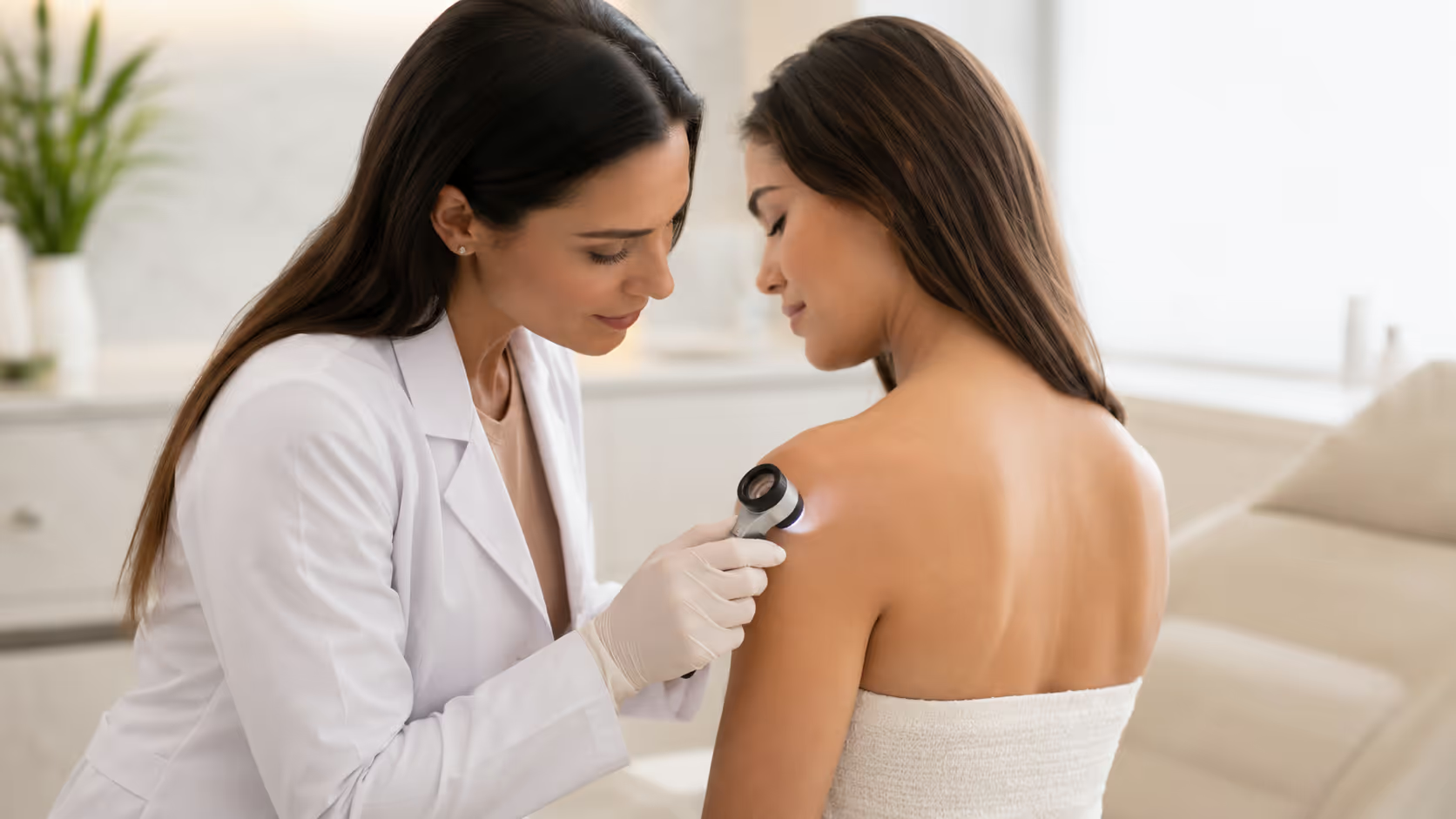
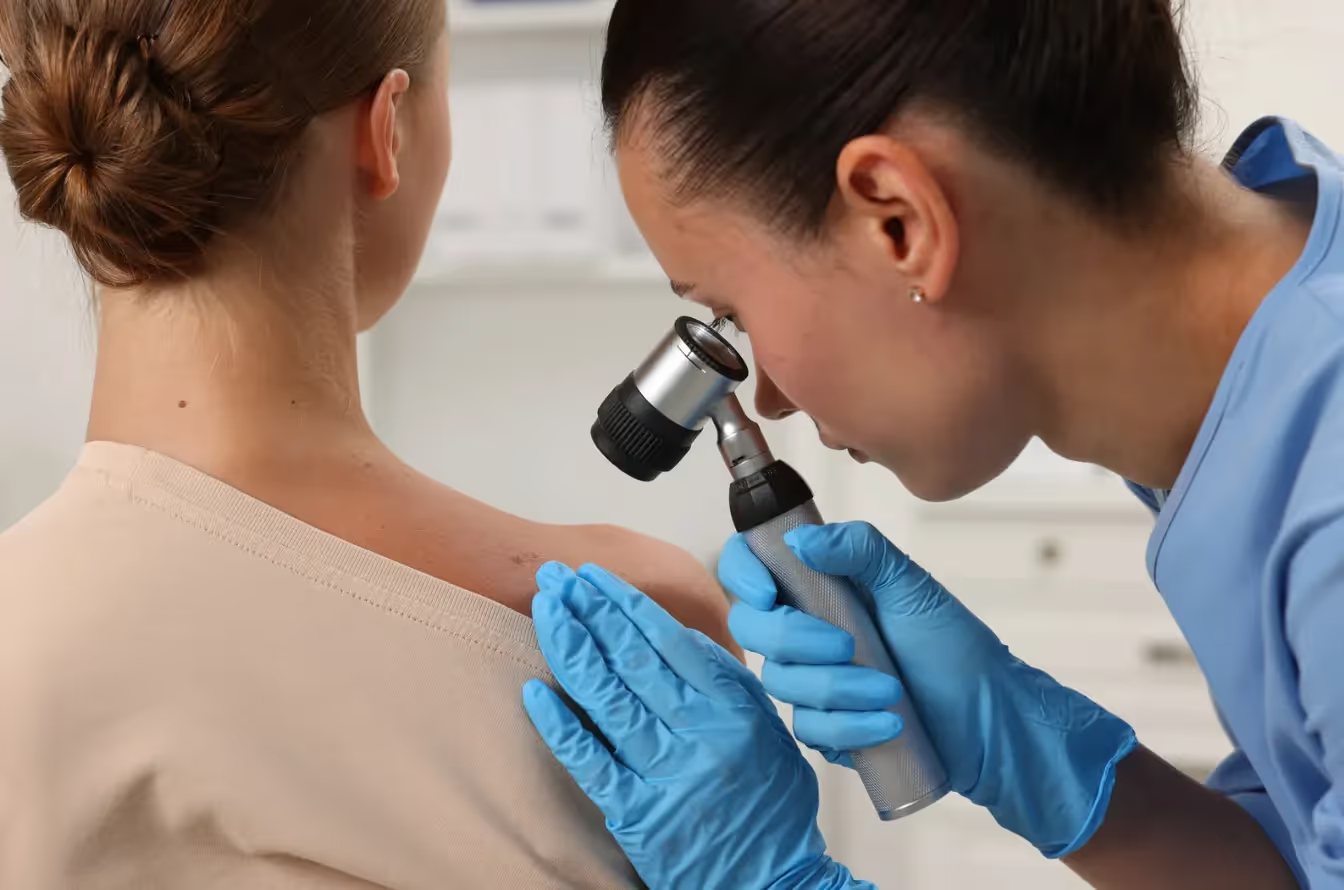
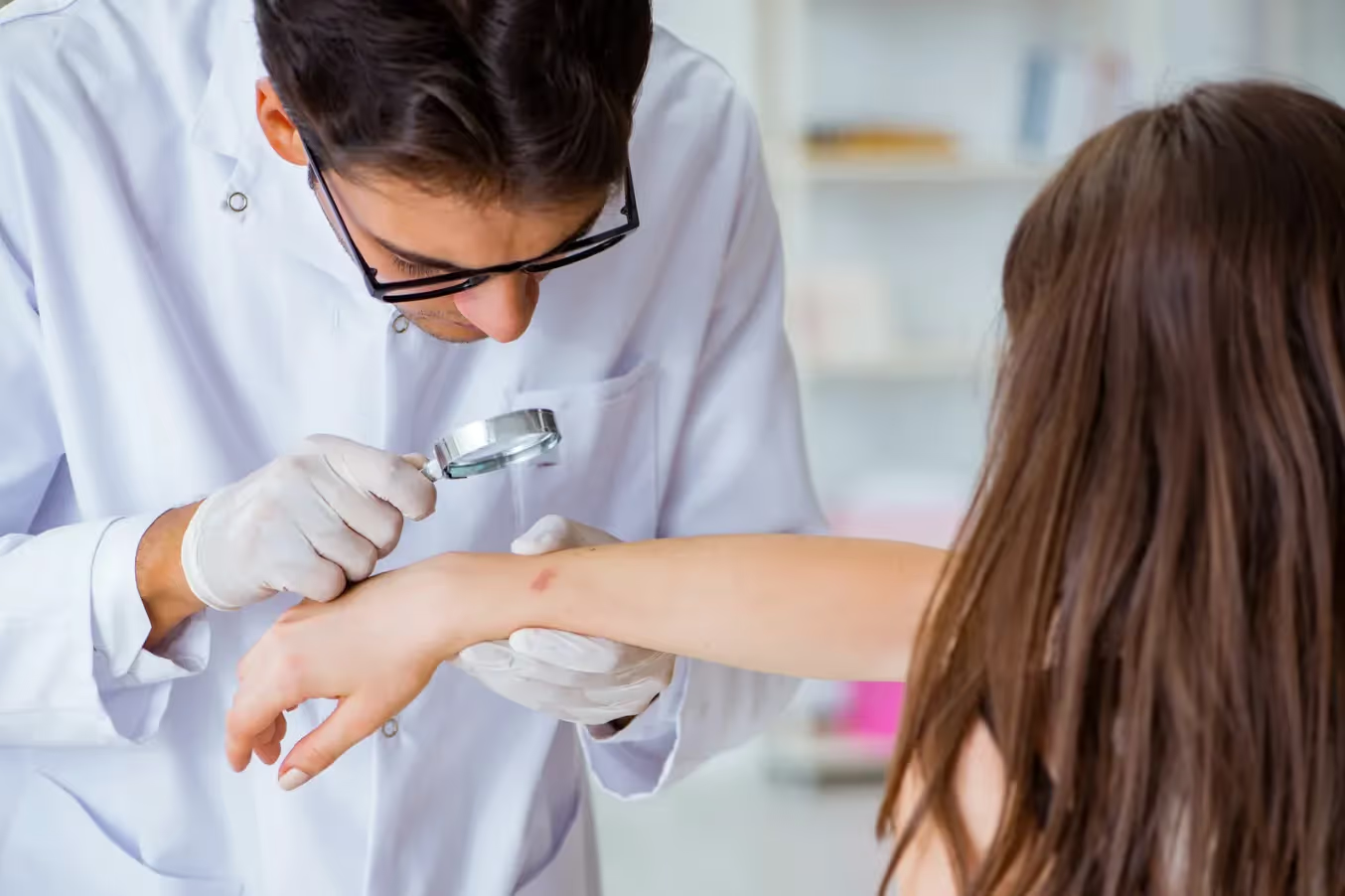
Some patients worry that they're overreacting by seeking professional evaluation for mole changes, but dermatologists would much rather examine a benign mole than miss an early melanoma. Professional evaluation typically involves dermoscopy, a non-invasive technique that allows detailed examination of mole structure and features not visible to the naked eye. If any mole appears suspicious, a simple biopsy can provide definitive diagnosis and peace of mind. The process is quick, minimally invasive, and provides crucial information for treatment planning if needed.
The Importance of Regular Skin Monitoring
Establishing a routine of regular skin self-examinations is one of the most important steps individuals can take to protect their skin health. Monthly self-examinations allow people to become familiar with their normal mole patterns and quickly identify any changes that may require professional attention. The best time to perform self-examinations is after a shower or bath when the skin is clean and dry. Good lighting and a full-length mirror, along with a hand mirror for hard-to-see areas, are essential tools for thorough examination.
Professional skin examinations by qualified dermatologists complement self-examinations and provide expert evaluation of any concerning findings. Most dermatologists recommend annual full-body skin examinations for adults, with more frequent monitoring for individuals at higher risk for skin cancer. These professional examinations can identify potentially problematic moles that patients might miss during self-examinations, particularly in areas that are difficult to see such as the back, scalp, or between toes. The experienced team at Hazany Derm provides thorough, comfortable skin examinations that give patients confidence in their skin health.
Risk factors that may warrant more frequent professional monitoring include fair skin, history of frequent sun exposure or sunburns, family history of skin cancer, personal history of skin cancer, immunosuppression, and having numerous or atypical moles. Individuals with these risk factors may benefit from professional skin examinations every six months or as recommended by their dermatologist. Advanced imaging techniques and digital mole mapping can help track changes in moles over time, providing an objective record of mole appearance and evolution.
Essential components of comprehensive skin monitoring include:
- Monthly self-examinations: Systematic review of all skin surfaces using proper lighting and mirrors
- Photography documentation: Taking photos of concerning moles to track changes over time
- Professional evaluation: Regular dermatological examinations by qualified skin cancer specialists
- Risk assessment: Understanding personal risk factors and adjusting monitoring frequency accordingly
Technology has made skin monitoring more accessible and effective than ever before. Digital dermoscopy and mole mapping systems can document the exact appearance of moles and track subtle changes over time that might not be apparent to visual examination alone. Some smartphone applications can help individuals track their moles and remind them to perform regular self-examinations. However, these technological tools should complement, not replace, professional dermatological evaluation and clinical judgment.
Education about proper skin monitoring techniques and what to look for during examinations is crucial for effective early detection. Many people don't realize that melanoma can develop in areas not typically exposed to sun, such as between toes, on the soles of feet, under fingernails, or in the genital area. Comprehensive self-examinations should include these often-overlooked areas. Dr. Salar Hazany and his team provide patient education about proper skin monitoring techniques and can demonstrate effective self-examination methods during professional consultations.
The psychological benefits of regular skin monitoring and professional evaluation cannot be understated. Many patients experience significant anxiety about their moles and potential skin cancer risk. Establishing a routine monitoring schedule and having regular professional evaluations can provide peace of mind and reduce anxiety about skin health. When patients understand what to look for and have confidence in their monitoring routine, they can enjoy outdoor activities and daily life without excessive worry about their moles. Professional reassurance about benign moles allows patients to focus their attention on truly concerning changes that may require medical intervention.
Frequently Asked Questions
How can I tell if a mole is cancerous?
The ABCDE criteria is the gold standard for identifying potentially cancerous moles. Look for Asymmetry (one half doesn't match the other), irregular Borders, Color variations within the mole, Diameter larger than 6mm, and Evolution or changes over time. However, visual inspection alone cannot definitively determine if a mole is cancerous. Dr. Salar Hazany emphasizes that professional evaluation using dermoscopy and potentially biopsy is the only way to definitively diagnose skin cancer. Any mole displaying concerning features should be examined promptly, as early detection significantly improves treatment outcomes and survival rates.
What percentage of moles are actually cancerous?
The vast majority of moles are completely benign, with less than 1% ever developing into melanoma. Most people have 10-40 moles on their bodies, and the overwhelming majority remain stable and harmless throughout life. However, this doesn't mean mole monitoring is unnecessary. Hazany Derm reminds patients that while the percentage is low, melanoma can be life-threatening if not caught early. Regular self-examinations and professional skin checks help ensure that the small percentage of moles that do become problematic are identified and treated promptly. Risk factors like fair skin, sun exposure history, and family history can influence individual risk levels.
Should I be worried if I have many moles?
Having numerous moles is completely normal and not inherently dangerous. Most people develop their moles during childhood and adolescence, and having 10-40 moles is typical. However, individuals with more than 50 moles may have a slightly increased risk of developing melanoma. The team at Hazany Derm explains that it's not the number of moles that matters most, but rather monitoring them for changes over time. People with many moles should perform regular self-examinations and may benefit from more frequent professional skin checks. Establishing a baseline with professional documentation can help track any changes in multiple moles over time.
When should I see a dermatologist about a mole?
You should see a dermatologist immediately if you notice any changes in a mole's size, shape, color, or texture. New moles appearing after age 30, moles that bleed, itch, or become tender, and any mole displaying ABCDE warning signs require prompt evaluation. Dr. Hazany recommends that adults have annual full-body skin examinations even without concerning changes, as professional evaluation can identify issues that patients might miss. Individuals with risk factors such as fair skin, family history of skin cancer, or numerous moles may need more frequent monitoring. Don't hesitate to seek evaluation if you're concerned about any skin growth.
Can normal moles turn into skin cancer?
Yes, existing moles can occasionally transform into melanoma, though this is relatively uncommon. Most melanomas actually develop as new growths rather than from existing moles. However, certain types of moles, particularly atypical or dysplastic nevi, have a higher likelihood of malignant transformation. Large congenital moles present at birth also carry increased cancer risk. Hazany Derm specialists emphasize that this is why regular monitoring is so important. Any changes in existing moles should be evaluated promptly. The transformation process typically involves changes in the mole's appearance, which is why the ABCDE criteria and regular self-examinations are so valuable for early detection.
What does a cancerous mole look like?
Cancerous moles often display irregular features that distinguish them from benign moles. They may be asymmetrical, have jagged or poorly defined borders, contain multiple colors or significant color variations, measure larger than 6mm in diameter, and show changes over time. Melanomas can appear as new dark spots, existing moles that change dramatically, or lesions that bleed, itch, or become tender. Dr. Salar Hazany notes that melanomas can vary significantly in appearance and may not always fit typical descriptions. Some melanomas appear pink or flesh-colored rather than dark. This variability is why professional evaluation with dermoscopy is crucial for accurate diagnosis rather than relying solely on visual appearance.
How often should I check my moles?
Monthly self-examinations are recommended for monitoring moles and identifying any changes that may require professional evaluation. These should be systematic reviews of your entire body using good lighting and mirrors to examine all skin surfaces, including hard-to-see areas. Professional skin examinations should typically be performed annually, though individuals with higher risk factors may need more frequent monitoring every six months. The Hazany Derm clinic can help determine the appropriate monitoring schedule based on your individual risk factors, number of moles, and family history. Consistency in self-examination timing helps establish familiarity with your normal mole patterns and makes changes more apparent.
Are raised moles more likely to be cancerous?
Raised moles are not necessarily more likely to be cancerous than flat moles. Many perfectly normal, benign moles are raised, and elevation alone is not a concerning feature. However, changes in elevation, such as a previously flat mole becoming raised or a raised mole changing shape or texture, should be evaluated professionally. The experts at Hazany Derm explain that it's the change in characteristics rather than the specific feature that's most concerning. Some melanomas are flat while others are raised, and some benign moles are raised while others are flat. Focus should be on the ABCDE criteria and any changes over time rather than just whether a mole is raised or flat.