





%201.avif)



How Long After Surgery Can You Do Scar Revision?



Scar revision typically requires waiting 12-18 months after initial surgery to allow complete healing and scar maturation. Dr. Salar Hazany at Hazany Derm evaluates each patient's unique healing process to determine the optimal timing for revision procedures.
Surgical scars are an inevitable part of any procedure, but their final appearance doesn't have to define your recovery journey. Many patients wonder about the appropriate timing for scar revision procedures, hoping to improve the aesthetic outcome of their healing process. Understanding the science behind wound healing and scar formation is crucial for making informed decisions about revision timing.
The timing of scar revision procedures represents a delicate balance between patience and opportunity. While the desire to address unsightly scarring immediately is natural, premature intervention can actually worsen outcomes and lead to more prominent scarring. The human body follows a predictable pattern of healing that must be respected for optimal results.
At Hazany Derm, patients receive comprehensive guidance on scar management from the initial healing phase through potential revision procedures. Dr. Salar Hazany emphasizes the importance of allowing adequate time for natural healing processes while monitoring scar development closely. This approach ensures that any revision procedures are performed at the most advantageous time for each individual patient.
How Long Should You Wait for Scar Revision?
Most surgeons recommend waiting 12 to 18 months after surgery before scar revision — the point at which a scar's color, thickness, and texture have stabilized. Facial scars are often re-evaluated sooner because they heal faster, while raised hypertrophic or keloid scars need their growth to stop first. Earlier intervention is reserved for scars causing functional problems.
Understanding the Wound Healing Timeline
The process of wound healing and scar formation occurs in distinct phases that directly impact revision timing decisions. The inflammatory phase begins immediately after surgery and continues for approximately two weeks, during which the body focuses on stopping bleeding and preventing infection. This is followed by the proliferative phase, lasting several weeks to months, where new tissue forms and the wound begins to close.
The final remodeling phase represents the longest and most critical period for scar revision timing considerations. During this phase, which can extend from six months to two years, collagen fibers reorganize and the scar gradually matures. The scar's color, texture, and thickness continue to change throughout this period, making it essential to wait for stabilization before considering revision.
Hazany Derm's approach to scar management recognizes that each patient's healing timeline varies based on factors such as age, skin type, surgical technique, and post-operative care. Dr. Salar Hazany carefully monitors patients throughout their healing journey to identify the optimal window for potential revision procedures. This individualized assessment ensures that revision timing aligns with each patient's unique healing characteristics.
The maturation process cannot be rushed without risking suboptimal results from revision procedures. Scars that appear problematic in the early healing phases often improve significantly with time and proper care. Hazany Derm provides patients with realistic expectations about this timeline while offering support throughout the waiting period.
Professional monitoring during the healing phase allows for early identification of problematic scarring patterns that may benefit from revision. Regular follow-up appointments enable adjustments to scar management protocols and help determine the most appropriate timing for potential interventions. This proactive approach maximizes the likelihood of successful revision outcomes when procedures are eventually performed.
Optimal Timing for Different Types of Scar Revision
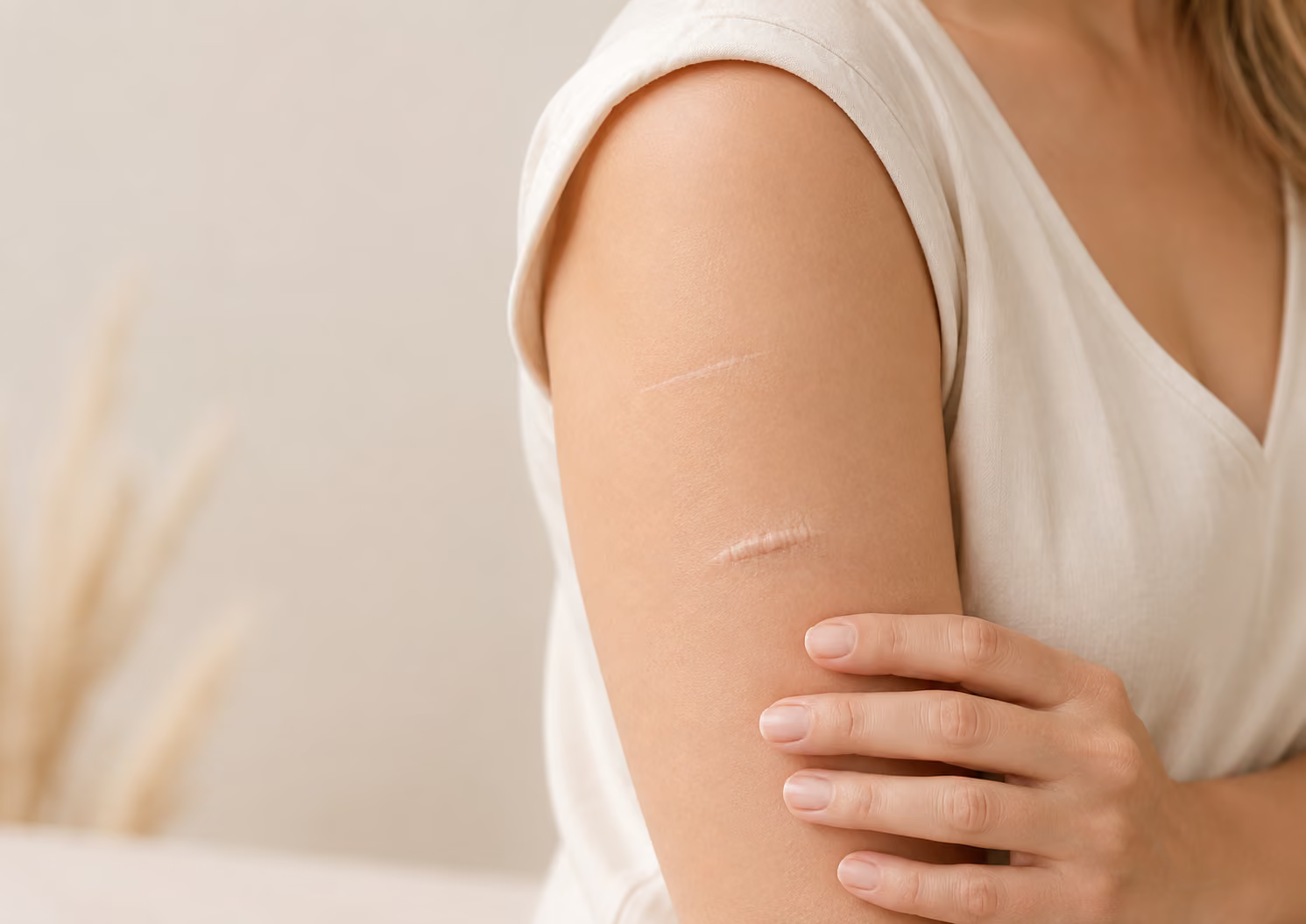
The general recommendation for scar revision timing centers around the 12 to 18-month mark after initial surgery, though specific procedures may require different considerations. Linear scars from surgical incisions typically benefit from waiting at least one year to allow complete maturation. During this time, the scar's width, height, and color will stabilize, providing a clear picture of what revision can realistically achieve.
Hypertrophic and keloid scars present unique timing challenges that require specialized expertise to navigate effectively. These elevated scars may continue growing for months after surgery, making it crucial to wait for growth stabilization before attempting revision. Premature intervention can trigger additional scar tissue formation, potentially worsening the original problem.
Dr. Salar Hazany at Hazany Derm employs sophisticated assessment techniques to determine scar maturity and readiness for revision procedures. Advanced imaging and measurement tools help track scar evolution over time, providing objective data to support timing decisions. This scientific approach removes guesswork from the revision planning process.
Factors that may accelerate or delay revision timing include:
- Scar location and tension: High-tension areas may require longer healing periods before revision consideration
- Previous revision attempts: Multiple procedures may necessitate extended waiting periods between interventions
- Concurrent medical treatments: Radiation therapy or other treatments can affect healing timelines
- Patient lifestyle factors: Smoking, sun exposure, and physical activity levels influence optimal timing decisions
Certain circumstances may warrant earlier intervention, though these exceptions require careful evaluation and patient counseling. Functional impairment from scar contracture or significant psychological distress may justify earlier revision in select cases. However, patients must understand the increased risks associated with premature intervention.
The benefits of waiting for optimal timing far outweigh the temporary inconvenience of living with an unsatisfactory scar. Revision procedures performed on mature scars typically achieve better outcomes with lower complication rates. Hazany Derm's patient education emphasizes this important principle while providing support during the waiting period.
How long after Mohs surgery can you have plastic surgery or scar revision?
Reconstruction after Mohs surgery typically happens right away — the defect is usually repaired the same day the cancer is removed. Revising the resulting scar follows the standard rule: wait 12 to 18 months, since many Mohs scars improve dramatically on their own during the first year as the tissue matures.
How long is recovery after scar revision surgery?
Initial healing takes one to two weeks, when sutures come out and normal activity resumes. Residual redness fades over the following months, and the revised scar reaches its final appearance within six months to a year. Exact recovery depends on the technique used and the scar's location.
Preparing for Scar Revision Success
Successful scar revision outcomes depend heavily on proper preparation during the waiting period leading up to the procedure. Optimal scar care during the maturation phase can significantly improve the baseline condition before revision, potentially reducing the complexity of required interventions. This preparatory period represents a crucial opportunity to maximize revision success rates.
Sun protection stands as one of the most critical aspects of pre-revision scar care, as ultraviolet exposure can cause permanent pigmentation changes that complicate revision procedures. Consistent use of broad-spectrum sunscreen and protective clothing helps maintain scar color stability throughout the maturation period. Hazany Derm provides detailed sun protection protocols tailored to each patient's lifestyle and geographic location.
Maintaining overall skin health through proper nutrition, hydration, and skincare routines creates an optimal environment for successful revision procedures. The team at Hazany Derm offers comprehensive pre-revision counseling that addresses all aspects of preparation, from medical optimization to lifestyle modifications. This holistic approach addresses factors that could impact revision success rates.
Preparation matters as much as timing. Plan on complete smoking cessation for at least six weeks before and after the procedure, review blood thinners and supplements with your surgeon, keep the scar conditioned with an appropriate skincare routine, and go in with a realistic picture of what revision can achieve for your specific scar.
The psychological preparation for scar revision procedures deserves equal attention to physical preparation factors. Managing expectations about revision outcomes helps ensure patient satisfaction and reduces anxiety about the upcoming procedure. Hazany Derm's counseling process includes detailed discussions about what revision can and cannot achieve based on individual circumstances.
Timing considerations may need adjustment based on life events and scheduling constraints that could impact recovery. Planning revision procedures around work commitments, social events, and seasonal factors helps ensure optimal healing conditions. Dr. Salar Hazany works with patients to identify the most convenient timing that still respects the biological requirements for scar maturation.
Surgical Scar Revision in Beverly Hills
If a scar from surgery is bothering you, the first step is an honest assessment of whether it's ready for revision. Schedule a consultation with Dr. Salar Hazany in Beverly Hills — a fellowship-trained Mohs surgeon who both removes skin cancer and repairs the scars it leaves behind. Wondering about pricing? See our full guide to scar revision costs.
Frequently Asked Questions
What is the minimum waiting period before considering scar revision?
The minimum waiting period for scar revision typically ranges from 12 to 18 months after the initial surgery, though this can vary based on individual healing characteristics and scar type. Dr. Salar Hazany emphasizes that rushing into revision procedures before complete scar maturation can lead to suboptimal results and potentially worsen the appearance. During this waiting period, the scar undergoes significant changes in color, texture, and thickness as collagen remodels and the tissue stabilizes. Some patients may require longer waiting periods, particularly those with hypertrophic or keloid scarring tendencies, while others with excellent healing may be candidates slightly earlier. The key is allowing the scar to reach a stable, mature state before intervention.
Can early scar revision ever be beneficial?
Early scar revision is rarely recommended, as Hazany Derm prioritizes allowing natural healing processes to complete before intervention. However, there are exceptional circumstances where earlier revision might be considered, such as when scars cause functional impairment through contracture or create significant psychological distress. Even in these cases, revision is typically delayed until at least six months post-surgery when possible. The risks of early intervention include increased inflammation, poor wound healing, and the potential for more prominent scarring than the original. Most scars that appear problematic in early healing phases improve significantly with time and proper care, making patience the most beneficial approach for the majority of patients.
How do I know when my scar is ready for revision?
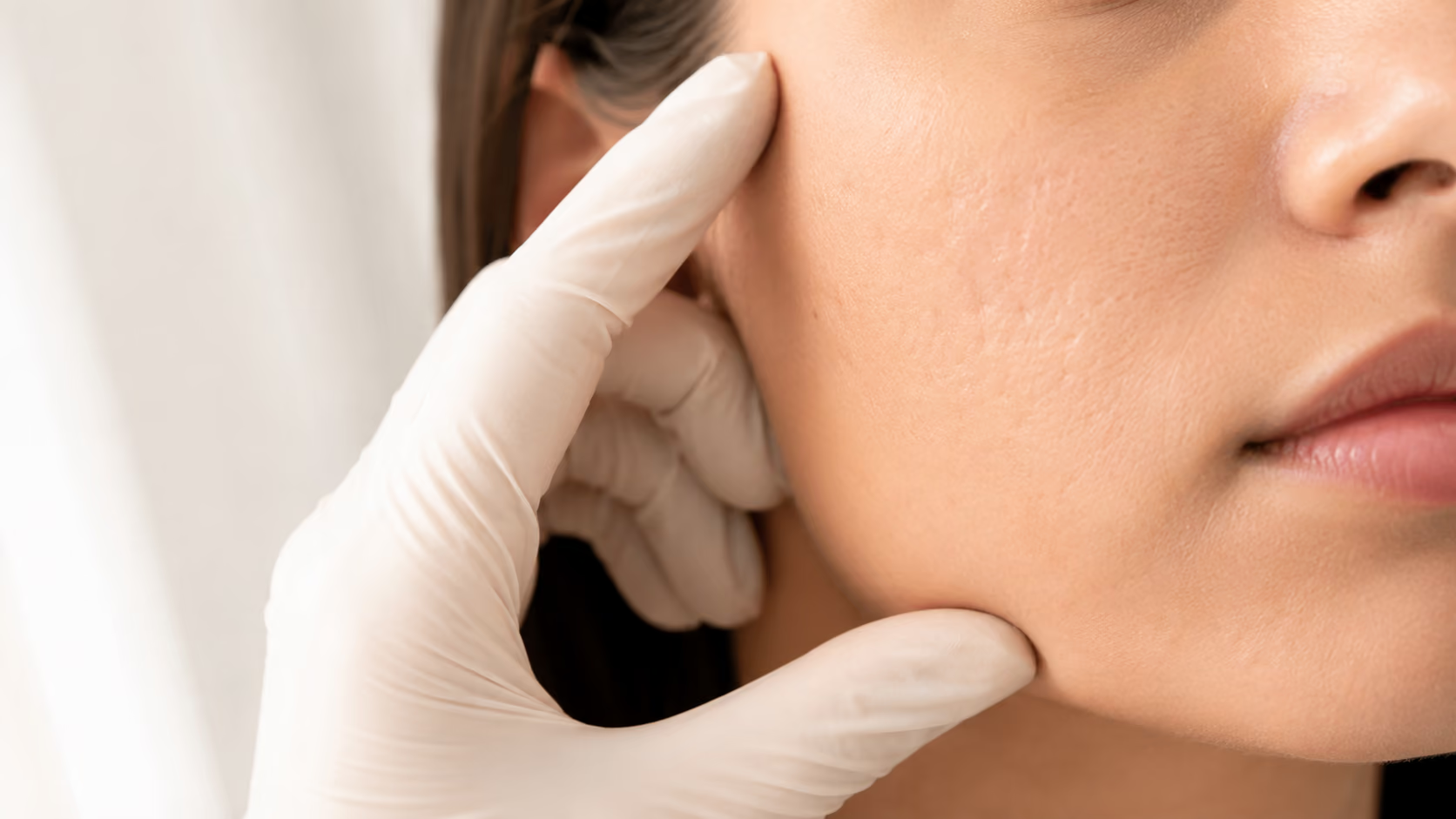
Determining scar readiness for revision requires professional evaluation, as the team at Hazany Derm uses specific criteria to assess scar maturity. A mature scar typically exhibits stable color, texture, and size for at least three to six months, indicating that the remodeling process has plateaued. The scar should feel softer and more pliable compared to its appearance in early healing stages, with reduced redness or hyperpigmentation. Professional assessment may include measurements, photography, and specialized tools to evaluate tissue characteristics objectively. Signs of readiness include consistent appearance over multiple months, absence of ongoing changes in scar dimensions, and stabilized color that no longer fluctuates with activity or environmental factors. Regular follow-up appointments help track these changes systematically.
What factors might delay scar revision timing?
Several factors can extend the recommended waiting period beyond the standard 12-18 months, and Dr. Hazany carefully evaluates each patient's unique circumstances. Complications during initial healing, such as infection or wound dehiscence, may require additional recovery time before revision consideration. Patients with certain medical conditions like diabetes or autoimmune disorders often need longer healing periods due to impaired wound healing capabilities. Previous radiation therapy to the area, ongoing chemotherapy, or other medical treatments can significantly delay optimal revision timing. Additionally, patients who smoke, have poor sun protection habits, or experience ongoing trauma to the scar area may require extended waiting periods. Keloid-prone individuals particularly need longer observation periods to ensure scar growth has completely stabilized before any intervention attempts.
Are there different timing requirements for different scar types?
Different scar types indeed require varying approaches to revision timing, and Hazany Derm specialists tailor recommendations based on specific scar characteristics. Linear surgical scars typically follow the standard 12-18 month timeline, while hypertrophic scars may require 18-24 months due to their tendency for prolonged growth and remodeling. Keloid scars present the greatest timing challenges, often requiring two years or more of stability before revision consideration, as premature intervention can trigger aggressive regrowth. Contracture scars may warrant earlier intervention if they impair function, though this decision requires careful risk-benefit analysis. Atrophic or depressed scars often benefit from longer waiting periods to allow maximum natural improvement before surgical correction. The location, size, and individual patient factors all influence these timelines significantly.
What happens if I have scar revision too early?
Premature scar revision carries significant risks that Dr. Salar Hazany thoroughly discusses with patients considering early intervention. Operating on immature scars can disrupt ongoing healing processes, potentially leading to worse scarring than the original result. The inflammatory response triggered by premature revision may cause increased scar tissue formation, resulting in wider, thicker, or more elevated scars. Wound healing complications are more common when revision occurs before tissue maturation, including delayed healing, infection, and wound breakdown. Additionally, premature revision may necessitate multiple additional procedures to achieve acceptable results, increasing overall treatment costs and recovery time. The psychological impact of worsened scarring after premature revision can be significant, emphasizing the importance of patience in achieving optimal outcomes through properly timed interventions.
How can I improve my scar while waiting for revision?
While waiting for the appropriate revision timing, patients can take several steps to optimize their scar's condition, and Hazany Derm clinic provides comprehensive guidance for this preparatory period. Consistent sun protection using broad-spectrum SPF 30 or higher prevents pigmentation changes that could complicate future revision procedures. Gentle massage with appropriate moisturizers can help maintain tissue pliability and potentially improve texture over time. Silicone gel sheets or topical silicone products may help flatten and soften raised scars when used consistently over months. Maintaining overall health through proper nutrition, adequate hydration, and avoiding smoking creates optimal conditions for continued scar improvement. Some patients benefit from professional treatments like laser therapy or steroid injections during the waiting period, though these require careful timing and professional supervision to avoid interfering with natural healing processes.
What should I expect during a scar revision consultation?
A comprehensive scar revision consultation with the experts at Hazany Derm involves thorough evaluation of your scar's characteristics, healing history, and revision candidacy. The assessment includes detailed examination of scar maturity indicators such as color stability, texture, pliability, and size consistency over recent months. Medical history review focuses on healing patterns, previous complications, current medications, and lifestyle factors that might impact revision success. Photographic documentation helps track scar evolution and plan revision approaches, while discussion of realistic expectations ensures alignment between patient goals and achievable outcomes. The consultation includes education about different revision techniques, timing considerations, and post-revision care requirements. Patients receive detailed information about risks, benefits, and alternatives to surgical revision, enabling informed decision-making about their treatment journey and optimal timing for any planned interventions.