






%201.avif)



Can Injectables Replace Surgery?



While injectables offer impressive non-surgical results for many cosmetic concerns, they cannot completely replace surgery for all conditions. At Hazany Derm, we help patients determine whether injectables or surgical procedures will best achieve their aesthetic goals through personalized consultations.
The landscape of aesthetic medicine has transformed dramatically over the past two decades, with injectable treatments emerging as powerful alternatives to traditional surgical procedures. Patients increasingly seek minimally invasive options that deliver noticeable results without the downtime, risks, and costs associated with surgery. This shift has sparked an important question in cosmetic medicine: can injectables truly replace surgery?
The answer is nuanced and depends heavily on individual patient goals, anatomy, and the specific concerns being addressed. While injectable treatments have become remarkably sophisticated and effective, they work differently than surgical procedures and have distinct limitations and advantages. Understanding these differences is crucial for patients considering their aesthetic options and for practitioners guiding treatment decisions.
At Hazany Derm, we recognize that the choice between injectables and surgery isn't always straightforward. Our approach focuses on thoroughly evaluating each patient's unique situation, discussing realistic expectations, and developing personalized treatment plans that may incorporate injectables, surgery, or a combination of both approaches. This comprehensive perspective ensures patients receive the most appropriate care for their individual needs and desired outcomes.
Can Injectables Replace Surgery?
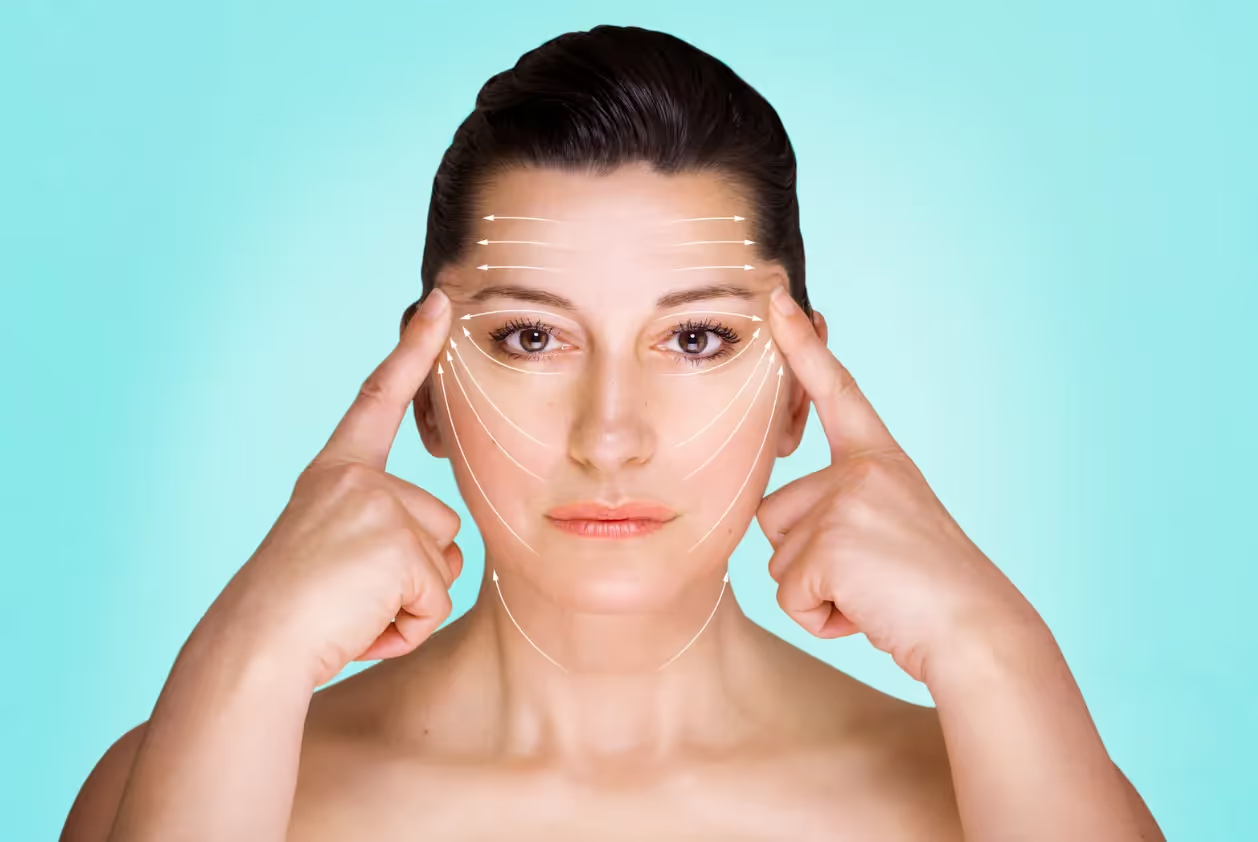
Injectables can replace surgery for some patients — but not all. Dermal fillers and neuromodulators handle fine lines, mild to moderate volume loss, and early sagging well, often delaying the need for surgery by years. What they cannot do is remove excess skin or reposition sagging tissue: significant laxity and structural change remain surgical territory.
Understanding Injectable Treatments and Their Capabilities
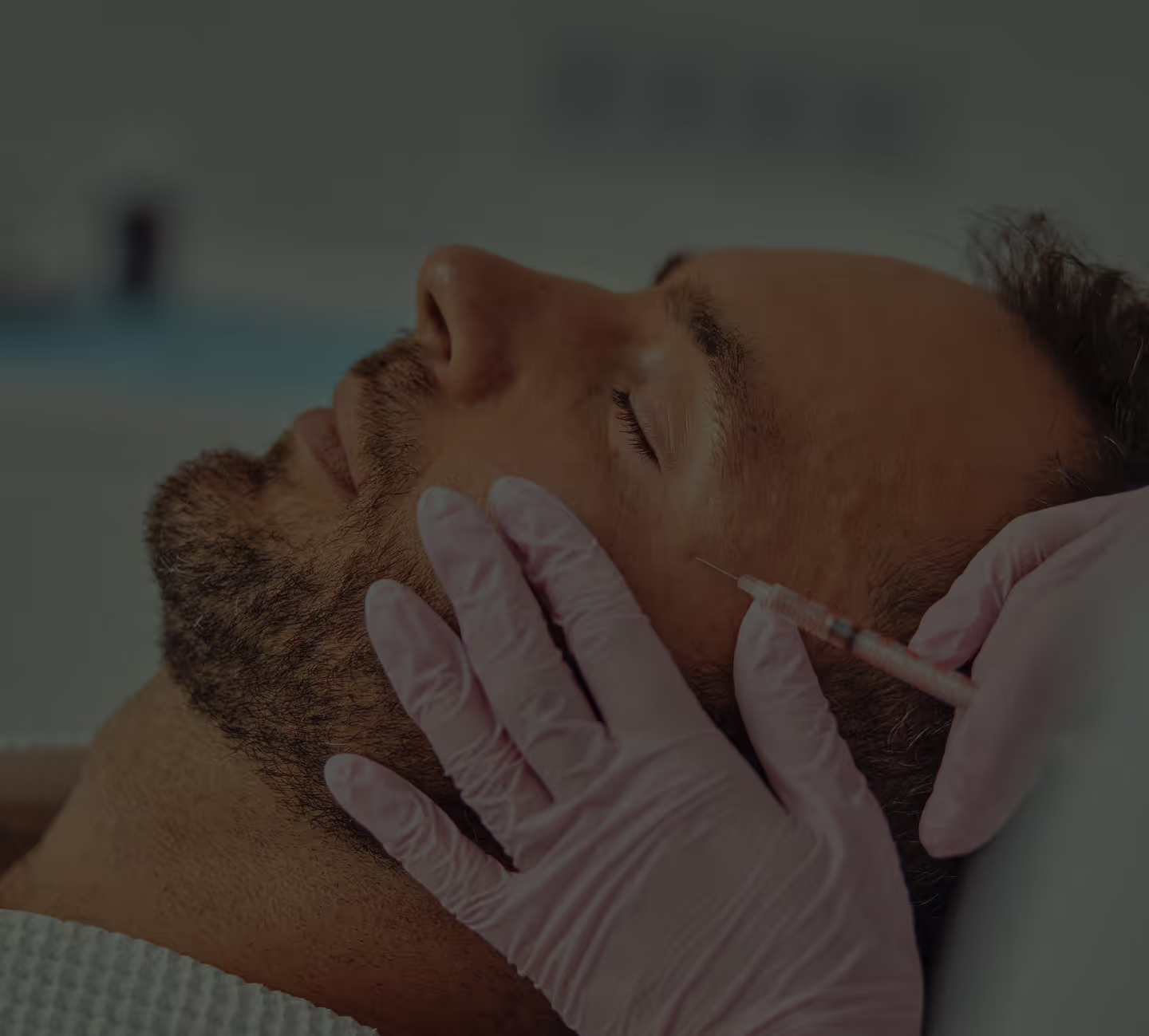
Injectable treatments encompass a broad category of minimally invasive procedures that can address various aesthetic concerns without requiring incisions or general anesthesia. These treatments primarily include dermal fillers, neuromodulators like Botox, and specialized injectables for specific concerns such as double chin reduction or cellulite improvement. The technology and formulations behind these treatments have advanced significantly, offering more precise and longer-lasting results than early injectable options.
Modern dermal fillers utilize hyaluronic acid, calcium hydroxylapatite, and other biocompatible substances to restore volume, smooth wrinkles, and enhance facial contours. These products can effectively address age-related volume loss in the cheeks, temples, and under-eye areas while also improving the appearance of nasolabial folds and marionette lines. The versatility of current filler formulations allows skilled practitioners to achieve subtle enhancements or more dramatic transformations depending on patient preferences.
Neuromodulators work by temporarily relaxing specific facial muscles responsible for dynamic wrinkles and lines. Beyond their traditional use for crow's feet, forehead lines, and frown lines, these treatments can now address concerns like excessive sweating, jaw tension, and even provide subtle brow lifts. The precision possible with modern injection techniques allows for highly customized treatments that maintain natural facial expressions while reducing unwanted lines and wrinkles.
The appeal of injectable treatments extends beyond their aesthetic results to include practical advantages that make them attractive to busy patients. Most injectable procedures can be completed during a lunch break, with minimal to no downtime required for recovery. Patients can typically return to work and normal activities immediately after treatment, making these options particularly suitable for those with demanding schedules or social commitments.
Results from injectable treatments are also reversible in many cases, providing patients with flexibility and peace of mind. Hyaluronic acid fillers can be dissolved if patients are unsatisfied with results, and neuromodulator effects naturally fade over time. This reversibility allows patients to experiment with different looks and make adjustments as their preferences evolve, something that isn't possible with permanent surgical alterations.
Surgical Procedures and Their Unique Advantages
Surgical cosmetic procedures offer capabilities that injectable treatments simply cannot match, particularly when addressing significant structural changes or extensive tissue removal. Facelifts, brow lifts, and neck lifts can reposition sagging tissues, remove excess skin, and create dramatic improvements in facial aging that would be impossible to achieve with injectables alone. These procedures provide permanent or long-lasting results that can turn back the clock by decades rather than providing subtle enhancements.
The precision and scope of surgical interventions allow for comprehensive transformation of facial and body contours that injectables cannot replicate. Rhinoplasty can completely reshape the nose structure, while breast augmentation or body contouring procedures create changes in size and proportion that are far beyond the reach of any injectable treatment. Surgical procedures can also address functional concerns alongside aesthetic improvements, such as correcting breathing issues during rhinoplasty or relieving back pain through breast reduction.
Surgical results typically provide better value over time despite higher upfront costs and more intensive recovery periods. While injectable treatments require regular maintenance sessions to preserve results, surgical procedures often provide lasting changes that don't require frequent touch-ups. This long-term perspective makes surgery more cost-effective for patients seeking permanent solutions to their aesthetic concerns, particularly when addressing major structural issues.
However, surgical procedures require careful consideration of the associated risks, recovery time, and financial investment. Patients must be prepared for several weeks of healing, potential complications, and the permanent nature of most surgical changes. The decision to undergo surgery should never be taken lightly, and patients need realistic expectations about both the results and the recovery process involved.
Dr. Salar Hazany emphasizes the importance of thorough consultation and planning when patients are considering surgical options. The irreversible nature of most surgical procedures makes it crucial that patients are completely certain about their goals and understand all aspects of their chosen procedure. This careful approach ensures that patients make informed decisions and achieve results that enhance their confidence and quality of life.
Making the Right Choice for Your Aesthetic Goals
The decision between injectable treatments and surgery ultimately depends on the specific concerns being addressed, the degree of change desired, and individual patient factors such as age, skin quality, and lifestyle. Minor to moderate signs of aging, including fine lines, mild volume loss, and early sagging, often respond excellently to injectable treatments and may not require surgical intervention. However, significant skin laxity, major volume loss, or structural changes typically require surgical solutions for optimal results.
Patient lifestyle and preferences play a crucial role in determining the most appropriate treatment approach. Individuals who prefer gradual, subtle improvements and want to avoid significant downtime may find injectable treatments more suitable for their needs. Conversely, patients seeking dramatic transformation and willing to invest in recovery time might achieve better satisfaction with surgical procedures that provide comprehensive, long-lasting results.
The timing of treatment also influences the choice between injectables and surgery, with preventive approaches often favoring injectable treatments while corrective approaches may require surgical intervention. Starting injectable treatments in the early stages of aging can help maintain a youthful appearance and potentially delay the need for surgery. However, waiting until significant changes have occurred may mean that only surgical procedures can achieve the desired level of improvement.
The expertise and guidance of qualified practitioners become invaluable when navigating these treatment options and making informed decisions. Experienced providers can assess individual anatomy, discuss realistic outcomes, and help patients understand which approaches will best achieve their specific goals. This professional guidance ensures that patients choose treatments aligned with their expectations and receive optimal care throughout their aesthetic journey.
At Hazany Derm, we believe that the best treatment approach often involves combining both injectable and surgical options strategically over time. This comprehensive approach allows patients to address immediate concerns with injectables while planning for future surgical procedures if needed. The result is a personalized aesthetic plan that evolves with changing needs and provides consistent, natural-looking improvements that enhance each patient's unique beauty.
Injectables, Surgery, or Both?
The wrong question is which treatment is more advanced — the right one is what your skin needs now, and what it will need in five years. Schedule a consultation with Dr. Salar Hazany in Beverly Hills for an honest map of where injectables will carry you and where surgery earns its place.
Frequently Asked Questions
What types of facial aging can injectables effectively address?
Injectables excel at treating dynamic wrinkles caused by muscle movement, such as crow's feet, forehead lines, and frown lines. They're also highly effective for restoring lost facial volume in areas like the cheeks, temples, and lips, as well as smoothing static wrinkles and enhancing facial contours. Dr. Salar Hazany frequently uses injectables to address nasolabial folds, marionette lines, and under-eye hollowing with excellent results. However, injectables work best for mild to moderate aging signs and may not provide sufficient improvement for severe skin laxity or major structural changes that require surgical intervention.
When is surgery the better option over injectables?
Surgery becomes the preferred option when patients have significant skin laxity, major volume loss, or structural issues that injectables cannot adequately address. Conditions like severe jowling, extensive neck sagging, or substantial excess eyelid skin typically require surgical intervention for meaningful improvement. Hazany Derm recommends surgery when patients desire dramatic, long-lasting transformation rather than subtle enhancement. Additionally, functional concerns combined with aesthetic goals, such as breathing difficulties with nasal reshaping, necessitate surgical approaches. Surgery also provides better value for patients seeking permanent solutions rather than ongoing maintenance treatments.
How long do injectable results typically last compared to surgery?
Injectable results vary depending on the type of treatment and individual factors, with neuromodulators lasting 3-4 months and dermal fillers lasting 6-18 months depending on the product and placement area. The team at Hazany Derm explains that while injectables require regular maintenance to preserve results, they offer flexibility to adjust treatments over time. Surgical results, conversely, provide permanent or very long-lasting changes that don't require frequent touch-ups. However, natural aging continues after surgery, and some patients may benefit from occasional injectable maintenance to optimize their surgical results and address new concerns that develop over time.
Can injectables be combined with surgical procedures?
Absolutely, combining injectables with surgical procedures often produces superior results and is a common approach in comprehensive aesthetic treatment plans. Dr. Hazany frequently recommends this combination strategy, where surgery addresses major structural concerns while injectables fine-tune details and enhance overall harmony. For example, a facelift might address significant sagging, while strategic filler placement enhances cheek volume and lip definition. This combined approach can also extend surgical results by maintaining volume and preventing new dynamic wrinkles. The timing of combination treatments requires careful planning to ensure optimal healing and results.
What are the risks of choosing injectables over necessary surgery?
Attempting to use injectables for concerns that truly require surgical correction can lead to unnatural results, wasted expenses, and patient dissatisfaction. Hazany Derm specialists emphasize that over-filling areas to compensate for structural issues can create an artificial appearance and may not achieve the patient's desired outcome. Additionally, repeatedly using injectables when surgery would be more appropriate can result in higher long-term costs without providing adequate improvement. Some patients may also develop unrealistic expectations about what injectables can achieve, leading to disappointment. Proper evaluation and honest consultation help patients choose the most effective treatment approach for their specific concerns.
How do I know if I'm a good candidate for injectables versus surgery?
Good candidates for injectables typically have mild to moderate aging signs, good skin quality, and realistic expectations about gradual improvement. Dr. Salar Hazany evaluates factors such as skin elasticity, muscle activity, volume loss patterns, and overall facial structure during consultation. Surgical candidates usually have more advanced aging signs, significant structural concerns, or desire dramatic transformation with long-lasting results. Age, health status, lifestyle, and recovery tolerance also influence candidacy. The best approach involves comprehensive evaluation by an experienced provider who can assess your unique anatomy, discuss your goals, and recommend the most appropriate treatment strategy for optimal results.
What should I expect during recovery from injectables versus surgery?
Injectable treatments typically involve minimal downtime, with most patients returning to normal activities immediately after treatment. Hazany Derm clinic patients may experience mild swelling, bruising, or tenderness that resolves within a few days to a week. Some treatments require brief activity restrictions, such as avoiding exercise for 24 hours after neuromodulator injections. Surgical recovery is significantly more extensive, involving several weeks of healing, activity restrictions, and gradual return to normal function. Surgical patients must plan for time off work, assistance with daily activities, and follow-up appointments to monitor healing. The recovery investment for surgery is substantial but provides correspondingly dramatic and long-lasting results.
How do costs compare between ongoing injectables and one-time surgery?
Initial surgical costs are typically higher than single injectable treatments, but the long-term financial picture requires careful consideration of maintenance needs and treatment frequency. The experts at Hazany Derm help patients understand that injectable treatments require regular sessions to maintain results, with annual costs potentially adding up significantly over time. Surgery provides long-lasting results that don't require frequent touch-ups, potentially offering better value over many years. However, some patients prefer spreading costs over time with injectables rather than making a large upfront investment in surgery. The most cost-effective approach depends on individual goals, desired permanence of results, and financial planning preferences.