



%201.avif)



What is the Best Skincare Routine for Rosacea?

The best rosacea skincare routine focuses on gentle cleansing, consistent moisturizing, and sun protection while avoiding harsh ingredients. Hazany Derm recommends fragrance-free products, mineral sunscreens, and anti-inflammatory treatments tailored to your specific rosacea subtype for optimal results.
Rosacea affects millions of people worldwide, causing persistent redness, visible blood vessels, and sometimes painful bumps across the face. This chronic inflammatory skin condition requires a carefully crafted skincare approach that soothes rather than irritates sensitive skin. Understanding the right products and techniques can make the difference between managing symptoms effectively and accidentally triggering painful flare-ups.
Creating an effective rosacea skincare routine involves more than simply choosing gentle products. The timing of application, the order of products, and even the water temperature you use can significantly impact your skin's response. Many people with rosacea struggle for years with trial and error, often making their condition worse by using products that seem beneficial but contain hidden irritants.
At Hazany Derm, we understand that each person's rosacea presents differently, requiring personalized approaches to skincare management. While there are general principles that benefit most people with rosacea, the most successful routines are those tailored to individual triggers, skin sensitivity levels, and specific rosacea subtypes. This comprehensive guide will help you build a foundation for healthier, calmer skin while avoiding common mistakes that can worsen symptoms.
Understanding Rosacea and Skincare Fundamentals
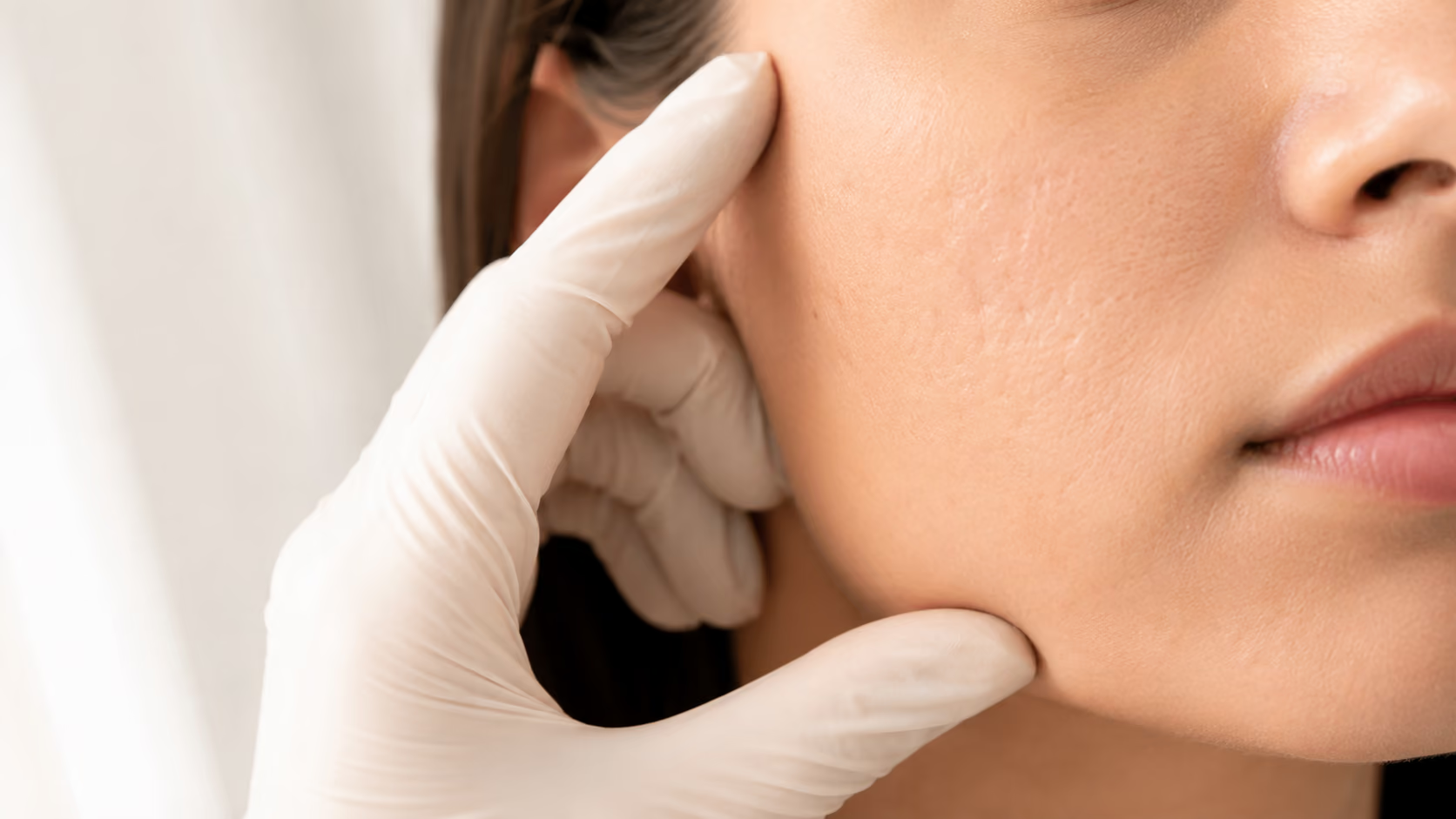
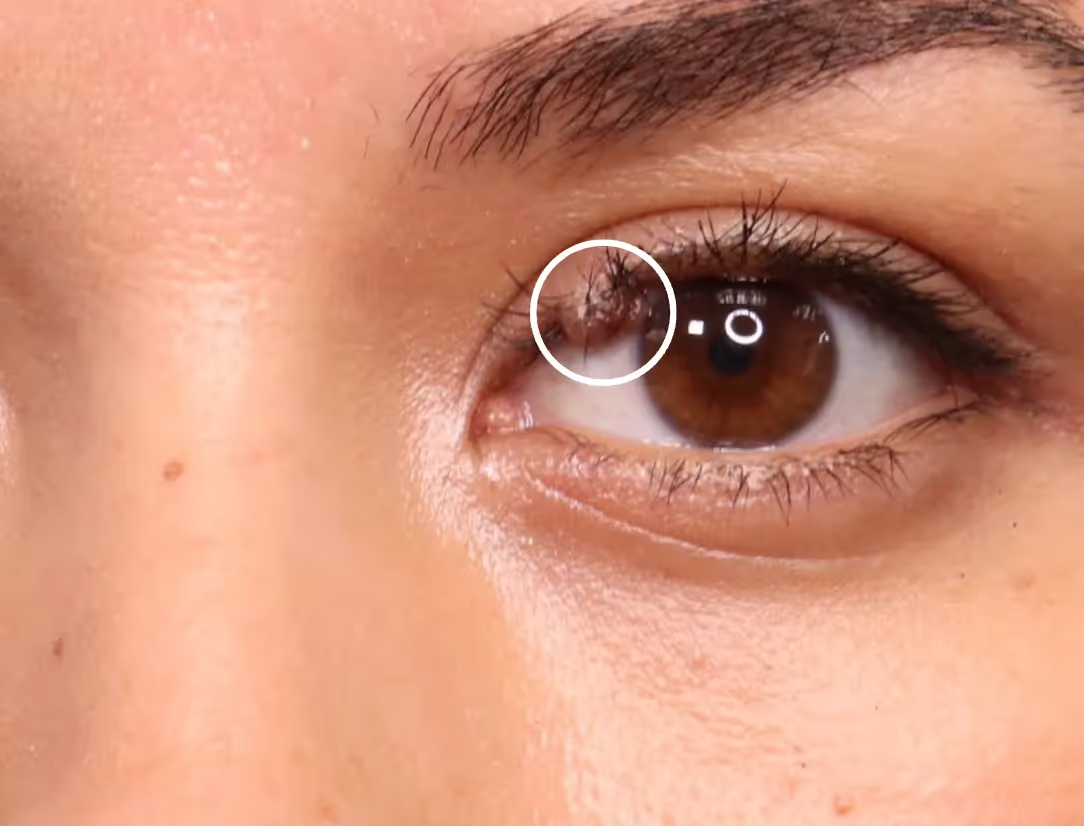
Rosacea manifests in four distinct subtypes, each requiring slightly different skincare considerations. Erythematotelangiectatic rosacea primarily causes persistent redness and visible blood vessels, while papulopustular rosacea presents with bumps and pimple-like lesions alongside redness. Phymatous rosacea leads to skin thickening, most commonly affecting the nose, and ocular rosacea impacts the eyes and surrounding areas.
The key to successful rosacea management lies in understanding that this condition stems from an overactive inflammatory response in the skin. Environmental factors, certain ingredients, physical stimuli, and even emotional stress can trigger inflammatory cascades that worsen symptoms. Your skincare routine should focus on supporting the skin barrier, reducing inflammation, and avoiding known triggers rather than trying to "cure" the condition.
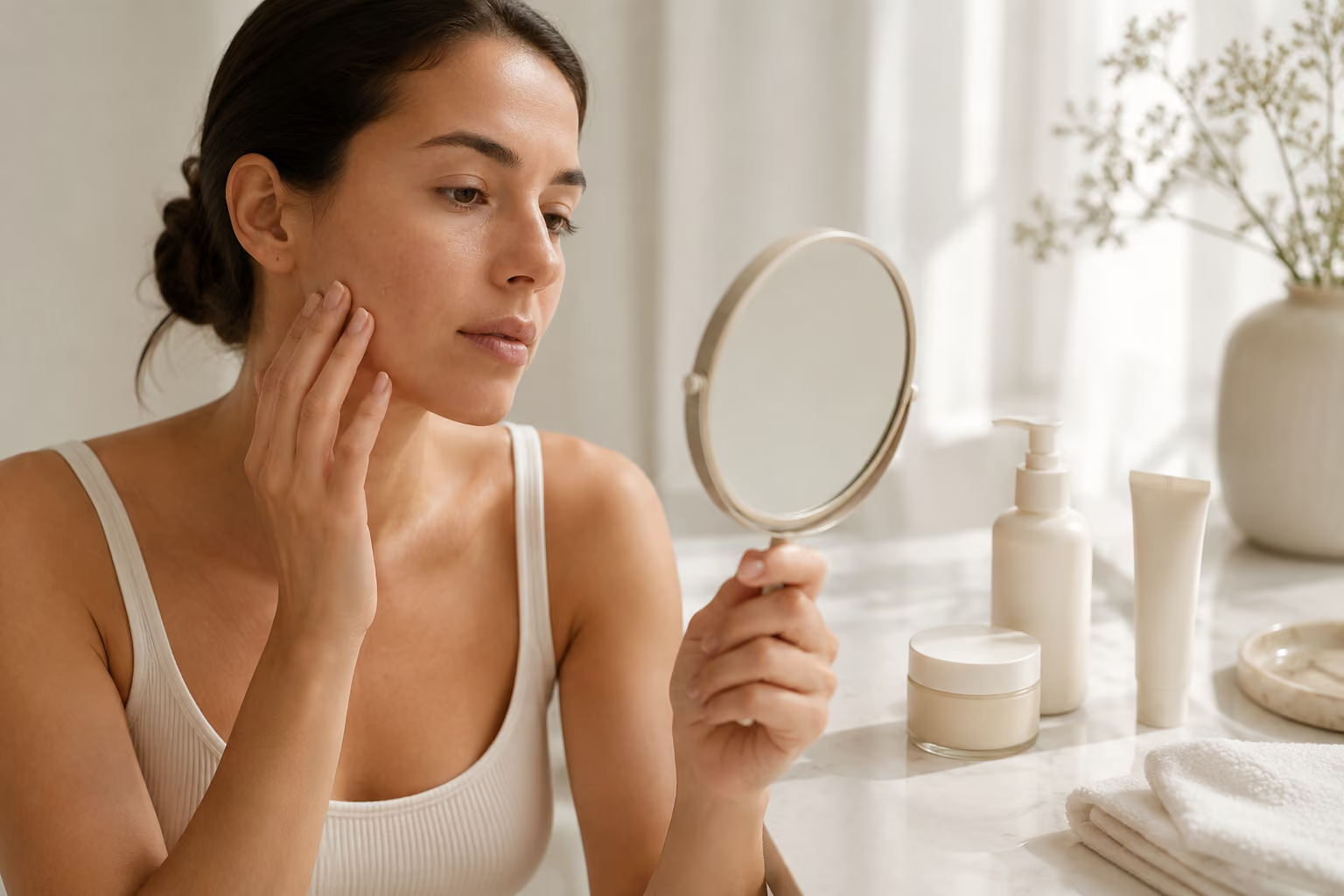
Dr. Salar Hazany emphasizes that consistency in skincare routines often matters more than the specific products chosen. Frequent changes in products can disrupt the skin barrier and trigger flare-ups, even when switching to seemingly gentler formulations. Building a routine requires patience, careful observation of your skin's responses, and gradual introduction of new products when changes are necessary.
Essential principles for rosacea-friendly skincare include:
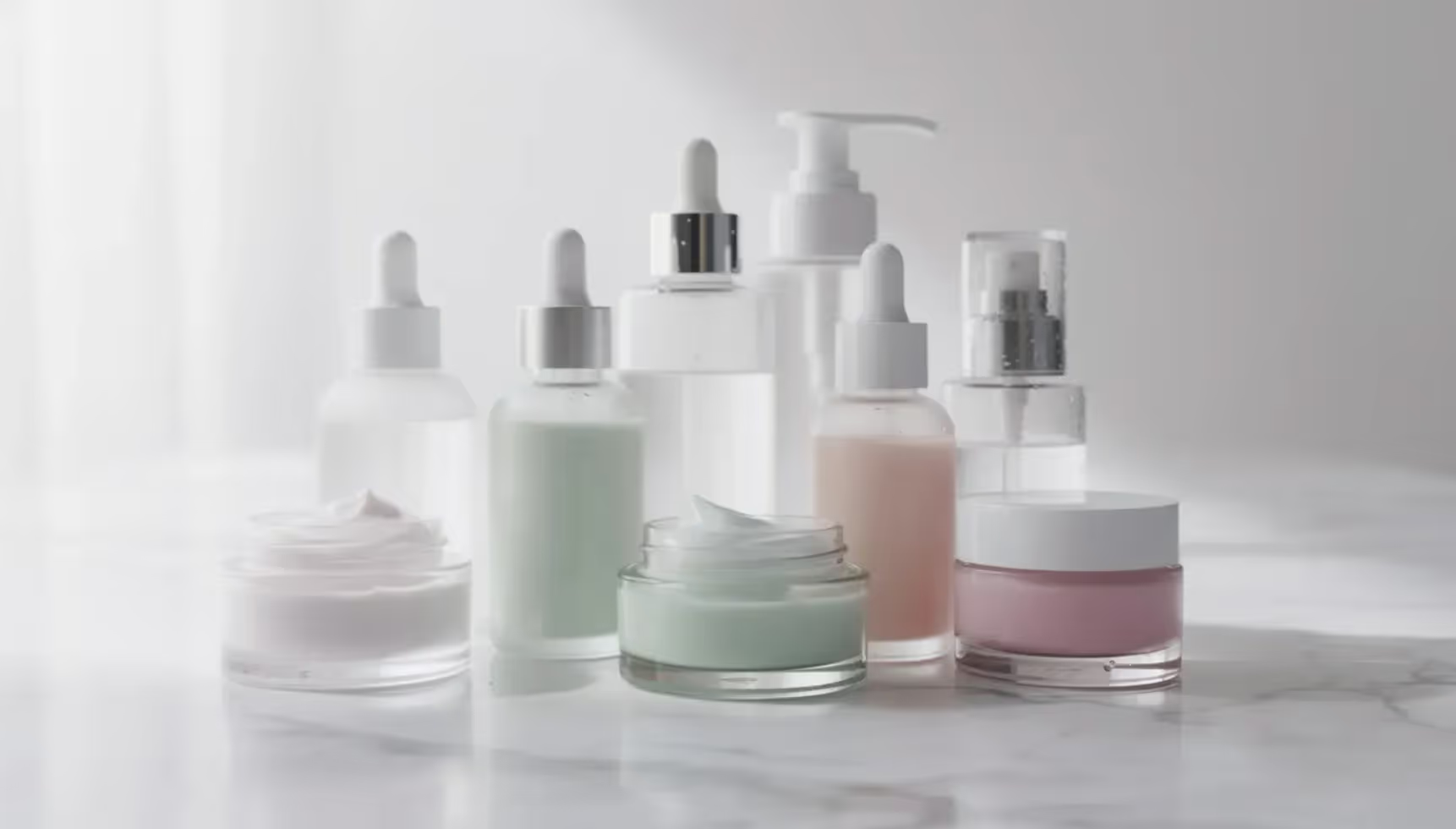
- Gentle cleansing: Use lukewarm water and mild, non-foaming cleansers that won't strip the skin barrier or cause mechanical irritation through aggressive rubbing.
- Consistent moisturizing: Apply fragrance-free, hypoallergenic moisturizers twice daily to maintain skin barrier function and prevent transepidermal water loss that can worsen sensitivity.
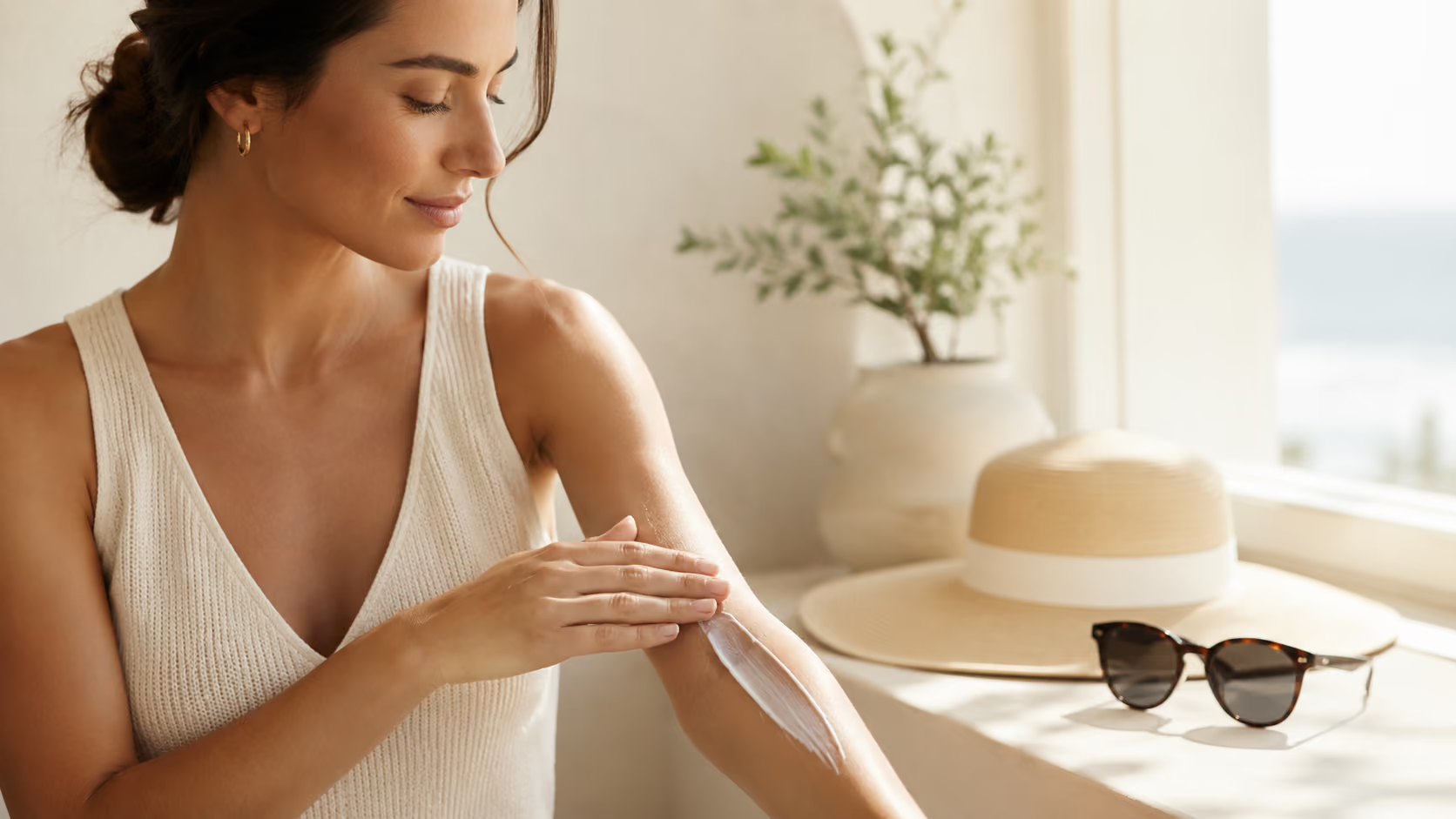
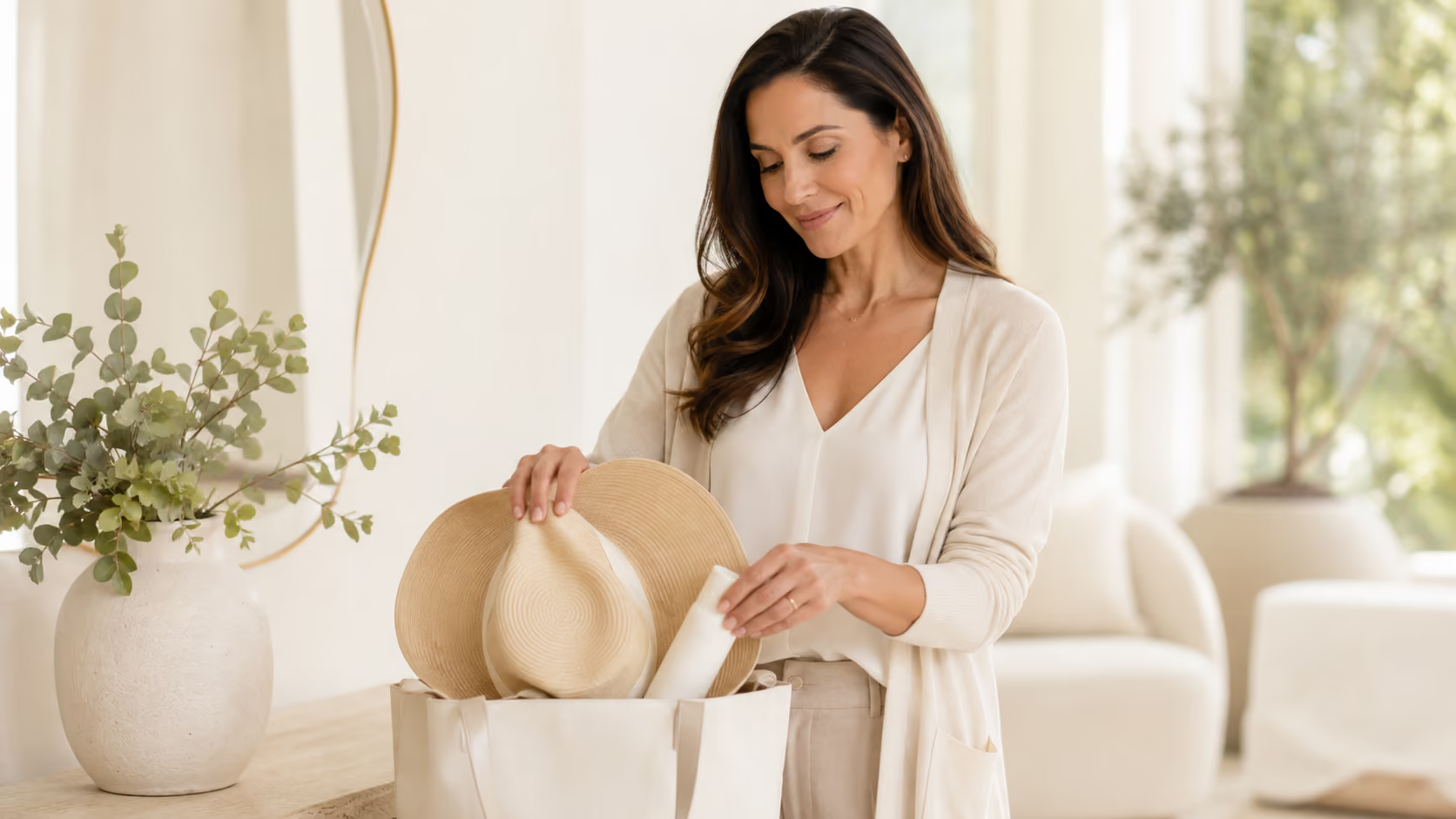
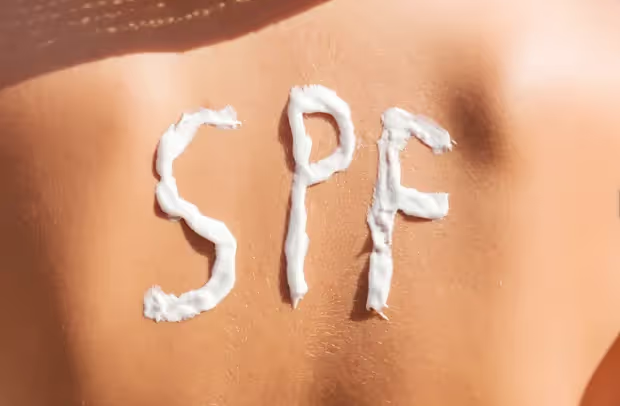
- Sun protection: Use broad-spectrum mineral sunscreens with zinc oxide or titanium dioxide daily, as UV exposure is one of the most common rosacea triggers.
- Ingredient awareness: Avoid alcohol, menthol, eucalyptus, fragrance, and other known irritants while seeking products with anti-inflammatory ingredients like niacinamide or azelaic acid.
The morning routine should focus on protection, while evening routines can incorporate treatment products that work overnight to calm inflammation. Always introduce new products one at a time, allowing at least two weeks to assess your skin's response before adding another product. This methodical approach helps identify which products benefit your skin and which might be causing subtle irritation that builds up over time.
Remember that skincare for rosacea is a marathon, not a sprint. Quick fixes and aggressive treatments typically backfire, leading to increased sensitivity and more frequent flare-ups. Hazany Derm patients often see the most dramatic improvements when they commit to gentle, consistent routines over several months rather than constantly switching products in search of immediate results.
Building Your Morning Rosacea Routine
Your morning skincare routine sets the foundation for protecting sensitive rosacea-prone skin throughout the day. The primary goals are gentle cleansing to remove overnight buildup, hydration to support the skin barrier, and comprehensive sun protection to prevent UV-triggered flare-ups. Starting with lukewarm water helps avoid the vasodilation that can worsen redness and sensitivity.
The cleansing step should be approached with particular care, as over-cleansing or using harsh products can strip the skin's natural protective oils. Many people with rosacea benefit from using only water or a very gentle cleanser in the morning, especially if they performed thorough cleansing the night before. If you do cleanse, choose cream or lotion-based cleansers over foaming varieties, which tend to be more drying and irritating.
Moisturizing becomes crucial for rosacea management, as compromised skin barrier function often accompanies this condition. The ideal morning moisturizer should contain ceramides, hyaluronic acid, or other barrier-supporting ingredients while remaining free of fragrances, essential oils, and other potential irritants. Apply moisturizer to slightly damp skin to enhance absorption and provide an extra layer of hydration.
Key components of an effective morning routine include:
- Lukewarm water rinse: Start with a gentle splash of lukewarm water to remove overnight buildup without shocking sensitive skin with temperature extremes.
- Gentle cleanser application: If cleansing, use a small amount of cream-based cleanser applied with fingertips in gentle circular motions for no more than 30 seconds.
- Immediate moisturizer application: Apply moisturizer to damp skin within three minutes of cleansing to lock in hydration and support barrier repair throughout the day.
- Mineral sunscreen protection: Finish with broad-spectrum SPF 30 or higher containing zinc oxide or titanium dioxide, reapplying every two hours during sun exposure.
The timing between products matters significantly for rosacea-prone skin. Allow your moisturizer to fully absorb before applying sunscreen, typically waiting three to five minutes between applications. This prevents pilling and ensures each product can perform its intended function without interference from other formulations.
Hazany Derm recommends keeping morning routines simple and consistent, as complicated multi-step regimens increase the likelihood of including irritating ingredients or overwhelming sensitive skin. Many patients find that a three-step routine of gentle cleansing, moisturizing, and sun protection provides optimal results without triggering flare-ups. Save more intensive treatments for evening routines when your skin has hours to recover before facing environmental stressors.
Designing Your Evening Rosacea Routine
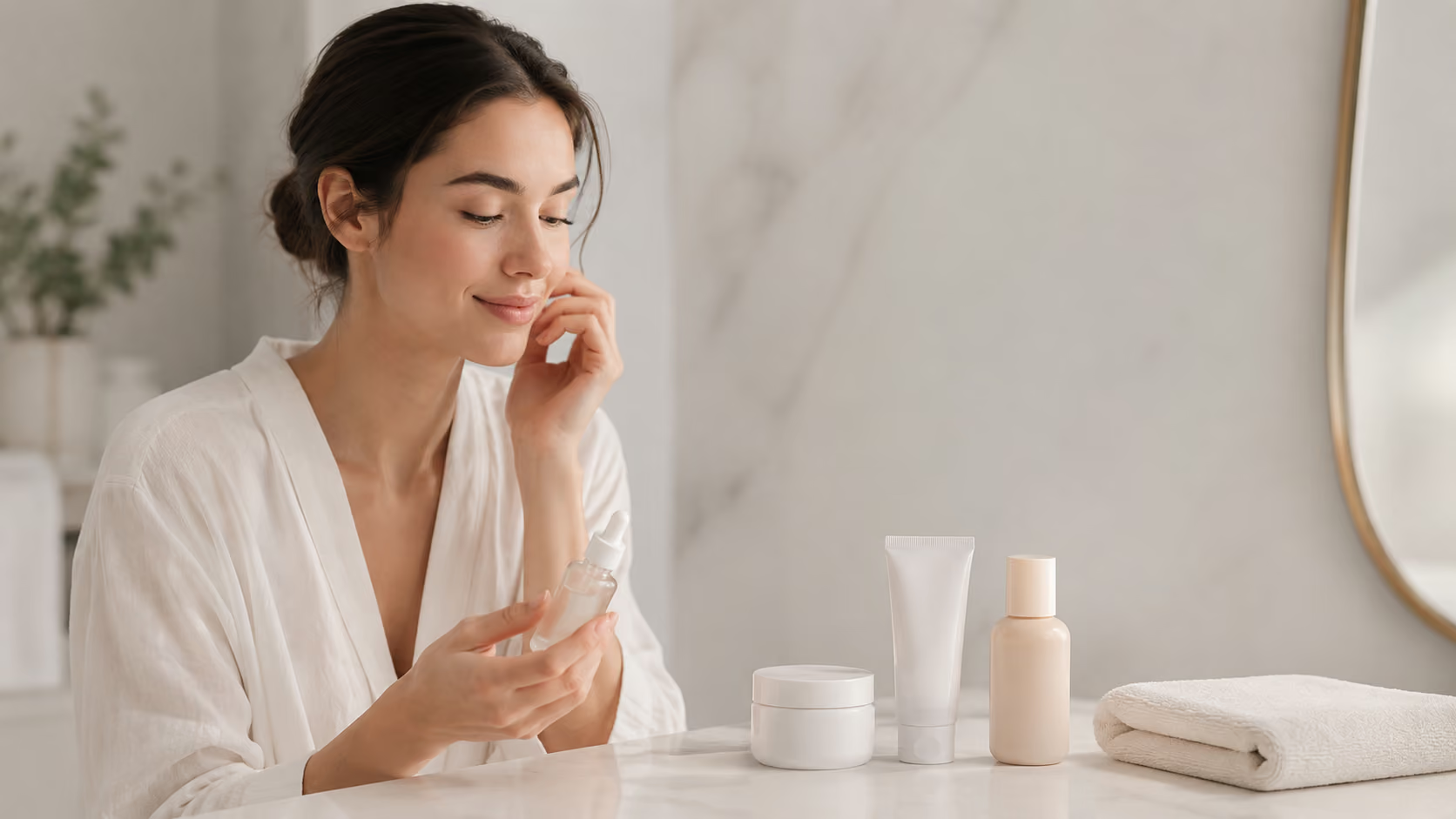
Evening skincare routines for rosacea focus on thorough but gentle removal of the day's buildup, intensive moisturizing, and application of treatment products that work overnight to calm inflammation. This is the time when your skin can best tolerate active ingredients, as it won't face immediate exposure to environmental stressors like UV radiation, wind, or pollution. The evening routine can be slightly more comprehensive than morning care while maintaining the gentle approach essential for rosacea management.
Double cleansing may benefit those who wear sunscreen daily or live in polluted environments, but this technique requires careful product selection for rosacea-prone skin. The first cleanse should use a gentle oil-based cleanser or micellar water to dissolve sunscreen and makeup, followed by a cream-based cleanser to remove remaining impurities. Never use mechanical scrubbing or harsh rubbing, as physical irritation can trigger immediate redness and long-term sensitivity increases.
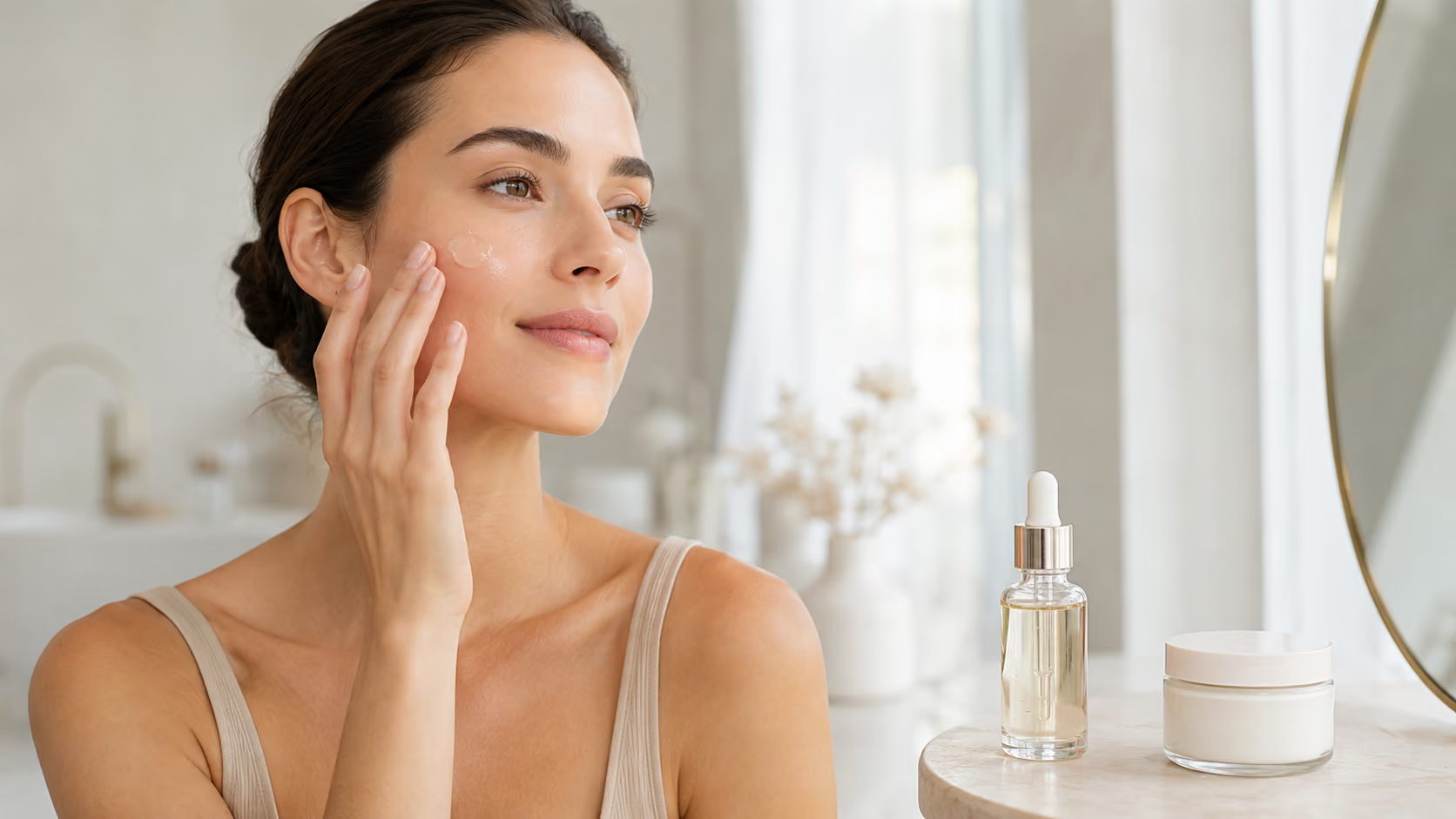
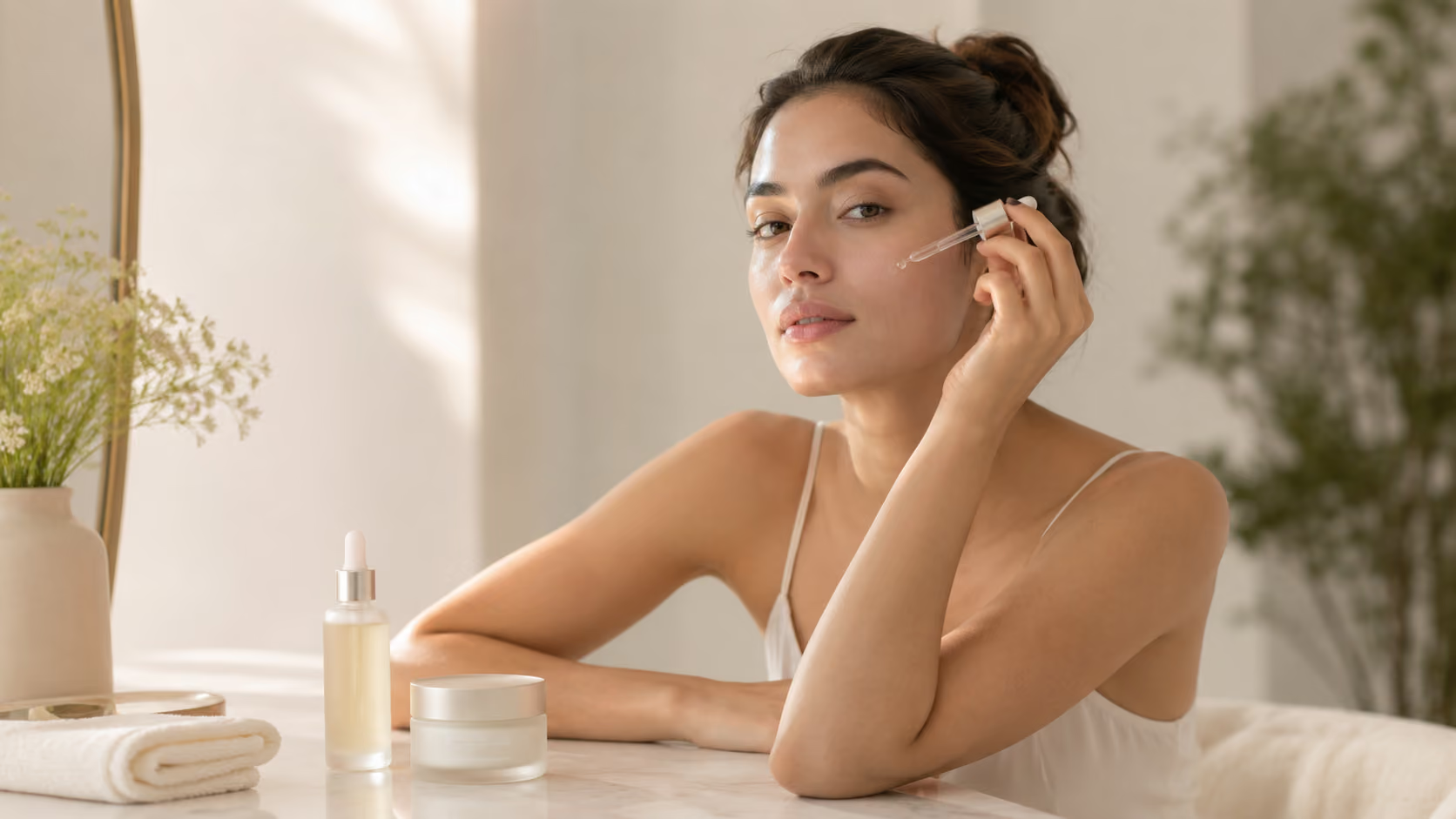
Treatment products work most effectively when applied to clean, slightly damp skin in the evening hours. Ingredients like azelaic acid, niacinamide, or prescription medications prescribed by dermatology professionals can help reduce inflammation and improve skin texture over time. Always introduce treatment products gradually, starting with application every third night and slowly increasing frequency as your skin builds tolerance.
Essential evening routine elements include:
- Thorough but gentle cleansing: Remove sunscreen, makeup, and daily buildup using oil-based or cream cleansers applied with light pressure and removed with soft, damp cloths.
- Treatment product application: Apply prescribed or recommended anti-inflammatory treatments to clean, slightly damp skin, focusing on areas of persistent redness or irritation.
- Intensive moisturizing: Use a richer nighttime moisturizer containing ingredients like ceramides, peptides, or hyaluronic acid to support overnight barrier repair and hydration.
- Optional occlusive protection: In dry climates or during harsh weather, consider applying a thin layer of petroleum jelly or similar occlusive over moisturizer on the most sensitive areas.
The order of product application follows the general rule of thinnest to thickest consistency, allowing each layer to absorb before applying the next. Treatment serums or gels should go directly on clean skin, followed by moisturizers, and finally any occlusive products if needed. This layering technique maximizes the effectiveness of active ingredients while ensuring proper hydration and barrier protection.
Dr. Salar Hazany often reminds patients that evening routines should promote relaxation and stress reduction, as emotional stress can trigger rosacea flare-ups. Create a calming environment during your skincare routine, avoiding harsh bathroom lighting and taking time to massage products gently into your skin. This mindful approach to evening skincare can provide both physical and emotional benefits that support overall rosacea management.
Frequently Asked Questions
What cleansers are best for rosacea-prone skin?
The ideal cleansers for rosacea are cream or lotion-based formulations that clean without stripping the skin's natural oils. Look for products labeled as fragrance-free, hypoallergenic, and specifically designed for sensitive skin. Avoid foaming cleansers, scrubs, or anything containing alcohol, menthol, or strong fragrances. Dr. Salar Hazany recommends cleansers with ingredients like ceramides or glycerin that help maintain the skin barrier while cleaning. Micellar waters can also work well for gentle makeup removal. Always use lukewarm water and pat skin dry rather than rubbing, as physical irritation can trigger rosacea flare-ups even with the gentlest cleansers.
How often should I moisturize if I have rosacea?
People with rosacea should moisturize twice daily, morning and evening, to maintain optimal skin barrier function. Consistent moisturizing helps prevent transepidermal water loss, which can increase skin sensitivity and trigger flare-ups. Choose fragrance-free moisturizers containing barrier-supporting ingredients like hyaluronic acid, ceramides, or niacinamide. Hazany Derm emphasizes that moisturizing immediately after cleansing, while skin is still slightly damp, maximizes hydration benefits. During flare-ups or in harsh weather conditions, you may need to reapply moisturizer during the day. Some patients benefit from using a lighter morning moisturizer under sunscreen and a richer nighttime formula for intensive overnight repair.
Can I use retinoids if I have rosacea?
Retinoids require extreme caution for rosacea patients, as they can increase skin sensitivity and potentially trigger severe flare-ups. Traditional retinoids like tretinoin are generally too irritating for most people with active rosacea. However, some patients with well-controlled rosacea may tolerate gentler retinol products or retinyl palmitate under careful supervision. The team at Hazany Derm typically recommends establishing a solid gentle skincare routine and achieving good rosacea control before considering any retinoid products. If you want to incorporate anti-aging ingredients, alternatives like bakuchiol, peptides, or vitamin C may be better tolerated. Always introduce any new active ingredient gradually and discontinue use immediately if irritation occurs.
What sunscreen ingredients should I avoid with rosacea?
Chemical sunscreen ingredients like oxybenzone, octinoxate, and avobenzone can irritate rosacea-prone skin and should generally be avoided. Instead, choose mineral or physical sunscreens containing zinc oxide or titanium dioxide as active ingredients. These sit on top of the skin rather than absorbing into it, reducing irritation potential. Dr. Hazany also recommends avoiding sunscreens with fragrances, alcohol, or preservatives like parabens if you have particularly sensitive skin. Look for products specifically formulated for sensitive skin and labeled as hypoallergenic. Some people find that tinted mineral sunscreens help camouflage redness while providing protection. Always test new sunscreens on a small area first, as individual sensitivities vary even with generally safe ingredients.
Are there specific ingredients that help calm rosacea symptoms?
Several ingredients have anti-inflammatory properties that can help calm rosacea symptoms when used consistently. Niacinamide (vitamin B3) reduces redness and strengthens the skin barrier, making it excellent for daily use. Azelaic acid provides anti-inflammatory and antimicrobial benefits, often prescribed by dermatologists for rosacea management. Green tea extract, licorice root extract, and colloidal oatmeal offer soothing properties for irritated skin. Hazany Derm specialists often recommend products containing ceramides and hyaluronic acid to support barrier function and hydration. Allantoin and panthenol (pro-vitamin B5) can also provide gentle anti-inflammatory benefits. Always introduce new ingredients gradually and choose products with minimal ingredient lists to reduce the risk of encountering irritants alongside beneficial components.
How long does it take to see improvement with a rosacea skincare routine?
Most people begin seeing initial improvements in their rosacea symptoms within 4-6 weeks of starting a consistent, appropriate skincare routine. However, significant changes typically require 2-3 months of dedicated adherence to the regimen. The first improvements usually include reduced daily irritation and fewer minor flare-ups, followed by gradual reduction in baseline redness and improved skin texture. Dr. Salar Hazany emphasizes that patience is crucial, as rushing the process or frequently changing products can set back progress. Some people may experience a brief adjustment period where skin appears slightly more reactive before improving. Keep a skin diary to track triggers and improvements, as progress can be gradual and easy to miss day-to-day. Severe cases may require prescription treatments alongside proper skincare for optimal results.
Should I avoid all fragranced products if I have rosacea?
Yes, avoiding fragranced products is strongly recommended for anyone with rosacea, as both synthetic fragrances and natural essential oils can trigger inflammation and flare-ups. Even products labeled as "lightly scented" or containing "natural fragrance" should be avoided, as these terms don't guarantee skin compatibility. This includes avoiding products with essential oils like lavender, peppermint, eucalyptus, or citrus oils, which are common triggers. The Hazany Derm clinic advises patients to choose products specifically labeled as "fragrance-free" rather than "unscented," as unscented products may contain masking fragrances to hide ingredient odors. Read ingredient lists carefully, as fragrances may be listed as "parfum," "fragrance," or specific essential oil names. Even laundry detergents and fabric softeners should be fragrance-free to avoid indirect skin contact irritation.
Can stress affect my rosacea skincare routine effectiveness?
Stress significantly impacts rosacea symptoms and can reduce the effectiveness of even the most carefully chosen skincare routine. Chronic stress triggers inflammatory responses that can worsen rosacea flare-ups and increase skin sensitivity to products that were previously well-tolerated. During high-stress periods, you may need to simplify your routine further, focusing only on the most essential gentle cleansing, moisturizing, and sun protection steps. The experts at Hazany Derm recommend incorporating stress-reduction techniques like deep breathing, meditation, or gentle yoga alongside proper skincare. Adequate sleep, regular exercise, and stress management can actually enhance your skincare routine's effectiveness by reducing baseline inflammation. Some patients find that their skincare routine itself becomes a relaxing ritual that helps manage stress, creating positive feedback loops for both mental health and skin improvement.