




%201.avif)



Why Do Some Scars Heal Better Than Others?


Scar healing varies due to factors like genetics, wound location, age, and skin care practices. Hazany Derm offers comprehensive scar treatment solutions to optimize healing outcomes and improve appearance through advanced dermatological techniques.
Scarring is a natural part of the body's healing process, yet the final appearance and quality of scars can vary dramatically from person to person. Some individuals seem blessed with barely visible marks after injuries or surgeries, while others develop prominent, raised, or discolored scars that persist for years. This variation in healing outcomes often leaves patients wondering why their scars didn't heal as well as they hoped or expected.
Understanding the factors that influence scar formation and healing is crucial for both preventing problematic scars and treating existing ones effectively. The process of wound healing involves a complex cascade of cellular events, including inflammation, tissue formation, and remodeling phases that can be influenced by numerous internal and external factors. At Hazany Derm, we frequently encounter patients seeking answers about their scars and guidance on how to achieve better healing outcomes.
The science behind scar formation reveals that multiple variables work together to determine the final appearance of healed tissue. From genetic predisposition to environmental factors, age to aftercare practices, each element plays a role in the ultimate success of the healing process. By examining these factors in detail, we can better understand why some scars heal beautifully while others become sources of cosmetic concern or physical discomfort.
Why Do Some Scars Heal Better Than Others?
Scars heal differently because healing itself is individual. Genetics set your collagen production and inflammatory response, age and circulation determine repair speed, and skin tone influences pigmentation and keloid risk. On top of biology, wound location, tension, sun exposure, and early care can each push the same injury toward a barely visible line — or a raised, lasting scar.
Biological and Genetic Factors That Influence Scar Healing
The foundation of how well a scar heals begins with an individual's unique biological makeup and genetic programming. Genetics play a significant role in determining skin thickness, collagen production rates, and the body's inflammatory response to injury. Some people inherit genes that promote efficient collagen synthesis and organization, leading to smoother, less noticeable scars, while others may have genetic variations that predispose them to excessive scar tissue formation or poor wound healing.
Age represents another crucial biological factor that dramatically affects scar healing outcomes. Younger skin typically heals faster and more efficiently due to higher rates of cellular turnover, better blood circulation, and more robust collagen production. Children and young adults often experience superior scar healing compared to older individuals, whose skin may have reduced elasticity, slower cellular regeneration, and compromised circulation that can impede the healing process.
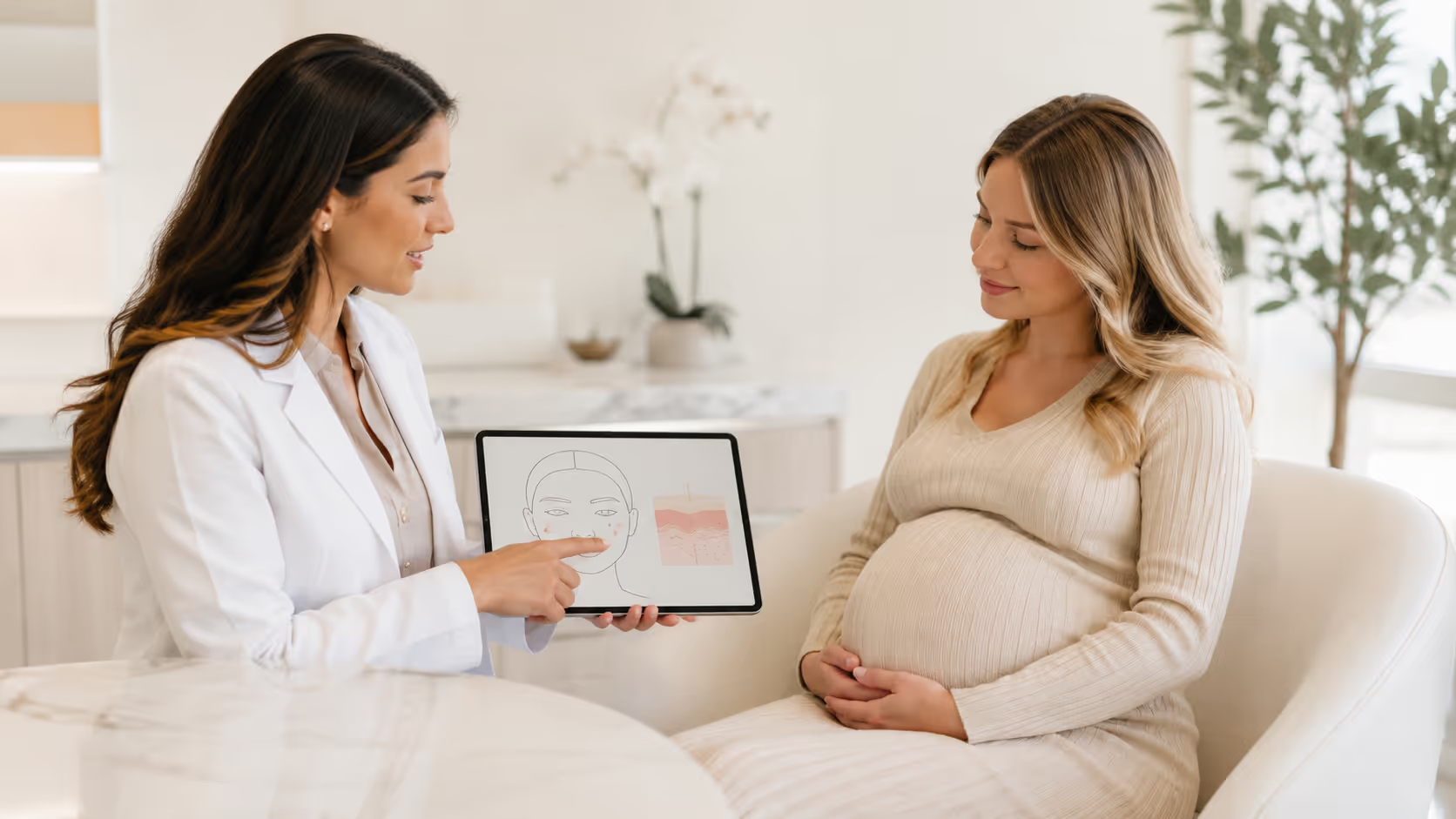
Hormonal influences also significantly impact scar formation and healing quality. Estrogen levels, growth hormones, and stress hormones like cortisol can all affect how wounds heal and how scars ultimately appear. Women may notice differences in scar healing during different life phases, such as pregnancy or menopause, when hormonal fluctuations can influence skin repair mechanisms. Dr. Salar Hazany often discusses with patients how these hormonal changes might affect their scar treatment planning and expected outcomes.
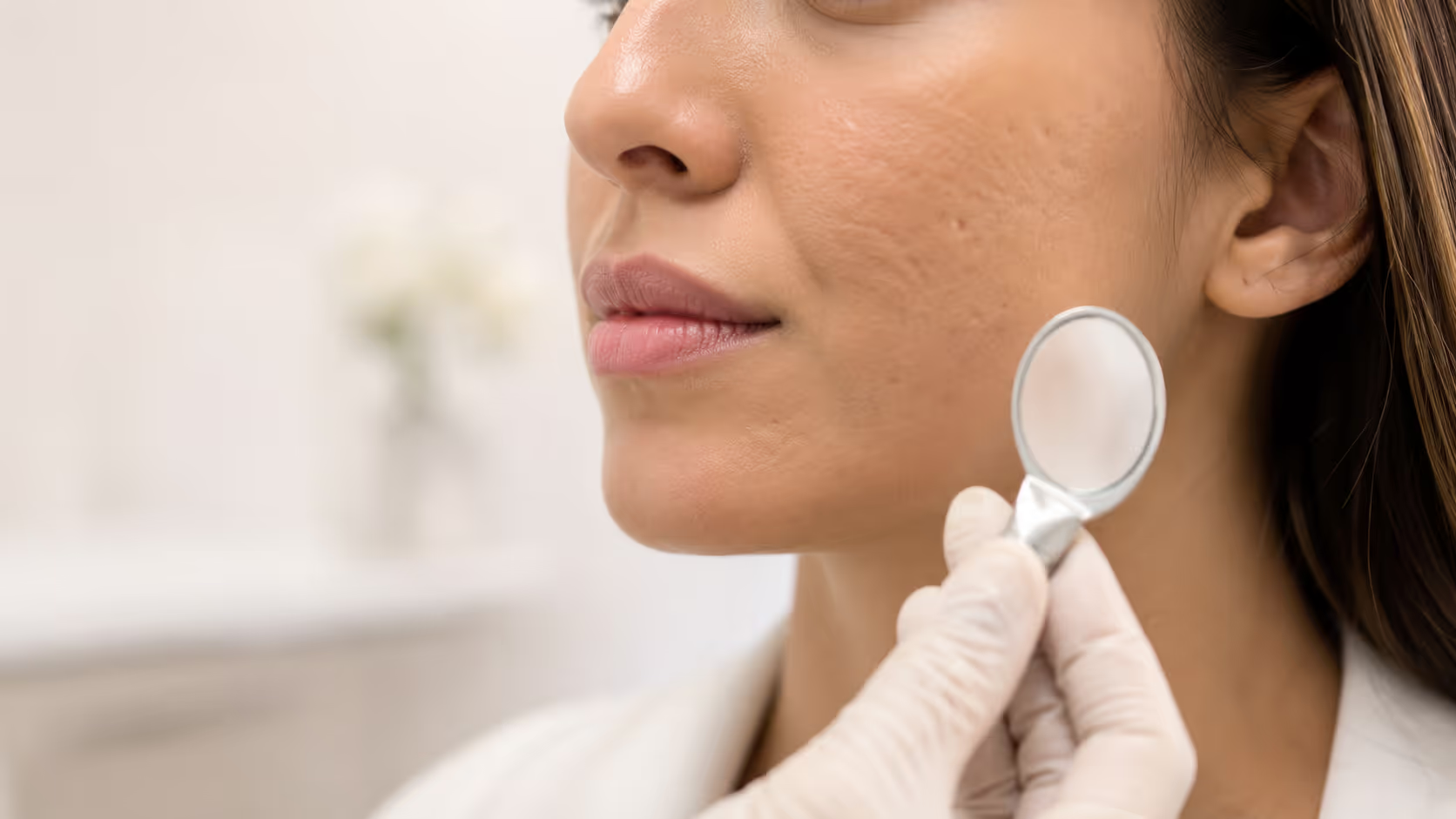
Skin type and ethnicity also influence scarring patterns and healing outcomes. Individuals with darker skin tones may be more prone to keloid formation and hyperpigmentation following injury, while those with lighter skin might experience different types of scarring challenges. These genetic factors don't make good healing impossible, but they do require tailored treatment approaches and realistic expectations about outcomes.
The presence of underlying health conditions can significantly compromise the body's natural healing abilities. Conditions such as diabetes, autoimmune disorders, and circulation problems can interfere with the normal wound healing cascade, leading to delayed healing, increased infection risk, and poorer scar outcomes. Hazany Derm takes these health factors into careful consideration when developing personalized scar treatment plans for patients.
Environmental and Lifestyle Factors
Beyond genetics and biology, numerous environmental and lifestyle factors profoundly influence how scars heal and their final appearance. The location of a wound on the body significantly affects healing outcomes, as different areas experience varying levels of tension, movement, and blood supply. Scars on the chest, shoulders, and joints often heal less favorably due to constant stretching and movement, while areas with better blood circulation and less mechanical stress typically produce superior results.
Sun exposure represents one of the most controllable yet frequently overlooked factors in scar healing. Ultraviolet radiation can darken healing scars, making them more noticeable and permanent. Fresh scars are particularly vulnerable to sun damage, which can disrupt the normal remodeling process and lead to irregular pigmentation. Proper sun protection during the healing phase is essential for optimal scar outcomes and is a key recommendation that Hazany Derm emphasizes to all patients with healing wounds.
Nutrition and hydration status directly impact the body's ability to repair damaged tissue effectively. Adequate protein intake provides the building blocks for new tissue formation, while vitamins C and E support collagen synthesis and protect against oxidative damage. Zinc, vitamin A, and other micronutrients also play crucial roles in the wound healing process. Poor nutrition or dehydration can significantly compromise healing quality and lead to suboptimal scar formation.
Key environmental and lifestyle factors affecting scar healing include:
- Wound care practices: Proper cleaning, moisture balance, and protection significantly influence healing outcomes
- Physical activity levels: Appropriate movement promotes circulation while excessive strain can disrupt healing
- Smoking and alcohol consumption: These habits impair circulation and immune function, compromising healing quality
- Stress management: Chronic stress elevates cortisol levels, which can interfere with normal wound repair processes
The initial treatment and care of a wound plays a critical role in determining the eventual scar quality. Wounds that are properly cleaned, appropriately sutured or closed, and kept in optimal healing conditions are much more likely to result in minimal scarring. Conversely, wounds that become infected, are improperly treated, or experience repeated trauma during healing often develop more noticeable and problematic scars.
Sleep quality and duration also affect scar healing, as the body performs much of its repair work during rest periods. Growth hormone release peaks during deep sleep, promoting tissue regeneration and collagen synthesis. Patients who consistently get adequate, quality sleep often experience better wound healing outcomes compared to those with sleep disorders or insufficient rest. The team at Hazany Derm often discusses lifestyle modifications with patients to optimize their body's natural healing capabilities and improve scar outcomes.
Treatment Approaches and Professional Intervention
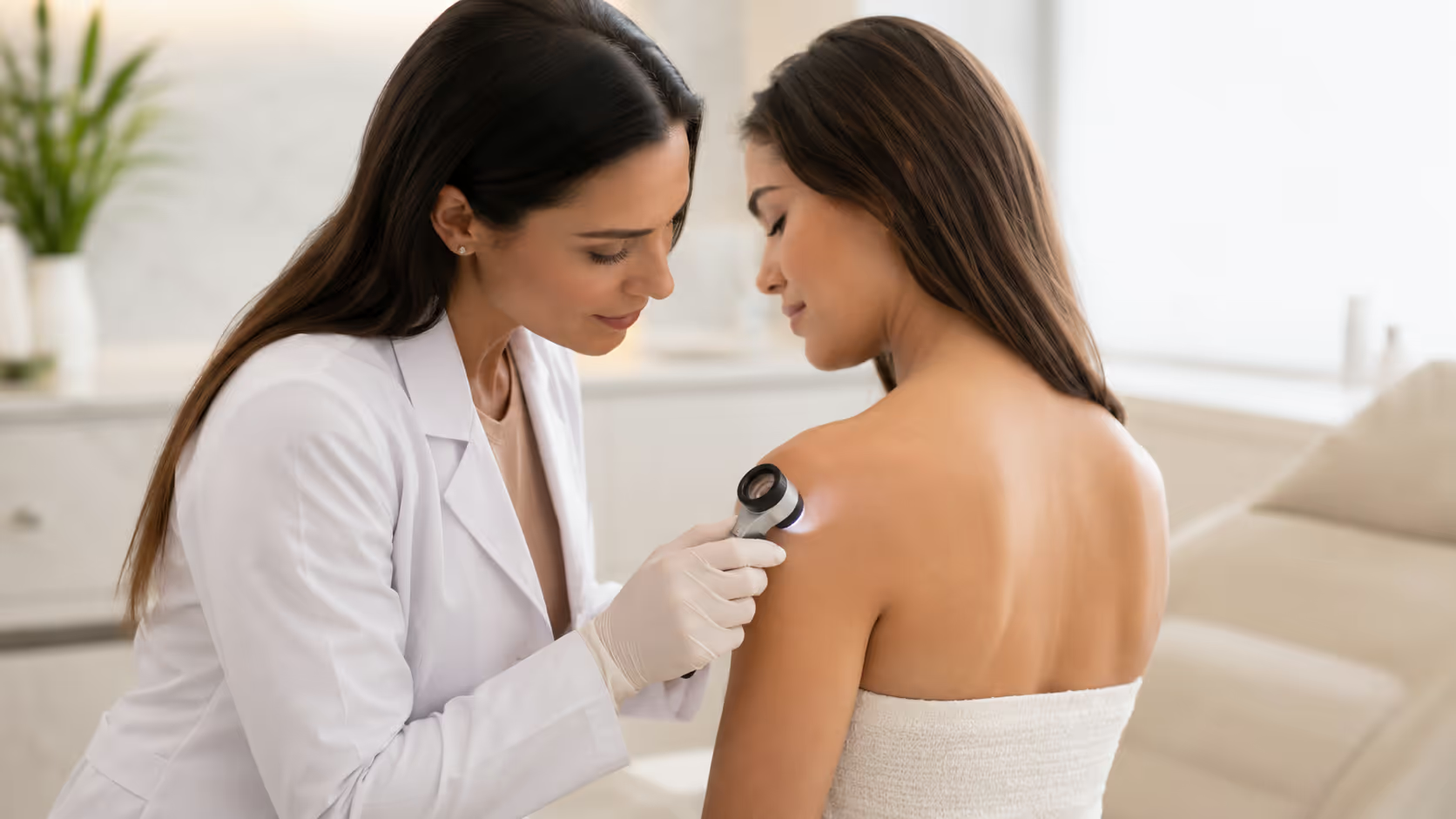
The timing and type of professional intervention can dramatically influence scar healing outcomes and final appearance. Early intervention, ideally beginning during the initial healing phase, often produces the best results for scar prevention and optimization. Professional dermatologists can assess wound healing progress, identify potential problems early, and implement preventive measures to minimize adverse scarring. This proactive approach is far more effective than attempting to treat established, mature scars later.
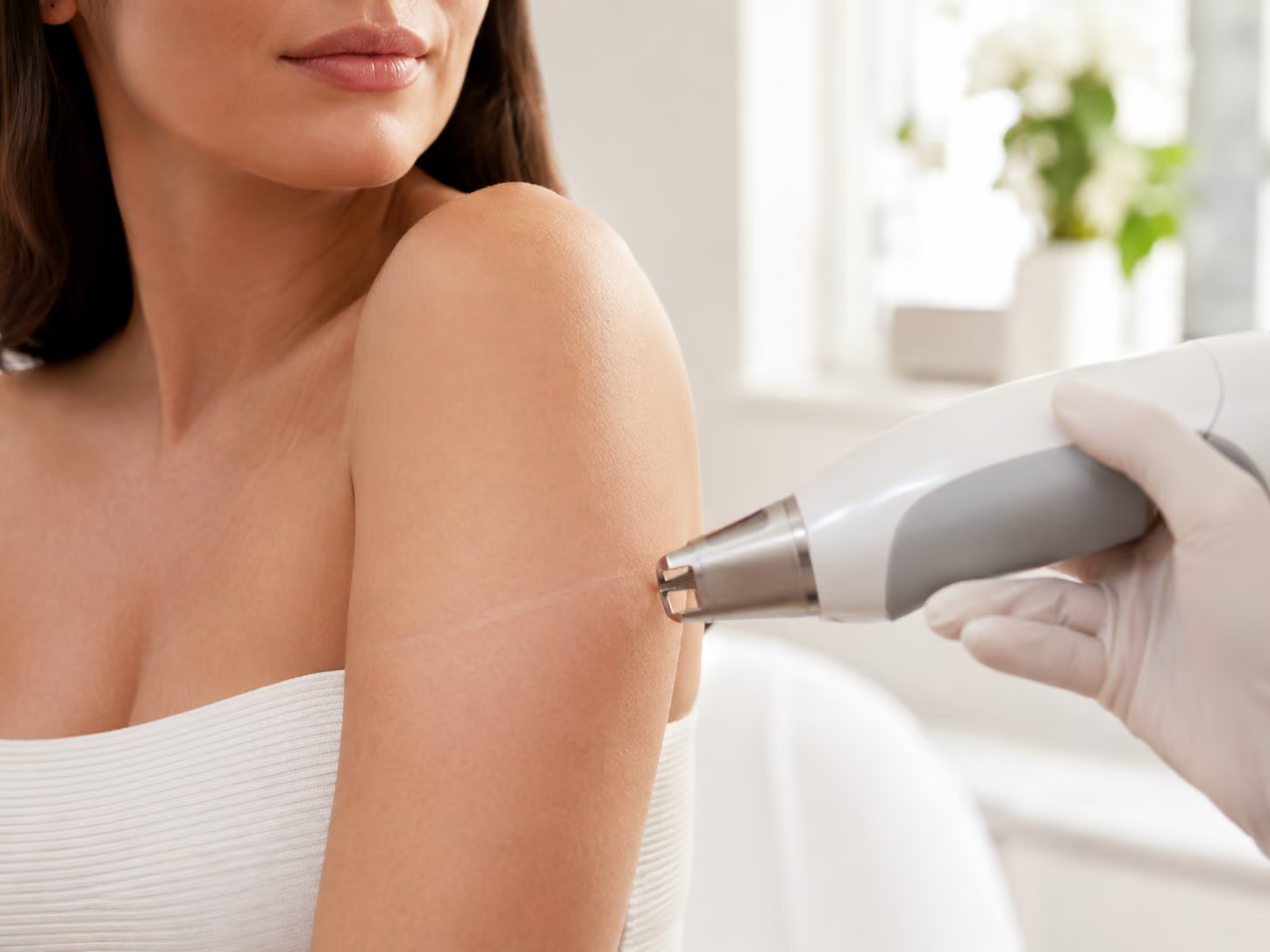
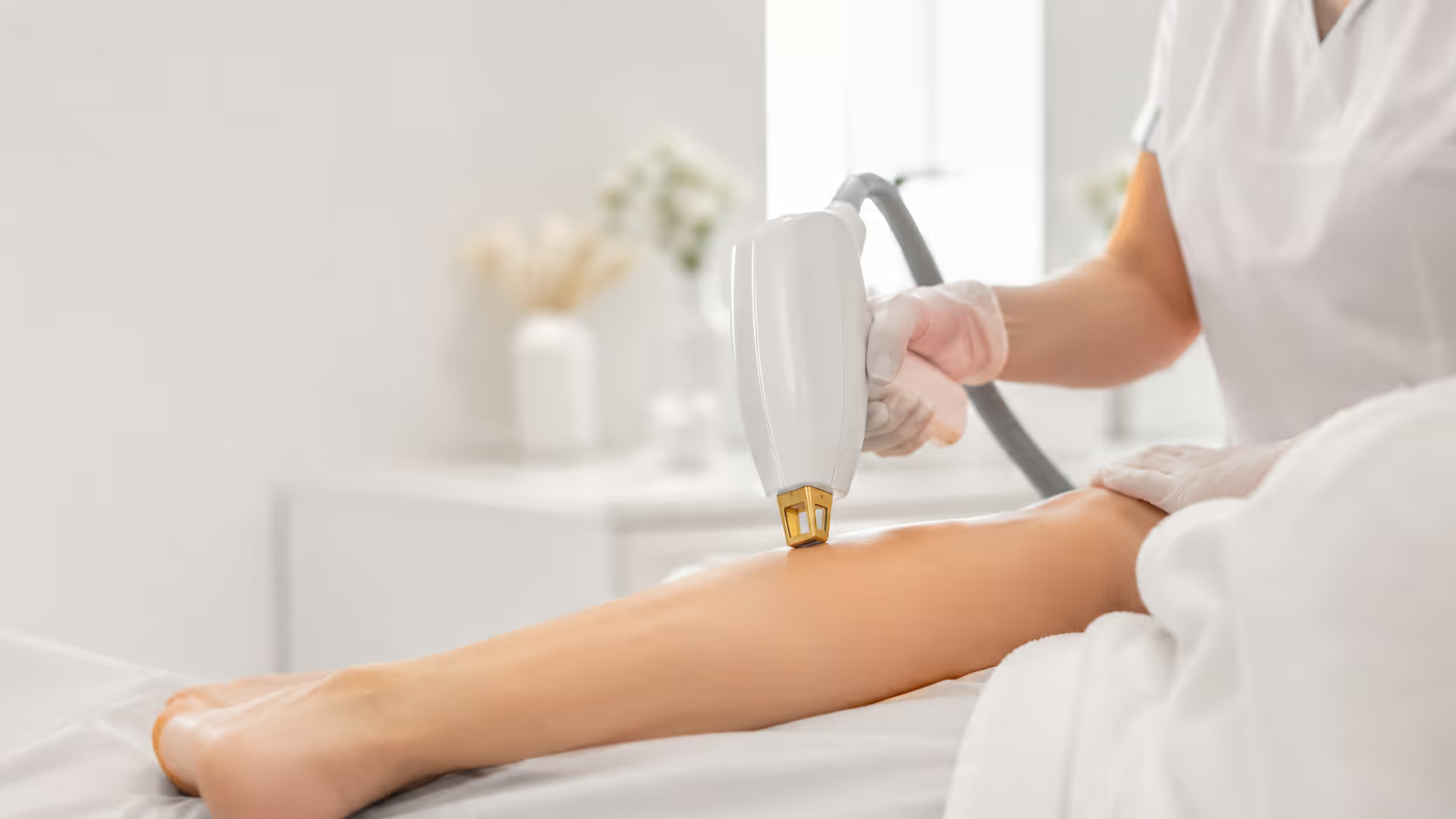
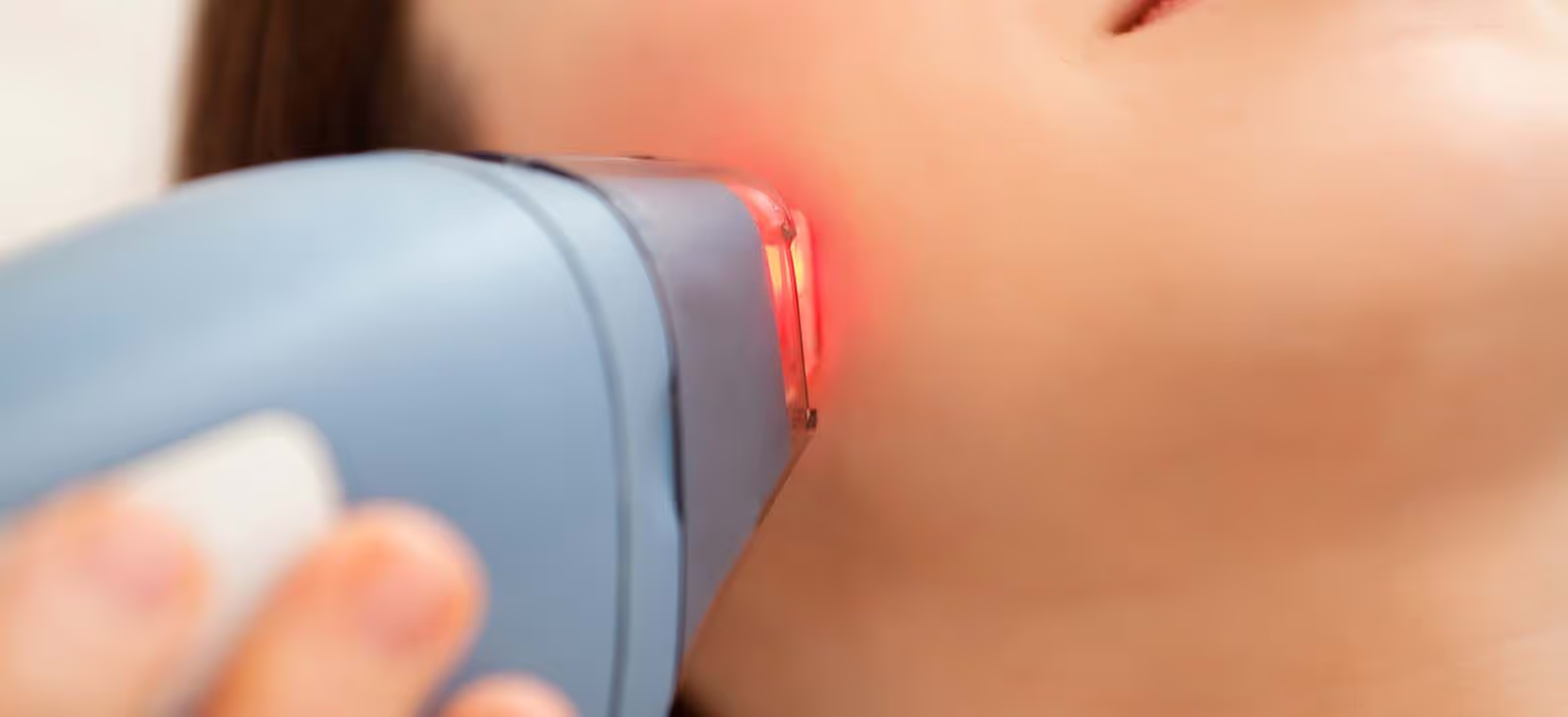
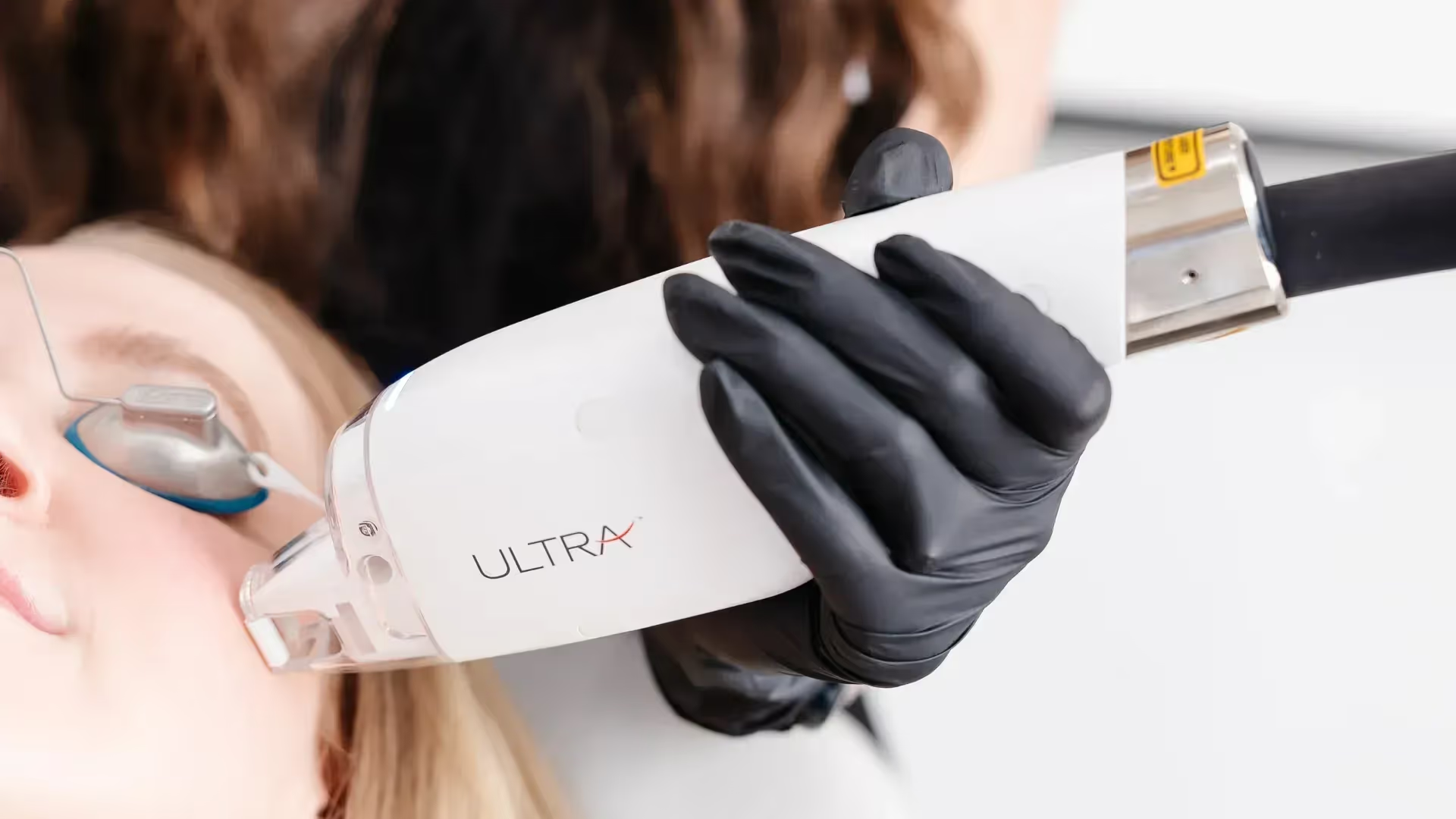
Advanced treatment modalities available through professional dermatology practices offer significant advantages over basic wound care alone. Laser therapies, prescription topical treatments, injection therapies, and other specialized interventions can dramatically improve scar healing outcomes when applied appropriately. These treatments work by modulating the body's natural healing processes, reducing excessive inflammation, promoting proper collagen organization, and addressing specific scarring concerns as they develop.
The expertise and experience of the treating physician significantly impact treatment success and patient satisfaction. Dermatologists who specialize in scar treatment understand the nuances of different scar types, can predict potential healing challenges, and know how to customize treatment approaches for individual patient needs. Dr. Hazany brings extensive experience in scar management, allowing for more precise treatment planning and better outcomes for patients seeking scar improvement.
Patient education and compliance with professional recommendations significantly influence treatment success rates. Understanding proper wound care, recognizing signs of complications, and following through with prescribed treatments are essential for optimal outcomes. Patients who actively participate in their care and maintain regular follow-up appointments typically achieve better results than those who attempt self-treatment or neglect professional guidance.
The availability of ongoing monitoring and treatment adjustments through professional care ensures that scar healing progresses optimally over time. Scars continue to evolve and remodel for months or even years after initial injury, and professional oversight allows for timely interventions if healing deviates from the desired path. Hazany Derm specialists provide comprehensive scar management that adapts to changing patient needs throughout the healing and remodeling process, ensuring the best possible long-term outcomes for each individual case.
Professional Scar Care in Beverly Hills
The factors you can't control — genetics, age, skin type — are exactly why the ones you can matter so much. Schedule a consultation with Dr. Salar Hazany in Beverly Hills to give a healing scar its best possible outcome, or to improve one that healed years ago.
Frequently Asked Questions
What role does genetics play in scar healing?
Genetics fundamentally influence how well scars heal by determining skin thickness, collagen production efficiency, and inflammatory response patterns. Some individuals inherit genes that promote organized collagen synthesis and controlled inflammation, resulting in minimal, well-healed scars. Others may have genetic variations that predispose them to excessive scar tissue formation, keloids, or hypertrophic scarring. Dr. Salar Hazany explains that while genetic factors create certain predispositions, they don't predetermine outcomes entirely. Understanding your genetic tendencies helps in developing realistic expectations and choosing appropriate preventive measures. Even patients with challenging genetic backgrounds can achieve significant improvements through proper professional treatment and care protocols.
How does age affect the way scars heal?
Age significantly impacts scar healing due to changes in skin structure, cellular regeneration rates, and circulatory function over time. Younger individuals typically heal faster with less noticeable scars because their skin has higher collagen production, better elasticity, and more robust cellular turnover. As we age, healing slows down due to reduced growth hormone levels, decreased blood circulation, and thinner skin with less regenerative capacity. Hazany Derm recognizes these age-related factors when developing treatment plans, often recommending more intensive interventions for older patients. However, proper professional care can help patients of any age achieve improved scar healing outcomes through targeted therapies that compensate for age-related healing challenges.
Can nutrition really impact how well my scars heal?
Nutrition profoundly affects scar healing by providing essential building blocks for tissue repair and regeneration. Adequate protein intake supplies amino acids necessary for collagen synthesis, while vitamins C and E support healthy tissue formation and protect against oxidative damage. Zinc, vitamin A, and other micronutrients play crucial roles in immune function and cellular repair processes. Poor nutrition or deficiencies can significantly delay healing and result in weaker, more noticeable scars. The team at Hazany Derm often discusses nutritional optimization with patients undergoing scar treatment, as proper nutrition enhances the effectiveness of professional interventions. Staying well-hydrated and maintaining a balanced diet rich in healing nutrients creates the optimal internal environment for superior scar outcomes.
Why do scars in certain body areas heal worse than others?
Scar healing varies significantly by body location due to differences in skin thickness, blood supply, and mechanical stress. Areas under constant tension or movement, such as joints, chest, and shoulders, experience more challenging healing conditions that can lead to wider or more raised scars. These regions also have different collagen fiber orientations and varying amounts of sebaceous glands, which influence healing patterns. Dr. Hazany explains that areas with better circulation, like the face, often heal with less noticeable scars compared to areas with limited blood supply. Understanding these anatomical differences helps in setting realistic expectations and choosing appropriate treatment strategies. Professional intervention can help optimize healing even in challenging body locations through targeted approaches.
How important is sun protection during scar healing?
Sun protection is absolutely critical during scar healing, as UV radiation can permanently damage healing tissue and worsen scar appearance. Fresh scars are particularly vulnerable because new tissue lacks adequate melanin protection and the normal skin barrier is compromised. Sun exposure can cause hyperpigmentation, making scars darker and more noticeable permanently, while also disrupting the normal collagen remodeling process. Hazany Derm specialists strongly emphasize sun protection as a fundamental component of optimal scar healing. Using broad-spectrum SPF, protective clothing, and avoiding peak sun hours for at least six months to a year after injury helps ensure the best possible healing outcomes. This simple preventive measure can make the difference between a barely visible scar and one that remains prominently discolored.
What professional treatments can improve scar healing outcomes?
Professional treatments offer significant advantages over basic wound care by addressing specific aspects of the healing process with advanced technologies and medications. Laser therapies can improve scar texture, reduce redness, and promote better collagen organization. Injectable treatments like corticosteroids help reduce inflammation and excessive scar tissue formation, while dermal fillers can address depressed scars. Prescription topical medications provide stronger active ingredients than over-the-counter options for better results. Dr. Salar Hazany utilizes combination approaches that may include multiple treatment modalities for synergistic benefits. Early professional intervention, ideally beginning during initial healing, typically produces superior outcomes compared to treating mature scars. The key is customizing treatment protocols based on individual patient factors, scar characteristics, and healing progress.
How does smoking affect scar healing?
Smoking severely compromises scar healing by reducing oxygen delivery to healing tissues and impairing immune function. Nicotine causes vasoconstriction, limiting blood flow to wounds and reducing the nutrients and oxygen necessary for optimal tissue repair. Carbon monoxide in cigarette smoke further reduces oxygen-carrying capacity, while other toxins interfere with collagen synthesis and immune cell function. These effects can lead to delayed healing, increased infection risk, and poorer scar quality with more prominent, irregular appearance. The Hazany Derm clinic strongly recommends smoking cessation before and after any procedures or injuries to optimize healing outcomes. Even temporary cessation around the healing period can provide benefits, though permanent cessation offers the best long-term results for both scar healing and overall health.
When should I seek professional help for a healing wound or scar?
Professional consultation should be sought early in the healing process, ideally within the first few weeks after injury or surgery, when preventive interventions are most effective. Signs that warrant immediate professional attention include persistent redness, swelling, drainage, or signs of infection. Additionally, wounds that aren't healing properly after two weeks, or scars that appear to be forming abnormally, benefit from professional evaluation. The experts at Hazany Derm recommend seeking consultation if you have risk factors for poor healing, such as diabetes, previous keloid formation, or if the injury is in a cosmetically sensitive area. Early professional intervention allows for implementation of preventive treatments and monitoring that can significantly improve final outcomes. Don't wait until a scar has fully matured to seek help, as prevention is always more effective than correction.