





%201.avif)



Does Ozempic Cause Sagging Skin? What GLP-1 Users Should Know



GLP-1 medications like Ozempic and Wegovy can contribute to sagging skin, often called "Ozempic face," and the reasons go beyond simply losing fat quickly. Research points to two mechanisms working together: the skin's limited capacity to contract as fat volume decreases, and a more direct effect where GLP-1 receptor agonists appear to reduce collagen production in skin cells while increasing collagen breakdown. The neck, jawline, midface, and upper arms are most commonly affected, with older and postmenopausal patients showing more pronounced changes. Topical treatments offer modest, surface-level improvement, while non-surgical options like Sofwave address the deeper collagen loss driving visible laxity. Dr. Hazany and his team at Hazany Derm evaluate each patient's weight-loss timeline, skin quality, and goals individually, building a plan that protects skin quality proactively rather than treating sagging only after it becomes visible.
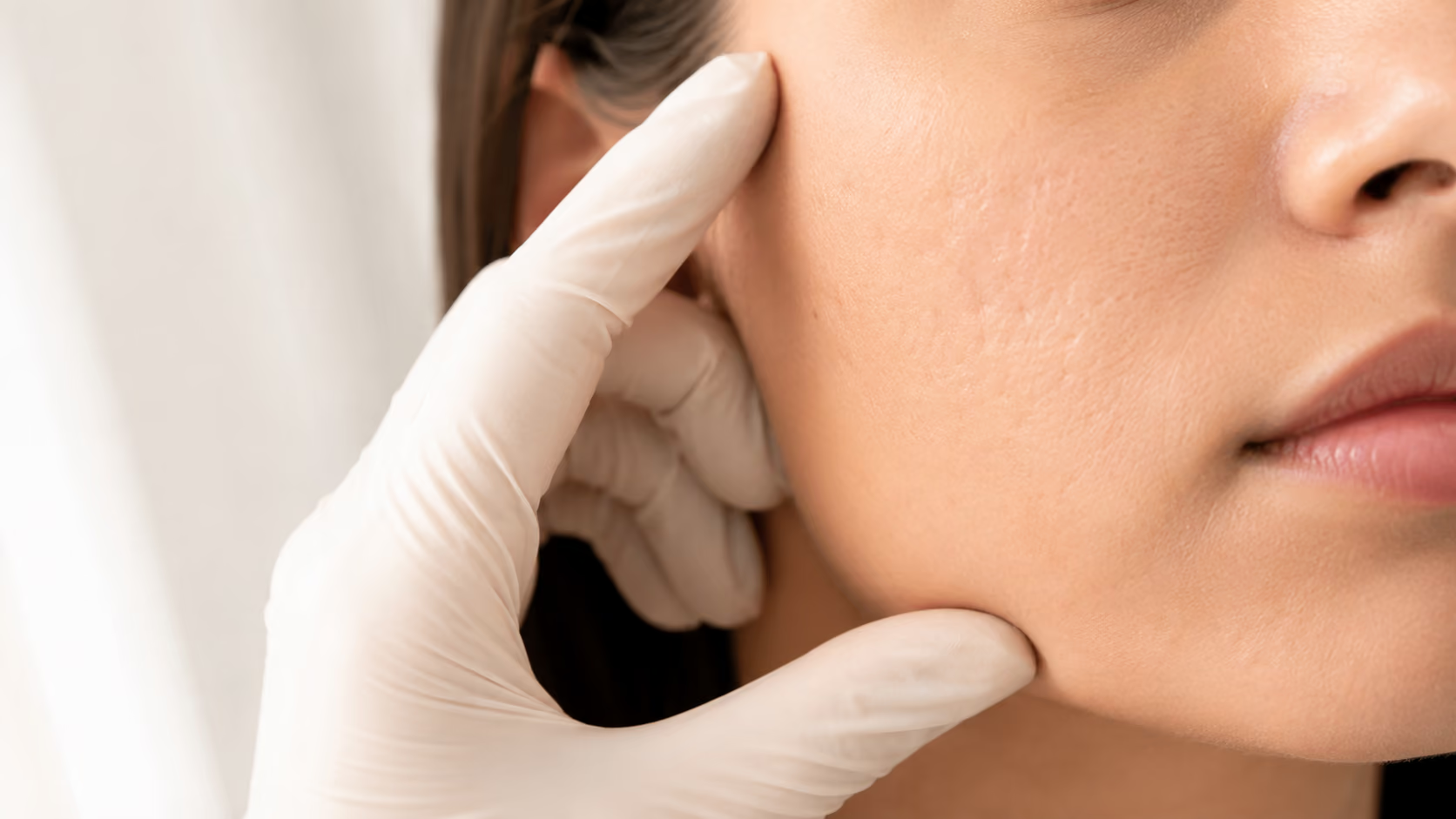
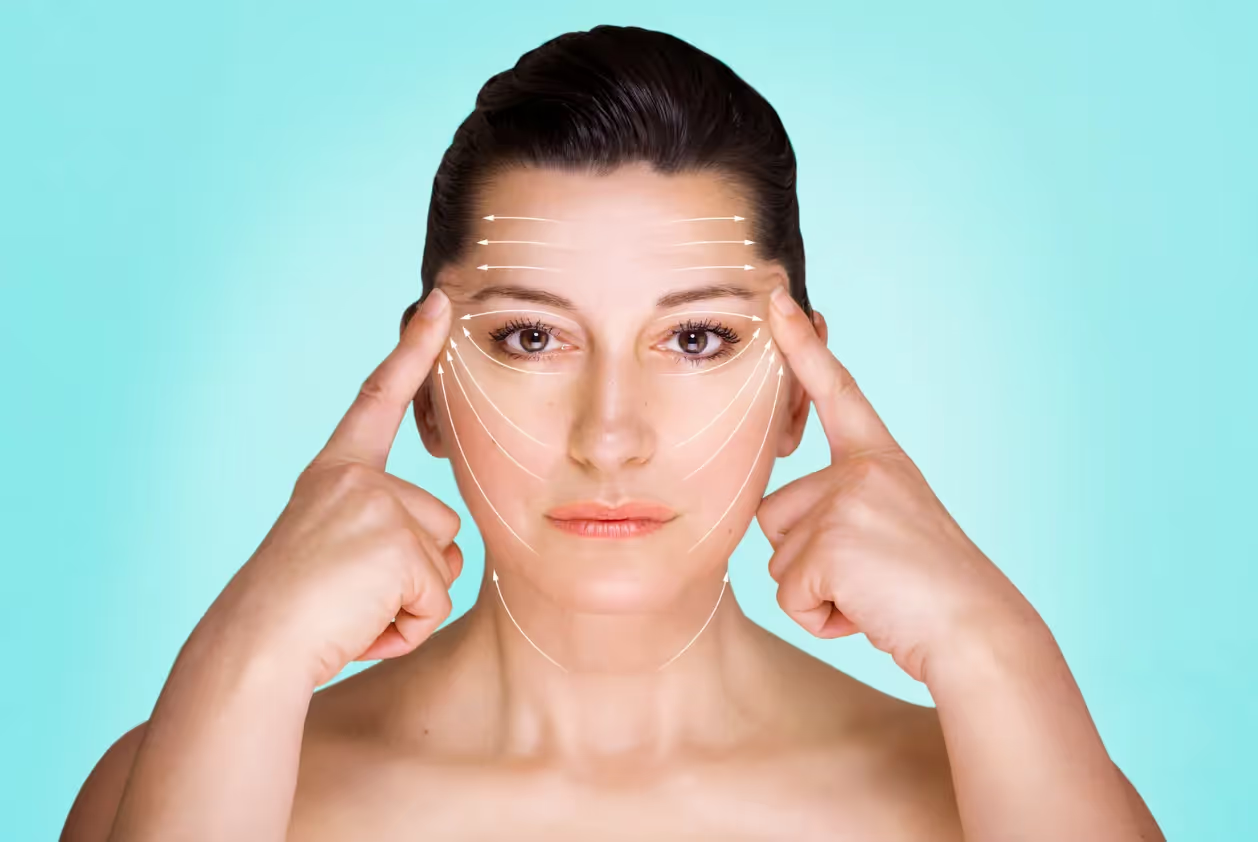
Patients starting semaglutide or tirzepatide for weight loss are usually prepared for nausea, appetite changes, and a number on the scale that moves faster than expected. Fewer are prepared for what happens to their skin. Loose skin along the jawline, neck, and under the chin has become common enough among GLP-1 users that dermatologists now have an informal name for it: "Ozempic face."
The short answer is yes, GLP-1 receptor agonists can contribute to sagging skin, and the reasons go beyond simply losing weight quickly. Understanding why helps explain what can actually be done about it, and Dr. Salar Hazany and his team see this question often enough in consultation to have a clear, evidence-based answer for it.
What's Actually Happening in the Skin
This question, whether GLP-1 medications cause sagging skin, has become one of the more common ones patients ask at consultation, and it deserves a straight answer rather than a reassurance that dodges the underlying biology. The mechanism is well enough understood at this point that a patient starting one of these medications can reasonably plan for it, rather than being surprised by it months later.
Semaglutide (Ozempic, Wegovy) and tirzepatide (Zepbound, Mounjaro) work by mimicking hormones that regulate appetite and blood sugar. Tirzepatide goes a step further as a dual GLP-1/GIP receptor agonist, activating two incretin pathways rather than one. Both drug classes slow gastric emptying, increase satiety, and reduce food intake, producing meaningful, often rapid, weight loss. For many patients, weight loss is the entire point of treatment, and it comes with real metabolic benefits: improved blood sugar control, reduced cardiovascular risk, and a level of appetite regulation that diet and exercise alone rarely achieve.
The tradeoff shows up in the skin that used to cover the lost fat, and it often shows up faster than patients expect. Skin has some capacity to contract as the tissue underneath it shrinks, but that capacity is limited and slows with age. Collagen and elastin, the two structural proteins that give skin its firmness and ability to spring back, don't regenerate on the same timeline that fat can be lost on a GLP-1 medication. A 2026 cross-sectional survey of 504 adults using GLP-1 or dual GLP-1/GIP receptor agonists found that the pace of medication-driven weight loss frequently outpaces the skin's natural adaptive capacity for dermal remodeling, leaving redundant tissue that shows up clinically as laxity and jowling. The effect was more pronounced in patients over 55, an age group in which collagen and elastin levels are already declining due to menopause.
The areas most commonly affected include:
- Neck and submental (under-chin) tissue, which has little underlying muscular or ligamentous support once fat volume decreases
- Jawline and lower face, where skin laxity accentuates jowling and softens the natural jawline contour
- Midface, where deflation of superficial fat compartments changes cheek volume and can make skin appear looser even where actual laxity is modest
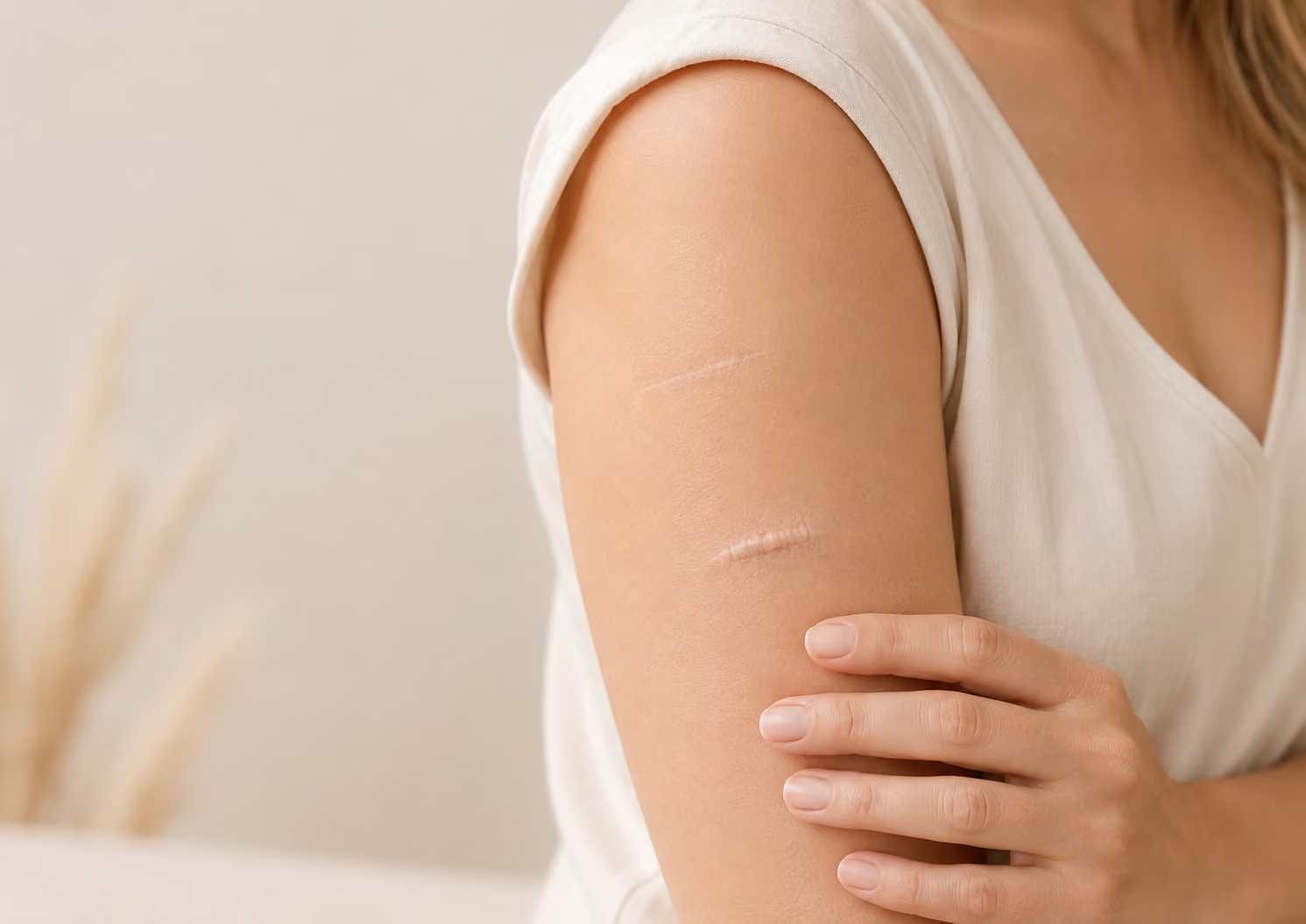
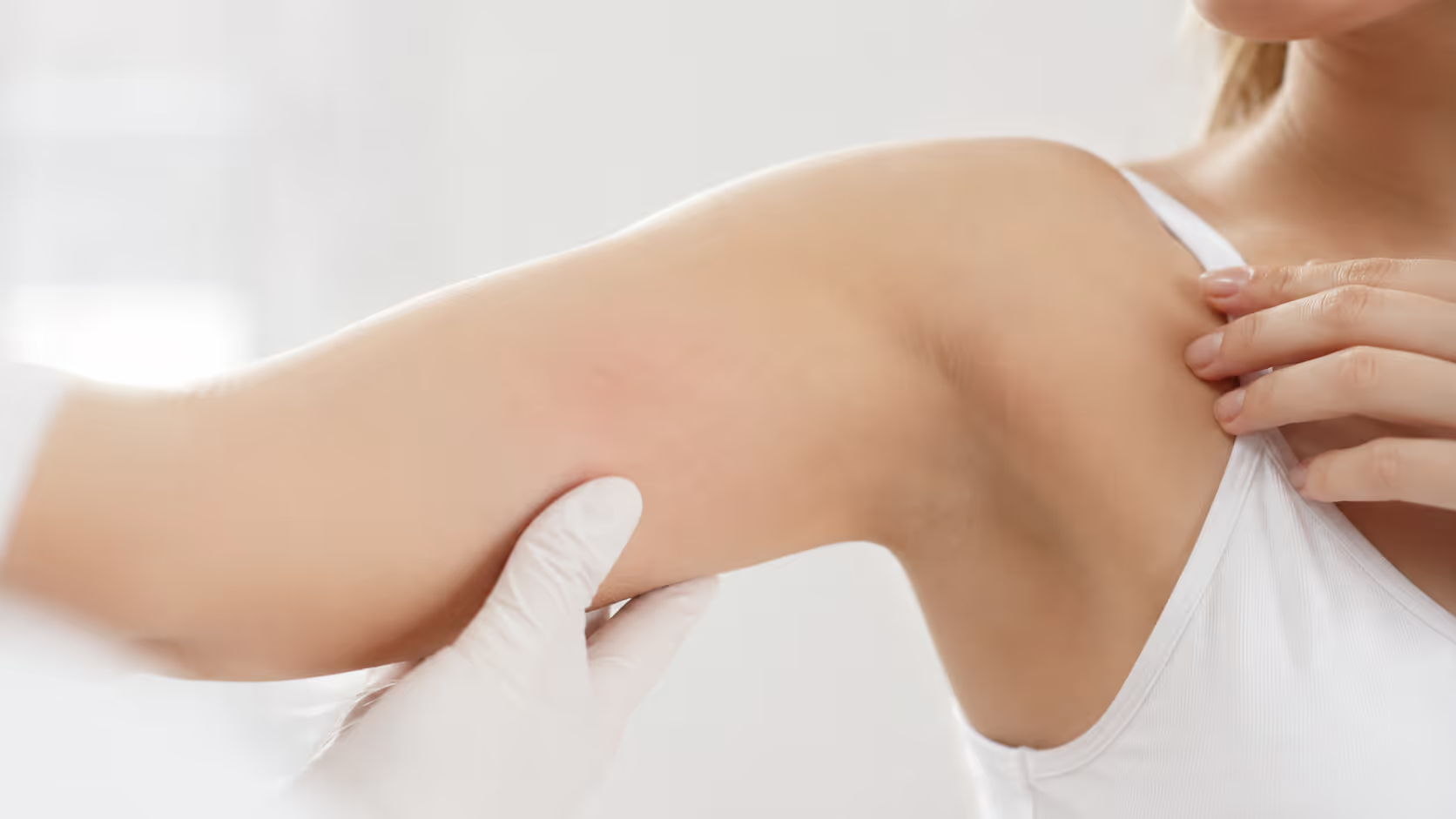
- Upper arms, a frequently reported site of loose, crepey skin after significant weight loss
For years the working assumption was that this kind of laxity was purely a volume problem: skin with nowhere left to sit once the fat underneath disappears. More recent research points to something more specific. A 2026 review identified two additional, independent mechanisms behind what's been called Ozempic face, detailed in a review of the dermatological literature: GLP-1 receptor agonists appear to act directly on adipose-derived stem cells and dermal fibroblasts, cells that carry the GLP-1 receptor on their surface, in ways that reduce their ability to produce new collagen and increase the activity of matrix metalloproteinases, the enzymes that break existing collagen down.
A related finding from a separate review adds that this same receptor stimulation also reduces the cells' ability to produce protective cytokines, the signaling molecules that would otherwise help maintain healthy skin structure.
In plain terms, the medication may be working against skin firmness on two fronts at once: removing the fat padding underneath the skin, and independently interfering with the cells that would normally keep the skin itself firm. That distinction matters, because it means the laxity isn't simply a byproduct of losing fat. It's a separate, active process happening in the skin itself.
Why This Doesn't Look Like Ordinary Aging
It's worth pausing on just how widely used these medications have become. What started as a narrower prescription for type 2 diabetes has expanded into one of the most common weight-loss interventions in the country, which means dermatologists are now seeing GLP-1-related skin changes across a far broader range of ages, body types, and starting skin conditions than the original clinical trials for these drugs ever anticipated. That broader real-world population is part of why the dermatological research has had to catch up quickly, and why patient-reported data, like the 2026 survey referenced above, has become an important source of information alongside smaller clinical studies.
Skin laxity doesn't usually appear on day one of treatment. It tends to track with the pace and total amount of weight loss, which means patients on higher doses or faster-acting protocols often notice changes sooner than those losing weight more gradually. Early signs are frequently subtle: skin that looks slightly less taut in photos, or a jawline that seems a little softer than it did a few months earlier. By the time laxity is obvious in the mirror, under the chin especially, the underlying collagen decline described above has typically been progressing for some time.
Age-related skin laxity develops over decades, giving skin time to gradually adapt as collagen density declines. GLP-1-related laxity compresses that timeline into months. A patient can lose fifteen to twenty percent of body weight in under a year, and the skin covering that lost volume simply hasn't had time to catch up. That compression is part of why the resulting laxity can look more pronounced, and appear more suddenly, than what would be expected from age alone, and it's part of why patients are often caught off guard by it even when they were fully prepared for the weight loss itself.
Not every patient on a GLP-1 medication develops visible skin laxity, and severity varies widely. Based on the available research, patients most likely to notice changes tend to share a few characteristics: significant total weight loss, a rapid pace of loss, older age, and skin that already had reduced collagen density before starting treatment, a common effect of menopause. Sun exposure history and smoking history also affect baseline skin quality and, by extension, how visible any additional laxity becomes.
Age deserves a closer look, since it's one of the strongest predictors in the research described above. Menopause reduces circulating estrogen, and estrogen plays a direct role in maintaining dermal collagen density and skin thickness. Women who begin a GLP-1 medication during or after menopause are effectively combining two collagen-reducing processes at once: the natural, gradual decline that comes with hormonal change, and the more acute effect described earlier. That overlap is very likely why the same 2026 survey found the effect so much more pronounced past age 55. None of these factors are within a patient's control once treatment is underway, which is part of why planning ahead of time matters more than addressing it after the fact.
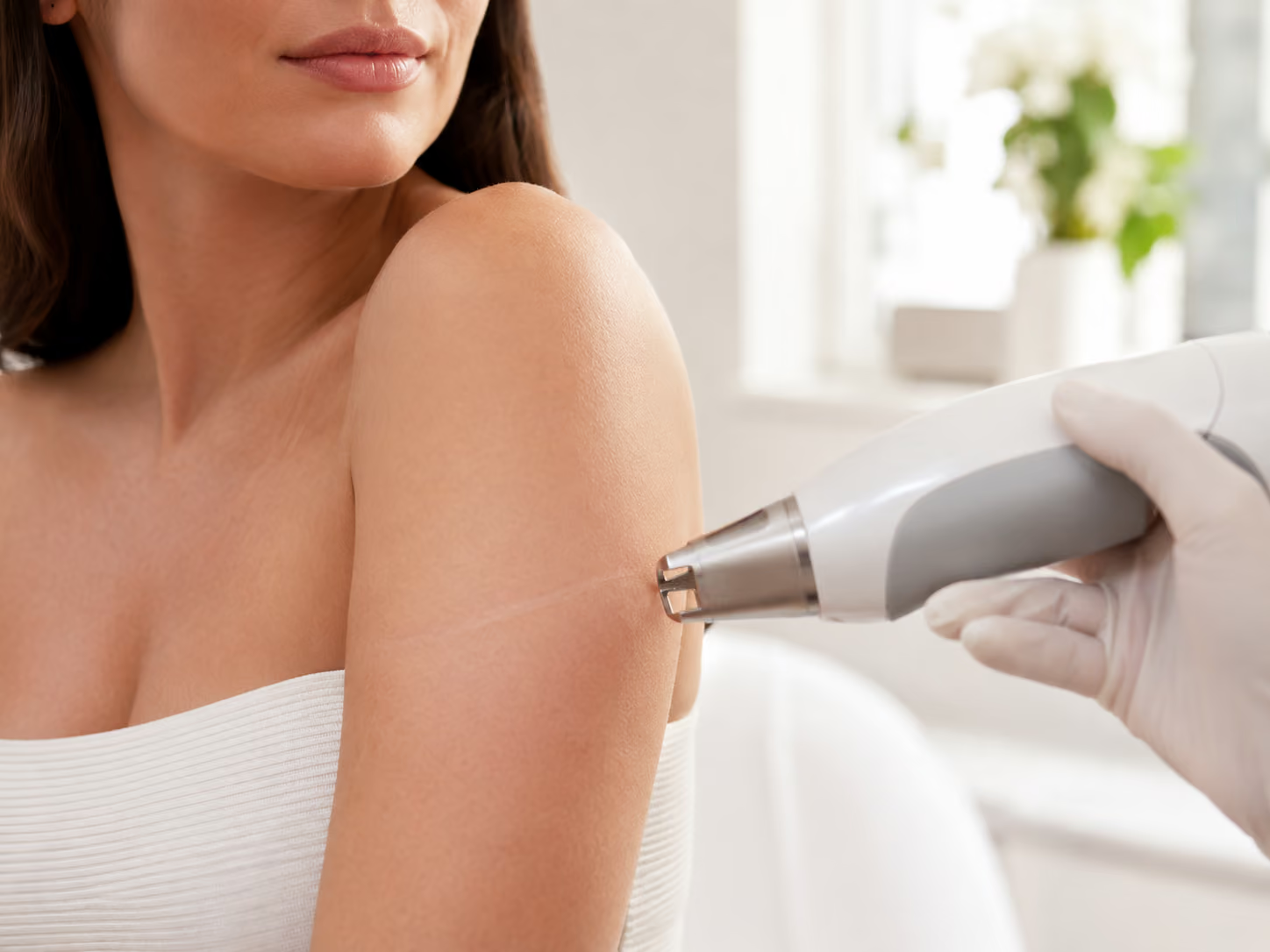
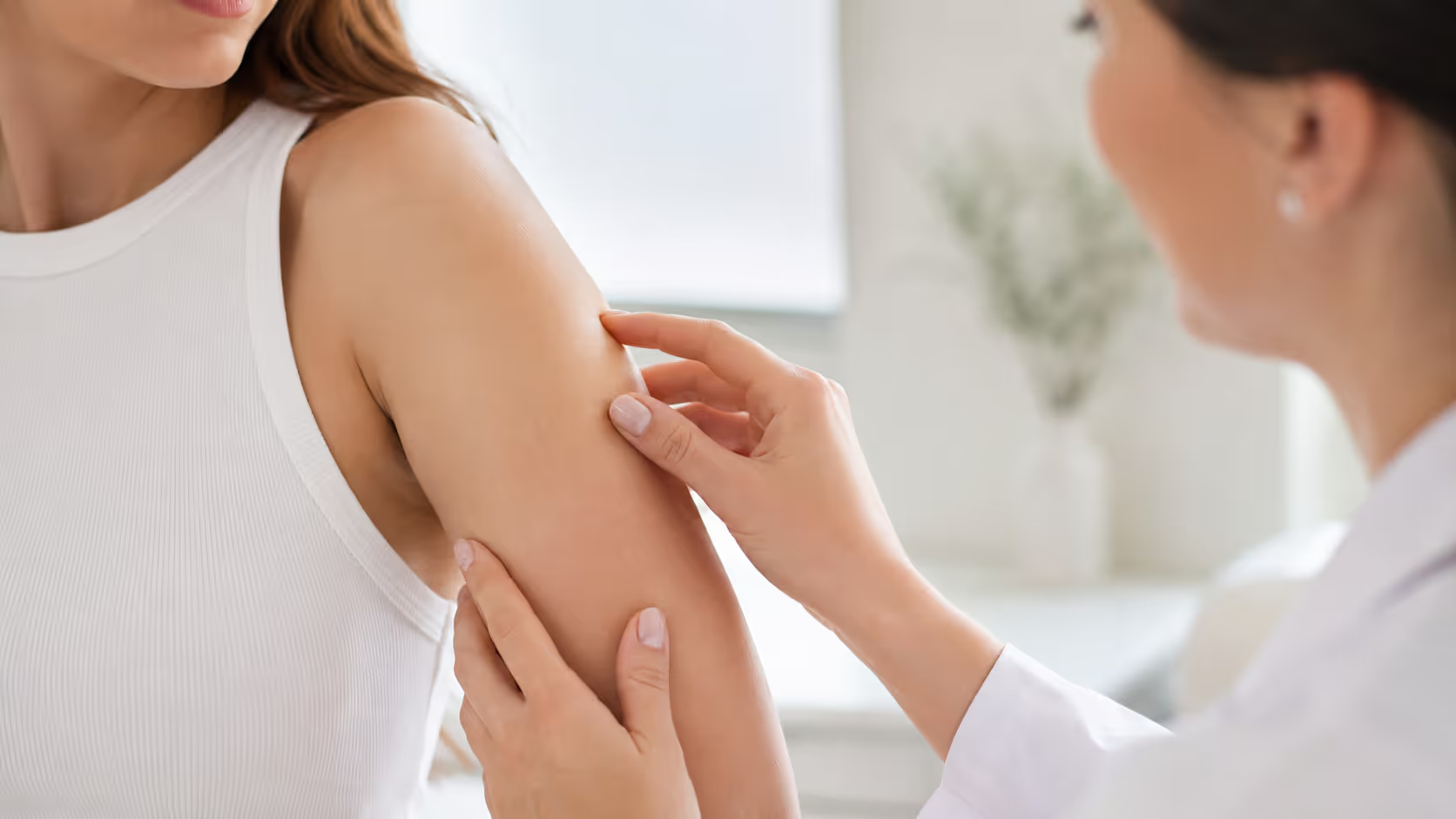
While facial and neck changes get the most attention, the same biology plays out anywhere significant fat loss occurs. Upper arms are a common complaint, along with the abdomen and, less frequently discussed, the inner thighs. Sofwave's own FDA clearance reflects this: the technology is approved not only for the face, neck, and brow, but also for improving the appearance of skin laxity on the upper arms, which makes it one of the few non-surgical options that can be used consistently across multiple areas affected by the same underlying weight-loss process.
Skin and hair changes during GLP-1 treatment aren't just a cosmetic footnote, either. The same 2026 survey found that as skin and hair changes accumulate over the course of treatment, they can gradually erode patients' overall treatment satisfaction, even when the medication is working exactly as intended metabolically. For a subset of patients, unaddressed skin laxity doesn't stay a purely aesthetic issue; it can affect how satisfied someone feels with a treatment they're otherwise glad they started, which is one more reason to treat skin quality as part of the weight-loss plan rather than an afterthought to it.
What Actually Helps
It's also worth noting that not every patient needs the same level of intervention. A patient with excellent baseline skin quality, a modest weight-loss goal, and no other risk factors may need little more than monitoring and a single early Sofwave session as a precaution. The recommendations here describe a range of appropriate responses, not a mandatory protocol every GLP-1 patient must follow regardless of their individual situation.
None of this is meant to suggest that GLP-1 medications should be avoided because of their skin effects. For the overwhelming majority of patients, the metabolic benefits, meaningful, sustained weight loss and the health improvements that come with it, far outweigh the risk of skin laxity, particularly when that risk is managed thoughtfully rather than ignored. The goal isn't to talk patients out of a treatment that's working for them. It's to make sure skin quality is planned for alongside it, the same way a prescribing physician plans for other known side effects of the medication.
Topical treatments have a role, but a limited one. A twelve-week study of a multi-ingredient topical volumizing cream in patients experiencing rapid weight loss from GLP-1 and GIP/GLP-1 agonist use, as well as bariatric surgery and aggressive dieting, found measurable reductions in wrinkle severity: 14.5 percent at four weeks and 20.7 percent at twelve weeks compared to baseline. Its authors describe the same underlying mechanism outlined above, GLP-1 activity on adipose-derived stem cells inhibiting collagen synthesis and increasing the activity of a collagen-degrading enzyme, and note that this pattern shows up regardless of whether the rapid weight loss came from medication, surgery, or diet. It's a genuine, measurable result, but also a surface-level one: topicals work at the epidermis and superficial dermis, and they don't address the deeper structural laxity that shows up under the chin and along the neck.
A 2026 anatomically informed review of facial changes after medical weight loss concluded that effective management requires a multimodal approach: early collagen stimulation combined with targeted volume restoration, rather than waiting for laxity to fully develop before treating it.
A related review in the same journal put it plainly: managing the esthetic consequences of GLP-1-related weight loss generally requires a combination of injectable treatments, energy-based devices, and in some cases surgical intervention, not any single approach used alone. Dr. Hazany's approach at Hazany Derm reflects that same layered thinking.
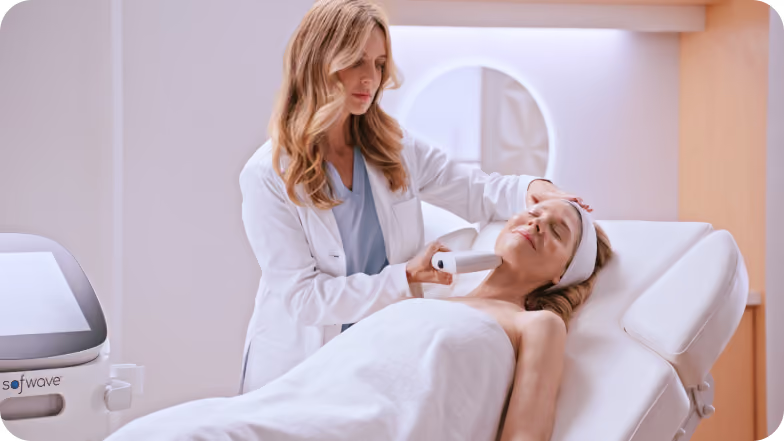
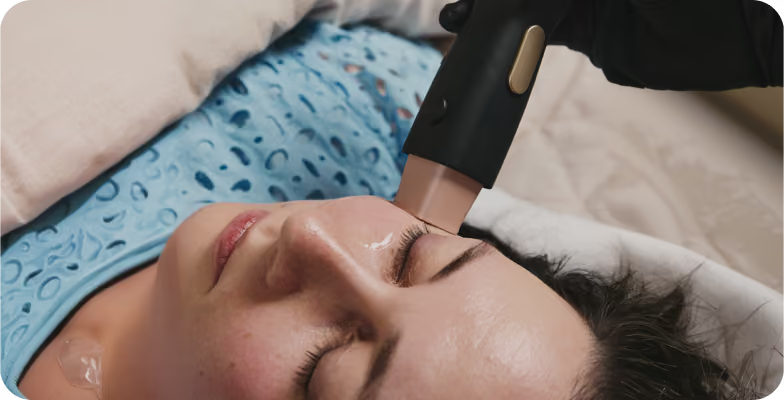
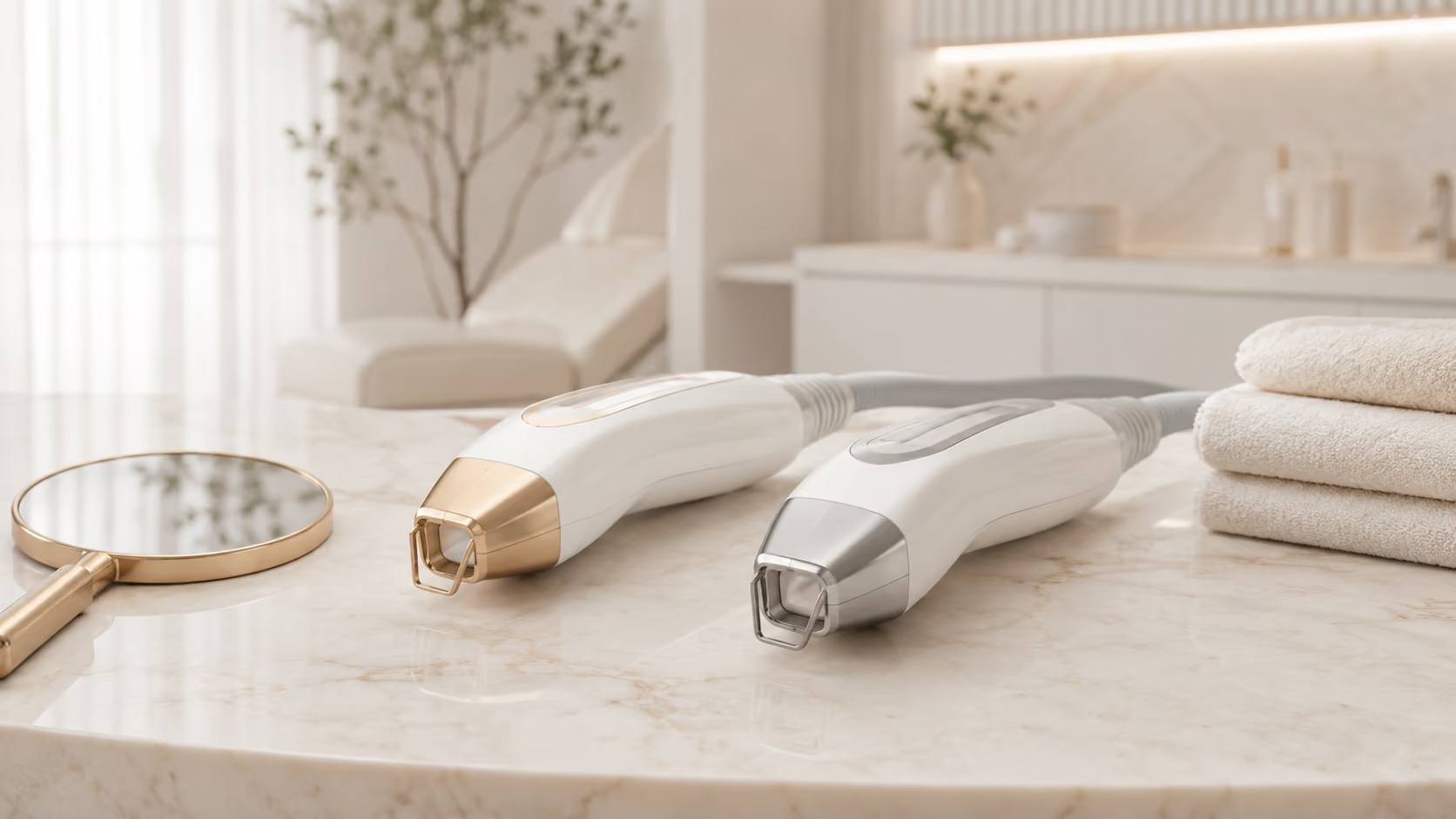
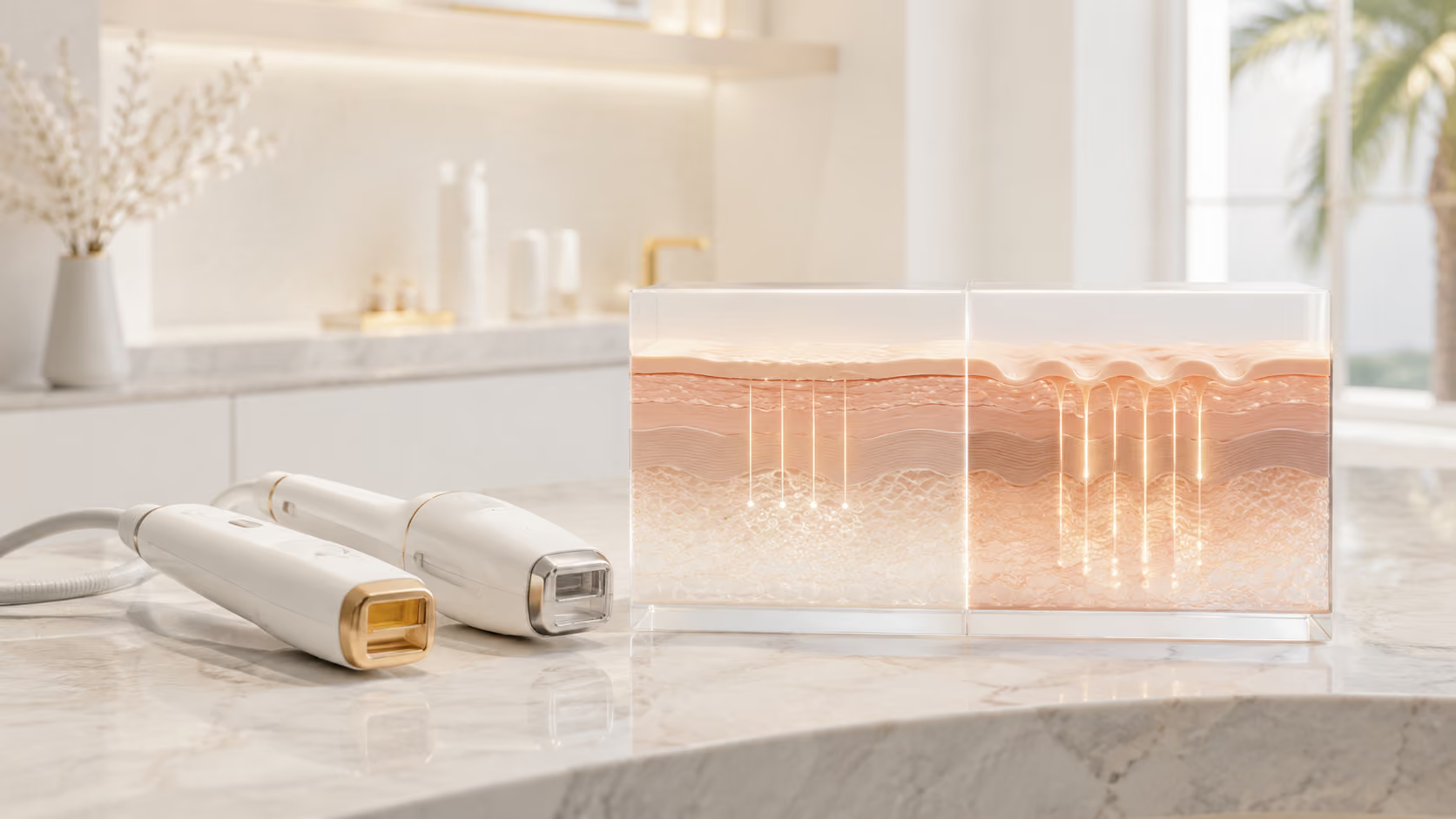
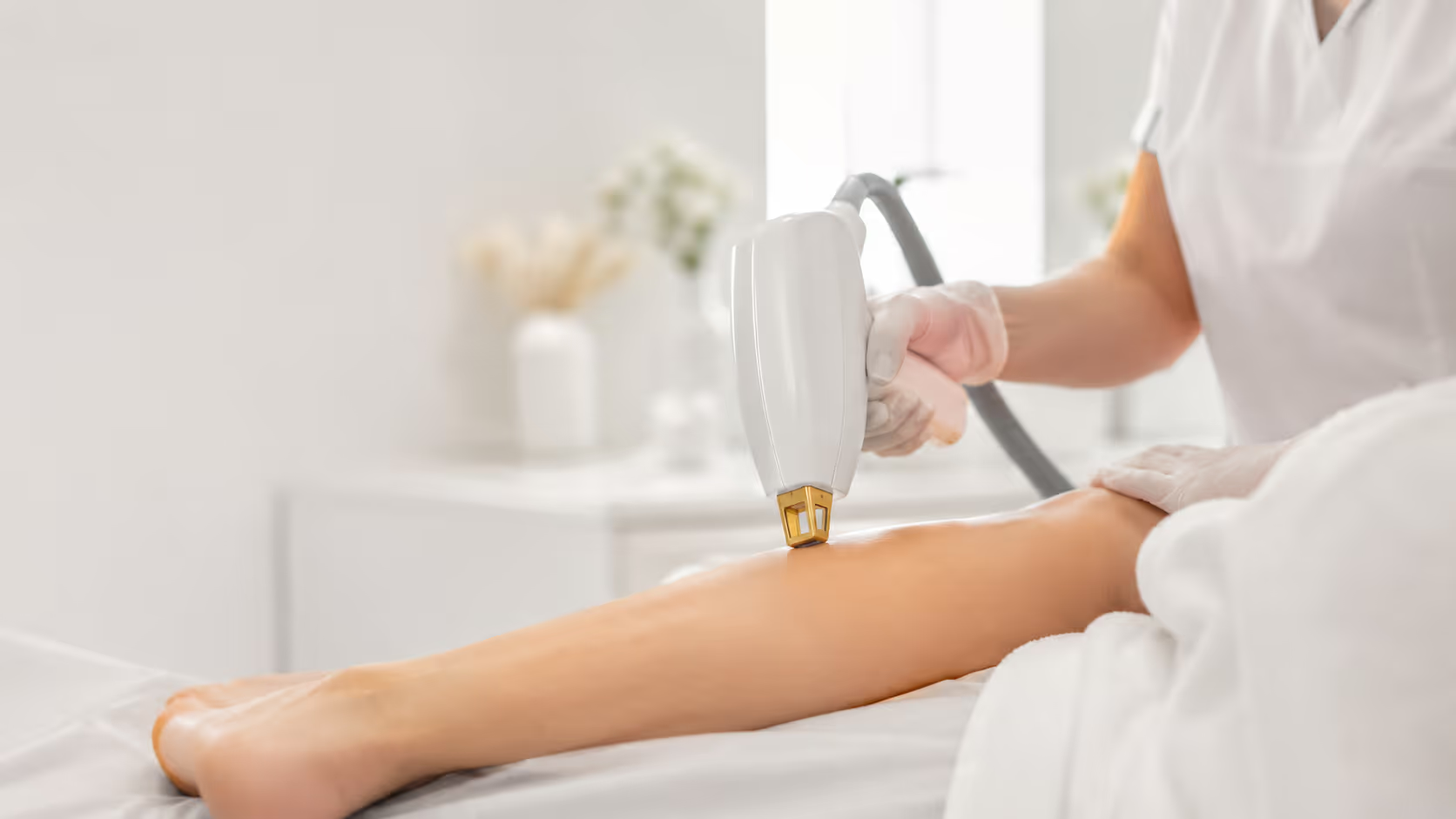
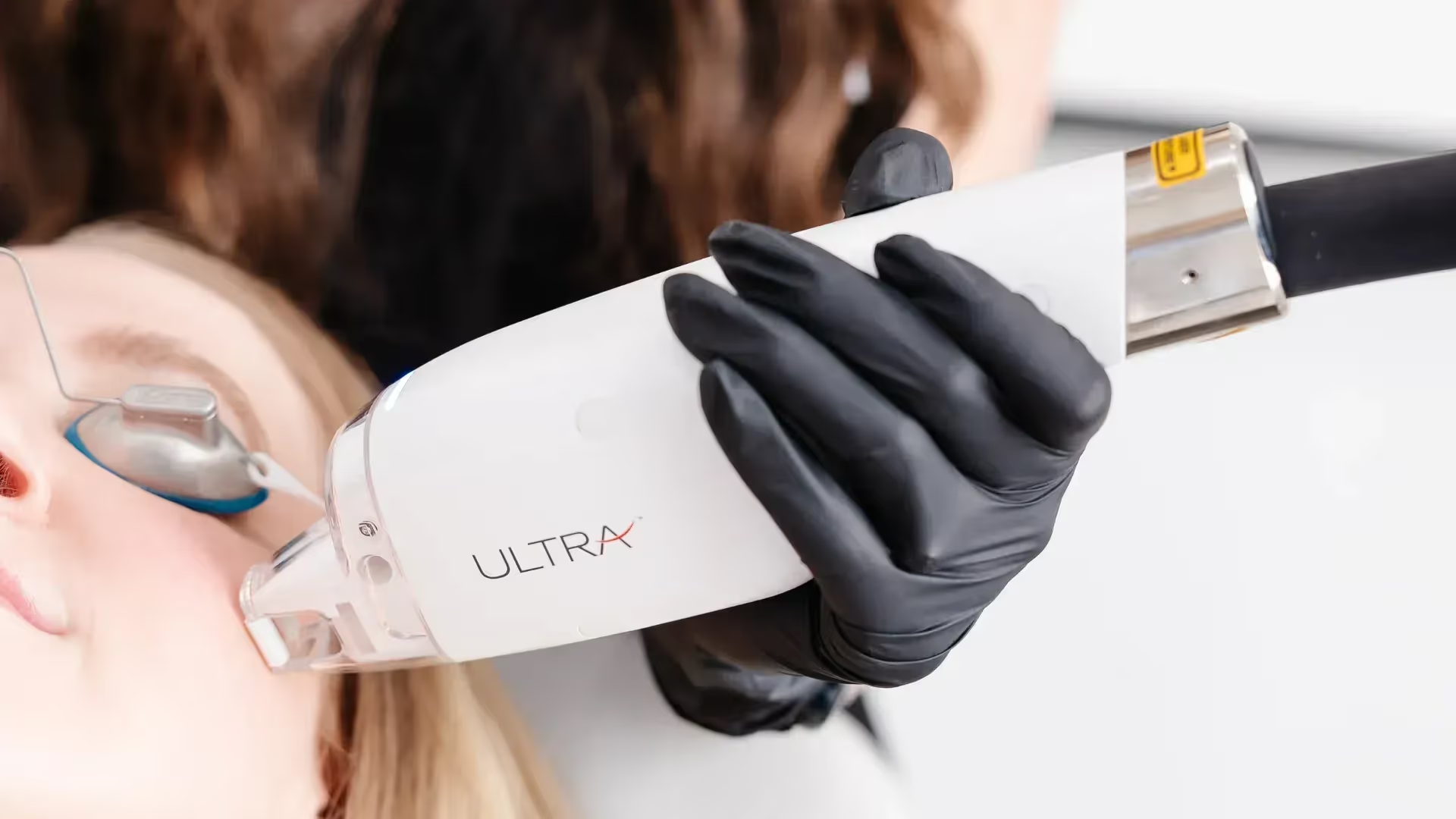
Sofwave is one of the primary tools used to address collagen-driven laxity. It's a non-invasive, FDA-cleared ultrasound treatment that stimulates the skin's own collagen and elastin production, and it's cleared specifically for lifting lax tissue under the chin, along the neck, and at the brow, in addition to improving the appearance of laxity on the upper arms. When to start Sofwave relative to your GLP-1 course matters as much as the treatment itself.
For patients dealing with volume loss in addition to laxity, particularly the midfacial hollowing that can accompany significant weight loss, injectable treatments can restore some of what's been lost.
For patients whose laxity has progressed beyond what non-surgical options can meaningfully improve, a mini neck lift remains the more predictable, longer-lasting solution.
How Dr. Hazany and His Team Make the Call
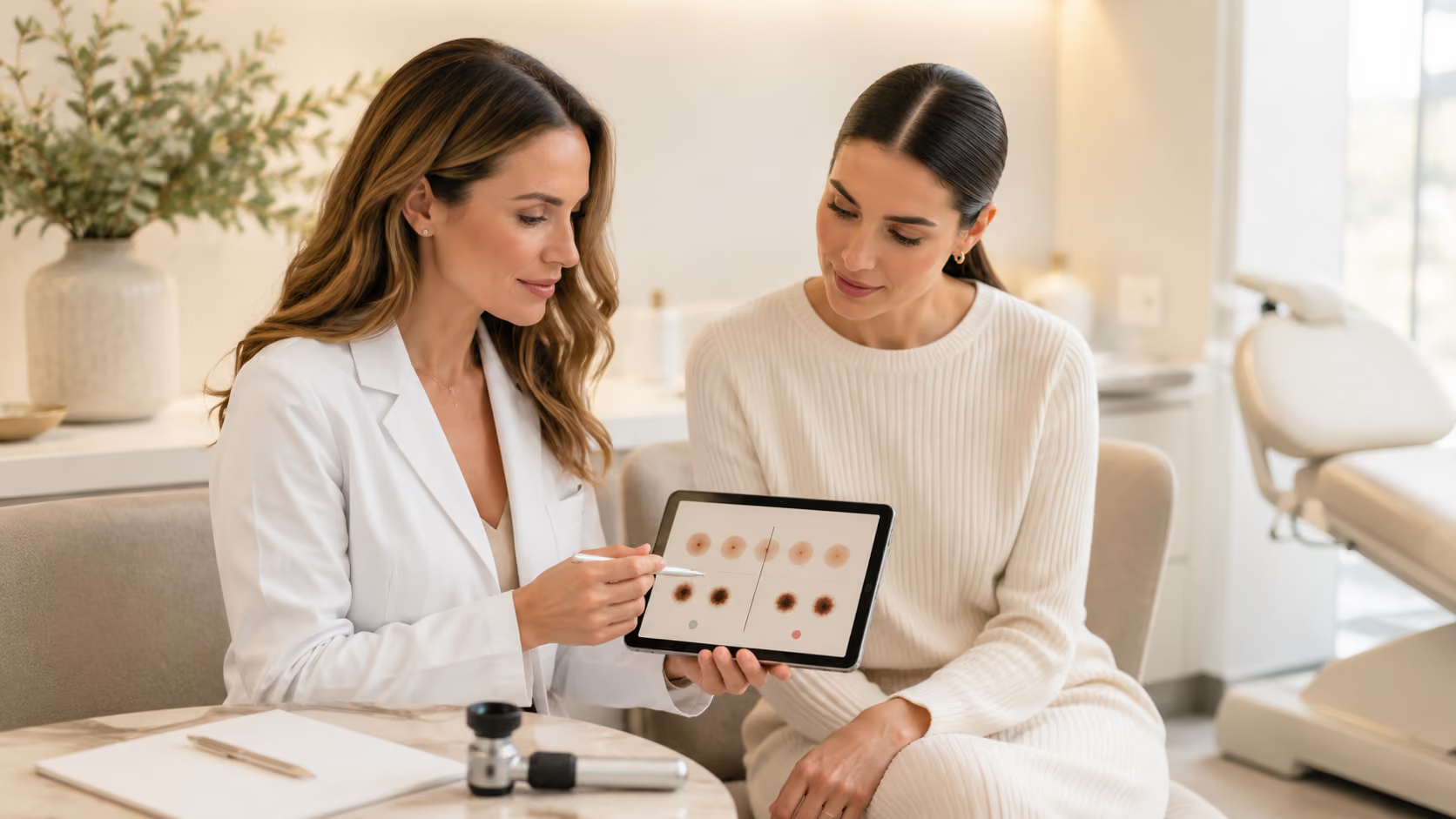
None of this requires a patient to arrive already knowing the answer. Most patients asking this question aren't dermatology experts, and they shouldn't have to become one to get a sound recommendation. What they need is a provider willing to walk through their specific situation, rather than a generic answer that applies the same way to every GLP-1 patient regardless of age, medication, dose, or how much weight they're planning to lose.
Dr. Hazany and his team typically sort this decision by what's actually driving the change in appearance for a given patient, rather than defaulting to one treatment for every GLP-1 patient who walks in. If the primary issue is skin quality and mild to moderate laxity, without significant volume loss, Sofwave alone is often enough. If hollowing and lost facial volume are the bigger factor, biostimulatory or hyaluronic acid fillers address that more directly, sometimes alongside Sofwave rather than instead of it. And if laxity has progressed to visible excess skin, particularly under the chin, no combination of non-surgical treatments will fully resolve it. Dr. Hazany believes that patients deserve to hear that directly at consultation rather than be offered a series of treatments unlikely to get them the result they're picturing.
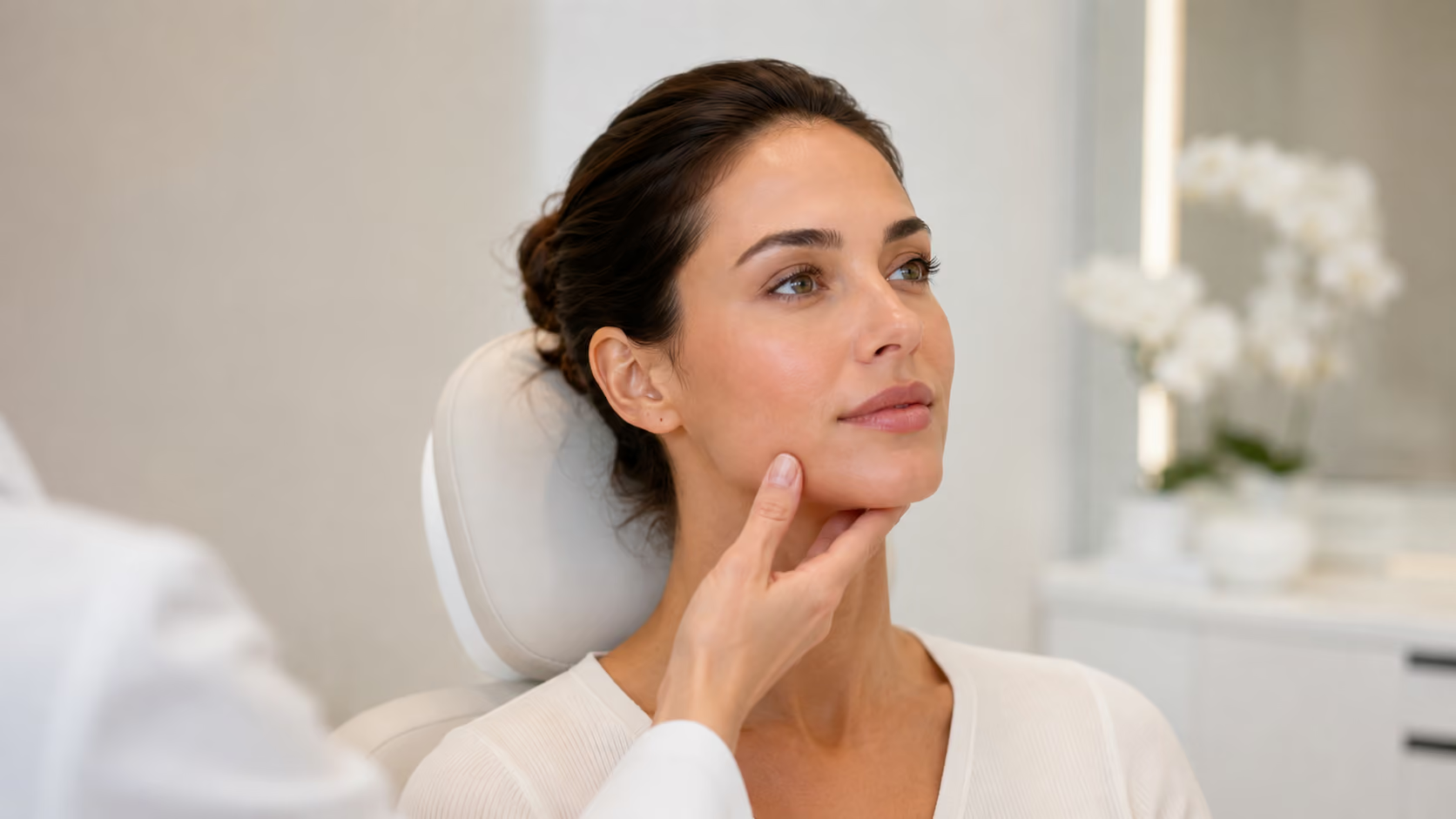
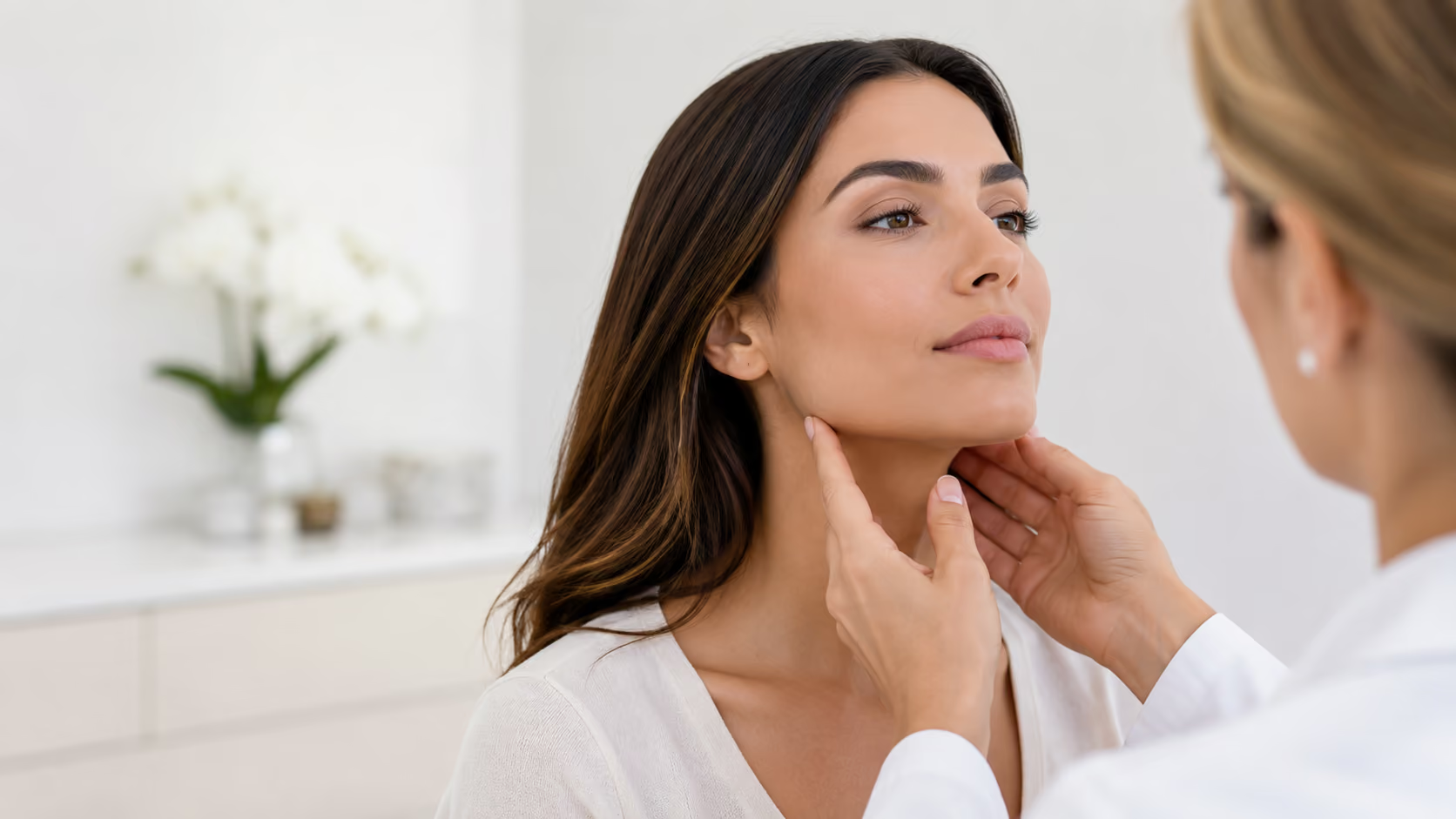
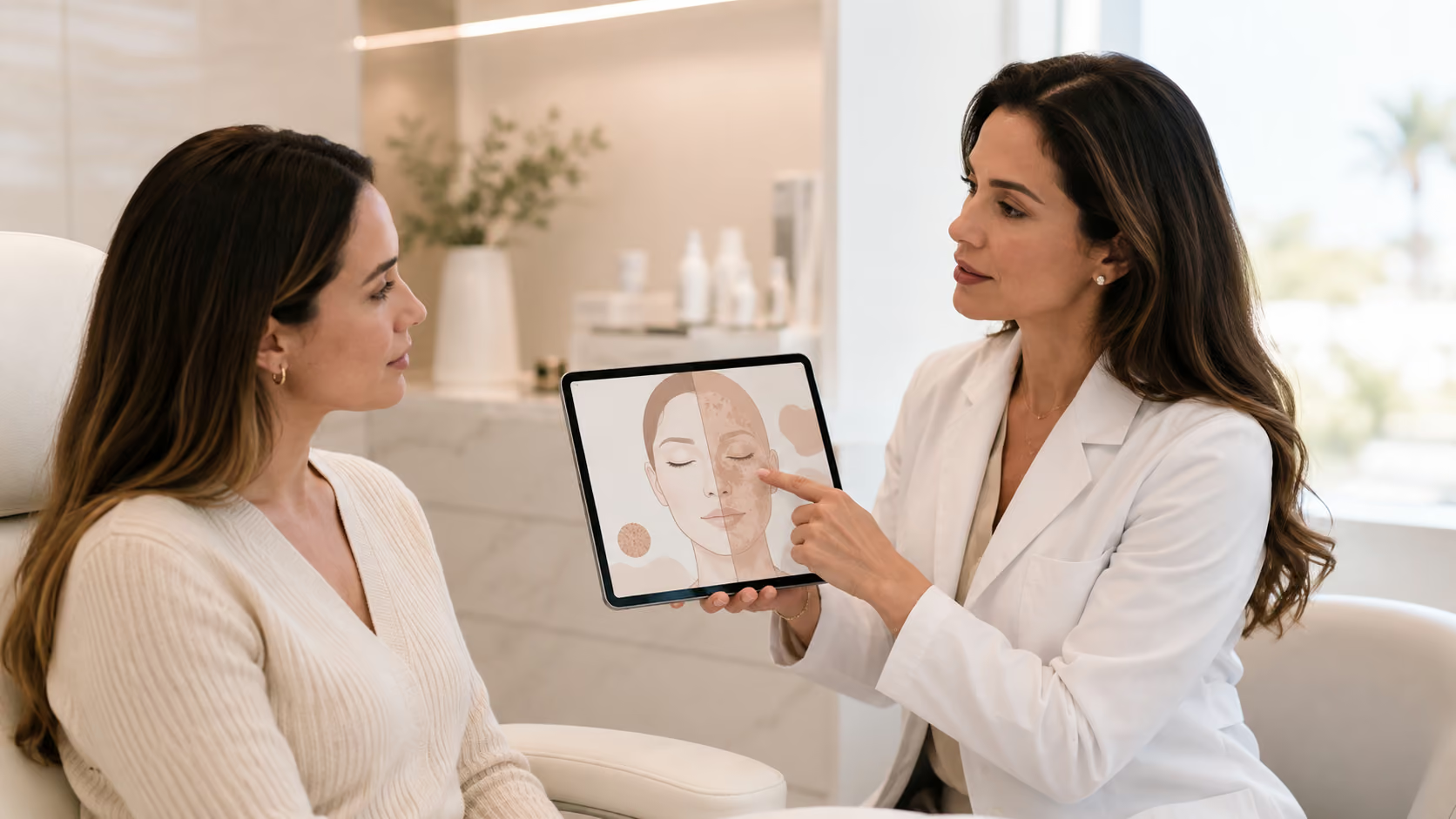
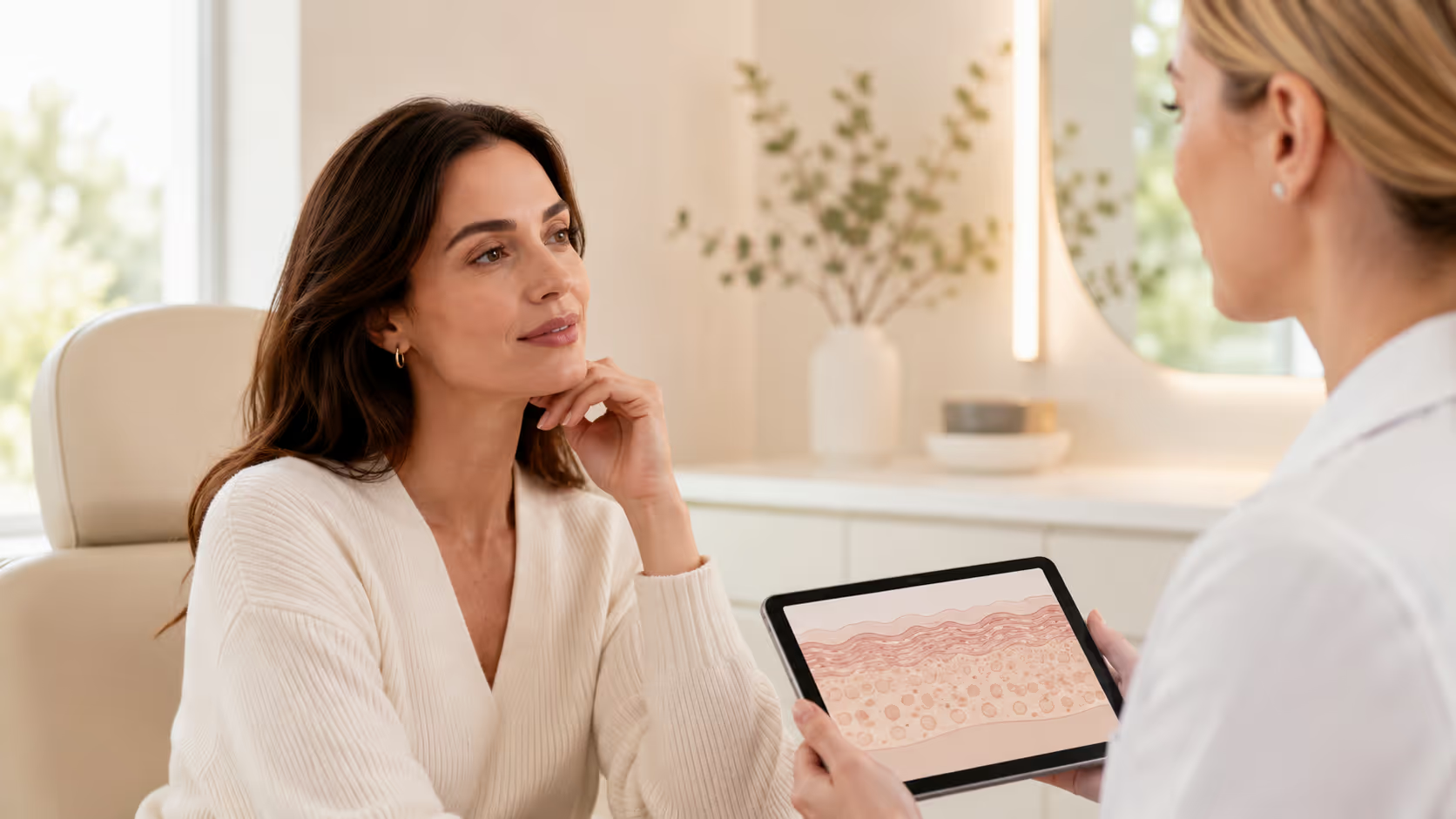
When a GLP-1 patient comes in for a skin consultation, Dr. Hazany and his team evaluate more than what's visible in the mirror that day. Current skin laxity, remaining weight-loss goals, pace of loss so far, age, and baseline collagen quality all factor into a recommendation. For patients early in a GLP-1 course with minimal visible change, that conversation is often about getting ahead of the process. For patients further along with established laxity, it shifts toward what combination of treatments will produce the most natural, proportionate improvement.
It's worth being direct about the limits of any single treatment. Sofwave measurably improves mild to moderate skin laxity, but it cannot replace lost facial or body volume, and it cannot remove truly excess, redundant skin once laxity has progressed past what non-surgical tightening can address. It also isn't a treatment for the metabolic side of GLP-1 therapy; it addresses the skin consequence, not the medication itself. No treatment, non-surgical or surgical, fully substitutes for skin that hasn't lost significant elasticity in the first place, which is precisely why timing matters as much as the treatment choice itself.
GLP-1 medications can and do contribute to skin laxity, through both the mechanical loss of underlying fat and a more direct effect on the cells that produce collagen. That doesn't mean sagging is an unavoidable side effect every patient should expect, and it doesn't mean the only option is to wait and see how much develops. Schedule a consultation to talk through what a plan looks like for you.
Frequently Asked Questions
Is "Ozempic face" the same thing as skin sagging elsewhere on the body?
No. "Ozempic face" specifically refers to facial hollowing and jawline or neck laxity, but the same collagen-related mechanism can produce loose skin anywhere significant fat loss occurs, including the upper arms and abdomen. Dr. Hazany and his team evaluate laxity site by site rather than assuming facial changes predict what will happen elsewhere on the body.
Can skin laxity from a GLP-1 medication be reversed?
Mild to moderate laxity can often be meaningfully improved with treatments like Sofwave, which stimulate the skin's own collagen production. More advanced laxity, particularly visible excess skin under the chin, generally cannot be reversed with non-surgical treatment alone. Hazany Derm assesses each patient individually to determine which category they fall into and what's realistic to expect.
Does stopping the GLP-1 medication improve skin laxity?
Not directly, and not quickly. Stopping the medication halts further medication-driven collagen loss, but it doesn't reverse laxity that has already developed, and regained weight can introduce its own skin changes. Dr. Hazany generally recommends addressing skin quality directly rather than relying on stopping the medication as a fix.
How long after starting Ozempic or Wegovy does skin sagging typically start?
There's no fixed timeline; it tracks with dose and pace of weight loss rather than a set number of weeks. Hazany Derm recommends an early skin assessment specifically because that timeline varies so much patient to patient.
What's the difference between Sofwave and a mini neck lift for GLP-1-related sagging?
Sofwave is a non-invasive ultrasound treatment that stimulates the skin's own collagen and works best on mild to moderate laxity, with no downtime. A mini neck lift is a surgical procedure that removes and tightens excess skin directly, and it's the better option once laxity has progressed beyond what non-surgical tightening can meaningfully improve. Hazany Derm evaluates which category a patient falls into at consultation rather than defaulting to one option.
Does insurance cover skin tightening after GLP-1 weight loss?
Generally, no. Treatments for cosmetic skin laxity, including Sofwave, injectables, and elective procedures like a mini neck lift, are typically considered cosmetic and are not covered by insurance, even when the underlying weight loss was medically supervised. Hazany Derm can discuss financing options during a consultation.