





%201.avif)



How Much Sun Exposure Causes Skin Cancer?



There's no safe amount of sun exposure that guarantees protection from skin cancer. Even minimal UV exposure can cause DNA damage over time. Dr. Salar Hazany at Hazany Derm emphasizes that cumulative exposure and individual risk factors determine cancer development more than specific thresholds.
The question of how much sun exposure causes skin cancer doesn't have a simple numerical answer. Unlike other health risks where scientists can establish clear thresholds, skin cancer development depends on numerous interconnected factors. The reality is that any amount of UV radiation can potentially trigger the cellular changes that lead to malignant growths.
Understanding sun exposure and skin cancer requires examining the complex relationship between ultraviolet radiation and our skin's protective mechanisms. Every person's skin responds differently to UV rays based on genetics, skin type, and previous exposure history. What might seem like harmless sun exposure for one individual could be dangerous for another with different risk factors.
The medical community has moved away from defining "safe" levels of sun exposure because research consistently shows that cumulative damage occurs even with brief, seemingly insignificant UV contact. Instead, dermatologists focus on helping patients understand their individual risk profiles and implement appropriate protective strategies. This personalized approach recognizes that skin cancer prevention requires tailored recommendations rather than universal exposure limits.
How Much Sun Exposure Causes Skin Cancer?
No amount of sun exposure is considered completely safe. Skin cancer risk is cumulative — every dose of UV radiation adds DNA damage over a lifetime, and there is no threshold below which damage stops. Intense, intermittent exposure and blistering sunburns, especially in childhood, are most strongly linked to melanoma, while chronic daily exposure drives basal cell and squamous cell carcinomas.
Understanding UV Radiation and Skin Damage
Ultraviolet radiation from the sun consists of different wavelengths that penetrate skin at varying depths. UVB rays primarily affect the outer skin layers and cause visible sunburns, while UVA rays penetrate deeper and contribute to long-term skin aging and cancer risk. Both types of radiation can cause DNA damage in skin cells, initiating the molecular changes that may eventually lead to cancer development.
The intensity of UV radiation varies significantly based on geographic location, time of day, season, and environmental factors. Areas closer to the equator receive more intense UV radiation year-round, while higher altitudes expose individuals to increased radiation levels due to thinner atmospheric protection. Reflective surfaces like water, sand, and snow can amplify UV exposure by bouncing radiation back toward the skin.
Skin cells have natural repair mechanisms that work to fix UV-induced DNA damage, but these systems can become overwhelmed with repeated or intense exposure. When repair mechanisms fail or become less efficient over time, damaged cells may begin multiplying abnormally, potentially developing into cancerous growths. The process typically occurs gradually over years or decades, making it difficult to pinpoint specific exposure events that triggered cancer development.
- Immediate DNA damage: UV radiation creates thymine dimers and other molecular lesions that disrupt normal cellular function and replication processes.
- Cumulative cellular stress: Repeated exposure overwhelms natural repair systems, allowing damaged cells to accumulate mutations over time.
- Immune system suppression: UV radiation can temporarily suppress local immune responses, reducing the body's ability to eliminate abnormal cells.
- Oxidative stress: UV exposure generates free radicals that cause additional cellular damage beyond direct radiation effects.
Individual genetic variations significantly influence how effectively skin cells can repair UV damage and resist cancer development. Some people inherit more robust DNA repair mechanisms, while others may have genetic predispositions that increase their vulnerability to UV-induced cancers. These genetic factors help explain why skin cancer rates vary among different populations and why some individuals develop cancer despite seemingly modest sun exposure.
Research conducted by dermatology specialists, including those at Hazany Derm, continues to reveal new insights about the relationship between UV exposure timing, intensity, and cancer risk. Studies suggest that intermittent, intense exposures (like those occurring during beach vacations) may carry different risks compared to chronic, moderate daily exposure. Understanding these nuances helps medical professionals provide more accurate risk assessments and prevention strategies for their patients.
Risk Factors That Influence Cancer Development
Personal risk factors play a crucial role in determining how much sun exposure might lead to skin cancer development. Skin type represents one of the most significant factors, with fair-skinned individuals who burn easily facing substantially higher risks than those with naturally darker skin tones. The Fitzpatrick skin type classification system helps dermatologists assess individual vulnerability and recommend appropriate protection levels.
Age at the time of sun exposure significantly influences long-term cancer risk, with childhood and adolescent exposure carrying disproportionately high consequences. Young skin cells are more susceptible to UV damage, and individuals have more years for cumulative damage to accumulate and potentially develop into cancer. This understanding has led to increased emphasis on protecting children from excessive sun exposure during their most vulnerable developmental years.
Geographic and lifestyle factors create substantial variations in cancer risk among different populations. People living in high-altitude locations, tropical regions, or areas with intense year-round sunshine face elevated baseline risks regardless of their behavior. Occupational exposure affects outdoor workers, athletes, and others who spend significant time in the sun, often accumulating exposure levels far exceeding those of the general population.
- Family history: Genetic predisposition to skin cancer increases individual risk even with minimal sun exposure.
- Previous skin cancer: Having one skin cancer significantly increases the likelihood of developing additional cancers.
- Immunosuppression: Medical conditions or medications that weaken immune function reduce the body's cancer surveillance capabilities.
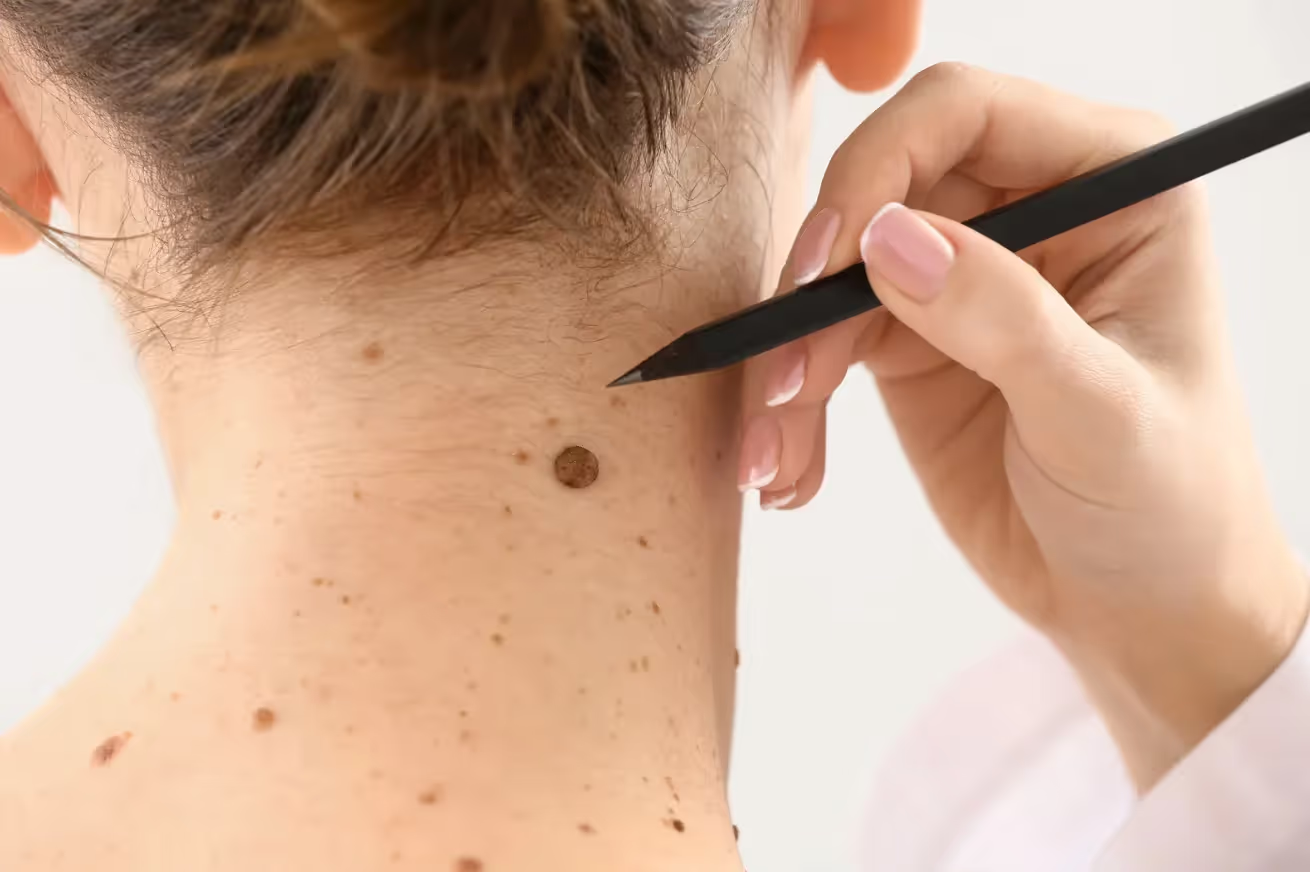
- Unusual mole patterns: Atypical or numerous moles may indicate increased genetic susceptibility to melanoma development.
The timing and pattern of sun exposure throughout life create different risk profiles that dermatologists must consider when evaluating patients. Blistering sunburns during childhood and adolescence appear to carry particularly high risks for later melanoma development. However, chronic daily exposure without burning also contributes to cumulative damage and increased risks for basal cell and squamous cell carcinomas.
Modern research has identified complex interactions between various risk factors that can amplify or modify individual cancer susceptibility. For example, people with certain genetic variations may be more vulnerable to specific types of UV damage, while others might have enhanced repair capabilities that provide some protection. The team at Hazany Derm stays current with evolving research to provide patients with the most accurate risk assessments based on their unique combinations of factors.
Prevention Strategies and Professional Recommendations
Effective skin cancer prevention requires a comprehensive approach that goes beyond simply avoiding sunburn. Dermatologists recommend daily sunscreen use regardless of planned outdoor activities, as significant UV exposure can occur during routine activities like driving or walking short distances. Broad-spectrum sunscreens with SPF 30 or higher provide adequate protection for most situations, though higher SPF values may be appropriate for extended outdoor exposure or high-risk individuals.
Protective clothing and accessories offer reliable defense against UV radiation when selected and used appropriately. Tightly woven fabrics, wide-brimmed hats, and UV-blocking sunglasses create physical barriers that complement chemical sun protection. Some clothing manufacturers now produce garments with built-in UV protection factors (UPF), providing quantified protection levels similar to sunscreen SPF ratings.
Behavioral modifications can significantly reduce lifetime UV exposure without completely eliminating outdoor activities and sun enjoyment. Seeking shade during peak UV hours (typically 10 AM to 4 PM), planning outdoor activities for early morning or evening hours, and being aware of reflective surfaces help minimize unnecessary exposure. These strategies allow people to maintain active lifestyles while reducing their cumulative cancer risk.
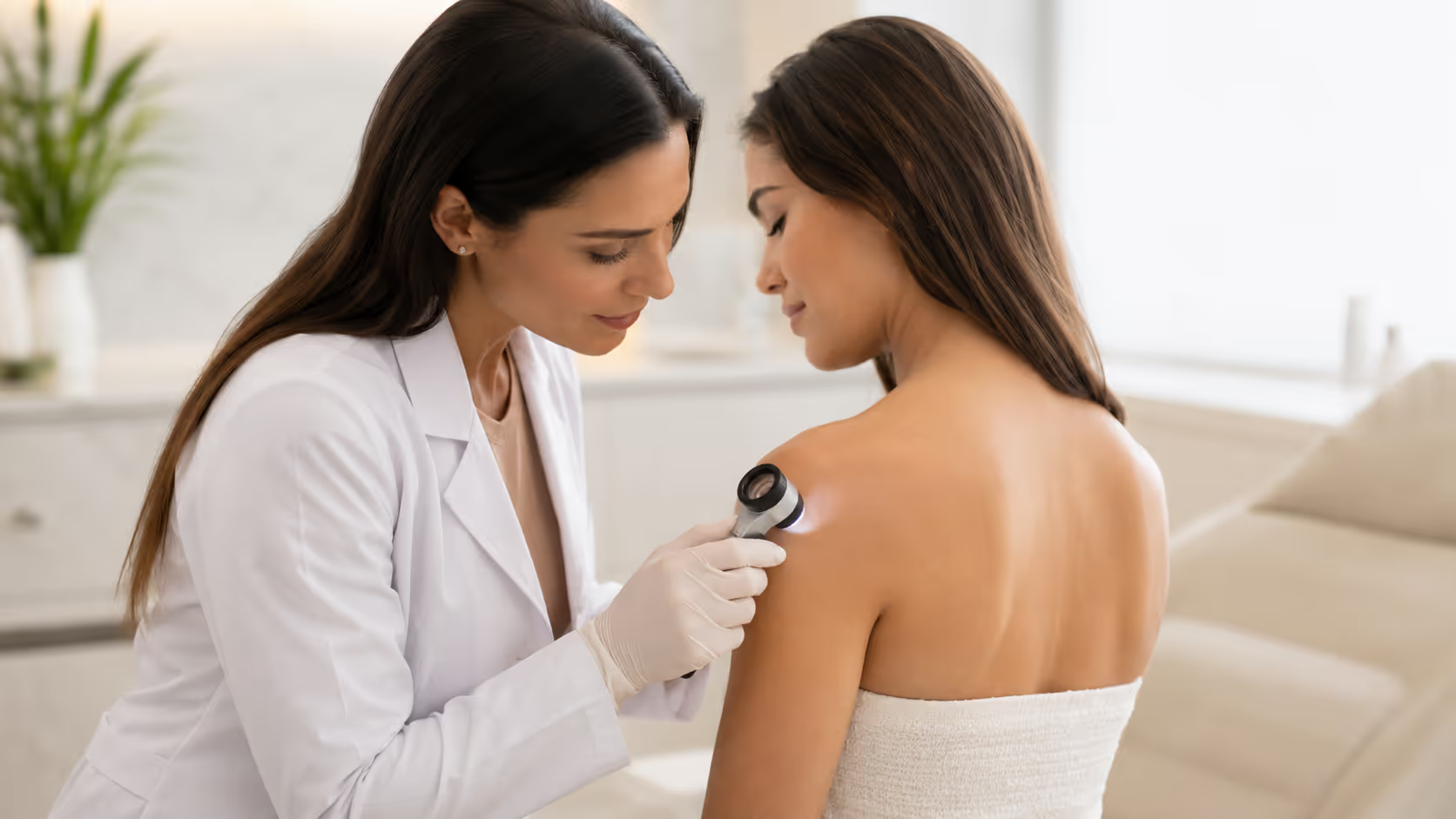
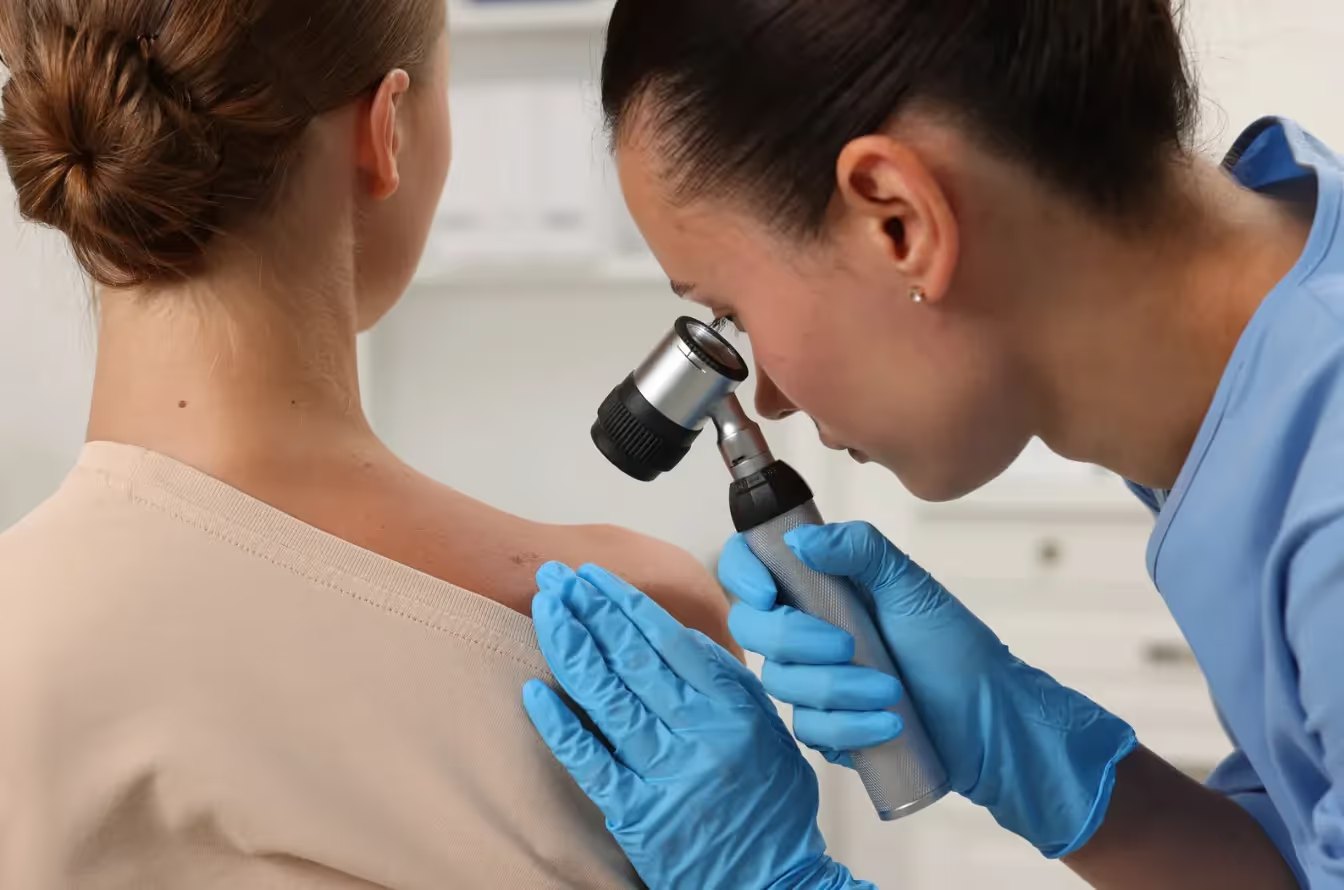
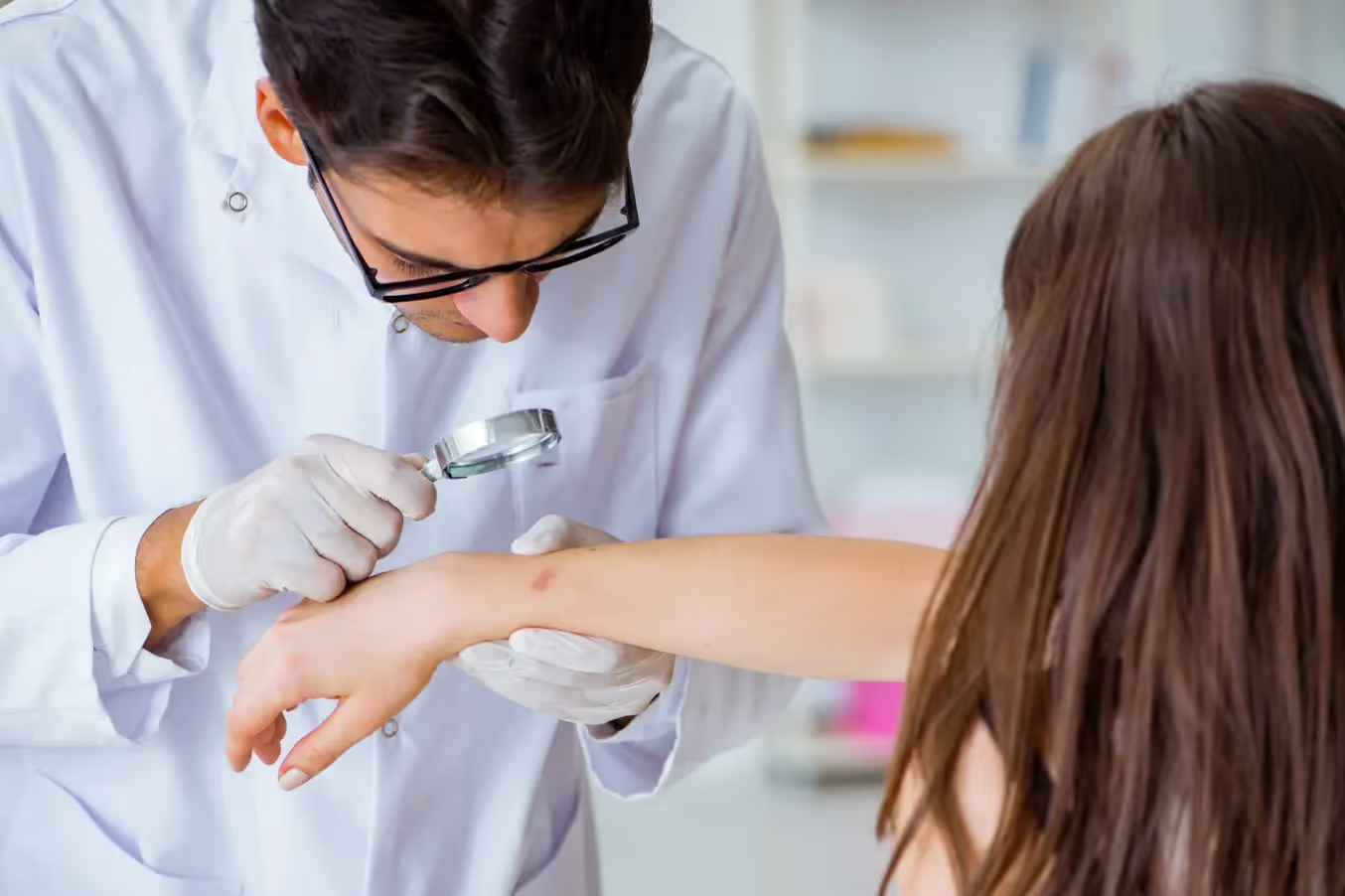
Regular dermatologic monitoring represents a crucial component of comprehensive skin cancer prevention, particularly for higher-risk individuals. Professional skin examinations can detect suspicious changes that patients might overlook during self-examinations. Early detection significantly improves treatment outcomes for all types of skin cancer, making regular professional evaluation a valuable investment in long-term health.
Hazany Derm emphasizes the importance of individualized prevention strategies that account for each patient's unique risk profile, lifestyle, and preferences. Rather than applying universal recommendations, personalized approaches consider factors like skin type, family history, occupational exposure, and recreational activities to develop realistic, effective protection plans. This tailored approach helps ensure that patients can maintain their quality of life while appropriately managing their skin cancer risk.
Assess Your Skin Cancer Risk in Beverly Hills
There's no universal safe dose of sun — but there is a clear picture of your risk, built from your skin type, history, and habits. Schedule a consultation with Dr. Salar Hazany in Beverly Hills for a personalized risk assessment and a prevention plan that fits the life you actually live.
Frequently Asked Questions
Can you get skin cancer from just one bad sunburn?
While a single severe sunburn rarely causes immediate cancer development, it can significantly increase long-term risk, especially if it occurs during childhood or adolescence. Dr. Salar Hazany explains that one blistering sunburn can double a person's lifetime melanoma risk. The DNA damage from severe burns may remain dormant for years or decades before potentially developing into cancer. However, skin cancer typically results from cumulative damage over time rather than isolated incidents. Even one bad sunburn should prompt increased vigilance about sun protection and regular skin monitoring to catch any future changes early.
How long does it take for sun damage to turn into skin cancer?
The timeline from initial sun damage to cancer development varies greatly, typically spanning 10 to 30 years or more. Hazany Derm notes that this latency period depends on numerous factors including age at exposure, skin type, genetic predisposition, and immune system function. Basal cell and squamous cell carcinomas often develop gradually from precancerous lesions, while melanomas can appear more suddenly. The cumulative nature of sun damage means that cancer may result from decades of seemingly minor exposures rather than specific incidents. This lengthy development period underscores the importance of lifelong sun protection and regular dermatological screenings.
Is there a safe amount of sun exposure for vitamin D?
The amount of sun exposure needed for adequate vitamin D synthesis is typically much less than what causes skin damage, usually just 10-15 minutes of midday sun several times per week for fair-skinned individuals. The team at Hazany Derm often recommends obtaining vitamin D through dietary sources and supplements rather than intentional sun exposure, as there's no truly "safe" level of UV radiation for cancer prevention. Darker skin requires longer exposure for vitamin D synthesis, but this also increases cancer risk. Given that vitamin D can be safely obtained through other means, minimal sun exposure combined with proper protection remains the healthiest approach for most people.
Does sunscreen completely prevent skin cancer?
Sunscreen significantly reduces skin cancer risk but doesn't provide complete protection, as no sunscreen blocks 100% of UV radiation. Dr. Hazany emphasizes that even SPF 50 sunscreen allows about 2% of UV rays to reach the skin, and real-world application often falls short of laboratory testing conditions. Sunscreen must be reapplied regularly, used in sufficient quantities, and combined with other protective measures like clothing and shade-seeking behavior. Additionally, some skin cancers develop in areas that receive minimal sun exposure, suggesting other factors may contribute to cancer development. Sunscreen is a crucial tool but works best as part of a comprehensive sun protection strategy.
Are some people immune to skin cancer from sun exposure?
No one is completely immune to skin cancer, though genetic variations create significant differences in individual susceptibility. Hazany Derm specialists explain that while people with darker skin have lower rates of skin cancer due to increased natural melanin protection, they can still develop these cancers, often with worse outcomes due to delayed detection. Even individuals with robust DNA repair mechanisms or those who rarely burn can develop skin cancer with sufficient exposure over time. Genetic factors influence risk levels but don't provide complete immunity. Everyone should practice appropriate sun protection measures regardless of their apparent tolerance to sun exposure or family history.
Can you get skin cancer from indoor tanning beds?
Indoor tanning beds significantly increase skin cancer risk, with some studies showing they're more dangerous than natural sunlight due to concentrated UV radiation. Dr. Salar Hazany notes that tanning bed use before age 30 increases melanoma risk by 75%, and each tanning session further elevates this risk. The controlled UV exposure in tanning beds can cause the same DNA damage as solar radiation, leading to all types of skin cancer. Many countries have implemented age restrictions or outright bans on commercial tanning beds due to their cancer risk. The safest approach is avoiding indoor tanning entirely and using sunless tanning products if desired cosmetic effects are important.
How often should I check my skin for cancer signs?
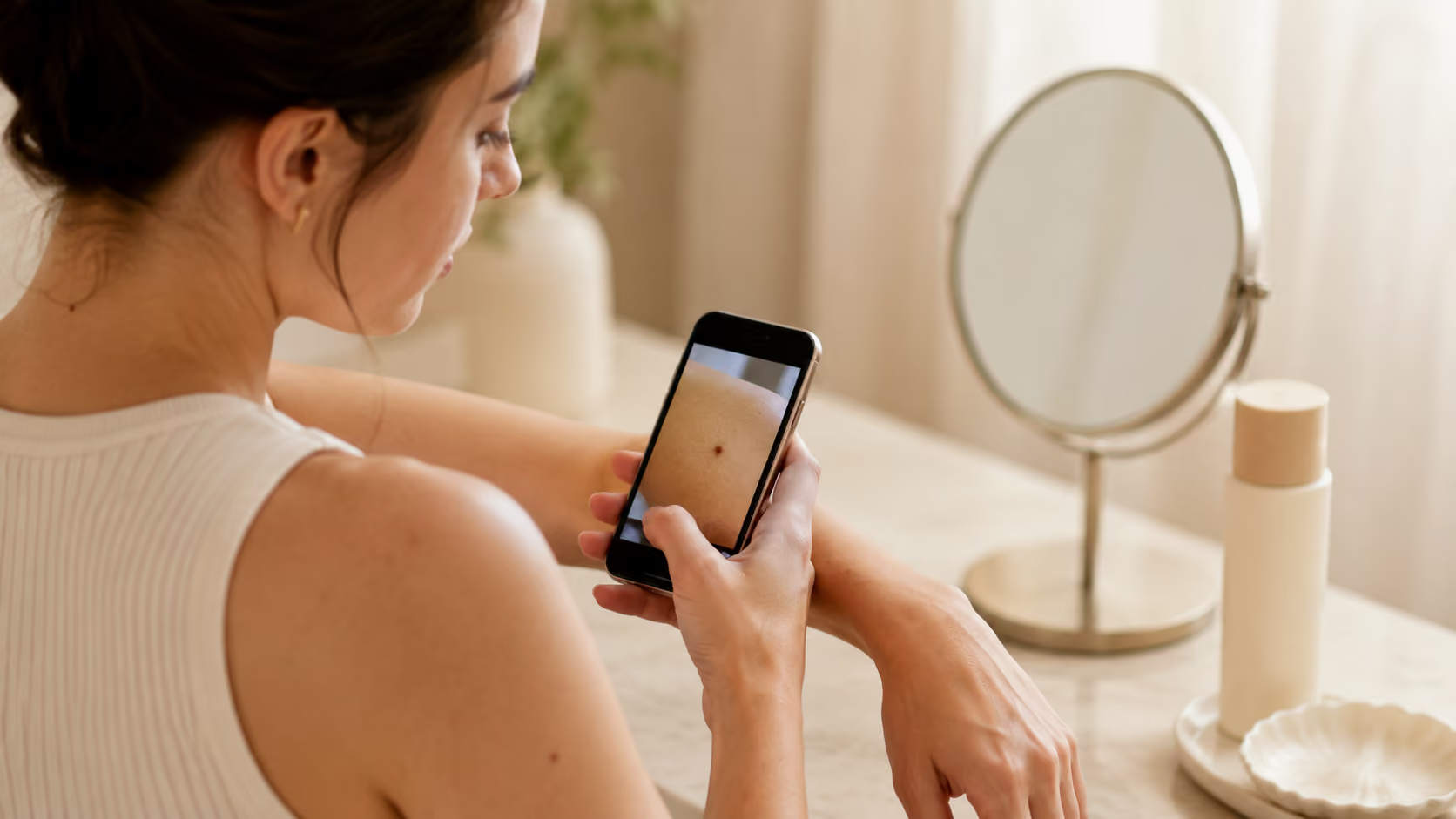
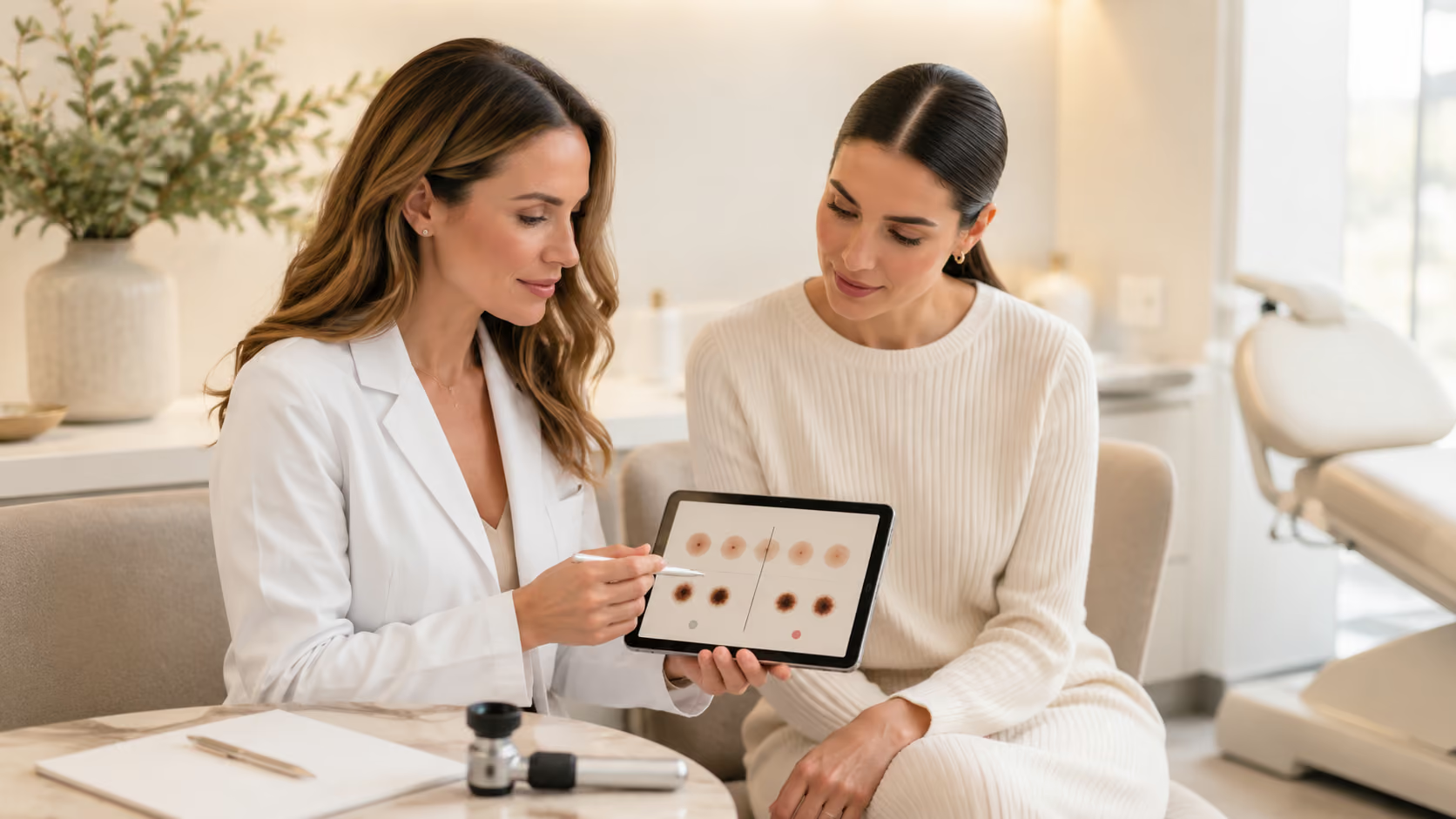
Self-examinations should be performed monthly, systematically checking all skin areas including hard-to-see locations like the scalp, back, and between toes. Hazany Derm clinic recommends the ABCDE method for evaluating moles: Asymmetry, Border irregularity, Color variation, Diameter larger than a pencil eraser, and Evolving characteristics. Professional dermatological examinations should occur annually for most adults, or more frequently for high-risk individuals. Any new, changing, or unusual skin lesions warrant prompt medical evaluation regardless of timing since the last examination. Digital photography can help track changes in existing moles over time, providing valuable documentation for dermatologists during professional evaluations.
What's the difference between different types of skin cancer regarding sun exposure?
Different skin cancers have varying relationships with sun exposure patterns and risk factors. The experts at Hazany Derm explain that basal cell carcinomas typically result from chronic, cumulative sun exposure and appear on frequently exposed areas like the face and hands. Squamous cell carcinomas also correlate with total lifetime sun exposure but may develop more rapidly. Melanomas often arise from intermittent, intense exposures that cause blistering sunburns, particularly during youth, and can appear anywhere on the body. While sun exposure contributes to all types, genetic factors, immune status, and other environmental influences also play important roles in cancer development patterns.