





What is the Difference Between Upper and Lower Blepharoplasty?


Upper blepharoplasty addresses drooping eyelids and excess skin on the upper eyelids, while lower blepharoplasty targets under-eye bags, puffiness, and wrinkles. At Hazany Derm, both procedures can dramatically refresh your appearance and restore a more youthful, alert look.
The eyes are often considered the windows to the soul, but when aging begins to affect the delicate skin around them, they can make you appear tired, sad, or older than you feel. Blepharoplasty, commonly known as eyelid surgery, offers a solution to restore a more youthful and refreshed appearance. This cosmetic procedure has become increasingly popular as people seek ways to address the visible signs of aging around their eyes.
Many patients considering blepharoplasty wonder about the differences between upper and lower eyelid surgery, as each targets distinct concerns and involves unique techniques. Understanding these differences is crucial for making an informed decision about which procedure, or combination of procedures, might be right for you. The choice between upper and lower blepharoplasty depends on your specific concerns, anatomy, and aesthetic goals.
At Hazany Derm, patients frequently ask about the distinctions between these two types of eyelid surgery during their consultations. Both procedures can dramatically improve your appearance, but they address different areas and concerns around the eyes. Learning about the specific benefits, techniques, and recovery processes for each can help you determine the best approach for achieving your desired results.
Understanding Upper Blepharoplasty
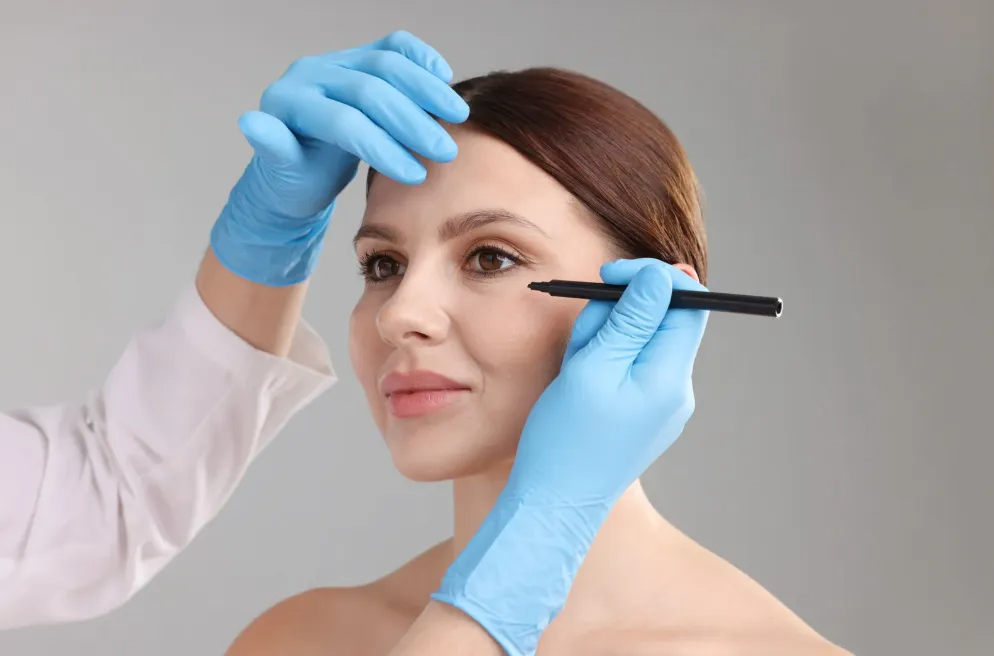
Upper blepharoplasty focuses on rejuvenating the upper eyelids by addressing excess skin, muscle, and sometimes fat that can create a heavy, droopy appearance. This procedure is particularly effective for patients who notice their upper eyelids have begun to sag or droop, potentially affecting their field of vision or making them look perpetually tired. The surgery involves making precise incisions along the natural crease of the upper eyelid, allowing for discreet scarring that becomes virtually invisible once healed.
The procedure typically takes between one to two hours and is often performed under local anesthesia with sedation. During the surgery, excess skin is carefully removed, and underlying muscle and fat may be repositioned or removed to create a more youthful contour. The goal is to create a natural-looking result that opens up the eyes and restores a more alert, refreshed appearance without creating an artificial or overdone look.
Recovery from upper blepharoplasty is generally straightforward, with most patients experiencing mild swelling and bruising that subsides within one to two weeks. The results of upper blepharoplasty can be transformative, not only improving appearance but also potentially enhancing vision if drooping eyelids were interfering with sight. Dr. Salar Hazany emphasizes the importance of customizing each upper blepharoplasty to the patient's unique facial anatomy and aesthetic goals.
Upper blepharoplasty addresses several specific concerns:
- Excess upper eyelid skin: Removes redundant skin that creates hooding or drooping
- Muscle laxity: Tightens weakened muscles that contribute to sagging
- Fat pad repositioning: Adjusts or removes protruding fat deposits for smoother contours
- Vision improvement: Eliminates skin that may obstruct the upper field of vision
The longevity of upper blepharoplasty results is one of its most attractive features, with most patients enjoying their refreshed appearance for ten to fifteen years or more. The procedure creates a more defined upper eyelid crease and eliminates the tired appearance that can result from drooping skin. Many patients report feeling more confident and looking more approachable after their upper blepharoplasty.
At Hazany Derm, the surgical technique is refined to ensure minimal scarring and natural-looking results that complement each patient's unique facial features. The careful attention to detail in both the surgical technique and post-operative care helps ensure optimal healing and long-lasting results that patients love.
Understanding Lower Blepharoplasty
Lower blepharoplasty targets the area beneath the eyes, addressing concerns such as under-eye bags, puffiness, fine lines, and loose skin that can make you appear tired or aged. This procedure is more complex than upper blepharoplasty due to the delicate nature of the lower eyelid anatomy and the need to maintain proper eyelid position and function. The surgery can be performed using either a transconjunctival approach (inside the eyelid) or through an external incision just below the lash line.
The transconjunctival approach is often preferred when the primary concern is fat repositioning or removal without significant skin excess, as it leaves no visible external scarring. The external approach is typically used when there is excess skin that needs to be removed in addition to addressing fat deposits. Both techniques require exceptional skill and precision to avoid complications such as ectropion (outward turning of the eyelid) or scleral show (excessive white showing below the iris).
Modern lower blepharoplasty techniques focus on fat repositioning rather than simple removal, creating a more natural and youthful appearance while avoiding the hollow, surgical look that can result from overly aggressive fat removal. The procedure typically takes two to three hours and requires careful attention to maintaining the natural curve and position of the lower eyelid. Recovery from lower blepharoplasty may take slightly longer than upper eyelid surgery, with swelling and bruising typically resolving within two to three weeks.
Lower blepharoplasty effectively addresses several aging concerns:
- Under-eye bags: Repositions or removes protruding fat deposits that create puffiness
- Fine lines and wrinkles: Smooths skin texture and reduces crow's feet
- Loose skin: Removes excess skin while maintaining natural eyelid position
- Dark circles: Can improve the appearance of shadows created by anatomical irregularities
The results of lower blepharoplasty can be dramatic, creating a smoother, more youthful appearance that makes patients look well-rested and refreshed. The procedure requires a highly skilled surgeon who understands the complex anatomy of the lower eyelid and can achieve natural-looking results. Hazany Derm specializes in advanced techniques that minimize complications and maximize aesthetic outcomes.
Patient selection is crucial for lower blepharoplasty success, as not all candidates are ideal for this procedure. A thorough evaluation of eyelid anatomy, skin quality, and patient expectations is essential for achieving optimal results and avoiding complications that could affect both appearance and function.
Choosing Between Upper and Lower Blepharoplasty
The decision between upper and lower blepharoplasty depends on your specific concerns, anatomy, and aesthetic goals, though many patients benefit from combining both procedures for comprehensive rejuvenation. During your consultation, a thorough evaluation will assess factors such as skin elasticity, fat distribution, muscle tone, and bone structure to determine which approach will best address your concerns. Some patients have primarily upper eyelid concerns, while others are bothered mainly by lower eyelid issues, but many find that both areas contribute to their tired or aged appearance.
Age is often a factor in determining which procedure might be most beneficial, as upper eyelid changes typically become apparent earlier than lower eyelid concerns. Patients in their forties and fifties often notice drooping upper eyelids first, while under-eye bags and lower eyelid changes may become more prominent in the fifties and beyond. However, genetics play a significant role, and some patients develop under-eye bags at a relatively young age while maintaining youthful upper eyelids.
The recovery process also differs between the two procedures, which may influence your decision if you have time constraints or specific scheduling considerations. Upper blepharoplasty typically has a shorter, easier recovery period, while lower blepharoplasty may require more time for swelling to resolve completely. Understanding these differences can help you plan appropriately for your surgery and recovery period.
Factors to consider when choosing your procedure include:
- Primary concerns: Whether drooping upper lids or under-eye bags are your main issue
- Recovery time: Upper blepharoplasty typically has faster recovery than lower
- Budget considerations: Costs may vary between procedures and combination surgeries
- Long-term goals: Whether you prefer to address concerns gradually or comprehensively
Many patients ultimately choose to have both procedures performed simultaneously, which can be more cost-effective and allows for a single recovery period. This approach also ensures that both upper and lower eyelids are rejuvenated together, creating the most harmonious and balanced results. The decision should always be made in consultation with an experienced surgeon who can assess your individual anatomy and goals.
Dr. Salar Hazany works closely with each patient to develop a personalized treatment plan that addresses their specific concerns while achieving natural-looking results. The consultation process includes a detailed discussion of expectations, recovery timeline, and long-term maintenance to ensure patients are fully informed about their options and can make the best decision for their individual situation.
Frequently Asked Questions
How long does recovery take for each type of blepharoplasty?
Recovery timelines differ between upper and lower blepharoplasty procedures. Upper blepharoplasty typically has a shorter recovery period, with most patients experiencing mild swelling and bruising that resolves within 7-10 days. Patients can usually return to work within a week and resume normal activities relatively quickly. Lower blepharoplasty requires a longer recovery time, with swelling and bruising potentially lasting 2-3 weeks. The delicate nature of lower eyelid tissue means healing takes more time. Dr. Salar Hazany provides detailed post-operative instructions to optimize healing and minimize downtime for both procedures, ensuring patients achieve the best possible results.
Can both procedures be performed at the same time?
Yes, upper and lower blepharoplasty can be performed simultaneously, and many patients choose this combined approach for comprehensive eye rejuvenation. Combining procedures offers several advantages, including a single recovery period, potentially reduced overall costs, and harmonious results that address both upper and lower eyelid concerns together. The surgery time increases when both procedures are performed together, typically taking 3-4 hours total. Hazany Derm carefully evaluates each patient's candidacy for combined surgery, considering factors such as overall health, specific anatomy, and desired outcomes to ensure safe and effective treatment.
Which procedure provides more dramatic results?
The dramatic impact of each procedure depends on your individual concerns and anatomy. Upper blepharoplasty often provides immediately noticeable results, particularly for patients with significant drooping or hooding that may have been affecting their vision. The procedure can create a more alert, youthful appearance that's readily apparent. Lower blepharoplasty can also provide dramatic improvements, especially for patients with prominent under-eye bags or puffiness. However, the results may take longer to fully appreciate due to extended swelling. The team at Hazany Derm helps patients understand which procedure will best address their primary concerns for optimal aesthetic improvement.
Are there age restrictions for blepharoplasty procedures?
There are no strict age restrictions for blepharoplasty, as candidacy depends more on individual anatomy and concerns rather than chronological age. Some patients develop drooping eyelids or under-eye bags in their thirties due to genetics, while others may not need intervention until their sixties or beyond. Upper blepharoplasty is sometimes performed on younger patients when drooping affects vision or quality of life. Lower blepharoplasty is typically performed on patients in their forties and beyond. Dr. Hazany evaluates each patient individually, considering skin elasticity, overall health, realistic expectations, and specific anatomical concerns rather than focusing solely on age.
What are the risks associated with each procedure?
Both procedures carry similar general surgical risks, but each has specific considerations. Upper blepharoplasty risks include temporary dry eyes, asymmetry, and rarely, difficulty closing the eyes completely. Lower blepharoplasty carries additional risks due to the complex lower eyelid anatomy, including potential ectropion (eyelid pulling away from the eye), scleral show, and changes in eyelid position. Both procedures may result in scarring, though this is typically minimal and well-concealed. Hazany Derm specialists thoroughly discuss all potential risks during consultation and use advanced techniques to minimize complications while maximizing safety and aesthetic outcomes.
How much does each procedure typically cost?
The cost of blepharoplasty varies depending on several factors, including the complexity of the procedure, geographic location, and surgeon expertise. Upper blepharoplasty is typically less expensive than lower blepharoplasty due to the shorter surgical time and less complex anatomy involved. Lower blepharoplasty costs more due to the intricate surgical technique required and longer operative time. Combining both procedures often provides cost savings compared to performing them separately. Dr. Salar Hazany provides detailed cost information during consultation, including financing options to make procedures more accessible. The investment in skilled, experienced surgical care ensures optimal results and minimizes the need for revision procedures.
How long do the results of each procedure last?
Both upper and lower blepharoplasty provide long-lasting results, though longevity varies by individual and procedure type. Upper blepharoplasty results typically last 10-15 years or more, as the removed excess skin doesn't regenerate. However, continued aging may eventually create new concerns. Lower blepharoplasty results are also long-lasting, particularly the fat repositioning or removal aspects, though skin may continue to age over time. Factors affecting longevity include genetics, sun exposure, skincare routine, and lifestyle habits. The Hazany Derm clinic emphasizes that while results are long-lasting, they don't stop the natural aging process, and some patients may choose touch-up procedures years later.
What should I expect during the consultation process?
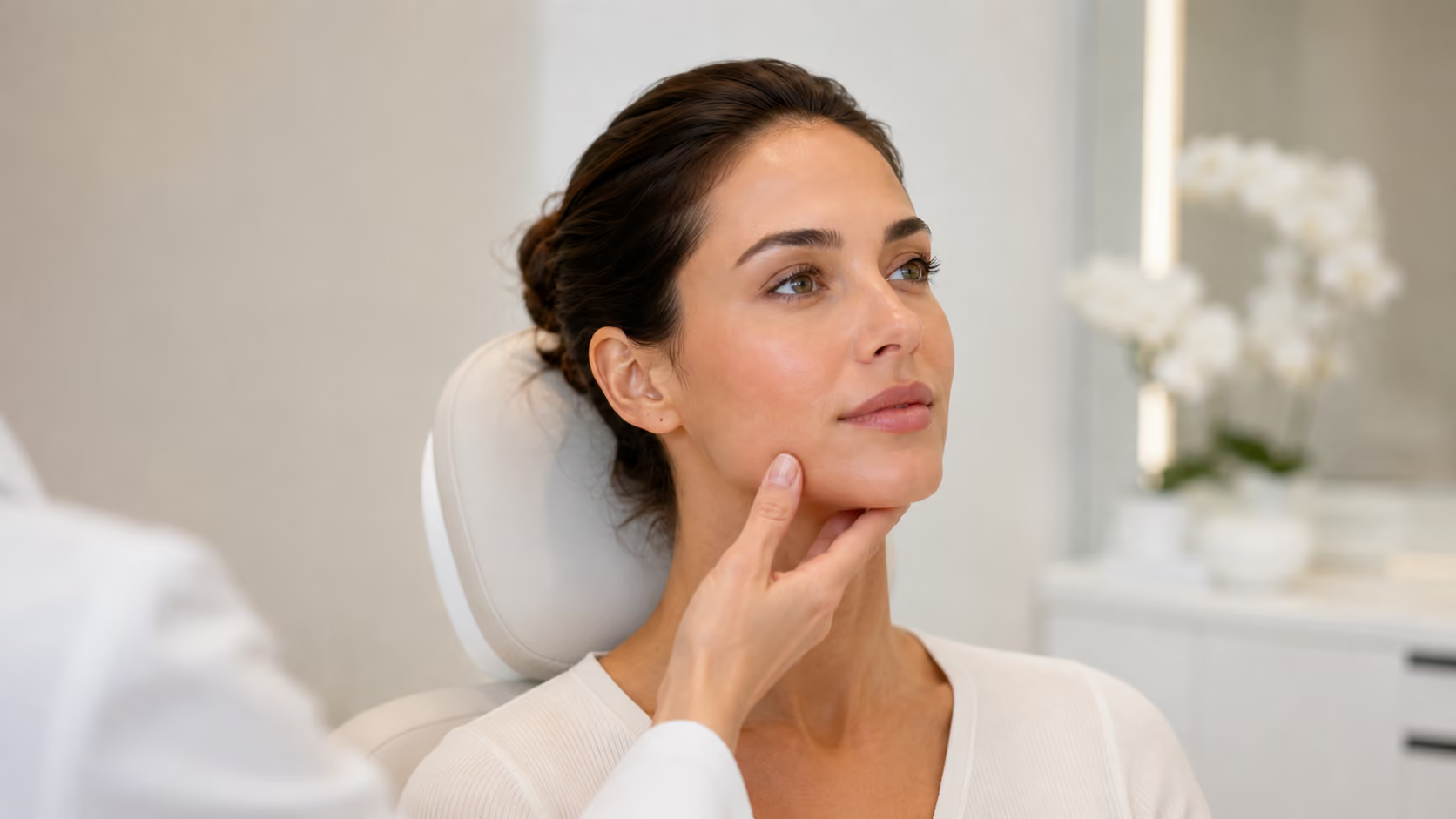
During your blepharoplasty consultation, you can expect a comprehensive evaluation of your eye area, facial anatomy, and aesthetic concerns. The consultation includes a detailed medical history review, discussion of your goals and expectations, and examination of eyelid position, skin quality, and fat distribution. Digital photography may be taken for surgical planning and comparison purposes. Your surgeon will explain the differences between upper and lower procedures, recommend the best approach for your concerns, and discuss risks, benefits, and recovery expectations. The experts at Hazany Derm ensure patients feel fully informed and comfortable with their treatment plan before proceeding with surgery.