




%201.avif)



What is a Rolling Acne Scar?


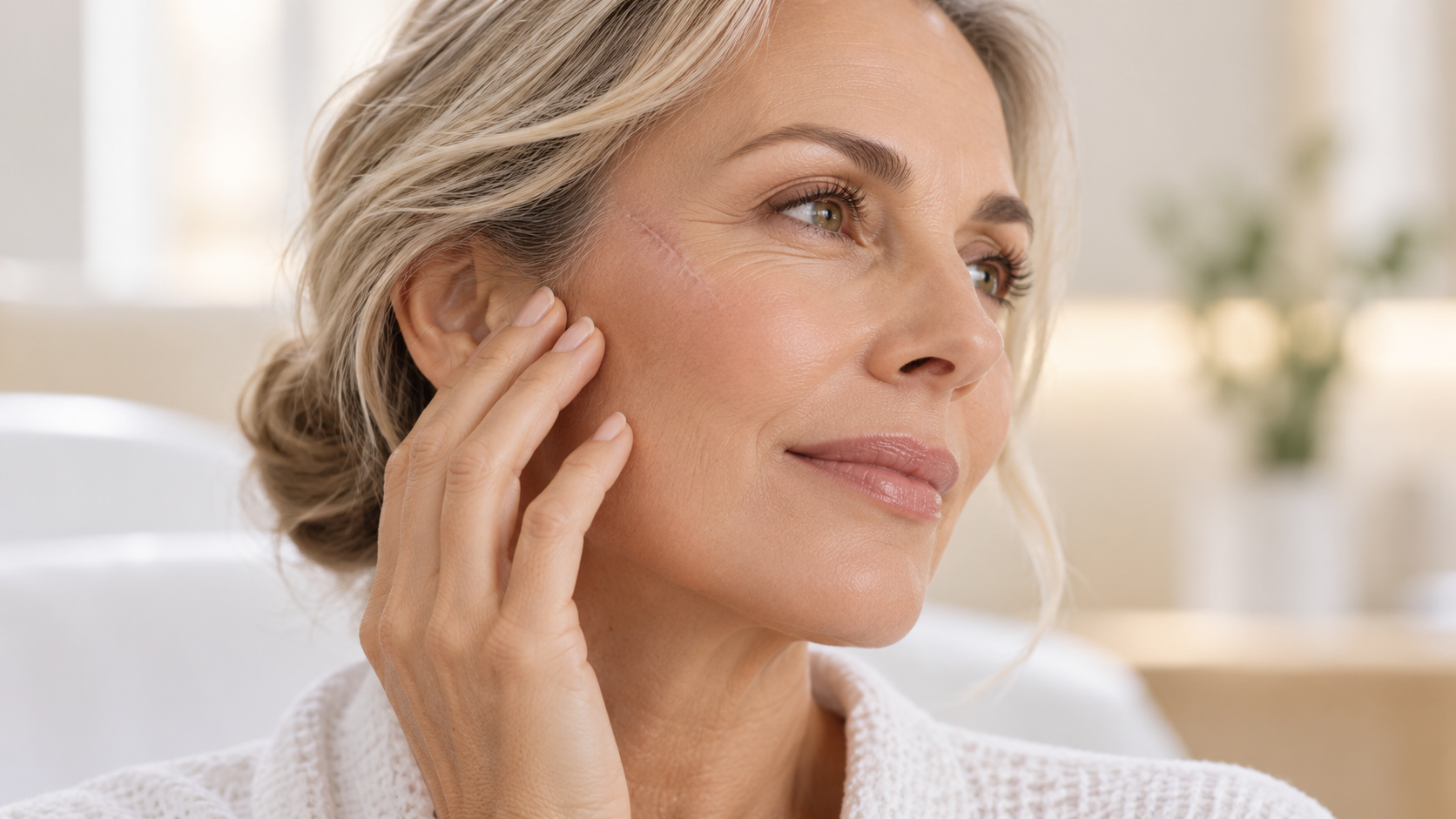
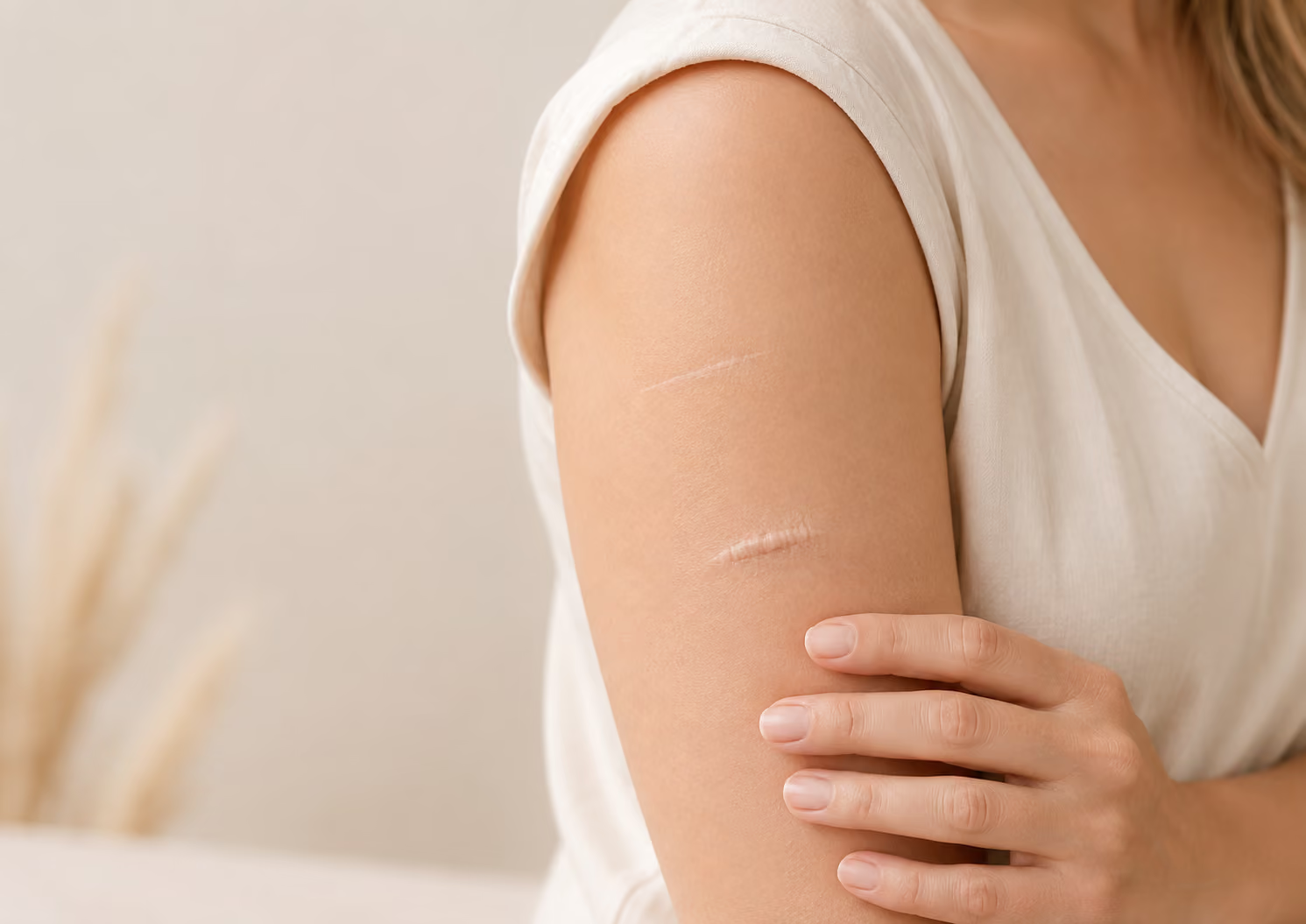
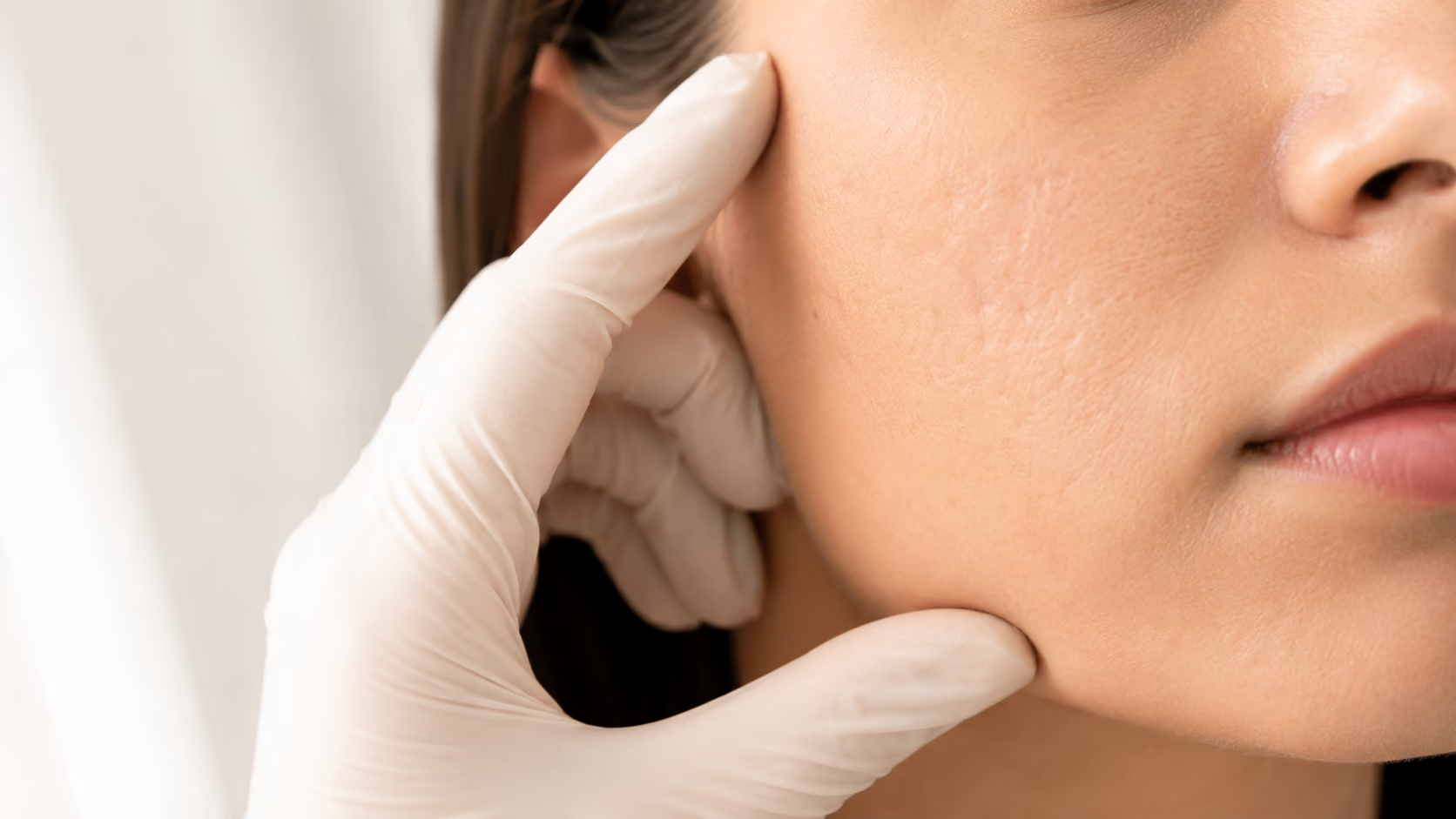
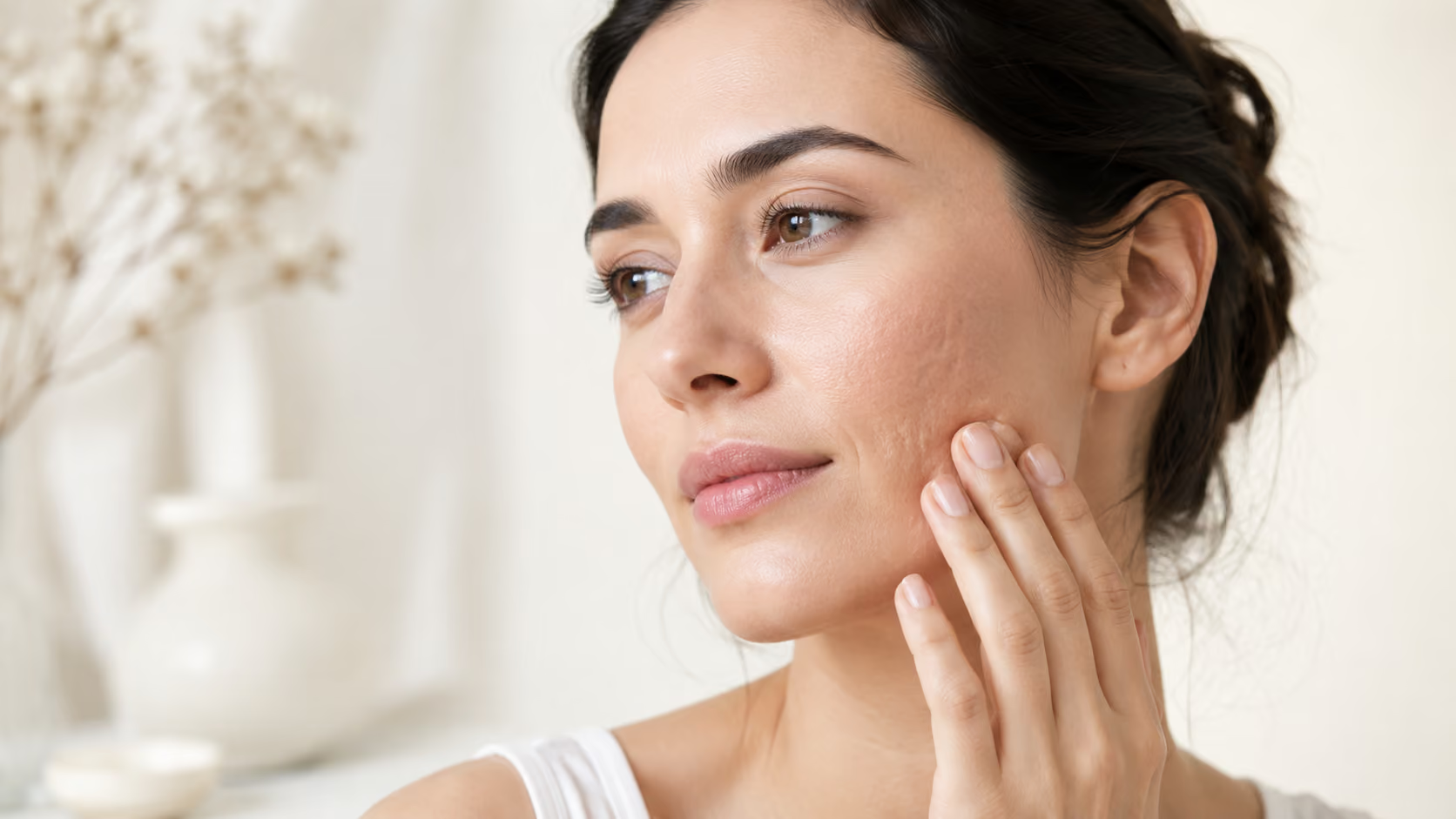
Rolling acne scars are wide, shallow depressions with sloping edges that create a wave-like appearance on the skin's surface. At Hazany Derm, we specialize in identifying and treating these common atrophic scars using advanced dermatological techniques to restore smooth, healthy skin texture.
Rolling acne scars represent one of the most common types of atrophic acne scarring that affects millions of people worldwide. These distinctive scars create an undulating, wave-like appearance across the skin's surface, resembling gentle hills and valleys that can significantly impact a person's confidence and self-esteem. Unlike other types of acne scars, rolling scars are characterized by their wide, shallow depressions with sloping, rounded edges that blend gradually into the surrounding skin.
The formation of rolling acne scars occurs when inflammatory acne lesions damage the deeper layers of skin tissue, leading to the breakdown of collagen and elastin fibers. This damage creates fibrous bands beneath the skin's surface that pull downward, forming the characteristic rolling or undulating texture. The scarring process is particularly complex because it involves both the loss of tissue volume and the creation of tethering bands that prevent the skin from lying flat and smooth.
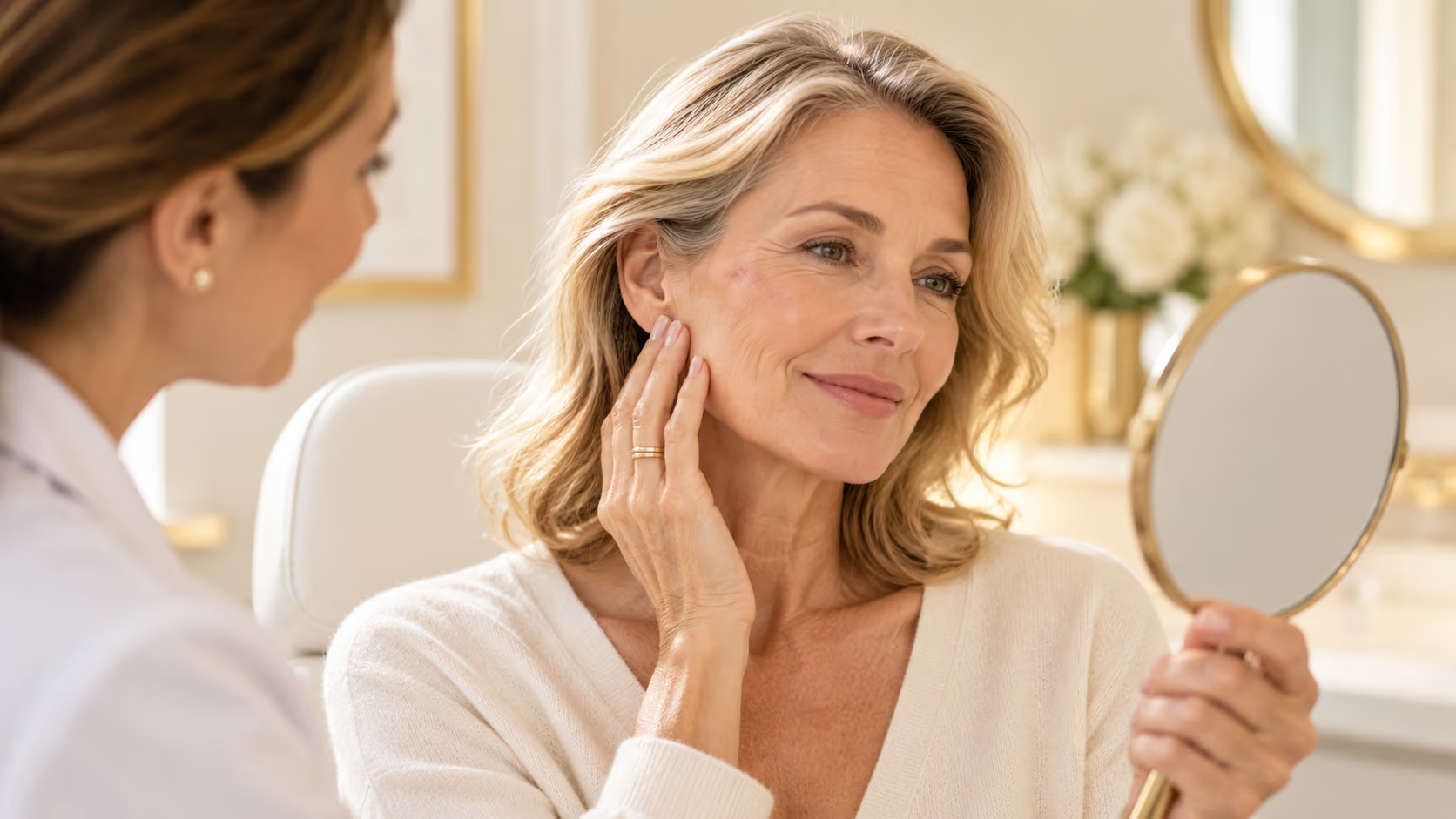
Understanding rolling acne scars is crucial for anyone seeking effective treatment, as these scars require specialized approaches that differ significantly from treatments for other scar types. At Hazany Derm, patients receive comprehensive evaluations to determine the specific characteristics of their scarring patterns. Dr. Salar Hazany emphasizes that proper identification of rolling scars is the first step toward achieving optimal treatment outcomes and restoring skin confidence.
Understanding the Characteristics of Rolling Acne Scars
Rolling acne scars display several distinctive features that set them apart from other types of acne scarring. The most notable characteristic is their wave-like appearance, which creates an uneven skin texture that becomes more pronounced under certain lighting conditions. These scars typically measure between 4-5 millimeters in width, making them broader than ice pick scars but generally shallower than boxcar scars. The edges of rolling scars are soft and sloping, creating a gradual transition from the depressed area to the normal skin level.
The depth of rolling scars varies considerably, but they generally extend into the subcutaneous tissue where fibrous bands form connections between the skin surface and deeper structures. This tethering effect is what creates the characteristic pulling sensation that many patients describe when touching affected areas. The scars often appear more prominent when the skin is stretched or when viewed under direct lighting, which can make them particularly noticeable during social interactions or professional settings.
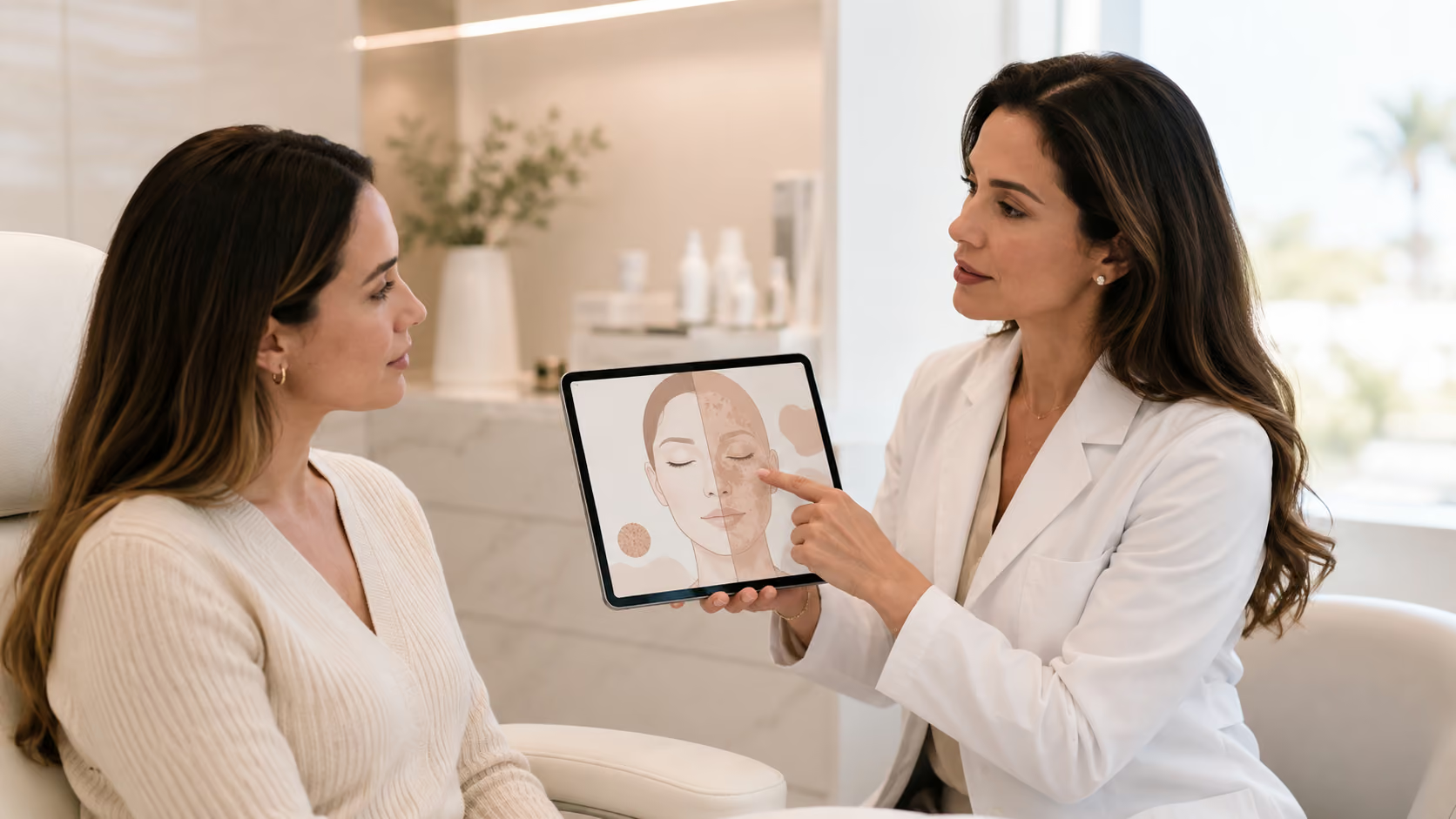
Rolling scars frequently occur in clusters rather than as isolated lesions, creating larger areas of textural irregularity that can span significant portions of the face or affected body area. The clustering pattern often reflects the original distribution of inflammatory acne lesions that caused the scarring. At Hazany Derm, detailed skin mapping helps identify the full extent of rolling scar formation and guides treatment planning for optimal aesthetic outcomes.
The texture and appearance of rolling scars can vary based on several factors:
- Skin thickness: Thicker skin may develop deeper, more pronounced rolling patterns
- Collagen density: Individual variations in collagen production affect scar depth and firmness
- Original inflammation severity: More severe acne inflammation typically results in more extensive rolling scarring
- Healing response: Personal healing patterns influence the final appearance and texture of rolling scars
Rolling scars often develop gradually over months or years following the resolution of active acne inflammation. Unlike acute wounds that heal relatively quickly, the fibrous band formation that characterizes rolling scars continues long after the original inflammatory process has subsided. This delayed development means that many patients don't fully appreciate the extent of their scarring until well after their acne has been successfully controlled.
The psychological impact of rolling acne scars extends beyond simple cosmetic concerns, as the textural changes can significantly affect how individuals perceive their appearance and interact with others. Many patients report feeling self-conscious about their skin texture, particularly in social or professional situations where close interaction is common. Hazany Derm recognizes that addressing rolling acne scars involves not only improving skin texture but also helping patients regain confidence in their appearance and social interactions.
Causes and Development of Rolling Acne Scars
The development of rolling acne scars begins with inflammatory acne lesions that penetrate deep into the skin's dermal and subcutaneous layers. When inflammatory mediators and bacterial toxins damage the skin's structural components, including collagen and elastin fibers, the body's natural healing response attempts to repair the tissue damage. However, this repair process often results in the formation of fibrous scar tissue that differs significantly from the original skin structure. The irregular deposition of new collagen creates thick, inflexible bands that connect the skin surface to deeper tissue layers.
The inflammatory cascade that leads to rolling scar formation involves multiple cellular processes and molecular pathways. Neutrophils, macrophages, and other immune cells release enzymes and inflammatory mediators that break down existing collagen while stimulating the production of new fibrous tissue. This process, known as fibroplasia, continues long after the initial inflammatory insult has resolved. The newly formed fibrous bands lack the flexibility and organization of normal skin tissue, creating the tethering effect that pulls down on the skin surface and forms the characteristic rolling pattern.
Individual factors significantly influence the likelihood and severity of rolling scar development following inflammatory acne. Genetic predisposition plays a crucial role, as some individuals naturally produce more fibrous scar tissue or have altered wound healing responses. Age at the time of acne development also matters, as younger skin typically has greater regenerative capacity but may also produce more aggressive inflammatory responses. Hazany Derm considers these individual risk factors when developing personalized treatment plans for both active acne management and scar prevention.
Several specific risk factors increase the probability of developing rolling acne scars:
- Delayed treatment: Prolonged inflammatory acne increases tissue damage and scar formation risk
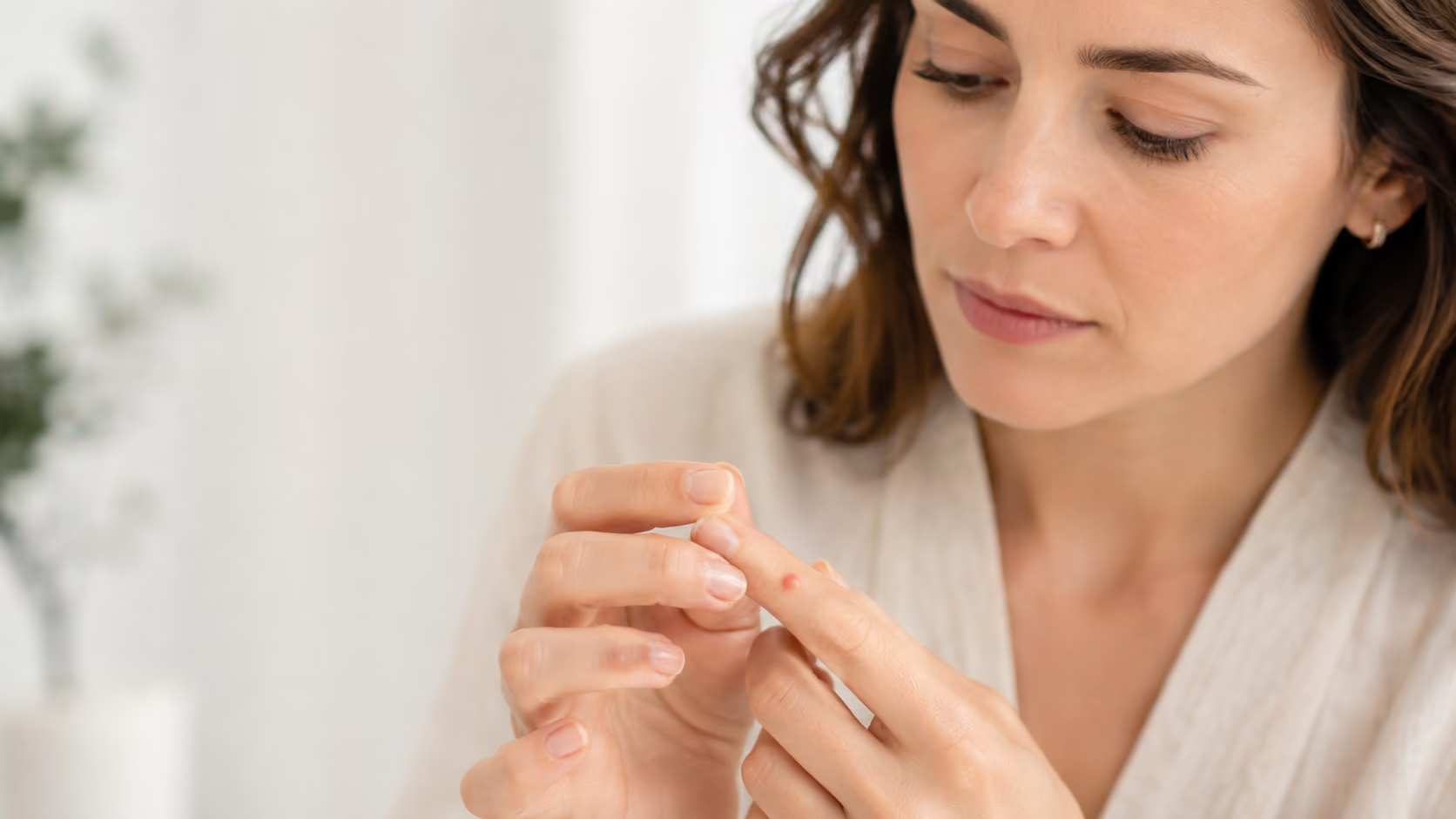
- Picking and manipulation: Physical trauma to inflamed lesions worsens tissue damage and scarring
- Genetic factors: Family history of severe scarring predisposes individuals to similar outcomes
- Hormonal influences: Hormonal fluctuations can affect inflammation severity and healing responses
The timeline for rolling scar development typically extends over several months to years following the initial inflammatory acne episodes. During the acute inflammatory phase, which may last weeks to months, ongoing tissue damage and repair processes compete with each other. The remodeling phase, which can continue for years, involves the gradual reorganization of scar tissue and the formation of mature fibrous bands. Understanding this timeline helps explain why some patients notice their scars becoming more pronounced long after their acne has cleared.
Prevention strategies focus primarily on early and effective acne treatment to minimize the inflammatory damage that leads to scarring. Professional acne management at facilities like Hazany Derm emphasizes controlling inflammation quickly and effectively to reduce tissue damage. Dr. Salar Hazany often recommends combining topical and systemic treatments to achieve rapid inflammation control, particularly for patients with risk factors for severe scarring. Early intervention not only improves acne outcomes but also significantly reduces the likelihood of developing rolling scars and other forms of atrophic scarring.
Treatment Options for Rolling Acne Scars
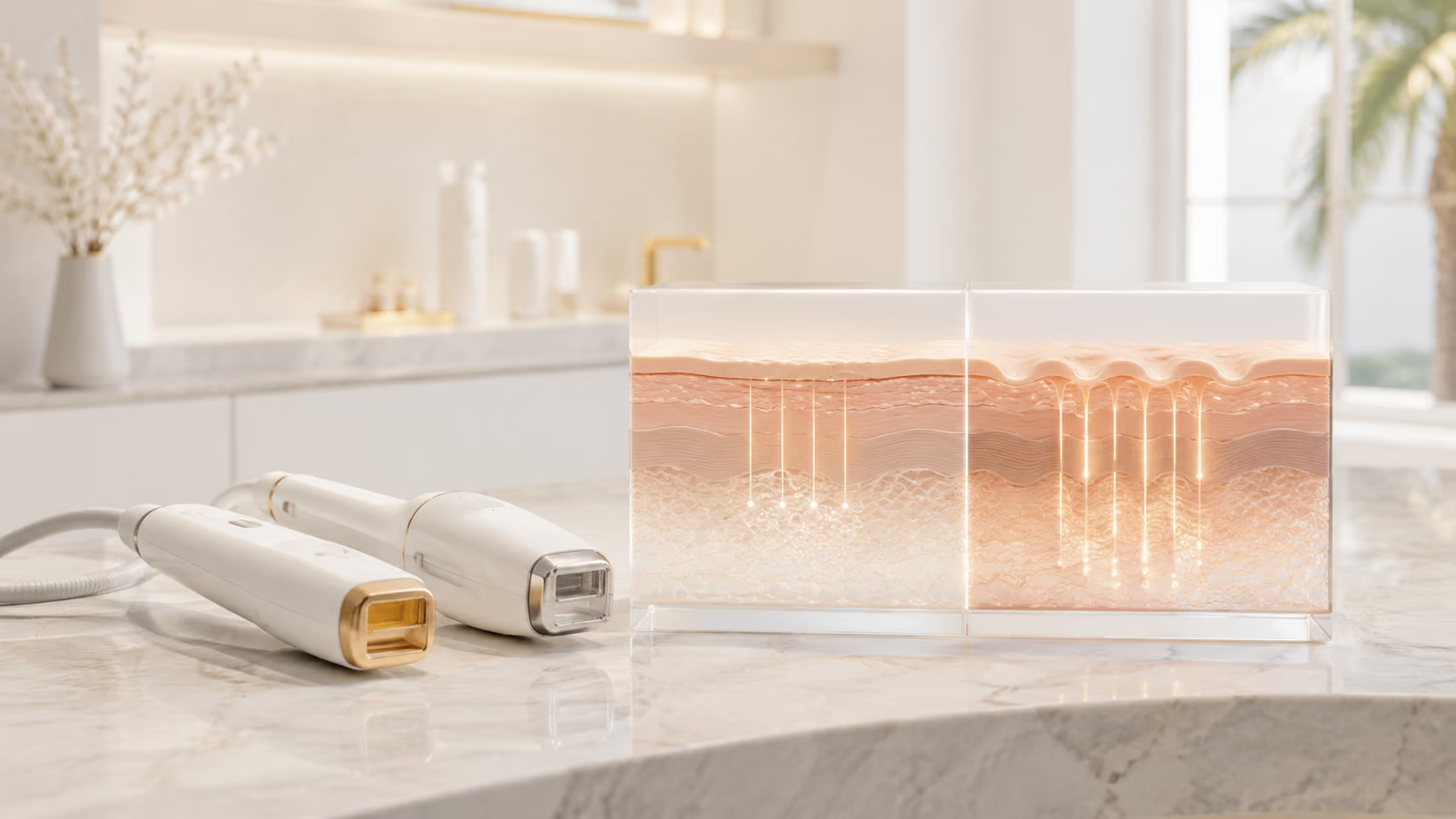
Treating rolling acne scars requires a multifaceted approach that addresses both the fibrous tethering bands and the volume loss that characterizes these lesions. The primary goal of treatment is to release the restrictive fibrous connections while stimulating new collagen production to restore skin volume and smooth texture. Subcision represents the gold standard treatment for rolling scars, involving the surgical release of fibrous bands through a minimally invasive procedure. During subcision, a specialized needle or blade is inserted beneath the scar to mechanically break the tethering bands, allowing the skin to return to a more normal contour.
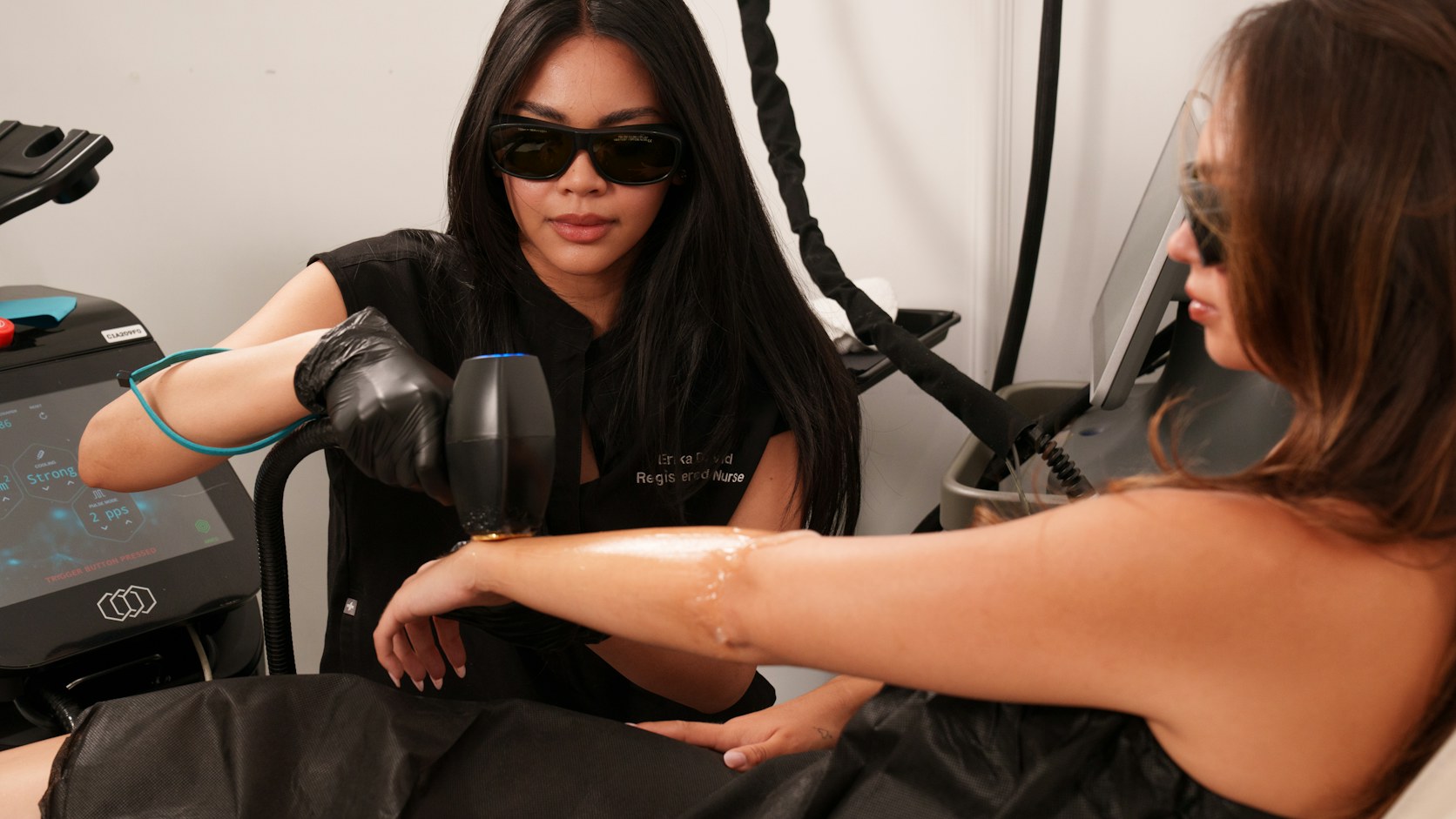
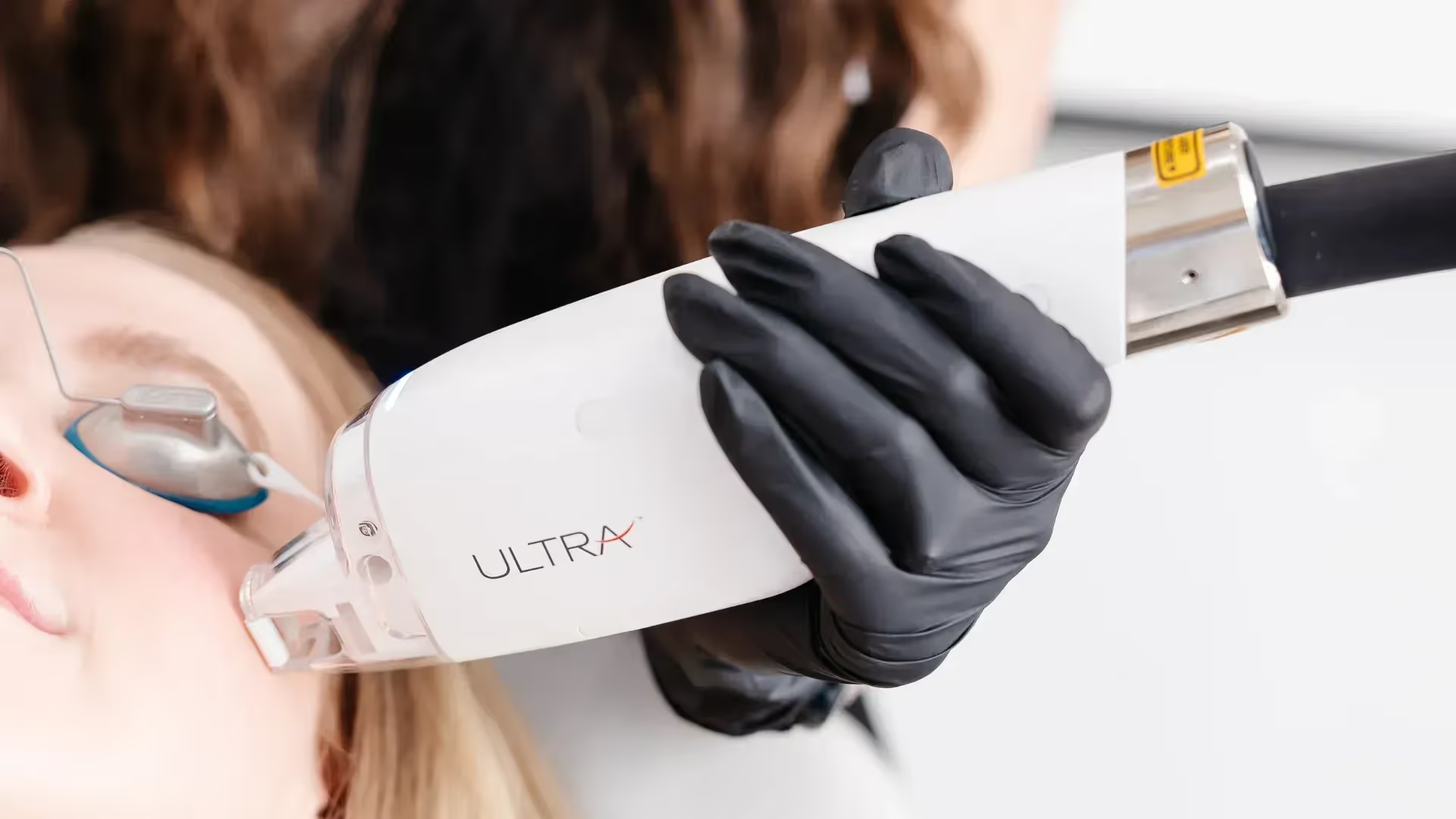
Combination therapies often provide superior results compared to single treatment modalities for rolling acne scars. Following subcision, additional treatments such as dermal fillers, laser resurfacing, or radiofrequency procedures can enhance the smoothing effect and promote optimal healing. The timing and sequence of combination treatments require careful planning to maximize benefits while minimizing complications. At Hazany Derm, treatment protocols are customized based on individual scar characteristics, skin type, and patient preferences to achieve the best possible outcomes.
The healing process following rolling scar treatment involves several phases of tissue remodeling and collagen synthesis. Initial healing typically occurs over 2-4 weeks, during which time patients may experience swelling, bruising, and temporary changes in skin texture. The remodeling phase continues for several months as new collagen forms and matures, gradually improving skin smoothness and texture. Patient compliance with post-treatment care instructions significantly influences healing outcomes and final aesthetic results.
Effective treatment options for rolling acne scars include:
- Subcision procedures: Surgical release of fibrous bands to restore normal skin contour
- Dermal fillers: Volume replacement to lift depressed areas and smooth skin texture
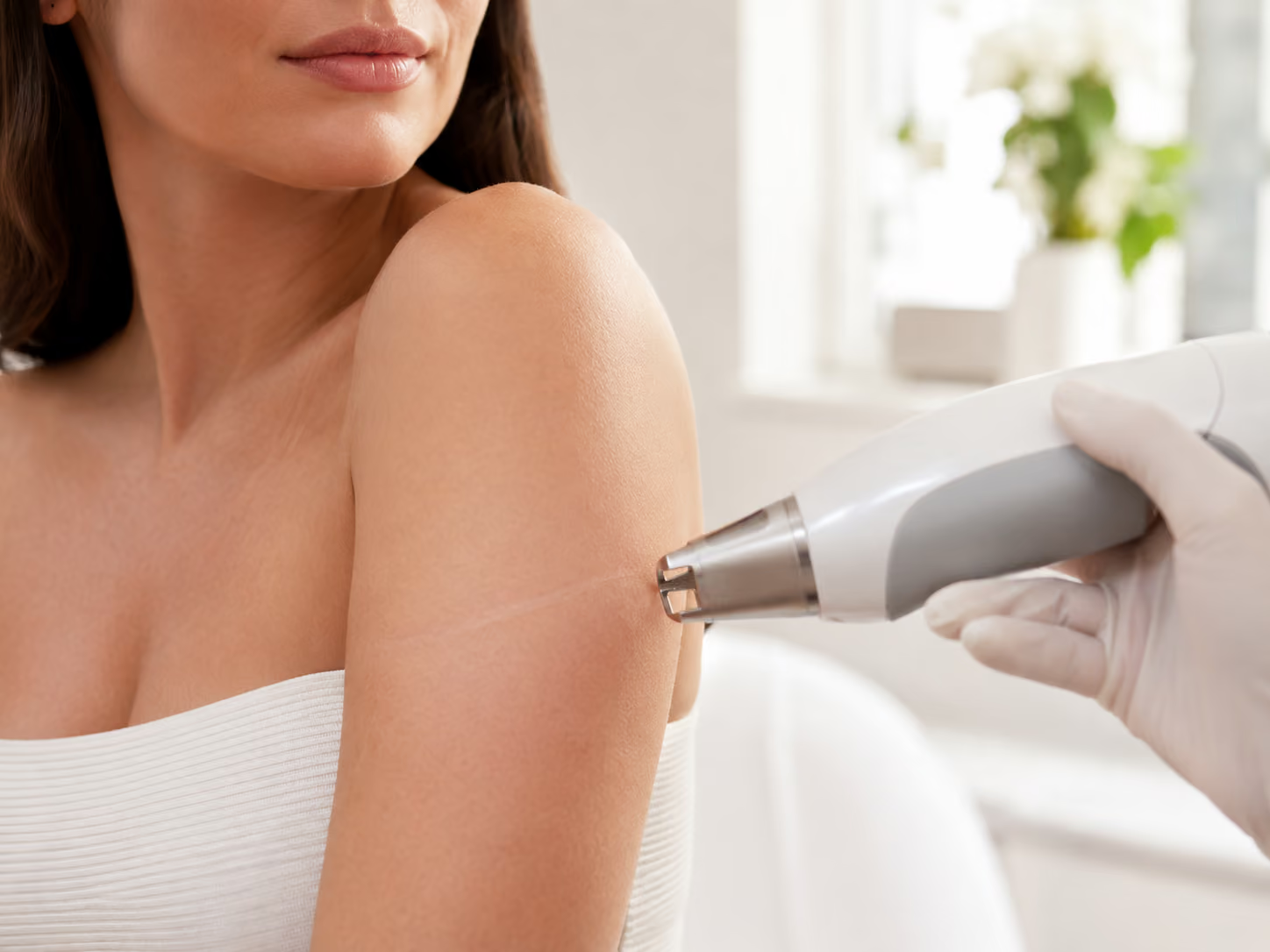
- Laser resurfacing: Controlled tissue removal and collagen stimulation for improved smoothness
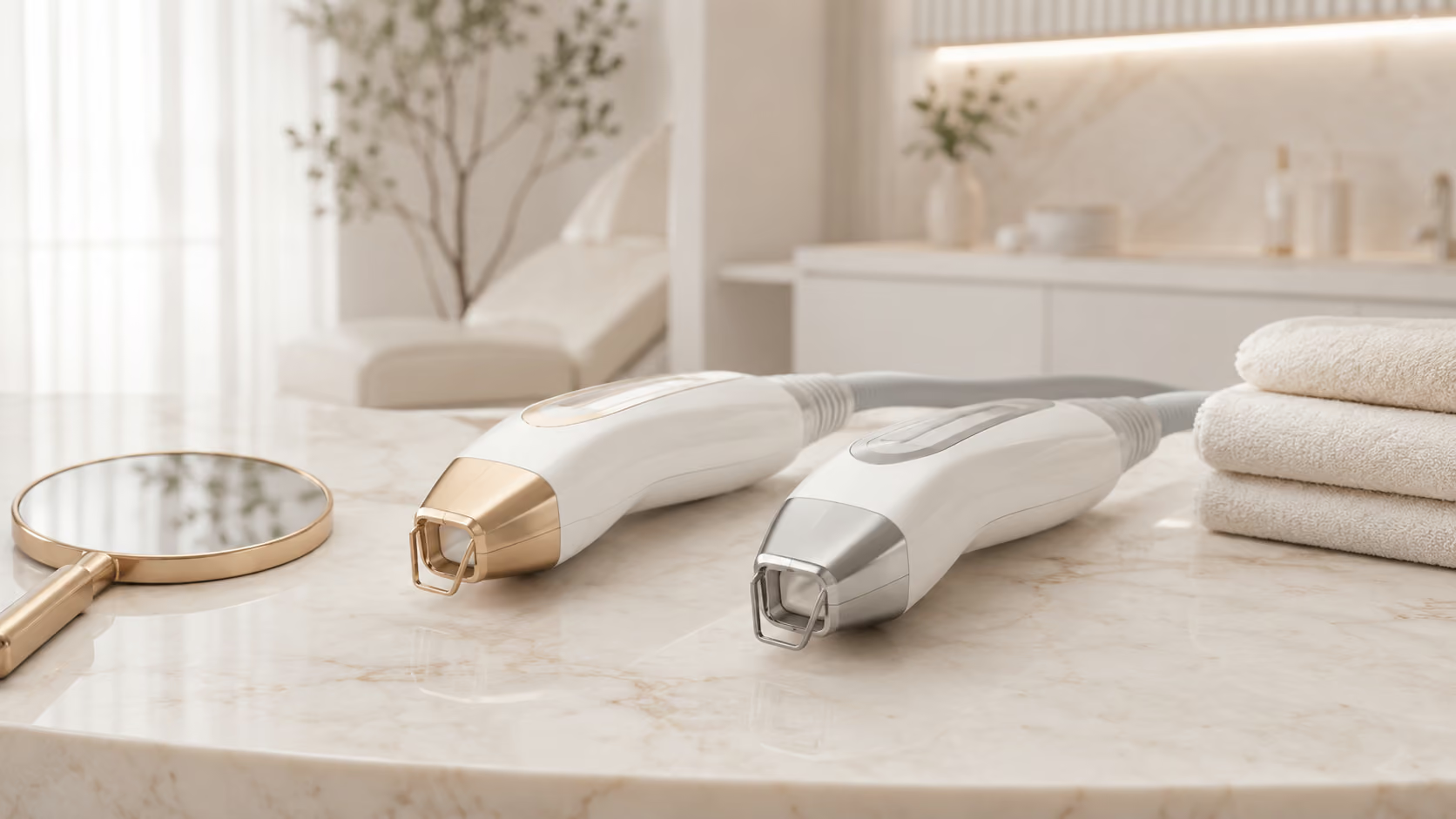
- Radiofrequency treatments: Deep heating to promote collagen remodeling and skin tightening
Treatment selection depends on multiple factors including scar depth, extent of involvement, skin type, and patient expectations. Deeper rolling scars typically require more aggressive interventions such as subcision combined with volume replacement, while shallower scars may respond well to laser treatments or radiofrequency procedures alone. The presence of other scar types in the same treatment area also influences the overall treatment strategy, as combination approaches may be necessary to address multiple scarring patterns simultaneously.
Long-term maintenance and follow-up care play crucial roles in sustaining treatment results for rolling acne scars. Regular skin care routines that include sun protection, gentle exfoliation, and appropriate moisturizing help maintain skin health and treatment benefits. Periodic touch-up treatments may be necessary to maintain optimal results, particularly for patients with extensive scarring or ongoing acne activity. The team at Hazany Derm provides comprehensive follow-up care to monitor healing progress, address any concerns, and recommend maintenance treatments when appropriate to ensure long-lasting improvement in skin texture and appearance.
Frequently Asked Questions
How do rolling acne scars differ from other types of acne scars?
Rolling acne scars are characterized by their wide, shallow depressions with soft, sloping edges that create a wave-like skin texture. Unlike ice pick scars, which are narrow and deep, or boxcar scars, which have sharp, defined edges, rolling scars have gradual transitions that blend into surrounding skin. They typically measure 4-5 millimeters in width and are caused by fibrous bands that tether the skin surface to deeper tissue layers. Dr. Salar Hazany explains that this tethering creates the characteristic undulating appearance that becomes more pronounced under certain lighting conditions. The broad, shallow nature of rolling scars requires different treatment approaches compared to other scar types, often involving subcision to release the underlying fibrous bands.
What causes rolling acne scars to form?
Rolling acne scars develop when inflammatory acne lesions damage the deeper layers of skin tissue, leading to the breakdown of collagen and elastin fibers. The body's healing response creates fibrous scar tissue that forms bands connecting the skin surface to deeper structures, causing the characteristic pulling and rolling effect. The inflammatory process involves immune cells releasing enzymes that break down existing collagen while stimulating irregular new tissue formation. Hazany Derm emphasizes that factors like delayed acne treatment, picking at lesions, genetic predisposition, and hormonal influences can increase the risk of developing these scars. The formation process continues for months or years after the initial inflammation, which explains why scars may become more noticeable long after acne has cleared.
Can rolling acne scars be prevented?
Prevention of rolling acne scars focuses primarily on early, effective treatment of inflammatory acne to minimize tissue damage. The key is controlling inflammation quickly before it can cause significant damage to collagen and elastin fibers in the deeper skin layers. Avoiding picking, squeezing, or manipulating acne lesions is crucial, as physical trauma worsens tissue damage and increases scarring risk. The team at Hazany Derm recommends professional acne management that combines appropriate topical and systemic treatments based on acne severity and individual risk factors. Genetic factors and hormonal influences cannot be completely controlled, but proper skincare routines, sun protection, and prompt professional treatment when acne develops can significantly reduce scarring risk. Early intervention is particularly important for individuals with family histories of severe acne scarring.
What is subcision and how does it treat rolling scars?
Subcision is a minimally invasive surgical procedure that represents the gold standard treatment for rolling acne scars. During the procedure, a specialized needle or small blade is inserted beneath the scar to mechanically break the fibrous bands that tether the skin surface to deeper tissue layers. This release allows the depressed skin to lift closer to normal level, reducing the rolling appearance. Dr. Hazany performs subcision using precise techniques to maximize effectiveness while minimizing complications. The procedure stimulates natural collagen production during healing, which further improves skin texture and smoothness. Subcision is often combined with other treatments like dermal fillers or laser procedures for optimal results. Most patients experience some swelling and bruising initially, but these effects resolve within weeks as the skin remodels and improves.
How long does it take to see results from rolling scar treatment?
Results from rolling acne scar treatment appear gradually over several months as the skin undergoes natural remodeling processes. Initial improvements may be visible within 2-4 weeks after treatment, but optimal results typically develop over 3-6 months as new collagen forms and matures. The timeline varies based on treatment type, scar severity, and individual healing responses. Hazany Derm specialists explain that subcision results continue improving for up to a year as fibrous bands remain released and collagen remodeling progresses. Combination treatments may show staged improvements, with some benefits appearing after each treatment session. Patients should maintain realistic expectations and understand that significant scarring improvement is a gradual process. Regular follow-up appointments allow monitoring of progress and determination of whether additional treatments would be beneficial for achieving desired outcomes.
Are there any risks or side effects associated with rolling scar treatments?
Rolling acne scar treatments carry some risks and side effects, though serious complications are relatively rare when performed by experienced practitioners. Common side effects include temporary swelling, bruising, redness, and mild discomfort that typically resolve within days to weeks. Subcision procedures may cause temporary lumps or irregularities as healing progresses, but these usually smooth out over time. Dr. Salar Hazany discusses potential risks including infection, pigmentation changes, and rare complications like nerve damage or blood vessel injury. The risk profile varies based on treatment type, with more aggressive procedures carrying slightly higher risks but potentially greater benefits. Proper patient selection, sterile technique, and adherence to post-treatment care instructions minimize complications. Some patients may experience temporary worsening of appearance before improvements become apparent, which is normal during the healing and remodeling process.
How many treatment sessions are typically needed for rolling scars?
The number of treatment sessions required for rolling acne scars varies significantly based on scar severity, extent of involvement, and individual response to treatment. Most patients require multiple sessions spaced several months apart to achieve optimal results. Subcision procedures may need 2-4 sessions for significant improvement, while laser treatments often require 3-6 sessions. The Hazany Derm clinic develops individualized treatment plans that outline expected session numbers and timing based on thorough scar assessment. Some patients see substantial improvement after just one or two treatments, while others with extensive scarring may benefit from additional sessions. Combination treatments may require coordinated scheduling to optimize healing between different procedures. Treatment response varies among individuals, so the final number of sessions is determined based on progress evaluation and patient satisfaction with results achieved.
What should patients expect during the healing process after treatment?
The healing process after rolling acne scar treatment involves several predictable phases that patients should understand before beginning treatment. Initially, patients typically experience swelling, redness, and possibly bruising that peaks within 24-48 hours and gradually subsides over 1-2 weeks. Some treatments may cause temporary crusting or peeling as the skin regenerates. The experts at Hazany Derm provide detailed post-treatment care instructions including wound care, sun protection, and activity restrictions to optimize healing. During the remodeling phase, which continues for months, new collagen forms and skin texture gradually improves. Patients may notice fluctuations in appearance during healing, with some temporary irregularities that smooth out over time. Follow-up appointments monitor progress and address any concerns that arise during recovery. Most patients can return to normal activities within days, though exercise and sun exposure restrictions may apply initially.