




%201.avif)



What is Subcision for Acne Scars?



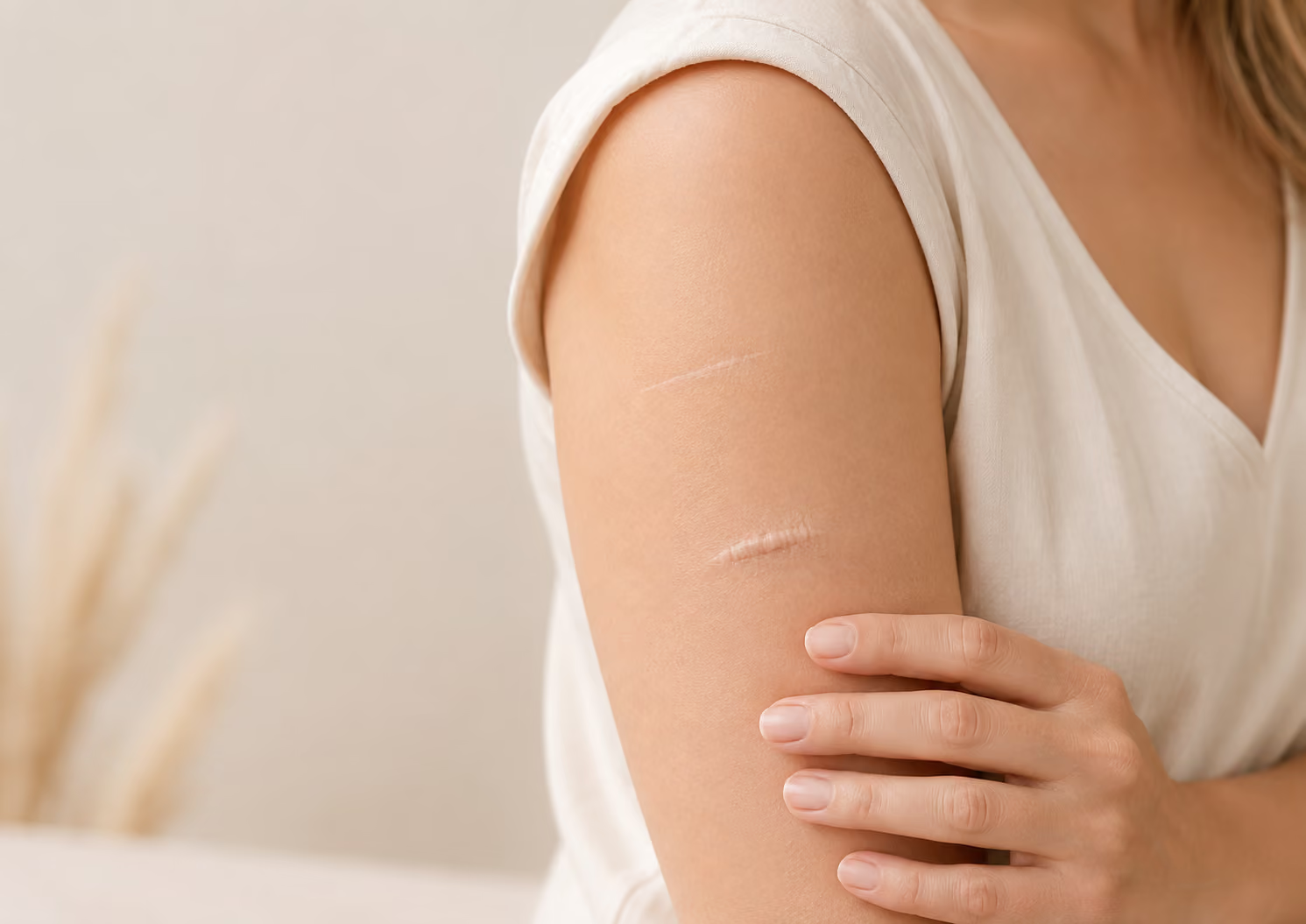
Subcision is a minimally invasive dermatological procedure that treats depressed acne scars by breaking fibrous bands beneath the skin. At Hazany Derm, this technique helps release tethered scar tissue, allowing the skin to naturally heal and create a smoother surface appearance.
Acne scars can significantly impact both appearance and self-confidence, leaving behind permanent reminders of past breakouts. While topical treatments and skincare routines can help prevent future acne, they often fall short when addressing existing scar tissue. For individuals seeking effective solutions to improve their skin's texture and appearance, advanced dermatological procedures offer hope for meaningful results.
Subcision represents one of the most effective treatments for certain types of acne scars, particularly those that create depressions or indentations in the skin. This minimally invasive procedure works by addressing the underlying structural issues that cause scars to appear sunken or tethered. Unlike surface-level treatments that only address the top layer of skin, subcision targets the root cause of scar depression by working beneath the skin's surface.
The technique has gained widespread acceptance among dermatologists due to its proven effectiveness and relatively low risk profile. Hazany Derm offers this advanced treatment option as part of a comprehensive approach to acne scar management. Understanding how subcision works, what to expect during treatment, and who makes an ideal candidate can help individuals make informed decisions about their skincare journey.
Understanding Subcision: The Science Behind Scar Release
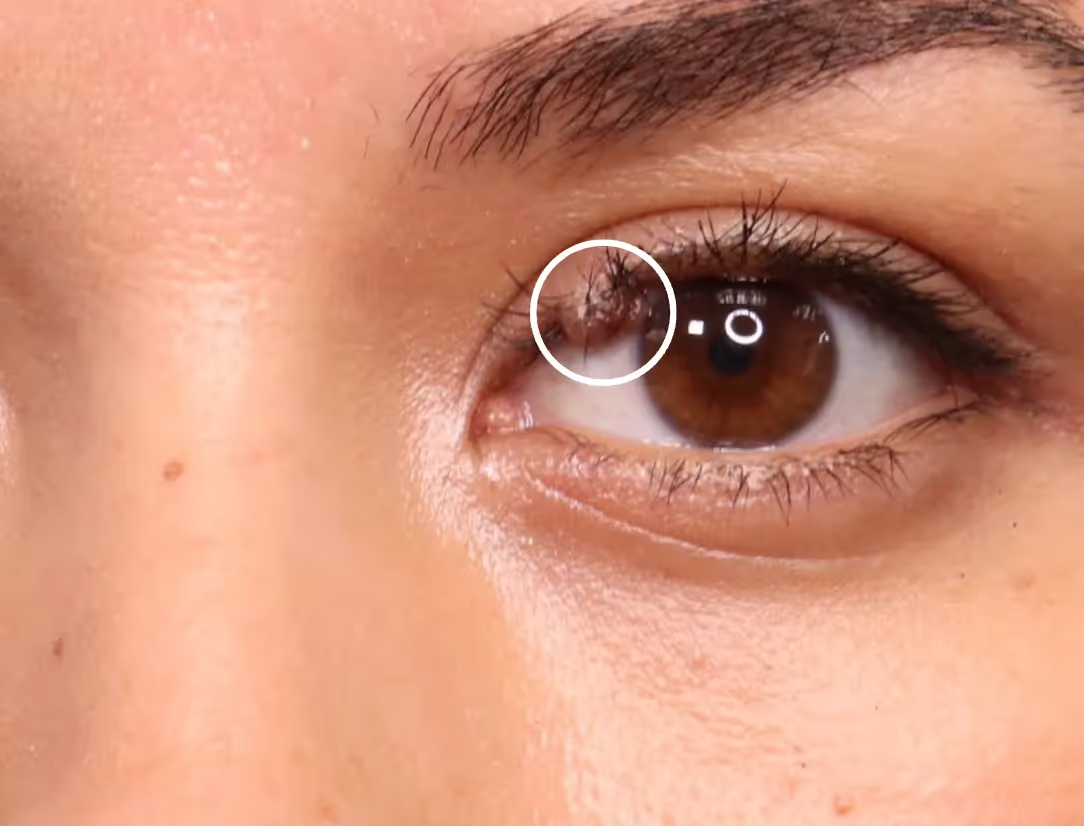
Subcision operates on a fundamental principle of dermatological healing by addressing the fibrous bands that create depressed acne scars. When acne heals improperly, it often leaves behind tough, inelastic scar tissue that forms connections between the skin's surface and deeper tissue layers. These fibrous adhesions pull down on the overlying skin, creating the characteristic pitted or indented appearance of certain acne scars. The subcision procedure specifically targets these problematic connections to restore a more natural skin contour.
The treatment involves using a specialized needle or blade to carefully sever these restrictive fibrous bands beneath the skin's surface. This process, known as subcutaneous incisionless surgery, allows the depressed areas to rise to a more normal level. The procedure stimulates the body's natural healing response, encouraging the formation of new collagen in the treated area. This collagen production helps fill in the space previously occupied by the restrictive scar tissue.
Dr. Salar Hazany and his team utilize advanced techniques to ensure precise and effective subcision treatments. The procedure requires significant expertise to identify the exact location and extent of fibrous banding while avoiding damage to surrounding healthy tissue. Modern subcision techniques have evolved to include various approaches, from traditional needle subcision to more advanced methods using specialized instruments designed for optimal scar release.
The effectiveness of subcision varies depending on several factors that influence treatment outcomes:
- Scar type and depth: Rolling scars and some boxcar scars respond best to subcision, while ice pick scars may require alternative treatments
- Skin thickness and elasticity: Patients with good skin elasticity typically see more dramatic improvements following fibrous band release
- Scar age and maturity: Older, well-established scars may require multiple treatment sessions to achieve optimal results
- Individual healing response: Each patient's natural collagen production and wound healing capabilities affect final outcomes
Following subcision, the body initiates a complex healing cascade that continues for several months after treatment. The initial inflammatory response helps clear away damaged tissue while signaling for increased blood flow to the treated area. This enhanced circulation delivers essential nutrients and growth factors necessary for optimal healing. The formation of new collagen gradually fills the space created by the released fibrous bands, leading to progressive improvement in skin texture and appearance.
The recovery process typically involves some swelling and bruising, which are normal signs of the healing response. Hazany Derm provides comprehensive aftercare instructions to optimize healing and minimize potential complications. Most patients begin to see initial improvements within a few weeks, with continued enhancement occurring over the following months as new collagen matures and remodels.
Ideal Candidates and Treatment Considerations
Determining candidacy for subcision requires a thorough evaluation of scar characteristics, skin type, and individual patient factors. The most suitable candidates typically present with rolling scars or certain types of boxcar scars that demonstrate clear evidence of underlying fibrous banding. These scars appear as wave-like depressions or broader, rounded indentations that move when the surrounding skin is stretched. The presence of tethering beneath the skin's surface makes these scars particularly responsive to subcision treatment.
Skin type and overall health status play crucial roles in treatment success and safety considerations. Patients with good overall health and realistic expectations about treatment outcomes generally achieve the most satisfactory results. Individuals with certain medical conditions, active infections, or compromised immune systems may need to postpone treatment or consider alternative approaches. A comprehensive medical history review helps identify any factors that might affect healing or increase treatment risks.
Age and scar maturity also influence treatment planning and expected outcomes. Newer scars may respond more quickly to treatment, while older, well-established scars might require a more aggressive approach or multiple treatment sessions. The skin's natural aging process affects elasticity and healing capacity, which must be considered when developing treatment plans. Hazany Derm's experienced team evaluates each patient individually to determine the most appropriate treatment approach.
Several factors can affect subcision candidacy and treatment outcomes:
- Active acne status: Current breakouts should be controlled before considering scar treatment to prevent new scar formation
- Previous treatments: History of other scar treatments may influence subcision effectiveness and healing response
- Keloid tendency: Patients prone to excessive scarring require careful evaluation and modified treatment approaches
- Realistic expectations: Understanding that multiple sessions may be needed and that complete scar elimination is rarely possible
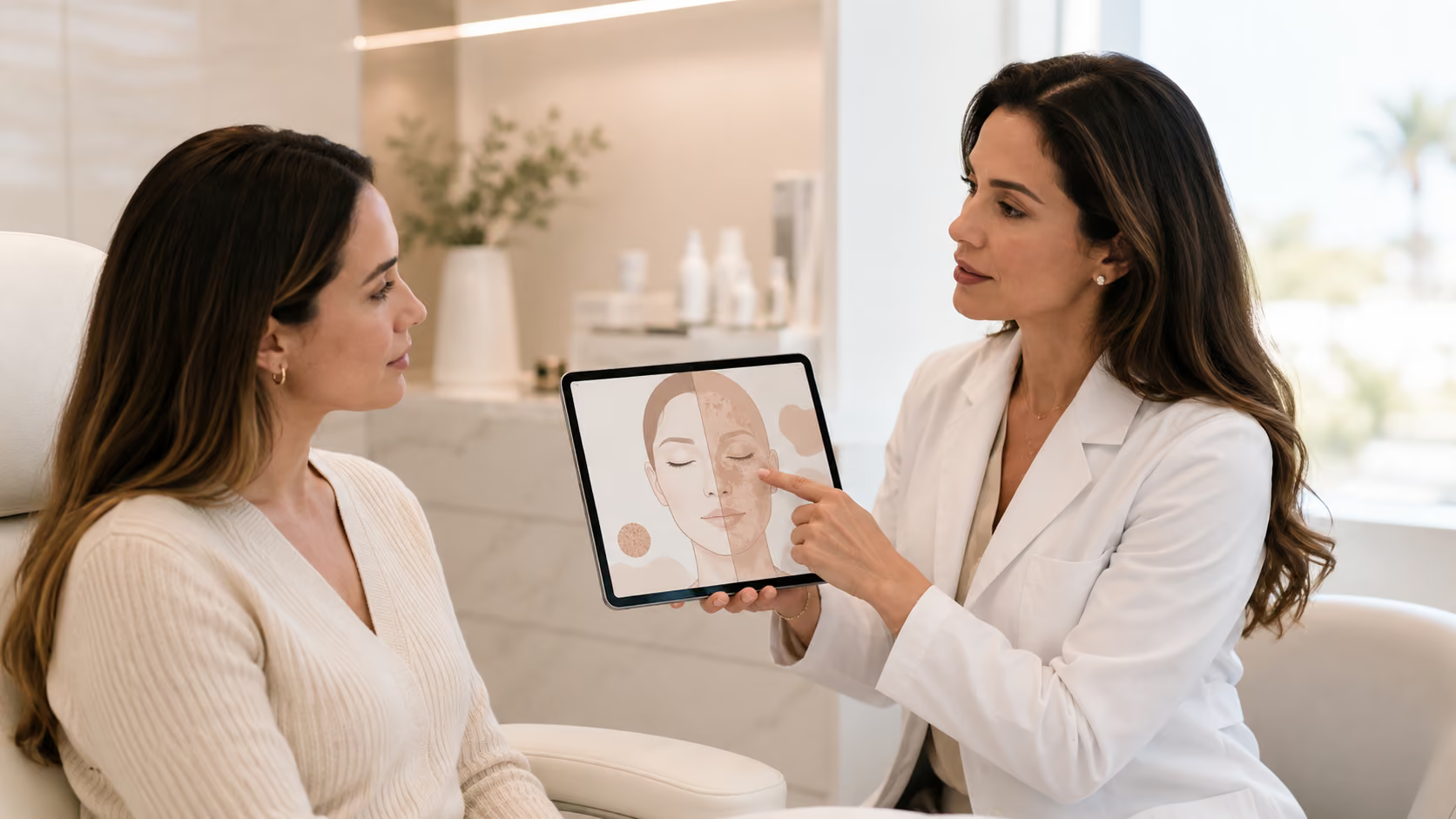
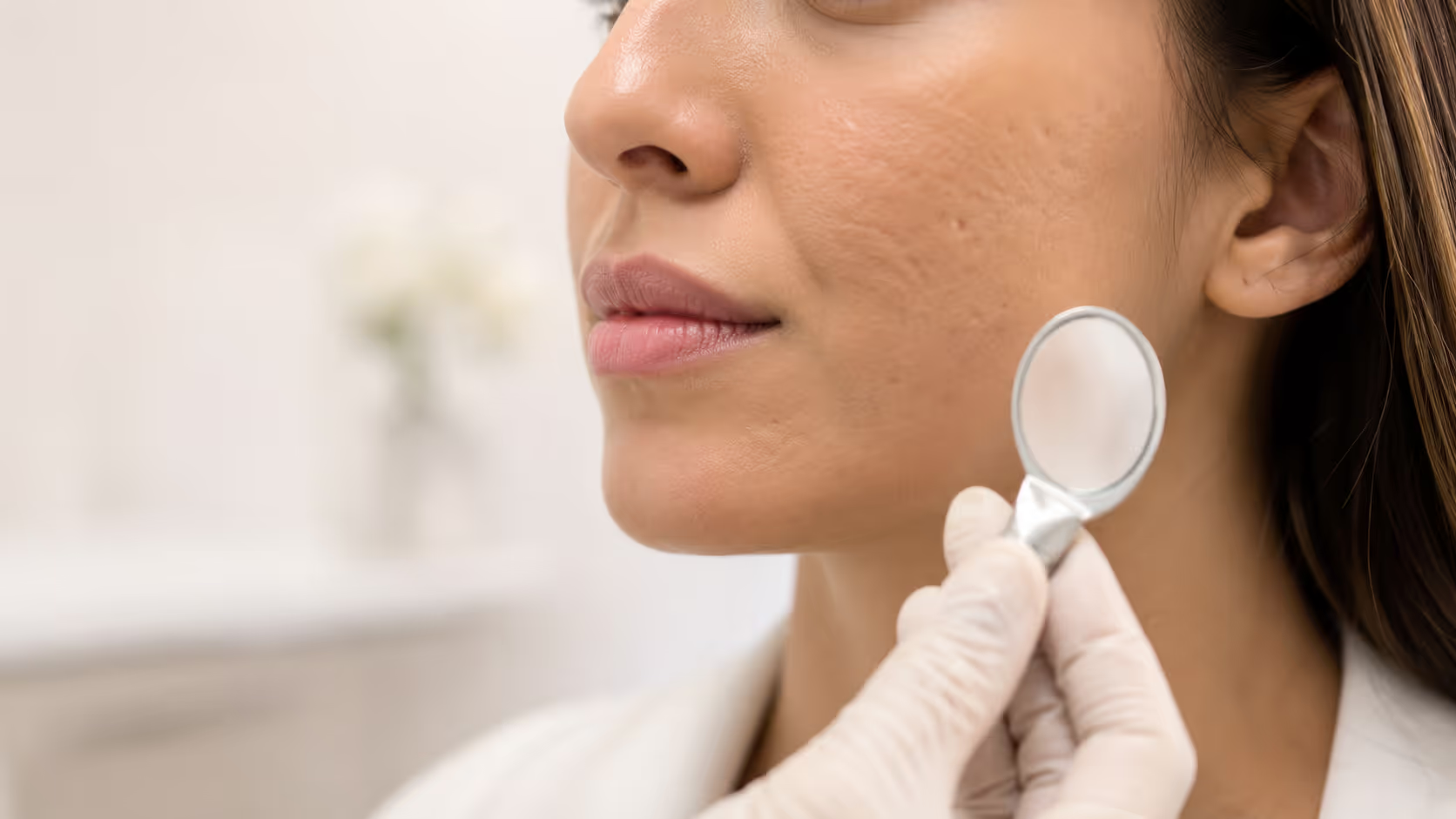
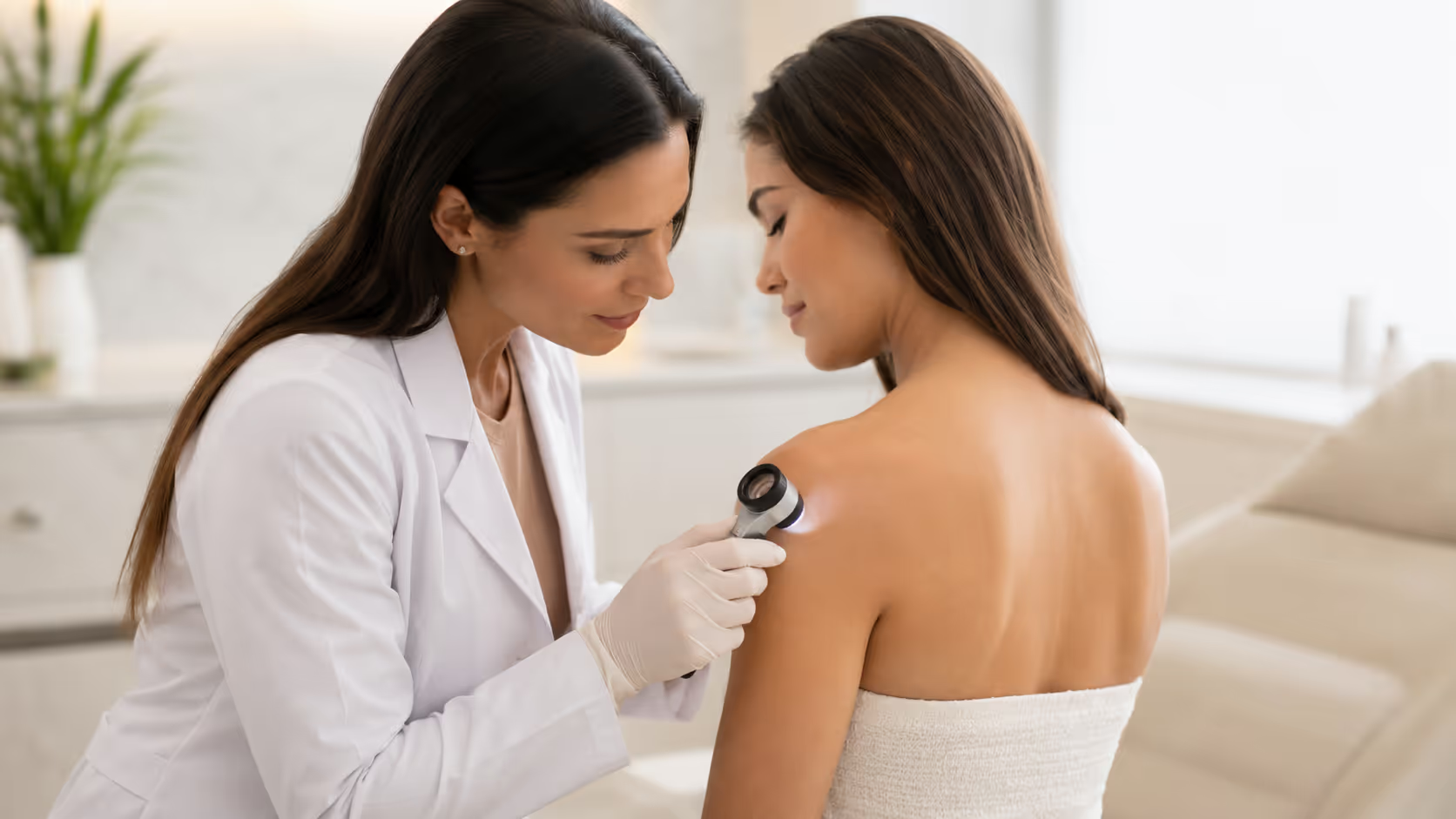
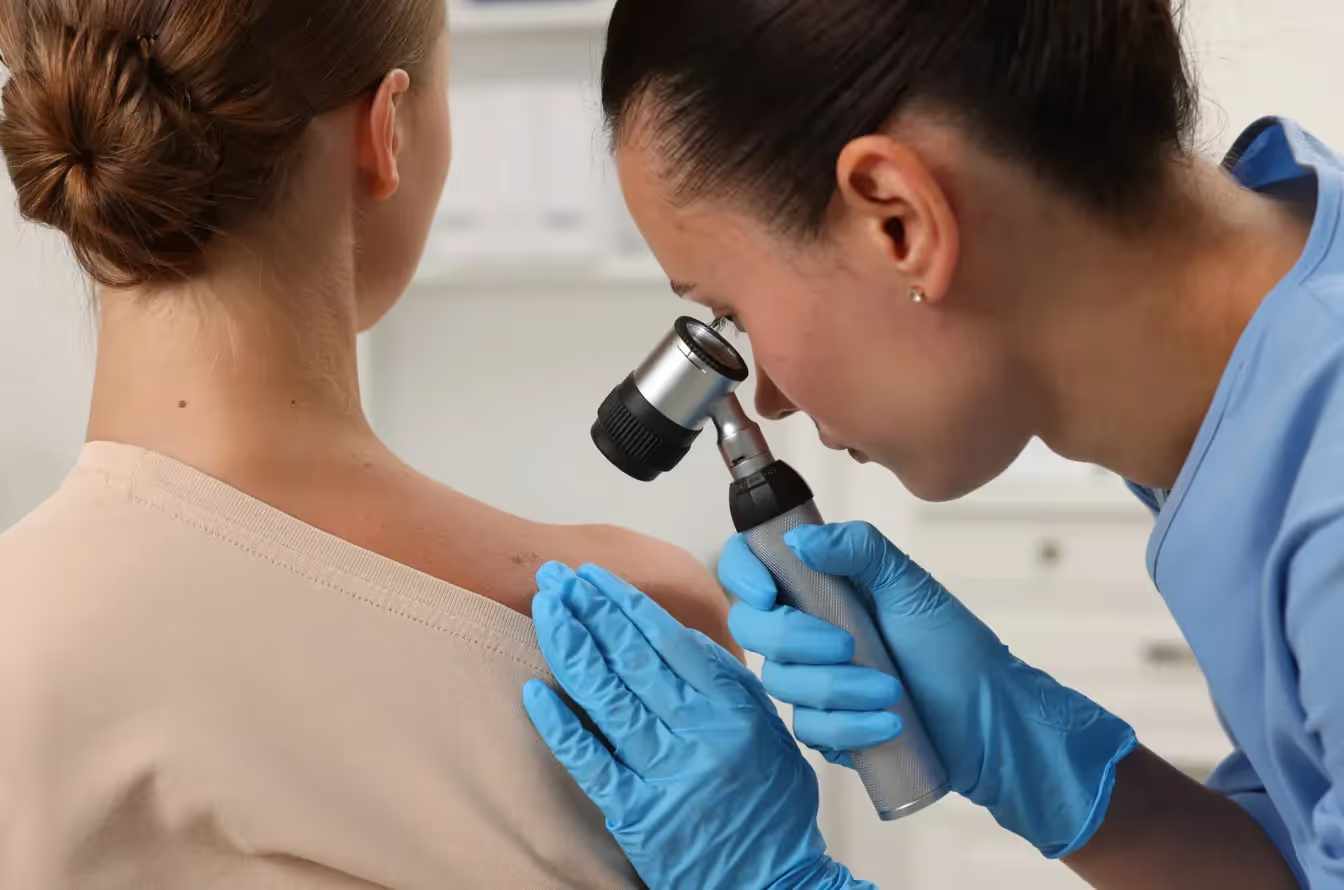
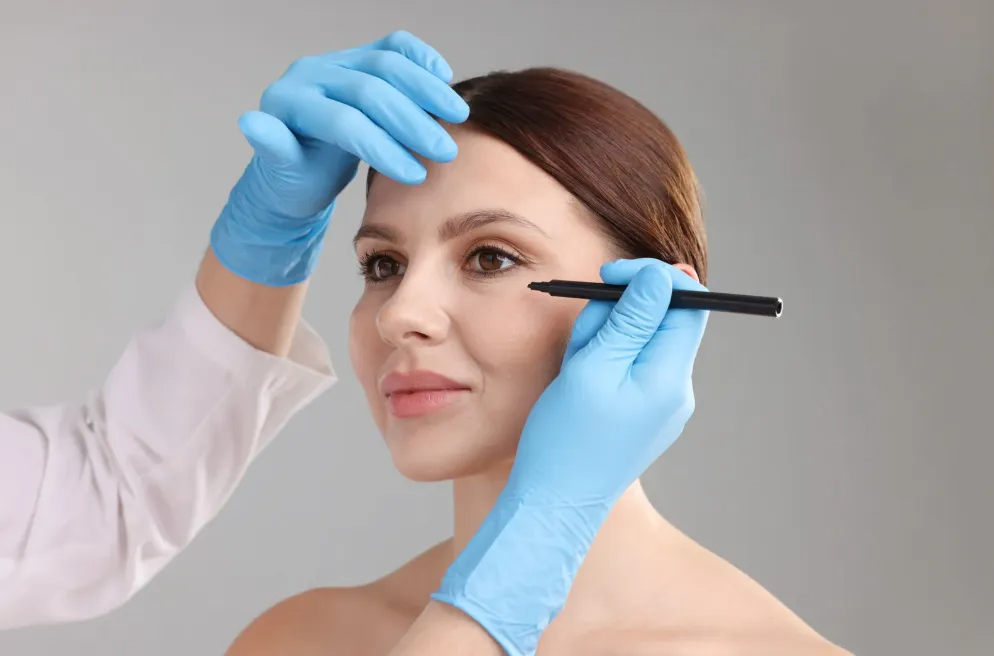
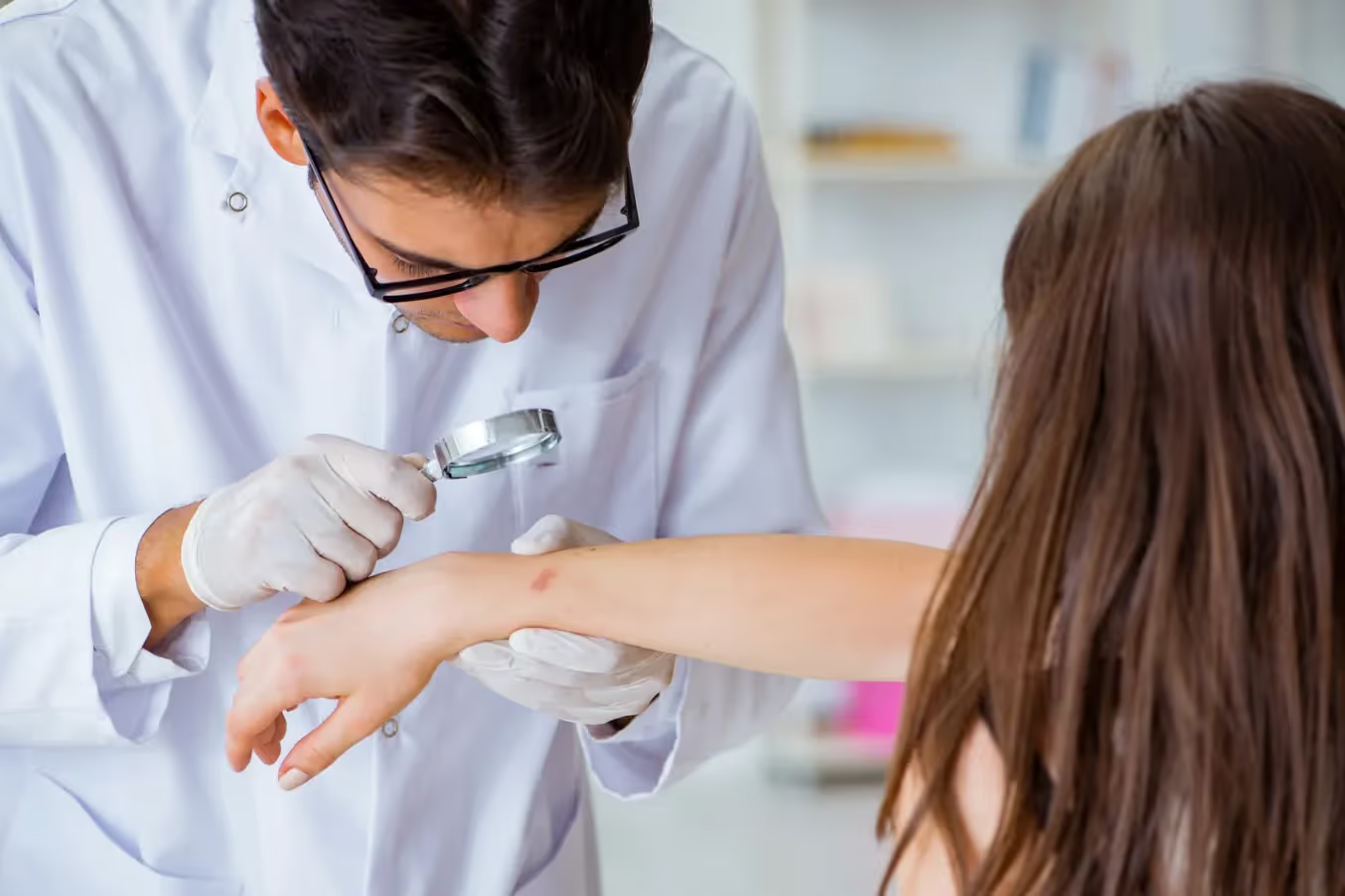
The consultation process involves detailed examination of the scarred areas using specialized lighting and sometimes magnification to accurately assess scar depth and fibrous band involvement. Digital photography may be used to document baseline appearance and track progress throughout the treatment course. This comprehensive evaluation ensures that subcision represents the most appropriate treatment choice for each individual's specific scar pattern.
Pre-treatment preparation may include specific skincare regimens designed to optimize skin health and healing capacity. Patients might be advised to avoid certain medications or supplements that could increase bleeding risk or interfere with healing. Sun protection becomes particularly important in the weeks leading up to treatment, as sun-damaged skin may not heal as predictably. The team at Hazany Derm provides detailed pre-treatment instructions tailored to each patient's specific needs and circumstances.
The Subcision Procedure: What to Expect
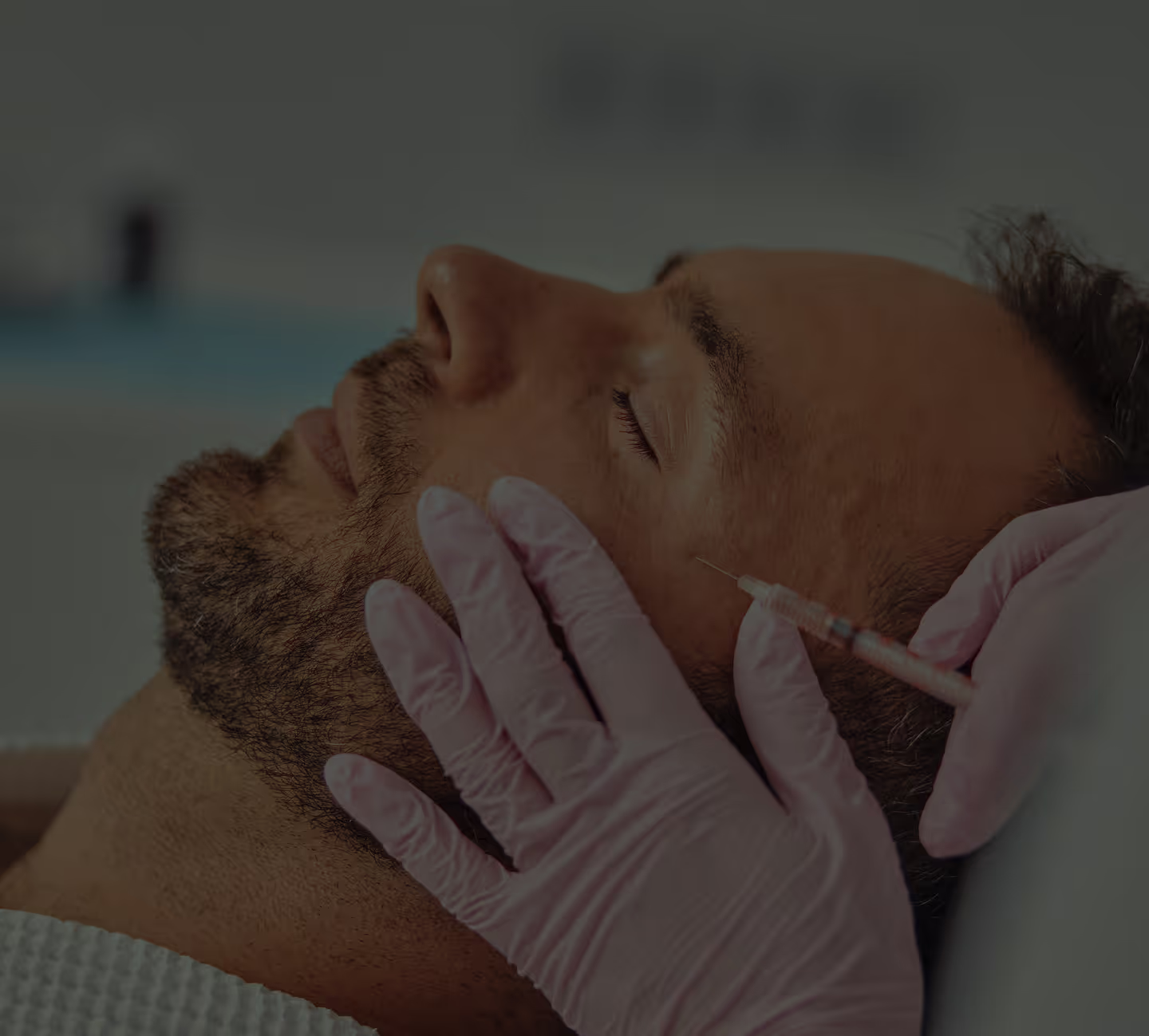
The subcision procedure typically takes place in a comfortable office setting and begins with thorough cleansing and preparation of the treatment area. Local anesthesia is administered to ensure patient comfort throughout the procedure, with the type and amount of anesthetic tailored to the extent of treatment planned. The injection of anesthetic also helps separate tissue planes, making the subsequent subcision process more effective and safer. Most patients experience only minimal discomfort during the anesthetic administration, similar to other common dermatological procedures.
Once adequate anesthesia is achieved, the actual subcision process begins with careful insertion of the specialized instrument beneath the skin's surface. The practitioner uses a controlled, sweeping motion to sever the fibrous bands while avoiding damage to blood vessels and other important structures. The procedure requires significant skill and experience to achieve optimal results while minimizing risks. Throughout the process, the practitioner monitors tissue response and adjusts technique as needed to ensure comprehensive scar release.
The duration of subcision varies depending on the number and size of areas being treated, typically ranging from 15 minutes to over an hour for extensive treatments. Multiple injection sites may be necessary to access all areas of fibrous banding effectively. The practitioner may use different instruments or techniques for various scar types within the same treatment session. Dr. Salar Hazany's expertise allows for customized approaches that maximize effectiveness while prioritizing patient safety and comfort.
Post-procedure care begins immediately and includes several important components:
- Immediate pressure application: Controlled pressure helps minimize bleeding and bruising while promoting proper healing
- Cold therapy: Ice packs or cold compresses can reduce swelling and provide comfort during the first 24-48 hours
- Activity restrictions: Avoiding strenuous exercise and activities that increase blood pressure helps prevent excessive bruising
- Skincare modifications: Gentle cleansing and specific topical treatments support optimal healing and prevent complications
Recovery expectations should include some degree of swelling, bruising, and tenderness in the treated areas. These effects typically peak within the first few days and gradually resolve over one to two weeks. The extent of post-procedure effects varies based on treatment intensity, individual healing characteristics, and adherence to aftercare instructions. Some patients may experience temporary skin irregularities that smooth out as healing progresses and new collagen forms.
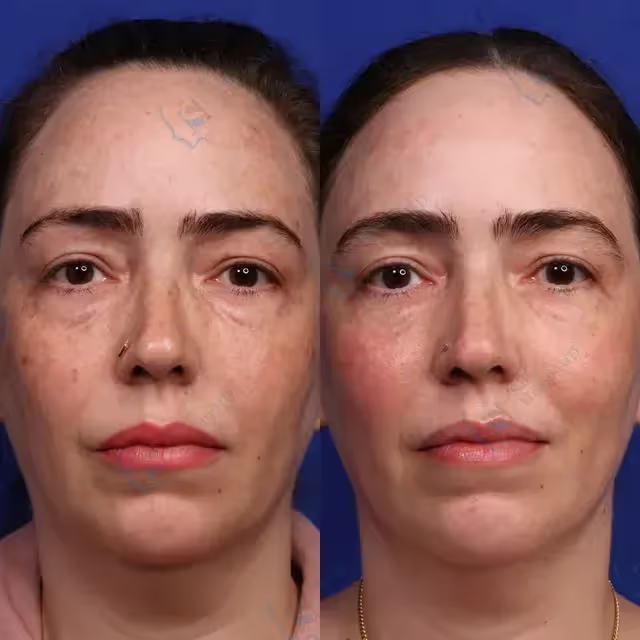
Follow-up appointments allow for monitoring of healing progress and identification of any concerns that might require intervention. These visits also provide opportunities to assess initial treatment response and plan any additional sessions that might be beneficial. The full effects of subcision continue to develop for several months following treatment, with optimal results typically visible three to six months post-procedure. Hazany Derm's comprehensive follow-up protocol ensures that patients receive appropriate support throughout their healing journey and achieve the best possible outcomes from their subcision treatment.
Frequently Asked Questions
How long does subcision take to show results?
Initial improvements from subcision may become visible within 2-4 weeks as swelling subsides and the skin begins to heal. However, the most significant results typically develop over 3-6 months as new collagen forms and matures in the treated areas. Dr. Salar Hazany explains that this gradual improvement occurs because the procedure stimulates the body's natural healing processes, which take time to fully manifest. Some patients notice continued enhancement for up to a year following treatment. The timeline can vary based on individual healing rates, scar severity, and skin type. Multiple treatment sessions may be recommended for optimal results, with each session building upon previous improvements to achieve the desired outcome.
Is subcision painful during the procedure?
Subcision is performed under local anesthesia, which significantly minimizes discomfort during the actual procedure. Most patients at Hazany Derm report feeling only mild pressure or tugging sensations while the fibrous bands are being released. The initial injection of local anesthetic may cause brief stinging, similar to other dermatological procedures. Some patients experience mild soreness following the procedure as the anesthesia wears off, but this is typically manageable with over-the-counter pain medications. The procedure's minimally invasive nature means that pain levels are generally well-tolerated. Post-procedure discomfort usually peaks within the first 24-48 hours and gradually subsides. Most patients find the temporary discomfort worthwhile given the significant improvement in their acne scars.
What are the potential side effects of subcision?
Common side effects of subcision include temporary swelling, bruising, and tenderness at the treatment sites, which typically resolve within 1-2 weeks. The team at Hazany Derm thoroughly discusses these expected effects during consultation to ensure patients are well-prepared. Some patients may experience temporary skin irregularities or firmness as new collagen forms, but these effects usually smooth out over time. Less common risks include infection, bleeding, or nerve damage, though these are rare when the procedure is performed by experienced practitioners. Pigmentation changes can occur, particularly in patients with darker skin tones, but these are usually temporary. Scarring from the subcision itself is extremely rare due to the minimally invasive nature of the technique. Proper aftercare significantly reduces the risk of complications and promotes optimal healing.
How many subcision sessions are typically needed?
The number of subcision sessions required varies significantly based on scar severity, type, and individual healing response. Dr. Hazany typically evaluates patients 3-6 months after the initial treatment to assess results and determine if additional sessions would be beneficial. Many patients see substantial improvement after just one session, while others with more severe scarring may benefit from 2-3 treatments spaced several months apart. Rolling scars often respond well to a single treatment, whereas deeper or more extensive scarring may require multiple approaches. The practitioner considers factors such as skin elasticity, scar age, and patient goals when recommending treatment frequency. Each subsequent session builds upon previous results, with the goal of achieving maximum improvement while minimizing treatment burden. Some patients combine subcision with other scar treatments for enhanced outcomes.
Can subcision be combined with other acne scar treatments?
Yes, subcision often works synergistically with other acne scar treatments to achieve comprehensive results. Hazany Derm specialists frequently combine subcision with procedures such as laser resurfacing, chemical peels, or dermal fillers depending on the specific scar pattern and patient needs. Microneedling can complement subcision by further stimulating collagen production in treated areas. The timing of combination treatments is carefully planned, with subcision typically performed first to address the underlying fibrous bands before surface-level treatments. Some patients benefit from dermal fillers immediately following subcision to provide additional volume and support during healing. Laser treatments may be scheduled weeks to months after subcision to address any remaining surface irregularities. The combination approach allows for treatment of different scar types and depths within a comprehensive treatment plan tailored to each individual's unique scarring pattern.
Who is not a good candidate for subcision?
Certain individuals may not be ideal candidates for subcision due to various medical or skin-related factors. Dr. Salar Hazany carefully evaluates patients with active acne, as ongoing breakouts can interfere with healing and create new scars during the recovery period. Patients with bleeding disorders or those taking blood-thinning medications may have increased risks and require special considerations or treatment modifications. Individuals with a history of keloid scarring or excessive scar formation need thorough evaluation, as subcision could potentially trigger abnormal healing responses. Those with unrealistic expectations about complete scar elimination may benefit from additional counseling about achievable outcomes. Patients with certain autoimmune conditions or compromised immune systems may experience delayed or impaired healing. Pregnant or breastfeeding women are typically advised to postpone treatment. The consultation process helps identify any contraindications and ensures patient safety.
How should I prepare for a subcision procedure?
Preparation for subcision begins with a comprehensive consultation where treatment goals and expectations are discussed. Patients at Hazany Derm clinic receive detailed pre-treatment instructions, which typically include avoiding blood-thinning medications and supplements for a specified period before the procedure. Sun protection becomes crucial in the weeks leading up to treatment, as sun-damaged skin may not heal optimally. Some patients may be prescribed specific skincare regimens to optimize skin health and prepare the treatment area. Smoking cessation is strongly recommended, as tobacco use can significantly impair healing and affect treatment outcomes. Patients should arrange for transportation home following the procedure, as some may experience temporary discomfort or swelling. Preparing ice packs and obtaining any recommended post-care products in advance ensures a smooth recovery process. Clear communication about medical history, current medications, and any concerns helps ensure the safest possible treatment experience.
What is the recovery process like after subcision?
Recovery from subcision involves several phases, beginning with immediate post-procedure care and extending through the months-long collagen remodeling process. Initially, patients can expect some swelling and bruising at treatment sites, which typically peaks within 2-3 days and gradually resolves over 1-2 weeks. The experts at Hazany Derm provide comprehensive aftercare instructions, including gentle cleansing techniques and specific topical treatments to support healing. Most patients can return to normal activities within a few days, though strenuous exercise and activities that increase blood pressure should be avoided initially. Cold compresses help manage swelling and provide comfort during the first 48 hours. Some patients experience temporary skin firmness or irregularities as new collagen begins forming, but these effects typically smooth out over time. Follow-up appointments allow for monitoring of progress and addressing any concerns that may arise during the healing process. Full results continue to develop for 3-6 months as tissue remodeling completes.