




%201.avif)



What is Acne and Why Do People Get It?


Acne is a common skin condition caused by clogged pores, bacteria, and hormonal changes. At Hazany Derm, we help patients understand the underlying causes of acne to develop effective treatment strategies for clearer, healthier skin.
Acne is one of the most prevalent skin conditions affecting people worldwide, impacting nearly 85% of individuals at some point in their lives. Despite its widespread occurrence, many people struggle to understand what causes those frustrating breakouts and why some individuals seem more prone to acne than others. The complexity of acne formation involves multiple factors working together, creating a perfect storm within your pores.
Understanding the science behind acne formation is crucial for developing effective treatment strategies and managing expectations about healing timelines. Many patients come to dermatology clinics feeling frustrated and confused about their skin condition, often having tried numerous over-the-counter products without success. The truth is that acne is far more complex than simply having "dirty" skin, and effective treatment requires a comprehensive understanding of the underlying mechanisms.
At Hazany Derm, we frequently encounter patients who have misconceptions about acne causes and feel embarrassed about their skin condition. The reality is that acne is a legitimate medical condition with biological roots that extend far beyond personal hygiene habits. By exploring the fundamental causes and contributing factors, we can better appreciate why professional dermatological care often becomes necessary for achieving long-term skin clarity.
Understanding What Acne Actually Is
Acne vulgaris, commonly known as acne, is a chronic inflammatory skin condition that primarily affects the pilosebaceous units of the skin. These units consist of hair follicles and their associated sebaceous glands, which are most concentrated on the face, chest, and back. When these structures become clogged and inflamed, they create the various types of lesions we recognize as acne breakouts.
The condition manifests in several different forms, ranging from mild comedones to severe cystic lesions that can cause significant scarring. Non-inflammatory acne includes blackheads and whiteheads, which form when pores become clogged but don't develop bacterial inflammation. Inflammatory acne encompasses papules, pustules, nodules, and cysts, which involve bacterial infection and immune system response within the follicle.
The severity and presentation of acne can vary dramatically between individuals, influenced by genetic predisposition, hormonal factors, and environmental triggers. Some people experience only occasional mild breakouts during adolescence, while others struggle with persistent, severe acne well into adulthood. This variability often leads to confusion about treatment approaches and realistic expectations for improvement.
Understanding the different types of acne lesions helps patients and healthcare providers develop targeted treatment strategies:
- Comedones: Non-inflammatory lesions including blackheads (open comedones) and whiteheads (closed comedones) formed by clogged pores
- Papules: Small, red, tender bumps that represent inflammatory lesions without pus formation
- Pustules: Inflamed lesions containing pus, often appearing as red bumps with white or yellow centers
- Nodules and Cysts: Deep, painful lesions that can cause scarring and require professional medical intervention
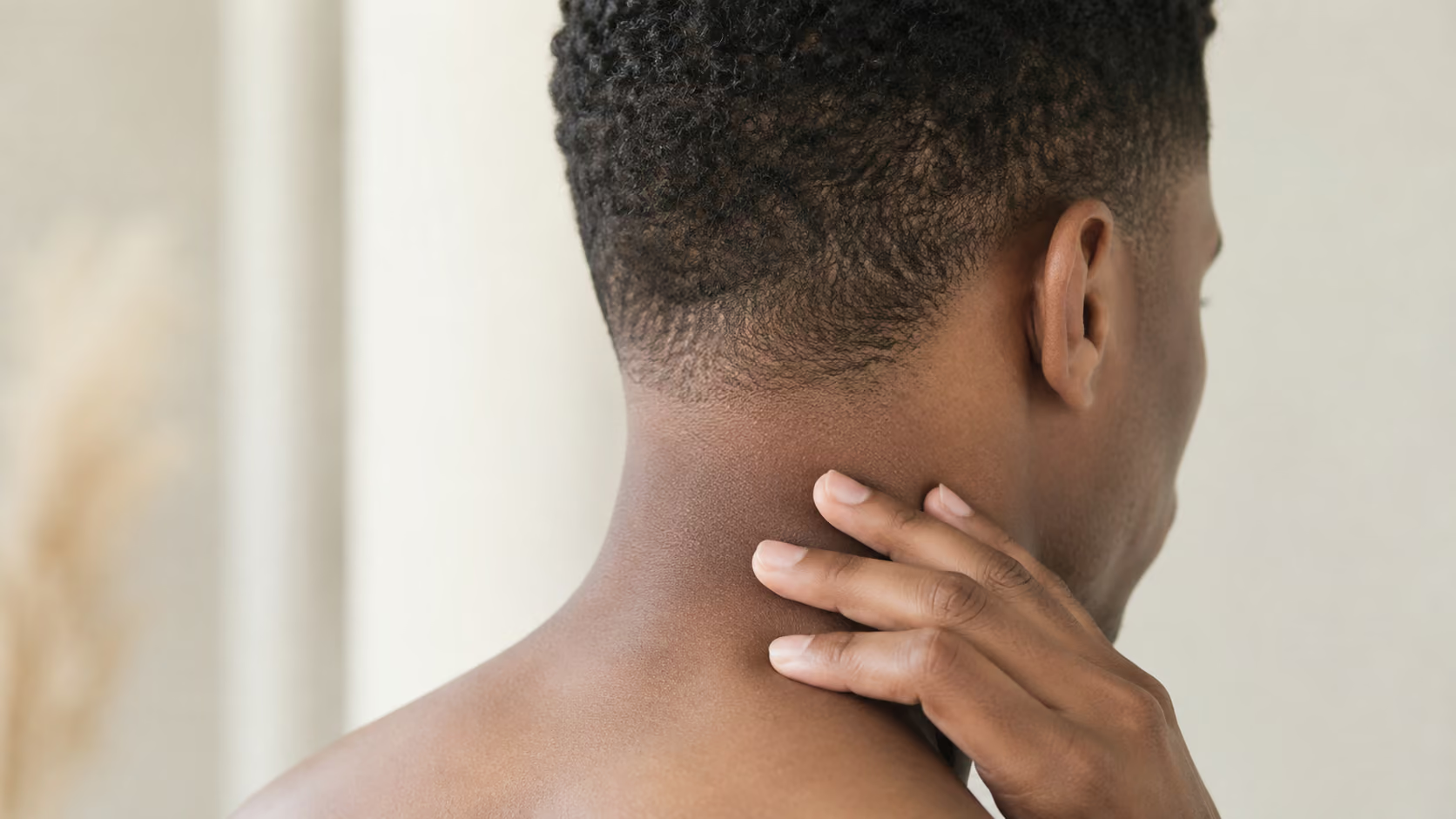
The location of acne breakouts often provides clues about underlying causes and triggers. Facial acne commonly appears in the T-zone area where sebaceous glands are most active, while body acne on the chest and back may be influenced by friction, sweating, or hormonal fluctuations. Understanding these patterns helps dermatologists like those at Hazany Derm develop personalized treatment approaches that address specific patient needs.
Acne is not simply a cosmetic concern but a medical condition that can significantly impact quality of life, self-esteem, and social interactions. The visible nature of most acne lesions can cause psychological distress, particularly during formative adolescent years when peer acceptance feels crucial. Recognizing acne as a legitimate medical condition helps reduce stigma and encourages appropriate professional treatment when over-the-counter options prove insufficient.
The Primary Causes Behind Acne Development
The development of acne involves four primary factors working together in a complex cascade that ultimately leads to the formation of various types of lesions. Excess sebum production serves as the foundation for acne development, with sebaceous glands producing more oil than the skin can effectively manage. This overproduction often stems from hormonal influences, particularly androgens like testosterone that stimulate sebaceous gland activity.
Abnormal keratinization represents the second crucial factor, involving changes in how dead skin cells are shed from the follicular lining. Instead of naturally exfoliating away, these cells become sticky and clump together, creating plugs that block the follicular opening. This process, known as hyperkeratinization, combines with excess sebum to create an environment conducive to bacterial overgrowth and inflammation.
The third major factor involves the proliferation of Propionibacterium acnes (P. acnes), a bacteria that normally exists harmlessly on the skin but can overgrow in clogged, oil-rich environments. These bacteria feed on sebum and produce inflammatory byproducts that trigger the immune system response. The resulting inflammation creates the redness, swelling, and pain associated with inflammatory acne lesions.
Several key mechanisms contribute to the initiation and progression of acne:
- Hormonal Fluctuations: Androgens stimulate sebaceous glands to produce excess oil, particularly during puberty, menstruation, and times of stress
- Genetic Predisposition: Family history strongly influences acne susceptibility, severity, and treatment response patterns
- Inflammatory Response: The immune system's reaction to bacterial overgrowth and follicular rupture creates visible inflammatory lesions
- Environmental Factors: External triggers like certain skincare products, medications, and lifestyle factors can exacerbate existing acne tendencies
Hormonal influences play a particularly significant role in acne development, explaining why breakouts often coincide with puberty, menstrual cycles, pregnancy, and other times of hormonal fluctuation. Androgens increase both the size of sebaceous glands and the amount of sebum they produce, creating ideal conditions for pore clogging. This hormonal connection also explains why some individuals continue experiencing acne well into adulthood, particularly women who may see flares related to menstrual cycles or hormonal contraceptive changes.
The inflammatory component of acne development helps explain why some lesions become painful, swollen, and potentially scarring while others remain relatively mild. When follicular walls rupture due to pressure from accumulated sebum and cellular debris, the contents spill into surrounding tissue and trigger an immune response. This process can lead to the formation of deeper, more severe lesions that require professional intervention from specialists like Dr. Salar Hazany to prevent permanent scarring and achieve optimal healing outcomes.
Contributing Factors and Triggers That Worsen Acne
Beyond the primary biological mechanisms of acne formation, numerous contributing factors can influence the severity, frequency, and persistence of breakouts. Diet has emerged as a significant area of research, with studies suggesting that high-glycemic foods and dairy products may exacerbate acne in susceptible individuals. These foods can influence hormone levels and inflammatory pathways, potentially increasing sebum production and promoting the conditions that lead to clogged pores.
Stress represents another major contributing factor, operating through multiple pathways to worsen existing acne. Chronic stress elevates cortisol levels, which can stimulate sebaceous gland activity and compromise the skin's barrier function. Additionally, stress often leads to behaviors that can worsen acne, such as touching or picking at the face, poor sleep habits, and increased consumption of inflammatory foods.
Skincare and cosmetic products can either help or hinder acne management, depending on their formulation and how they interact with individual skin types. Heavy, occlusive products can clog pores and worsen acne, while harsh, over-drying treatments can trigger rebound oil production and irritation. Finding the right balance requires understanding individual skin needs and often benefits from professional guidance.
Several lifestyle and environmental factors can influence acne severity:
- Skincare Habits: Over-cleansing, harsh scrubbing, or using inappropriate products can disrupt the skin barrier and worsen inflammation
- Mechanical Irritation: Friction from clothing, helmets, phone use, or habitual touching can trigger breakouts in affected areas
- Climate and Humidity: Hot, humid conditions can increase sweating and bacterial growth, while very dry conditions may trigger compensatory oil production
- Sleep and Recovery: Poor sleep quality affects hormone regulation and immune function, potentially influencing acne severity and healing
The concept of "acne cosmetica" highlights how seemingly innocent skincare and makeup products can contribute to breakout patterns. Products containing heavy oils, waxes, or pore-clogging ingredients can create or worsen acne, particularly when used consistently over time. This type of acne often presents as small bumps and blackheads in areas where products are regularly applied, and improvement typically occurs when problematic products are identified and eliminated.
Occupational and environmental exposures can also play a role in acne development and persistence. Individuals working in kitchens, manufacturing facilities, or other environments with high heat, humidity, or chemical exposure may experience work-related acne flares. Similarly, certain medications, including corticosteroids, lithium, and some anti-seizure medications, can trigger or worsen acne as a side effect. Understanding these various contributing factors helps patients and healthcare providers at Hazany Derm develop comprehensive treatment plans that address not only the biological aspects of acne but also the lifestyle and environmental factors that may be perpetuating the condition.
Frequently Asked Questions
What age do people typically start getting acne?
Most people first experience acne during puberty, typically between ages 11-14, when hormonal changes trigger increased sebaceous gland activity. However, acne can appear at any age, with some individuals developing their first breakouts in their 20s, 30s, or even later. Adult-onset acne is becoming increasingly common, particularly among women experiencing hormonal fluctuations. Dr. Salar Hazany frequently treats patients across all age groups, as acne doesn't discriminate based on age. Early intervention, regardless of when acne first appears, can prevent scarring and reduce the psychological impact of this condition.
Can certain foods really cause acne breakouts?
While food doesn't directly "cause" acne, certain dietary choices can influence breakout patterns in susceptible individuals. Research suggests that high-glycemic foods and dairy products may exacerbate existing acne by affecting hormone levels and inflammatory pathways. Foods like white bread, sugary snacks, and milk products can potentially increase insulin levels, which may stimulate sebaceous gland activity. However, dietary triggers vary significantly between individuals, and elimination diets should be approached carefully. At Hazany Derm, we help patients identify potential dietary connections while emphasizing that proper skincare and medical treatment remain the cornerstones of effective acne management.
Is acne caused by poor hygiene or dirty skin?
This is one of the most persistent myths about acne, but poor hygiene is not a primary cause of breakouts. Acne develops due to internal factors like hormones, genetics, and bacterial overgrowth within hair follicles, not surface dirt. In fact, over-cleansing or scrubbing too aggressively can worsen acne by irritating the skin and disrupting its natural barrier function. The team at Hazany Derm emphasizes gentle cleansing with appropriate products rather than harsh scrubbing. People with excellent hygiene can still develop severe acne, while proper treatment focuses on addressing the underlying biological mechanisms rather than simply cleaning the skin surface more frequently.
Why do some people get acne while others don't?
Acne susceptibility is largely determined by genetics, with family history being one of the strongest predictors of whether someone will develop the condition. Genetic factors influence sebaceous gland sensitivity to hormones, skin cell turnover rates, and inflammatory responses to bacteria. Hormonal sensitivity also varies between individuals, explaining why some people experience severe breakouts during puberty while others remain relatively clear. Environmental factors and lifestyle choices can influence acne severity but typically don't cause acne in people without genetic predisposition. Dr. Hazany often explains to patients that acne development is not their fault but rather a combination of inherited factors that can be effectively managed with appropriate treatment.
Can stress actually make acne worse?
Yes, stress can significantly worsen existing acne through multiple biological and behavioral pathways. Chronic stress elevates cortisol levels, which can stimulate sebaceous glands to produce more oil and increase inflammation throughout the body. Stress also affects immune function, potentially making it harder for the body to control bacterial overgrowth in hair follicles. Additionally, stressed individuals often engage in behaviors that worsen acne, such as touching their face, poor sleep habits, or consuming inflammatory foods. Hazany Derm specialists recognize the stress-acne connection and often incorporate stress management strategies into comprehensive treatment plans, understanding that addressing psychological factors can improve overall treatment outcomes.
Does acne go away on its own as you get older?
While many people experience improvement in their acne as they age beyond their teenage years, acne doesn't automatically resolve for everyone. Some individuals continue struggling with breakouts well into their 20s, 30s, and beyond, particularly women who may experience hormonal fluctuations related to menstrual cycles, pregnancy, or menopause. Adult acne can be particularly frustrating because it often occurs alongside other skin concerns like aging. Without proper treatment, acne can persist for years and potentially cause permanent scarring. Dr. Salar Hazany emphasizes that waiting for acne to resolve naturally isn't always the best approach, as early intervention can prevent scarring and reduce the psychological impact of persistent breakouts.
Are there different types of acne that require different treatments?
Absolutely. Acne exists on a spectrum from mild comedonal acne (blackheads and whiteheads) to severe cystic acne with deep, painful lesions. Non-inflammatory acne typically responds well to topical treatments that help unclog pores, while inflammatory acne often requires medications that address bacterial overgrowth and reduce inflammation. Hormonal acne may benefit from treatments that address underlying hormonal imbalances, while mechanical acne might require lifestyle modifications. The location, severity, and type of lesions all influence treatment selection. At Hazany Derm clinic, comprehensive evaluation helps determine the most appropriate treatment approach for each patient's specific acne presentation, ensuring optimal outcomes while minimizing potential side effects from unnecessary treatments.
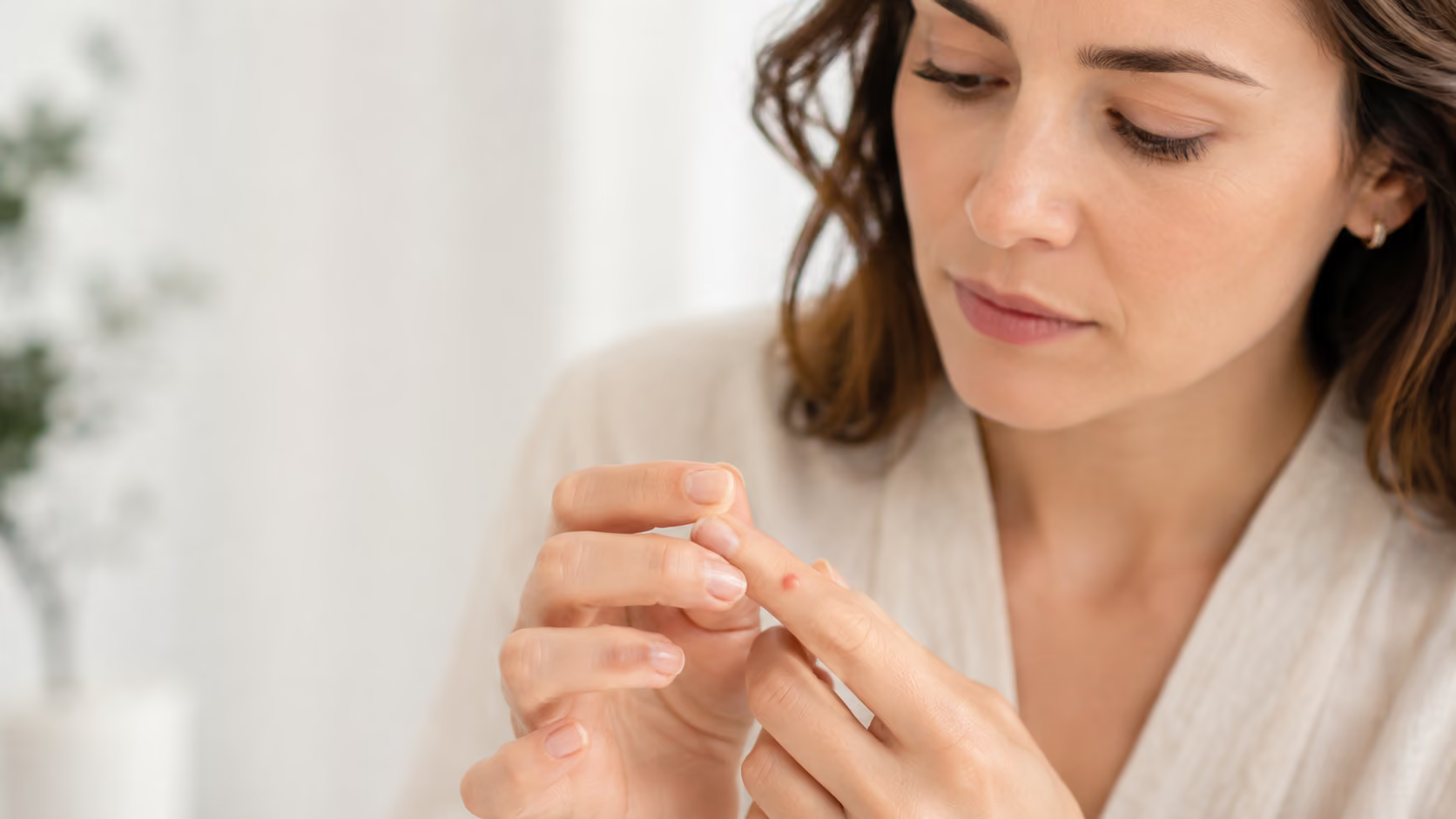
Can picking at acne make it worse and cause scarring?
Yes, picking, squeezing, or manipulating acne lesions almost always makes the condition worse and significantly increases the risk of permanent scarring. When you squeeze a pimple, you can push infected material deeper into the skin, spread bacteria to surrounding areas, and cause trauma that leads to inflammation and scarring. The temporary satisfaction of extracting visible material is rarely worth the long-term consequences of increased inflammation and potential permanent marks. Even seemingly innocent touching can transfer bacteria from hands to face and worsen breakouts. The experts at Hazany Derm strongly advise against picking and offer professional extraction techniques when appropriate, along with treatments that reduce the urge to pick by keeping skin clearer and less inflamed.