




%201.avif)



What is the Difference Between Retinoids and Retinol?


Retinoids are the umbrella category of vitamin A derivatives, while retinol is one specific type of retinoid. Understanding their differences helps optimize your skincare routine. Hazany Derm provides expert guidance on choosing the right option for your skin needs.
The world of skincare ingredients can feel overwhelming, especially when it comes to understanding the nuances between similar-sounding compounds. Two terms that frequently cause confusion are "retinoids" and "retinol," often used interchangeably despite having distinct meanings. This confusion can lead to improper product selection and suboptimal skincare results. Understanding these differences is crucial for making informed decisions about your anti-aging and acne treatment regimen.
Retinoids represent one of the most extensively researched and clinically proven categories of skincare ingredients available today. These vitamin A derivatives have revolutionized dermatology by offering effective solutions for acne, fine lines, hyperpigmentation, and overall skin texture improvement. Their ability to accelerate cellular turnover and stimulate collagen production makes them gold-standard ingredients in professional skincare. However, the various forms of retinoids available can create confusion about which option best suits individual skin needs and tolerance levels.
At Hazany Derm, patients frequently seek clarity about these powerful ingredients and their appropriate applications. The distinction between retinoids as a category and retinol as a specific ingredient affects everything from product selection to treatment expectations. Understanding these differences enables patients to make educated choices about incorporating these transformative ingredients into their skincare routines. This comprehensive guide will clarify the relationship between retinoids and retinol, helping you navigate your skincare journey with confidence.
Understanding Retinoids: The Complete Category
Retinoids encompass the entire family of vitamin A derivatives, including both prescription and over-the-counter formulations. This broad category includes tretinoin, adapalene, tazarotene, retinyl palmitate, retinaldehyde, and retinol, among others. Each member of the retinoid family offers unique benefits and potency levels, making them suitable for different skin types and concerns. The diversity within this category allows dermatologists to customize treatments based on individual patient needs and tolerance levels.
The mechanism of action for all retinoids involves binding to specific receptors in skin cells, triggering increased cellular turnover and collagen synthesis. This process helps unclog pores, reduce fine lines, fade dark spots, and improve overall skin texture and tone. However, the pathway each retinoid takes to achieve these results varies significantly, affecting their potency, side effects, and speed of visible improvements. Understanding these pathways helps explain why some retinoids require prescriptions while others are available over-the-counter.
Prescription retinoids typically offer the most potent and fastest results because they can directly activate retinoic acid receptors in the skin. These medications have undergone extensive clinical testing and FDA approval processes, ensuring their safety and efficacy for specific skin conditions. Dr. Salar Hazany often prescribes these stronger formulations for patients with severe acne, significant photodamage, or those seeking dramatic anti-aging results. The prescription category includes several distinct compounds, each with specific advantages.
- Tretinoin: The most studied and versatile prescription retinoid, effective for acne and anti-aging with multiple strength options
- Adapalene: A gentler prescription option (also available OTC) that causes less irritation while maintaining efficacy for acne treatment
- Tazarotene: The strongest prescription retinoid, particularly effective for psoriasis and severe acne but with higher irritation potential
- Isotretinoin: An oral retinoid reserved for severe, cystic acne that hasn't responded to other treatments
The prescription category offers advantages in terms of potency and clinical backing, but also requires professional supervision and monitoring. These medications can cause significant initial irritation, dryness, and photosensitivity, necessitating careful introduction and ongoing guidance. Patients using prescription retinoids must commit to consistent sun protection and may need to adjust their entire skincare routine to accommodate these powerful ingredients. The results, however, often justify the additional precautions and professional oversight required.
Over-the-counter retinoids provide more accessible options for those new to vitamin A derivatives or seeking gentler alternatives. These formulations must convert to retinoic acid through multiple enzymatic steps, making them less potent but also less irritating than their prescription counterparts. The conversion process means results typically take longer to appear, but the reduced irritation makes them more suitable for sensitive skin types or those hesitant about prescription medications. Hazany Derm often recommends starting with over-the-counter options before progressing to stronger formulations.
Retinol: The Popular Over-the-Counter Option
Retinol represents the most popular and widely available over-the-counter retinoid, found in countless skincare products from drugstore to luxury brands. This specific form of vitamin A requires conversion to retinoic acid through two enzymatic steps, making it significantly gentler than prescription alternatives. The conversion process occurs gradually within skin cells, providing sustained release of active retinoic acid over time. This mechanism explains why retinol products typically take longer to show results but cause less initial irritation than prescription retinoids.
The popularity of retinol stems from its accessibility and relatively gentle nature, making it an ideal starting point for retinoid newcomers. Unlike prescription retinoids that require dermatologist visits and pharmacy trips, retinol products are readily available and can be incorporated into existing skincare routines with minimal disruption. This convenience factor has led to retinol's inclusion in serums, moisturizers, eye creams, and even makeup products. However, the widespread availability also means significant variation in quality, concentration, and formulation stability across different brands.
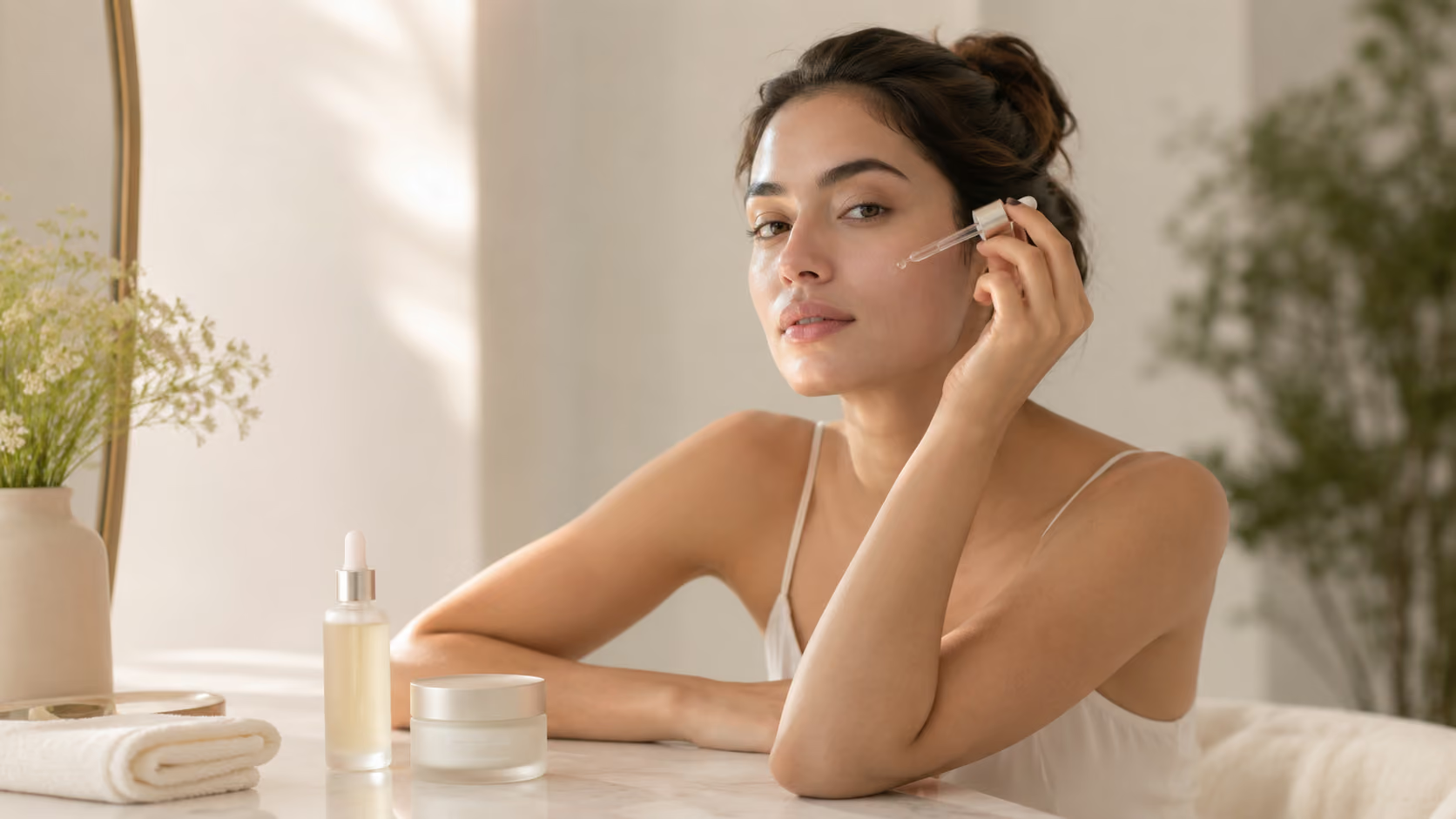
Product formulation significantly impacts retinol's effectiveness and stability, as this ingredient is notoriously sensitive to light, air, and heat. High-quality retinol products utilize protective packaging, stabilizing ingredients, and appropriate concentrations to maximize efficacy while minimizing degradation. The team at Hazany Derm emphasizes the importance of choosing well-formulated retinol products from reputable brands to ensure optimal results. Poor formulations may provide minimal benefits while still causing irritation, leading to frustration and abandonment of retinoid use altogether.
- Concentration levels: Available in strengths ranging from 0.25% to 2%, allowing for gradual progression and customization based on tolerance
- Delivery systems: Advanced formulations include time-release technology, encapsulation, and buffering agents to improve tolerance and efficacy
- Combination products: Often paired with hydrating ingredients like hyaluronic acid or soothing compounds like niacinamide to minimize irritation
- Application flexibility: Can be used 2-3 times per week initially, building up to nightly use as tolerance develops
The gradual nature of retinol makes it particularly suitable for those with sensitive skin or concerns about potential side effects. Most users can introduce retinol without experiencing the significant peeling, redness, or irritation commonly associated with prescription retinoids. This gentler approach allows for easier integration into existing skincare routines without requiring dramatic adjustments or temporary lifestyle modifications. However, patience is essential, as visible improvements may take 3-6 months of consistent use to become apparent.
Despite its gentler nature, retinol still provides substantial skincare benefits when used consistently over time. Clinical studies demonstrate significant improvements in fine lines, skin texture, pore appearance, and overall radiance with regular retinol use. The key difference lies in the timeline and intensity of results compared to prescription options. Dr. Hazany often recommends retinol as a maintenance option for patients who have achieved their goals with prescription retinoids or as a stepping stone toward stronger formulations.
Making the Right Choice for Your Skin
Selecting between different retinoid options depends on multiple factors including skin type, specific concerns, previous experience with vitamin A derivatives, and tolerance for potential side effects. Prescription retinoids offer faster, more dramatic results but require professional supervision and may cause significant initial irritation. Over-the-counter options like retinol provide gentler introduction to retinoid benefits but require patience and consistent long-term use for optimal results. Understanding your priorities and limitations helps guide this important decision.
Skin sensitivity plays a crucial role in determining the most appropriate retinoid choice, as some individuals simply cannot tolerate prescription-strength formulations. Those with rosacea, eczema, or naturally sensitive skin often find better success with gentler retinol products or prescription options like adapalene. Age and hormonal status also influence retinoid selection, as younger skin typically tolerates stronger formulations better than mature or hormonally fluctuating skin. Hazany Derm specialists carefully evaluate these individual factors when making retinoid recommendations.
Lifestyle considerations significantly impact retinoid success and should influence product selection accordingly. Prescription retinoids often require strict sun avoidance and comprehensive skincare routine modifications that may not suit everyone's lifestyle or commitment level. Professional obligations, travel schedules, and social commitments may make the adjustment period challenging for some patients. Over-the-counter retinol offers more flexibility and forgiveness during the adaptation process, making it suitable for busy lifestyles or those unable to commit to intensive skincare regimens.
- Skin concerns: Severe acne or significant photodamage may require prescription strength, while maintenance and prevention can utilize gentler options
- Timeline expectations: Those seeking rapid results benefit from prescriptions, while patients comfortable with gradual improvement can choose retinol
- Budget considerations: Prescription retinoids often cost more initially but may provide faster results, while retinol requires longer-term investment
- Professional guidance: Access to dermatological supervision influences the safety and appropriateness of prescription retinoid use
The progression pathway from retinol to prescription retinoids offers an excellent approach for many patients, allowing gradual tolerance building and realistic expectation setting. Starting with retinol helps users understand their skin's response to vitamin A derivatives without committing to stronger formulations immediately. This approach reduces the likelihood of adverse reactions while building confidence in retinoid use. Many patients find that retinol meets their needs adequately, while others progress to prescription options after establishing tolerance and experiencing initial benefits.
Combination approaches can also provide optimal results, utilizing prescription retinoids for specific problem areas while maintaining retinol for overall skin health and maintenance. This strategy allows targeted treatment of severe concerns while providing gentler care for the rest of the face. Dr. Salar Hazany often employs such customized approaches, recognizing that one-size-fits-all solutions rarely provide optimal outcomes in skincare. The key lies in professional guidance to ensure compatibility and prevent over-treatment or adverse interactions between different retinoid formulations.
Frequently Asked Questions
Are retinoids safe to use during pregnancy?
Most retinoids, including prescription forms and high-concentration over-the-counter options, are not recommended during pregnancy or breastfeeding due to potential risks to fetal development. These vitamin A derivatives can cause birth defects when used systemically, and topical forms may pose similar risks. Dr. Salar Hazany advises patients to discontinue retinoid use when trying to conceive and throughout pregnancy and breastfeeding periods. Alternative pregnancy-safe ingredients like bakuchiol, vitamin C, and gentle exfoliating acids can provide some similar benefits without the associated risks. Always consult with both your dermatologist and obstetrician before using any active skincare ingredients during pregnancy to ensure the safety of both mother and baby.
How long does it take to see results from retinoids?
The timeline for retinoid results varies significantly depending on the specific product type, concentration, and individual skin response. Hazany Derm patients typically see initial improvements in skin texture and pore appearance within 4-6 weeks of consistent use, while more significant changes in fine lines and pigmentation may take 3-6 months. Prescription retinoids generally produce faster results, with some patients noticing changes within 2-4 weeks, though initial purging or irritation may temporarily worsen appearance. Over-the-counter retinol requires more patience, often taking 2-3 months for noticeable improvements and 6-12 months for optimal results. Consistency is crucial regardless of the retinoid type chosen, as sporadic use significantly delays visible improvements and may increase irritation when reintroducing the product.
Can you use retinoids with other active ingredients?
Combining retinoids with other active ingredients requires careful consideration and proper timing to avoid irritation and maximize benefits. The team at Hazany Derm recommends avoiding simultaneous use of retinoids with other potentially irritating ingredients like alpha hydroxy acids, beta hydroxy acids, and benzoyl peroxide, especially during the initial adjustment period. However, many ingredients work synergistically with retinoids when used properly, including vitamin C (applied in the morning), niacinamide, and hyaluronic acid. Gentle, hydrating ingredients should be emphasized to support the skin barrier during retinoid use. Professional guidance helps create an effective routine that incorporates multiple active ingredients safely, often using a rotation schedule or applying different actives at separate times of day to minimize interactions while maximizing benefits.
What's the difference between retinoid strengths?
Retinoid strengths vary significantly across both prescription and over-the-counter categories, affecting both efficacy and potential side effects. Dr. Hazany explains that prescription retinoids are typically measured in percentages, with tretinoin available in 0.025%, 0.05%, and 0.1% concentrations, while over-the-counter retinol ranges from 0.25% to 2%. However, comparing strengths across different retinoid types isn't straightforward, as prescription forms are already in active form while retinol requires conversion. Starting with the lowest effective concentration and gradually increasing allows skin tolerance to develop while minimizing irritation. Higher concentrations don't always mean better results, as excessive strength can cause inflammation that actually impedes skin improvement. Professional assessment helps determine the optimal strength based on individual skin needs, tolerance levels, and specific concerns being addressed.
Should you start with retinol or go straight to prescription retinoids?
The decision between starting with retinol or prescription retinoids depends on individual skin concerns, sensitivity levels, and treatment goals. Hazany Derm specialists often recommend beginning with retinol for those new to vitamin A derivatives, as it allows gradual tolerance building with minimal risk of severe irritation. This approach is particularly beneficial for sensitive skin types, those with busy lifestyles, or patients hesitant about potential side effects. However, patients with severe acne, significant photodamage, or those seeking rapid results may benefit from starting with prescription retinoids under professional supervision. Previous experience with active ingredients, age, and specific skin conditions also influence this decision. A conservative approach starting with retinol can always progress to stronger formulations, while beginning too aggressively may lead to adverse reactions and treatment abandonment.
How do you minimize retinoid irritation?
Minimizing retinoid irritation requires a strategic approach focusing on gradual introduction, proper application techniques, and supportive skincare practices. Dr. Salar Hazany recommends starting with small amounts applied only 2-3 times per week, gradually increasing frequency as tolerance develops over several weeks. The "sandwich method," applying retinoid between layers of moisturizer, can reduce direct skin contact while maintaining efficacy. Avoiding the eye area, corners of the nose, and mouth initially prevents irritation in sensitive zones. Using gentle, fragrance-free cleansers and rich moisturizers supports the skin barrier during the adjustment period. Sun protection becomes even more critical during retinoid use, as these ingredients increase photosensitivity. If irritation occurs, temporarily reducing frequency or taking short breaks allows skin recovery while maintaining long-term progress toward tolerance and results.
Can retinoids help with acne scars?
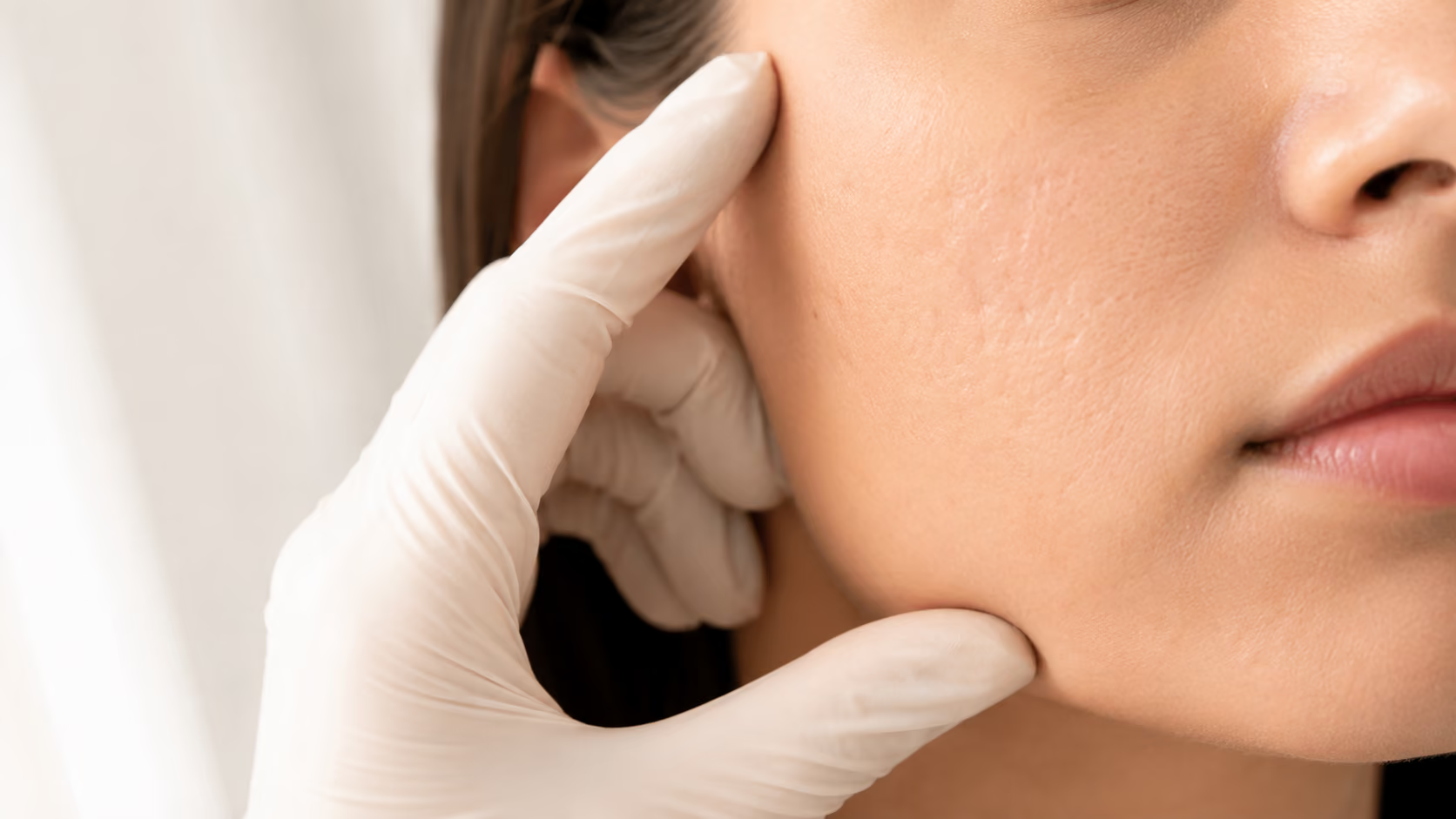
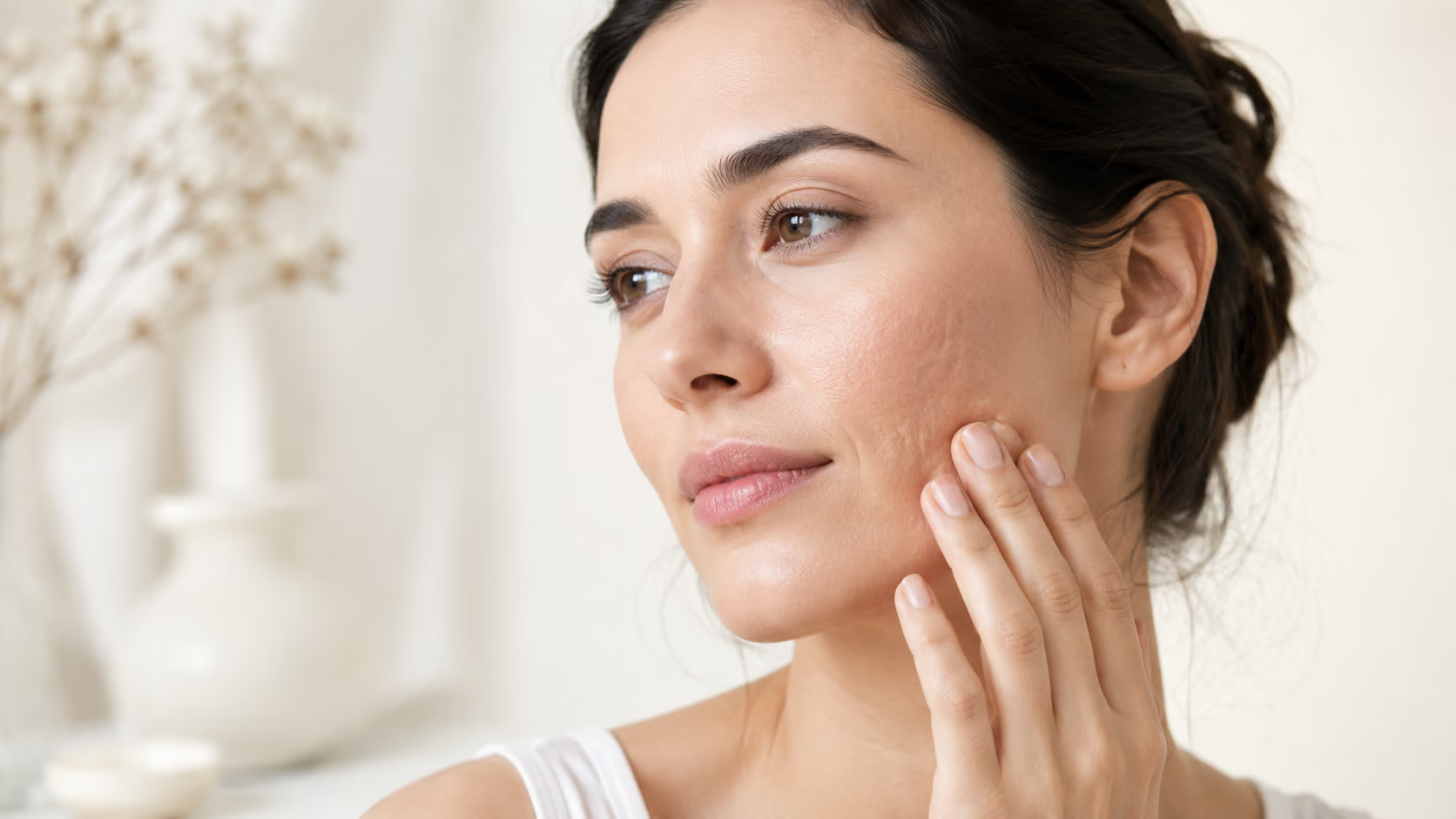
Retinoids can significantly improve certain types of acne scarring, particularly shallow, textural irregularities and post-inflammatory hyperpigmentation. The Hazany Derm clinic often incorporates retinoids into comprehensive acne scar treatment plans due to their ability to accelerate cellular turnover and stimulate collagen production. These mechanisms help smooth skin texture and fade dark spots left behind by previous breakouts. However, deeper, ice-pick or boxcar scars typically require additional treatments like chemical peels, microneedling, or laser procedures for optimal improvement. Retinoids work best on newer scars and when used consistently over extended periods, often requiring 6-12 months for significant improvement. Prescription strength retinoids generally provide better results for scarring than over-the-counter options. Combining retinoids with professional treatments often yields superior results compared to either approach alone, making professional consultation valuable for scar treatment planning.
Are expensive retinol products better than affordable ones?
Price doesn't always correlate with retinol product effectiveness, though formulation quality and stability do impact results significantly. The experts at Hazany Derm emphasize that successful retinol products require proper formulation, protective packaging, and stable delivery systems, which can be found across various price points. Expensive products may include additional beneficial ingredients, sophisticated delivery systems, or luxury packaging, but the core retinol ingredient can be equally effective in well-formulated affordable options. Key factors to consider include retinol concentration, packaging that protects from light and air, inclusion of supportive ingredients, and brand reputation for quality control. Some drugstore brands offer excellent retinol formulations that rival expensive counterparts, while some luxury products may prioritize marketing over actual efficacy. Reading ingredient lists, researching brand formulation practices, and seeking professional recommendations often matter more than price point in selecting effective retinol products.