




%201.avif)



Can Laser Treatment Improve Surgical Scars?


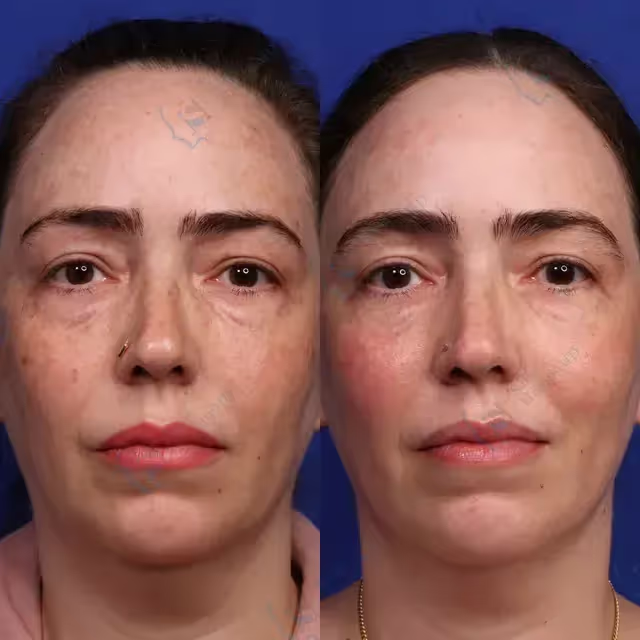
Yes, laser treatment can significantly improve surgical scars by reducing their appearance, texture, and discoloration. At Hazany Derm, Dr. Salar Hazany uses advanced laser technologies to help patients achieve smoother, less visible scarring after surgical procedures.
Surgical scars are an inevitable part of healing after any procedure, but they don't have to be permanent reminders of your medical journey. Many patients wonder if there are effective ways to minimize the appearance of these marks and restore their skin's natural smoothness. Modern dermatology has made remarkable advances in scar treatment, offering hope to those seeking to improve their skin's appearance.
Laser technology has emerged as one of the most promising solutions for surgical scar improvement. These advanced treatments work by targeting specific layers of skin tissue to promote healing and regeneration. The precision of laser therapy allows dermatologists to address various types of scarring while minimizing damage to surrounding healthy tissue.
At Hazany Derm, patients regularly seek treatment for surgical scars that affect both their appearance and confidence. Dr. Salar Hazany has extensive experience using cutting-edge laser technologies to help patients achieve significant improvements in scar texture, color, and overall visibility. The results can be transformative, helping individuals feel more comfortable in their own skin.
Can Laser Treatment Improve Surgical Scars?
Yes — laser treatment can significantly improve surgical scars. The laser creates controlled micro-injuries in the scar tissue, triggering new collagen production that remodels raised scars, fills depressed ones, and blends the scar's texture and color with surrounding skin. Most patients need two to four sessions, with results building gradually over three to six months as collagen formation progresses.
Understanding How Laser Treatment Works on Surgical Scars
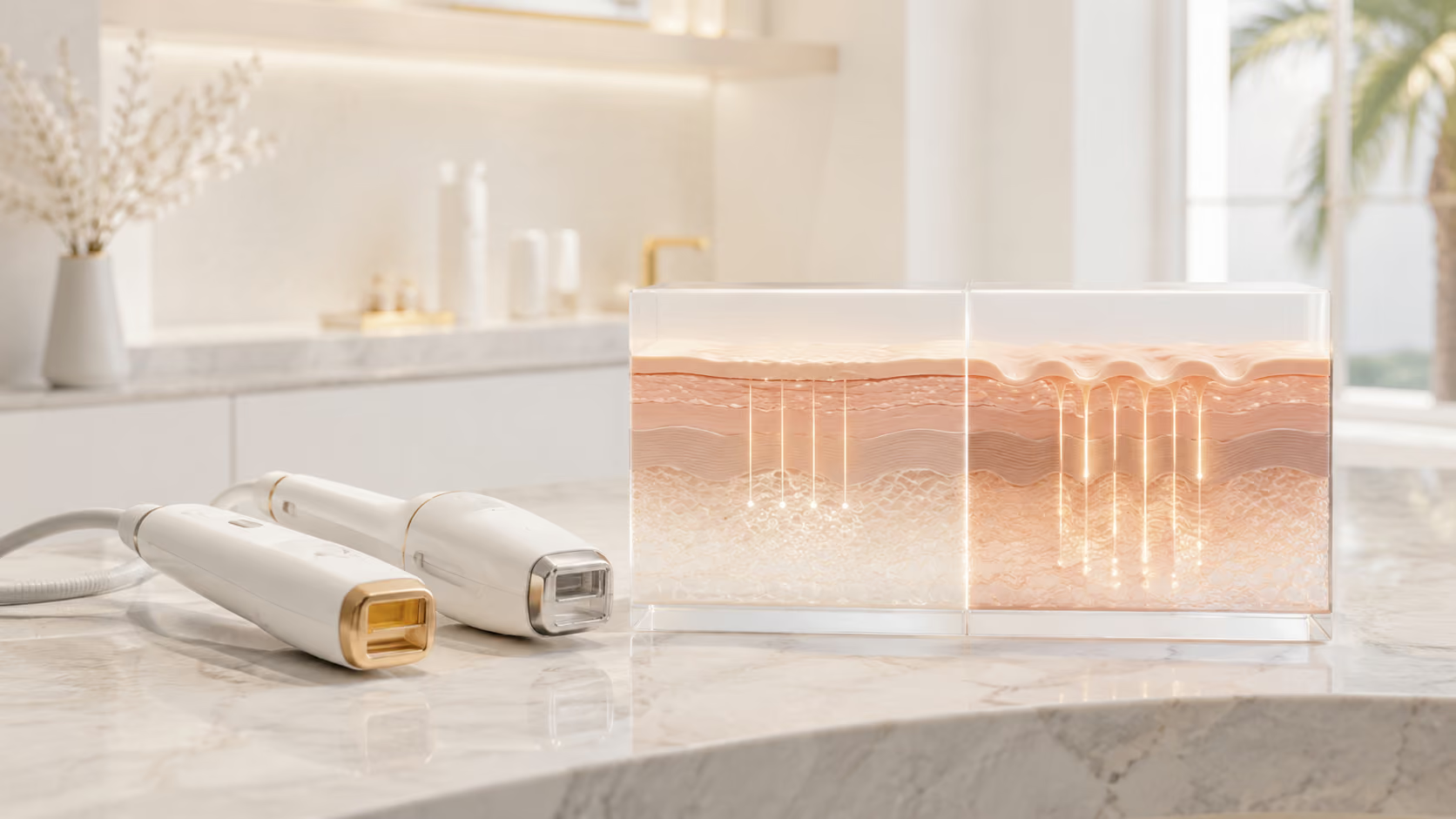
Laser scar treatment operates on the principle of controlled skin injury and subsequent healing. The laser energy creates microscopic wounds in the scar tissue, triggering the body's natural healing response. This process encourages the production of new collagen and elastin, which are essential proteins for healthy skin structure.
Different types of lasers target various aspects of scar tissue. Some focus on breaking down excess collagen that creates raised scars, while others stimulate new collagen production in depressed areas. The heat generated by laser energy also helps remodel existing scar tissue, making it blend more naturally with surrounding skin.
The cellular regeneration process continues for months after treatment, with gradual improvements in scar appearance. Patients typically notice initial changes within weeks, but the full benefits become apparent over several months. This extended healing timeline allows for natural-looking results that improve progressively.
Several laser technologies are particularly effective for surgical scar treatment:
- Fractional CO2 lasers: Target deeper layers of skin to stimulate significant collagen remodeling
- Pulsed dye lasers: Reduce redness and vascular components in newer scars
- Erbium lasers: Provide precise surface resurfacing for texture improvement
- Picosecond lasers: Break down pigmentation irregularities in scarred tissue
The choice of laser technology depends on multiple factors including scar age, type, and location. Hazany Derm's comprehensive evaluation process ensures patients receive the most appropriate treatment for their specific scarring pattern. Combining different laser modalities often produces superior results compared to single-treatment approaches.
Treatment protocols are customized based on individual healing patterns and desired outcomes. Some patients benefit from aggressive single treatments, while others achieve better results with gentler, repeated sessions. The flexibility of modern laser systems allows for precise adjustment of treatment parameters throughout the healing process.
Types of Surgical Scars That Respond Well to Laser Treatment
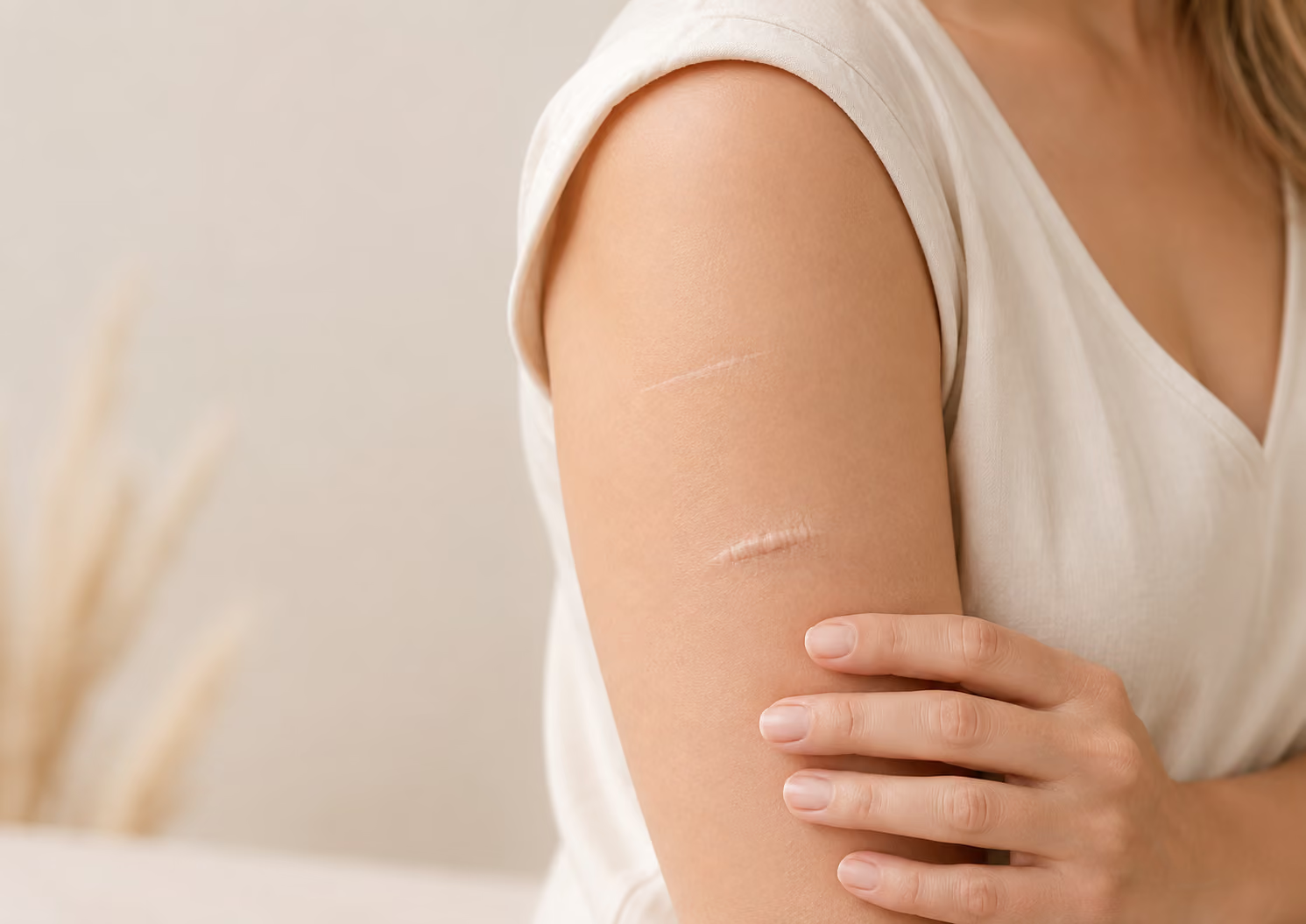
Hypertrophic scars represent one of the most responsive scar types to laser intervention. These raised, thickened scars form when the body produces excess collagen during healing. Laser treatment effectively breaks down this excess collagen while promoting more organized tissue formation.
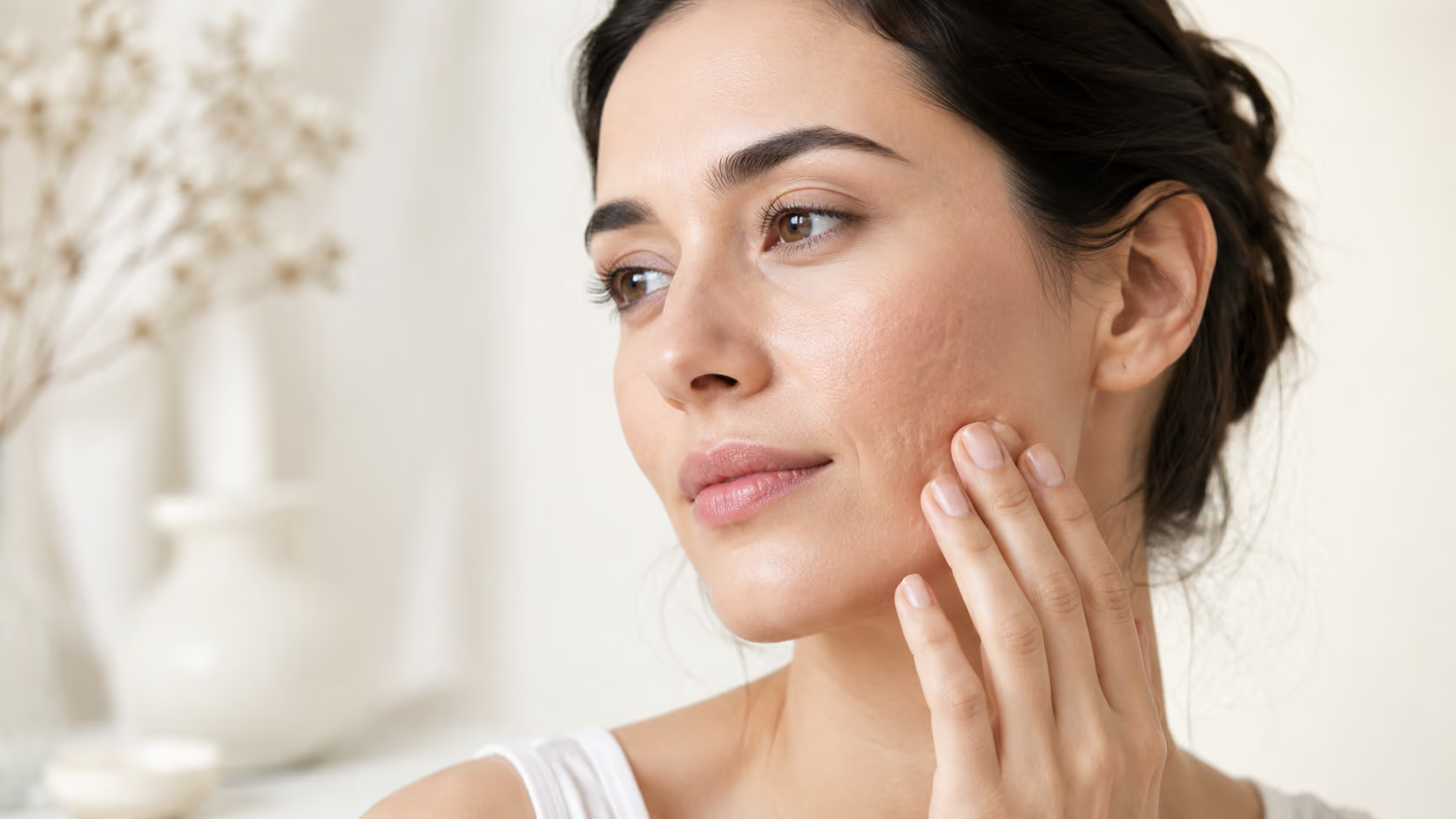
Atrophic scars, which appear as depressions or indentations in the skin, also respond excellently to laser therapy. The controlled injury created by laser energy stimulates new collagen production to fill in these depressed areas. Multiple treatment sessions typically achieve substantial improvement in skin texture and contour.
Keloid scars present a more challenging treatment scenario but can still benefit from laser intervention when combined with other therapies. These scars extend beyond the original incision site and tend to recur after treatment. However, laser therapy can significantly reduce their size and improve their appearance when used as part of a comprehensive treatment plan.
Specific surgical scar characteristics that indicate good laser treatment candidates include:
- Recent scars: Newer scars typically respond better than those present for many years
- Linear incisions: Straight surgical incisions generally show more predictable improvement
- Well-healed tissue: Scars without active inflammation or infection are ideal candidates
- Realistic patient expectations: Understanding that improvement, not perfection, is the goal
The location of surgical scars significantly influences treatment outcomes and approaches. Facial scars often respond exceptionally well due to the rich blood supply and thinner skin in this area. Body scars may require more aggressive treatment protocols but can still achieve substantial improvement.
Dr. Salar Hazany evaluates each scar's unique characteristics to determine the most effective laser treatment strategy. This personalized approach considers factors such as skin type, scar maturity, and patient lifestyle to optimize results. The comprehensive assessment ensures realistic expectations and appropriate treatment selection.
The Treatment Process and Expected Results
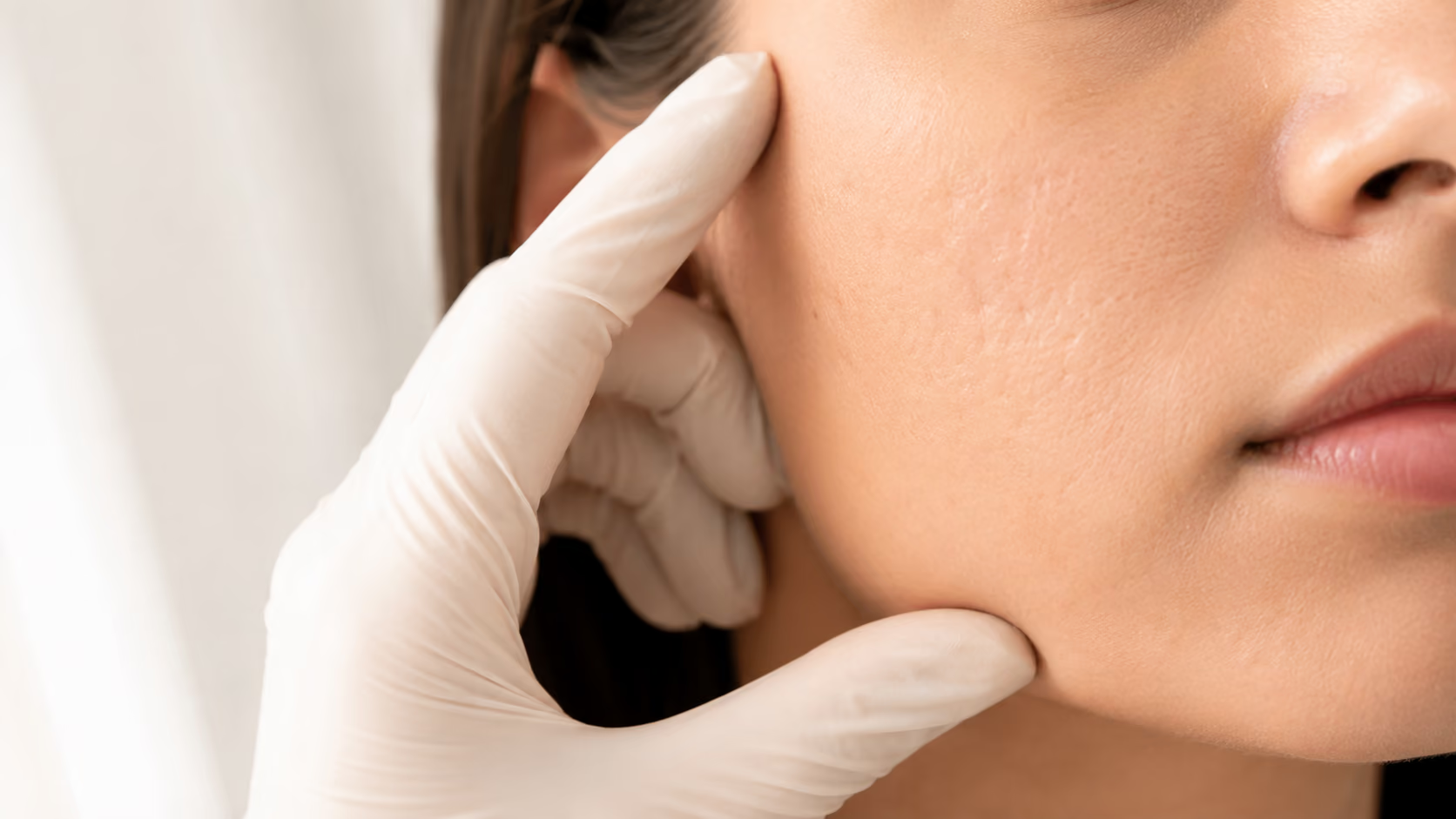
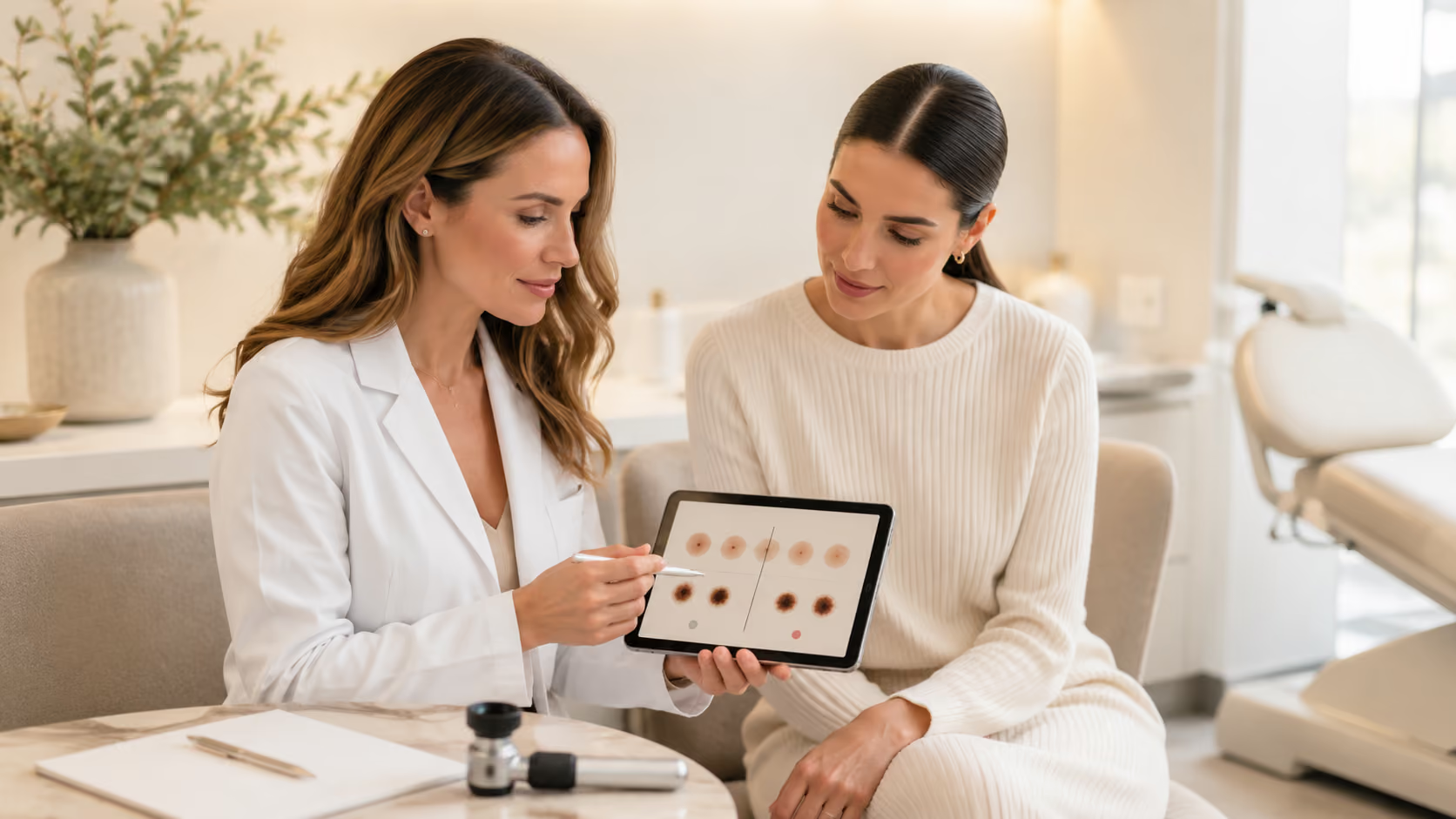
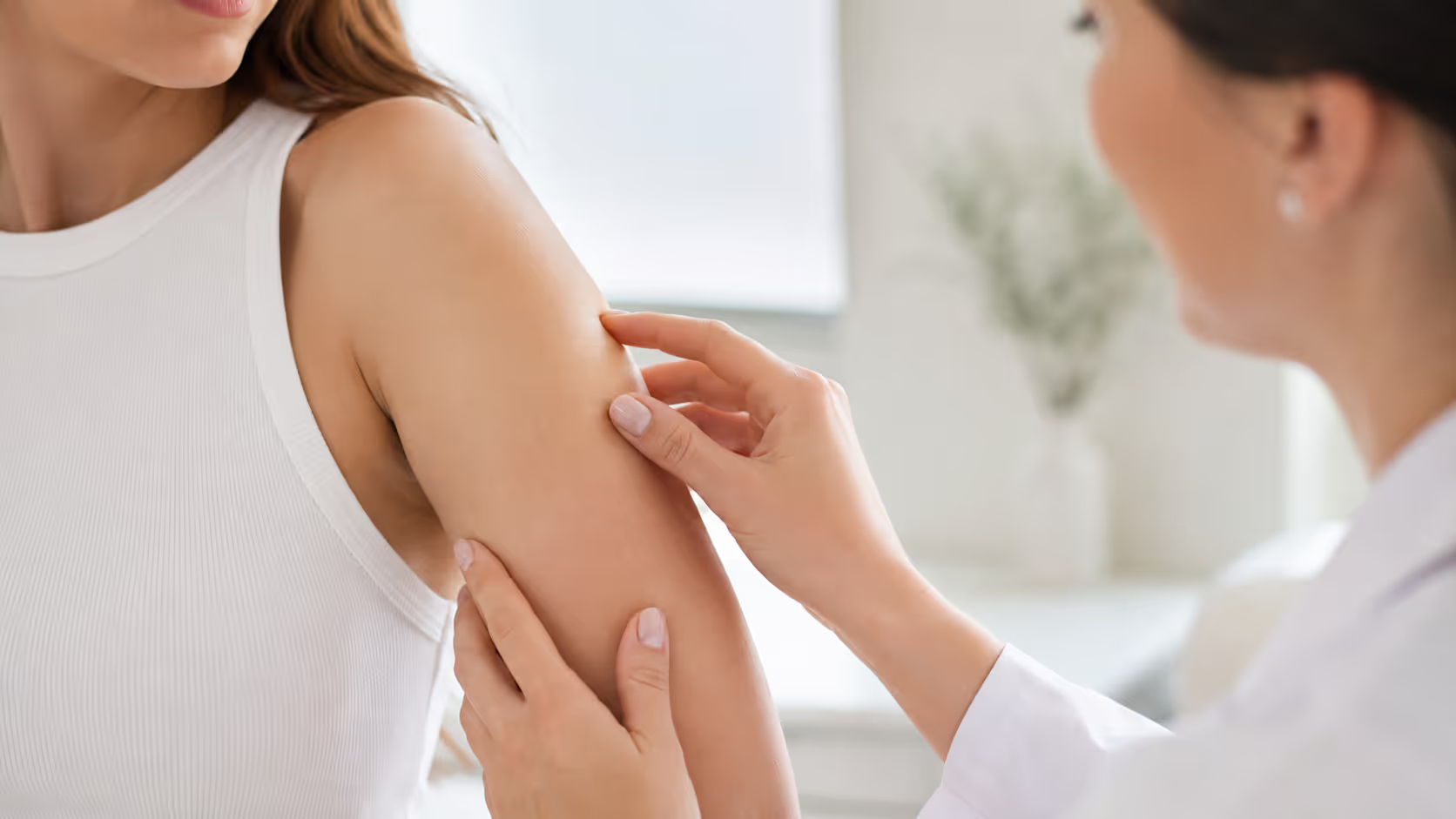
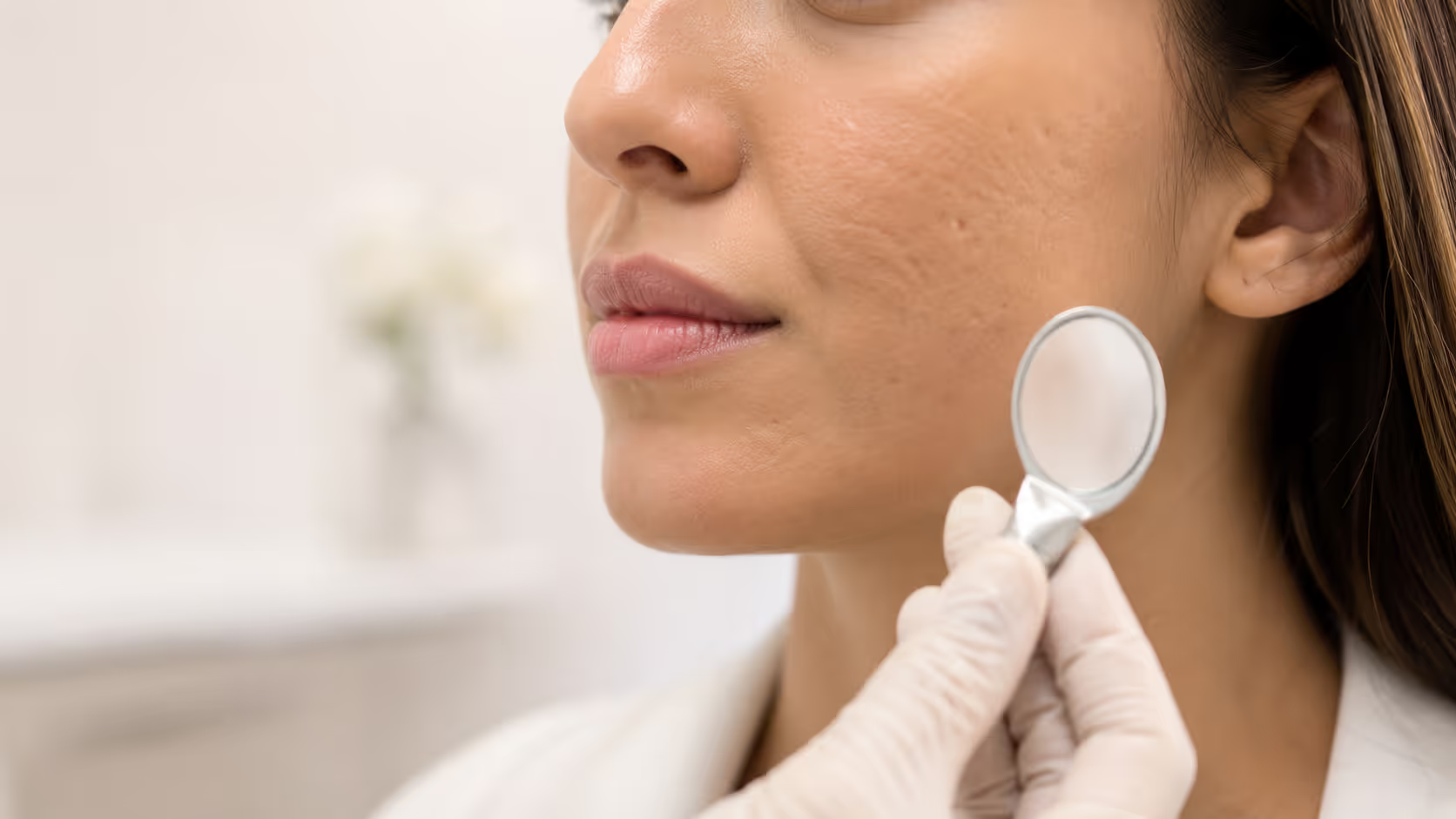
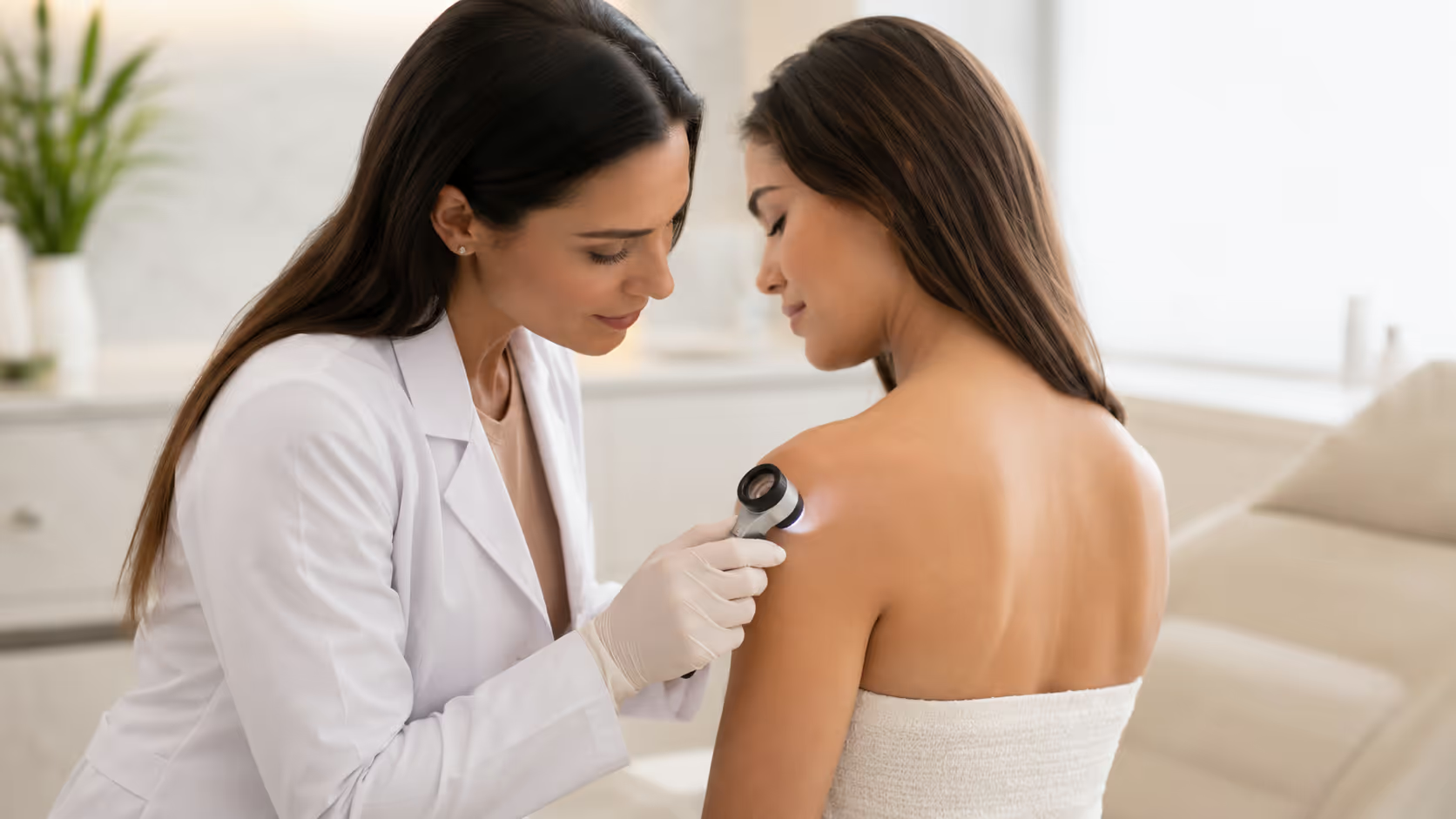
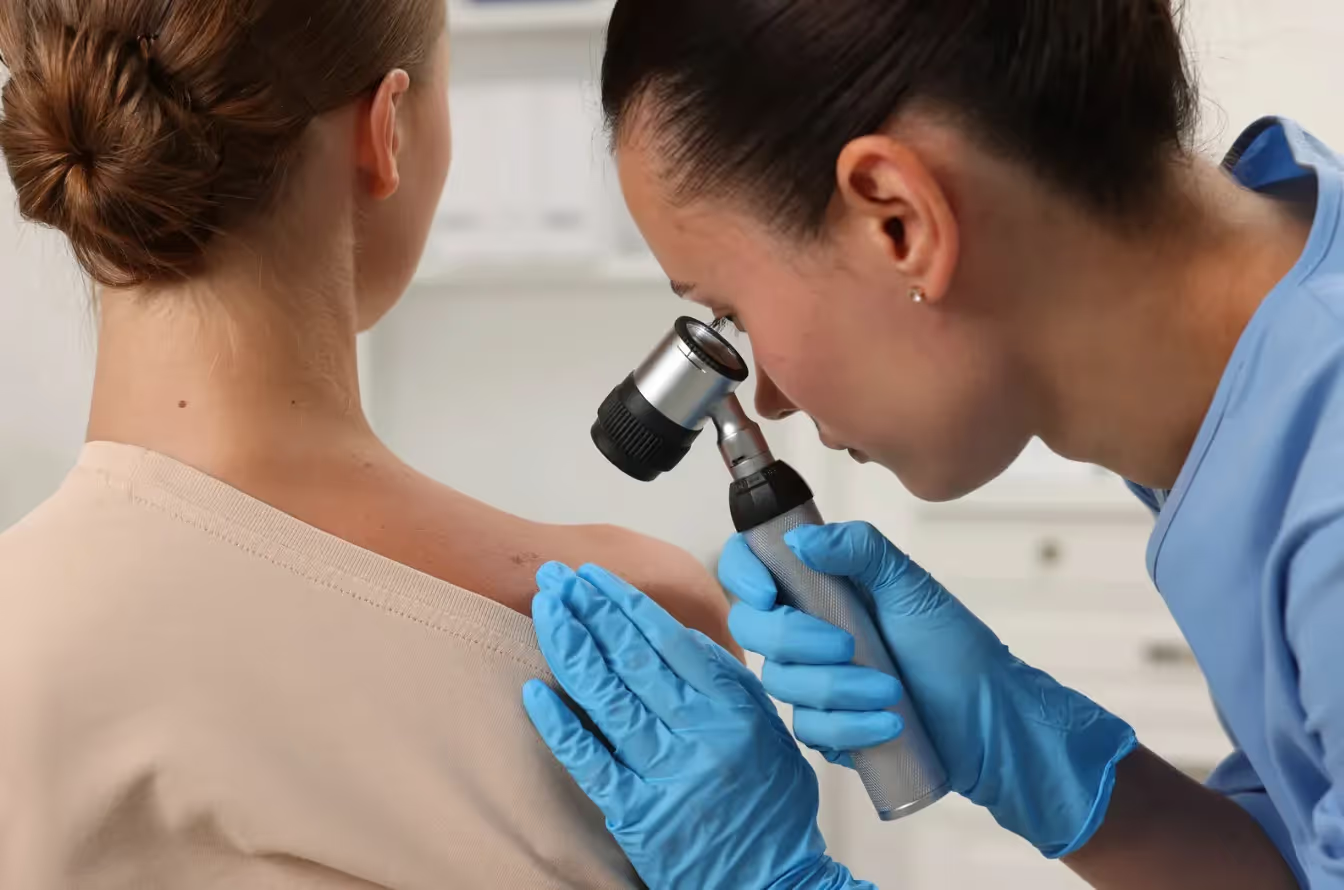
Initial consultation involves a thorough examination of the surgical scar and surrounding skin. The dermatologist assesses factors such as scar thickness, color variation, and tissue flexibility to determine the best treatment approach. Photography documentation helps track progress throughout the treatment series.
Pre-treatment preparation may include discontinuing certain medications and using prescribed skincare products. Some patients benefit from pre-conditioning treatments to optimize skin health before laser intervention. Proper preparation significantly influences treatment outcomes and healing quality.
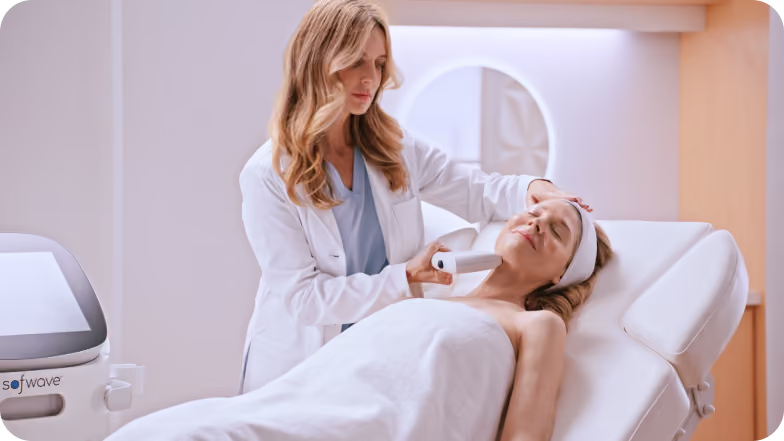
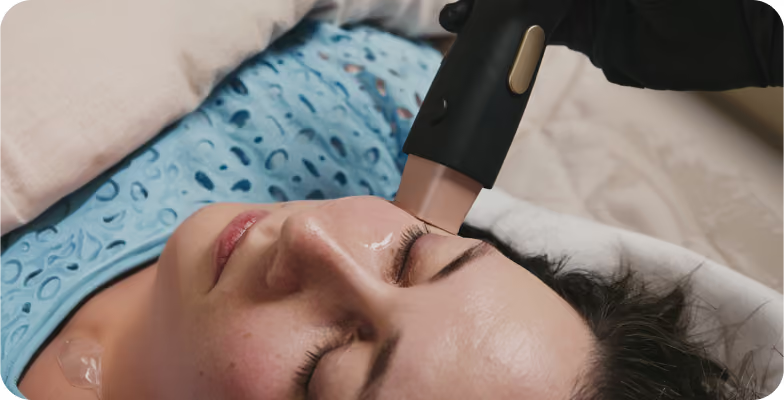
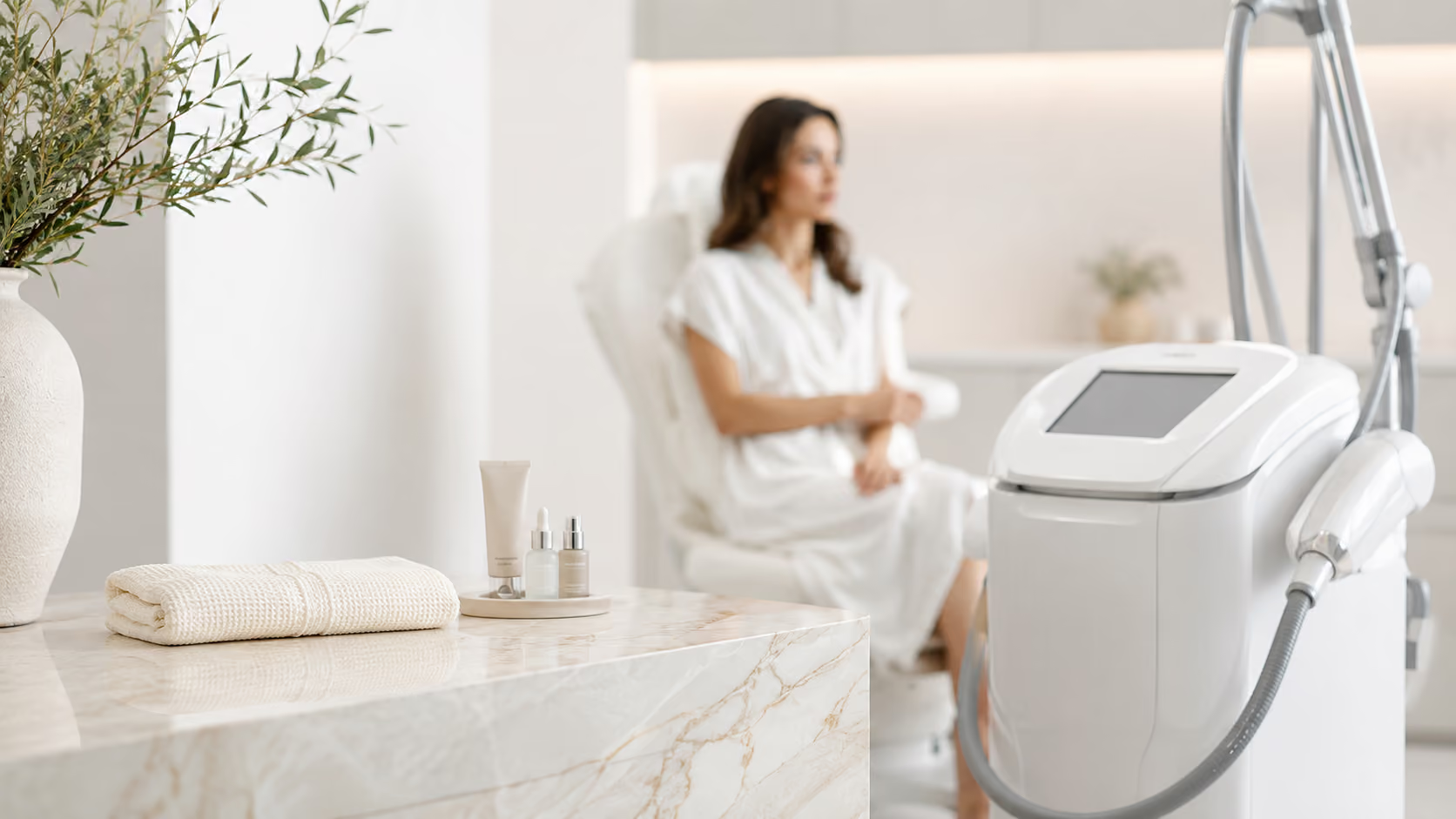
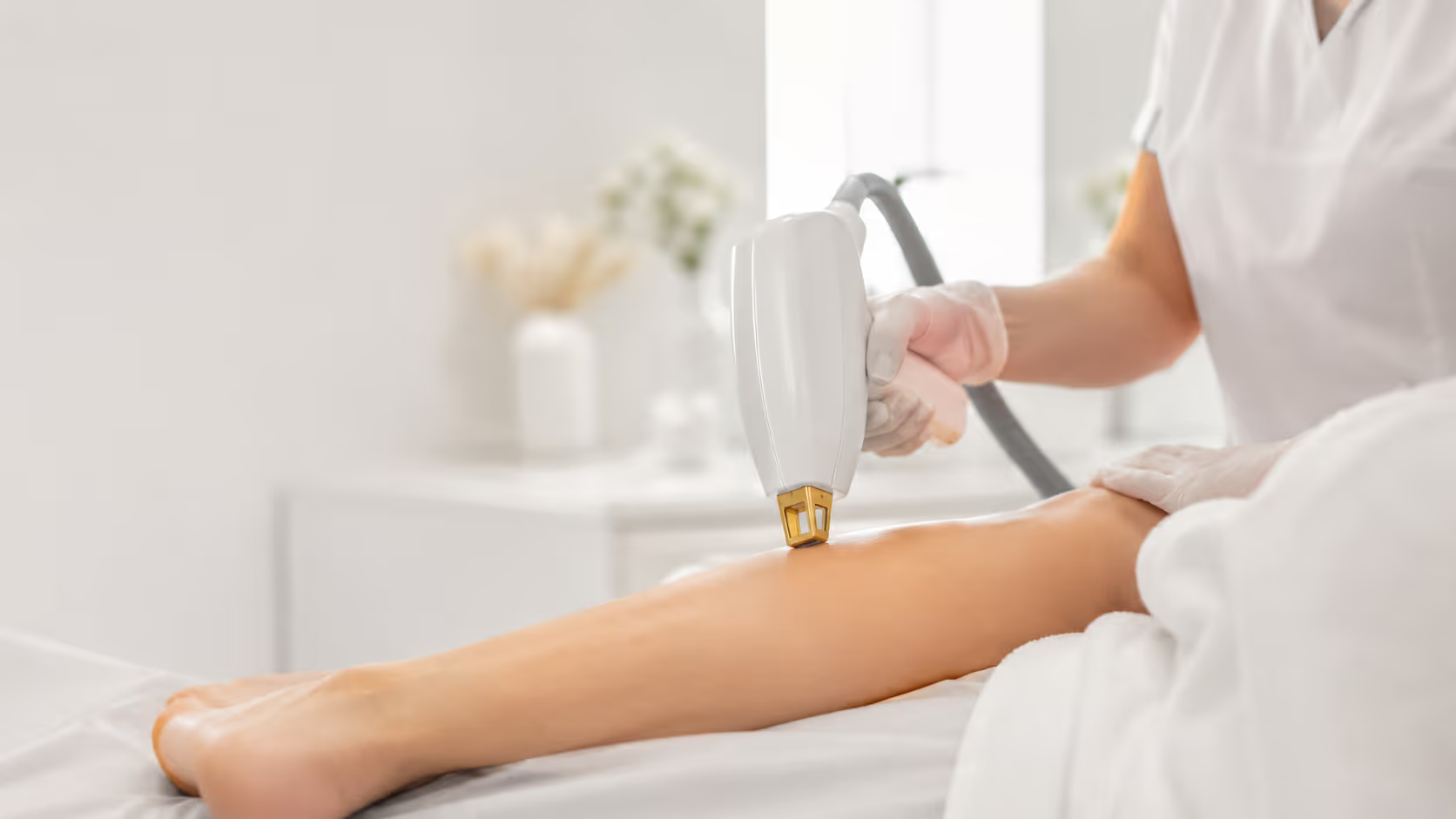
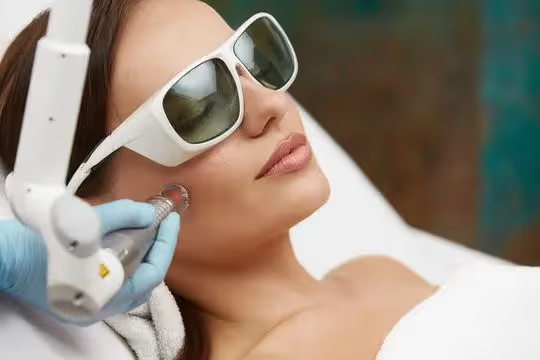
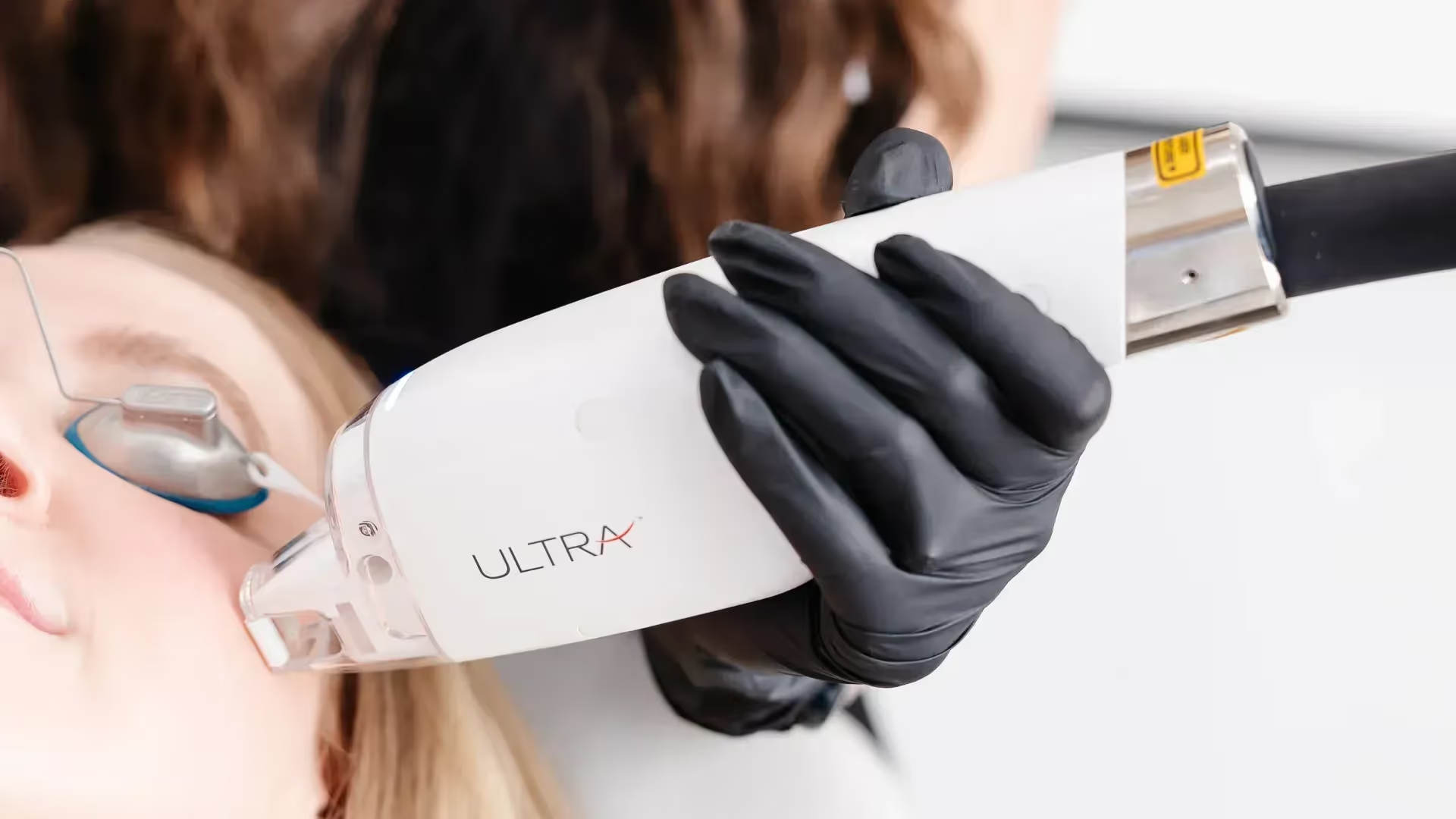
The laser treatment itself typically takes between 15 to 60 minutes, depending on the scar size and complexity. Most patients experience mild to moderate discomfort during the procedure, which is well-managed with topical anesthesia. The precision of modern laser systems allows for accurate treatment delivery while maximizing patient comfort.
Post-treatment care instructions are crucial for optimal results:
- Wound care: Keep treated areas clean and protected according to specific guidelines
- Sun protection: Avoid UV exposure and use broad-spectrum sunscreen religiously
- Moisturization: Apply recommended healing ointments to support tissue recovery
- Activity modification: Limit strenuous activities that might stress treated areas
Recovery timelines vary based on treatment intensity and individual healing patterns. Surface treatments typically require 3-7 days of initial healing, while deeper treatments may need 1-2 weeks. The team at Hazany Derm provides detailed aftercare instructions tailored to each patient's specific treatment protocol.
Results continue to improve for 3-6 months after treatment as new collagen formation progresses. Most patients require 2-4 treatment sessions spaced several months apart to achieve optimal improvement. The gradual nature of results allows for natural-looking enhancement that doesn't appear artificial or overdone.
Laser Treatment for Surgical Scars in Beverly Hills
A surgical scar did its job — it closed the wound. It doesn't have to stay the most visible thing on your skin. Schedule a consultation with Dr. Salar Hazany in Beverly Hills to find out which laser approach fits your scar's age, depth, and location.
Frequently Asked Questions
How soon after surgery can I start laser scar treatment?
The timing for laser scar treatment depends on the healing stage of your surgical incision. Dr. Salar Hazany typically recommends waiting at least 6-12 weeks after surgery to ensure complete initial healing has occurred. Early intervention with certain gentle laser treatments can sometimes begin sooner for optimal results. The surgical site must be fully closed with no signs of infection or active inflammation. Starting treatment during the appropriate healing window can significantly improve final scar appearance. Each patient's healing timeline varies, so individual assessment determines the ideal treatment start time.
What types of lasers are most effective for surgical scars?
Fractional CO2 lasers are among the most effective options for surgical scars, as they penetrate deeply to stimulate significant collagen remodeling. Hazany Derm utilizes multiple laser technologies including pulsed dye lasers for reducing redness and erbium lasers for precise surface refinement. The choice depends on your specific scar characteristics such as thickness, color, and texture. Combination approaches often yield superior results compared to single laser treatments. Different wavelengths target various aspects of scar tissue, from vascular components to pigmentation irregularities. The laser selection process considers your skin type, scar maturity, and treatment goals.
How many laser treatments will I need for my surgical scar?
Most patients require 2-4 laser treatment sessions to achieve optimal surgical scar improvement, though this varies based on individual factors. The team at Hazany Derm develops personalized treatment plans considering your scar's size, depth, and response to initial therapy. Treatments are typically spaced 2-4 months apart to allow proper healing between sessions. Some patients see significant improvement after just one treatment, while others with more complex scarring may benefit from additional sessions. Factors like skin type, age, and overall health influence the number of treatments needed. Regular follow-up appointments help monitor progress and adjust the treatment plan accordingly.
Is laser scar treatment painful?
Laser scar treatment involves mild to moderate discomfort that is well-managed with appropriate pain control measures. Dr. Hazany uses topical anesthetic creams and cooling devices to minimize discomfort during the procedure. Most patients describe the sensation as similar to a rubber band snapping against the skin or mild sunburn. Pain levels vary depending on the laser type, treatment intensity, and individual pain tolerance. Post-treatment discomfort is typically minimal and resolves within a few days. Over-the-counter pain medications are usually sufficient for managing any residual discomfort. The brief treatment time helps minimize overall discomfort exposure.
What should I expect during recovery from laser scar treatment?
Recovery from laser scar treatment typically involves mild swelling, redness, and possible minor crusting that resolves within 3-10 days. Hazany Derm specialists provide detailed aftercare instructions including proper wound care and sun protection guidelines. You may experience skin sensitivity and should avoid harsh skincare products during the healing period. Most patients can return to normal activities within a few days, though strenuous exercise should be avoided initially. Proper moisturization and gentle cleansing support optimal healing during recovery. Follow-up appointments monitor your healing progress and address any concerns that may arise during the recovery period.
Can laser treatment completely eliminate my surgical scar?
While laser treatment can dramatically improve surgical scars, complete elimination is rarely achievable or realistic to expect. Dr. Salar Hazany focuses on helping patients achieve significant improvement in scar texture, color, and overall appearance rather than promising complete removal. Most patients experience 50-80% improvement in their scar's visibility after completing their treatment series. Factors like scar age, location, and individual healing patterns influence the degree of improvement possible. The goal is to make scars blend more naturally with surrounding skin and become much less noticeable. Realistic expectations are important for patient satisfaction with treatment outcomes.
Are there any risks or side effects with laser scar treatment?
Laser scar treatment is generally safe when performed by experienced professionals, but some risks and side effects can occur. The Hazany Derm clinic thoroughly discusses potential complications including temporary pigmentation changes, infection, and rare scarring from treatment. Most side effects are mild and temporary, such as redness, swelling, and minor discomfort. Proper patient selection and adherence to aftercare instructions significantly reduce complication risks. Some patients may experience temporary darkening or lightening of treated skin that typically resolves over time. Choosing an experienced dermatologist and following all pre- and post-treatment guidelines minimizes potential adverse effects.
How much does laser treatment for surgical scars cost?
The cost of laser scar treatment varies depending on factors such as scar size, treatment complexity, and the number of sessions required. The experts at Hazany Derm provide detailed cost estimates during your consultation after evaluating your specific treatment needs. Treatment prices typically range from several hundred to a few thousand dollars for a complete treatment series. Some insurance plans may provide coverage for scar treatment when it's considered medically necessary rather than purely cosmetic. Financing options are often available to help make treatment more accessible. The investment in professional laser scar treatment often provides long-lasting improvement and increased confidence.