




%201.avif)



Can Laser Hair Removal Be Done on All Skin Types?


Yes, laser hair removal can be performed on all skin types with modern technology and proper technique. At Hazany Derm, advanced laser systems and customized treatment protocols ensure safe, effective hair removal for patients with varying skin tones and characteristics.
Laser hair removal has revolutionized the way people approach unwanted hair, offering a long-term solution that surpasses traditional methods like shaving, waxing, and plucking. However, one of the most frequently asked questions about this popular cosmetic procedure concerns its suitability across different skin types. The concern stems from early laser technologies that were primarily designed for lighter skin tones, leaving many individuals with darker complexions wondering if they could safely benefit from this treatment.
The landscape of laser hair removal has dramatically evolved over the past two decades, with significant technological advancements addressing the limitations of earlier systems. Modern laser devices now incorporate sophisticated cooling systems, adjustable wavelengths, and precise energy controls that make treatment possible across the entire spectrum of skin types. This evolution has opened doors for millions of people who were previously excluded from laser hair removal options, democratizing access to this effective hair reduction method.
At Hazany Derm, patients frequently express relief and excitement when they learn that their skin type doesn't disqualify them from laser hair removal. Dr. Salar Hazany and his team have extensive experience treating patients with diverse skin characteristics, from the palest complexions to the darkest skin tones. Understanding the science behind how different lasers interact with various skin types is crucial for both patients considering treatment and practitioners delivering safe, effective results.
Understanding Skin Types and Laser Technology
The classification of skin types in dermatology typically follows the Fitzpatrick Scale, which categorizes skin based on its response to sun exposure and natural pigmentation levels. This scale ranges from Type I (very fair skin that always burns and never tans) to Type VI (very dark skin that never burns). Each skin type presents unique considerations when it comes to laser hair removal, particularly regarding the melanin content in both the skin and hair follicles.
Early laser hair removal systems relied primarily on targeting melanin in hair follicles, but they struggled to differentiate between melanin in the hair and melanin in surrounding skin tissue. This limitation made treatments risky for individuals with darker skin tones, as the laser energy could potentially cause burns, hyperpigmentation, or other adverse effects. The challenge was compounded by the fact that traditional lasers often used shorter wavelengths that were more readily absorbed by skin melanin.
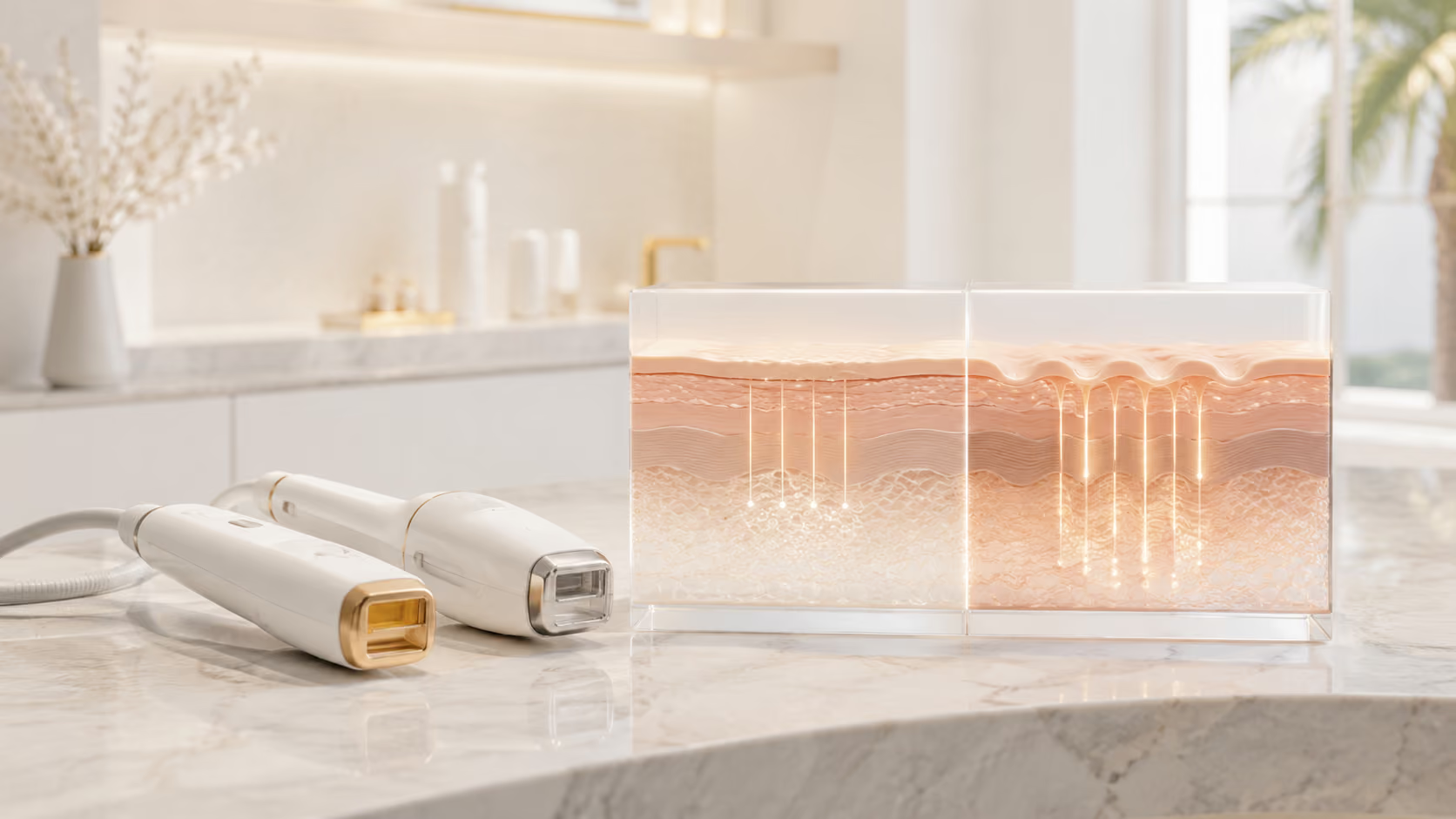
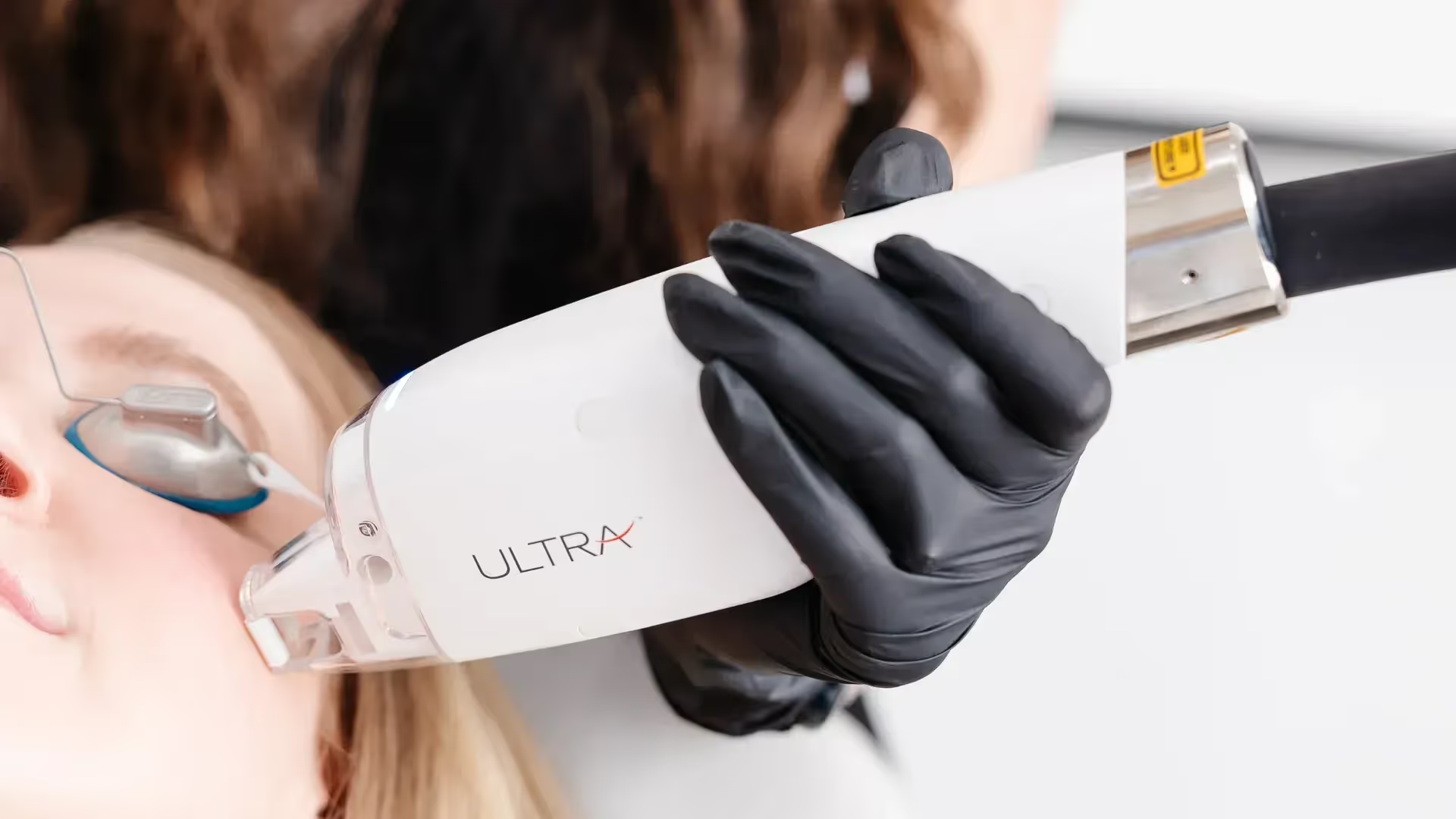
The breakthrough came with the development of longer wavelength lasers and advanced cooling technologies that could safely penetrate deeper into the skin while minimizing surface heating. These innovations, combined with adjustable pulse durations and energy settings, have made it possible to customize treatments for each individual's unique skin characteristics. Modern laser systems can now effectively target hair follicles while protecting the surrounding skin tissue, regardless of the patient's natural pigmentation.
Key factors that determine laser hair removal success across skin types include:
- Wavelength selection: Longer wavelengths (such as 1064nm Nd:YAG) penetrate deeper and are safer for darker skin tones
- Pulse duration control: Adjustable timing allows for optimal energy delivery while protecting skin tissue
- Cooling systems: Advanced contact cooling protects the skin surface during treatment
- Energy customization: Precise control over laser intensity ensures effective treatment while minimizing risks
The relationship between skin type and laser selection cannot be understated in achieving optimal results. Practitioners must carefully evaluate each patient's skin characteristics, hair color, hair thickness, and treatment area to determine the most appropriate laser system and settings. This individualized approach ensures that patients receive the maximum benefit from their treatments while maintaining the highest safety standards.
At Hazany Derm, the selection process involves a comprehensive consultation where skin type assessment is just one component of a thorough evaluation. Dr. Salar Hazany emphasizes the importance of this preliminary assessment in creating treatment plans that are both effective and safe for each unique patient. The clinic's investment in multiple laser systems allows for optimal matching of technology to patient needs, rather than attempting to use a one-size-fits-all approach.
Specific Considerations for Different Skin Types
Lighter skin types (Fitzpatrick I-III) generally have less melanin in their skin, which historically made them ideal candidates for laser hair removal with traditional systems. These patients typically respond well to a variety of laser types, including alexandrite and diode lasers, which can effectively target hair follicles without significant risk of skin damage. However, even within this group, individual variations in skin sensitivity, hair color, and hair texture require careful consideration.
Patients with very fair skin and light hair colors may face challenges because laser systems rely on melanin contrast to identify and target hair follicles. Blonde, red, or gray hairs contain less melanin, making them more difficult to treat effectively with standard laser wavelengths. Recent advances in laser technology and technique have improved outcomes for these challenging cases, but patients should have realistic expectations about the number of sessions required and the degree of hair reduction achievable.
The medium skin tone range (Fitzpatrick IV) represents a transitional category that requires careful laser selection and parameter adjustment. These patients have moderate amounts of melanin in their skin, which can compete with hair follicle melanin for laser energy absorption. Success in this group depends heavily on the practitioner's expertise in balancing effective hair targeting with skin protection through appropriate laser choice and energy settings.
Specific treatment considerations for medium skin tones include:
- Conservative energy settings: Starting with lower energy levels and gradually increasing as tolerance is established
- Extended pulse durations: Longer pulses help target hair follicles while allowing skin melanin time to cool
- Enhanced cooling: More aggressive skin cooling protocols protect against thermal damage
- Increased session intervals: Allowing more time between treatments for complete healing and assessment
Darker skin types (Fitzpatrick V-VI) were historically considered unsuitable for laser hair removal due to the high risk of complications with early laser systems. The abundance of melanin in darker skin created significant challenges for practitioners attempting to target hair follicles without causing skin damage. However, the development of Nd:YAG lasers operating at 1064nm wavelength has revolutionized treatment possibilities for patients with darker complexions.
The longer wavelength of Nd:YAG lasers allows for deeper penetration into the skin while reducing absorption by surface melanin, significantly improving the safety profile for darker skin types. While these treatments may require more sessions to achieve desired results compared to lighter skin types, the outcomes can be equally satisfying when performed by experienced practitioners using appropriate techniques and equipment.
Treatment Protocols and Safety Measures
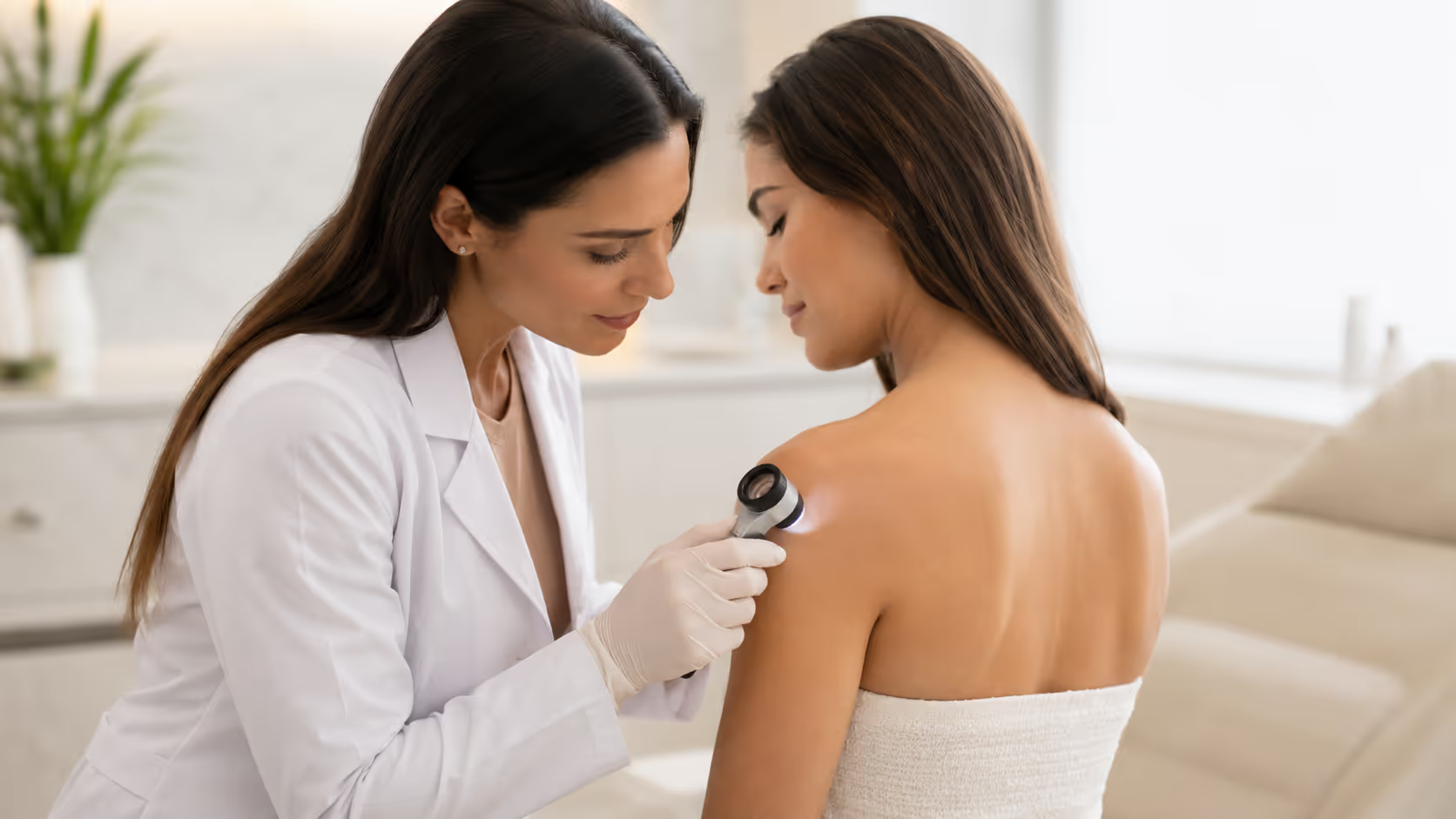
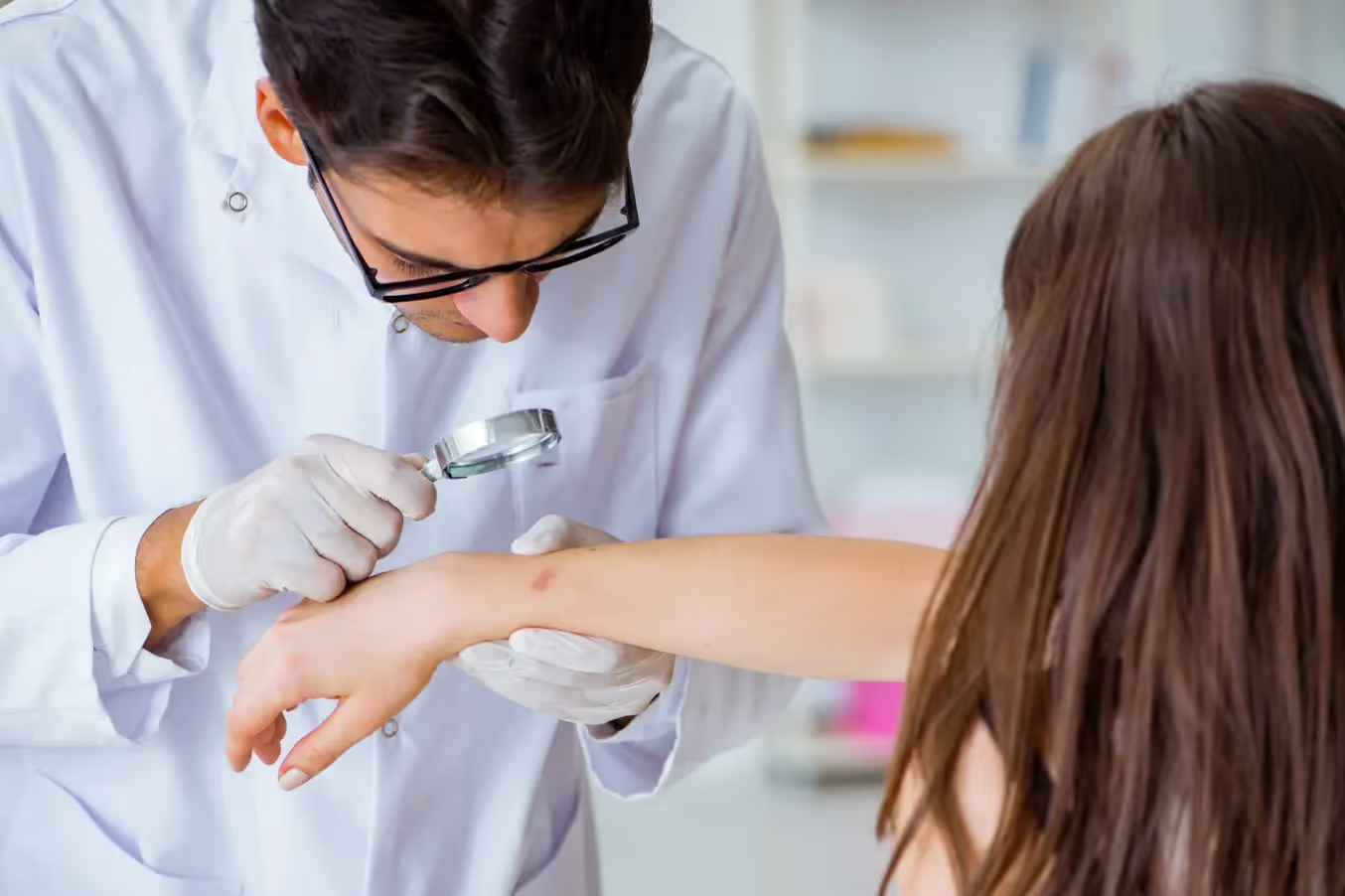
Successful laser hair removal across all skin types requires meticulous attention to treatment protocols and safety measures that are tailored to individual patient characteristics. The foundation of safe treatment begins with a comprehensive consultation and patch testing, particularly for patients with darker skin tones or those who have never undergone laser treatments. This preliminary phase allows practitioners to assess skin response and determine optimal treatment parameters before proceeding with full treatment sessions.
Pre-treatment preparation varies significantly based on skin type, with darker-skinned patients often requiring more extensive preparation protocols. Sun exposure must be avoided for several weeks before treatment, and some patients may benefit from pre-treatment with topical agents that can help optimize skin condition. The treatment area must be properly prepared, with hair trimmed to an appropriate length and skin thoroughly cleaned to ensure optimal laser penetration and reduce the risk of adverse reactions.
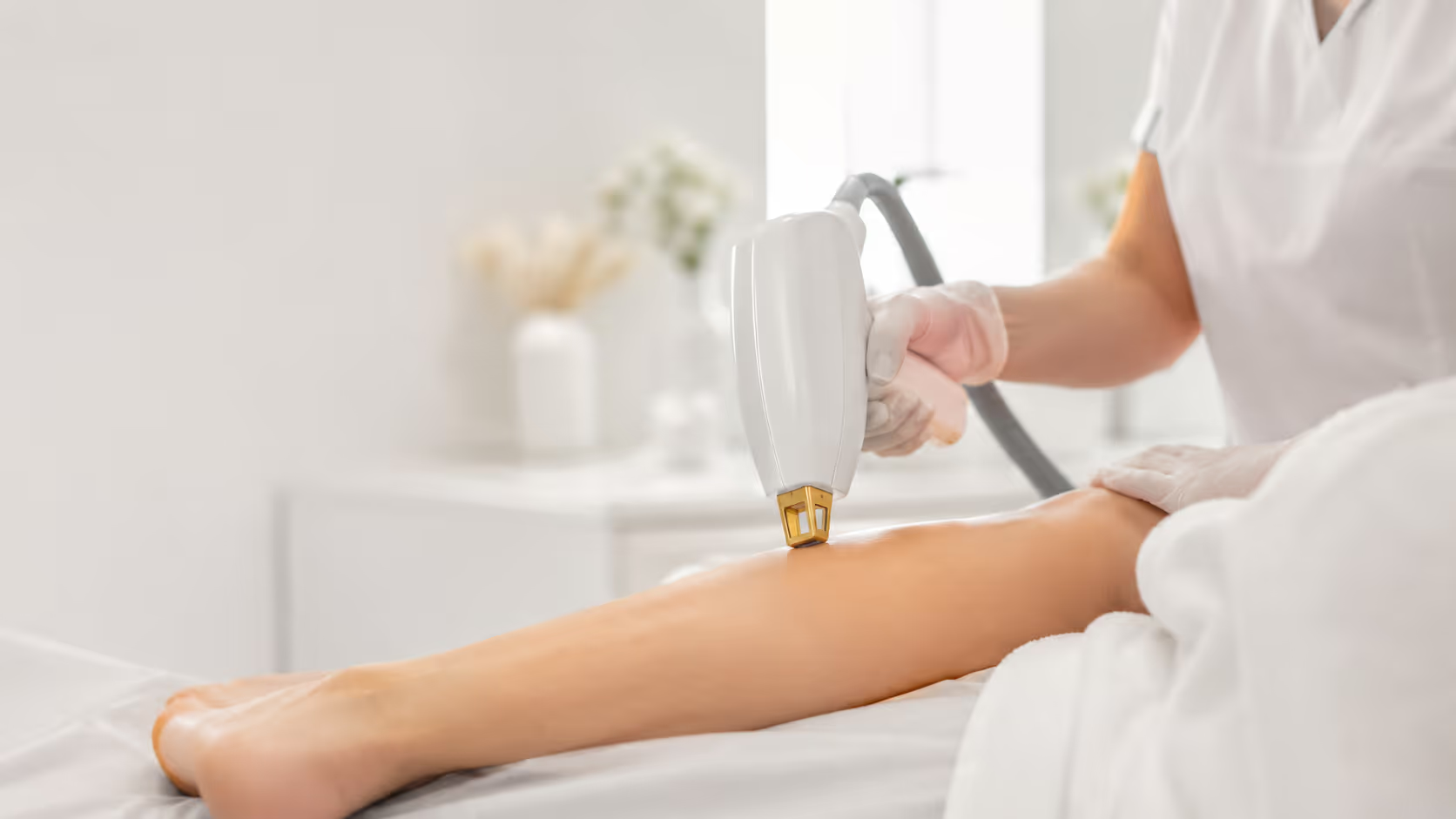
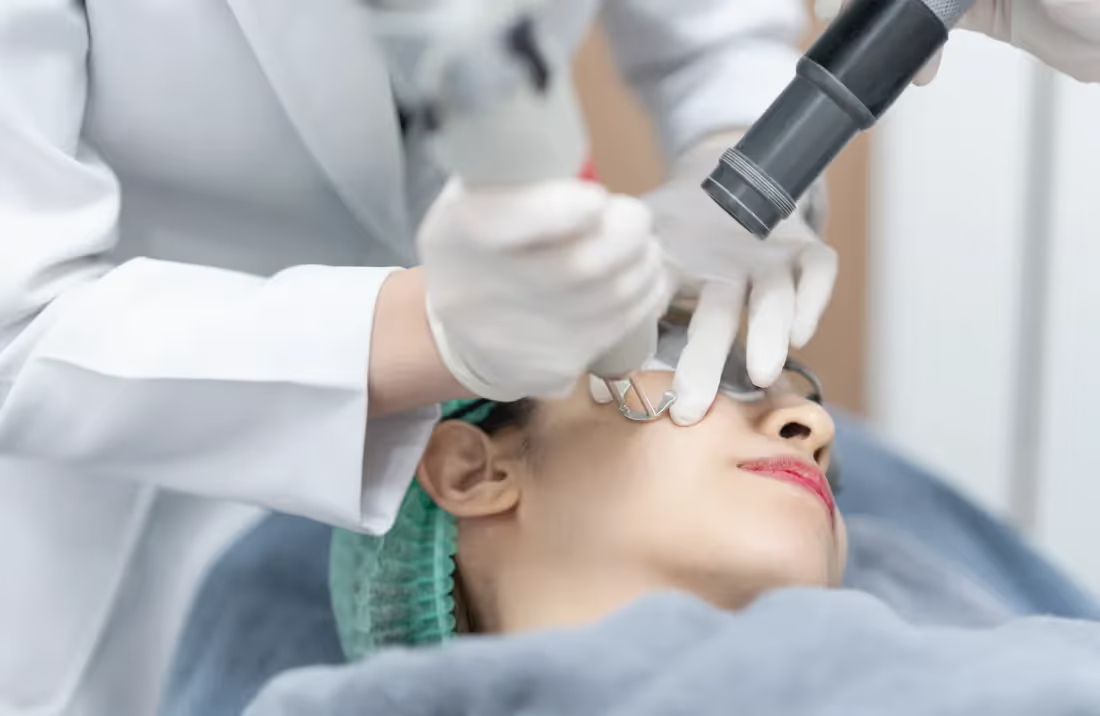
The actual treatment process involves careful monitoring of skin response throughout each session, with immediate adjustments made if any signs of adverse reaction occur. Advanced laser systems provide real-time feedback about skin temperature and response, allowing practitioners to maintain optimal treatment parameters while ensuring patient safety. Post-treatment care is equally important, with specific instructions tailored to skin type and individual healing characteristics.
Essential safety protocols for all skin types include:
- Comprehensive skin assessment: Detailed evaluation of skin type, medical history, and current medications
- Patch testing: Small test areas to evaluate skin response before full treatment
- Progressive energy increase: Gradual escalation of treatment intensity over multiple sessions
- Continuous monitoring: Real-time assessment of skin response during treatment
The importance of practitioner experience cannot be overstated when treating diverse skin types with laser hair removal. At Hazany Derm, the team's extensive experience with patients of all skin types has resulted in refined protocols that maximize safety while achieving excellent results. Dr. Salar Hazany's commitment to ongoing education and technology advancement ensures that patients receive treatment using the most current and effective methods available.
Follow-up care and monitoring are crucial components of successful laser hair removal treatment across all skin types. Patients are provided with detailed post-treatment instructions and scheduled for appropriate follow-up appointments to monitor healing and assess treatment progress. Any concerns or unusual reactions are addressed immediately, with treatment protocols adjusted as needed to ensure optimal outcomes while maintaining the highest safety standards.
Frequently Asked Questions
Is laser hair removal safe for Black skin?
Yes, laser hair removal is safe for Black skin when performed with appropriate technology and expertise. Dr. Salar Hazany uses advanced Nd:YAG lasers with 1064nm wavelengths specifically designed for darker skin tones. These longer wavelengths penetrate deeper while minimizing absorption by surface melanin, significantly reducing the risk of burns or pigmentation changes. The key is using proper energy settings, extended pulse durations, and enhanced cooling systems. While treatment may require more sessions compared to lighter skin, the results are equally effective. Proper pre-treatment preparation, including avoiding sun exposure and following specific skincare protocols, is essential for optimal outcomes and safety.
What laser works best for olive skin tones?
Olive skin tones typically respond well to both diode and Nd:YAG laser systems, depending on individual characteristics. Hazany Derm utilizes multiple laser technologies to match the optimal system to each patient's specific needs. Diode lasers at 810nm wavelength often work effectively for olive skin, while Nd:YAG lasers at 1064nm provide an extra safety margin for those with more pigmentation. The choice depends on factors like hair color, thickness, and exact skin tone. Treatment parameters are carefully adjusted with conservative energy settings initially, then gradually increased based on skin response. Enhanced cooling systems and longer pulse durations help protect the skin while effectively targeting hair follicles for optimal results.
Can very fair skin get laser hair removal?
Very fair skin is actually ideal for most laser hair removal systems, as the low melanin content reduces competition for laser energy absorption. However, the team at Hazany Derm recognizes that fair skin often comes with light-colored hair, which can be more challenging to treat effectively. Blonde, red, or gray hairs contain less melanin, making them less responsive to standard laser wavelengths. Success depends on hair characteristics rather than skin tone limitations. Multiple laser types may be utilized to find the most effective approach. While fair skin has lower risk of pigmentation changes, it can still be sensitive to treatment. Proper sun protection before and after treatments is crucial, as fair skin burns more easily and healing can be affected by UV exposure.
How many sessions are needed for different skin types?
Session requirements vary significantly based on skin type, hair characteristics, and treatment area, as Dr. Hazany explains to each patient during consultation. Lighter skin types with dark, coarse hair typically see results in 6-8 sessions, while darker skin types may require 8-12 sessions for optimal outcomes. The difference occurs because conservative energy settings used for darker skin necessitate more treatments to achieve the same follicle destruction. Hair color, thickness, and growth cycles also influence session numbers regardless of skin type. Hormonal factors, genetics, and treatment area location further impact requirements. Sessions are spaced 4-8 weeks apart depending on the body area and individual hair growth patterns. Maintenance sessions may be needed annually to address any new hair growth or hormonal changes over time.
What are the risks for darker skin types?
While modern laser technology has made treatment much safer, darker skin types still face specific risks that Hazany Derm specialists carefully manage through proper protocols. Primary concerns include hyperpigmentation (darkening of treated skin), hypopigmentation (lightening), and potential burns from excessive energy absorption. These risks are minimized using appropriate laser selection (typically Nd:YAG), conservative energy settings, and gradual parameter increases over multiple sessions. Proper pre-treatment preparation, including sun avoidance and specific skincare regimens, significantly reduces complications. Post-treatment care is crucial, with strict sun protection and gentle skincare routines. Most side effects are temporary when treatments are performed correctly. The expertise of the practitioner and proper patient selection are the most important factors in minimizing risks while achieving effective hair reduction results.
Does hair color matter for laser effectiveness?
Hair color significantly impacts laser hair removal effectiveness across all skin types, as Dr. Salar Hazany explains during patient consultations. Dark, coarse hair contains the most melanin and responds best to laser treatment, while light-colored hair (blonde, red, gray, or white) contains minimal melanin and is much more challenging to treat effectively. The laser targets melanin in hair follicles, so insufficient pigment reduces treatment success regardless of skin type. Brown and black hair typically achieve 80-95% reduction, while blonde or red hair may only achieve 50-70% reduction with significantly more sessions required. Recent technological advances have improved outcomes for lighter hair, but realistic expectations are important. Combination approaches or alternative treatments may be recommended for very light hair colors to achieve desired results.
What should I expect during my first consultation?
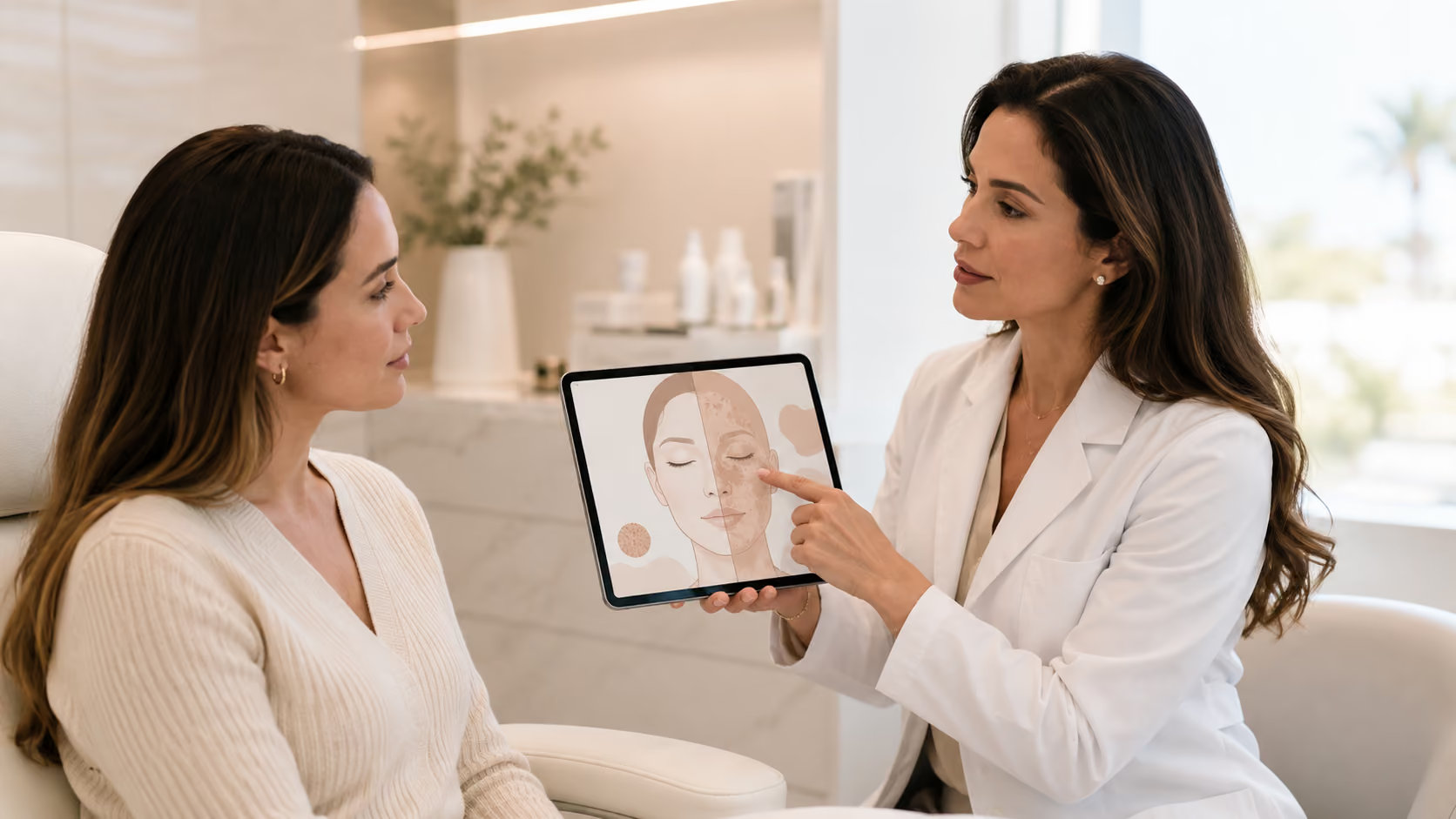
Your first consultation at Hazany Derm clinic involves a comprehensive evaluation to determine the best treatment approach for your specific skin type and goals. The assessment includes detailed skin type classification using the Fitzpatrick Scale, examination of hair characteristics in treatment areas, and medical history review including medications and previous treatments. Patch testing may be performed to evaluate your skin's response to laser energy. Treatment expectations, session requirements, and potential risks are thoroughly discussed based on your individual characteristics. Pre-treatment and post-treatment care instructions are provided, along with detailed cost information and scheduling options. Before-and-after photos of similar cases may be shown to set realistic expectations. This thorough evaluation ensures you receive the safest, most effective treatment protocol tailored specifically to your skin type and hair characteristics.
Are there any skin conditions that prevent laser hair removal?
Several skin conditions may contraindicate or require special consideration for laser hair removal, as evaluated by the experts at Hazany Derm during consultation. Active skin infections, open wounds, or inflammatory conditions in treatment areas typically require healing before proceeding. Certain autoimmune conditions affecting skin healing may increase complication risks. Medications that increase photosensitivity can make laser treatment dangerous and may require discontinuation before treatment. Recent sun exposure, active tanning, or sunburn must resolve completely before safe treatment. Pregnancy is generally avoided as a precautionary measure, though no direct risks are established. Keloid scarring tendency requires careful evaluation and may influence treatment decisions. Most conditions can be managed through proper timing, preparation, or protocol modifications. A thorough medical evaluation ensures safe treatment while identifying any factors that might affect healing or results.