




%201.avif)



What Increases the Risk of Developing Skin Cancer?



Skin cancer risk increases with UV exposure, fair skin, family history, age, and certain environmental factors. Understanding these risks helps with prevention and early detection. Hazany Derm provides comprehensive skin cancer screening and prevention guidance for optimal skin health protection.
Skin cancer represents one of the most common forms of cancer worldwide, affecting millions of people annually. Understanding the factors that increase your risk of developing this potentially serious condition is crucial for prevention and early detection. While some risk factors cannot be changed, many others can be managed through lifestyle modifications and protective measures.
The development of skin cancer occurs when DNA damage accumulates in skin cells, typically from ultraviolet radiation exposure. This damage can cause cells to grow uncontrollably, forming malignant tumors. At Hazany Derm, we emphasize the importance of recognizing these risk factors to help patients make informed decisions about their skin health. Knowledge of personal risk factors enables individuals to take appropriate preventive measures and seek regular professional skin examinations.
Environmental factors, genetic predisposition, and personal characteristics all contribute to skin cancer risk. Some individuals may have multiple risk factors, while others may develop skin cancer with minimal known risk exposure. The interplay between these various factors makes it essential to understand the complete picture of skin cancer risk. Professional dermatological assessment can help determine individual risk levels and appropriate monitoring schedules.
What Increases Skin Cancer Risk the Most?
Ultraviolet radiation is the biggest driver of skin cancer risk — from sun exposure and tanning beds alike. Risk climbs further with fair skin, a history of sunburns (especially in childhood), a family history of skin cancer, a weakened immune system, age over 50, and precancerous spots like actinic keratoses. UV exposure is also the most controllable factor on the list.
Environmental and Lifestyle Risk Factors
Environmental exposure represents the most significant controllable risk factor for skin cancer development. Ultraviolet radiation from the sun and artificial sources causes cumulative DNA damage over time. This damage often occurs gradually, making the effects invisible until significant harm has already occurred. Understanding these environmental threats allows individuals to take protective action before irreversible damage occurs.
Sun exposure during peak hours between 10 AM and 4 PM poses the greatest risk for skin damage. Geographic location also influences exposure levels, with areas closer to the equator receiving more intense UV radiation year-round. Altitude increases UV exposure risk, as thinner atmosphere provides less natural protection. Reflective surfaces like water, snow, and sand can intensify UV exposure by bouncing radiation back toward the skin.
Occupational and recreational activities significantly impact cumulative UV exposure throughout life. Outdoor workers face elevated risks due to prolonged daily sun exposure over many years. Weekend warriors who experience intense, intermittent sun exposure during recreational activities also face increased skin cancer risk. The pattern of exposure, whether chronic or intermittent, influences the types of skin cancer that may develop.
- • Chronic sun exposure: Gradual, daily exposure leading to cumulative DNA damage and increased squamous cell carcinoma risk
- • Intermittent intense exposure: Sporadic, severe sunburns particularly increasing melanoma risk in later life
- • Artificial UV sources: Tanning beds and sun lamps providing concentrated radiation exposure in short timeframes
- • Occupational exposure: Jobs requiring extended outdoor work without adequate sun protection measures
Tanning bed use represents a particularly concerning risk factor for skin cancer development. The concentrated UV radiation from artificial tanning sources can be more intense than natural sunlight. First-time tanning bed use before age 35 increases melanoma risk by 75 percent according to research studies. Dr. Salar Hazany and dermatologists worldwide strongly discourage recreational tanning bed use due to these significant health risks.
Previous sunburn history, especially severe burns during childhood and adolescence, creates lasting skin cancer risk. The skin remembers every burn throughout life, with DNA damage accumulating over decades. Even individuals who later avoid sun exposure may develop skin cancer from childhood sun damage. This delayed effect makes childhood sun protection particularly important for lifelong skin health.
Genetic and Physical Risk Factors
Genetic factors play a crucial role in determining individual skin cancer susceptibility. Family history of skin cancer significantly increases personal risk, particularly for melanoma development. Inherited genetic mutations can predispose individuals to various forms of skin cancer throughout their lifetime. Understanding family history helps healthcare providers at Hazany Derm assess appropriate screening schedules and prevention strategies.
Skin type and complexion directly correlate with skin cancer risk levels. Fair-skinned individuals with light hair and eye colors face higher risks due to lower melanin production. Melanin provides natural protection against UV radiation damage. Individuals who burn easily and tan poorly have increased vulnerability to all forms of skin cancer.
Age represents an unavoidable risk factor, with skin cancer incidence increasing significantly after age 50. Cumulative sun exposure over decades contributes to this age-related risk increase. However, younger individuals are not immune, particularly those with significant UV exposure or genetic predisposition. The increasing incidence of skin cancer in younger populations highlights the importance of early prevention efforts.
- • Fair complexion: Light skin tones with minimal natural melanin protection against UV radiation damage
- • Light-colored eyes: Blue, green, or hazel eyes often associated with increased skin cancer susceptibility
- • Red or blonde hair: Natural hair colors frequently linked with fair skin and higher cancer risk
• Family history: Genetic predisposition passed through family lines increasing individual cancer risk
Certain medical conditions and treatments can increase skin cancer risk through various mechanisms. Immunosuppressive medications used after organ transplantation significantly elevate skin cancer risk. Autoimmune conditions requiring long-term immunosuppressive therapy also increase vulnerability. Previous radiation treatment for other cancers can predispose treated areas to subsequent skin cancer development.
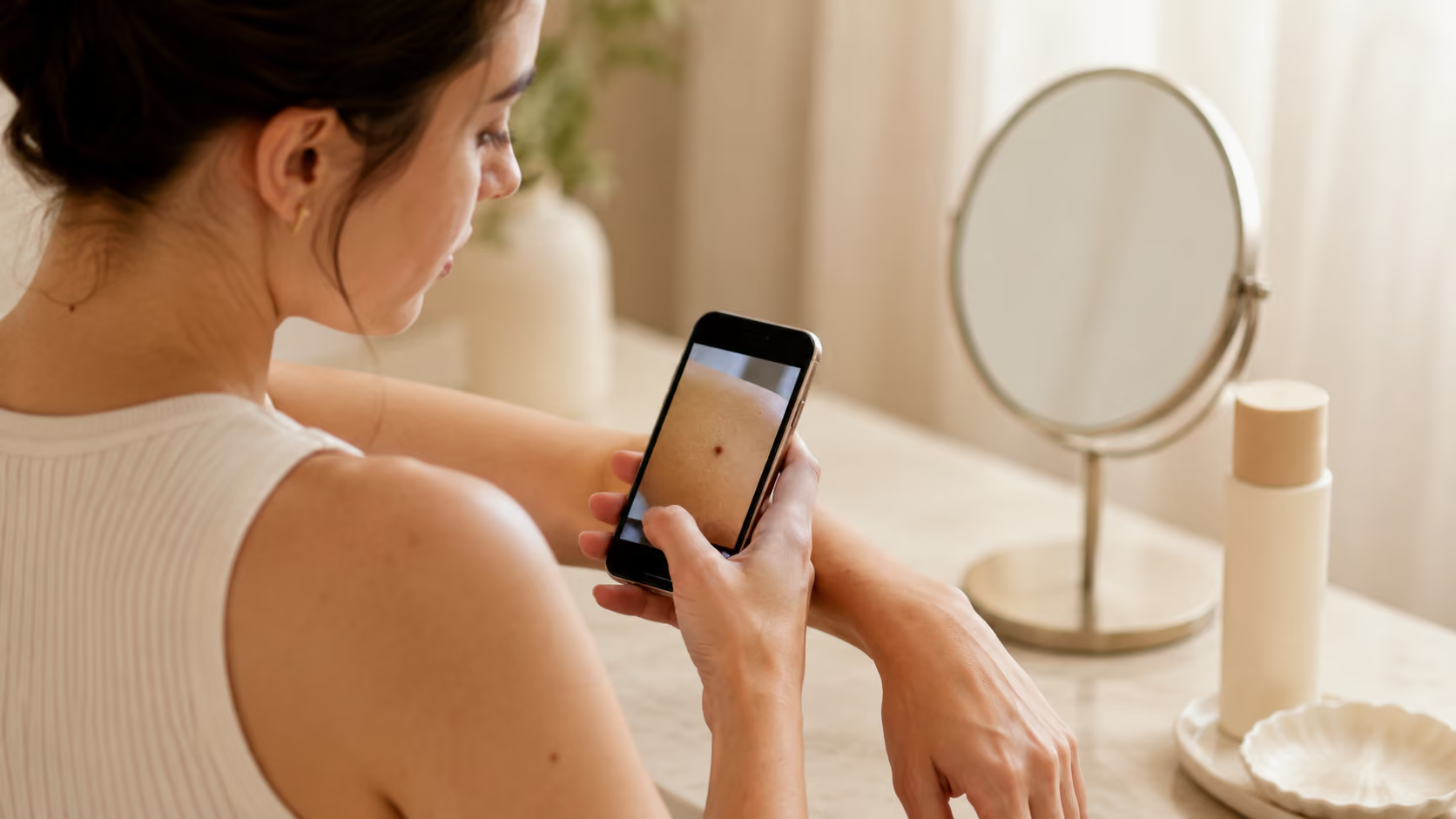
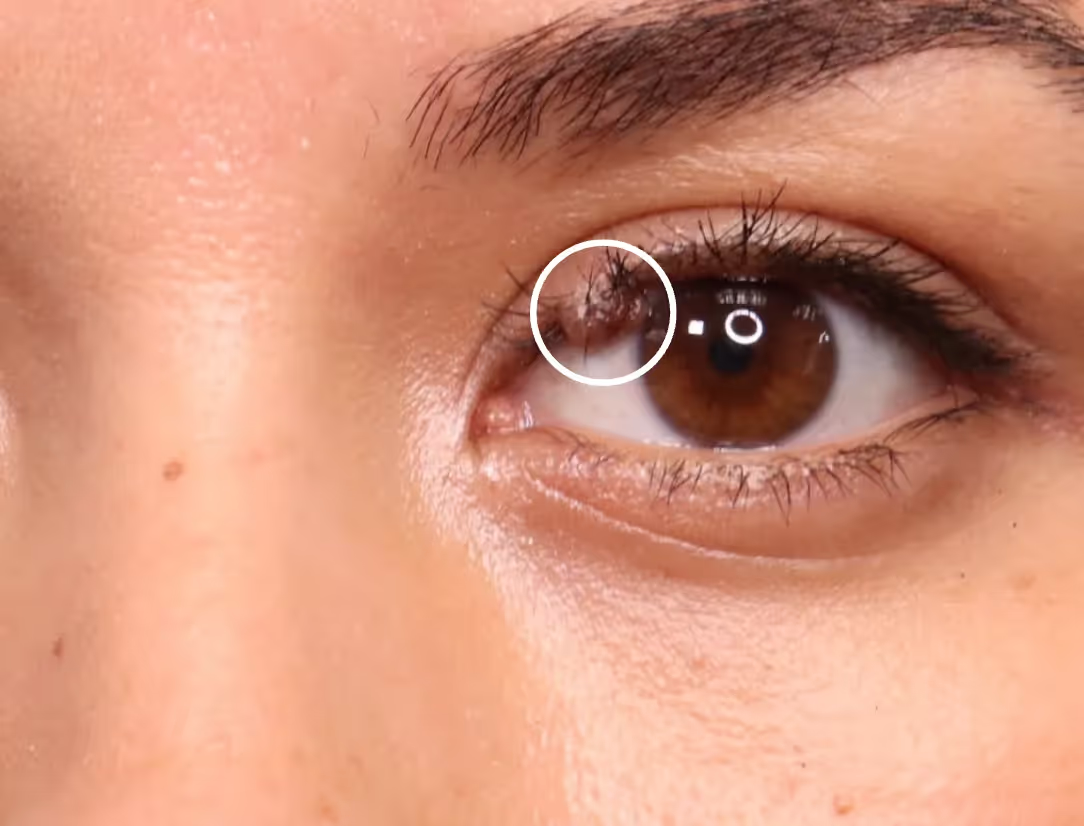
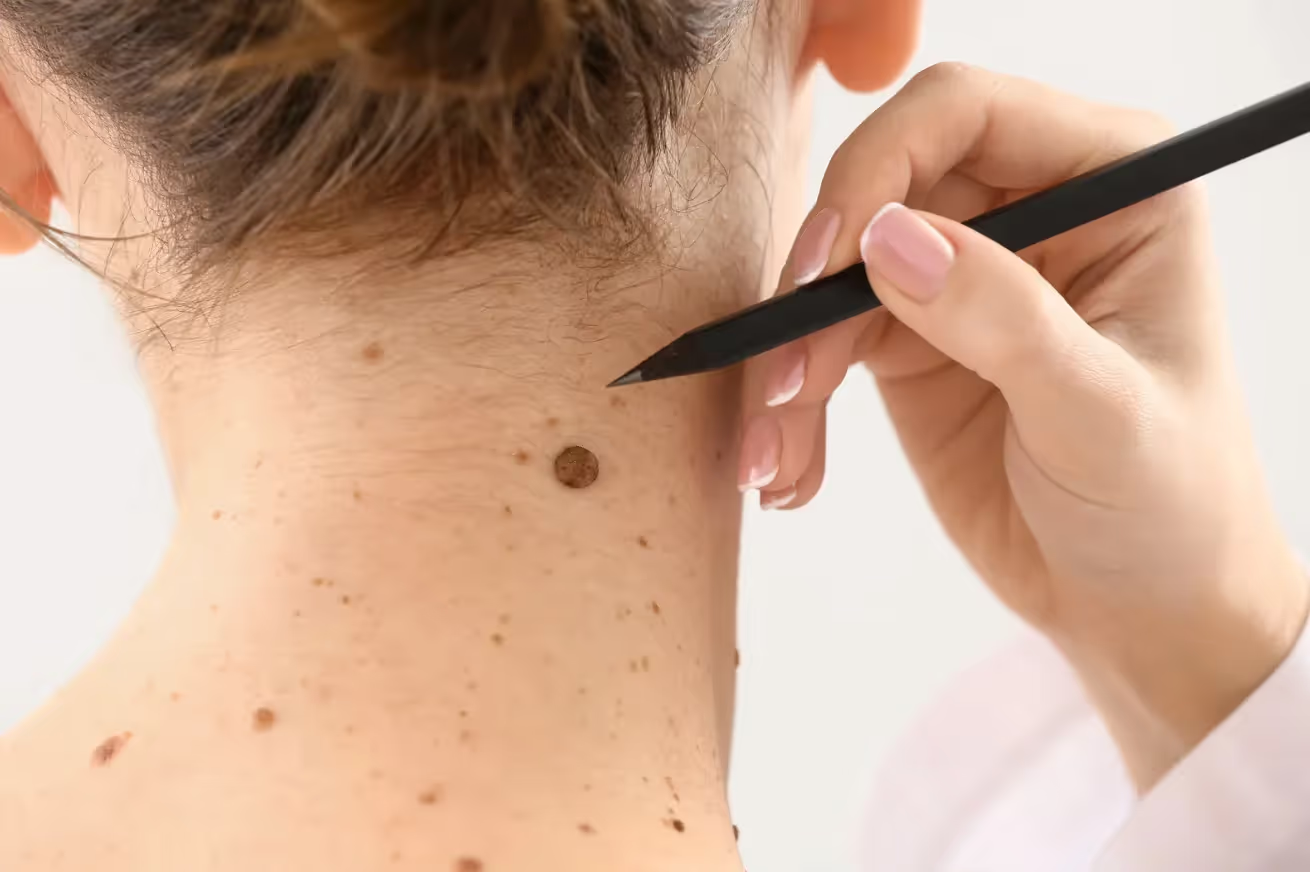
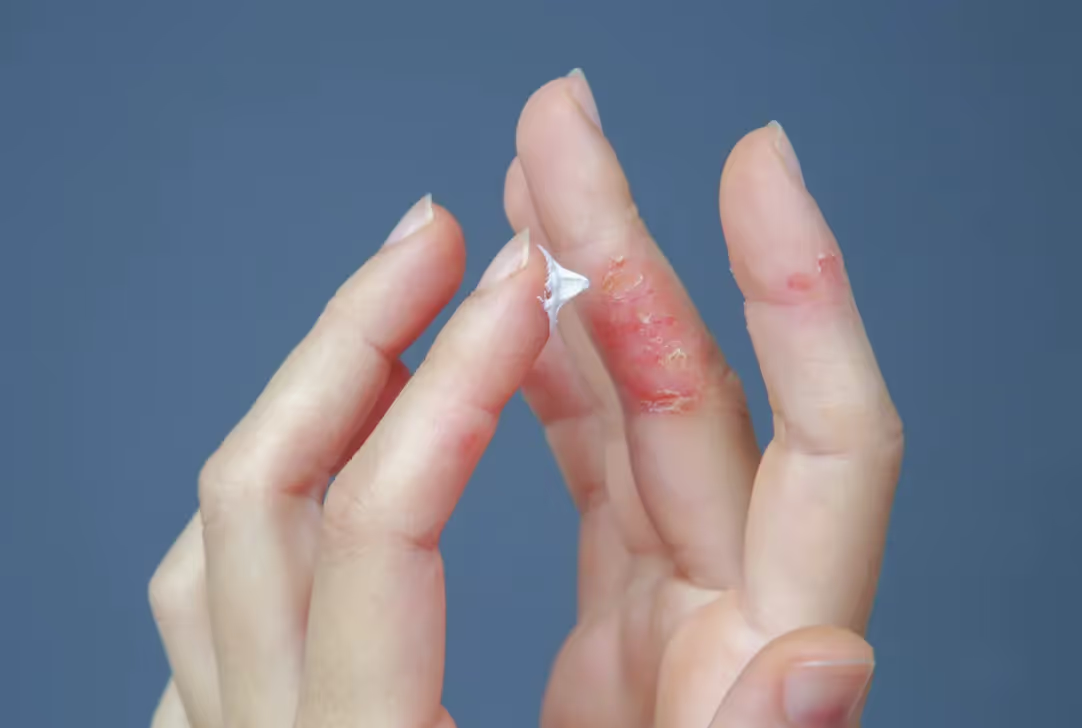
Precancerous skin conditions serve as warning signs for potential skin cancer development. Actinic keratoses, rough scaly patches typically found on sun-exposed areas, can progress to squamous cell carcinoma. Large numbers of moles, particularly atypical moles, increase melanoma risk. Regular professional monitoring of these precancerous conditions helps prevent progression to invasive cancer.
Can acne cause skin cancer?
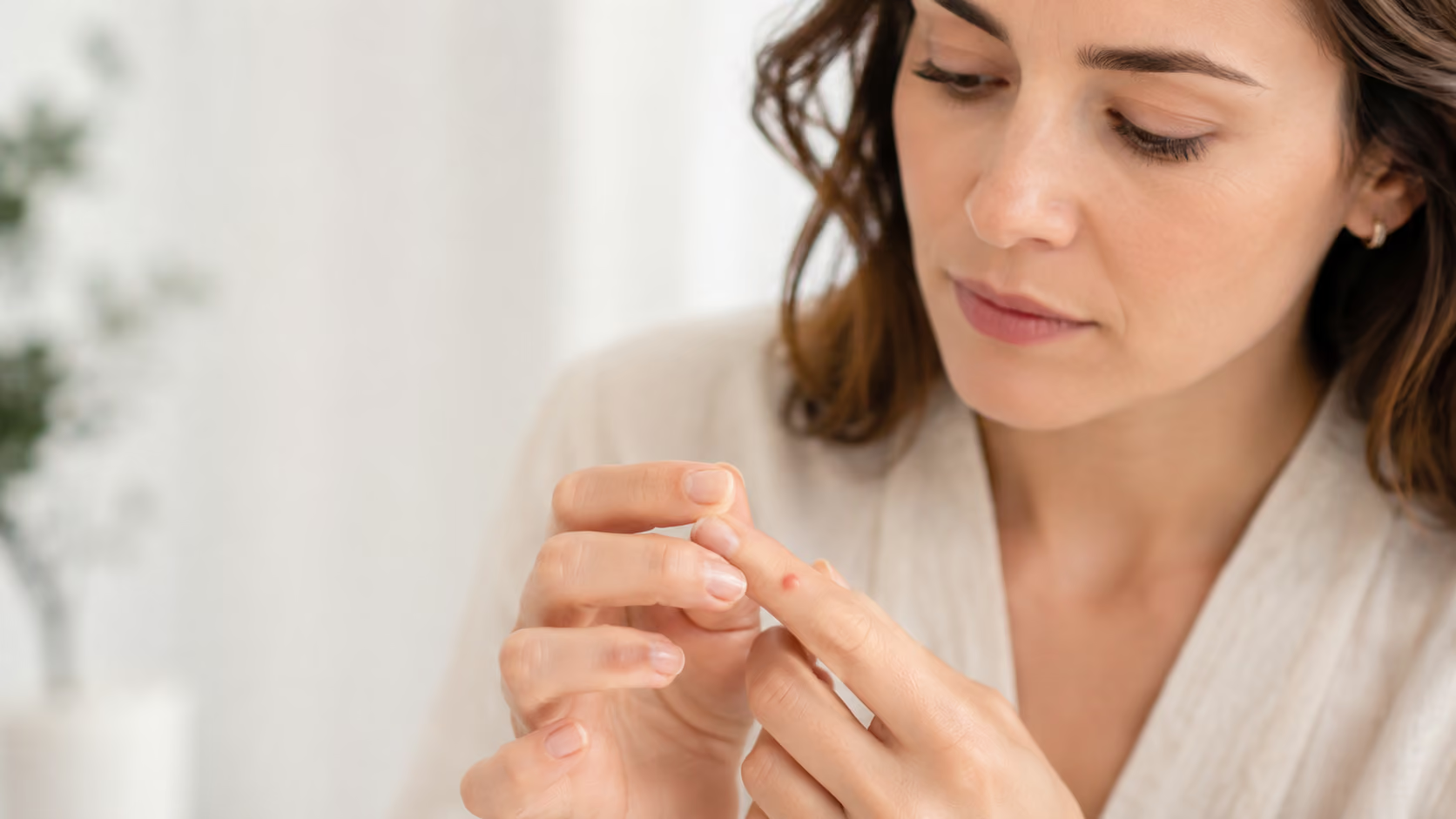
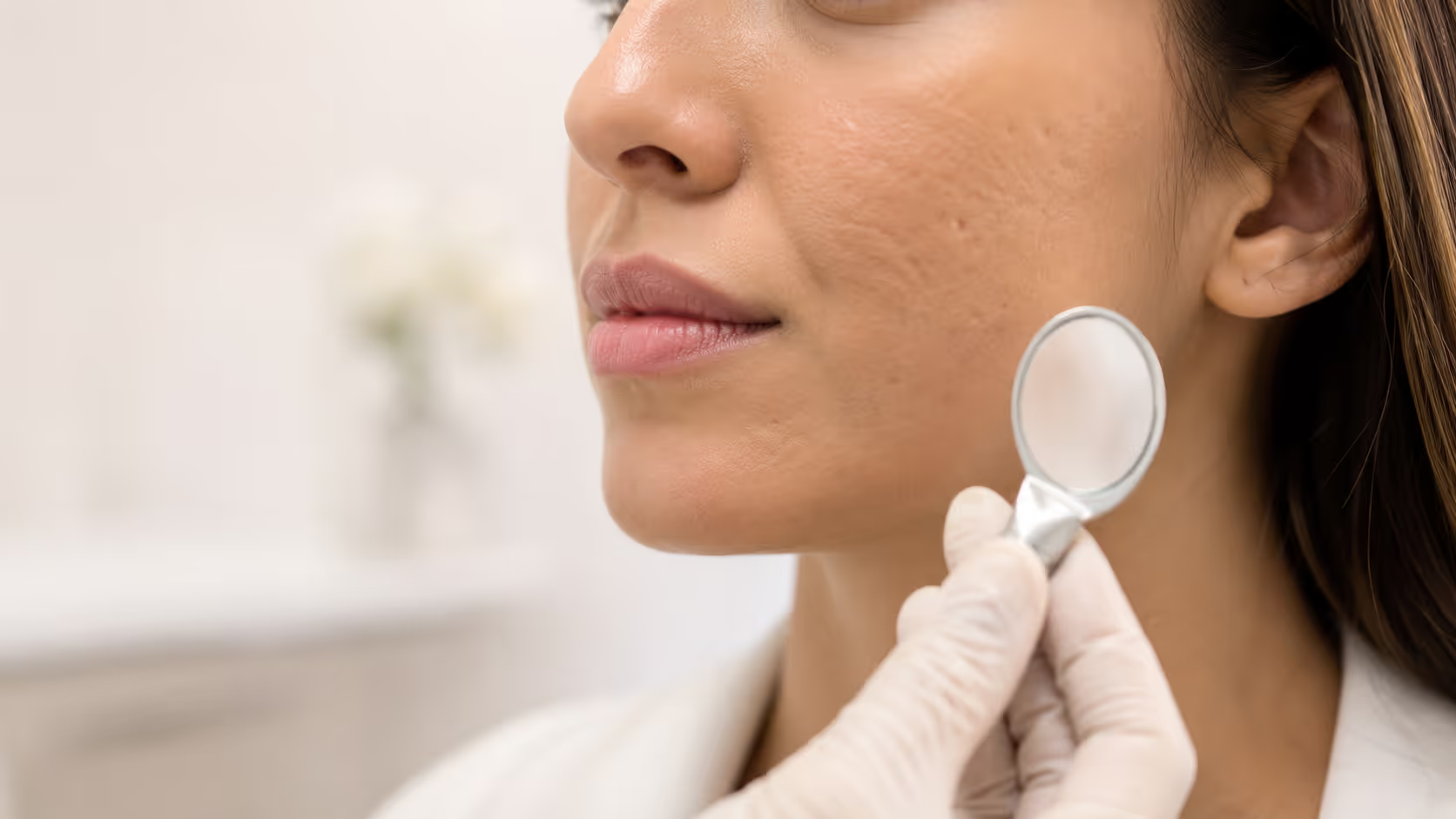
No — acne doesn't cause skin cancer, and acne-prone skin doesn't raise your risk. The two are unrelated processes: acne is inflammation of oil glands and follicles, while skin cancer comes from UV-driven DNA damage. One caution: a spot that looks like a pimple but doesn't heal within a few weeks should be checked, since some skin cancers mimic blemishes.
Do scars increase skin cancer risk?
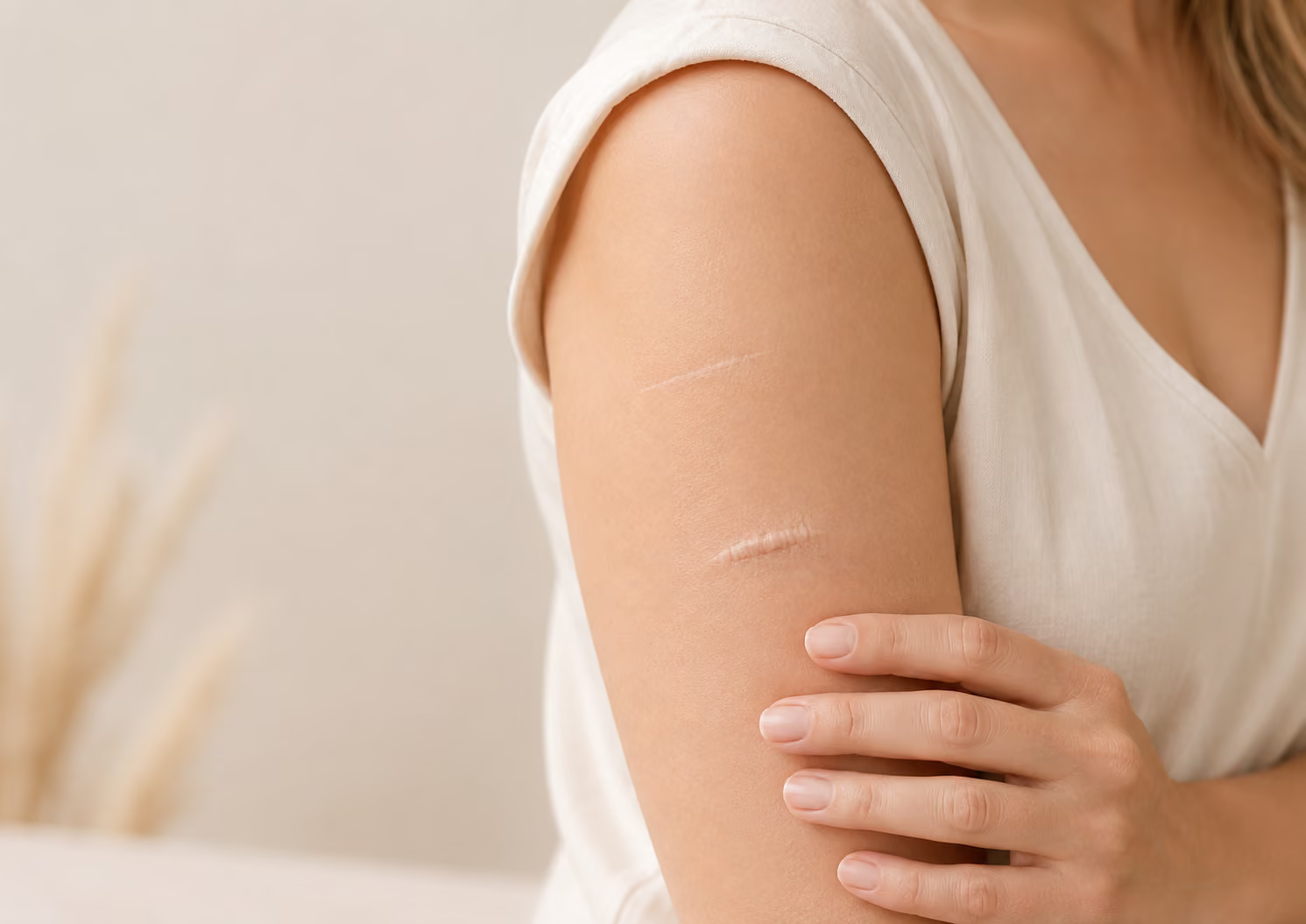
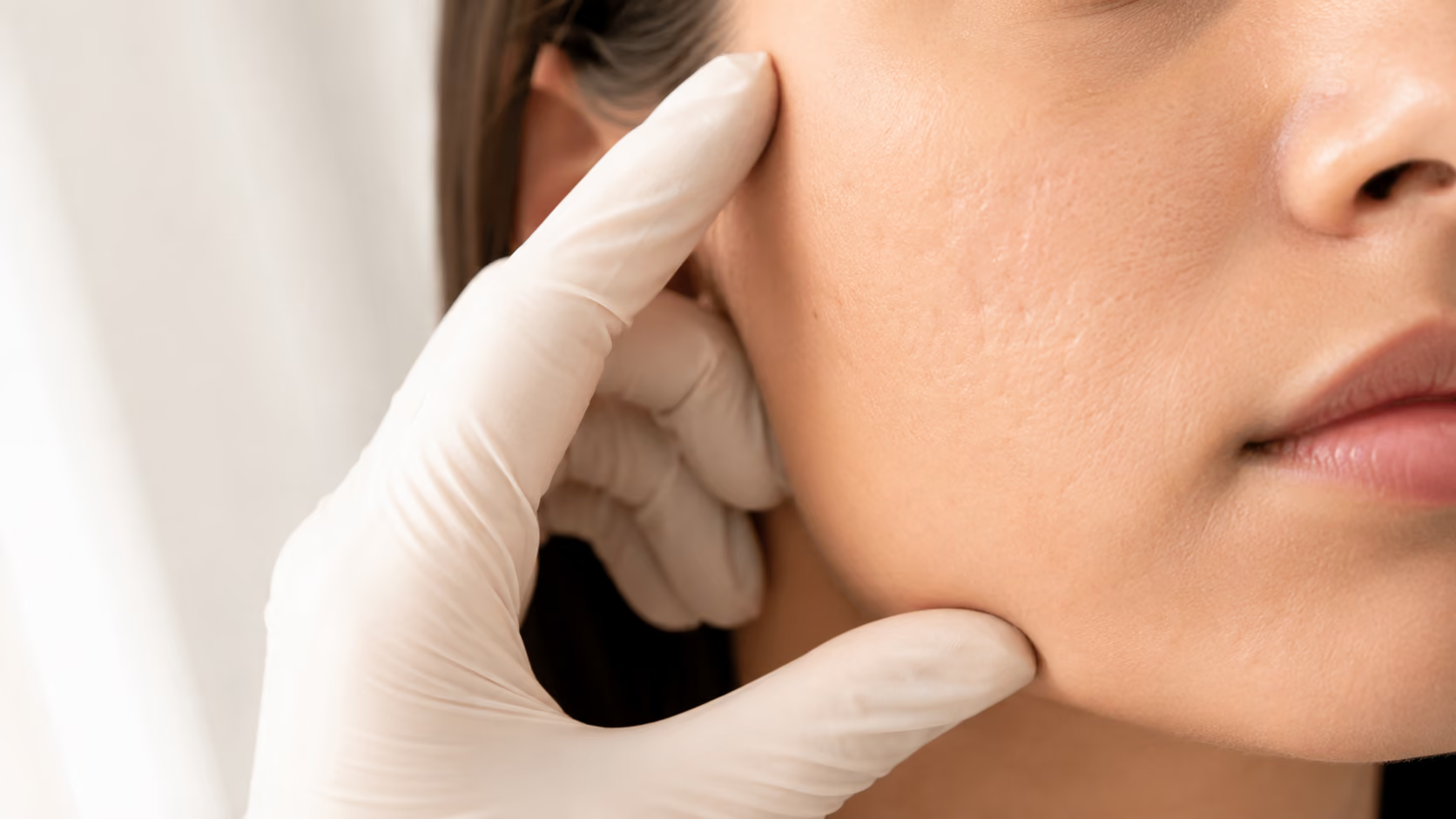
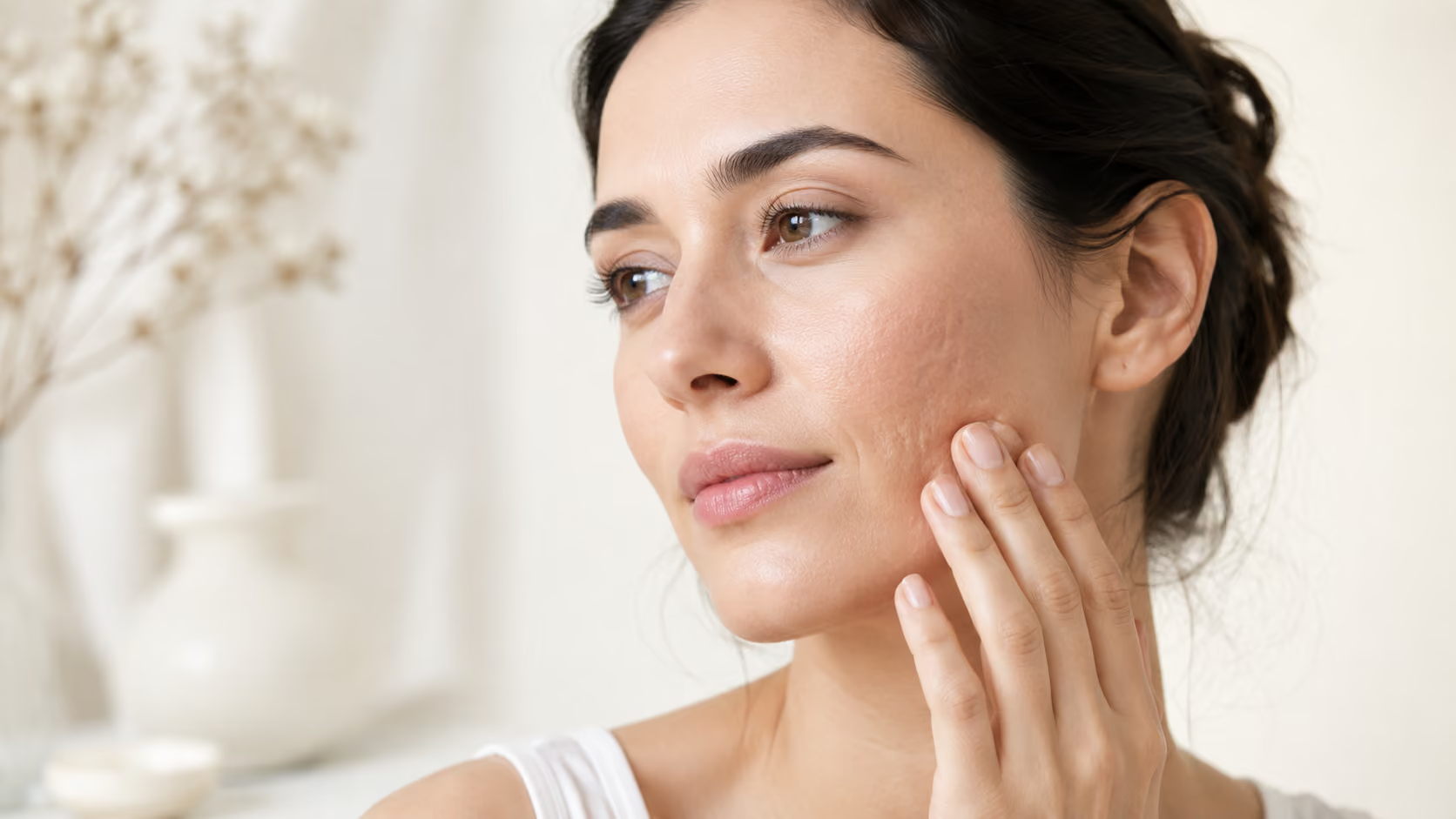
Ordinary healed scars carry essentially no added cancer risk. The rare exception involves chronic wounds and old burn scars, where long-standing tissue damage can occasionally give rise to squamous cell carcinoma. Any scar that starts growing, ulcerating, or refusing to heal deserves prompt evaluation.
Prevention and Risk Reduction Strategies
Effective skin cancer prevention requires a comprehensive approach addressing modifiable risk factors. Sun protection represents the cornerstone of prevention, involving multiple strategies used consistently over time. Behavioral changes can significantly reduce skin cancer risk even for individuals with genetic predisposition. The team at Hazany Derm emphasizes that prevention efforts are worthwhile at any age and can prevent future skin cancer development.
Daily sunscreen application with broad-spectrum SPF 30 or higher provides essential protection against harmful UV radiation. Sunscreen should be applied generously and reapplied every two hours or after swimming and sweating. Many people apply insufficient amounts of sunscreen, reducing its effectiveness significantly. Proper application techniques and product selection ensure optimal protection throughout daily activities.
Protective clothing and accessories offer additional layers of defense against UV exposure. Wide-brimmed hats protect the face, ears, and neck from direct sunlight. UV-protective clothing with tight weaves provides reliable coverage for extended outdoor activities. Wraparound sunglasses protect the delicate skin around the eyes and reduce cancer risk in these vulnerable areas.
- • Broad-spectrum sunscreen: Protection against both UVA and UVB radiation applied generously and frequently
- • Protective clothing: Long sleeves, pants, and wide-brimmed hats creating physical barriers against UV radiation
- • Shade seeking: Avoiding direct sun exposure during peak hours and utilizing natural or artificial shade
- • Regular skin examinations: Professional and self-examinations enabling early detection and treatment of suspicious changes
Lifestyle modifications can further reduce skin cancer risk while promoting overall health. Avoiding tanning beds eliminates a significant source of concentrated UV exposure. Limiting peak-hour sun exposure during recreational activities reduces cumulative radiation damage. Maintaining adequate hydration and nutrition supports skin health and natural repair mechanisms.
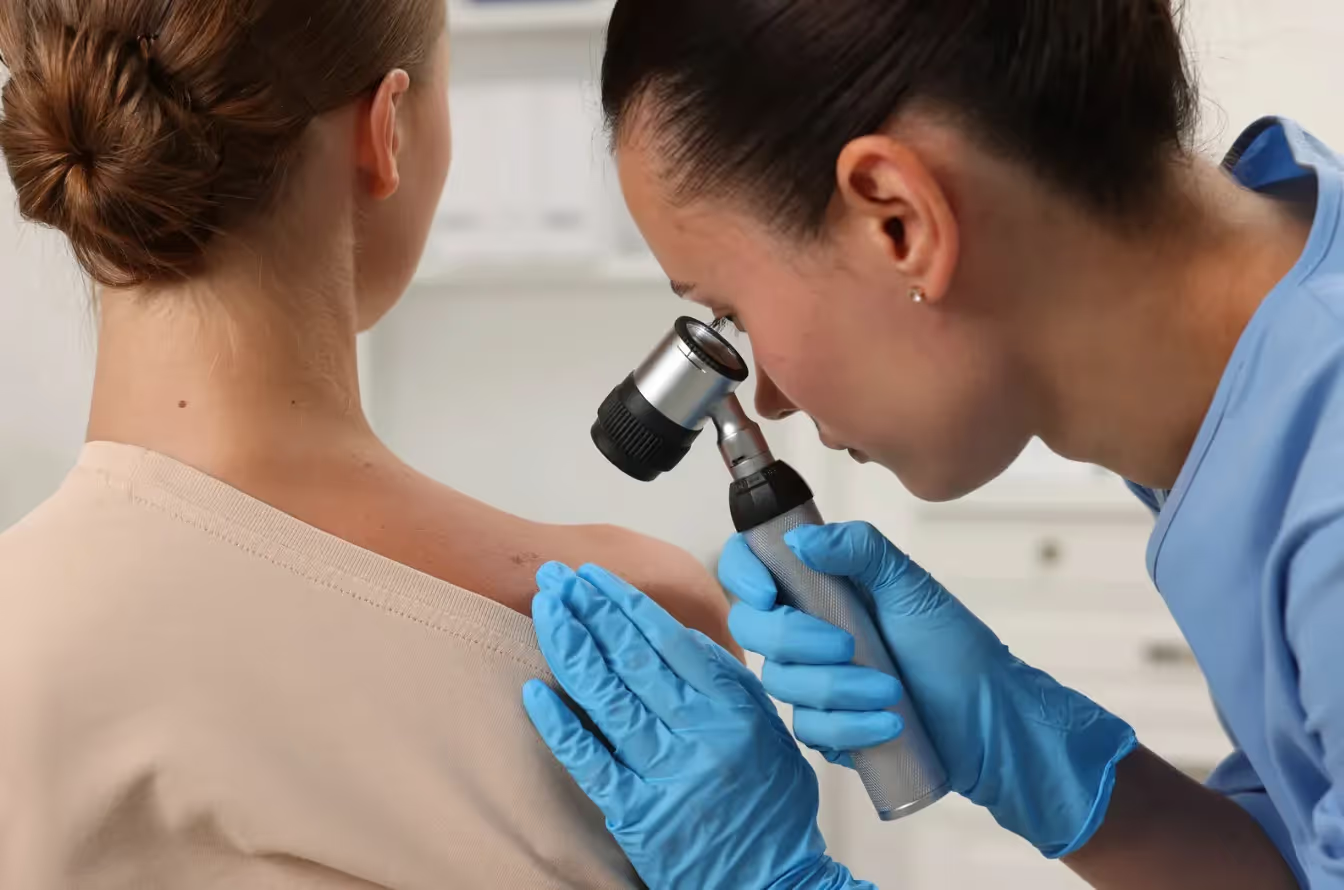
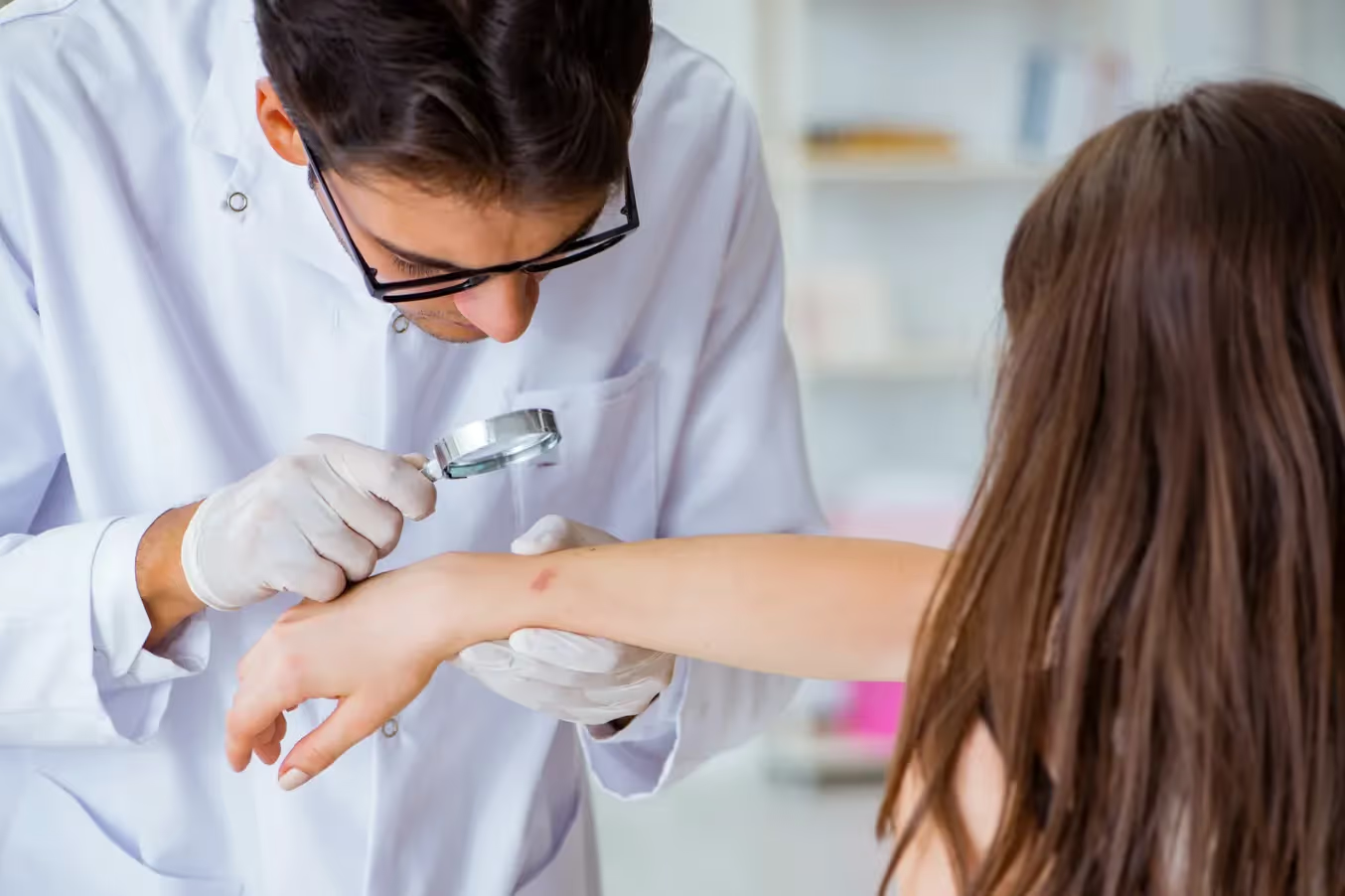
Regular dermatological examinations enable early detection when skin cancers are most treatable. Professional skin examinations can identify suspicious changes that individuals might miss during self-examinations. Early detection significantly improves treatment outcomes and reduces the need for extensive surgical procedures. Hazany Derm provides comprehensive skin cancer screenings tailored to individual risk factors and family history, ensuring optimal monitoring and early intervention when necessary.
Skin Cancer Screening in Beverly Hills
Knowing your risk factors is step one; acting on them is step two. Schedule a skin cancer screening with Dr. Salar Hazany in Beverly Hills — a board-certified dermatologist and fellowship-trained Mohs surgeon — and get a monitoring plan matched to your actual risk profile.
Frequently Asked Questions
What are the main risk factors for developing skin cancer?
The primary risk factors for skin cancer include excessive UV exposure from sun or tanning beds, fair skin complexion, family history of skin cancer, advanced age, and weakened immune system. Geographic location, occupational sun exposure, and history of severe sunburns also significantly increase risk. Personal characteristics like light-colored eyes, red or blonde hair, and numerous moles contribute to elevated susceptibility. Dr. Salar Hazany emphasizes that understanding these risk factors helps patients take appropriate preventive measures and schedule regular screenings based on their individual risk profile for optimal skin health protection.
How does sun exposure increase skin cancer risk?
Sun exposure damages skin cell DNA through ultraviolet radiation, causing mutations that can lead to cancerous growth. Both chronic daily exposure and intermittent intense exposure contribute to different types of skin cancer development. Childhood sunburns create lasting damage that may manifest as cancer decades later. Peak-hour exposure between 10 AM and 4 PM poses the greatest risk due to intense radiation levels. Hazany Derm educates patients about cumulative UV damage effects, emphasizing that skin remembers every exposure throughout life, making consistent sun protection essential for preventing future skin cancer development.
Does family history affect skin cancer risk?
Family history significantly increases skin cancer risk, particularly for melanoma, due to inherited genetic mutations and shared environmental factors. Having a first-degree relative with skin cancer doubles an individual's risk of developing the disease. Certain genetic syndromes predispose families to multiple skin cancers throughout their lifetime. Environmental factors like family sun exposure habits during childhood also contribute to familial risk patterns. The team at Hazany Derm carefully evaluates family history during consultations to determine appropriate screening frequencies and prevention strategies, ensuring high-risk individuals receive comprehensive monitoring and early detection services.
Are certain skin types more prone to skin cancer?
Fair-skinned individuals face significantly higher skin cancer risk due to lower melanin production, which provides natural UV protection. People with light-colored eyes, red or blonde hair, and those who burn easily have increased susceptibility to all skin cancer types. Skin that tans poorly or freckling indicates higher vulnerability to radiation damage. However, darker skin types are not immune and can develop skin cancer, particularly in areas with less pigmentation. Dr. Hazany assesses individual skin characteristics to determine personalized risk levels and recommend appropriate protection measures based on natural skin pigmentation and sun sensitivity factors.
How do age and gender influence skin cancer risk?
Skin cancer incidence increases significantly with age due to cumulative sun exposure and decreased DNA repair capacity over time. Most skin cancers develop after age 50, though younger individuals with high UV exposure or genetic predisposition remain at risk. Men traditionally show higher skin cancer rates, possibly due to occupational exposure and less consistent sunscreen use. However, melanoma rates among young women have increased, likely related to tanning bed use. Hazany Derm specialists emphasize that prevention efforts benefit all ages and genders, with tailored approaches addressing specific risk factors and lifestyle patterns.
Can medical conditions increase skin cancer risk?
Several medical conditions and treatments significantly elevate skin cancer risk through immune system suppression or increased photosensitivity. Organ transplant recipients taking immunosuppressive medications face 20-100 times higher skin cancer risk than the general population. Autoimmune conditions requiring long-term immunosuppressive therapy also increase vulnerability. Previous radiation treatment creates localized cancer risk in treated areas. Certain genetic disorders predispose individuals to multiple skin cancers throughout life. Dr. Salar Hazany carefully monitors high-risk patients with medical conditions, providing frequent examinations and aggressive prevention strategies to detect and prevent skin cancer development.
What role do moles play in skin cancer risk?
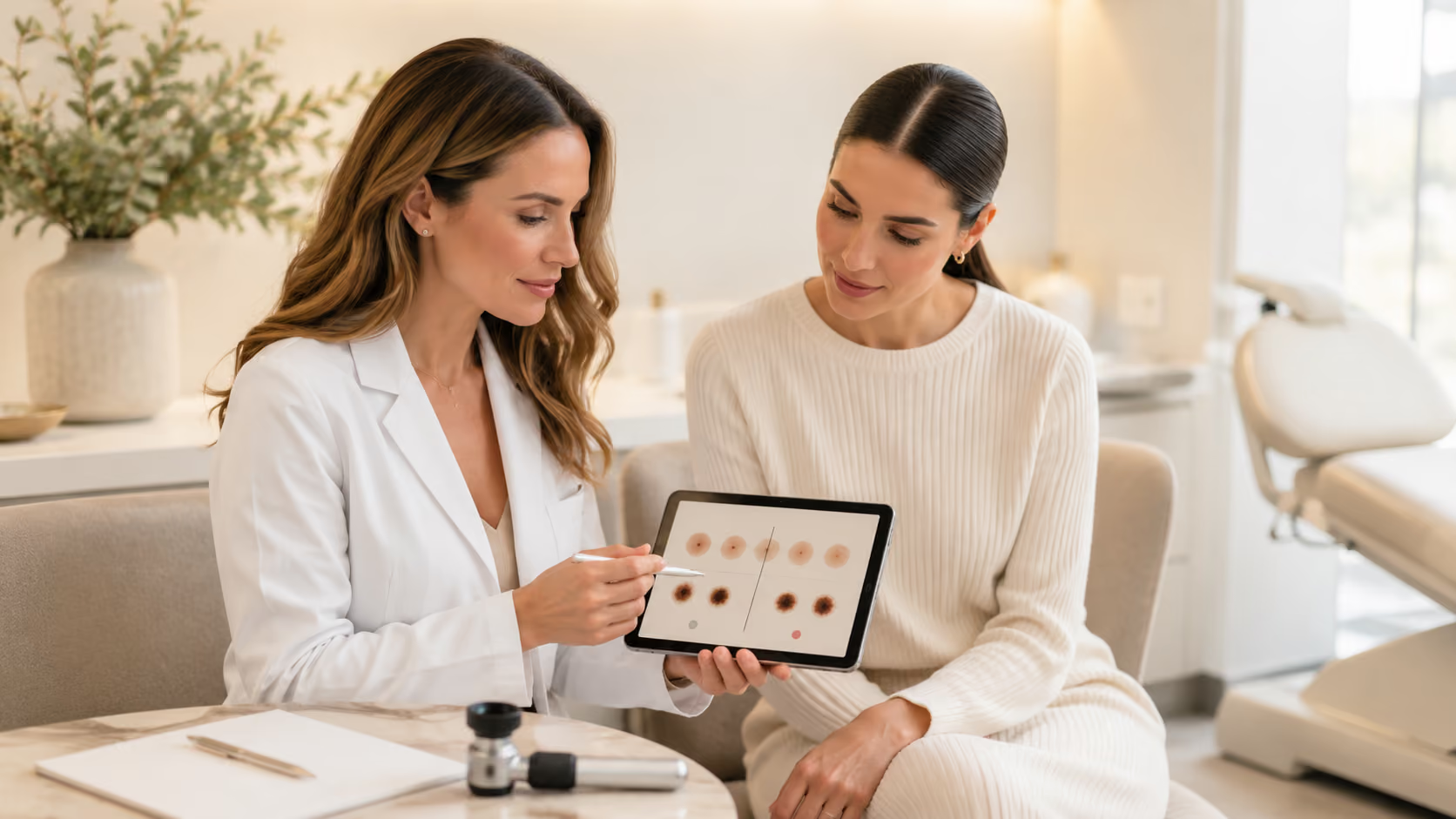
Large numbers of moles, particularly atypical or dysplastic moles, significantly increase melanoma risk due to their potential for malignant transformation. Individuals with more than 50 moles face elevated skin cancer risk throughout their lifetime. Atypical moles serve as both melanoma precursors and markers for increased genetic susceptibility. Changing moles require immediate professional evaluation using the ABCDE criteria: asymmetry, border irregularity, color variation, diameter changes, and evolution. Hazany Derm clinic provides comprehensive mole mapping and monitoring services, utilizing advanced imaging technology to track changes over time and detect suspicious developments early when treatment outcomes are most favorable.
How effective are prevention strategies in reducing skin cancer risk?
Prevention strategies can reduce skin cancer risk by up to 80% when implemented consistently throughout life. Daily broad-spectrum sunscreen use, protective clothing, and shade-seeking behavior significantly decrease UV exposure and subsequent DNA damage. Avoiding tanning beds eliminates a major source of concentrated radiation exposure. Regular self-examinations and professional screenings enable early detection when cancers are most treatable. Lifestyle modifications like limiting peak-hour sun exposure provide additional protection. The experts at Hazany Derm emphasize that prevention efforts remain beneficial at any age, as they prevent future damage accumulation and can halt progression of existing precancerous changes through comprehensive skin health management.