






%201.avif)



What is Melasma?



Melasma is a common skin condition characterized by brown or gray patches, typically on the face. It's often triggered by hormonal changes and sun exposure. Hazany Derm offers comprehensive evaluation and advanced treatment options for this pigmentation disorder.
Melasma is one of the most common pigmentation disorders affecting millions of people worldwide, particularly women of reproductive age. This chronic skin condition manifests as symmetrical brown or gray-brown patches that typically appear on the face, creating a distinctive pattern that can significantly impact one's confidence and quality of life. While melasma is not harmful to physical health, its visible nature often leads people to seek professional dermatological care.
The condition is characterized by an overproduction of melanin, the pigment responsible for skin color, in specific areas of the face. These dark patches usually develop gradually and can vary in intensity depending on various factors including sun exposure, hormonal fluctuations, and individual skin sensitivity. Understanding melasma requires recognizing that it's not simply a cosmetic concern but a complex dermatological condition that requires proper diagnosis and treatment.
At Hazany Derm, we frequently encounter patients seeking answers about this frustrating condition that seems to appear without warning. The good news is that with proper understanding, diagnosis, and treatment, melasma can be effectively managed and often significantly improved. Our comprehensive approach focuses on both treating existing pigmentation and preventing future occurrences through personalized care plans.
What is Melasma? A Quick Definition
Melasma is a chronic pigmentation condition in which overactive melanocytes produce symmetrical brown or gray-brown patches, most often on the cheeks, forehead, and upper lip. It's driven by hormones, sun exposure, and genetics — which is why it's nicknamed "the mask of pregnancy" — and while it isn't harmful, it rarely fades on its own without melasma treatment.
Understanding the Causes and Triggers of Melasma
The development of melasma involves a complex interplay of genetic predisposition, hormonal influences, and environmental factors. Hormonal changes represent the most significant trigger, which explains why melasma is sometimes called "the mask of pregnancy" due to its frequent occurrence during pregnancy. Elevated levels of estrogen and progesterone stimulate melanocytes, the cells responsible for producing melanin, leading to increased pigment production in susceptible individuals. This hormonal connection also explains why melasma often develops or worsens with birth control pill use or hormone replacement therapy.
Ultraviolet radiation from sun exposure acts as a major catalyst in melasma development and progression. Even minimal sun exposure can trigger melanocyte activity in predisposed individuals, causing existing melasma to darken or new patches to appear. The relationship between UV exposure and melasma is so strong that many patients notice their condition worsens during summer months or after vacations in sunny locations. This sensitivity to light makes sun protection absolutely crucial for anyone dealing with melasma.
Genetic factors play a crucial role in determining who develops melasma, with the condition showing strong familial clustering. Individuals with darker skin types, particularly those of Hispanic, Asian, or Middle Eastern descent, have a higher predisposition to developing melasma. However, it's important to note that melasma can affect people of all ethnic backgrounds and skin types, though it may present differently depending on baseline skin color and tone.
Several key triggers contribute to melasma development:
- Hormonal fluctuations: Pregnancy, birth control pills, and hormone replacement therapy significantly increase melasma risk through elevated estrogen and progesterone levels.
- Sun exposure: Ultraviolet radiation stimulates melanocyte activity and can trigger melasma development or worsen existing pigmentation.
- Heat exposure: High temperatures from sources like hot yoga, saunas, or cooking can exacerbate melasma by increasing local inflammation.
- Certain medications: Some drugs, including anti-seizure medications and photosensitizing medications, can increase melasma susceptibility.
The seasonal variation of melasma symptoms provides important clues about its underlying mechanisms. Many patients notice their melasma darkens during spring and summer months when UV exposure increases, while patches may lighten somewhat during winter months. This pattern reinforces the critical importance of year-round sun protection in melasma management. Additionally, stress and sleep disruption can influence hormonal balance and potentially affect melasma severity, though these connections are less well-established than the primary triggers.
Dr. Salar Hazany emphasizes that understanding individual triggers is essential for effective melasma management. Each patient's melasma may respond differently to various triggers, making personalized assessment crucial for developing effective prevention strategies. By identifying and addressing specific triggers, patients can often prevent worsening of their condition and improve treatment outcomes significantly.
Recognizing Melasma Symptoms and Patterns
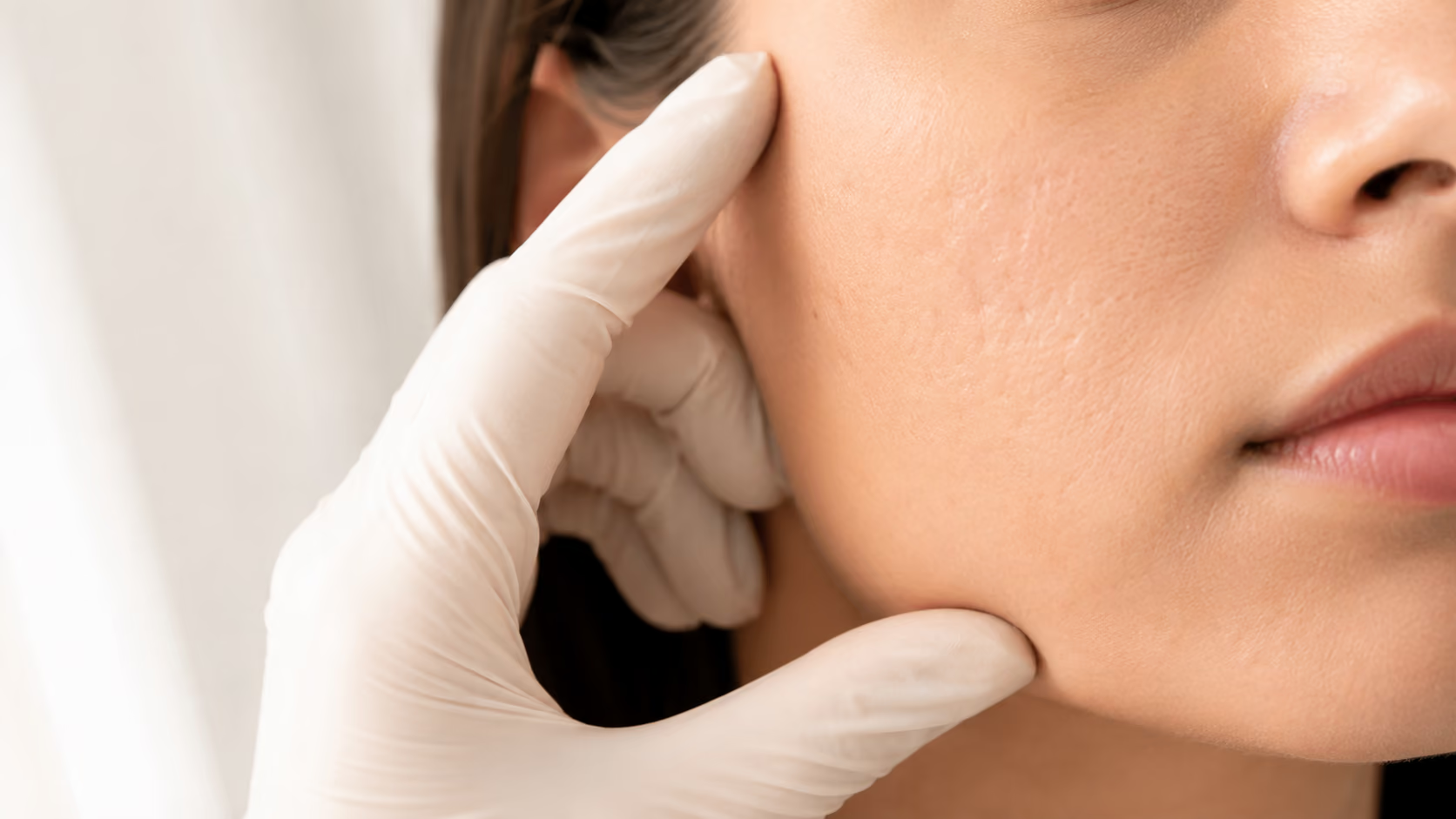
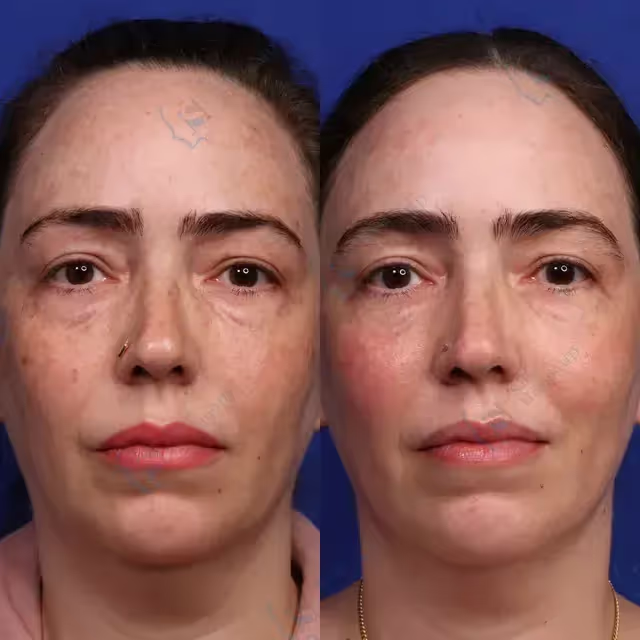
Melasma presents with characteristic patterns that help dermatologists distinguish it from other pigmentation disorders. The condition typically manifests as symmetric brown, gray-brown, or sometimes bluish patches on both sides of the face. These patches have irregular borders but are usually well-demarcated from surrounding normal skin. The symmetrical nature of melasma is one of its most distinctive features, often creating a mirror image pattern across the face that helps confirm the diagnosis.
The most common locations for melasma include the cheeks, bridge of the nose, forehead, chin, and upper lip area. The centrofacial pattern, affecting the central portion of the face, represents the most frequent presentation of melasma. Some patients may also develop melasma on other sun-exposed areas such as the forearms, though facial involvement remains the primary concern for most individuals. The patches typically start small and gradually expand over time, particularly with continued sun exposure or hormonal stimulation.
Color variation in melasma patches provides important diagnostic information and influences treatment planning. Epidermal melasma appears brown and becomes more pronounced under Wood's lamp examination, indicating that the pigment is located in the upper layers of the skin. Dermal melasma appears bluish-gray and may not enhance significantly under Wood's lamp, suggesting deeper pigment deposition. Mixed melasma combines both epidermal and dermal components, presenting with varied coloration across different areas of involvement.
The progression of melasma varies significantly among individuals, with some experiencing rapid darkening and expansion while others have more stable, slowly evolving patches. Hormonal influences can cause dramatic changes in melasma appearance, with some women noticing significant darkening during pregnancy that may partially resolve postpartum. However, complete spontaneous resolution is uncommon, and most patients require active treatment to achieve meaningful improvement.
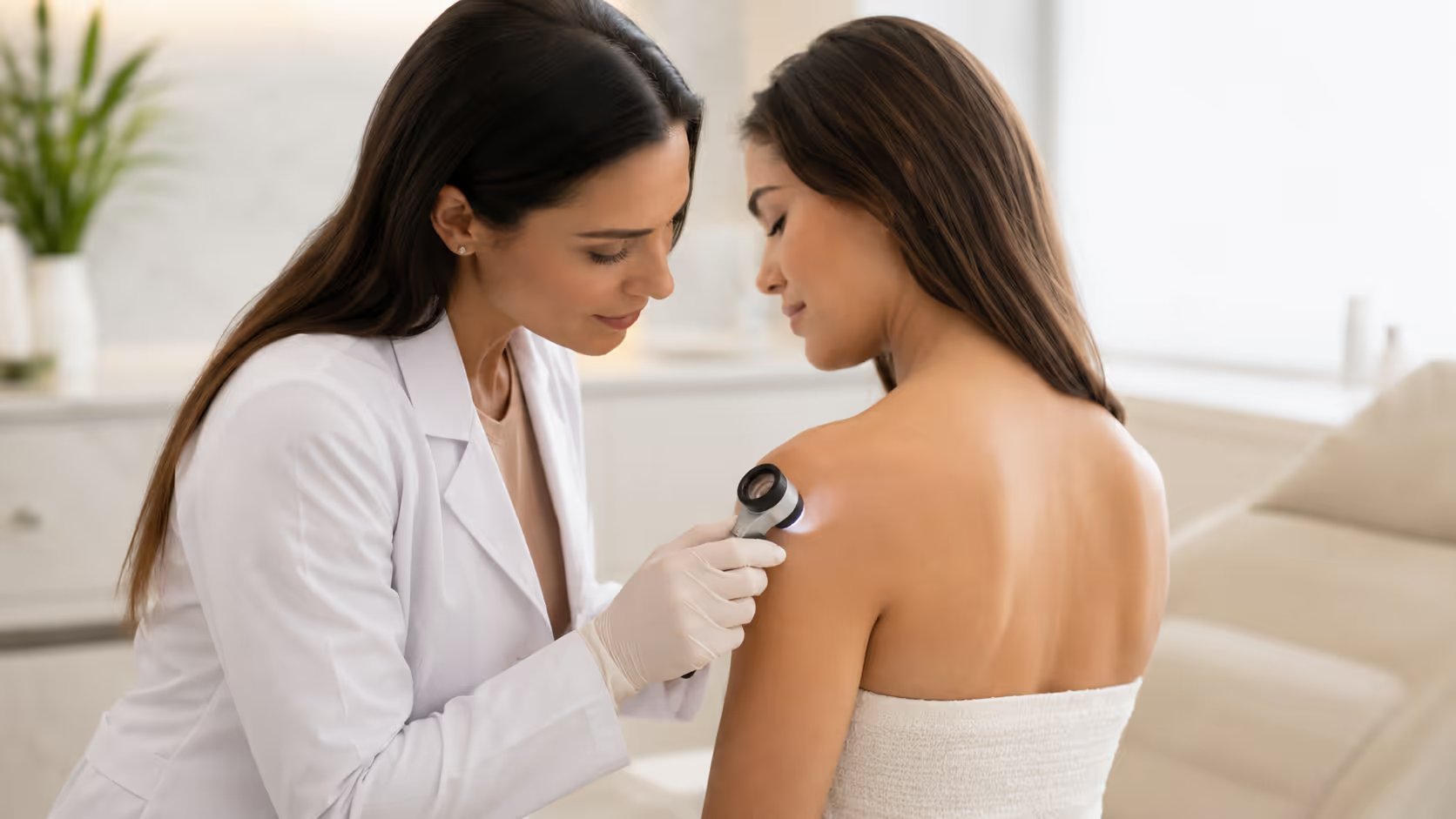
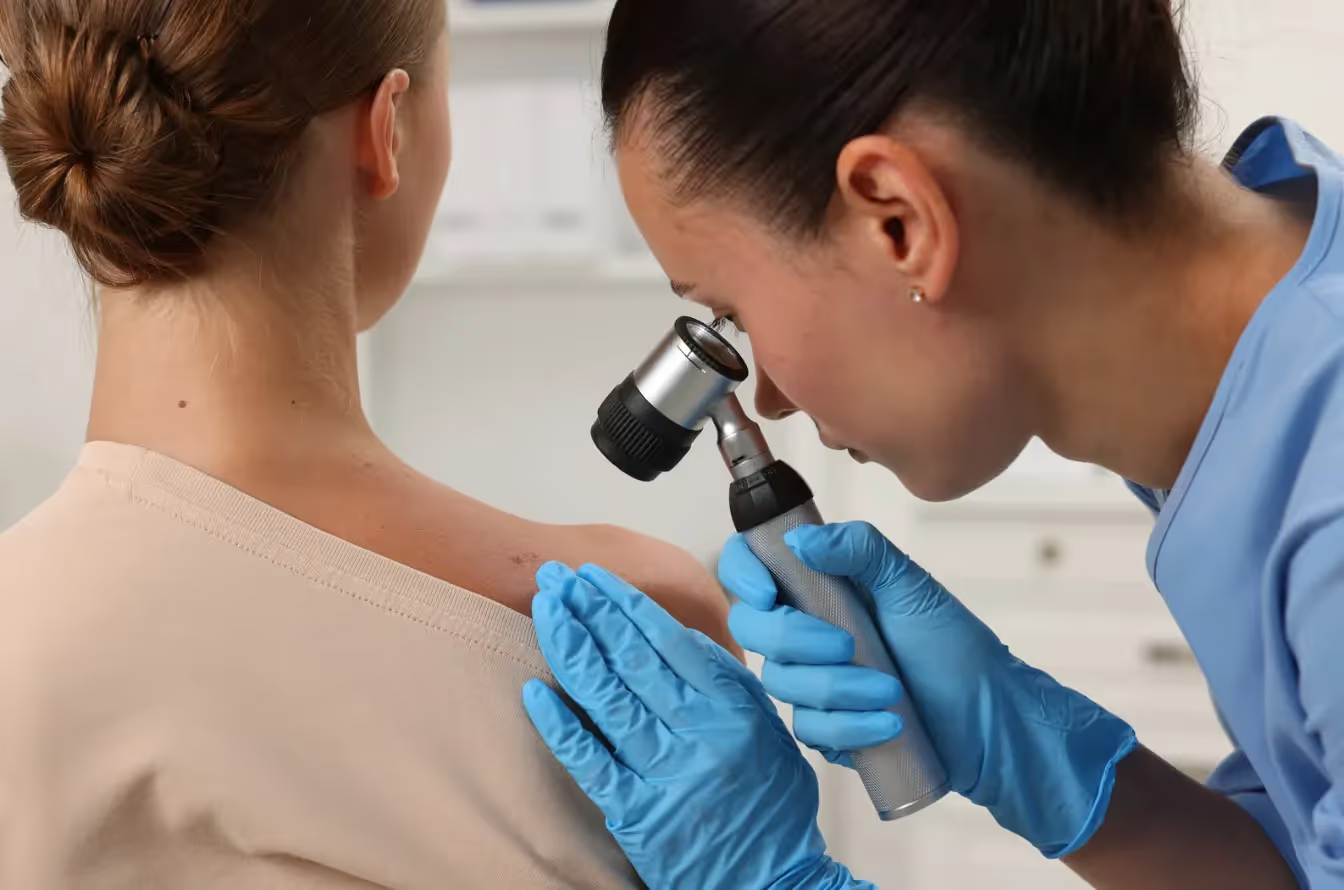
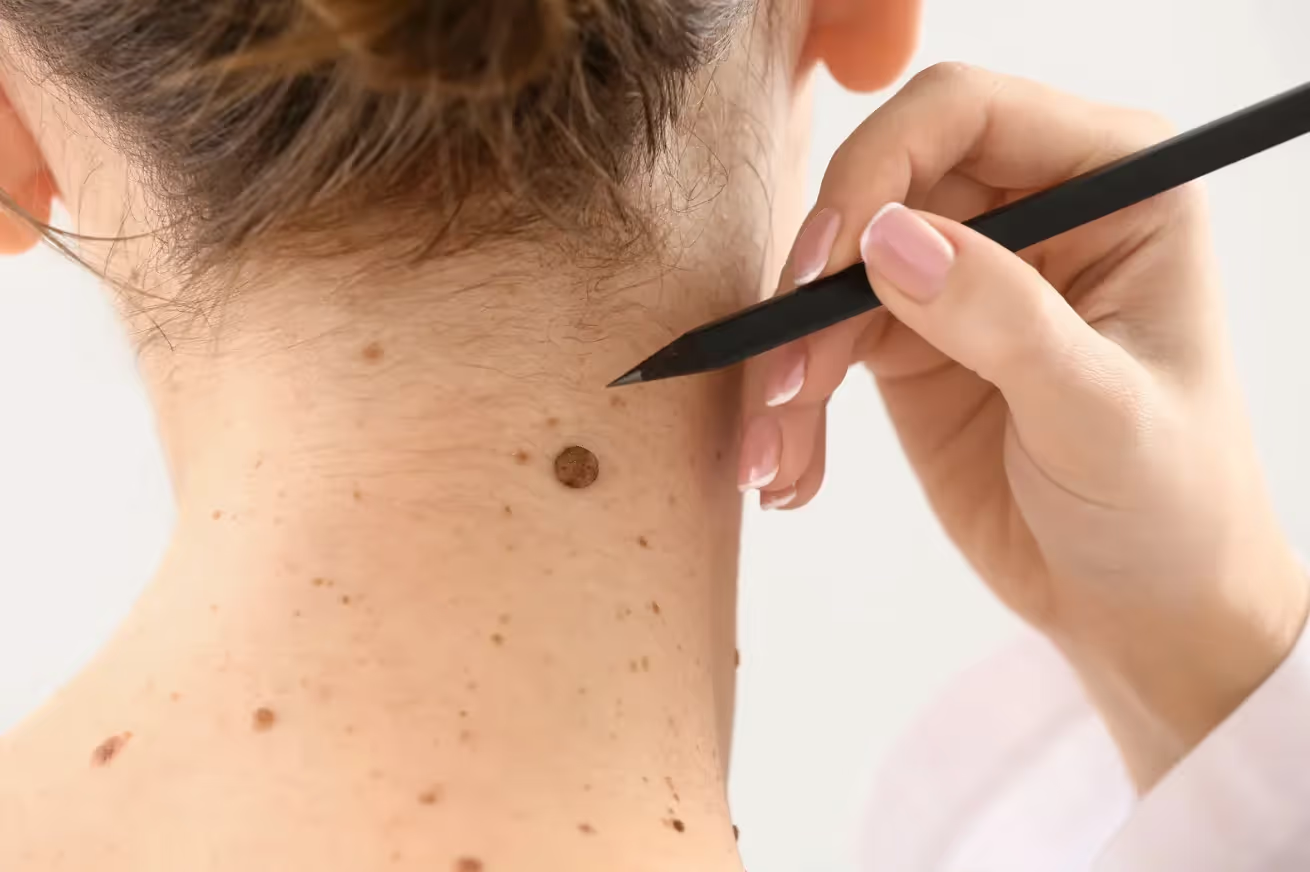
Hazany Derm utilizes advanced diagnostic tools including dermoscopy and Wood's lamp examination to accurately assess melasma characteristics and depth. These evaluations help determine the most appropriate treatment approach and provide baseline documentation for monitoring treatment progress. Understanding the specific pattern and characteristics of each patient's melasma allows for more targeted and effective treatment recommendations.
Comprehensive Treatment Approaches for Melasma
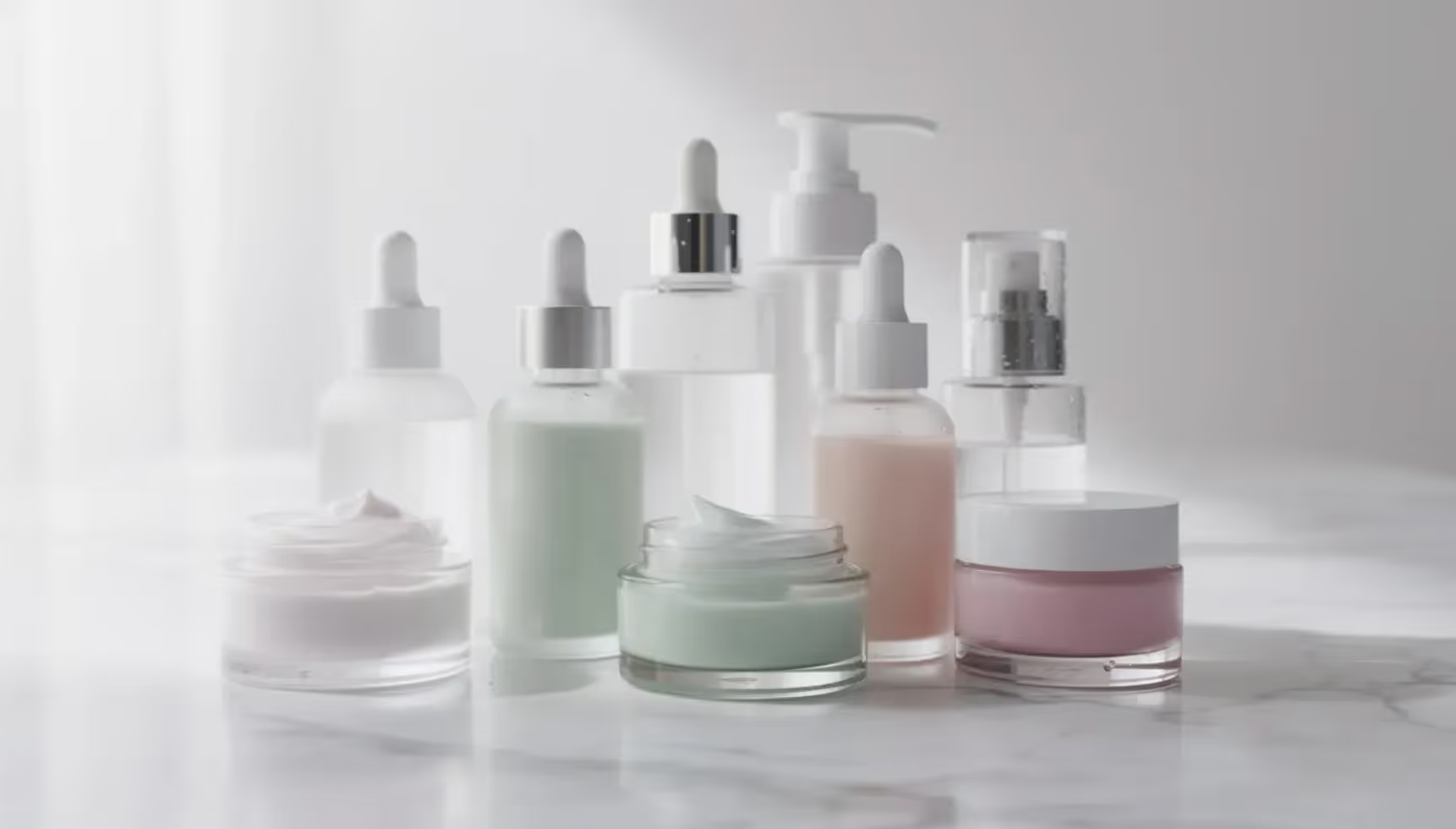
Melasma treatment requires a multifaceted approach that addresses both active pigment reduction and prevention of recurrence. The most successful treatment plans combine topical therapies, professional procedures, and strict photoprotection measures. Topical treatments remain the foundation of melasma management, with hydroquinone being considered the gold standard for melasma treatment. This ingredient works by inhibiting tyrosinase, the enzyme responsible for melanin production, effectively reducing pigment formation in affected areas.
Triple-combination creams containing hydroquinone, tretinoin, and a topical corticosteroid represent one of the most effective topical approaches for melasma treatment. These formulations work synergistically, with tretinoin enhancing penetration and cellular turnover while the corticosteroid reduces inflammation that can stimulate further pigmentation. Alternative agents such as kojic acid, azelaic acid, vitamin C, and arbutin provide options for patients who cannot tolerate hydroquinone or prefer natural alternatives.
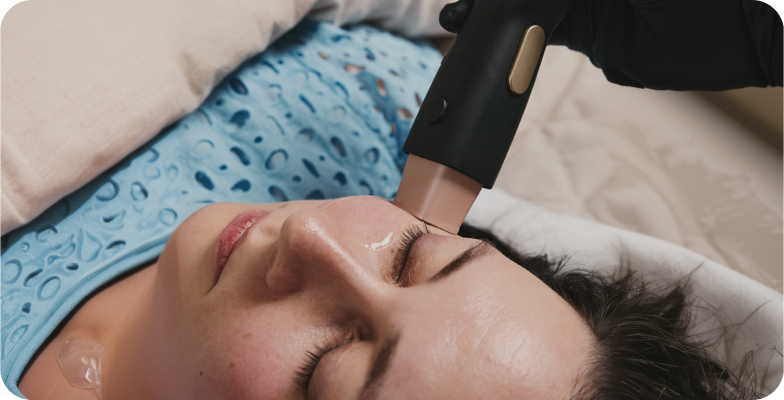
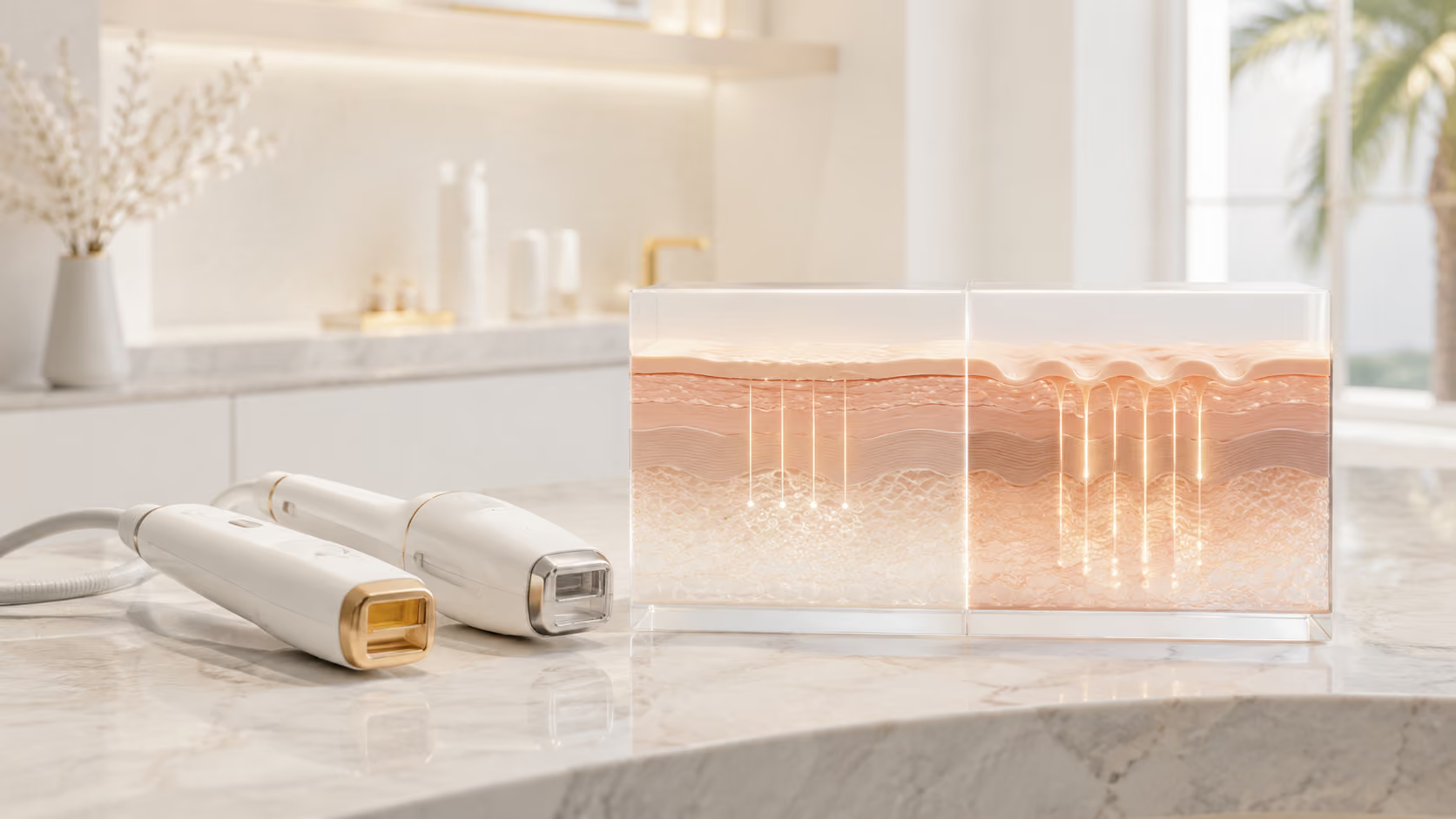
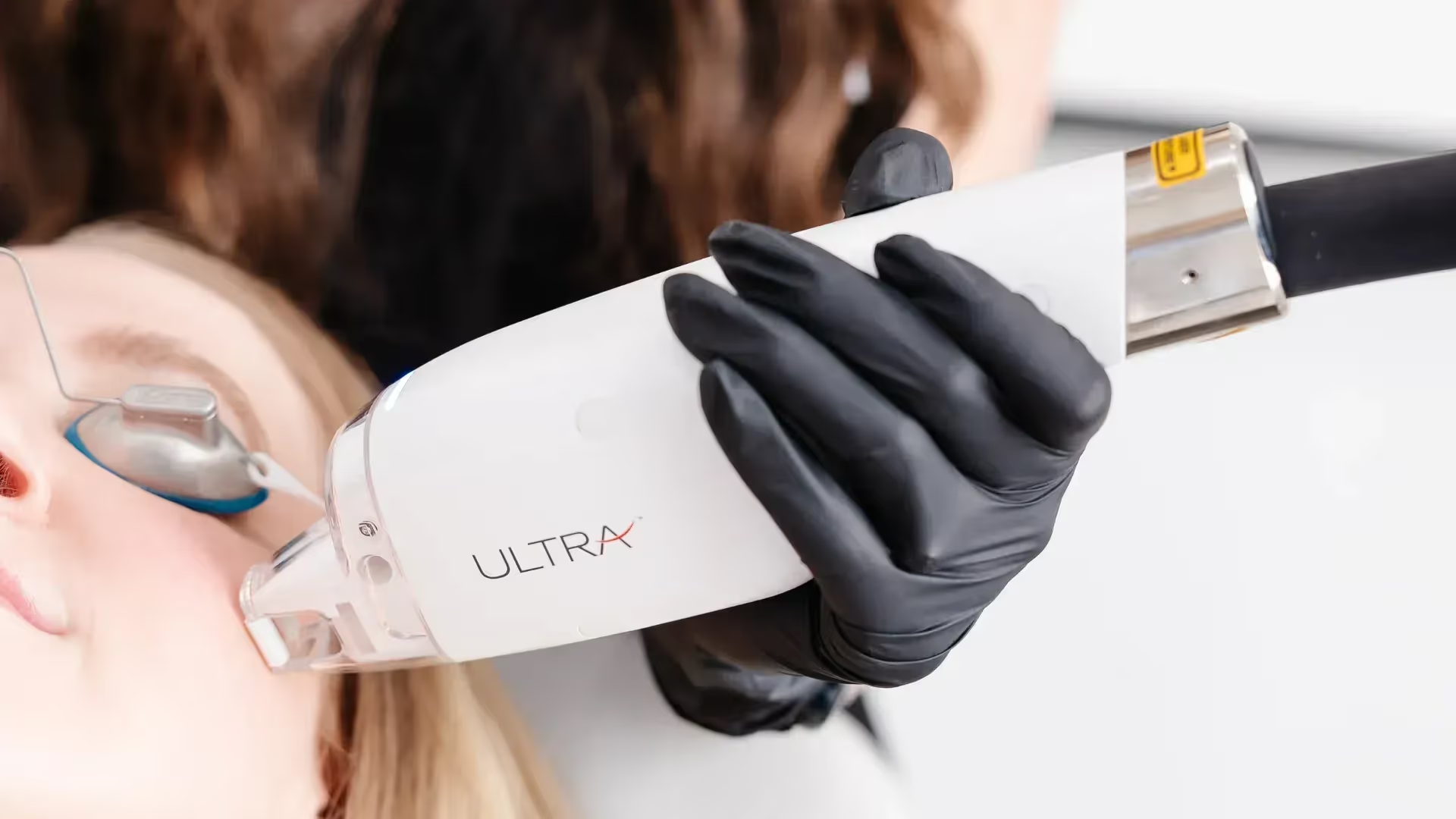
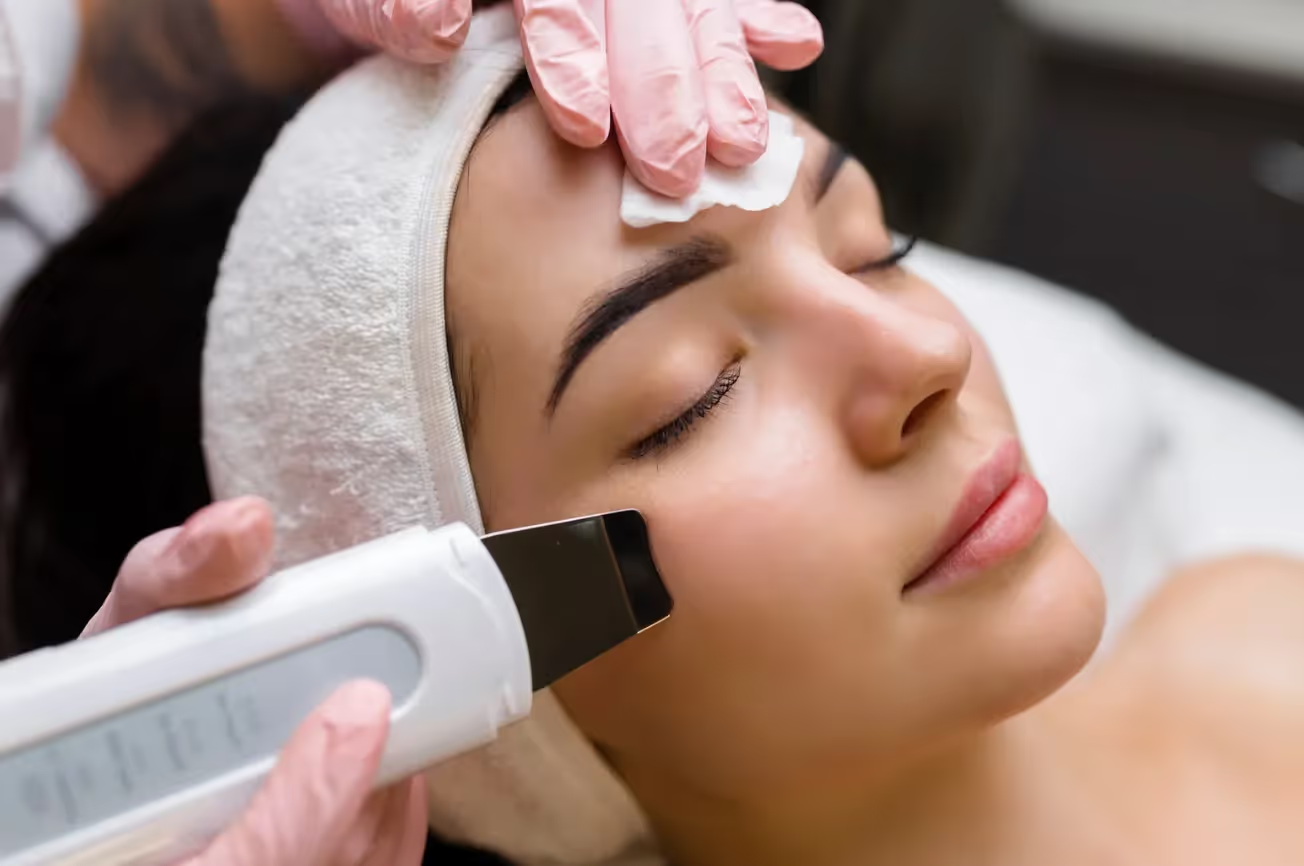
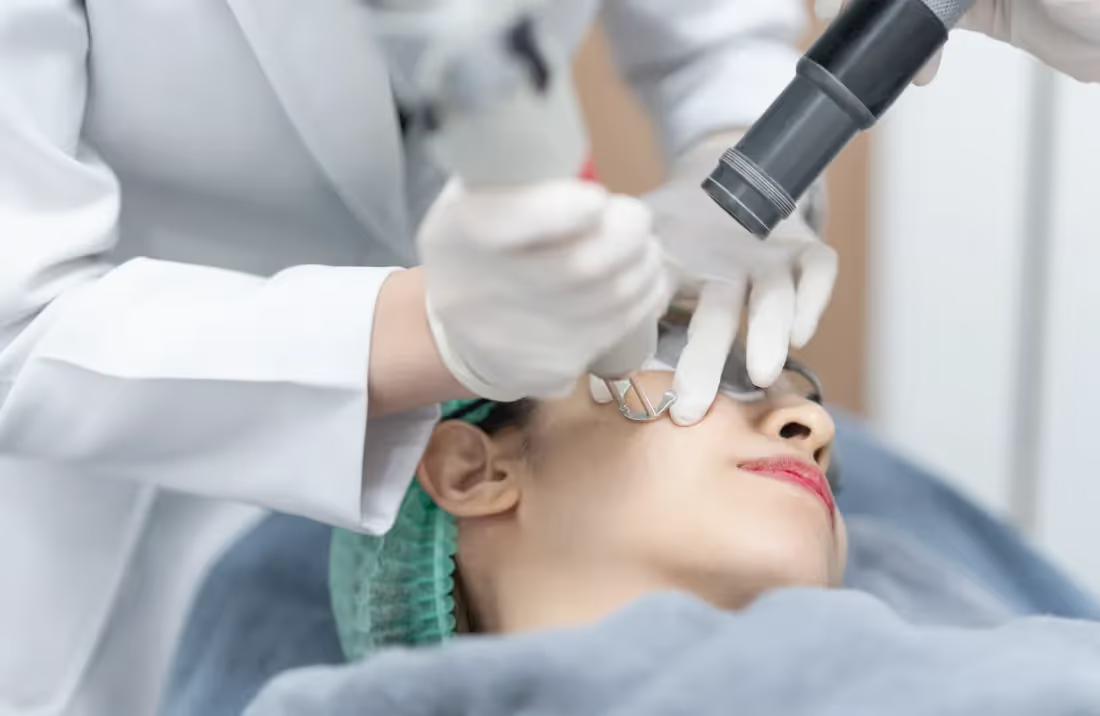
Professional treatments offer enhanced results for moderate to severe melasma cases or when topical treatments alone prove insufficient. Chemical peels using glycolic acid, lactic acid, or trichloroacetic acid can accelerate pigment removal by promoting controlled exfoliation of pigmented skin layers. Laser and light-based treatments, while requiring careful consideration due to the risk of post-inflammatory hyperpigmentation, can provide significant improvement when performed by experienced practitioners using appropriate parameters for each patient's skin type.
Effective melasma treatment options include:
- Topical lightening agents: Hydroquinone, kojic acid, azelaic acid, and vitamin C work to inhibit melanin production and promote gradual fading of dark patches.
- Chemical peels: Glycolic, lactic, and mandelic acid peels provide controlled exfoliation to remove pigmented skin layers and stimulate healthy cell turnover.
- Laser treatments: Fractional lasers, Q-switched lasers, and intense pulsed light can target pigment when used with appropriate settings for melasma-prone skin.
- Combination therapy: Multiple treatment modalities used together often provide superior results compared to single-agent approaches.
The timeline for melasma improvement varies considerably depending on the depth of pigmentation, chosen treatment methods, and individual patient factors. Superficial epidermal melasma may show improvement within 6-8 weeks of consistent treatment, while deeper dermal pigmentation can take 6-12 months or longer to achieve significant fading. Patience and consistency are crucial, as discontinuing treatment prematurely often results in rapid return of pigmentation.
The team at Hazany Derm develops individualized treatment protocols based on each patient's specific melasma characteristics, skin type, lifestyle factors, and treatment goals. Regular follow-up appointments allow for treatment adjustments and monitoring for any adverse effects, ensuring optimal outcomes while minimizing risks. Our comprehensive approach emphasizes that successful melasma treatment is a marathon rather than a sprint, requiring commitment to both active treatment and long-term maintenance strategies.
Ready to Do Something About It?
Melasma rewards the patient and punishes the impatient — the right plan, followed consistently, is what separates fading from frustration. Schedule a consultation with Dr. Salar Hazany in Beverly Hills to have your melasma depth-typed and matched to the treatment combination your skin will actually tolerate.
Frequently Asked Questions
What causes melasma to develop?
Melasma develops due to a combination of hormonal changes, genetic predisposition, and sun exposure. Elevated estrogen and progesterone levels during pregnancy or from birth control pills stimulate melanocytes to overproduce pigment. Ultraviolet radiation acts as a major trigger, activating pigment-producing cells even with minimal sun exposure. Genetic factors also play a significant role, with melasma showing strong familial clustering and higher prevalence in individuals of Hispanic, Asian, or Middle Eastern descent. Dr. Salar Hazany explains that understanding these interconnected causes is essential for developing effective prevention and treatment strategies tailored to each patient's specific risk factors and triggers.
Can melasma go away on its own?
While melasma may lighten slightly after pregnancy or discontinuing hormonal medications, complete spontaneous resolution is uncommon. The condition typically persists without active treatment, and patches often darken with continued sun exposure or hormonal fluctuations. Some women experience partial improvement postpartum, but underlying predisposition usually remains. Even when melasma appears to fade, it frequently returns with subsequent pregnancies, sun exposure, or hormonal changes. Hazany Derm emphasizes that proactive treatment combined with strict sun protection provides the best outcomes for achieving significant improvement and preventing recurrence. Waiting for spontaneous resolution often leads to deeper pigmentation that becomes more challenging to treat effectively.
How long does melasma treatment take to show results?
Treatment timelines vary significantly based on pigmentation depth and chosen therapies. Superficial epidermal melasma may show initial improvement within 6-8 weeks of consistent topical treatment, while deeper dermal pigmentation requires 6-12 months or longer for meaningful results. Chemical peels and laser treatments can accelerate improvement but still require multiple sessions over several months. Most patients notice gradual lightening rather than dramatic overnight changes. The team at Hazany Derm emphasizes that patience and consistency are crucial for success. Discontinuing treatment prematurely often results in rapid return of pigmentation, making long-term commitment essential for achieving and maintaining optimal results.
What skincare ingredients help treat melasma?
Hydroquinone remains the gold standard for melasma treatment, working by inhibiting tyrosinase enzyme to reduce melanin production. Tretinoin enhances penetration and cellular turnover while preventing clogged pores. Kojic acid, azelaic acid, and vitamin C offer alternative lightening options with different mechanisms of action. Niacinamide helps reduce inflammation and improve skin barrier function. Alpha hydroxy acids like glycolic and lactic acid promote gentle exfoliation. Dr. Hazany recommends combining multiple ingredients for synergistic effects while monitoring for irritation. Proper formulation and concentration are crucial, as overly aggressive approaches can worsen melasma through increased inflammation and post-inflammatory hyperpigmentation.
Is sun protection really necessary for melasma?
Absolutely. Sun protection represents the most critical component of melasma management and prevention. Even minimal UV exposure can trigger melanocyte activity and darken existing patches or cause new ones to appear. Broad-spectrum sunscreen with SPF 30 or higher should be applied daily, regardless of weather or season. Physical sunscreens containing zinc oxide or titanium dioxide often work best for melasma-prone skin. Wide-brimmed hats, sunglasses, and seeking shade provide additional protection. Heat exposure from sources like hot yoga or cooking can also worsen melasma. Hazany Derm specialists stress that without diligent photoprotection, even the most effective treatments will provide disappointing results, making sun protection non-negotiable for successful melasma management.
Can chemical peels help with melasma?
Chemical peels can be highly effective for melasma when performed properly by experienced practitioners. Glycolic acid, lactic acid, and mandelic acid peels promote controlled exfoliation of pigmented skin layers while stimulating healthy cell turnover. Superficial peels are typically safer for melasma-prone skin compared to deeper peels, which may trigger post-inflammatory hyperpigmentation. Multiple sessions are usually required, with treatments spaced 2-4 weeks apart. Proper pre-treatment preparation with topical agents and strict post-peel sun protection are essential for optimal results. Dr. Salar Hazany carefully evaluates each patient's skin type and melasma characteristics to determine appropriate peel strength and frequency, ensuring maximum benefit while minimizing risks of complications.
What lifestyle changes help manage melasma?
Several lifestyle modifications can significantly impact melasma management. Consistent sun protection habits, including daily sunscreen use and wearing protective clothing, are fundamental. Managing hormonal influences by discussing birth control options with healthcare providers may help prevent worsening. Maintaining a gentle skincare routine with non-irritating products prevents inflammation that can stimulate pigmentation. Stress management through adequate sleep, exercise, and relaxation techniques may help stabilize hormonal balance. Heat avoidance from sources like hot yoga, saunas, or prolonged cooking exposure can prevent melasma darkening. The Hazany Derm clinic emphasizes that sustainable lifestyle changes, combined with professional treatment, provide the best long-term outcomes for melasma management and prevention of recurrence.
When should I see a dermatologist for melasma?
You should consult a dermatologist when you notice symmetric dark patches developing on your face, especially if you're pregnant, taking hormonal medications, or have increased sun exposure. Early intervention often leads to better treatment outcomes and prevents deeper pigmentation. If over-the-counter lightening products haven't provided improvement after 8-12 weeks of consistent use, professional evaluation is warranted. Additionally, if patches are rapidly darkening, spreading, or affecting your quality of life, dermatological consultation becomes more urgent. Proper diagnosis is essential since other conditions can mimic melasma. The experts at Hazany Derm recommend professional evaluation for accurate diagnosis, appropriate treatment selection, and monitoring for treatment response and potential complications.