




%201.avif)



How Should Beginners Start Using Retinoids?



Beginners should start retinoids slowly with low concentrations, using them 2-3 times weekly while moisturizing consistently. Proper introduction prevents irritation and maximizes benefits. Hazany Derm provides personalized guidance for safe, effective retinoid integration into your skincare routine.
Starting your retinoid journey can feel overwhelming, especially with the abundance of information available online and varying product options. Retinoids represent one of the most scientifically-backed ingredients in dermatology, offering proven benefits for anti-aging, acne treatment, and overall skin texture improvement. However, their potency requires careful introduction to avoid common side effects like irritation, dryness, and peeling that can discourage beginners from continuing their treatment.
The key to successful retinoid use lies in understanding that this is a marathon, not a sprint, requiring patience and gradual skin adaptation. Many beginners make the mistake of starting too aggressively, using high concentrations or applying retinoids daily from the beginning, which often leads to uncomfortable side effects and treatment abandonment. At Hazany Derm, we emphasize the importance of a structured approach that allows your skin to build tolerance while maximizing the long-term benefits these powerful ingredients provide.
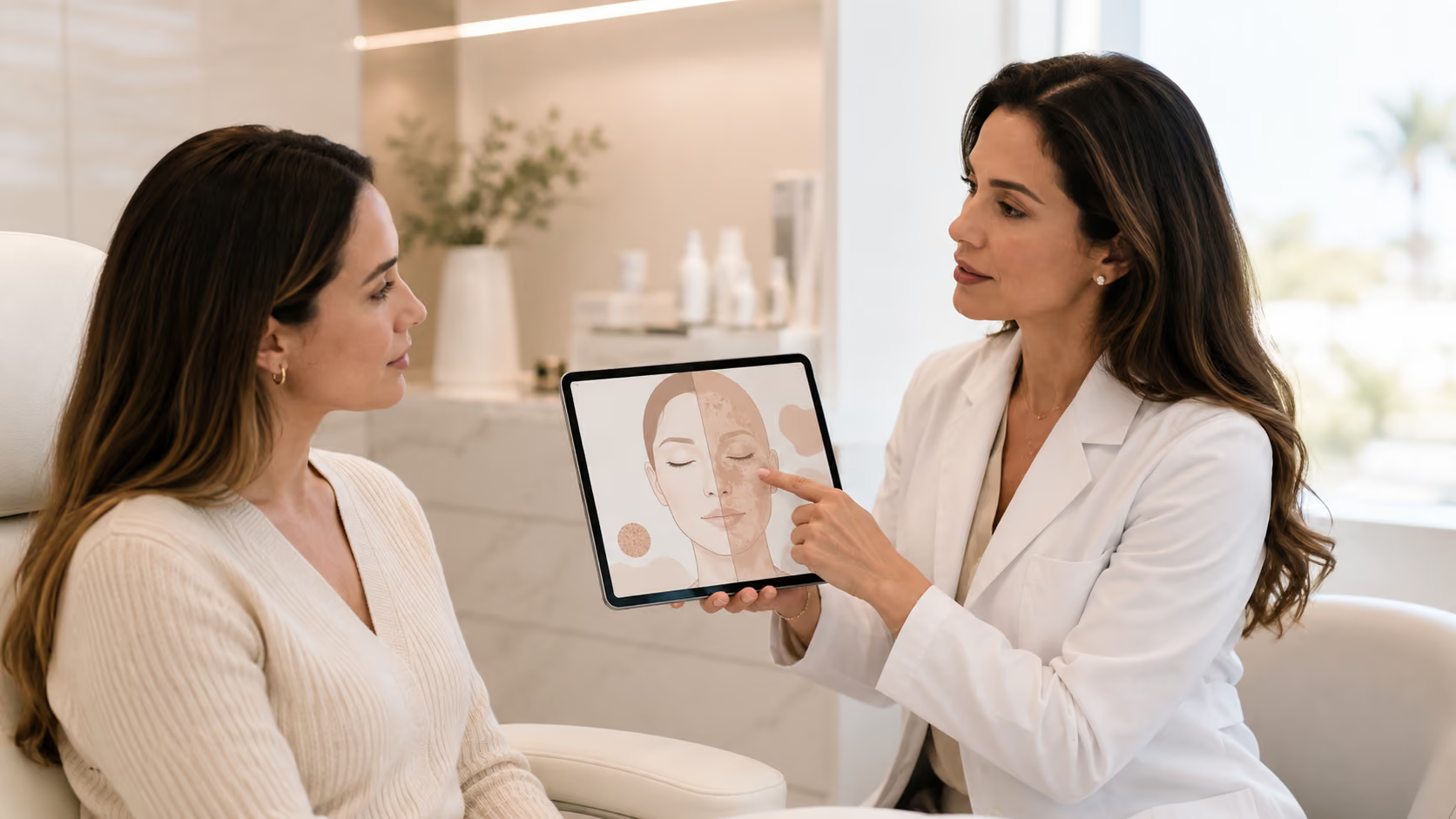
Professional guidance becomes invaluable when starting retinoids, as individual skin types, concerns, and sensitivities vary significantly among patients. What works perfectly for one person may cause severe irritation for another, making personalized recommendations essential for success. Dr. Salar Hazany and the team at Hazany Derm have extensive experience helping patients navigate their retinoid introduction, ensuring optimal results while minimizing discomfort and potential setbacks.
Understanding Retinoid Types and Strengths
The retinoid family includes various forms, each with different strengths and characteristics that affect how beginners should approach their use. Over-the-counter retinol represents the gentlest option, converting to retinoic acid in the skin through a multi-step process that makes it less irritating but also less immediately potent. Prescription retinoids like tretinoin, adapalene, and tazarotene work more directly and efficiently but require more careful introduction and professional oversight.
Concentration levels within each retinoid type create another layer of complexity that beginners must navigate thoughtfully. Over-the-counter retinol products typically range from 0.25% to 1%, while prescription options start as low as 0.01% for tretinoin and can go up to 0.1% or higher depending on the specific medication. Starting with the lowest available concentration in your chosen retinoid category allows your skin to adapt gradually while still providing beneficial effects.
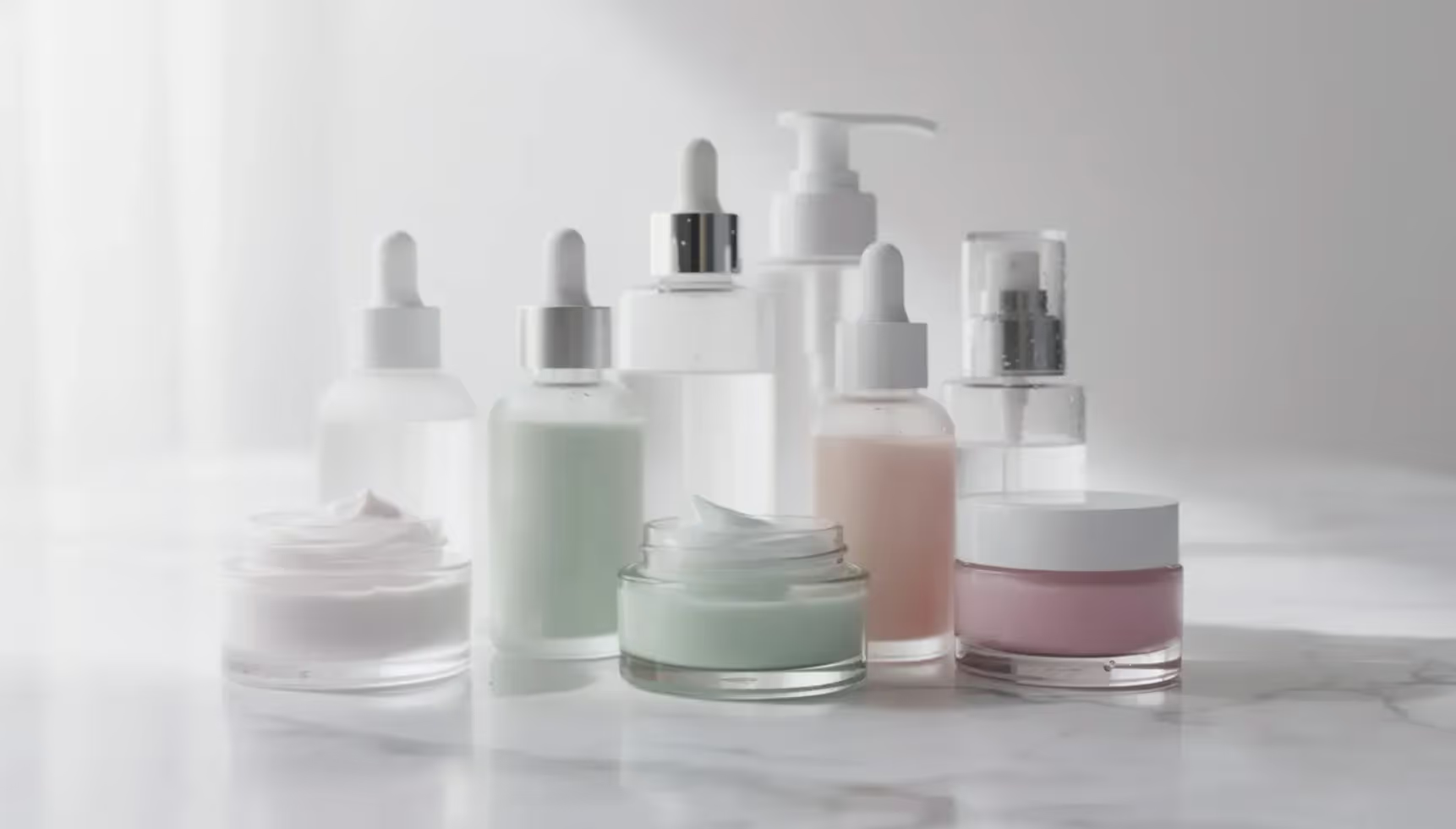
The delivery system and formulation also significantly impact how your skin tolerates retinoids, making product selection crucial for beginners. Cream-based formulations tend to be more moisturizing and less irritating than gel formulations, while time-release or encapsulated retinoids provide gentler delivery over extended periods. Hazany Derm helps patients understand these nuances to select the most appropriate starting product based on their skin type, sensitivity level, and specific concerns.
Understanding the difference between these options helps set realistic expectations for your retinoid journey:
- Over-the-counter retinol: Gentler conversion process, slower results, widely available without prescription, good for sensitive skin beginners
- Prescription tretinoin: Direct action, faster results, requires medical supervision, gold standard for anti-aging and acne treatment
- Adapalene (Differin): Now available over-the-counter, specifically formulated for acne, generally well-tolerated by beginners
- Retinaldehyde: Intermediate strength between retinol and prescription options, converts more directly than retinol but gentler than tretinoin
The molecular size and stability of different retinoids affect their penetration and efficacy, which directly impacts how beginners should introduce them into their routines. Smaller molecules penetrate more deeply but may cause more initial irritation, while larger molecules work more superficially but with potentially less dramatic results. Professional evaluation at Hazany Derm helps determine which molecular characteristics best match your skin's needs and tolerance level.
Your skin's current condition and any existing sensitivities play a crucial role in determining the most appropriate starting retinoid and concentration. Patients with naturally sensitive skin, rosacea, or eczema may need to begin with even gentler formulations or longer adaptation periods than typically recommended. This individualized approach prevents unnecessary discomfort and helps ensure long-term treatment success and patient satisfaction.
The Gradual Introduction Process
Beginning retinoid use requires a systematic approach that prioritizes skin adaptation over immediate results, preventing the irritation that causes many beginners to abandon treatment prematurely. The "start low and go slow" methodology involves beginning with the lowest concentration available and using it infrequently before gradually increasing frequency and potentially strength over time. This approach allows your skin's cellular turnover processes to adapt while building the tolerance necessary for long-term use and optimal benefits.
Most dermatologists recommend starting with application once or twice per week during the first two weeks, then gradually increasing frequency as your skin adapts and tolerates the treatment. Week three and four can involve every other day application if no significant irritation occurs, while daily use typically becomes appropriate after 6-8 weeks of gradual introduction. However, some patients may need to maintain alternate-day application indefinitely, and this is perfectly acceptable for achieving retinoid benefits while maintaining comfort.
The timing of your first retinoid applications should be carefully planned to allow for potential adjustment periods without interfering with important social or professional commitments. Starting on a Friday evening, for example, gives you weekend recovery time if unexpected irritation occurs, while avoiding new product introduction before important events prevents potential complications. Dr. Salar Hazany often advises patients to begin their retinoid journey during periods when they can maintain consistent routines and monitor their skin's response closely.
Proper application technique significantly influences how well beginners tolerate retinoids and achieve desired results:
- Pea-sized amount: Use only a small amount for the entire face to prevent over-application and excessive irritation
- Clean, dry skin: Apply to completely dry skin 20-30 minutes after cleansing to reduce penetration and potential irritation
- Avoid sensitive areas: Stay away from the eye area, corners of the nose, and lips where skin is naturally thinner and more reactive
- Evening application only: Use retinoids only at night as they can increase sun sensitivity and may degrade in sunlight
The buffer method represents an excellent strategy for beginners who experience irritation with direct application, involving the application of moisturizer before retinoid application. This technique slows absorption and reduces the intensity of the retinoid's effects while still providing benefits, making it particularly useful for sensitive skin types or during initial introduction periods. Some patients at Hazany Derm successfully use the buffer method long-term, achieving excellent results with improved comfort and compliance.
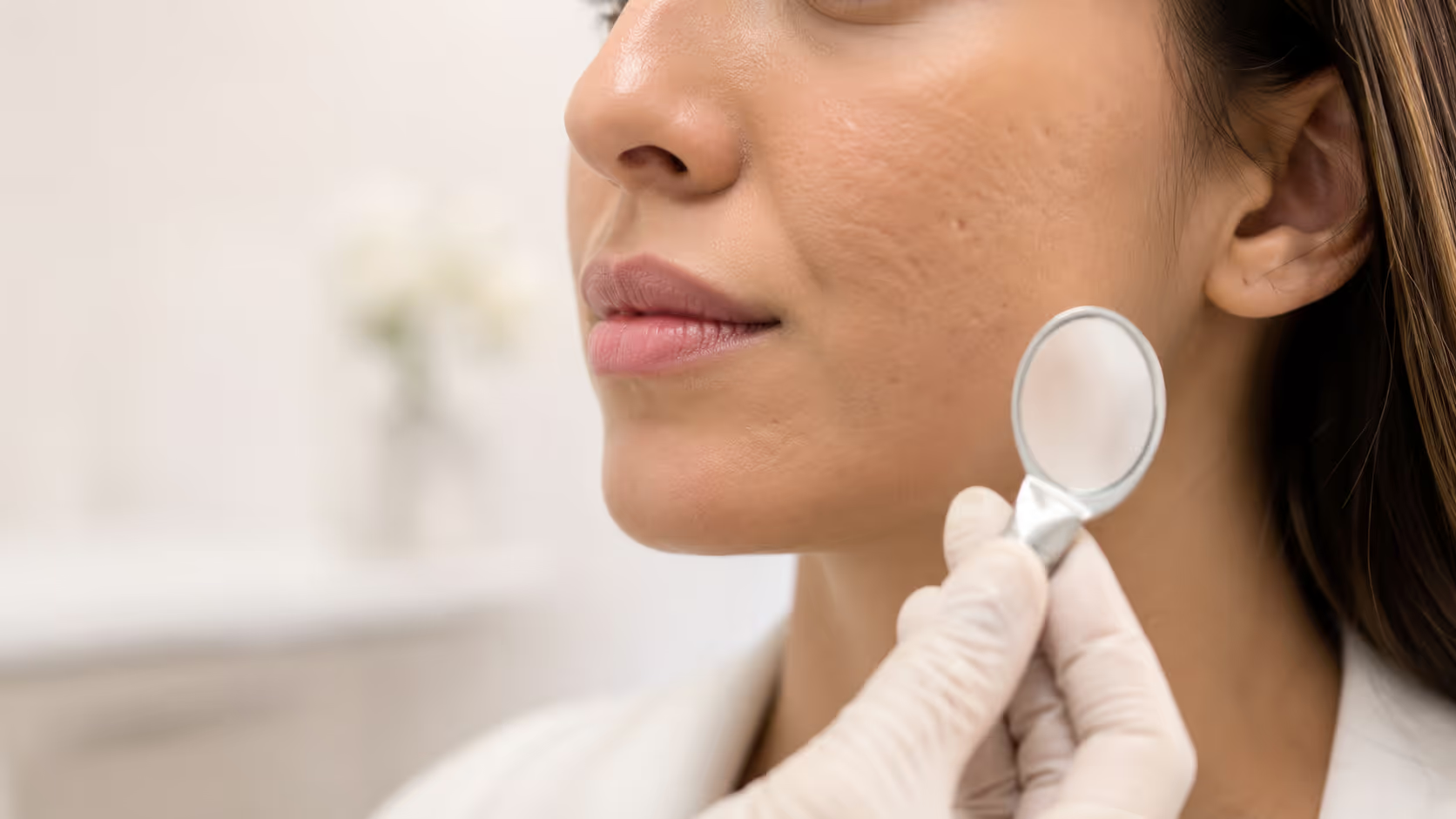
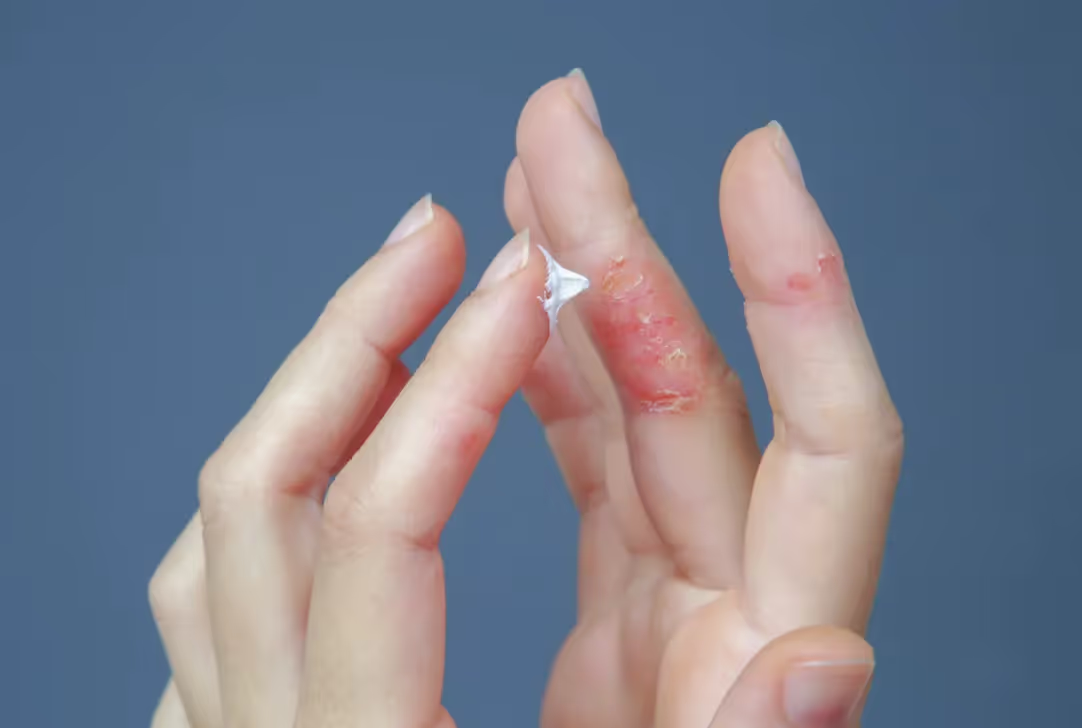
Monitoring your skin's response during the introduction period helps determine when to advance to the next phase of your retinoid regimen or when to slow down the progression. Normal adaptation signs include mild dryness, slight flaking, and occasional redness that resolves quickly, while concerning symptoms include persistent burning, excessive peeling, or worsening of existing skin conditions. Regular check-ins with dermatological professionals ensure that your retinoid introduction proceeds safely and effectively while addressing any concerns that arise during the process.
Managing Side Effects and Supporting Your Skin
Retinoid introduction commonly produces temporary side effects that, while normal, can be minimized through proper skincare support and lifestyle modifications during the adaptation period. The "retinoid uglies" or "purging" phase typically occurs during weeks 2-6 of use, involving increased dryness, flaking, and potential temporary acne flare-ups as the skin accelerates its renewal processes. Understanding that these effects are generally temporary and indicate the product is working helps beginners maintain consistency during challenging adaptation periods.
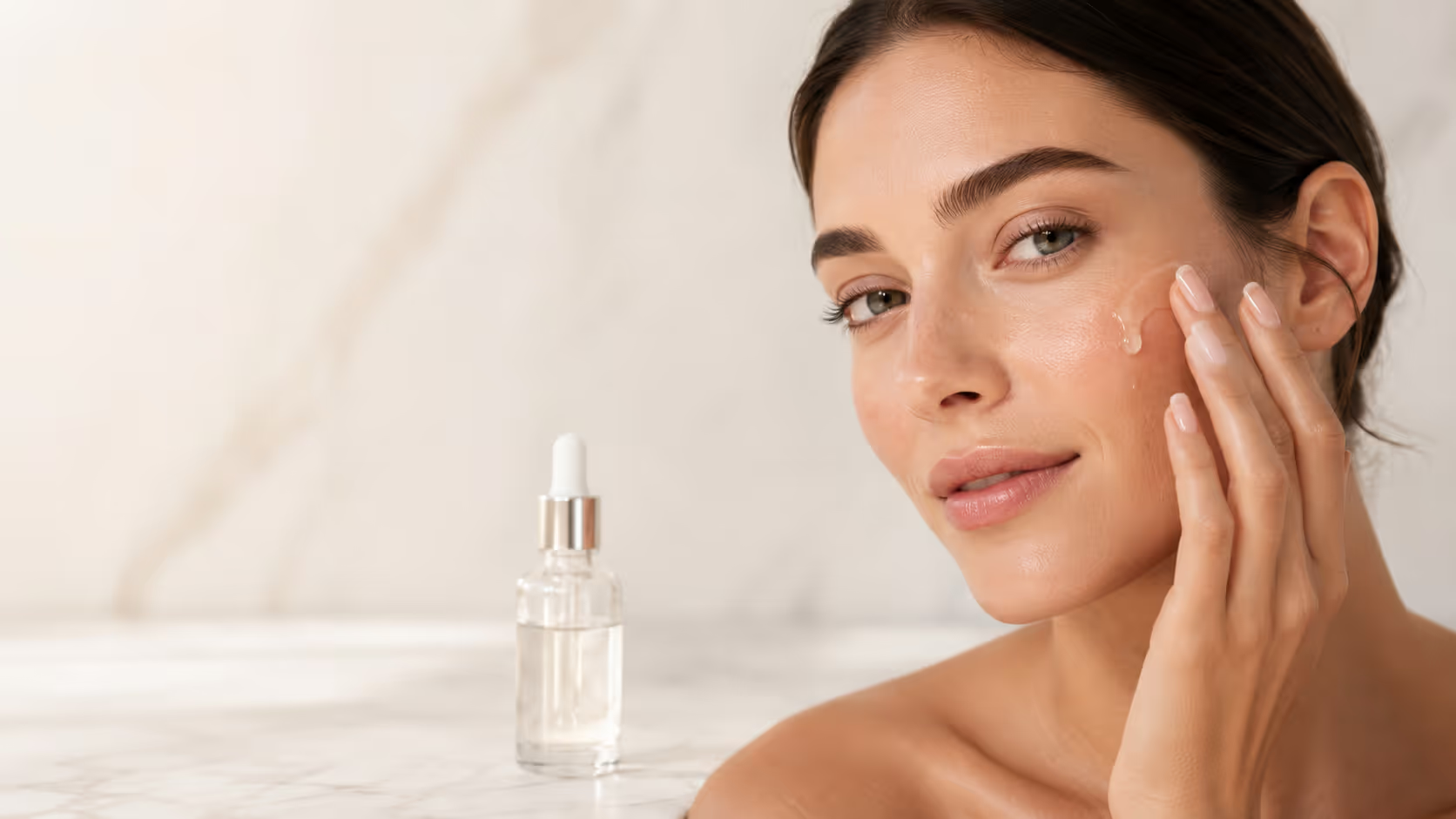
Moisturizing becomes absolutely critical during retinoid introduction, requiring more intensive hydration than your skin may have needed previously. Look for gentle, fragrance-free moisturizers containing ceramides, hyaluronic acid, or niacinamide to support your skin barrier while avoiding ingredients that might increase irritation like alpha hydroxy acids or strong fragrances. The best approach involves applying moisturizer both before and after retinoid application, creating a protective barrier that reduces irritation while maintaining hydration levels.
Sun protection takes on even greater importance when using retinoids, as these ingredients can increase photosensitivity and make your skin more susceptible to UV damage. Daily broad-spectrum SPF 30 or higher becomes non-negotiable, regardless of weather conditions or planned indoor activities, since UV exposure can worsen irritation and counteract the positive effects you're working to achieve. Hazany Derm emphasizes that proper sun protection is essential not just for preventing irritation but for maximizing the anti-aging and skin-improving benefits that retinoids provide.
Essential supportive measures help minimize discomfort and optimize results during retinoid introduction:
- Gentle cleansing: Use mild, non-foaming cleansers that won't strip your skin barrier or increase sensitivity and irritation
- Hydrating serums: Incorporate hyaluronic acid or glycerin-based serums to boost moisture levels without interfering with retinoid efficacy
- Barrier repair: Products containing ceramides, cholesterol, and fatty acids help restore and maintain healthy skin barrier function
- Anti-inflammatory ingredients: Niacinamide, centella asiatica, or colloidal oatmeal can help calm irritation and reduce redness
Lifestyle modifications during the retinoid introduction period can significantly impact your skin's ability to adapt comfortably and successfully. Ensuring adequate sleep supports your skin's natural repair processes, while staying well-hydrated helps maintain overall skin health and resilience during the adaptation period. Stress management becomes particularly important since high stress levels can increase skin sensitivity and potentially worsen irritation from retinoid use.
Knowing when to pause or adjust your retinoid routine prevents excessive irritation that could set back your progress or cause long-term sensitivity issues. If you experience severe burning, widespread redness that doesn't resolve within a few hours, or signs of allergic reaction, discontinue use and consult with dermatological professionals immediately. The team at Hazany Derm helps patients distinguish between normal adaptation symptoms and concerning reactions that require treatment modification or alternative approaches.
Frequently Asked Questions
What's the difference between over-the-counter retinol and prescription retinoids?
Over-the-counter retinol requires conversion to retinoic acid through multiple steps in the skin, making it gentler but slower-acting than prescription options. Prescription retinoids like tretinoin work directly as retinoic acid, providing faster and more dramatic results but with higher potential for initial irritation. Retinol concentrations typically range from 0.25-1%, while prescription strengths start lower but work more efficiently. Dr. Salar Hazany often recommends starting with retinol for sensitive skin types or those new to retinoids, then potentially advancing to prescription options based on tolerance and desired results. The choice depends on your skin type, concerns, sensitivity level, and treatment goals, making professional consultation valuable for optimal selection.
How often should beginners apply retinoids when starting?
Beginners should start with retinoid application 1-2 times per week for the first two weeks, allowing skin to adapt gradually. If no significant irritation occurs, frequency can increase to every other day during weeks 3-4, then potentially to daily use after 6-8 weeks. However, some people may need to maintain alternate-day application long-term, which is perfectly acceptable. Hazany Derm emphasizes that consistency at a comfortable frequency is more beneficial than aggressive daily use that causes irritation. The key is listening to your skin and advancing only when the previous frequency is well-tolerated. Professional guidance helps determine the optimal progression timeline for your individual skin type and sensitivity level.
What should I do if my skin becomes irritated from retinoids?
If irritation occurs, immediately reduce application frequency or temporarily discontinue use until skin calms down, then restart more gradually. Increase moisturizing with gentle, fragrance-free products and ensure you're using proper sun protection daily. Apply retinoids to completely dry skin and consider using the buffer method with moisturizer applied first. Avoid other active ingredients like exfoliating acids during the adjustment period. The team at Hazany Derm recommends distinguishing between normal adaptation symptoms (mild dryness, slight flaking) and concerning reactions (severe burning, persistent redness). If symptoms persist or worsen despite reducing frequency, professional evaluation ensures you're not experiencing an allergic reaction or need alternative treatment approaches for your specific skin needs.
Can I use other skincare products with retinoids?
Yes, but product selection and timing become crucial for preventing irritation and maximizing benefits. Avoid combining retinoids with other active ingredients like AHA/BHA acids, benzoyl peroxide, or vitamin C initially, as this can increase irritation significantly. Focus on gentle cleansers, hydrating serums with hyaluronic acid, and moisturizing products with ceramides or niacinamide for support. Apply retinoids to clean, dry skin, then follow with moisturizer after allowing absorption time. Dr. Hazany typically advises patients to simplify their routine during retinoid introduction, gradually reintroducing other products once tolerance is established. Morning routines should emphasize hydration and sun protection, while evenings focus on gentle cleansing and retinoid application. Professional guidance helps create compatible product combinations for your specific skin needs.
How long does it take to see results from retinoids?
Initial improvements in skin texture and smoothness may appear within 4-6 weeks, but significant changes in fine lines, hyperpigmentation, and acne typically require 12-16 weeks of consistent use. The timeline varies based on retinoid type, concentration, application frequency, and individual skin response. Some people notice faster results with prescription retinoids compared to over-the-counter retinol formulations. Hazany Derm specialists emphasize that retinoids work by normalizing skin cell turnover, which is a gradual process requiring patience and consistency. Initial worsening or "purging" during weeks 2-6 is normal as skin adjusts to increased cellular renewal. Maximum benefits often continue improving for 6-12 months of regular use. Setting realistic expectations and maintaining consistent application despite temporary setbacks is crucial for achieving optimal long-term results.
Should I start with retinol or go straight to prescription tretinoin?
The choice depends on your skin sensitivity, previous experience with active ingredients, and specific concerns being addressed. Sensitive skin types or retinoid beginners often benefit from starting with over-the-counter retinol to build tolerance gradually before potentially advancing to prescription options. However, those with significant acne or advanced aging concerns might benefit from starting directly with low-concentration prescription retinoids under medical supervision. Dr. Salar Hazany evaluates individual factors including skin type, sensitivity history, current condition, and treatment goals to determine the most appropriate starting point. Some patients successfully achieve their desired results with retinol alone, while others eventually graduate to prescription strength for enhanced benefits. Professional assessment ensures you begin with the most suitable option for your specific needs and circumstances.
What's the best way to introduce retinoids if I have sensitive skin?
Sensitive skin requires extra caution with slower introduction and additional supportive measures to prevent excessive irritation. Start with the lowest available concentration and apply only once weekly initially, using the buffer method with moisturizer applied before retinoid application. Choose cream formulations over gels, and consider retinaldehyde or encapsulated retinoids for gentler delivery. Ensure your supporting routine includes gentle, fragrance-free products and avoid all other active ingredients during introduction. The Hazany Derm clinic often recommends patch testing new retinoids on a small area first and extending each phase of frequency increase. Some sensitive skin patients benefit from short-contact therapy, applying retinoid for 30 minutes before washing off and gradually increasing contact time. Professional monitoring helps identify the optimal approach and prevents setbacks that could increase long-term sensitivity.
When should I contact a dermatologist about retinoid use?
Contact a dermatologist before starting if you have sensitive skin conditions like rosacea or eczema, are pregnant or breastfeeding, or have questions about product selection for your specific concerns. During use, seek professional guidance if you experience severe burning, persistent redness lasting more than a few hours, signs of allergic reaction, or worsening of existing skin conditions. Also consult if you're not seeing expected improvements after 3-4 months of consistent use or need guidance on advancing to stronger formulations. The experts at Hazany Derm provide valuable support for optimizing your retinoid routine, troubleshooting problems, and ensuring you achieve desired results safely. Professional oversight is especially important when considering prescription options or combining retinoids with other treatments. Regular dermatological check-ins help maximize benefits while preventing potential complications or setbacks.