





%201.avif)



How Effective is Fotona Laser for Acne Scars Compared to Other Lasers?



Fotona laser technology offers superior acne scar treatment through dual-wavelength capability and enhanced patient comfort. At Hazany Derm, this advanced system delivers exceptional results with minimal downtime compared to traditional laser options.
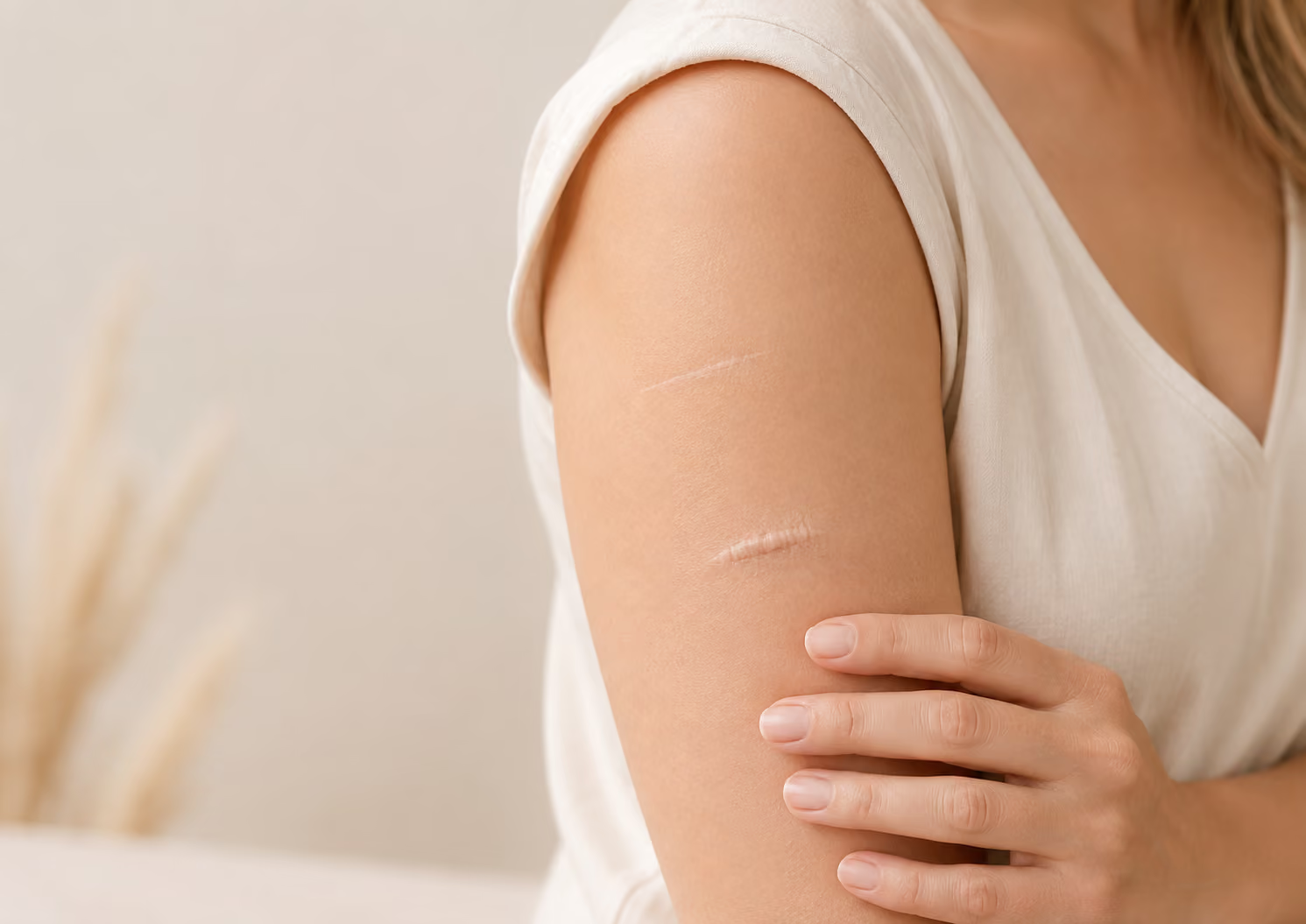
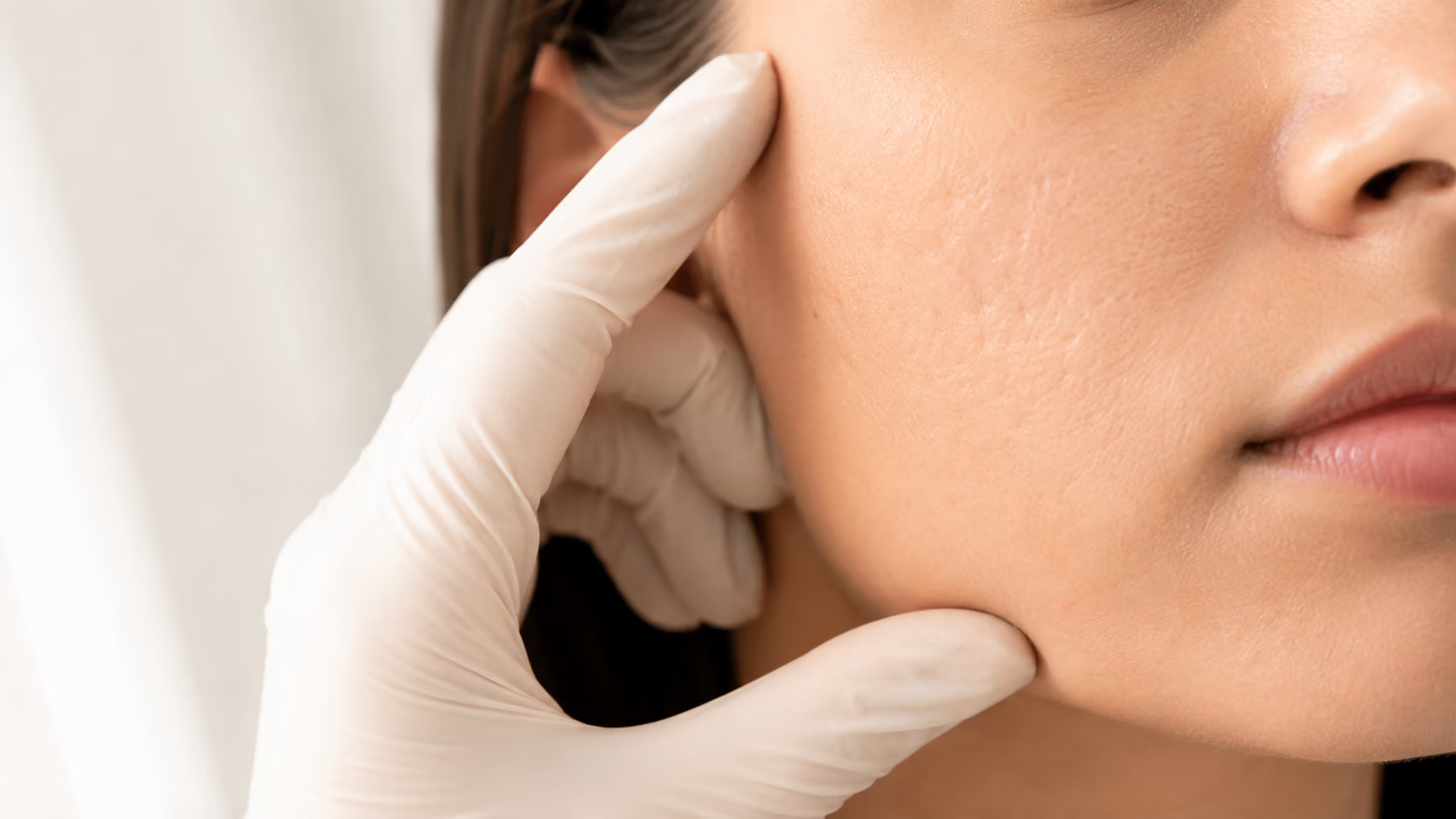
Acne scars can significantly impact self-confidence and quality of life, affecting millions of people worldwide. The quest for effective scar reduction treatments has led to remarkable advances in laser technology, with various systems offering different approaches to skin resurfacing and remodeling. Among these innovations, Fotona laser technology has emerged as a leading solution for acne scar treatment. Understanding how this technology compares to other laser systems is crucial for making informed treatment decisions.
The landscape of laser scar treatment has evolved dramatically over the past decades, with each generation of technology offering improved results and reduced side effects. Traditional ablative lasers, fractional systems, and non-ablative options each have their place in dermatological practice. However, the introduction of Fotona's dual-wavelength technology has revolutionized how practitioners approach acne scar treatment. This system combines the benefits of multiple laser types into a single, versatile platform.
At Hazany Derm, patients frequently inquire about the most effective laser options for their specific scar types and skin concerns. The choice between different laser systems depends on numerous factors, including scar depth, skin type, patient tolerance, and desired downtime. Fotona laser technology addresses many of these considerations through its innovative approach to tissue remodeling and collagen stimulation. This comprehensive analysis will explore how Fotona compares to other popular laser systems in treating acne scars.
Understanding Fotona Laser Technology
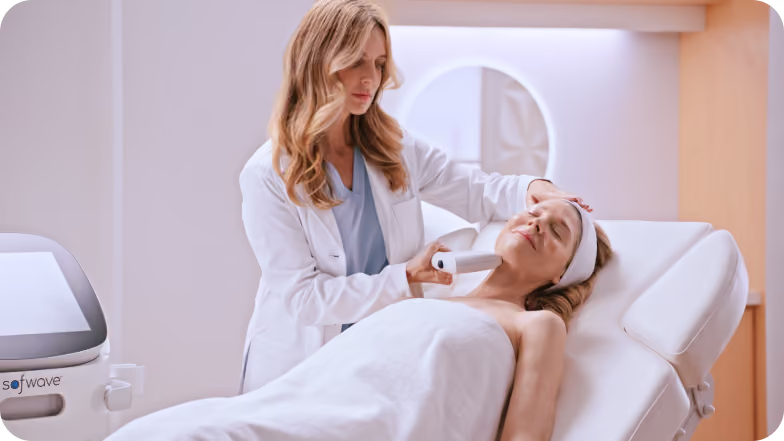
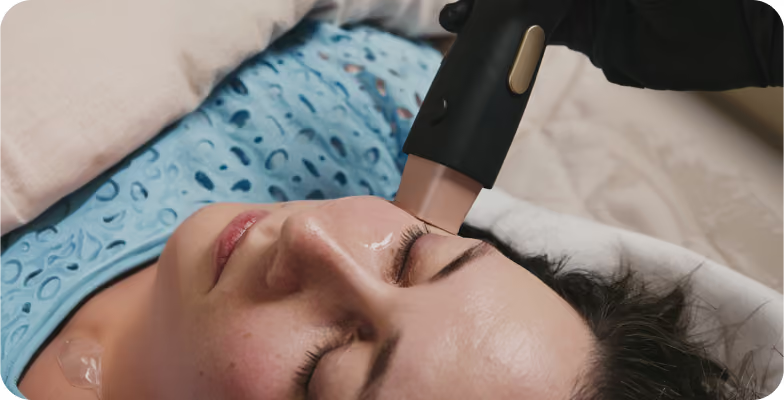
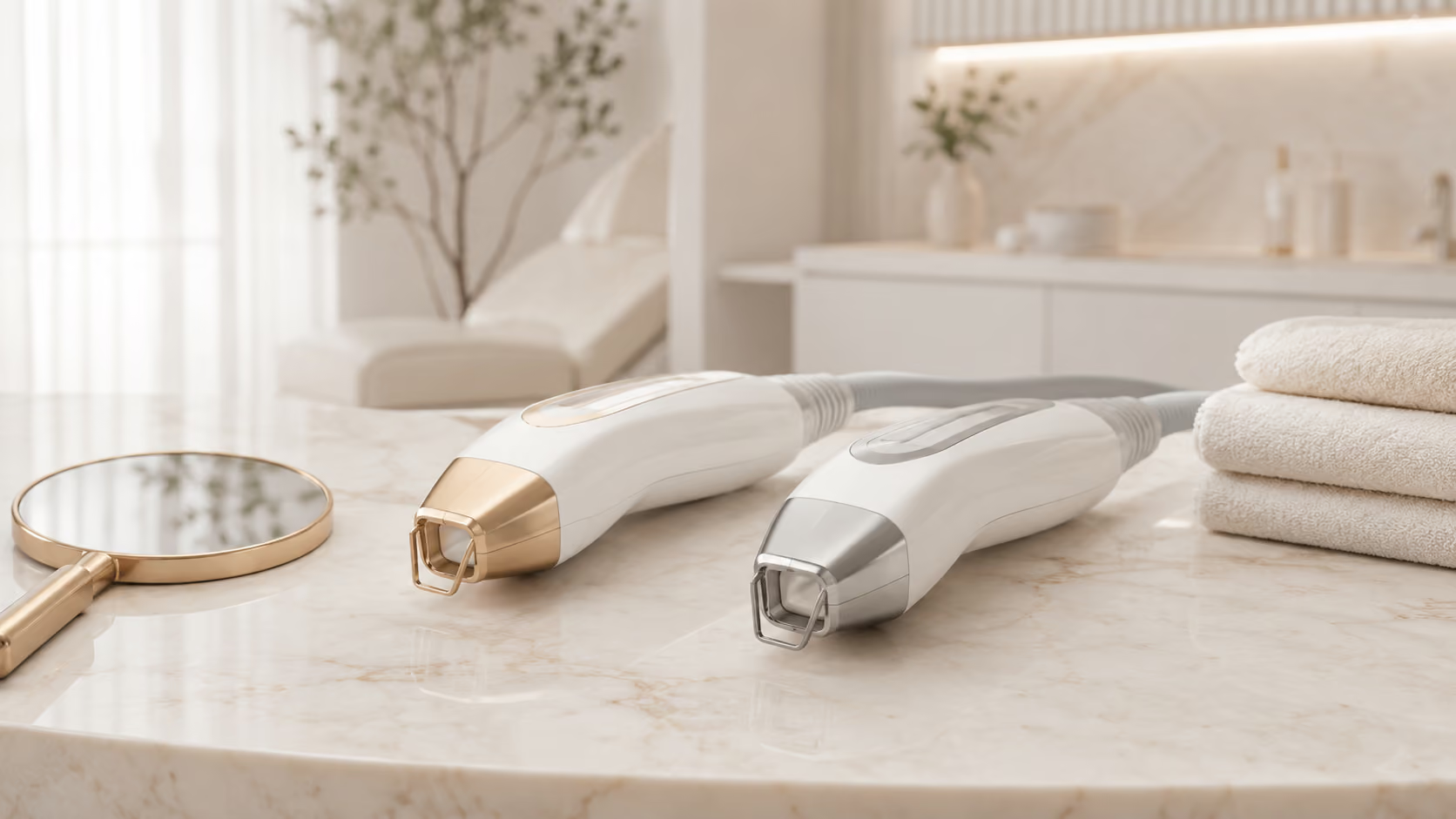
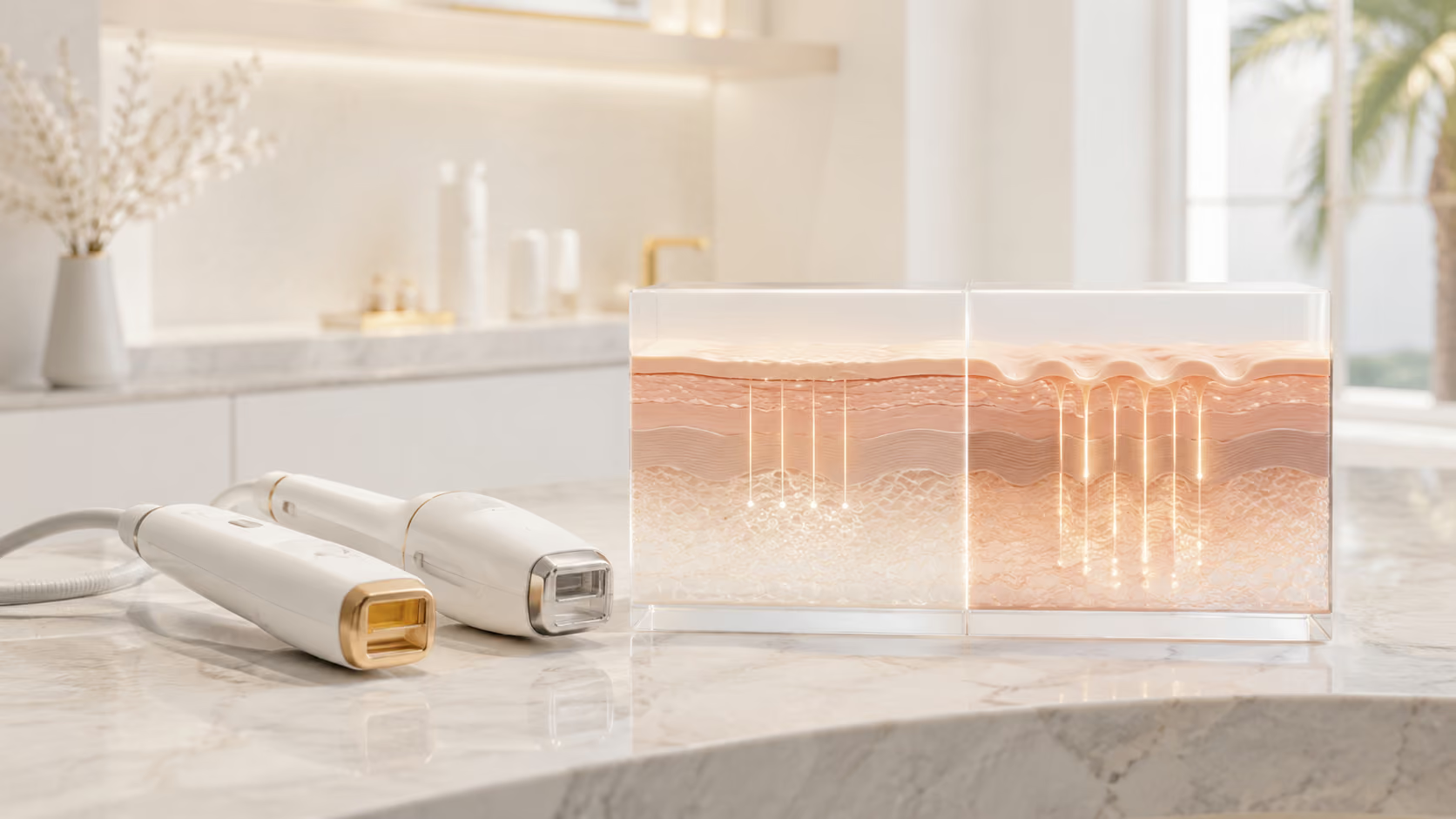
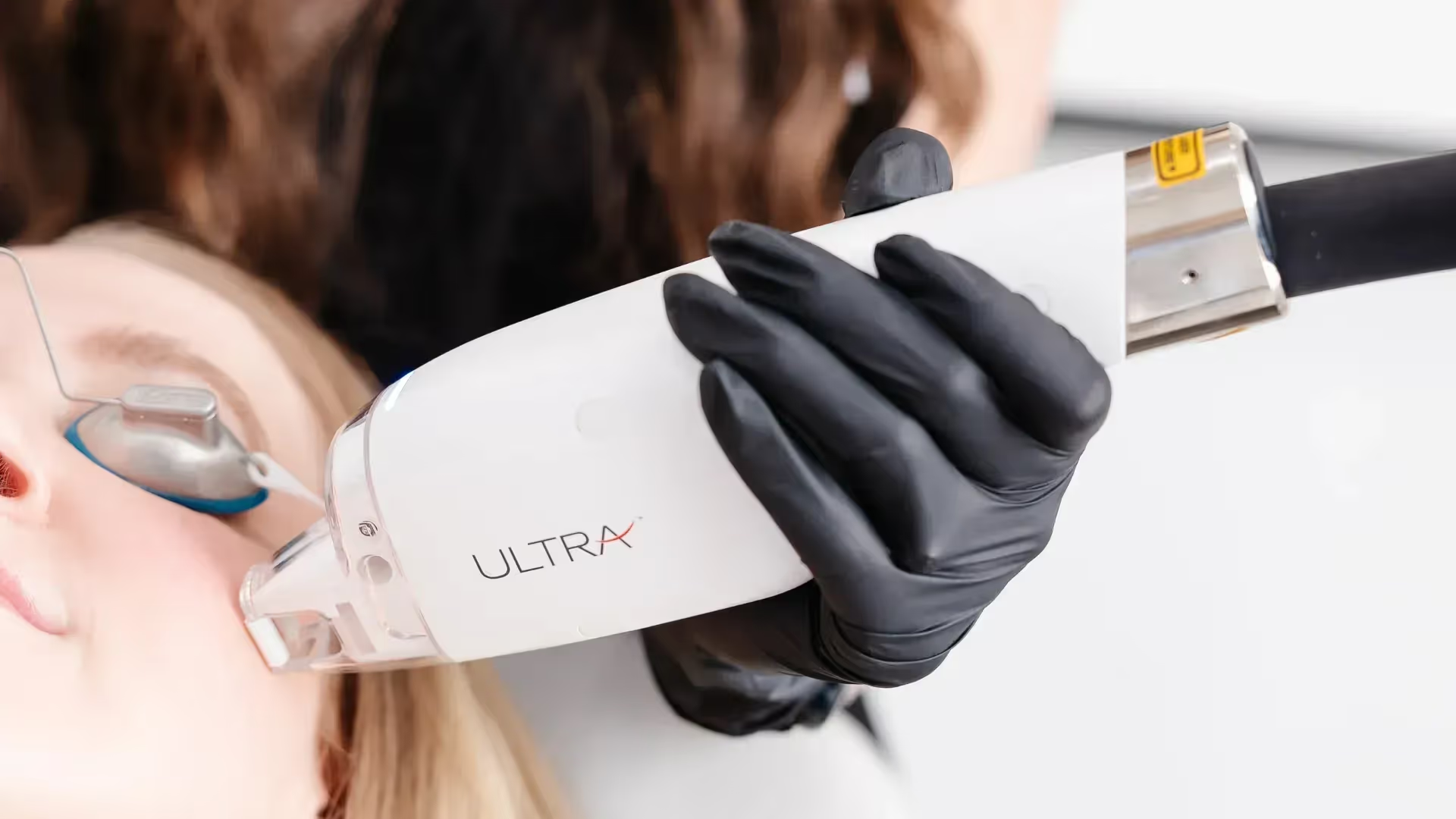
Fotona laser systems utilize advanced dual-wavelength technology that sets them apart from conventional single-wavelength lasers. The Er:YAG wavelength provides precise ablative resurfacing, while the Nd:YAG wavelength offers deep tissue heating and collagen remodeling capabilities. This combination allows practitioners to address both superficial textural irregularities and deeper scar formations in a single treatment session. The technology's versatility makes it suitable for treating various scar types, from shallow rolling scars to deeper ice-pick formations.
The unique SMOOTH mode operation of Fotona lasers delivers energy in a controlled, gradual manner that minimizes thermal damage to surrounding tissues. This approach significantly reduces patient discomfort during treatment and accelerates the healing process compared to traditional ablative lasers. The precision of energy delivery allows for customized treatment depths, ensuring optimal results for each patient's specific scar pattern. Dr. Salar Hazany at Hazany Derm emphasizes that this controlled energy delivery is particularly beneficial for patients with sensitive skin or those concerned about extended recovery periods.
Clinical studies have demonstrated that Fotona technology achieves comparable or superior results to traditional CO2 lasers while offering enhanced patient comfort and reduced downtime. The system's ability to stimulate both immediate tissue ablation and long-term collagen remodeling provides comprehensive scar improvement. Patients typically experience gradual improvement over several months as new collagen forms and skin texture continues to refine. The technology's safety profile makes it suitable for a broader range of skin types compared to more aggressive ablative systems.
The effectiveness of Fotona laser treatment can be attributed to several key mechanisms:
- Precise Tissue Ablation: The Er:YAG wavelength removes damaged tissue layers with minimal thermal spread, promoting controlled healing and new tissue formation.
- Deep Collagen Stimulation: The Nd:YAG wavelength penetrates deeply to heat collagen fibers, triggering remodeling processes that continue for months after treatment.
- Selective Thermal Zones: The technology creates microscopic treatment zones surrounded by healthy tissue, accelerating healing and reducing complications.
- Customizable Parameters: Treatment depth and intensity can be adjusted for different scar types and patient tolerance levels, ensuring optimal outcomes.
The dual-wavelength approach of Fotona systems provides practitioners with unprecedented flexibility in treating complex scar patterns. Unlike single-wavelength lasers that may require multiple different devices for comprehensive treatment, Fotona technology addresses various aspects of scar formation simultaneously. This comprehensive approach often results in fewer treatment sessions needed to achieve desired results. Hazany Derm patients benefit from this efficiency, as it reduces the overall treatment timeline and associated costs while maximizing therapeutic outcomes.
Long-term follow-up studies have shown that improvements achieved with Fotona laser treatment are durable and continue to enhance over time. The gradual collagen remodeling process means that patients may see continued improvement for up to a year after their final treatment session. This sustained improvement distinguishes Fotona technology from some other laser systems that may show immediate results but limited long-term enhancement. The investment in Fotona treatment thus provides lasting value for patients seeking permanent acne scar improvement.
Comparing Fotona to CO2 Fractional Lasers
CO2 fractional lasers have long been considered the gold standard for acne scar treatment, offering powerful ablative capabilities that can address even severe scarring. These systems create microscopic columns of thermal injury surrounded by healthy tissue, promoting rapid healing and significant collagen remodeling. However, CO2 lasers typically require substantial downtime, with patients experiencing several days to weeks of recovery depending on treatment intensity. The aggressive nature of CO2 treatment can also increase the risk of complications, particularly in patients with darker skin tones or those prone to hyperpigmentation.
Fotona laser technology offers several advantages over traditional CO2 systems while maintaining comparable effectiveness for scar reduction. The SMOOTH mode operation of Fotona lasers delivers energy more gently than fractional CO2 systems, resulting in significantly reduced patient discomfort during and after treatment. This gentler approach translates to shorter recovery times, with many patients returning to normal activities within days rather than weeks. The reduced thermal damage also minimizes the risk of post-inflammatory hyperpigmentation, making Fotona suitable for a broader range of skin types.
Clinical comparisons between Fotona and CO2 fractional systems have shown similar improvement in scar appearance and skin texture, but with notable differences in patient experience and safety profiles. Fotona treatments typically require less aggressive post-treatment care, with reduced risk of infection or prolonged erythema. The ability to achieve excellent results with improved patient comfort has made Fotona an increasingly popular choice among practitioners who prioritize both efficacy and patient satisfaction. At Hazany Derm, the selection between these technologies depends on individual patient factors and treatment goals.
Key differences between Fotona and CO2 fractional lasers include:
- Recovery Time: Fotona treatments typically involve 3-7 days of downtime compared to 1-3 weeks for aggressive CO2 treatments, allowing faster return to daily activities.
- Pain Management: The gentler energy delivery of Fotona systems requires less aggressive pain management strategies during and after treatment sessions.
- Complication Risk: Lower thermal damage with Fotona reduces risks of scarring, infection, and pigmentation changes compared to high-energy CO2 treatments.
- Treatment Frequency: Fotona may require more sessions but with shorter intervals between treatments, while CO2 typically involves fewer but more intensive sessions.
The economic considerations of choosing between Fotona and CO2 systems extend beyond the initial treatment cost to include recovery-related expenses and time away from work. Fotona's reduced downtime often makes it more practical for working professionals who cannot afford extended recovery periods. Additionally, the lower complication rate reduces the likelihood of requiring additional treatments to address adverse effects. These factors contribute to the overall value proposition of Fotona technology for many patients.
Patient satisfaction surveys consistently show higher comfort scores for Fotona treatments compared to traditional CO2 fractional lasers. This improved patient experience often translates to better treatment compliance and completion of recommended treatment series. The psychological benefit of more comfortable treatments should not be underestimated, as it can significantly impact the overall treatment experience and outcomes. Hazany Derm prioritizes patient comfort while maintaining treatment efficacy, making Fotona an excellent option for scar treatment.
Fotona Versus Non-Ablative Laser Systems
Non-ablative laser systems represent a gentler approach to acne scar treatment, using wavelengths that penetrate the skin without removing surface layers. These systems, including devices like Fraxel CLEAR + BRILLIANT, IPL, and various radiofrequency platforms, stimulate collagen production through controlled heating of deeper skin layers. While non-ablative treatments offer minimal downtime and reduced risk of complications, they typically require more treatment sessions to achieve noticeable results. The gentler nature of these systems makes them suitable for patients seeking gradual improvement without significant recovery periods.
Fotona laser technology bridges the gap between aggressive ablative systems and gentler non-ablative options by offering controlled ablative treatment with minimal downtime. The dual-wavelength capability allows Fotona to provide both surface resurfacing and deep tissue heating in a single treatment session. This combination approach often achieves faster and more dramatic results than purely non-ablative systems while maintaining a favorable safety profile. Patients who have been disappointed with the limited results of non-ablative treatments often find Fotona provides the enhancement they were seeking.
The effectiveness comparison between Fotona and non-ablative systems clearly favors Fotona for moderate to severe acne scarring, while non-ablative options may be sufficient for very mild textural irregularities. The ability of Fotona to physically remove damaged tissue while simultaneously stimulating deep collagen remodeling provides a more comprehensive approach to scar treatment. However, the choice between these technologies should consider individual patient factors, including scar severity, skin type, lifestyle constraints, and risk tolerance. The team at Hazany Derm carefully evaluates these factors to recommend the most appropriate treatment approach for each patient.
Comparative advantages of Fotona over non-ablative systems include:
- Treatment Efficiency: Fotona typically requires 3-5 sessions compared to 6-10 sessions often needed with non-ablative systems for comparable results.
- Result Magnitude: The ablative component of Fotona treatment provides more dramatic improvement in scar depth and overall skin texture than non-ablative options alone.
- Versatility: Fotona can effectively treat a wider range of scar types, from superficial to deep, while non-ablative systems are limited to mild scarring.
- Longevity: The more comprehensive tissue remodeling achieved with Fotona often provides longer-lasting results compared to purely non-ablative approaches.
Cost-effectiveness analysis often favors Fotona treatment when considering the total number of sessions required to achieve desired results. While individual Fotona sessions may cost more than non-ablative treatments, the reduced number of sessions needed often results in lower overall treatment costs. Additionally, the more dramatic and longer-lasting results may reduce the need for maintenance treatments. This economic advantage, combined with superior efficacy, makes Fotona an attractive option for patients seeking optimal value in acne scar treatment.
The patient experience with Fotona compared to non-ablative systems involves a trade-off between immediate comfort and long-term satisfaction. While non-ablative treatments may be more comfortable during the procedure, many patients become frustrated with the gradual pace of improvement and the need for numerous treatment sessions. Fotona's slightly more intensive treatment approach is often well-tolerated when patients understand the superior and faster results they can expect. Dr. Hazany emphasizes the importance of setting appropriate expectations and helping patients understand the benefits of more definitive treatment approaches when indicated for their specific scar patterns.
Frequently Asked Questions
How long does it take to see results from Fotona laser treatment?
Initial improvements from Fotona laser treatment can be observed within the first few weeks after treatment as skin healing progresses and surface texture begins to smooth. However, the most significant results develop gradually over 3-6 months as new collagen formation continues and tissue remodeling occurs. Dr. Salar Hazany explains that the dual-wavelength technology stimulates both immediate surface changes and deeper structural improvements that evolve over time. Most patients notice continued enhancement for up to a year after completing their treatment series, making Fotona an investment in long-term skin improvement.
Is Fotona laser treatment painful compared to other options?
Fotona laser treatment is generally considered more comfortable than traditional CO2 fractional lasers due to its SMOOTH mode energy delivery system. Most patients describe the sensation as mild to moderate heat with brief moments of intensity during treatment. Topical anesthesia is typically sufficient for patient comfort, unlike some other laser systems that may require nerve blocks or oral sedation. Hazany Derm prioritizes patient comfort and uses various techniques to minimize any discomfort during treatment. The reduced pain during and after treatment is one of the key advantages that makes Fotona an attractive option for acne scar treatment.
How many Fotona treatments are needed for acne scars?
The number of Fotona treatments required varies based on scar severity, type, and individual healing response, but most patients achieve excellent results with 3-5 treatment sessions. Sessions are typically spaced 4-6 weeks apart to allow adequate healing and collagen remodeling between treatments. Mild scarring may respond well to fewer sessions, while deeper or more extensive scarring may require additional treatments. The team at Hazany Derm develops individualized treatment plans based on thorough scar assessment and patient goals. Regular follow-up appointments help monitor progress and adjust the treatment plan as needed to achieve optimal results.
What is the downtime after Fotona laser treatment?
Fotona laser treatment typically involves 3-7 days of recovery time, which is significantly less than traditional ablative laser systems. Patients can expect some redness, mild swelling, and skin peeling during the initial healing period. Most people can return to work within a few days with proper sun protection and gentle skincare. The reduced downtime compared to CO2 lasers is one of the primary advantages of Fotona technology. Dr. Hazany provides detailed post-treatment care instructions to optimize healing and minimize any temporary side effects while maximizing treatment benefits.
Can Fotona treat all types of acne scars?
Fotona laser technology is highly versatile and can effectively treat most types of acne scars, including rolling scars, boxcar scars, and ice-pick scars. The dual-wavelength system allows for customized treatment approaches based on specific scar characteristics and depths. However, very deep ice-pick scars may require combination treatments or alternative approaches for optimal results. Hazany Derm specialists conduct thorough scar assessments to determine the most appropriate treatment strategy for each patient's unique scar pattern. The flexibility of Fotona technology makes it suitable for addressing complex combinations of different scar types in a single treatment session.
What are the risks and side effects of Fotona laser treatment?
Fotona laser treatment has a favorable safety profile with minimal risk of serious complications when performed by experienced practitioners. Common temporary side effects include redness, swelling, and mild discomfort that typically resolve within a few days to weeks. More serious complications such as scarring, infection, or permanent pigmentation changes are rare but possible. The controlled energy delivery of Fotona systems reduces these risks compared to more aggressive laser treatments. Dr. Salar Hazany thoroughly reviews potential risks and benefits with each patient and provides comprehensive pre- and post-treatment care to minimize any adverse effects.
How does Fotona compare in cost to other laser treatments?
While individual Fotona treatment sessions may have a higher upfront cost than some non-ablative options, the overall treatment value is often superior due to fewer sessions required and longer-lasting results. Compared to CO2 fractional lasers, Fotona treatments are competitively priced while offering reduced downtime and complications. The investment should be considered in terms of total treatment cost, time commitment, and expected results rather than individual session pricing. The Hazany Derm clinic provides detailed cost estimates and treatment plans to help patients make informed decisions about their acne scar treatment investment based on their specific needs and goals.
Is Fotona suitable for all skin types?
Fotona laser technology is generally safe and effective for most skin types, including darker skin tones that may be at higher risk with some other laser systems. The controlled energy delivery and reduced thermal damage minimize the risk of post-inflammatory hyperpigmentation or other pigmentation changes. However, individual assessment is crucial to determine suitability and customize treatment parameters for optimal safety and efficacy. The experts at Hazany Derm have extensive experience treating diverse skin types and can evaluate whether Fotona is the best option for each patient's specific skin characteristics and scar treatment needs.