




%201.avif)



What is the Connection Between Eczema and Keratosis Pilaris?



Eczema and keratosis pilaris share genetic links, inflammatory pathways, and compromised skin barriers. Both conditions often occur together and respond to similar treatments. Hazany Derm provides comprehensive care for patients managing these interconnected skin conditions.
Many patients visiting dermatology clinics present with what appears to be two separate skin conditions: the red, itchy patches of eczema and the small, rough bumps characteristic of keratosis pilaris. However, these seemingly distinct conditions share more connections than most people realize. Understanding the relationship between eczema and keratosis pilaris can help patients better manage both conditions and achieve clearer, healthier skin.
The connection between these two common skin disorders runs deeper than their frequent co-occurrence in the same individuals. Both conditions involve disruptions in the skin's natural barrier function and share similar underlying mechanisms. They also respond to many of the same treatment approaches, suggesting common pathways in their development and progression.
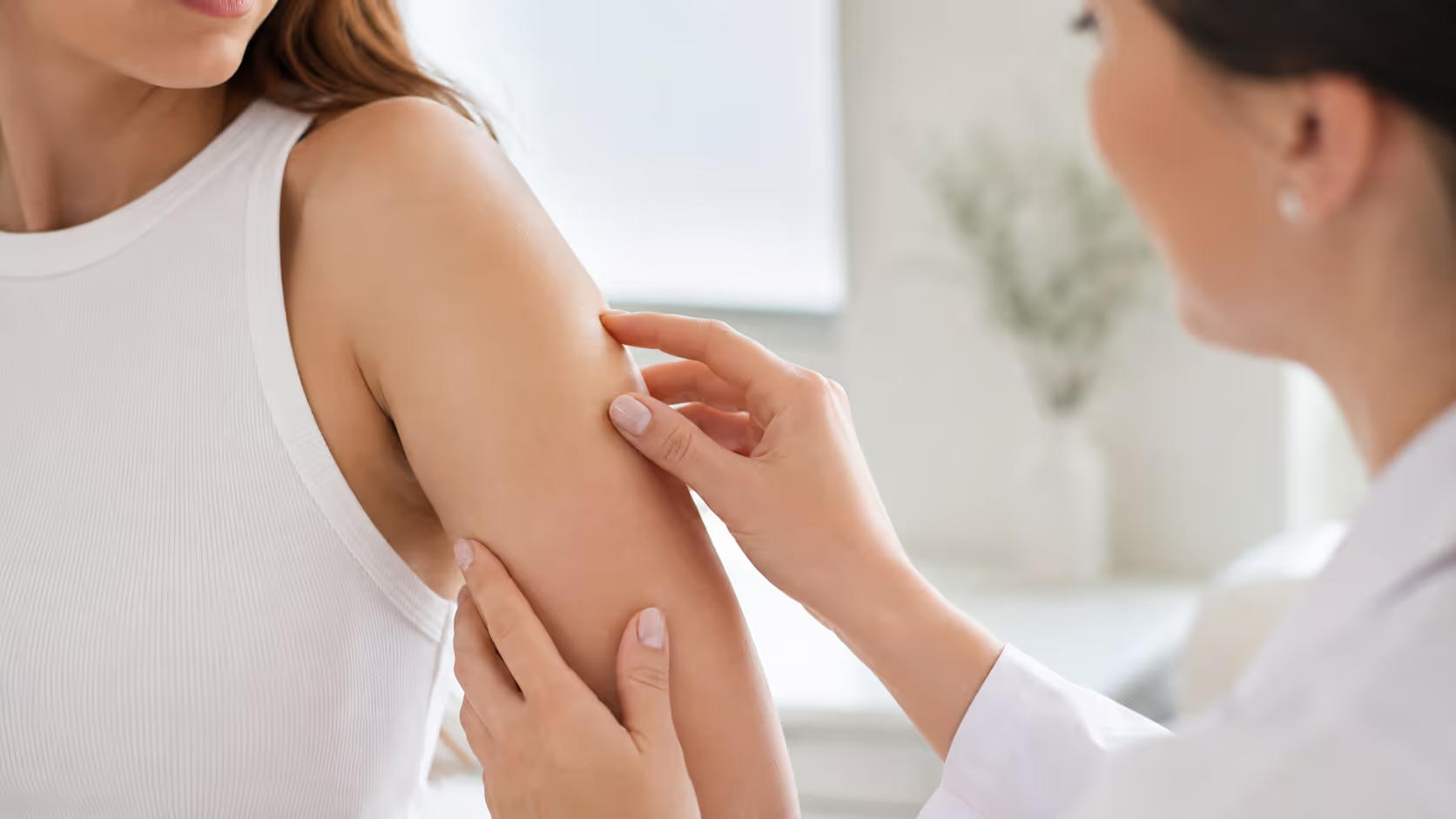
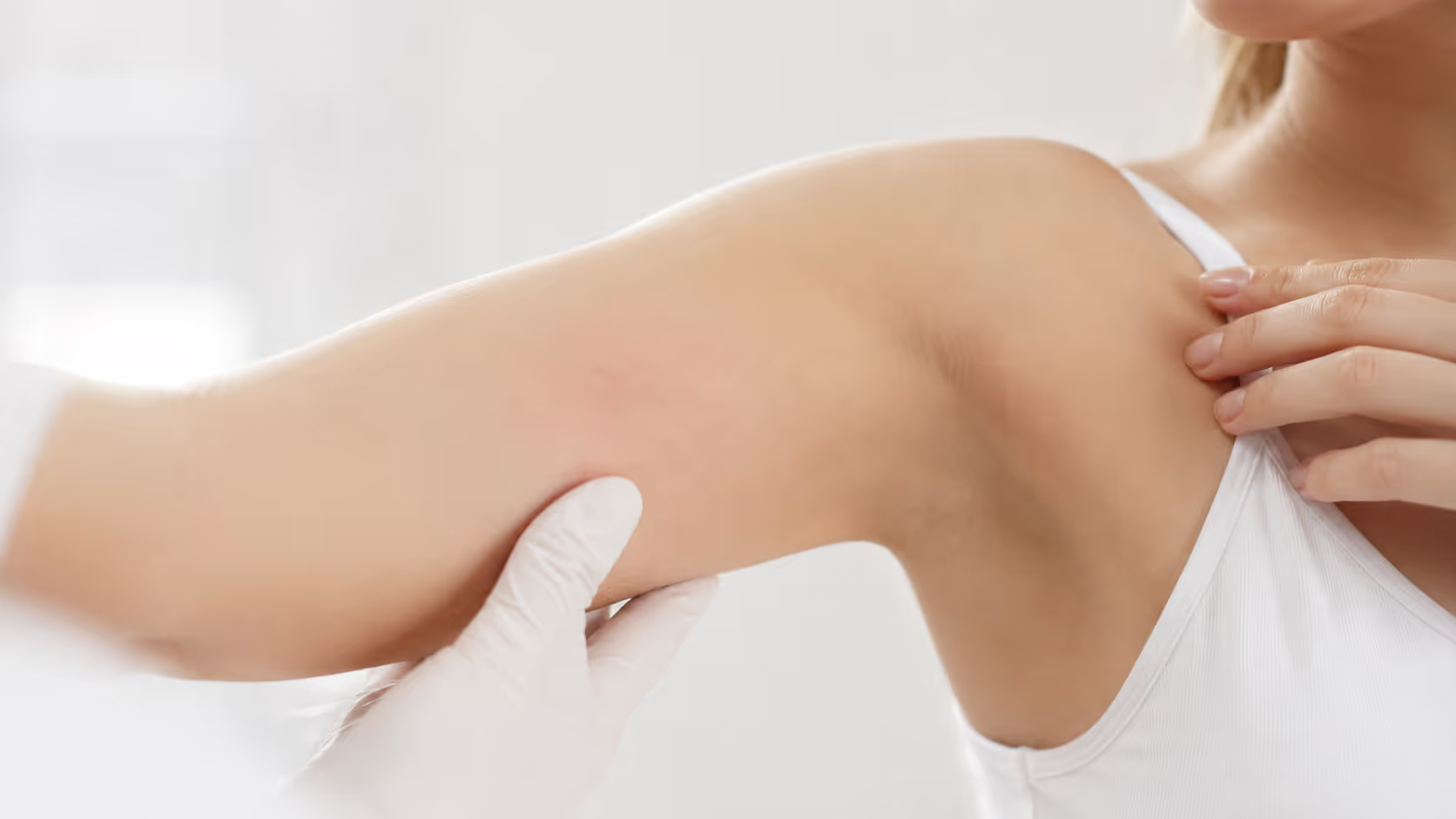
At Hazany Derm, patients often express surprise when learning that their bumpy upper arms and their itchy eczema patches might be related conditions. This connection becomes particularly important when developing comprehensive treatment plans that address both issues simultaneously. By understanding how these conditions interact, dermatologists can provide more effective care that targets the root causes rather than just treating symptoms in isolation.
Is Keratosis Pilaris a Type of Eczema?
No — keratosis pilaris is not a type of eczema. They're separate conditions: KP is a buildup of keratin around hair follicles, while eczema is an inflammatory condition. But they're closely connected — both stem from a weakened skin barrier, often trace to the same filaggrin gene mutation, and frequently show up in the same people.
How to Tell Keratosis Pilaris and Eczema Apart
The two feel and behave differently once you know what to check:
- Itch: Eczema itches, often intensely. KP usually doesn't — it just feels rough.
- Look: KP is uniform pinpoint bumps, flesh-colored or slightly red. Eczema forms irregular red patches that can crack, weep, or crust.
- Location: KP favors the upper arms, thighs, cheeks, and buttocks. Eczema favors elbow creases, behind the knees, the hands, and the face.
- Behavior: KP stays stable year to year. Eczema flares with triggers and calms with treatment.
Itch is the single best clue — and since many people have both conditions at once, seeing each in its usual location is where the confusion usually starts.
Understanding the Shared Genetic Foundation
The most significant connection between eczema and keratosis pilaris lies in their shared genetic predisposition, particularly involving mutations in the filaggrin gene. Filaggrin is a crucial protein responsible for maintaining the skin's barrier function and keeping moisture in while keeping irritants out. When this protein doesn't function properly, it creates vulnerability to both conditions simultaneously.
Research has shown that individuals with filaggrin gene mutations have a significantly higher risk of developing both eczema and keratosis pilaris. This genetic link explains why these conditions often run in families and why patients frequently experience both simultaneously. The compromised skin barrier resulting from filaggrin dysfunction creates an environment where both the inflammation of eczema and the keratinization problems of keratosis pilaris can thrive.
Dr. Salar Hazany frequently discusses with patients how genetic testing can sometimes provide insights into their skin conditions, though treatment approaches remain similar regardless of genetic status. Understanding this genetic component helps patients realize that having both conditions isn't coincidental but rather reflects underlying similarities in how their skin functions. This knowledge can be empowering for patients who have struggled with multiple skin issues throughout their lives.
The implications of this shared genetic foundation extend beyond just understanding why conditions occur together. It also explains why family members often experience similar patterns of skin issues and why certain populations have higher rates of both conditions. Environmental factors can trigger the expression of these genetic predispositions, which is why some people develop symptoms while others with similar genetics may not.
Patients at Hazany Derm often find it helpful to understand that their skin conditions aren't character flaws or results of poor hygiene, but rather genetic variations that require specific management approaches. This perspective shift can reduce the psychological burden that often accompanies visible skin conditions. While genetic predisposition cannot be changed, understanding it allows for more targeted and effective treatment strategies that work with the skin's natural tendencies rather than against them.
The Role of Compromised Skin Barrier Function
Both eczema and keratosis pilaris involve significant disruptions to the skin's natural barrier function, creating a cycle of irritation, inflammation, and abnormal skin cell behavior. The skin barrier, composed of dead skin cells held together by lipids, normally protects against moisture loss and prevents irritants from penetrating deeper layers. When this barrier becomes compromised, it sets the stage for both conditions to develop and persist.
In eczema, the compromised barrier allows allergens and irritants to penetrate more easily, triggering inflammatory responses that cause the characteristic redness, itching, and swelling. Similarly, in keratosis pilaris, the disrupted barrier function contributes to abnormal keratinization processes that lead to the formation of small, rough bumps. The skin's inability to properly regulate moisture and protect itself creates conditions favorable to both types of skin dysfunction.
This shared barrier dysfunction explains why both conditions often worsen in dry environments or during winter months when humidity levels drop. It also explains why treatments that focus on restoring and maintaining skin barrier function tend to be effective for both conditions. Hazany Derm emphasizes the importance of barrier repair in treatment protocols for patients dealing with either or both conditions.
The relationship between barrier dysfunction and symptom severity creates opportunities for targeted interventions. When patients successfully restore their skin barrier function, they often see improvements in both eczema symptoms and keratosis pilaris bumps. This improvement occurs because addressing the underlying barrier issues helps normalize both inflammatory responses and keratinization processes.
Understanding barrier dysfunction also helps explain why certain skincare practices can worsen both conditions. Harsh soaps, over-exfoliation, and failure to moisturize adequately can further compromise an already vulnerable skin barrier. The team at Hazany Derm works with patients to identify and modify skincare habits that may be inadvertently worsening their barrier function, leading to better outcomes for both conditions.
Inflammatory Pathways and Immune System Connections
The inflammatory components of both eczema and keratosis pilaris reveal another important connection between these conditions, involving similar immune system pathways and cellular responses. While eczema is typically recognized as an inflammatory condition, keratosis pilaris also involves inflammatory processes, though they may be less obvious visually. Both conditions can trigger immune responses that perpetuate skin dysfunction and symptom persistence.
In eczema, inflammatory pathways involving T-helper cells, particularly Th2 cells, create the cascade of reactions leading to itching, redness, and skin barrier disruption. Keratosis pilaris, while primarily considered a keratinization disorder, also involves inflammatory elements that contribute to the redness often seen around individual bumps. These inflammatory responses can cross-influence each other when both conditions are present simultaneously.
The chronic nature of inflammation in both conditions creates a cycle where skin barrier dysfunction leads to increased inflammation, which further compromises barrier function. This cycle helps explain why both conditions can be persistent and why they often flare together during times of stress or environmental challenge. Dr. Hazany often explains to patients that managing inflammation is crucial for controlling both conditions effectively.
The recognition of inflammatory components in both conditions has led to treatment approaches that target inflammation directly. Topical anti-inflammatory medications, including corticosteroids and calcineurin inhibitors, can be effective for both conditions. This shared response to anti-inflammatory treatments further supports the connection between eczema and keratosis pilaris.
Systemic factors that influence inflammation, such as stress, diet, and overall health status, tend to affect both conditions similarly. Hazany Derm specialists work with patients to identify and address these systemic triggers, recognizing that improvements in overall inflammatory status often benefit both skin conditions. This holistic approach acknowledges the interconnected nature of these disorders and the importance of addressing underlying inflammatory tendencies.
Eczema and Keratosis Pilaris Treatment in Beverly Hills
Not sure which one you're looking at — or dealing with both? Schedule a consultation with Dr. Salar Hazany in Beverly Hills. An in-person exam settles the diagnosis in minutes, and because the two conditions share treatment foundations, one barrier-repair plan often improves both.
Frequently Asked Questions
Can you have both eczema and keratosis pilaris at the same time?
Yes, it's quite common to have both eczema and keratosis pilaris simultaneously. These conditions frequently co-occur because they share similar genetic predispositions and involve comparable disruptions in skin barrier function. Many patients experience both the rough, bumpy texture of keratosis pilaris on their arms and legs alongside the red, itchy patches characteristic of eczema in various body areas. Dr. Salar Hazany often sees patients with both conditions and notes that they can influence each other's severity. When one condition flares, it can trigger or worsen the other due to shared inflammatory pathways and compromised skin barrier function. Understanding this connection helps develop more comprehensive treatment approaches that address both conditions effectively rather than treating them as separate, unrelated issues.
Are the treatments for eczema and keratosis pilaris similar?
Many treatments for eczema and keratosis pilaris overlap significantly due to their shared underlying mechanisms. Both conditions benefit from gentle exfoliation, intensive moisturizing, and barrier repair treatments. Topical treatments like urea-containing creams, lactic acid lotions, and ceramide-rich moisturizers can improve symptoms of both conditions. At Hazany Derm, treatment protocols often incorporate anti-inflammatory medications such as topical corticosteroids or calcineurin inhibitors that address inflammation in both disorders. However, some treatments may be tailored specifically for each condition. For example, keratosis pilaris might require more aggressive keratolytic agents like glycolic acid or tretinoin, while eczema might need stronger anti-inflammatory approaches. The key is developing individualized treatment plans that consider the presence of both conditions and their interactions.
Does having one condition increase the risk of developing the other?
Having either eczema or keratosis pilaris does increase the likelihood of developing the other condition due to their shared genetic and physiological foundations. Both conditions are often linked to filaggrin gene mutations and similar patterns of skin barrier dysfunction. When someone has compromised skin barrier function that predisposes them to one condition, they're also more vulnerable to developing the other. The team at Hazany Derm explains to patients that this increased risk doesn't mean they will definitely develop both conditions, but rather that they should be aware of early signs and maintain consistent skincare routines that support healthy barrier function. Environmental factors, stress levels, and skincare practices can influence whether someone with a genetic predisposition actually develops symptoms. Preventive care focusing on barrier protection and gentle skin maintenance can help reduce the risk of developing additional skin conditions.
Can stress trigger both eczema and keratosis pilaris flares?
Stress can indeed trigger flares of both eczema and keratosis pilaris, though the mechanisms may differ slightly between the two conditions. Stress affects the immune system and inflammatory responses, which can worsen eczema symptoms by triggering the release of inflammatory mediators and compromising skin barrier function. For keratosis pilaris, stress may exacerbate the condition by affecting skin cell turnover and increasing inflammation around hair follicles. Dr. Hazany emphasizes that stress management is an important component of comprehensive skin care for patients with either or both conditions. Chronic stress can perpetuate the inflammatory cycles that maintain both disorders and make them more resistant to treatment. Patients often notice that their skin conditions worsen during periods of high stress, such as work deadlines, relationship issues, or major life changes. Incorporating stress reduction techniques like meditation, exercise, or counseling can be beneficial adjuncts to topical treatments.
Are there genetic tests that can predict both conditions?
While genetic testing can identify certain mutations associated with both eczema and keratosis pilaris, particularly filaggrin gene variants, these tests are not routinely recommended for diagnostic purposes. The presence of genetic mutations doesn't guarantee that someone will develop these conditions, and many people with the conditions don't have identifiable genetic mutations. Hazany Derm specialists typically focus on clinical diagnosis and family history rather than genetic testing for these common skin conditions. However, genetic testing might be considered in cases where there's a strong family history of multiple skin conditions or when other genetic disorders are suspected. The most important factor is recognizing the genetic component of these conditions to help patients understand that they're not caused by poor hygiene or lifestyle choices. Instead of relying on genetic testing, dermatologists typically use clinical examination, patient history, and family history to diagnose and develop treatment plans for both conditions.
Do diet and lifestyle factors affect both conditions similarly?
Diet and lifestyle factors can influence both eczema and keratosis pilaris, though individual responses may vary significantly. Both conditions can be affected by factors that influence inflammation, skin barrier function, and overall skin health. Common dietary triggers for eczema, such as dairy, eggs, or gluten, may also worsen keratosis pilaris in some individuals. Omega-3 fatty acids and anti-inflammatory foods may benefit both conditions by reducing systemic inflammation. Dr. Salar Hazany often discusses with patients how lifestyle factors like adequate hydration, gentle skincare routines, and avoiding harsh environmental exposures can improve both conditions. Vitamin deficiencies, particularly vitamin A and essential fatty acids, may contribute to both disorders. However, dietary modifications should be approached carefully and preferably under medical guidance, as restrictive diets can sometimes cause more harm than benefit. The key is identifying individual triggers and maintaining a balanced approach to nutrition and skincare that supports overall skin health.
Can weather changes affect both eczema and keratosis pilaris?
Weather changes, particularly those affecting humidity and temperature, can significantly impact both eczema and keratosis pilaris. Cold, dry weather typical of winter months often worsens both conditions by reducing environmental humidity and compromising skin barrier function. Low humidity levels increase transepidermal water loss, making the skin drier and more prone to irritation and inflammation. At the Hazany Derm clinic, patients frequently report seasonal flares of both conditions during winter months or in dry climates. Hot, humid weather can also trigger problems, though the mechanisms differ. High humidity might worsen eczema by increasing sweating and potential bacterial growth, while sudden temperature changes can stress the skin's adaptive mechanisms. Air conditioning and heating systems that create very dry indoor environments can exacerbate both conditions year-round. Patients often benefit from using humidifiers, adjusting their skincare routines seasonally, and being proactive about barrier protection during weather transitions.
What's the long-term outlook for people with both conditions?
The long-term outlook for people with both eczema and keratosis pilaris is generally positive with proper management, though both conditions are typically chronic and require ongoing attention. Most people can achieve significant symptom control and improved quality of life through consistent skincare routines and appropriate treatments. The experts at Hazany Derm emphasize that while these conditions may persist throughout life, they often improve with age and proper management. Many patients find that their symptoms become more predictable and manageable as they learn their individual triggers and develop effective skincare routines. Children with both conditions often see improvement during adolescence, though symptoms may persist into adulthood. The key to long-term success is maintaining consistent barrier protection, avoiding known triggers, and working with dermatologists to adjust treatments as needed. New treatments continue to be developed, offering hope for even better management options in the future. With proper care, most people with both conditions can maintain healthy, comfortable skin and prevent complications.