






%201.avif)



Can Stress Cause Skin Inflammation?


Stress can directly cause skin inflammation through hormonal changes and immune system disruption. Chronic stress triggers inflammatory responses that worsen conditions like acne, eczema, and psoriasis. Hazany Derm offers comprehensive treatment approaches combining medical therapy with stress management strategies.
The relationship between stress and skin health has become increasingly apparent in modern dermatology, revealing a complex interplay between psychological well-being and inflammatory skin conditions. When we experience stress, our bodies initiate a cascade of physiological responses that extend far beyond mental discomfort, directly impacting the largest organ of our body: the skin. This mind-skin connection, known as psychodermatology, demonstrates how emotional and psychological factors can manifest as visible skin problems.
Stress-induced skin inflammation occurs through multiple biological pathways that involve hormonal fluctuations, immune system dysfunction, and disrupted barrier function. The skin serves as both a target and a source of stress, creating a cyclical pattern where stress causes skin problems, which in turn generate more stress and perpetuate the inflammatory process. Understanding these mechanisms is crucial for developing effective treatment strategies that address both the physical symptoms and underlying psychological triggers.
At Hazany Derm, we recognize that successful treatment of stress-related skin inflammation requires a comprehensive approach that goes beyond topical treatments. Our practice integrates advanced dermatological therapies with stress management techniques to break the cycle of inflammation and provide long-lasting relief. By addressing both the physiological and psychological aspects of skin conditions, we help patients achieve clearer, healthier skin while improving their overall quality of life.
Does Stress Really Cause Skin Inflammation?
Yes — stress is a direct trigger for skin inflammation. Stress hormones like cortisol increase oil production, weaken the skin barrier, and push the immune system toward an inflammatory state. The result is flare-ups of acne, eczema, psoriasis, rosacea, seborrheic dermatitis, and folliculitis — often within days of a stressful period.
The Science Behind Stress-Induced Skin Inflammation
When stress activates the hypothalamic-pituitary-adrenal (HPA) axis, it triggers the release of cortisol and other stress hormones that have profound effects on skin physiology. Elevated cortisol levels increase oil production, impair the skin's barrier function, and promote inflammatory responses throughout the body. These hormonal changes create an environment where skin inflammation can develop and persist, leading to various dermatological conditions that may be difficult to resolve without addressing the underlying stress component.
The immune system plays a central role in stress-induced skin inflammation through the activation of inflammatory pathways and the release of pro-inflammatory cytokines. Chronic stress suppresses certain aspects of immune function while simultaneously triggering inflammatory responses that can exacerbate existing skin conditions or create new ones. This dysregulated immune response affects the skin's ability to heal properly and maintain its protective barrier function.
Neuropeptides released during stress responses also contribute to skin inflammation by directly affecting nerve endings in the skin and promoting the release of inflammatory mediators. These chemical messengers can increase blood flow, enhance permeability of blood vessels, and stimulate the release of histamine and other inflammatory substances. The result is a complex web of physiological changes that manifest as visible skin inflammation, redness, swelling, and various other dermatological symptoms.
The timing and duration of stress exposure significantly influence the severity and persistence of skin inflammation. Acute stress may cause temporary flare-ups that resolve relatively quickly once the stressor is removed, while chronic stress leads to persistent inflammatory states that require more intensive intervention. Understanding this distinction is crucial for developing appropriate treatment protocols that address both immediate symptoms and long-term management strategies.
Dr. Salar Hazany emphasizes the importance of recognizing stress as a legitimate trigger for skin inflammation and incorporating stress assessment into routine dermatological evaluations. By identifying stress-related factors early in the diagnostic process, we can develop more targeted treatment approaches that address the root causes of inflammation rather than simply managing surface symptoms. This comprehensive approach often leads to better outcomes and reduced likelihood of recurrence.
Common Stress-Related Inflammatory Skin Conditions
Acne represents one of the most common stress-related inflammatory skin conditions, with research consistently demonstrating a strong correlation between psychological stress and acne severity. Stress hormones increase sebum production, promote bacterial growth, and enhance inflammatory responses around hair follicles, creating the perfect environment for acne development. Adult acne, in particular, often shows clear patterns related to stress levels, with flare-ups frequently occurring during periods of high emotional or psychological pressure.
Eczema and atopic dermatitis are particularly sensitive to stress-induced inflammation, with many patients reporting significant worsening of symptoms during stressful life events. The compromised skin barrier characteristic of eczema becomes even more vulnerable under stress, allowing irritants and allergens to penetrate more easily and trigger inflammatory responses. Stress also affects the skin's natural moisturizing factors and increases transepidermal water loss, exacerbating the dryness and irritation associated with these conditions.
Psoriasis demonstrates perhaps the strongest connection between stress and inflammatory skin disease, with up to 80% of patients reporting stress as a trigger for their condition. The autoimmune component of psoriasis becomes more active under stress, leading to accelerated skin cell turnover and increased inflammatory activity. Hazany Derm has observed that patients who successfully manage their stress levels often experience significant improvement in their psoriasis symptoms, highlighting the importance of addressing psychological factors in treatment planning.
Additional stress-related inflammatory skin conditions include:
- Rosacea flare-ups: Stress triggers vasodilation and inflammatory responses in facial blood vessels
- Seborrheic dermatitis: Increased oil production and inflammatory activity worsen scalp and facial symptoms
- Urticaria (hives): Stress-induced histamine release causes widespread inflammatory skin reactions
- Alopecia areata: Autoimmune hair loss condition often triggered or worsened by psychological stress
The presentation of stress-related skin inflammation can vary significantly between individuals, with some people showing immediate responses to acute stress while others develop symptoms gradually over time with chronic stress exposure. Factors such as genetic predisposition, existing skin conditions, overall health status, and coping mechanisms all influence how stress manifests in skin symptoms. Recognizing these individual variations is essential for developing personalized treatment approaches that address each patient's unique circumstances.
Treatment protocols at Hazany Derm incorporate both traditional dermatological therapies and stress management strategies to address the multifaceted nature of stress-related skin inflammation. We work closely with patients to identify their specific stress triggers and develop coping strategies while simultaneously treating the inflammatory skin symptoms with appropriate medical interventions. This dual approach often yields superior results compared to treating skin symptoms alone, as it addresses both the immediate problem and the underlying causative factors.
Can stress cause folliculitis?
Stress doesn't directly infect hair follicles, but it weakens the skin barrier and the immune response that normally keep follicle-level bacteria in check — so stressful periods can absolutely set the stage for folliculitis flares. Increased sweating and oil production add to the risk. Recurrent or spreading folliculitis warrants evaluation by a dermatologist.
Can stress cause cysts or abscesses to flare up?
Yes. Stress hormones ramp up oil production and inflammation, which can inflame existing cysts and aggravate conditions like hidradenitis suppurativa, where painful abscess-like flares often track with high-stress periods. If deep, painful lumps keep returning, medical treatment — not just stress management — is usually needed.
Can stress cause moles?
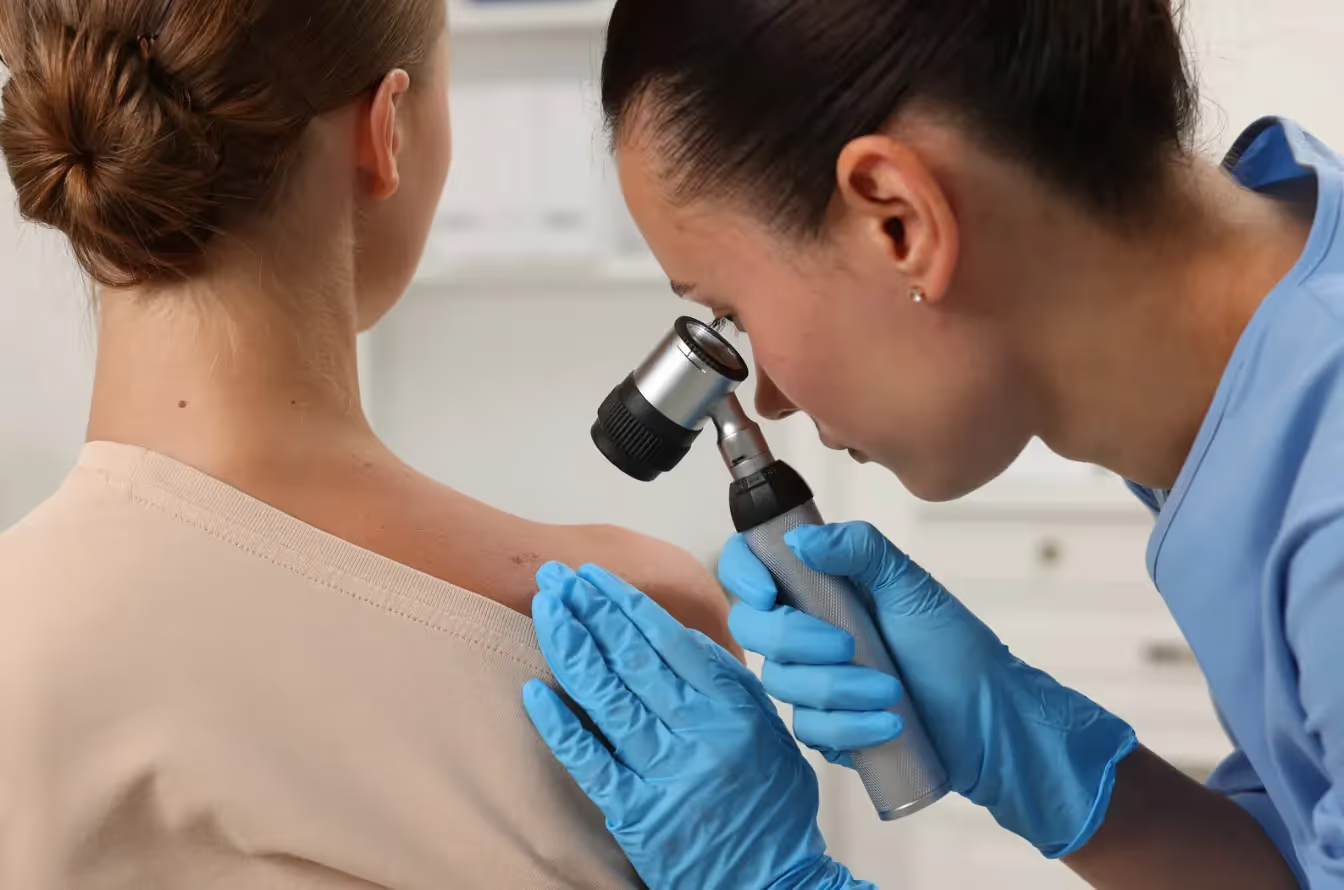
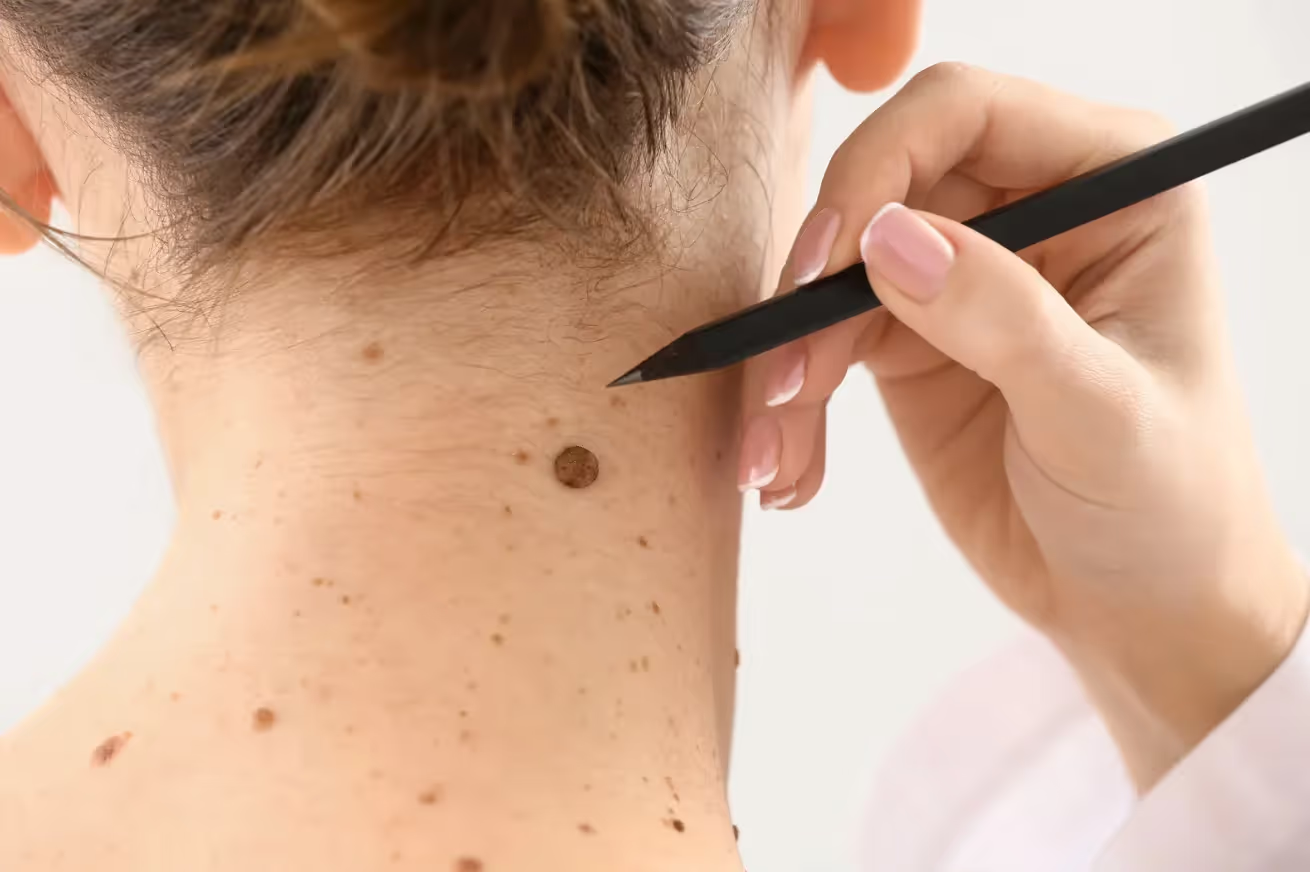
No — moles are driven by genetics and sun exposure, not stress, and stress won't create new ones. However, any mole that changes in size, shape, or color should be evaluated promptly, since those changes can signal something more serious than a stress response.
Prevention and Management Strategies
Developing effective stress management techniques forms the cornerstone of preventing stress-induced skin inflammation, requiring a multifaceted approach that addresses both acute stress responses and chronic stress patterns. Regular exercise, meditation, deep breathing exercises, and adequate sleep all play crucial roles in maintaining healthy cortisol levels and supporting optimal immune function. These lifestyle modifications not only help prevent stress-related skin flare-ups but also contribute to overall skin health by promoting proper circulation, cellular repair processes, and barrier function maintenance.
Skincare routines specifically designed for stress-prone skin focus on gentle, anti-inflammatory ingredients that support the skin's natural barrier function without causing additional irritation. Products containing ceramides, niacinamide, and hyaluronic acid help maintain skin hydration and integrity, while ingredients like zinc oxide and calamine can provide soothing relief during inflammatory flare-ups. The team at Hazany Derm recommends avoiding harsh scrubs, alcohol-based products, and frequent routine changes during stressful periods, as these can further compromise already vulnerable skin.
Dietary considerations play an important role in managing stress-related skin inflammation, with certain foods having the potential to either exacerbate or reduce inflammatory responses. Anti-inflammatory foods rich in omega-3 fatty acids, antioxidants, and vitamins support skin health and may help mitigate the effects of stress on skin inflammation. Conversely, high-glycemic foods, excessive caffeine, and processed foods can worsen inflammatory responses and should be limited, particularly during periods of high stress.
Long-term success in managing stress-related skin inflammation requires ongoing monitoring and adjustment of treatment strategies based on changing life circumstances and stress levels. Regular follow-up appointments at Hazany Derm allow for assessment of treatment effectiveness and modification of approaches as needed. We encourage patients to maintain stress and symptom diaries to identify patterns and triggers, enabling more targeted interventions and preventive strategies. This collaborative approach empowers patients to take an active role in their treatment while ensuring they receive professional guidance and support throughout their healing journey.
Treating Stress-Related Skin Inflammation in Beverly Hills
If your skin flares every time life gets hectic, you don't have to manage it alone. Schedule a consultation with board-certified medical dermatologist Dr. Salar Hazany in Beverly Hills to build a treatment plan that calms your skin — and keeps it calm.
Frequently Asked Questions
How quickly can stress cause skin inflammation to appear?
Stress-induced skin inflammation can appear remarkably quickly, with some individuals experiencing symptoms within hours of a stressful event. Acute stress responses trigger immediate hormonal changes, particularly cortisol release, which can rapidly affect oil production and blood vessel dilation. However, the timeline varies significantly between individuals and depends on factors like genetic predisposition, existing skin conditions, and stress severity. Dr. Salar Hazany notes that patients with conditions like rosacea or eczema often see flare-ups within 24-48 hours of significant stress, while others may develop symptoms gradually over days or weeks. Understanding your personal stress-response timeline helps in developing effective prevention strategies and early intervention protocols.
What are the most effective treatments for stress-related skin inflammation?
Effective treatment for stress-related skin inflammation requires a comprehensive approach addressing both physiological symptoms and underlying stress factors. Topical anti-inflammatory treatments, including corticosteroids and calcineurin inhibitors, provide immediate symptom relief, while systemic medications may be necessary for severe cases. Hazany Derm emphasizes combining medical treatments with stress management techniques such as meditation, regular exercise, and adequate sleep. Gentle skincare routines using barrier-repair ingredients like ceramides and niacinamide help maintain skin integrity during stressful periods. Additionally, identifying and avoiding personal stress triggers, maintaining consistent daily routines, and seeking professional counseling when appropriate can significantly improve treatment outcomes and prevent future flare-ups of stress-induced inflammation.
Can chronic stress permanently damage the skin's ability to heal?
While chronic stress can significantly impair skin healing processes, the damage is typically not permanent when properly addressed. Prolonged stress exposure disrupts collagen production, impairs barrier function, and creates persistent inflammatory states that slow healing. However, the skin has remarkable regenerative capacity when given appropriate support and treatment. The team at Hazany Derm has observed significant improvement in healing capacity when patients successfully implement stress management strategies alongside targeted dermatological treatments. Recovery involves restoring normal cortisol levels, supporting immune function, and rebuilding the skin's protective barrier through appropriate skincare and lifestyle modifications. While some effects of chronic stress may take months to fully reverse, most patients experience noticeable improvements in skin healing within weeks of beginning comprehensive treatment approaches.
Which skin conditions are most commonly triggered by stress?
Several skin conditions show strong correlations with stress, with acne, eczema, and psoriasis being the most commonly affected. Stress-induced hormonal changes increase sebum production and inflammatory responses, making acne particularly responsive to psychological triggers. Eczema and atopic dermatitis often flare during stressful periods due to compromised barrier function and increased sensitivity to irritants. Dr. Hazany frequently observes that psoriasis patients experience significant worsening during high-stress periods, with up to 80% reporting stress as a primary trigger. Other commonly affected conditions include rosacea, seborrheic dermatitis, urticaria (hives), and alopecia areata. The severity and presentation of stress-related flare-ups vary significantly between individuals, influenced by genetic factors, existing skin health, and personal stress management capabilities.
How can I tell if my skin inflammation is caused by stress versus other factors?
Identifying stress as the cause of skin inflammation requires careful observation of timing, patterns, and associated symptoms. Stress-related flare-ups typically correlate with identifiable stressful events, periods, or life changes, often appearing within days of increased stress levels. Unlike allergic reactions or irritant contact dermatitis, stress-induced inflammation may not have obvious external triggers and tends to affect areas like the face, chest, and back where sebaceous glands are most active. Hazany Derm specialists recommend maintaining a symptom diary documenting stress levels, sleep patterns, and skin changes to identify correlations. Additional clues include simultaneous digestive issues, sleep disturbances, or mood changes alongside skin symptoms. Professional evaluation can help differentiate stress-induced inflammation from other causes through comprehensive history-taking, examination, and potentially patch testing or other diagnostic procedures.
Are there specific skincare ingredients that help with stress-induced inflammation?
Several skincare ingredients are particularly effective for managing stress-induced skin inflammation. Niacinamide reduces inflammation, regulates oil production, and strengthens the skin barrier, making it ideal for stress-related acne and irritation. Ceramides help restore barrier function that's often compromised during stressful periods, while hyaluronic acid provides essential hydration without clogging pores. Anti-inflammatory ingredients like zinc oxide, allantoin, and colloidal oatmeal offer soothing relief during flare-ups. Dr. Salar Hazany recommends avoiding harsh ingredients like high-concentration retinoids, alcohol-based toners, and physical scrubs during stressful periods, as these can worsen inflammation. Gentle cleansers with pH-balanced formulations, fragrance-free moisturizers, and mineral sunscreens provide protection without additional irritation. The key is maintaining consistency and simplicity in routines, as frequent product changes during stress can further compromise already vulnerable skin.
Does treating stress always improve inflammatory skin conditions?
While stress management often significantly improves inflammatory skin conditions, it's not a universal cure, as these conditions typically have multifactorial causes. Stress reduction can dramatically decrease flare-up frequency and severity, particularly in conditions like psoriasis, eczema, and acne where psychological triggers play major roles. However, genetic predisposition, environmental factors, hormonal influences, and underlying autoimmune processes also contribute to these conditions. The Hazany Derm clinic emphasizes that optimal outcomes require comprehensive treatment addressing all contributing factors, not just stress management alone. Some patients experience substantial improvement through stress reduction techniques, while others require combined medical therapy and stress management for best results. Even when stress management doesn't completely resolve skin conditions, it typically reduces symptom severity, improves treatment response, and enhances overall quality of life, making it a valuable component of any comprehensive treatment plan.
When should I see a dermatologist for stress-related skin problems?
You should consult a dermatologist when stress-related skin problems persist despite basic stress management efforts, significantly impact daily activities, or worsen progressively over time. Warning signs requiring professional evaluation include widespread inflammation, signs of infection (fever, pus, red streaking), severe itching disrupting sleep, or emotional distress related to skin appearance. Additionally, if you're unsure whether stress is causing your skin problems or if over-the-counter treatments aren't providing relief after 2-3 weeks, professional assessment is recommended. The experts at Hazany Derm also advise seeking early intervention for patients with known stress-sensitive conditions like psoriasis or eczema when experiencing increased life stress, as preventive treatment is often more effective than waiting for full flare-ups. Professional guidance ensures appropriate diagnosis, rules out other conditions, and provides access to prescription treatments and comprehensive management strategies that address both skin symptoms and underlying stress factors.