




%201.avif)



LaseMD Ultra vs. Picoway: What's the Difference?



LaseMD Ultra focuses on fractional resurfacing for texture and tone improvement, while Picoway excels at tattoo removal and pigment correction. Hazany Derm offers both advanced laser technologies to address diverse skin concerns with personalized treatment plans.
When considering advanced laser treatments for skin rejuvenation, two names consistently rise to the top: LaseMD Ultra and Picoway. These cutting-edge technologies represent different approaches to addressing various skin concerns, from fine lines and pigmentation to tattoo removal and overall skin texture improvement. Understanding the distinctions between these powerful laser systems is crucial for making an informed decision about your skincare journey.
Both LaseMD Ultra and Picoway have revolutionized the aesthetic medicine landscape, offering patients non-invasive solutions with impressive results. However, their mechanisms of action, target concerns, and treatment experiences differ significantly. While LaseMD Ultra specializes in fractional resurfacing and skin rejuvenation, Picoway excels in picosecond technology for precise pigment and ink removal. These fundamental differences make each system uniquely suited for specific skin conditions and patient goals.
The choice between LaseMD Ultra and Picoway ultimately depends on your individual skin concerns, desired outcomes, and treatment preferences. At Hazany Derm, patients benefit from comprehensive consultations that evaluate skin type, condition severity, and aesthetic goals to determine the most appropriate laser technology. This personalized approach ensures optimal results while minimizing potential side effects and maximizing patient satisfaction throughout the treatment process.
LaseMD Ultra vs. Picoway: The Short Answer
The difference is what they treat. LaseMD Ultra is a fractional resurfacing laser for overall skin quality — texture, tone, fine lines, and sun damage — while Picoway is a picosecond laser built for pigment, targeting stubborn spots, melasma, and tattoo ink. For general rejuvenation, LaseMD Ultra; for a specific pigment or ink problem, Picoway.
Understanding LaseMD Ultra Technology
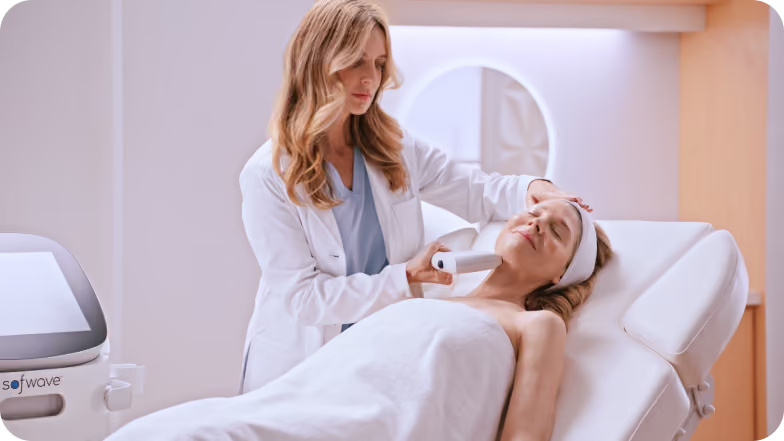
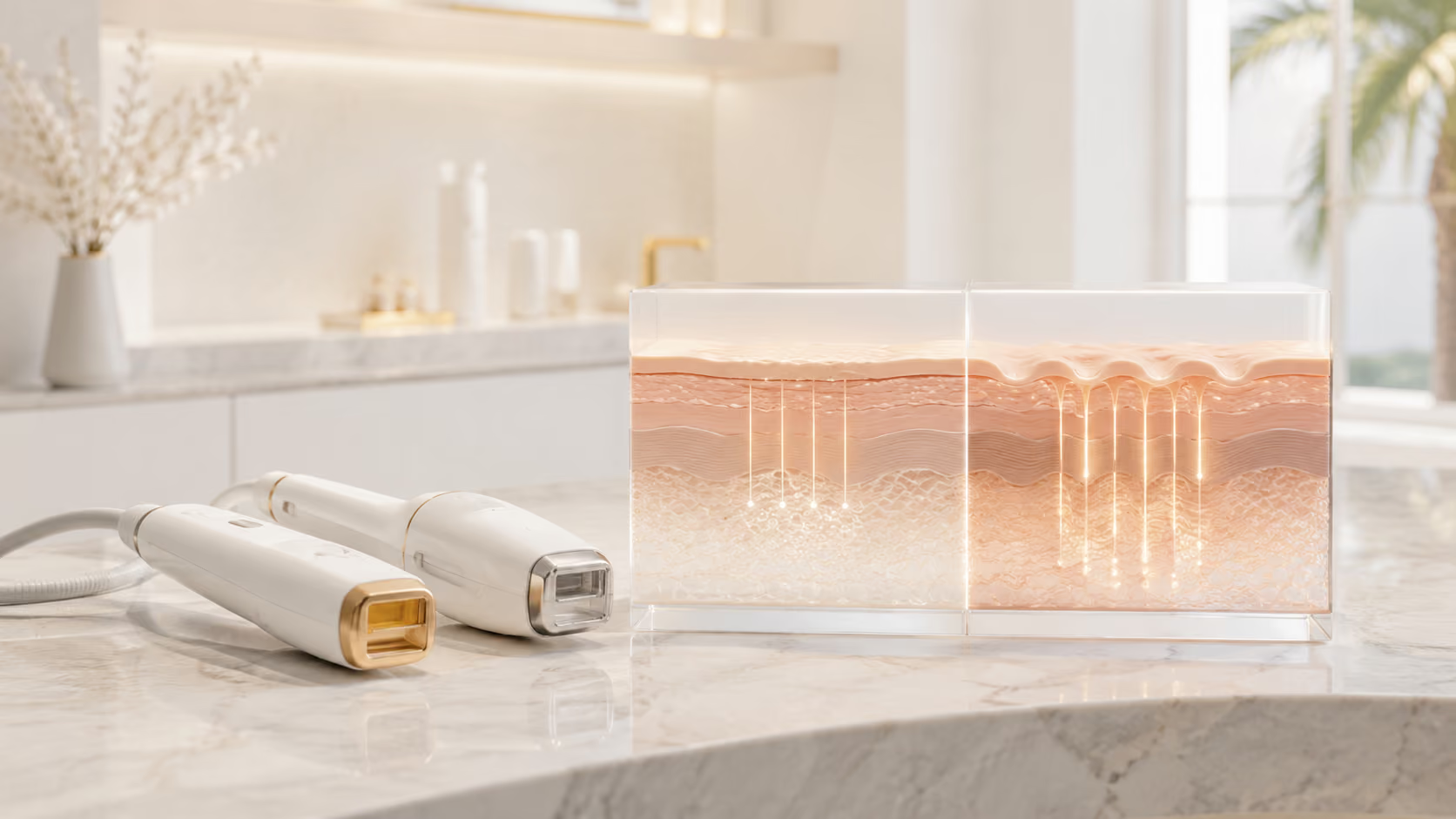
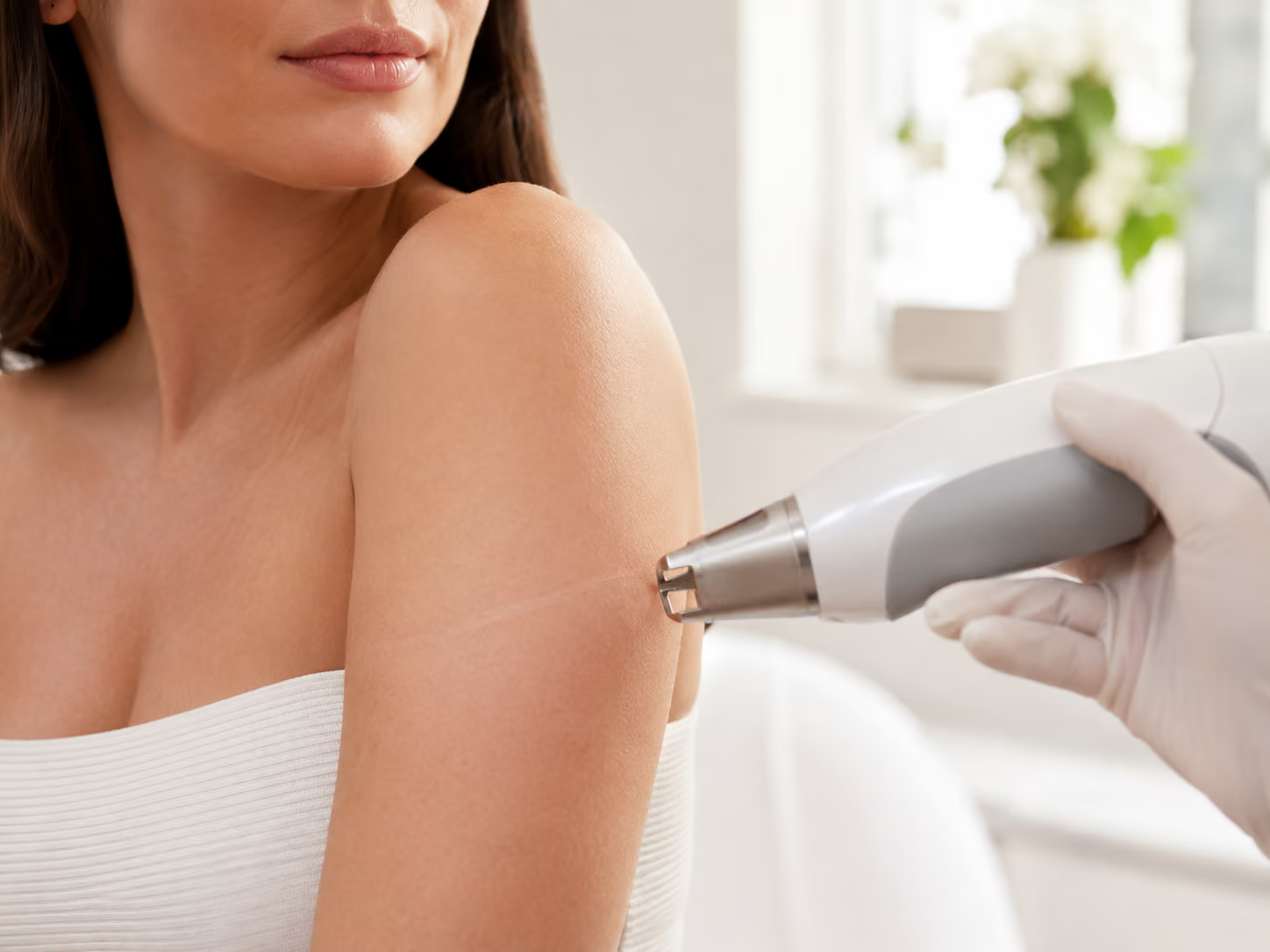
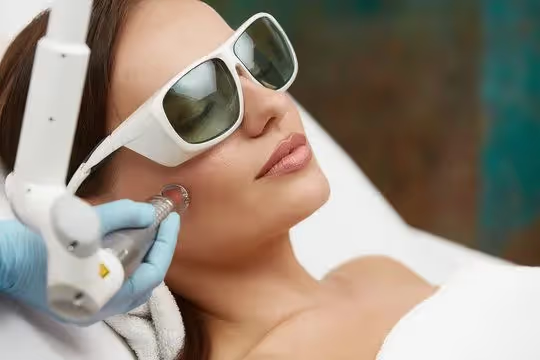
LaseMD Ultra represents the latest advancement in fractional laser technology, utilizing a unique non-ablative fractional laser system. This innovative device creates thousands of microscopic treatment zones in the skin while leaving surrounding tissue intact for faster healing. The fractional approach stimulates the body's natural healing response, promoting collagen production and cellular turnover for comprehensive skin rejuvenation. This technology allows for customizable treatment depths and intensities based on individual patient needs and skin conditions.
The laser operates using a 1927-nanometer wavelength that targets water in the skin tissue, creating controlled thermal injury zones. These microscopic wounds trigger the skin's repair mechanisms, resulting in improved texture, reduced pigmentation, and enhanced overall skin quality. The non-ablative nature means the skin's surface remains largely intact, reducing downtime compared to traditional ablative laser treatments. This makes LaseMD Ultra an attractive option for patients seeking significant results without extended recovery periods.
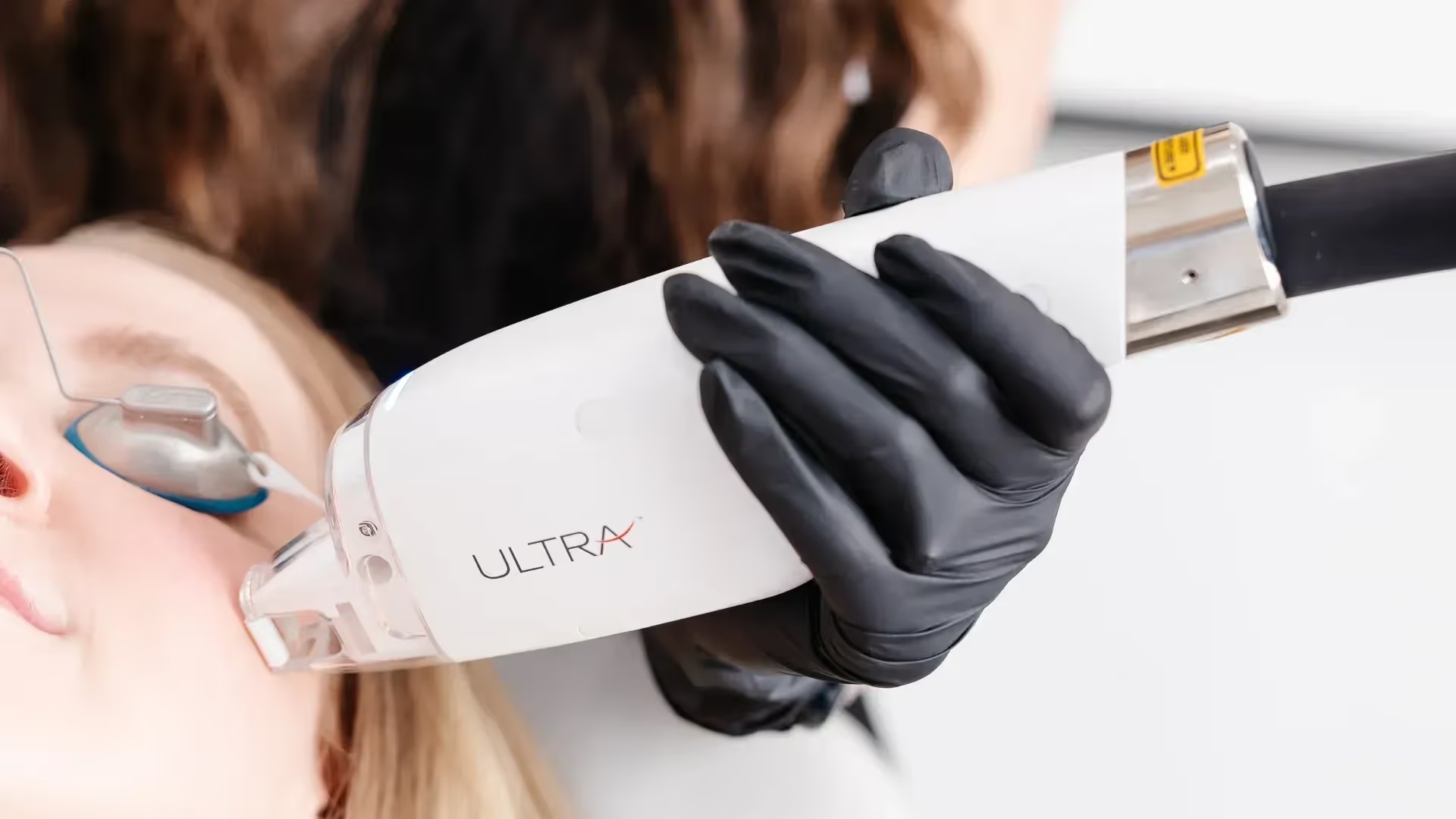
The system's advanced delivery mechanism ensures uniform energy distribution across the treatment area, minimizing the risk of uneven results or complications. The device features multiple handpiece options and adjustable settings, allowing practitioners to customize treatments for different skin types and concerns. This versatility makes LaseMD Ultra suitable for treating various areas of the body, including the face, neck, chest, and hands. The technology's precision enables targeted treatment of specific concerns while preserving healthy surrounding tissue.
The treatment process typically involves a series of sessions spaced several weeks apart to achieve optimal results. During each session, the laser creates thousands of microscopic treatment channels while delivering therapeutic serums deep into the skin. This combination approach enhances the treatment's effectiveness by allowing active ingredients to penetrate deeper than traditional topical applications. Patients often notice improvements in skin texture and tone within the first few weeks, with continued enhancement over the following months.
Dr. Salar Hazany emphasizes that LaseMD Ultra's strength lies in its ability to address multiple skin concerns simultaneously while maintaining patient comfort and safety. The treatment's fractional approach allows for significant skin improvement without the extended downtime associated with more aggressive laser procedures. This makes it an excellent choice for patients with busy lifestyles who cannot accommodate lengthy recovery periods but still desire noticeable skin rejuvenation results.
Exploring Picoway Laser Technology
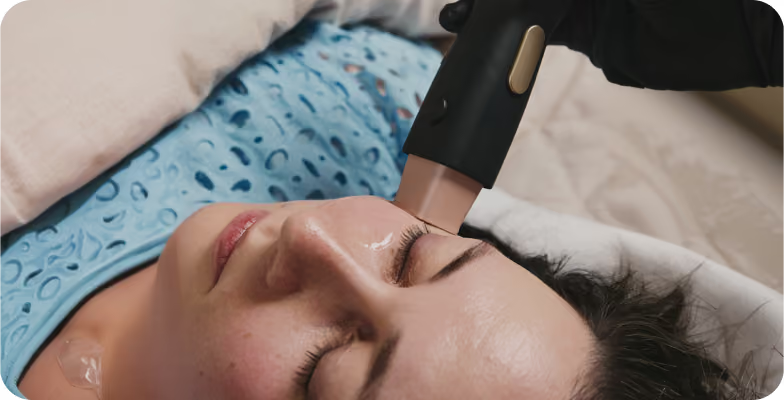
Picoway represents a breakthrough in picosecond laser technology, delivering ultra-short pulse durations measured in trillionths of a second. This revolutionary approach creates photomechanical effects rather than thermal damage, allowing for more precise treatment of pigmented lesions and tattoo ink. The picosecond pulses shatter target chromophores into tiny particles that the body can naturally eliminate through its lymphatic system. This mechanism makes Picoway exceptionally effective for treating stubborn pigmentation and multicolored tattoos that resist traditional laser treatments.
The system operates at multiple wavelengths, including 532nm, 755nm, and 1064nm, enabling treatment of various pigment colors and skin types. Each wavelength targets specific chromophores, making Picoway versatile for addressing different types of pigmentation, from superficial age spots to deeper melasma. The ultra-short pulse duration minimizes heat buildup in surrounding tissues, reducing the risk of post-inflammatory hyperpigmentation and other thermal-related complications. This precision makes Picoway suitable for treating patients with darker skin tones who may not be candidates for other laser treatments.
The picosecond technology's ability to create pressure waves rather than heat-based injury represents a paradigm shift in laser treatment methodology. These pressure waves effectively fragment target particles while preserving surrounding healthy tissue, resulting in cleaner, more complete pigment clearance. The process triggers the body's natural healing mechanisms without causing significant thermal damage to the epidermis or dermis. This approach often requires fewer treatment sessions compared to traditional nanosecond lasers while achieving superior clearance rates.
Treatment sessions with Picoway are typically quick, often completed within minutes depending on the size and complexity of the target area. The laser's efficiency means that fewer sessions are generally required compared to traditional laser systems, making it a cost-effective option for many patients. However, the number of treatments needed varies based on factors such as pigment depth, color, and individual healing response. Patients usually schedule sessions at 6-8 week intervals to allow proper healing and pigment elimination between treatments.
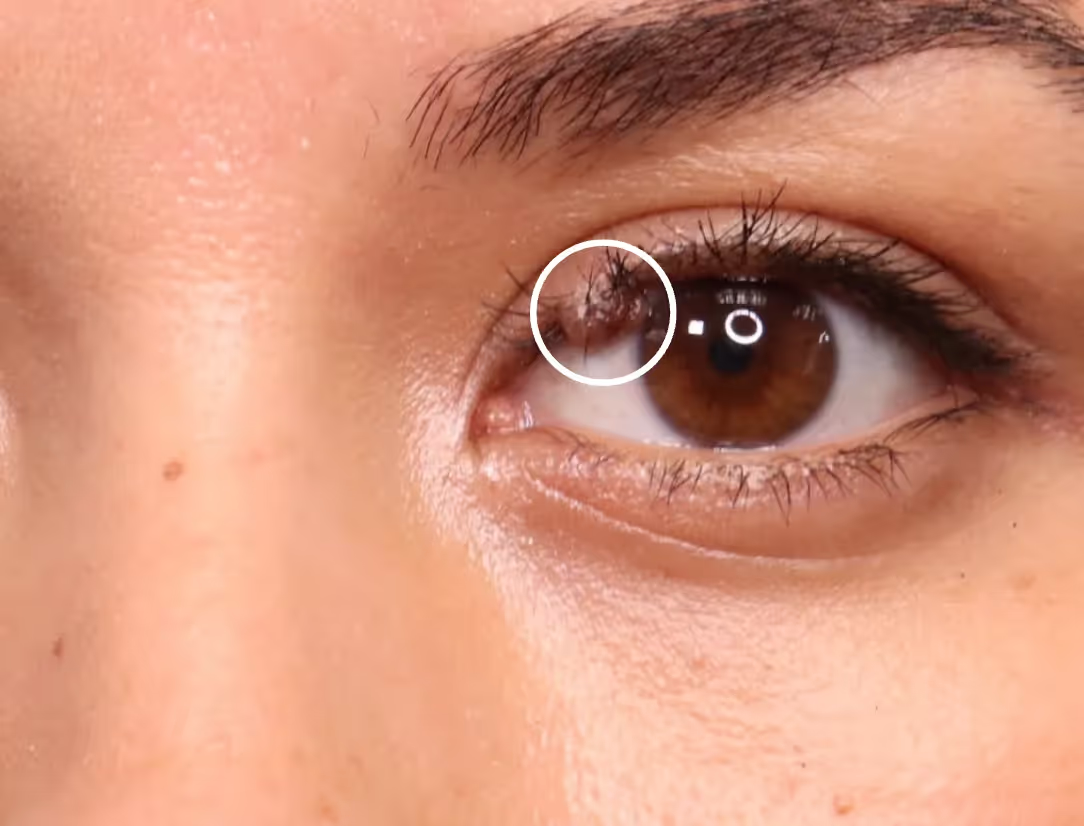
The technology's precision makes it particularly valuable for treating delicate areas around the eyes and other sensitive facial regions. Hazany Derm utilizes Picoway's advanced capabilities to address challenging cases that may not respond well to other treatment modalities. The system's ability to target specific pigments while sparing surrounding tissue makes it an excellent choice for patients seeking precise, effective treatment with minimal risk of complications or unwanted side effects.
Comparing Treatment Applications and Results
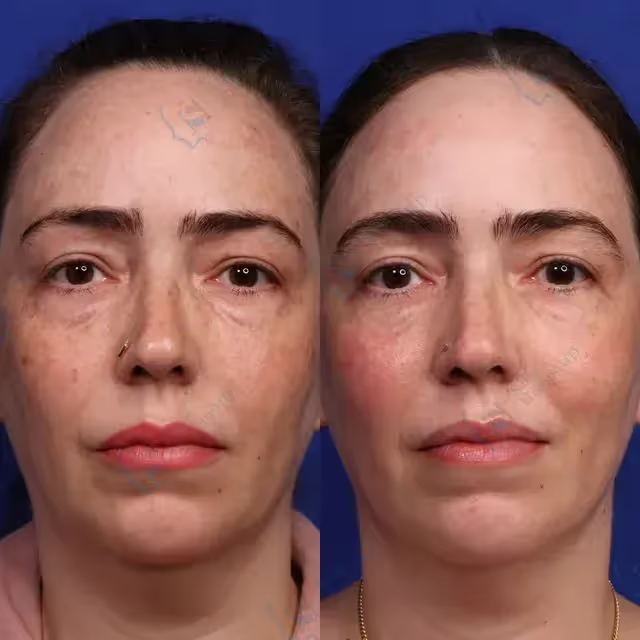
The primary distinction between LaseMD Ultra and Picoway lies in their intended applications and the types of skin concerns they address most effectively. LaseMD Ultra excels in comprehensive skin rejuvenation, targeting issues such as fine lines, uneven texture, mild to moderate sun damage, and overall skin quality improvement. Its fractional approach makes it ideal for patients seeking gradual, natural-looking improvements in skin appearance with minimal downtime. The treatment stimulates collagen production, resulting in long-term skin health benefits beyond immediate cosmetic improvements.
Picoway, conversely, specializes in precise pigment and ink removal, making it the preferred choice for tattoo removal and stubborn pigmentation issues. Its picosecond technology can effectively target deep-seated pigments and multicolored tattoos that traditional lasers cannot adequately address. The system's ability to create photomechanical effects rather than thermal injury makes it particularly effective for treating melasma, age spots, and other challenging pigmentary conditions. Patients with specific pigmentation concerns often see more dramatic and targeted results with Picoway compared to other laser technologies.
The treatment experience differs significantly between the two systems, with LaseMD Ultra typically requiring a series of gentler sessions for gradual improvement. Patients often describe the sensation as warm and slightly prickly, with most finding the treatment comfortable with topical anesthesia. The recovery process involves mild redness and possible light peeling for several days, during which patients can usually maintain their normal routines with appropriate sun protection. Results develop progressively over several months as new collagen forms and skin texture improves.
Comparative treatment characteristics include:
- Recovery time: LaseMD Ultra requires 2-5 days of mild downtime, while Picoway may cause temporary darkening before pigment clearance
- Session frequency: LaseMD Ultra typically needs 3-4 sessions spaced about a month apart, while Picoway requires 2-6 sessions spaced 6-8 weeks apart
- Result timeline: LaseMD Ultra shows gradual improvement over months, while Picoway demonstrates more immediate pigment changes
- Maintenance requirements: LaseMD Ultra may need annual touch-ups, while Picoway provides long-lasting clearance of treated pigment — though conditions like melasma can recur and may need maintenance
The cost considerations for each treatment vary based on the number of sessions required and the complexity of the conditions being addressed. LaseMD Ultra's comprehensive approach may provide better value for patients with multiple skin concerns, as it addresses several issues simultaneously. Picoway's efficiency in pigment removal often requires fewer sessions, potentially making it more cost-effective for specific pigmentation problems. Insurance coverage is generally not available for cosmetic treatments, though some medical conditions may qualify for partial coverage.
Laser Skin Treatment in Beverly Hills
Not sure which technology your skin needs — or whether a combination of both would serve you best? Schedule a consultation with Dr. Salar Hazany in Beverly Hills for an assessment that matches the device to the concern, not the other way around.
Frequently Asked Questions
Which laser is better for treating melasma?
Both lasers can effectively treat melasma, but the choice depends on the specific characteristics of your condition. Picoway's picosecond technology often provides superior results for deeper, more stubborn melasma that hasn't responded to other treatments. The ultra-short pulses minimize thermal damage while effectively targeting melanin deposits. LaseMD Ultra works well for milder melasma cases and provides additional benefits like overall skin rejuvenation. Dr. Salar Hazany evaluates factors such as melasma depth, skin type, and previous treatment history to determine the most appropriate option. Some patients may benefit from a combination approach or sequential treatments to achieve optimal clearing while maintaining skin health.
How many sessions will I need with each treatment?
Session requirements vary significantly between the two technologies and depend on your specific skin concerns. LaseMD Ultra typically requires 3-4 treatment sessions scheduled monthly for optimal skin rejuvenation results. Maintenance sessions may be recommended annually to preserve improvements. Picoway generally needs fewer sessions, ranging from 2-6 treatments spaced 6-8 weeks apart, depending on pigmentation severity and tattoo complexity. Hazany Derm provides personalized treatment plans during your consultation, considering factors like skin type, condition severity, and desired outcomes. Some patients may see significant improvement after just one or two sessions, while others with more complex concerns may require additional treatments to achieve their aesthetic goals.
What should I expect during recovery from each treatment?
Recovery experiences differ notably between these laser technologies. LaseMD Ultra typically causes mild redness and warmth for 24-48 hours, followed by light peeling or flaking for several days. Most patients resume normal activities immediately with proper sun protection and gentle skincare. Picoway recovery involves initial darkening of treated pigments before they gradually fade and flake off over 1-2 weeks. Some patients experience mild swelling or crusting at treatment sites. The team at Hazany Derm provides comprehensive aftercare instructions, including specific skincare products and sun protection guidelines. Both treatments require diligent sun avoidance during healing to prevent complications and ensure optimal results. Most patients find the recovery process manageable with proper preparation and care.
Can these treatments be combined or used together?
Yes, these technologies can often be combined strategically to address multiple skin concerns comprehensively. LaseMD Ultra and Picoway target different aspects of skin health and can complement each other effectively when properly sequenced. For example, Picoway might first address specific pigmentation issues, followed by LaseMD Ultra treatments for overall skin rejuvenation and texture improvement. The timing and combination approach must be carefully planned to ensure safety and optimal results. Dr. Hazany evaluates each patient's unique needs, skin condition, and healing capacity to determine if combination therapy is appropriate. Some patients benefit from alternating treatments over time, while others may use different technologies for different body areas. Professional guidance is essential for safe and effective combination approaches.
Which treatment is more comfortable during the procedure?
Patient comfort levels vary between individuals, but both treatments are generally well-tolerated with appropriate preparation. LaseMD Ultra treatments typically feel like warm, prickly sensations across the skin, with most patients describing it as comfortable with topical anesthesia. The built-in cooling system helps maintain comfort throughout the session. Picoway treatments often feel like quick snapping sensations, with some patients comparing it to rubber band snaps against the skin. The ultra-short pulse duration means discomfort is brief but may be more intense momentarily. Hazany Derm specialists use various comfort measures including topical anesthetics, cooling devices, and pain management techniques. Most patients find both treatments manageable, though individual pain tolerance and treatment area sensitivity influence the overall comfort experience significantly.
How long do results last from each treatment?
Result longevity varies significantly between these technologies due to their different mechanisms of action. LaseMD Ultra results typically last 12-18 months, with gradual improvement continuing for several months post-treatment as collagen remodeling occurs. Annual maintenance sessions help preserve skin improvements and address ongoing environmental damage. Picoway results for pigmentation and tattoo removal are generally permanent once complete clearance is achieved, though new sun damage or hormonal changes may create new pigmentation over time. Dr. Salar Hazany emphasizes that maintaining results requires proper sun protection, appropriate skincare, and healthy lifestyle choices. Some patients choose periodic touch-up treatments to address new concerns or maintain optimal skin condition. The permanence of results also depends on individual factors like genetics, sun exposure, and hormonal influences.
What skin types and tones can be treated safely?
Both technologies offer options for diverse skin types, though with different considerations and limitations. LaseMD Ultra can safely treat most skin types, including darker tones, due to its non-ablative fractional approach that minimizes thermal damage. However, careful parameter selection and post-treatment care are crucial for darker skin tones. Picoway's picosecond technology makes it particularly suitable for darker skin types that may not be good candidates for other laser treatments, as the minimal thermal effect reduces hyperpigmentation risks. The Hazany Derm clinic conducts thorough skin assessments, including Fitzpatrick skin type evaluation, before recommending treatments. Patch testing may be performed for patients with darker skin tones or history of pigmentation issues. Both treatments require experienced practitioners who understand how to adjust parameters appropriately for different skin types and ethnicities.
How do the costs compare between these treatments?
Cost considerations for these treatments depend on multiple factors including session requirements, treatment area size, and complexity of conditions being addressed. LaseMD Ultra sessions are generally priced per treatment, with package pricing available for multiple sessions. Since most patients require 3-4 sessions, the total investment reflects this series approach. Picoway pricing varies based on treatment area size and pigmentation complexity, with tattoo removal typically requiring different pricing structures than pigmentation treatments. The experts at Hazany Derm provide transparent pricing during consultations, including estimated total treatment costs based on individual needs. While initial investment varies, both treatments often prove cost-effective compared to ongoing skincare products or repeated less effective procedures. Financing options may be available to help patients manage treatment costs while achieving their aesthetic goals.