






How Does Skin Cooling Work During Laser Treatment?


Skin cooling protects the surface of your skin while laser energy reaches its target. At Hazany Derm, Dr. Salar Hazany combines cryogen cooling built into Clarity II with Zimmer cold air cooling, for protection at the moment of each pulse and comfort throughout the session.
Every laser treatment is a balance. The energy has to reach its target, a hair follicle, a vessel or a layer of collagen, while the skin on the surface stays protected. Cooling is what makes that balance possible. It is also one of the biggest reasons a laser session feels tolerable rather than sharp.
At Hazany Derm we use two cooling methods together on laser treatments such as Clarity II laser hair removal: cryogen cooling built into the laser, and a separate Zimmer cold air system. Here is how each one works, why we use both, and what it means for your skin.
Why cooling matters
A laser works by sending light into the skin. The target absorbs that light and turns it into heat. In laser hair removal, the target is the pigment in the hair. The heat travels down the hair to the follicle and limits its ability to grow new hair.
The challenge is that the top layer of skin, the epidermis, also contains pigment. The more melanin your skin has, the more of that light the surface can absorb. Without protection, the surface can heat up along with the target. Cooling keeps the epidermis cold while the energy passes through to the follicle below.
Good cooling does three things:
- Protects the surface of the skin from excess heat during each pulse
- Makes treatment more comfortable, so each pulse feels like a quick snap rather than a burn
- Calms the skin afterward, helping settle redness and warmth
The main cooling methods
Dermatology lasers are typically cooled in one of three ways:
- Contact cooling: a chilled window on the handpiece rests against the skin during treatment.
- Cryogen spray cooling: the laser releases a brief burst of cryogen onto the skin with each pulse.
- Cold air cooling: a separate unit blows a steady stream of chilled air over the area before, during and after treatment.
Each has strengths. We combine cryogen and cold air because together they cover both the instant of each pulse and the whole session around it.
Cryogen cooling: protection at the moment of each pulse
Clarity II, our laser hair removal system, has intelligent cryogen cooling built in. With each pulse, the handpiece delivers a short burst of cryogen that chills the surface of the skin right as the laser fires. The protection is precise and immediate, exactly where and when the energy lands.
Because the cooling comes from the handpiece itself, there are no cold gels to apply or wipe off. The treatment stays clean and quick, which matters on large areas such as the legs and back.
Zimmer cold air cooling: comfort for the whole session
We also use a Zimmer cold air system, made by Zimmer MedizinSysteme in Germany, a company known for its cryogenic medical devices. It works differently from cryogen. The unit draws in room air, filters it and chills it through a closed cooling circuit. On Zimmer's Cryo 6, the air reaches as low as -30°C, with nine airflow levels up to 1,000 liters per minute. A flexible hose directs that cold air onto the treatment area.
What makes Zimmer cooling valuable:
- It cools before, during and after the laser. We can pre-cool the area, keep the air on it through treatment and use it afterward to calm the skin.
- It does not interfere with the laser beam. Zimmer designs the system so the cold air cools the skin without blocking the laser energy.
- Nothing touches the skin. Cooling comes from moving air alone, which is helpful on sensitive or uneven areas.
- It is adjustable. We set the airflow to what feels comfortable for you, area by area.
Zimmer cold air systems are used across dermatology for laser hair removal, vascular and resurfacing lasers and tattoo removal. They are also used to ease the sting of injections.
Why we use both
Cryogen and cold air solve different parts of the same problem. Cryogen gives a targeted burst of protection at the exact moment each pulse fires. Cold air keeps the whole area cool between pulses and across the session, and it keeps working after the laser stops.
Together, they let us protect the skin closely while keeping you as comfortable as possible. That combination is part of how a full-body laser hair removal session can be completed in about an hour.
Cooling and darker skin
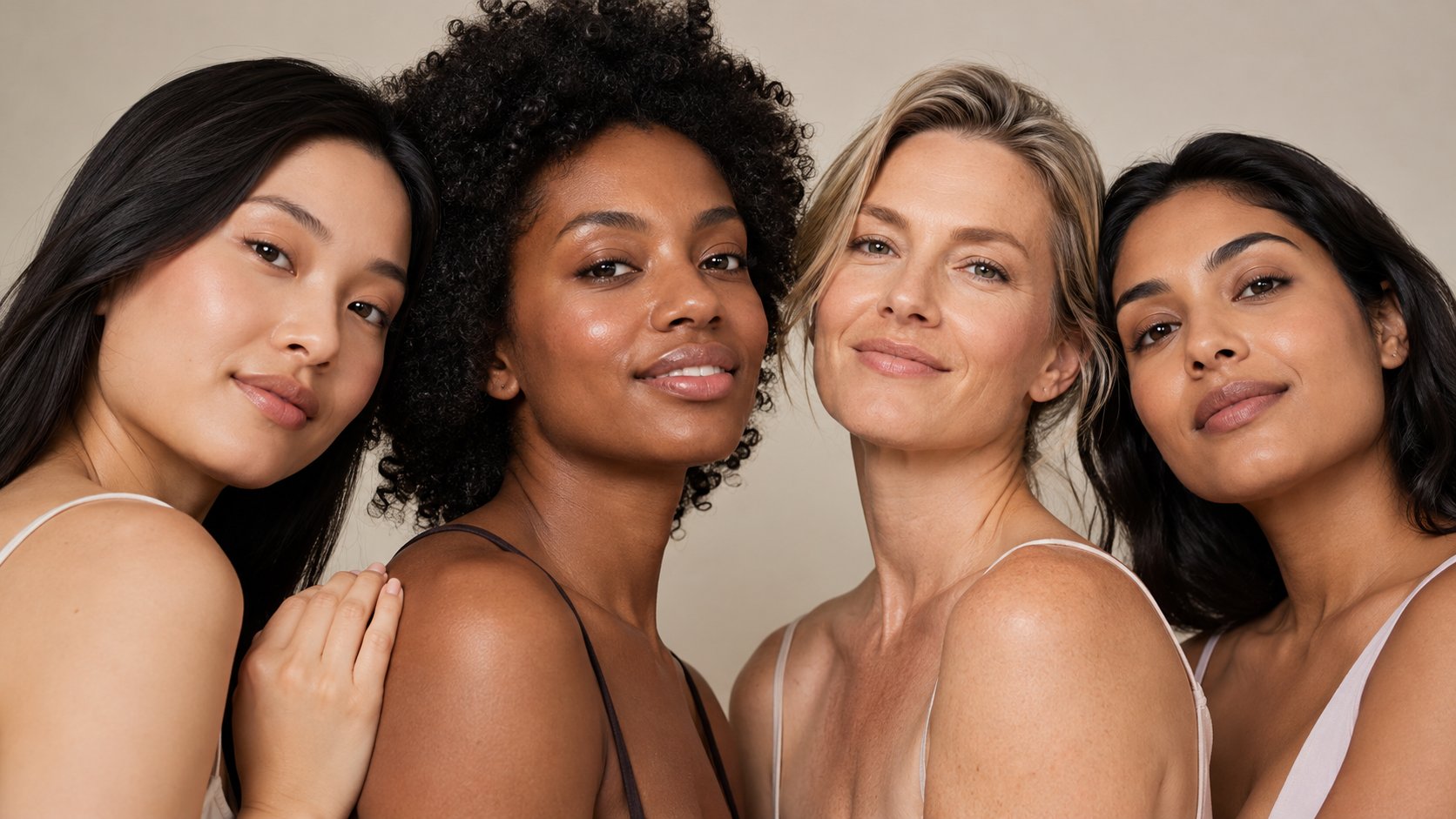
Cooling matters most for patients with darker or tanned skin. More melanin in the epidermis means the surface absorbs more of the light, so keeping it cold is essential. Clarity II pairs this cooling with its 1064 nm Nd:YAG wavelength, which passes more safely through darker skin to reach the follicle. Clarity II is FDA-cleared for permanent hair reduction on all skin types, Fitzpatrick I to VI, including tanned skin.
Before your first session, Dr. Hazany and our team look at your skin tone, hair color and treatment area. We then choose the wavelength, settings and cooling that fit you.
What it feels like
Most patients describe each pulse as a quick snap, with cold air flowing over the skin throughout. Some redness and warmth afterward is normal and usually fades within hours. We use the cold air after treatment to help calm the area before you leave.
Book a consultation
If you are considering laser hair removal or another laser treatment, we will walk you through how cooling protects your skin and what to expect. Learn more about Clarity II laser hair removal or call us at (310) 571-8435 to schedule an appointment. Individual results vary.
Frequently Asked Questions
What is cryogen cooling in laser treatment?
Cryogen cooling is built into some lasers, including Clarity II. With each pulse, the handpiece releases a brief burst of cryogen that chills the surface of the skin as the laser fires. It protects the top layer of skin at the exact moment the energy is delivered and makes each pulse more comfortable, without cold gels to apply or remove.
What is Zimmer cold air cooling?
Zimmer cold air systems are made by Zimmer MedizinSysteme in Germany. The unit filters room air and chills it through a closed cooling circuit, then a flexible hose directs the cold air onto the treatment area. On Zimmer's Cryo 6, the air reaches as low as -30°C, with nine airflow levels. It can cool the skin before, during and after a laser treatment without interfering with the laser beam.
Why does Hazany Derm use both cryogen and cold air cooling?
The two methods cover different parts of a treatment. Cryogen protects the skin at the instant each pulse fires. Cold air keeps the whole area cool between pulses, across the session and after the laser stops. Using both lets Dr. Hazany protect the skin closely while keeping patients as comfortable as possible.
Does skin cooling make laser hair removal painless?
Cooling makes treatment much more comfortable, but you will still feel each pulse. Most patients describe it as a quick snap with cold air flowing over the skin. The airflow is adjusted to your comfort, area by area.
Why is cooling important for darker skin?
Darker and tanned skin has more melanin in its top layer, so the surface absorbs more laser light. Keeping that layer cold protects it while the energy reaches the hair follicle below. At Hazany Derm, cooling is paired with the 1064 nm wavelength of Clarity II, which passes more safely through darker skin. Clarity II is FDA-cleared for permanent hair reduction on all skin types, Fitzpatrick I to VI.
Is skin cooling used for treatments other than laser hair removal?
Yes. Cold air cooling is used with many laser treatments, including vascular and resurfacing lasers, and it can ease the sting of injections. At your consultation, our team explains how cooling will be used for your specific treatment.