










How Do You Build a Comprehensive Skincare Plan?



Building a comprehensive skincare plan requires understanding your skin type, identifying specific concerns, and selecting appropriate products with proper application techniques. Dr. Salar Hazany at Hazany Derm emphasizes creating personalized routines that address individual needs while maintaining skin health long-term.
Creating an effective skincare routine isn't about following the latest trends or using the most expensive products available. It's about understanding your unique skin needs and developing a systematic approach that addresses your specific concerns while promoting overall skin health. A comprehensive skincare plan serves as your roadmap to achieving and maintaining healthy, radiant skin throughout different stages of life.
Many people struggle with skincare because they approach it haphazardly, trying random products without understanding how they work together or whether they're appropriate for their skin type. This trial-and-error method often leads to frustration, wasted money, and sometimes even skin damage. A well-structured plan eliminates guesswork and provides consistent results by focusing on proven ingredients and techniques tailored to your individual needs.
The foundation of any successful skincare regimen lies in three key principles: consistency, patience, and personalization. Dr. Salar Hazany emphasizes that sustainable skincare isn't about dramatic overnight transformations but rather gradual improvements achieved through dedicated daily care. Building an effective routine requires time to understand your skin's responses and make necessary adjustments based on changing needs and environmental factors.
Understanding Your Skin Type and Concerns
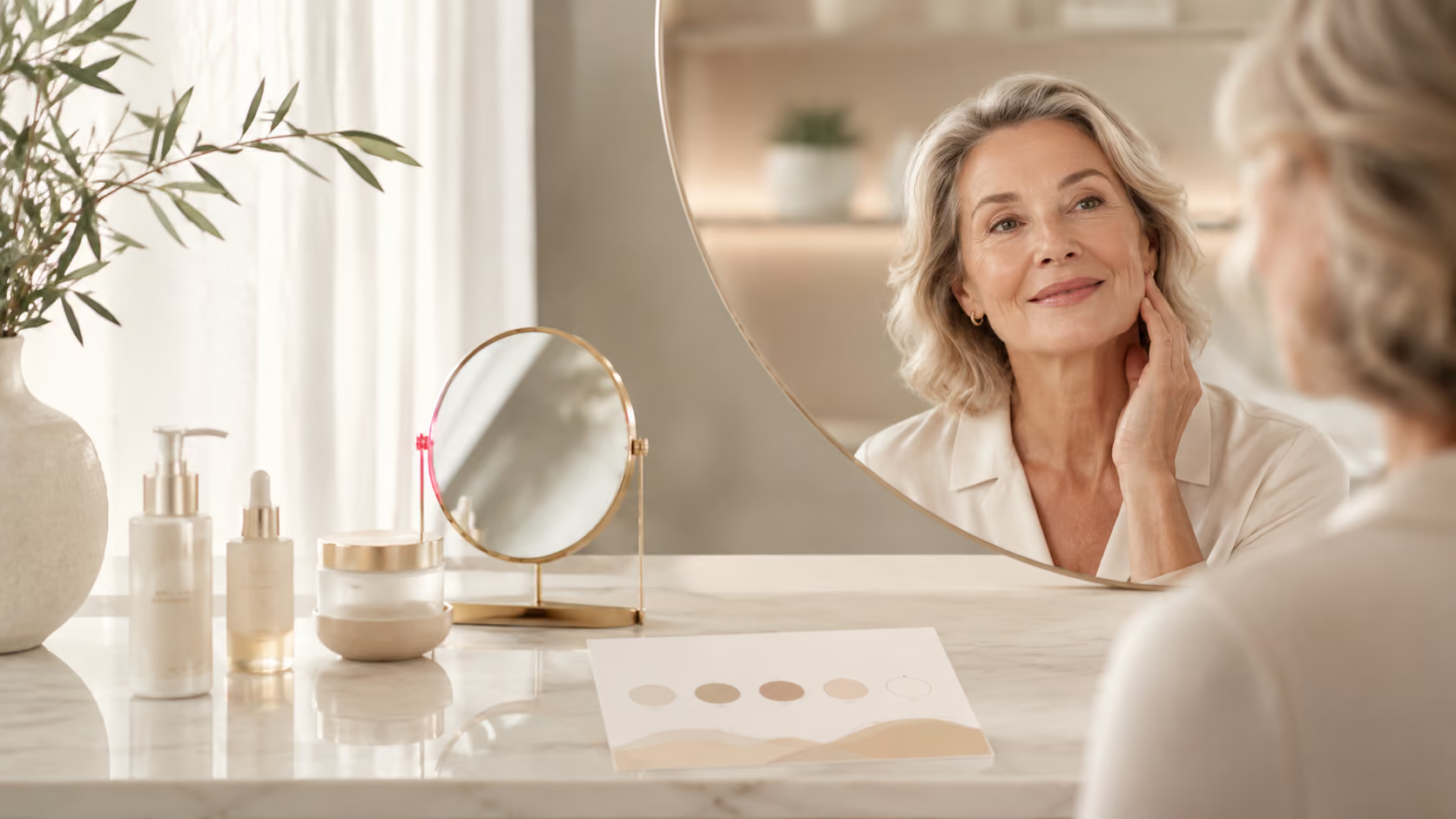
The first step in building any comprehensive skincare plan involves accurately identifying your skin type and primary concerns. Your skin type determines which products will work best for you and helps prevent reactions or ineffective treatments. Understanding whether you have normal, dry, oily, combination, or sensitive skin provides the foundation for all future product selections and treatment decisions.
Skin concerns often extend beyond basic type classifications and may include issues like acne, hyperpigmentation, fine lines, rosacea, or environmental damage. These concerns may change over time due to factors like age, hormones, climate, lifestyle, or medical conditions. Regular assessment of your skin's condition helps ensure your routine remains relevant and effective as your needs evolve.
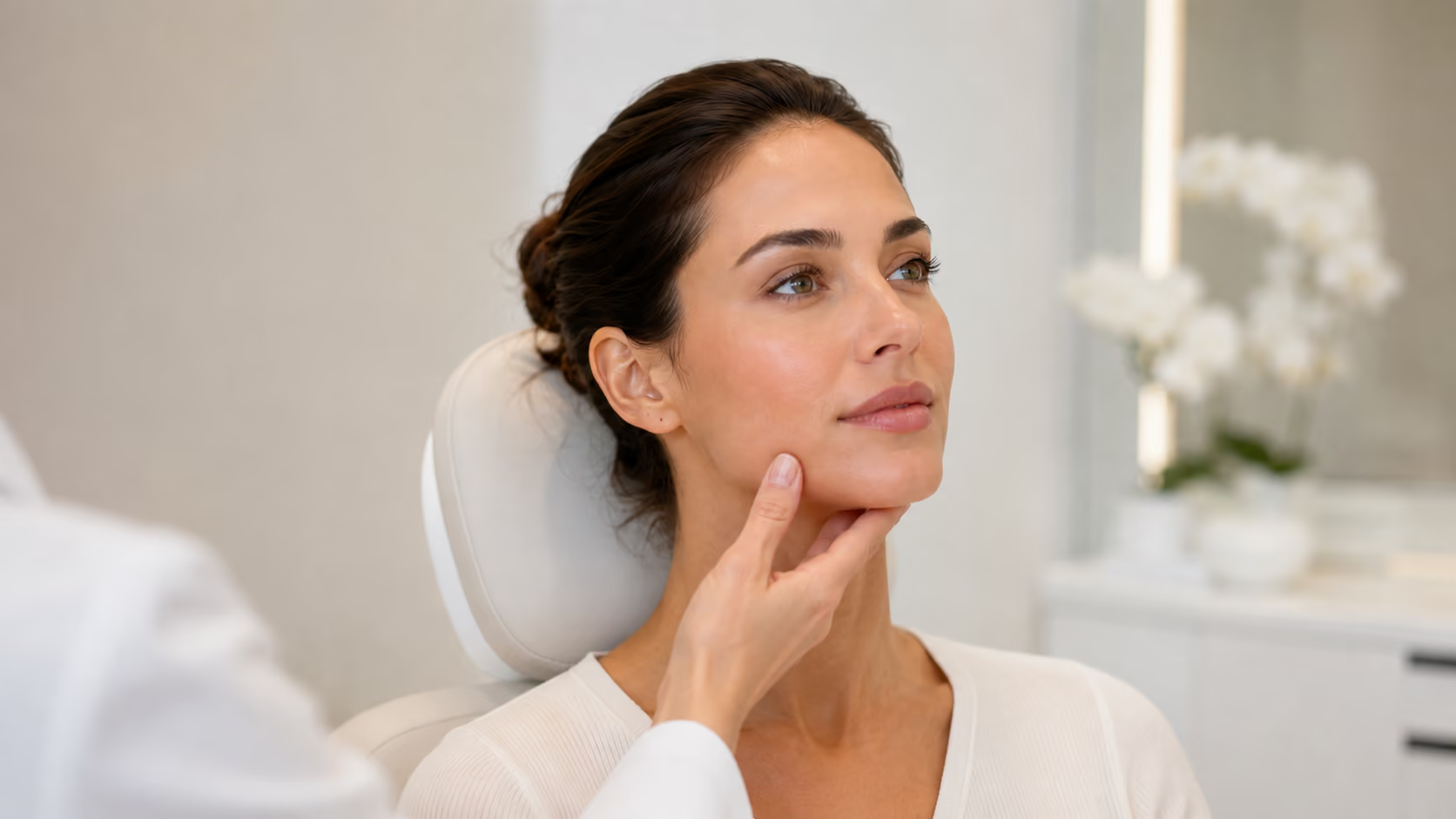
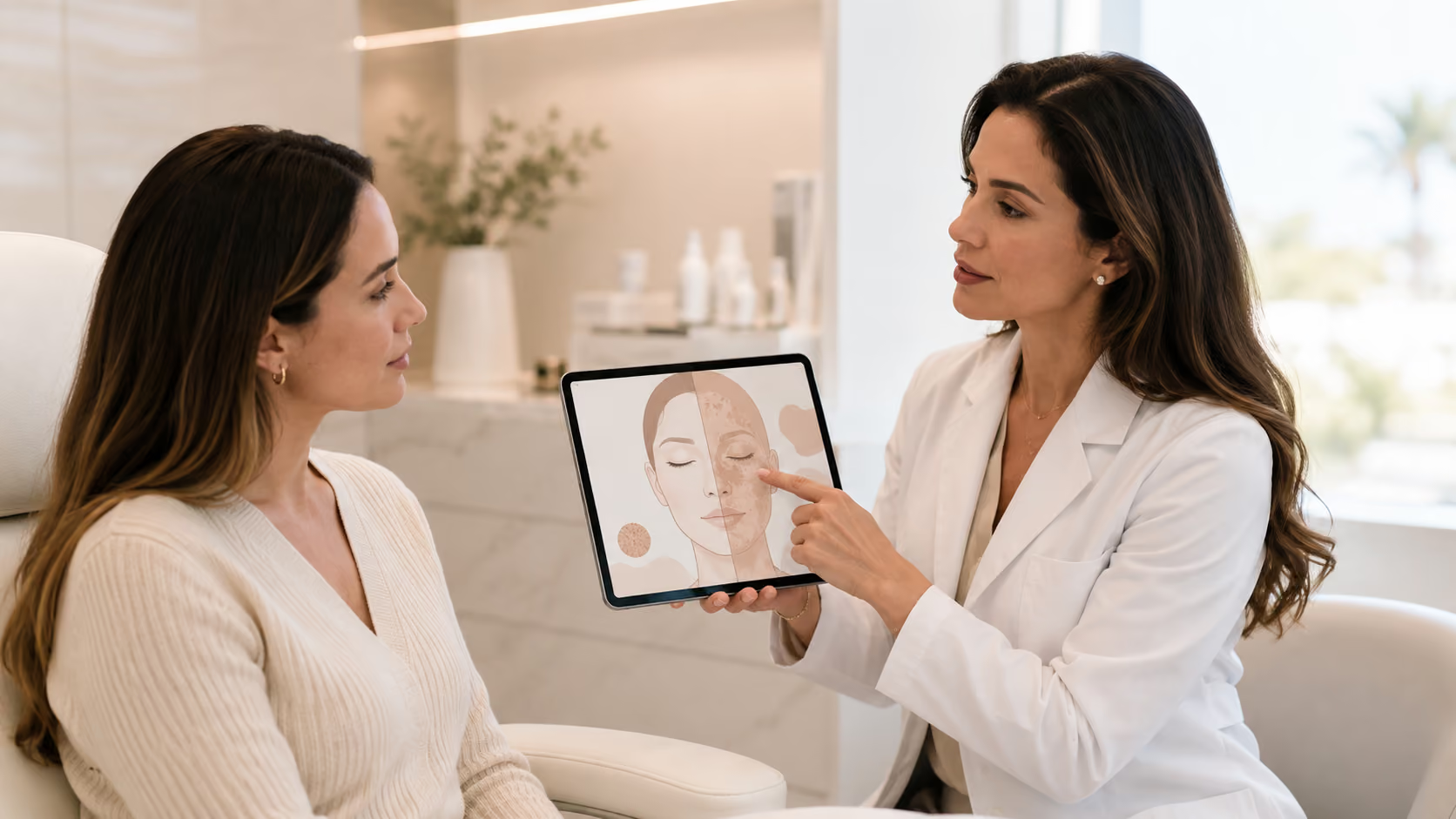
Professional evaluation can provide insights that aren't always apparent through self-assessment alone. Dermatologists can identify underlying issues, predict potential problems, and recommend preventive measures that might not be obvious to the untrained eye. Hazany Derm specialists use advanced diagnostic tools and extensive experience to create personalized treatment plans that address both current concerns and future skin health goals.
Key factors to consider when assessing your skin include:
- Oil production levels: Determine whether your skin produces too much, too little, or balanced amounts of natural oils
- Sensitivity patterns: Identify which ingredients, environmental factors, or activities trigger reactions or irritation
- Texture concerns: Note areas of roughness, uneven tone, enlarged pores, or other textural irregularities
- Aging indicators: Assess current signs of aging and areas where prevention should be prioritized
Once you've identified your skin type and primary concerns, you can begin selecting products and treatments that specifically target these issues. This targeted approach prevents the common mistake of using products that might work well for others but aren't suitable for your particular skin needs. Remember that your skin's needs may change seasonally, requiring adjustments to your routine throughout the year.
The assessment process should be ongoing rather than a one-time evaluation. Monthly check-ins with your skin help you notice changes early and adjust your routine accordingly. Keeping a simple skin journal can help track which products work well, which cause problems, and how your skin responds to different environmental conditions or lifestyle changes.
Selecting the Right Products and Ingredients
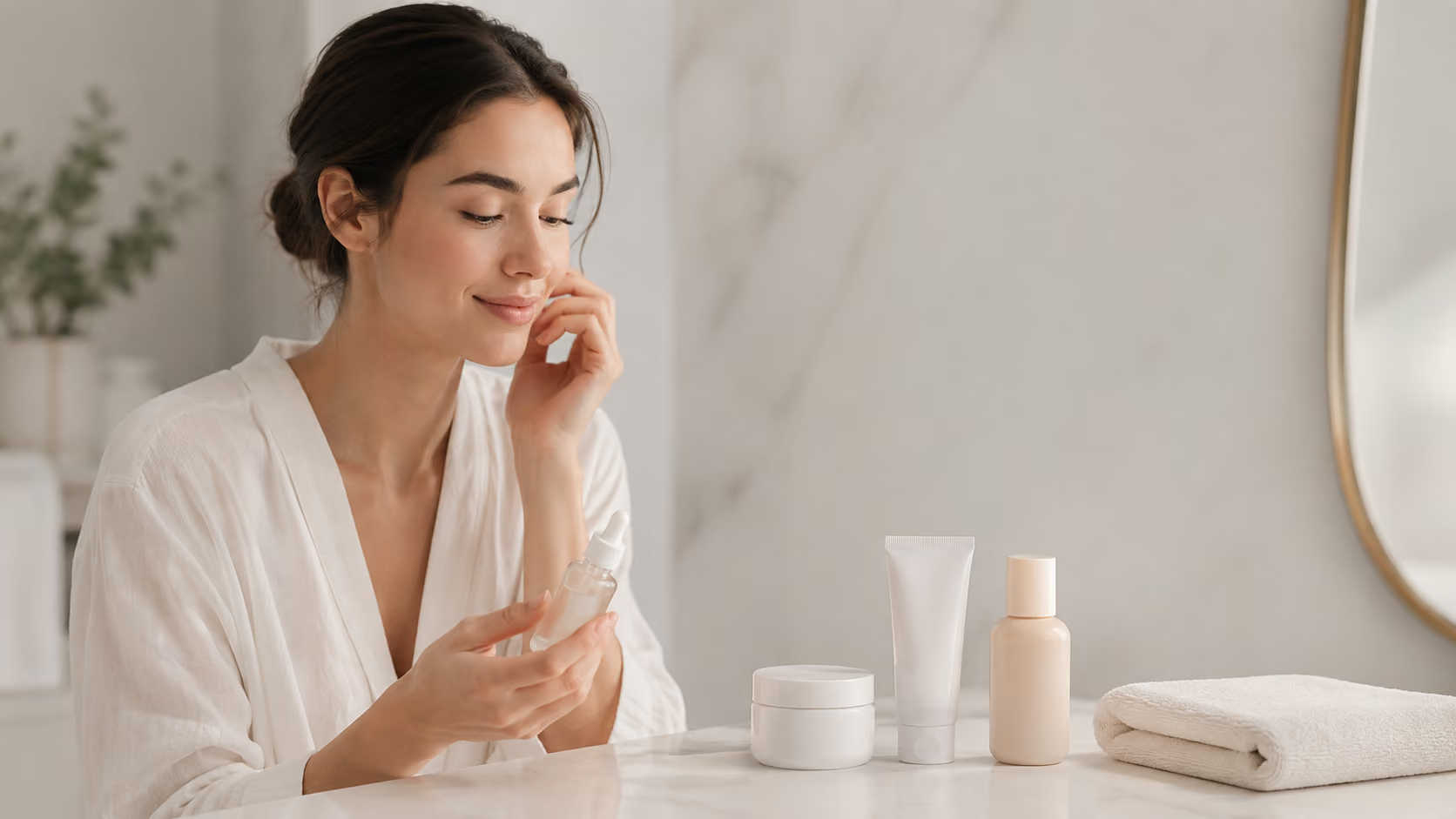
Product selection forms the heart of your skincare routine and requires careful consideration of both active and supporting ingredients. The skincare market offers countless options, making it essential to focus on proven ingredients rather than marketing claims or packaging appeal. Understanding how different ingredients work and interact helps you build a routine that maximizes benefits while minimizing potential conflicts or irritation.
Active ingredients should target your specific concerns while supporting overall skin health. These powerhouse components like retinoids, vitamin C, niacinamide, or chemical exfoliants require careful introduction and proper usage to achieve optimal results. Dr. Salar Hazany often recommends starting with lower concentrations and gradually increasing strength as your skin builds tolerance, preventing unnecessary irritation or adverse reactions.
Supporting ingredients play equally important roles by maintaining skin barrier function, providing hydration, and creating optimal conditions for active ingredients to work effectively. These include moisturizing agents, antioxidants, soothing compounds, and pH-balancing ingredients that keep your skin healthy and resilient. The best skincare routines balance powerful actives with gentle, nourishing support ingredients.
Essential product categories for comprehensive skincare include:
- Cleansers: Remove dirt, oil, makeup, and environmental pollutants without stripping natural protective barriers
- Treatment products: Deliver active ingredients that target specific concerns like aging, acne, or hyperpigmentation
- Moisturizers: Maintain hydration levels and support skin barrier function regardless of skin type
- Sun protection: Prevent UV damage that accelerates aging and increases skin cancer risk
Quality matters more than quantity when building your product arsenal. A few well-chosen products that work synergistically often produce better results than cabinets full of conflicting or redundant items. Focus on finding reliable formulations from reputable manufacturers that use appropriate concentrations of proven ingredients rather than chasing every new trend or breakthrough claim.
Reading ingredient labels becomes crucial for making informed decisions about product compatibility and effectiveness. Learning to identify key ingredients and understand their functions helps you evaluate whether new products will complement your existing routine or cause conflicts. Hazany Derm provides guidance on ingredient combinations that work well together and those that should be used separately or avoided entirely to prevent irritation or reduced efficacy.
Creating Your Daily and Weekly Routine Structure
Establishing a consistent routine structure provides the framework for delivering active ingredients effectively while maintaining skin health and comfort. The timing, order, and frequency of product application significantly impact results, making routine structure just as important as product selection. A well-organized routine ensures that each product can work optimally without interference from incompatible ingredients or improper application timing.
Morning and evening routines serve different purposes and should be structured accordingly. Morning routines focus on protection, preparing your skin to face environmental stressors like UV radiation, pollution, and weather conditions. Evening routines emphasize repair and renewal, taking advantage of your skin's natural nighttime recovery processes when cell turnover and healing occur most actively.
The basic structure follows the principle of applying products from thinnest to thickest consistency, allowing each layer to absorb properly before adding the next. This layering technique maximizes ingredient penetration and prevents products from creating barriers that block subsequent applications. Proper timing between applications, typically 5-10 minutes for active ingredients, ensures optimal absorption and reduces the risk of pilling or reduced effectiveness.
Weekly routine elements that enhance daily care include:
- Deep cleansing treatments: Remove buildup of dead skin cells, excess oil, and environmental pollutants more thoroughly than daily cleansing
- Intensive moisturizing masks: Provide extra hydration and nourishment, especially beneficial for dry or stressed skin
- Exfoliation sessions: Promote cell turnover and improve product penetration through gentle removal of surface dead skin cells
- Targeted treatments: Address specific concerns with concentrated ingredients or professional-grade products used less frequently
Consistency proves more valuable than perfection when establishing your routine. Missing occasional applications won't derail your progress, but frequent inconsistency prevents you from seeing the full benefits of your chosen products. Start with a manageable routine that fits easily into your lifestyle, then gradually add elements as the basic routine becomes habitual.
Flexibility within structure allows you to adapt your routine to changing needs, seasons, or circumstances without abandoning the fundamental framework. Dr. Salar Hazany recommends having simplified versions of your routine for travel, busy periods, or when dealing with skin sensitivity, ensuring that you can maintain basic care even when your full routine isn't practical or possible.
Frequently Asked Questions
How long does it take to see results from a new skincare routine?
Most skincare changes become noticeable within 4-6 weeks, though some improvements may appear sooner while others take longer to develop. Dr. Salar Hazany explains that skin cell turnover cycles typically last 28 days, meaning you need at least one full cycle to see meaningful changes from new products. Immediate improvements in hydration or texture may occur within days, while concerns like hyperpigmentation, fine lines, or acne often require 8-12 weeks of consistent use. Patience remains essential, as premature product switching prevents you from accurately assessing effectiveness and can lead to skin irritation from constant changes.
What's the difference between morning and evening skincare routines?
Morning and evening routines serve distinct purposes that optimize skin health throughout the day-night cycle. Hazany Derm emphasizes that morning routines focus on protection, featuring antioxidants like vitamin C, lightweight moisturizers, and broad-spectrum sunscreen to shield skin from environmental damage. Evening routines prioritize repair and renewal, incorporating active ingredients like retinoids, AHAs, or BHAs that work best during nighttime recovery periods. Nighttime products tend to be richer and more intensive since they don't need to work under makeup or sun protection, allowing for deeper moisturization and stronger active ingredient concentrations.
How do I know if a product is causing irritation or just purging?
Distinguishing between irritation and purging requires careful observation of timing, location, and symptom types. The team at Hazany Derm explains that purging occurs when active ingredients like retinoids or chemical exfoliants accelerate cell turnover, bringing existing clogged pores to the surface faster. Purging typically happens in areas where you normally break out, appears within 2-4 weeks of starting new products, and improves within 6-8 weeks. True irritation causes redness, burning, stinging, or breakouts in new areas, often appearing immediately or within days of product use. If symptoms worsen after 6 weeks or include severe redness and pain, discontinue use and consult a dermatologist.
Should I use the same products year-round or change them seasonally?
Seasonal skincare adjustments help address changing environmental conditions and skin needs throughout the year. Dr. Hazany recommends maintaining core products like cleansers, sunscreen, and basic moisturizers year-round while adjusting textures and intensities seasonally. Winter often requires richer moisturizers, gentler exfoliation, and added hydrating serums to combat dry air and indoor heating. Summer routines may benefit from lighter formulations, oil-controlling ingredients, and enhanced sun protection. However, avoid completely overhauling your routine with each season, as this can disrupt skin balance and make it difficult to identify which products work best for your individual needs.
How many products should be in a comprehensive skincare routine?
A comprehensive yet manageable routine typically includes 4-6 core products, though individual needs may vary based on skin concerns and goals. Hazany Derm specialists recommend starting with basic essentials: gentle cleanser, moisturizer, and broad-spectrum sunscreen, then adding targeted treatments like serums or exfoliants as needed. More products don't necessarily mean better results, and overly complex routines often lead to ingredient conflicts, skin irritation, or inconsistent use. Quality formulations that address multiple concerns simultaneously can be more effective than numerous single-purpose products. Focus on finding products that work well together and fit comfortably into your lifestyle rather than trying to incorporate every available option.
When should I introduce anti-aging products into my routine?
Prevention-focused anti-aging products can be beneficial starting in your twenties, while corrective treatments typically become more relevant in your thirties and beyond. Dr. Salar Hazany emphasizes that sunscreen remains the most important anti-aging product at any age, as UV protection prevents 80% of visible aging signs. Antioxidant serums, gentle chemical exfoliants, and basic retinoid products can be introduced in your twenties to maintain skin health and prevent damage. Stronger anti-aging actives like higher concentration retinoids, peptides, or professional treatments become more appropriate as signs of aging appear. Starting with preventive measures early provides better long-term results than waiting until correction becomes necessary.
How do I build a skincare routine on a budget?
Effective skincare doesn't require expensive products, but rather smart ingredient choices and consistent application. Hazany Derm clinic recommends prioritizing a few high-quality essentials over numerous mediocre products, focusing on proven ingredients rather than luxury packaging or marketing claims. Drugstore brands often offer excellent formulations with the same active ingredients as premium products at significantly lower costs. Generic versions of proven ingredients like retinol, niacinamide, or chemical exfoliants can provide comparable results to expensive alternatives. Invest more in products you use daily like sunscreen and moisturizer, while saving on occasional-use items like masks or spot treatments that don't require premium formulations.
What role does diet and lifestyle play in skincare effectiveness?
Diet and lifestyle factors significantly impact skin health and can either enhance or undermine even the best skincare routines. The experts at Hazany Derm emphasize that adequate sleep, hydration, stress management, and nutrition provide the foundation for healthy skin that responds better to topical treatments. Poor sleep disrupts skin repair processes, while chronic stress increases inflammation and can trigger conditions like acne or eczema. A diet rich in antioxidants, healthy fats, and adequate protein supports skin barrier function and healing. However, lifestyle improvements complement rather than replace appropriate skincare products, and individuals with specific skin conditions still benefit from targeted topical treatments regardless of excellent lifestyle habits.