




%201.avif)


What Causes Post-inflammatory Hyperpigmentation?


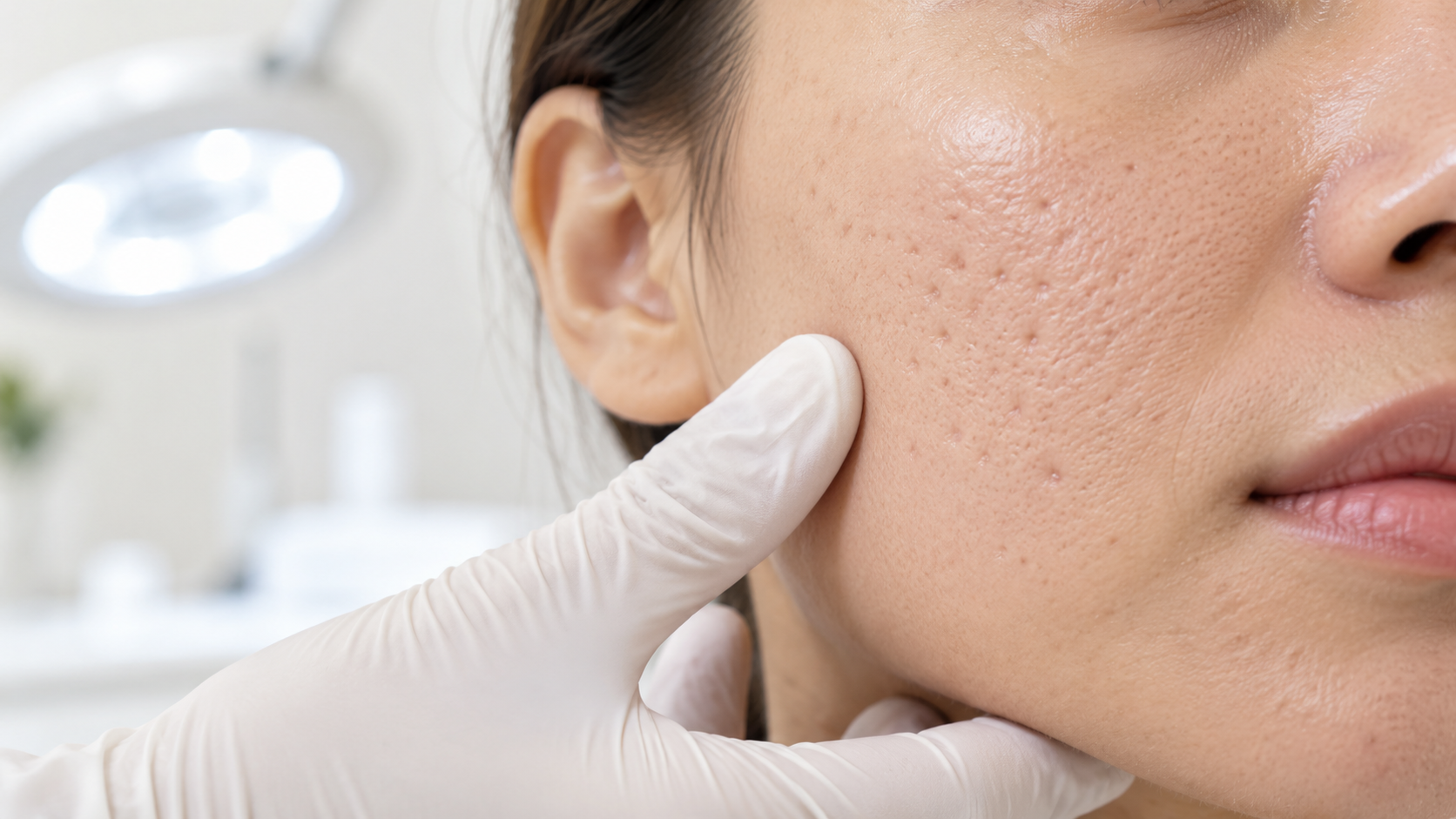
Post-inflammatory hyperpigmentation occurs when skin trauma triggers excess melanin production, causing dark spots. Common triggers include acne, injuries, and inflammatory skin conditions. Hazany Derm offers advanced treatments to address these persistent pigmentation issues effectively.
Post-inflammatory hyperpigmentation (PIH) represents one of the most common skin concerns affecting individuals of all ages and skin types. This condition manifests as dark spots or patches that develop following any form of skin inflammation or injury. While PIH is not harmful to your health, it can significantly impact your confidence and quality of life. Understanding the underlying mechanisms that cause these stubborn dark marks is crucial for effective prevention and treatment.
The development of post-inflammatory hyperpigmentation involves a complex cascade of cellular responses within the skin. When your skin experiences trauma or inflammation, specialized cells called melanocytes become activated and begin producing excess melanin pigment. This overproduction of melanin is your skin's natural protective response to injury, but unfortunately, it often persists long after the initial inflammation has resolved. The result is those frustrating dark spots that can take months or even years to fade naturally without proper intervention.
At Hazany Derm, we frequently encounter patients struggling with various forms of post-inflammatory hyperpigmentation. Dr. Salar Hazany emphasizes that while PIH can affect anyone, certain factors make some individuals more susceptible to developing these persistent dark marks. Genetic predisposition, skin type, and the severity of the initial inflammation all play crucial roles in determining who will develop PIH and how pronounced it will become. Recognizing these risk factors and understanding the underlying causes enables us to develop more targeted and effective treatment strategies for each patient.
Understanding the Inflammatory Response
The inflammatory response that leads to post-inflammatory hyperpigmentation begins at the cellular level within your skin. When tissue damage occurs, whether from acne, cuts, burns, or other injuries, your immune system immediately springs into action. White blood cells rush to the affected area, releasing inflammatory mediators and cytokines that help fight infection and promote healing. However, these same inflammatory substances can inadvertently trigger melanocyte activation, setting the stage for PIH development.
During the inflammatory process, various signaling molecules communicate between different cell types in your skin. Keratinocytes, the primary cells that make up your skin's outer layer, release factors that directly stimulate melanocytes to increase melanin production. This communication network, while essential for normal wound healing, can become dysregulated and lead to excessive pigment production. The intensity and duration of this inflammatory response directly correlate with the likelihood and severity of resulting hyperpigmentation.
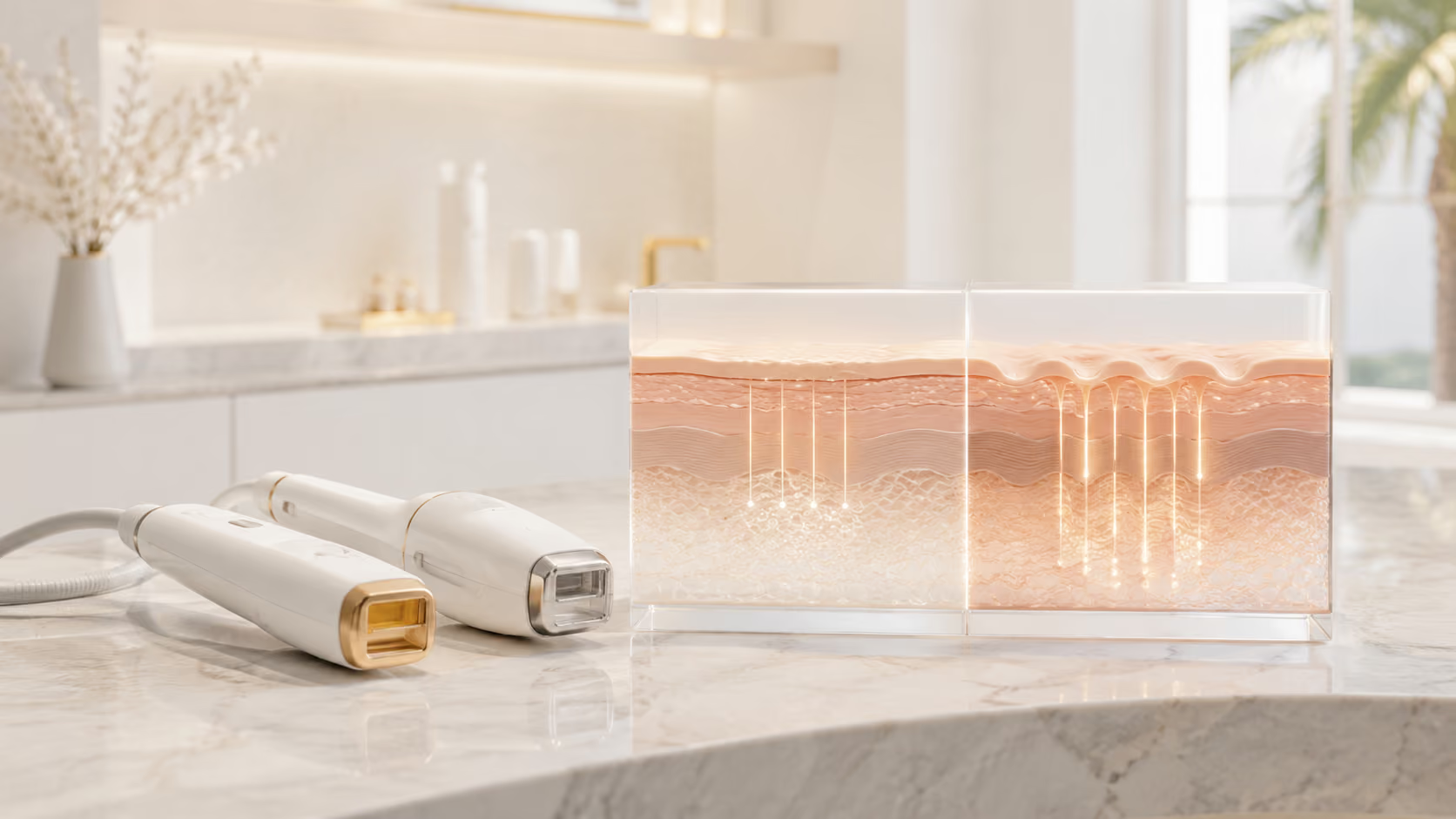
The location and depth of inflammation within your skin layers also significantly influence PIH development. Superficial inflammation typically results in epidermal PIH, where excess melanin accumulates in the upper skin layers and appears brown or black. Deeper inflammatory processes can cause dermal PIH, characterized by melanin deposits in the dermis that appear blue-gray in color. Understanding these distinctions helps Hazany Derm specialists develop appropriate treatment protocols tailored to each patient's specific type of hyperpigmentation.
Several key factors determine the severity and persistence of post-inflammatory hyperpigmentation:
- Inflammation Duration: Longer-lasting inflammatory conditions produce more severe and persistent hyperpigmentation compared to brief inflammatory episodes.
- Trauma Severity: More intense skin damage or deeper wounds typically result in more pronounced and longer-lasting dark spots.
- Individual Skin Response: Some people naturally produce more inflammatory mediators and have more reactive melanocytes, leading to greater PIH susceptibility.
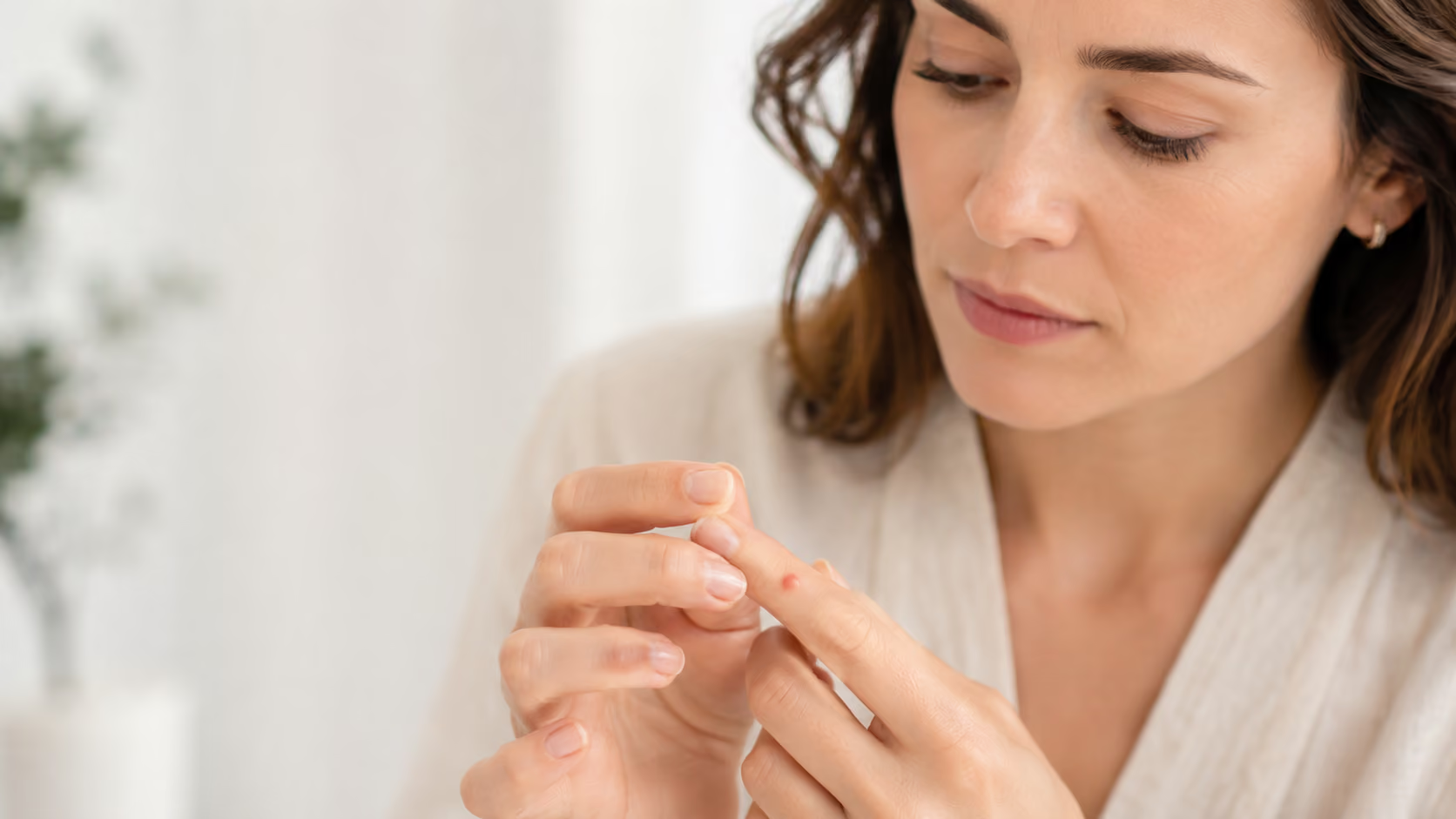
- Secondary Irritation: Picking, scratching, or inappropriate treatment of inflamed areas can worsen inflammation and increase PIH risk significantly.
The healing process itself can paradoxically contribute to PIH development even when the initial inflammation begins to resolve. As your skin works to repair damaged tissue, continued cellular turnover and regeneration can maintain elevated levels of inflammatory signals. This prolonged low-level inflammation keeps melanocytes activated longer than necessary, resulting in continued excess melanin production. Additionally, the new skin cells forming during healing may be more sensitive to pigment-stimulating factors, making them more likely to develop hyperpigmentation.
Prevention strategies focus on minimizing both the initial inflammatory response and secondary factors that can worsen PIH development. Early intervention with appropriate anti-inflammatory treatments can significantly reduce the likelihood of developing post-inflammatory hyperpigmentation. Dr. Salar Hazany often recommends gentle skincare routines and sun protection measures during the healing process to minimize additional triggers for melanocyte activation and prevent existing PIH from darkening further.
Common Triggers and Risk Factors
Acne represents the most prevalent cause of post-inflammatory hyperpigmentation, particularly among teenagers and young adults. The inflammatory nature of acne lesions, combined with the tendency to pick or squeeze blemishes, creates ideal conditions for PIH development. Cystic acne and nodular acne pose the highest risk due to their deeper inflammatory nature and longer healing times. Even seemingly minor acne lesions can result in significant hyperpigmentation, especially in individuals with darker skin tones who naturally produce more melanin.
Eczema, psoriasis, and other chronic inflammatory skin conditions frequently lead to post-inflammatory hyperpigmentation. These conditions involve ongoing inflammation that keeps melanocytes in a constant state of activation. The repetitive cycle of flare-ups and healing characteristic of these conditions creates multiple opportunities for PIH development. Additionally, the intense itching associated with these conditions often leads to scratching and further skin trauma, compounding the problem and creating more extensive areas of hyperpigmentation.
Various types of skin injuries and medical procedures can trigger post-inflammatory hyperpigmentation. Cuts, burns, insect bites, and surgical incisions all have the potential to result in dark spots if the healing process involves significant inflammation. Even cosmetic procedures like chemical peels, laser treatments, and microdermabrasion can cause PIH if not performed appropriately or if proper post-treatment care is not followed. At Hazany Derm, we carefully assess each patient's risk factors before recommending any procedures to minimize the likelihood of unwanted pigmentation changes.
Individual risk factors that predispose certain people to developing post-inflammatory hyperpigmentation include:
- Skin Type and Ethnicity: Individuals with darker skin tones have more active melanocytes and are at significantly higher risk for developing PIH.
- Genetic Predisposition: Family history of hyperpigmentation disorders or tendency to develop dark spots increases individual susceptibility considerably.
- Hormonal Influences: Pregnancy, oral contraceptive use, and hormonal fluctuations can increase melanocyte sensitivity and PIH risk.
- Sun Exposure History: Previous UV damage and ongoing sun exposure without protection significantly worsen PIH development and persistence.
Age-related factors also influence post-inflammatory hyperpigmentation susceptibility and severity. Younger individuals may heal more quickly from inflammatory episodes, but they also tend to have more active sebaceous glands and are more prone to acne-related PIH. Older adults may experience slower healing and have accumulated sun damage that makes their skin more susceptible to pigmentation changes. Additionally, age-related changes in skin structure and function can alter how melanocytes respond to inflammatory stimuli.
Environmental factors play a crucial role in both triggering PIH and influencing its severity. Air pollution, harsh weather conditions, and exposure to irritating chemicals can all contribute to skin inflammation and subsequent hyperpigmentation. Urban environments with higher pollution levels show increased rates of post-inflammatory hyperpigmentation among residents. Climate factors such as humidity and temperature extremes can also affect skin barrier function and inflammatory responses, potentially increasing PIH risk in susceptible individuals.
The Role of Melanin Production
Melanin production and regulation represent fundamental processes that become disrupted in post-inflammatory hyperpigmentation. Melanocytes, specialized cells located in the basal layer of your epidermis, contain organelles called melanosomes where melanin synthesis occurs. Under normal circumstances, melanin production is carefully regulated by various factors including UV exposure, hormones, and genetic programming. However, inflammatory conditions can override these normal regulatory mechanisms, leading to excessive and inappropriate melanin production that manifests as visible hyperpigmentation.
The biochemical pathway of melanin synthesis involves multiple enzymes and regulatory proteins that can become dysregulated following inflammation. Tyrosinase, the rate-limiting enzyme in melanin production, becomes upregulated in response to inflammatory mediators released during skin trauma. Inflammatory cytokines such as interleukin-1 and tumor necrosis factor-alpha directly stimulate tyrosinase activity and melanocyte proliferation. This inflammatory cascade can persist long after visible signs of inflammation have resolved, explaining why PIH often appears weeks after the initial injury and why it can be so persistent.
Different types of melanin contribute to the varied appearance of post-inflammatory hyperpigmentation. Eumelanin, the brown-black pigment, typically predominates in PIH affecting the epidermis and creates the characteristic dark brown appearance of most post-inflammatory spots. Pheomelanin, a red-yellow pigment, may also be involved, particularly in individuals with lighter skin tones. The relative proportions of these melanin types, combined with their location within skin layers, determine the final color and appearance of hyperpigmented areas. Understanding these variations helps the team at Hazany Derm select the most appropriate treatment approaches for different types of PIH.
Several cellular and molecular mechanisms contribute to abnormal melanin production in post-inflammatory hyperpigmentation:
- Cytokine Signaling: Pro-inflammatory cytokines released during inflammation directly stimulate melanocyte activity and melanin synthesis pathways.
- Growth Factor Release: Various growth factors produced during wound healing can inadvertently promote melanocyte proliferation and increased pigment production.
- Oxidative Stress: Free radicals generated during inflammatory responses can damage cellular components and trigger protective melanin production responses.
- Paracrine Communication: Neighboring keratinocytes and fibroblasts release signaling molecules that influence melanocyte behavior and pigment production levels.
The transfer and distribution of melanin within skin layers also becomes altered in post-inflammatory hyperpigmentation. Normally, melanosomes containing melanin are transferred from melanocytes to surrounding keratinocytes in an orderly fashion and are gradually eliminated as skin cells shed. In PIH, this process becomes disrupted, leading to uneven melanin distribution and accumulation in both the epidermis and dermis. Some melanin may be taken up by dermal macrophages, creating the blue-gray appearance characteristic of dermal PIH that can be particularly challenging to treat.
Hormonal influences on melanin production become particularly relevant in post-inflammatory hyperpigmentation development and persistence. Estrogen and progesterone can increase melanocyte sensitivity to stimulatory factors, explaining why women may be more susceptible to PIH during pregnancy or while using hormonal contraceptives. Growth hormone and insulin-like growth factor-1 can also influence melanocyte activity and may contribute to PIH development in certain individuals. Hazany Derm specialists consider these hormonal factors when developing comprehensive treatment plans, as addressing underlying hormonal influences may be necessary for optimal PIH management and prevention of recurrence.
Frequently Asked Questions
How long does post-inflammatory hyperpigmentation typically last?
Post-inflammatory hyperpigmentation duration varies significantly depending on several factors, with most cases lasting anywhere from a few months to several years without treatment. Dr. Salar Hazany explains that epidermal PIH, where melanin deposits remain in the upper skin layers, typically fades more quickly than dermal PIH, which involves deeper pigment deposits. Factors affecting duration include the individual's skin type, the severity of initial inflammation, sun exposure habits, and whether appropriate treatment is pursued. Darker skin tones generally experience longer-lasting PIH due to higher baseline melanin production. With proper professional treatment, including topical lightening agents, chemical peels, and laser therapies, PIH resolution can be significantly accelerated, often improving within 3-6 months of consistent treatment.
Can post-inflammatory hyperpigmentation be prevented?
Prevention of post-inflammatory hyperpigmentation is often possible through proactive measures and proper skin care practices. Hazany Derm emphasizes that the most effective prevention strategy involves minimizing inflammation and avoiding behaviors that worsen skin trauma. This includes resisting the urge to pick or squeeze acne lesions, treating inflammatory skin conditions promptly and appropriately, and using gentle skincare products that don't irritate the skin. Sun protection is crucial, as UV exposure can darken existing inflammation and increase the likelihood of PIH development. Early intervention with anti-inflammatory treatments during acute skin conditions can significantly reduce PIH risk. Additionally, maintaining a consistent skincare routine with ingredients like niacinamide and antioxidants can help stabilize skin and reduce inflammatory responses that lead to hyperpigmentation.
What skin types are most susceptible to developing PIH?
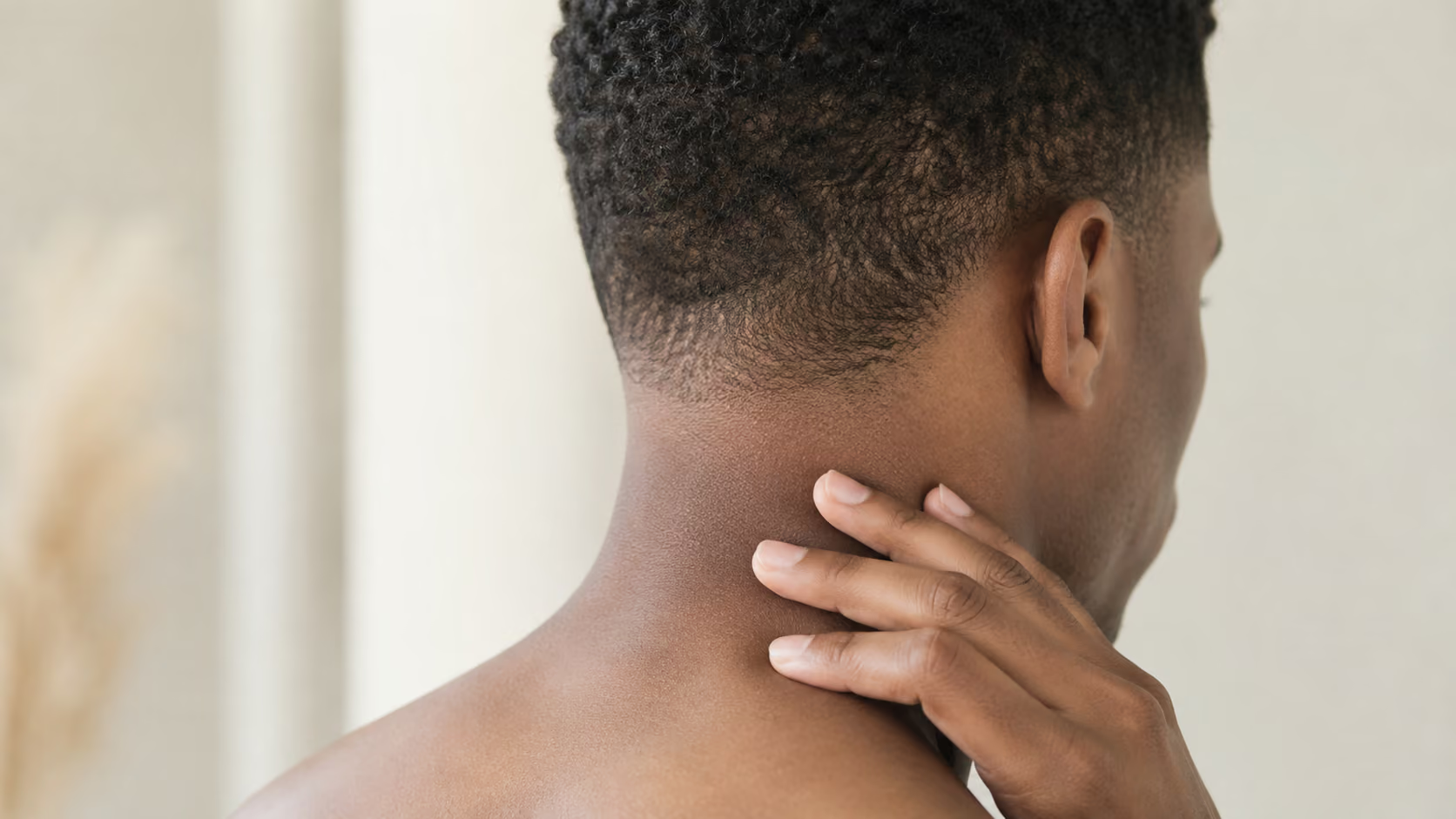
Skin susceptibility to post-inflammatory hyperpigmentation follows predictable patterns related to melanin production capacity and inflammatory responses. The team at Hazany Derm observes that individuals with darker skin tones, particularly those of African, Hispanic, Asian, and Mediterranean descent, face significantly higher PIH risk due to naturally more active melanocytes and greater baseline melanin production. However, PIH can affect all skin types, and even fair-skinned individuals can develop persistent hyperpigmentation following inflammation. Fitzpatrick skin types III-V show the highest susceptibility, while types I-II may develop PIH that appears more red or pink rather than brown. Genetic factors within ethnic groups also play a role, as family history of hyperpigmentation disorders increases individual susceptibility regardless of skin tone.
Are there any ingredients that make PIH worse?
Several skincare ingredients and practices can exacerbate post-inflammatory hyperpigmentation by increasing inflammation or skin sensitivity. Dr. Hazany warns that harsh physical scrubs, high-concentration acids used too frequently, and fragranced products can worsen existing PIH by causing additional inflammation. Ingredients like denatured alcohol, essential oils, and certain preservatives may trigger inflammatory responses that darken existing spots or create new ones. Over-exfoliation with glycolic acid, salicylic acid, or retinoids without proper introduction can initially worsen PIH before improvement occurs. Sun exposure without protection is perhaps the most significant aggravating factor, as UV radiation stimulates melanocytes and can darken existing hyperpigmentation dramatically. Additionally, picking at healing skin, using comedogenic products that cause breakouts, and applying products with known allergens can all contribute to PIH development and persistence.
What's the difference between PIH and melasma?
Post-inflammatory hyperpigmentation and melasma represent distinct hyperpigmentation disorders with different underlying causes and characteristics. Hazany Derm specialists explain that PIH always develops following specific inflammatory events like acne, injuries, or skin irritation, creating irregularly shaped dark spots that correspond to previous inflammation sites. Melasma, conversely, appears as symmetrical patches on the face, typically triggered by hormonal changes during pregnancy or oral contraceptive use, combined with sun exposure. PIH can occur anywhere on the body where inflammation occurred, while melasma primarily affects sun-exposed facial areas including the cheeks, forehead, nose, and upper lip. Melasma often shows a characteristic pattern under Wood's lamp examination and may have seasonal variations, becoming darker in summer and lighter in winter. Treatment approaches differ significantly, with PIH generally responding better to topical lightening agents and chemical peels, while melasma often requires more comprehensive approaches including strict sun avoidance and potentially oral medications.
Can certain medications cause or worsen PIH?
Various medications can influence post-inflammatory hyperpigmentation development through different mechanisms affecting skin sensitivity and inflammatory responses. Dr. Salar Hazany notes that photosensitizing medications, including certain antibiotics like tetracyclines, some chemotherapy agents, and antimalarials, can increase skin sensitivity to UV radiation and worsen existing PIH or trigger new hyperpigmentation. Hormonal medications such as oral contraceptives and hormone replacement therapy can increase melanocyte sensitivity to inflammatory stimuli, potentially making PIH more likely to develop and persist. Some psychiatric medications, particularly phenothiazines, can cause pigmentation changes that may be confused with PIH. Anti-seizure medications like phenytoin have also been associated with hyperpigmentation in some patients. Additionally, medications that cause skin irritation or allergic reactions as side effects can trigger the inflammatory cascade leading to PIH development, emphasizing the importance of discussing medication-related skin changes with qualified dermatological professionals.
Is it safe to use over-the-counter lightening products for PIH?
Over-the-counter lightening products can be effective for mild post-inflammatory hyperpigmentation, but their safety and efficacy depend on proper product selection and usage. Hazany Derm clinic recommends starting with gentle, well-researched ingredients like vitamin C, niacinamide, kojic acid, and arbutin, which have good safety profiles when used appropriately. However, many OTC products contain hydroquinone concentrations that may be too high for some individuals or lack proper formulation stability, potentially causing irritation that worsens PIH. Products containing mercury, steroids, or unlisted ingredients pose serious safety risks and should be avoided completely. The main concerns with unsupervised OTC use include over-treatment leading to irritant contact dermatitis, uneven lightening, and failure to achieve desired results due to inappropriate product selection. Professional guidance ensures proper product selection based on individual skin type, PIH severity, and concurrent skincare routine, while monitoring prevents adverse reactions and optimizes treatment outcomes.
How do professional treatments compare to at-home care for PIH?
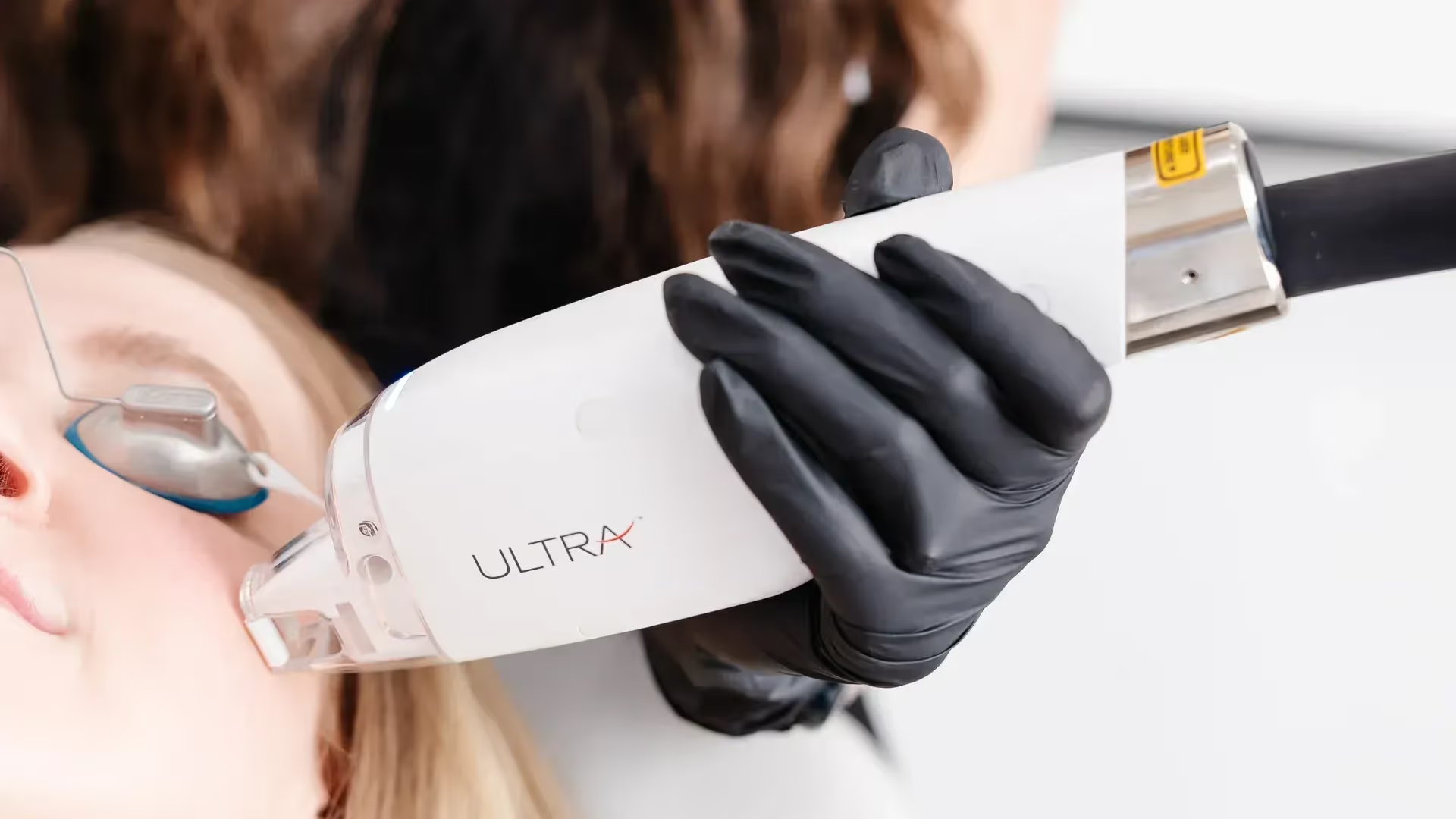
Professional treatments for post-inflammatory hyperpigmentation typically provide faster, more dramatic, and longer-lasting results compared to at-home care approaches alone. The experts at Hazany Derm utilize advanced technologies like laser therapy, professional-strength chemical peels, and prescription-grade topical agents that penetrate deeper and work more efficiently than over-the-counter alternatives. Professional treatments can be customized based on PIH depth, skin type, and individual response patterns, with protocols adjusted throughout the treatment process for optimal results. However, at-home care remains crucial for maintaining professional treatment results and preventing new PIH development through consistent sun protection, gentle skincare practices, and appropriate maintenance products. The most effective approach typically combines professional treatments for initial PIH reduction with a structured at-home regimen for long-term maintenance. Professional supervision also ensures safety, particularly for darker skin tones that face higher risks of complications from aggressive treatments, while monitoring allows for early intervention if adverse reactions occur.