




%201.avif)



What is Dermal Filler for Scars?



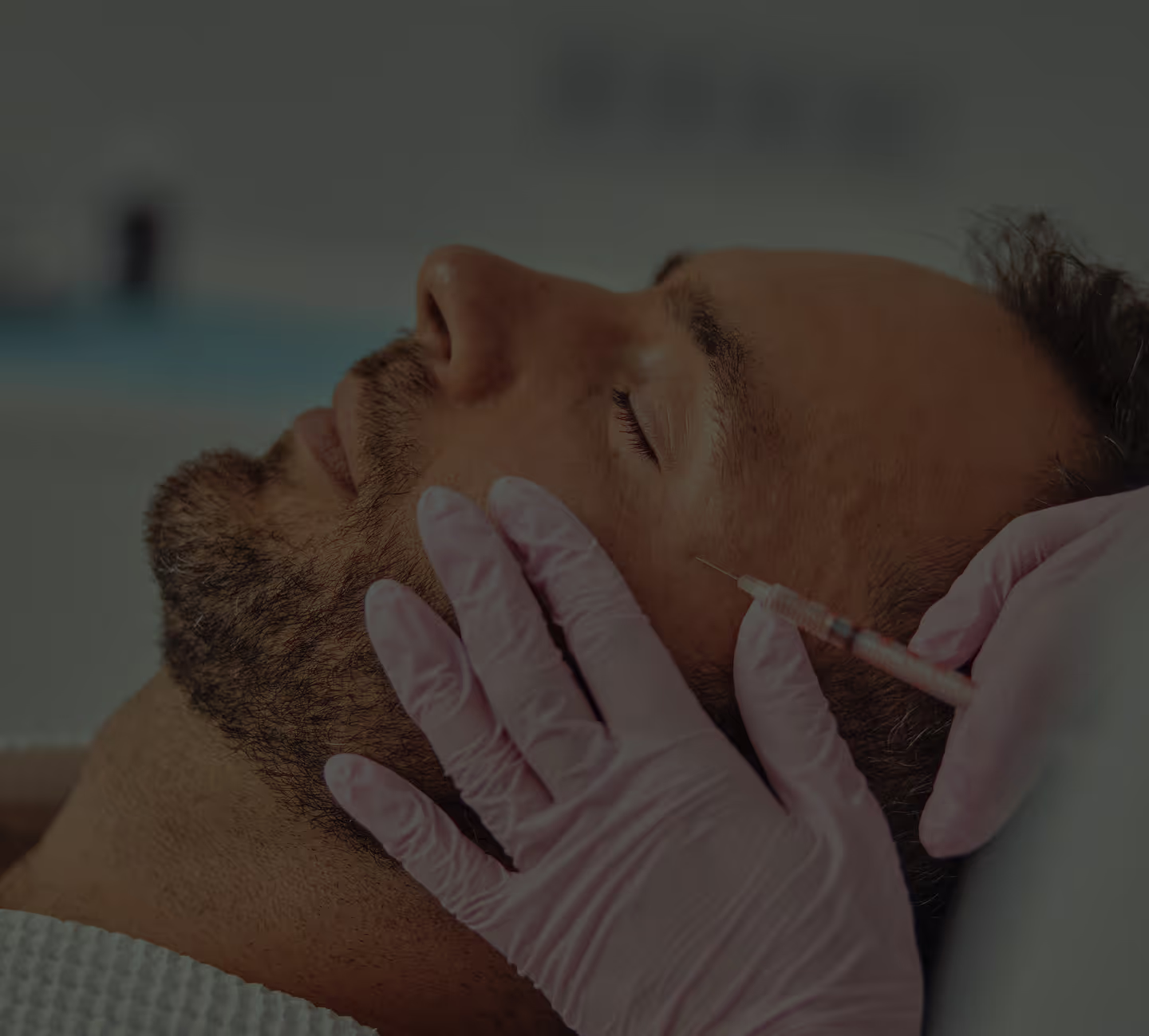
Dermal fillers for scars are injectable treatments that use hyaluronic acid or other substances to fill depressed scars, making them less noticeable. At Hazany Derm, Dr. Salar Hazany provides expert dermal filler treatments to help patients achieve smoother, more even skin texture.
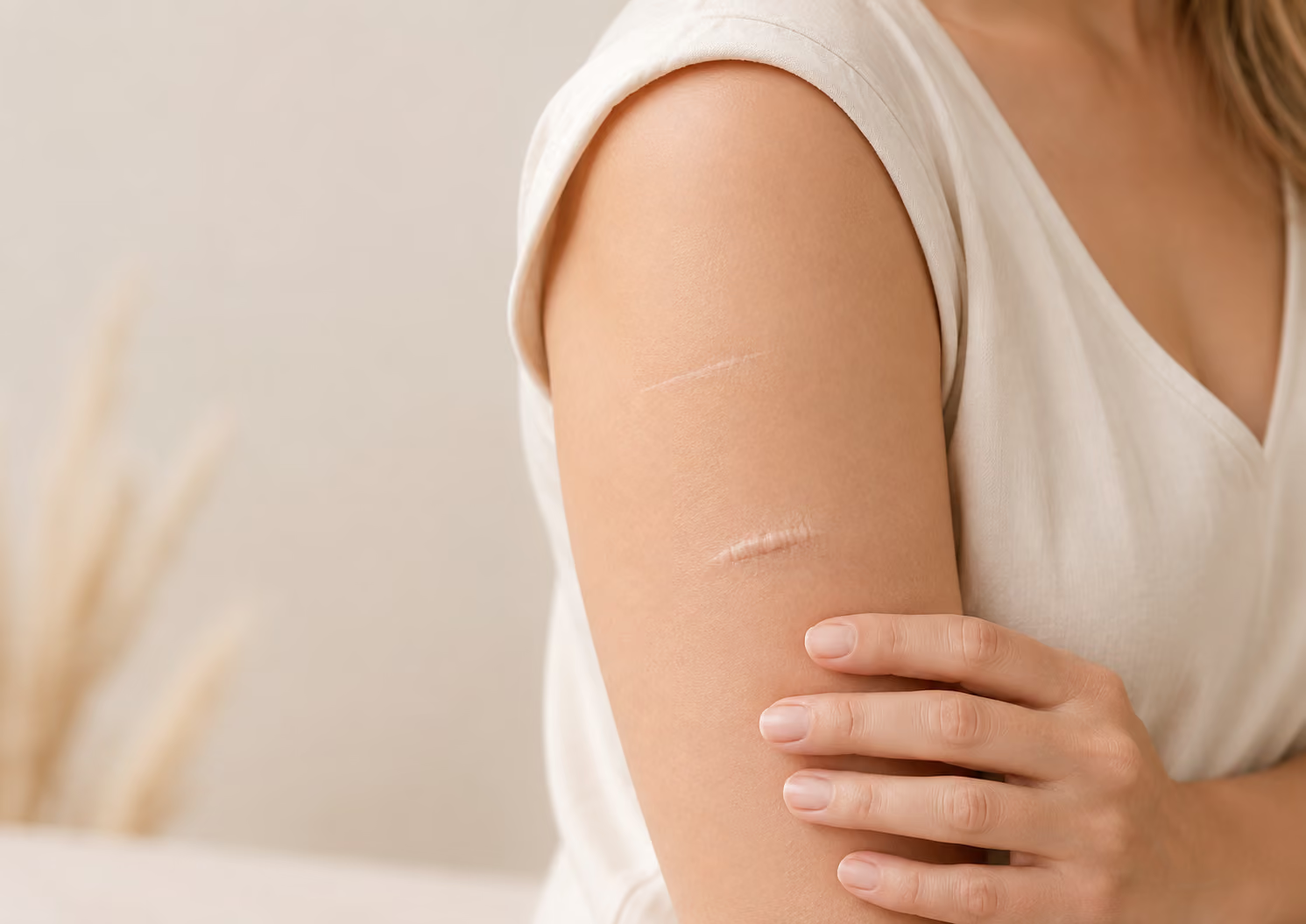
Scars can be a constant reminder of past injuries, surgeries, or skin conditions, affecting both your appearance and confidence. While some scars fade naturally over time, others remain prominent and create uneven skin texture that makeup cannot adequately conceal. Fortunately, modern dermatology offers effective solutions to minimize scar visibility and restore smoother skin. Dermal fillers have emerged as one of the most popular and successful treatments for improving the appearance of certain types of scars.
Dermal fillers represent a minimally invasive approach to scar treatment that can produce dramatic improvements in skin texture and appearance. These injectable treatments work by adding volume beneath the skin's surface, effectively lifting depressed scars to match the surrounding skin level. The procedure is relatively quick, typically performed in-office, and requires minimal downtime compared to more invasive surgical options. At Hazany Derm, patients discover how dermal fillers can transform their skin and boost their confidence through expert treatment protocols.
Understanding how dermal fillers work for scar treatment requires knowledge of different scar types and the underlying mechanisms that cause skin irregularities. Not all scars respond equally to filler treatment, making professional evaluation essential for determining the best approach. The success of dermal filler treatment depends on factors such as scar depth, age, location, and skin type. Dr. Salar Hazany at Hazany Derm carefully assesses each patient's unique scarring pattern to develop personalized treatment plans that deliver optimal results.
Understanding Dermal Fillers and Scar Types
Dermal fillers are gel-like substances injected beneath the skin to restore volume, smooth wrinkles, and improve overall skin texture. When used for scar treatment, these fillers work by elevating depressed areas of skin to create a more uniform surface appearance. The most commonly used fillers for scar treatment contain hyaluronic acid, a naturally occurring substance in the body that attracts and retains moisture. These products are biocompatible and gradually absorbed by the body over time, making them a safe option for most patients.
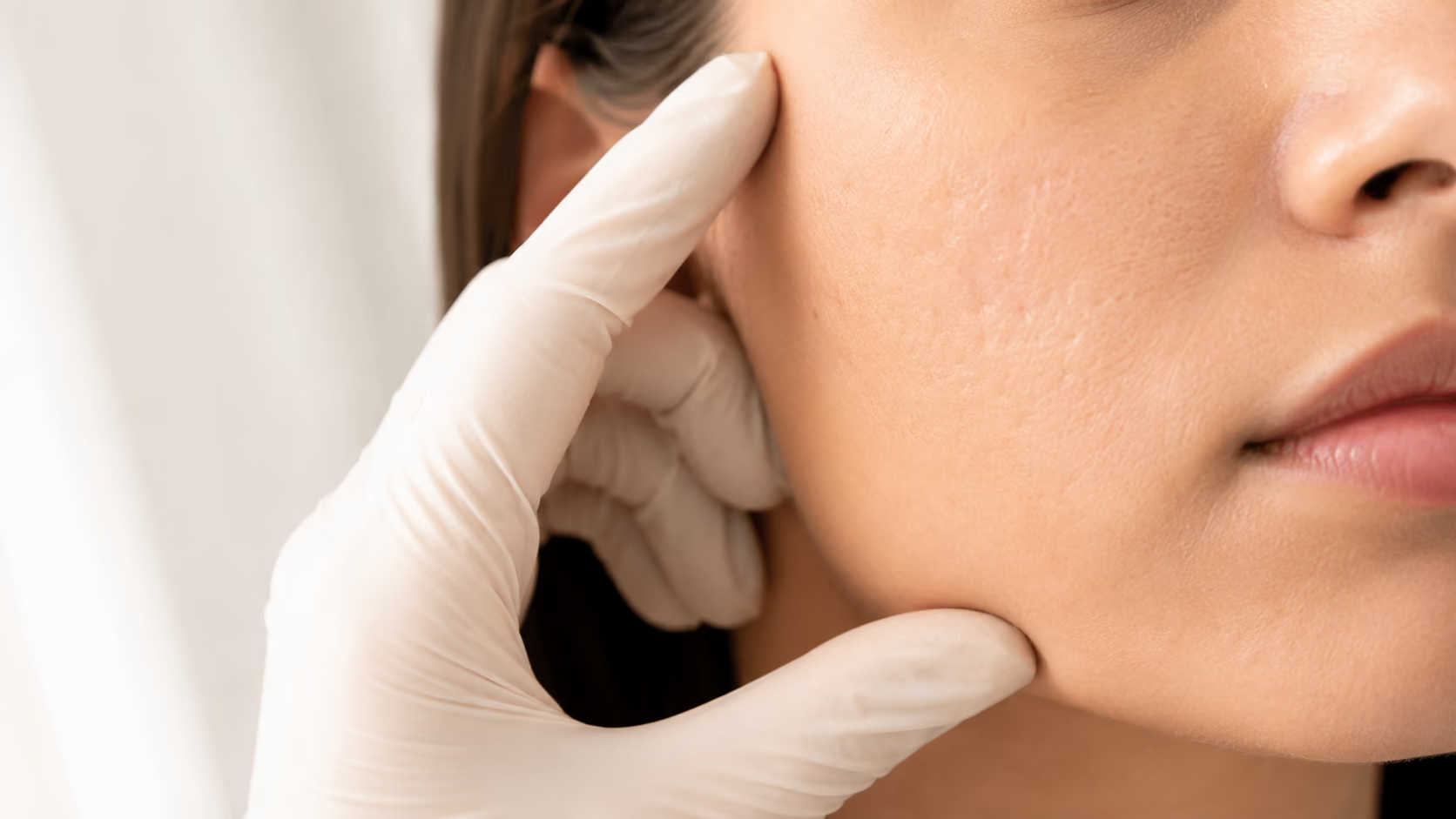
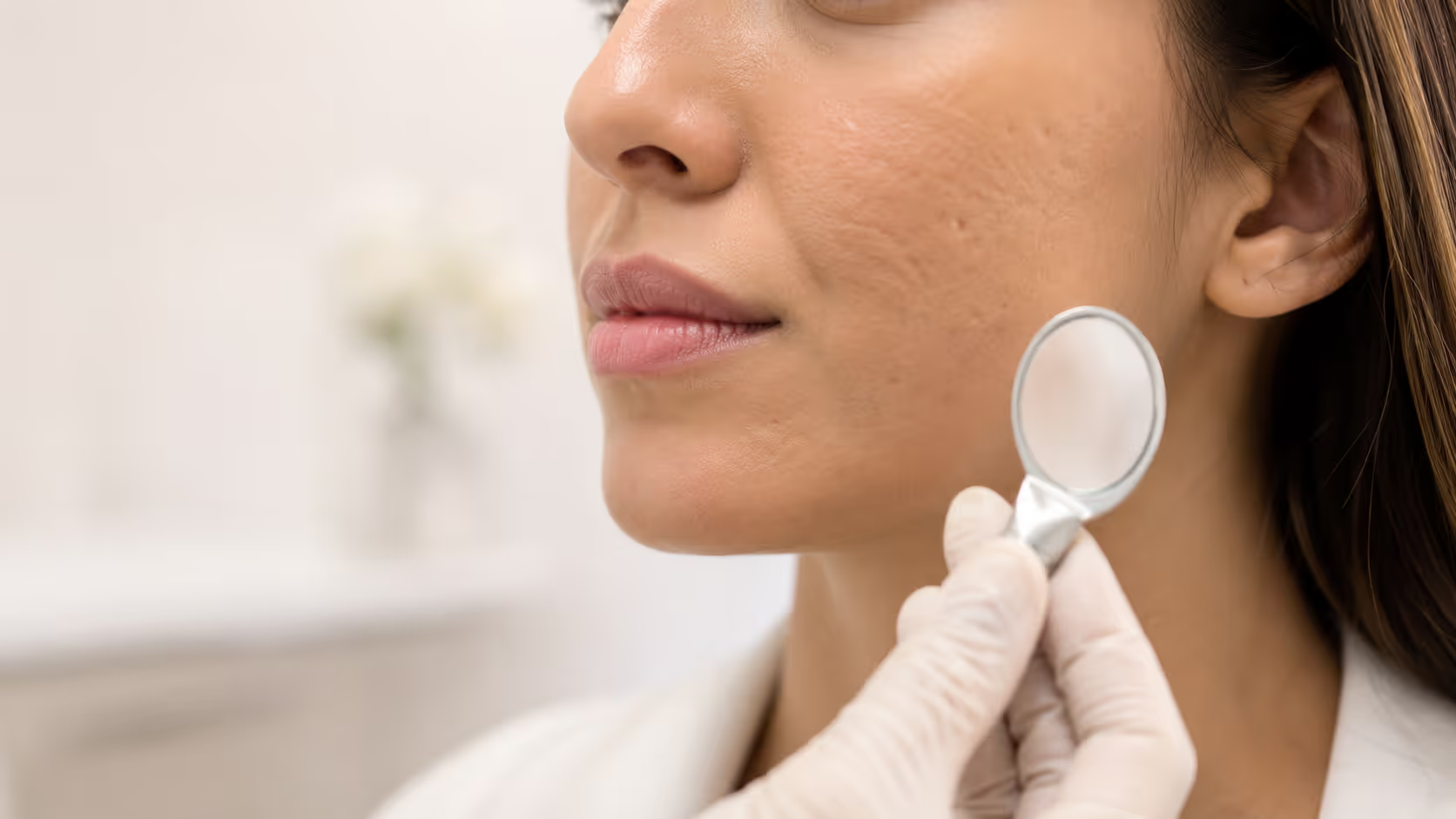
The effectiveness of dermal fillers depends largely on the type of scars being treated. Atrophic scars, which appear as depressions or indentations in the skin, respond best to filler treatment because the injectable substance can fill the void and restore normal skin contour. These scars commonly result from acne, chickenpox, or minor injuries that damage the underlying skin structure. Hazany Derm specializes in identifying the most suitable filler types and techniques for each patient's specific scarring concerns.
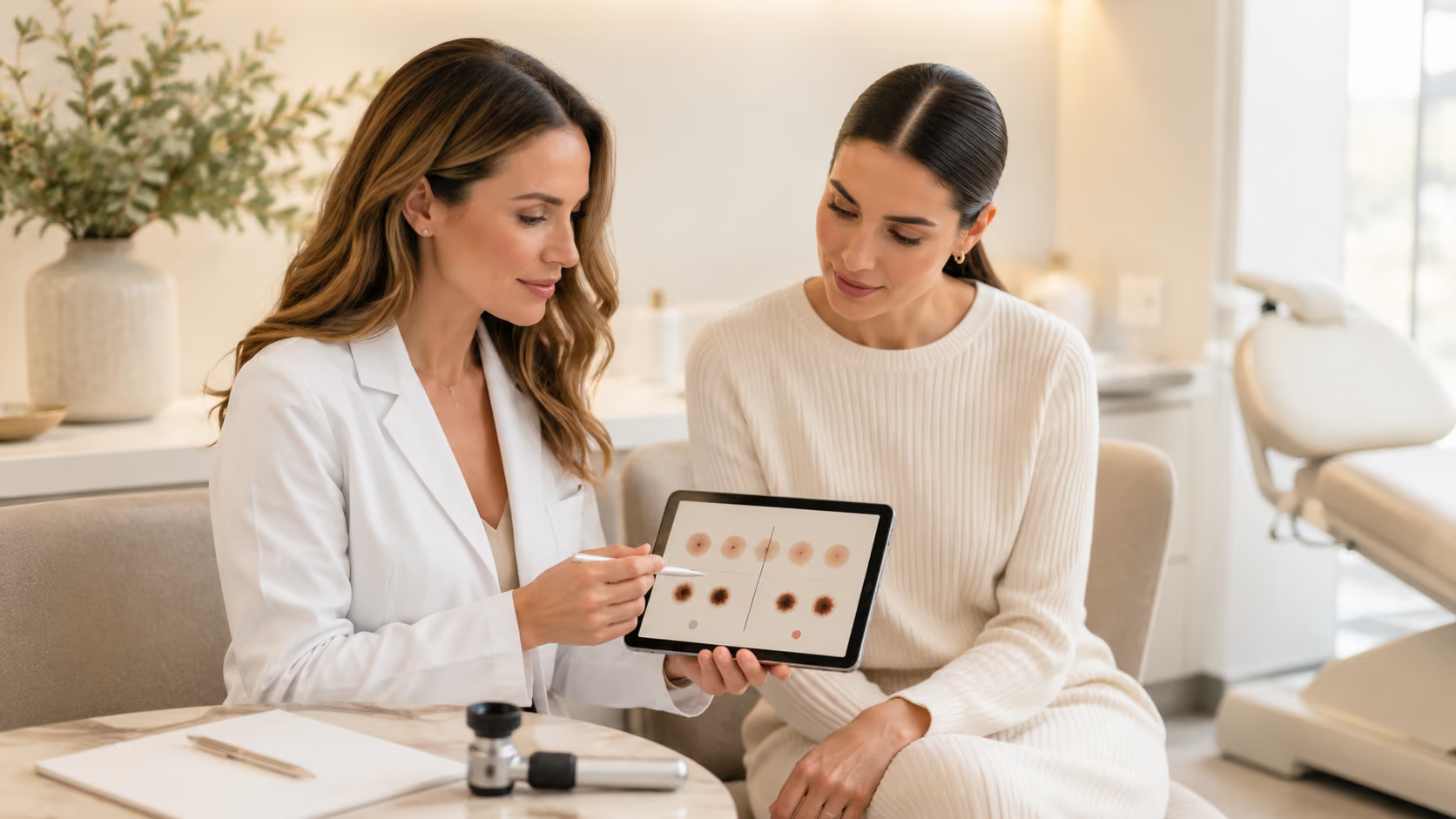
Different scar classifications require varying approaches to achieve optimal results with dermal filler treatment. Rolling scars create wave-like depressions across the skin surface and often benefit from strategic filler placement to smooth the undulating texture. Boxcar scars present as round or oval depressions with sharp edges and typically require precise injection techniques to achieve natural-looking results. Ice pick scars, characterized by narrow, deep indentations, may need combination treatments alongside fillers for maximum improvement.
The types of dermal fillers suitable for scar treatment include several categories, each with unique properties and benefits:
- Hyaluronic Acid Fillers: The most popular choice due to their natural compatibility, reversibility, and excellent safety profile for treating various scar types.
- Calcium Hydroxylapatite Fillers: Longer-lasting options that stimulate natural collagen production while providing immediate volume correction for deeper scars.
- Poly-L-lactic Acid Fillers: Collagen-stimulating fillers that work gradually to improve skin texture and are particularly effective for larger scarred areas.
- Polymethylmethacrylate Fillers: Permanent options reserved for severe scarring cases where long-term correction is desired and other treatments have proven insufficient.
Patient selection plays a crucial role in determining the success of dermal filler treatment for scars. Ideal candidates typically have realistic expectations about treatment outcomes and understand that multiple sessions may be necessary to achieve desired results. The skin should be in good overall health, free from active infections or inflammatory conditions that could interfere with healing. Dr. Salar Hazany evaluates each patient's medical history, current medications, and aesthetic goals to ensure dermal filler treatment is the most appropriate option.
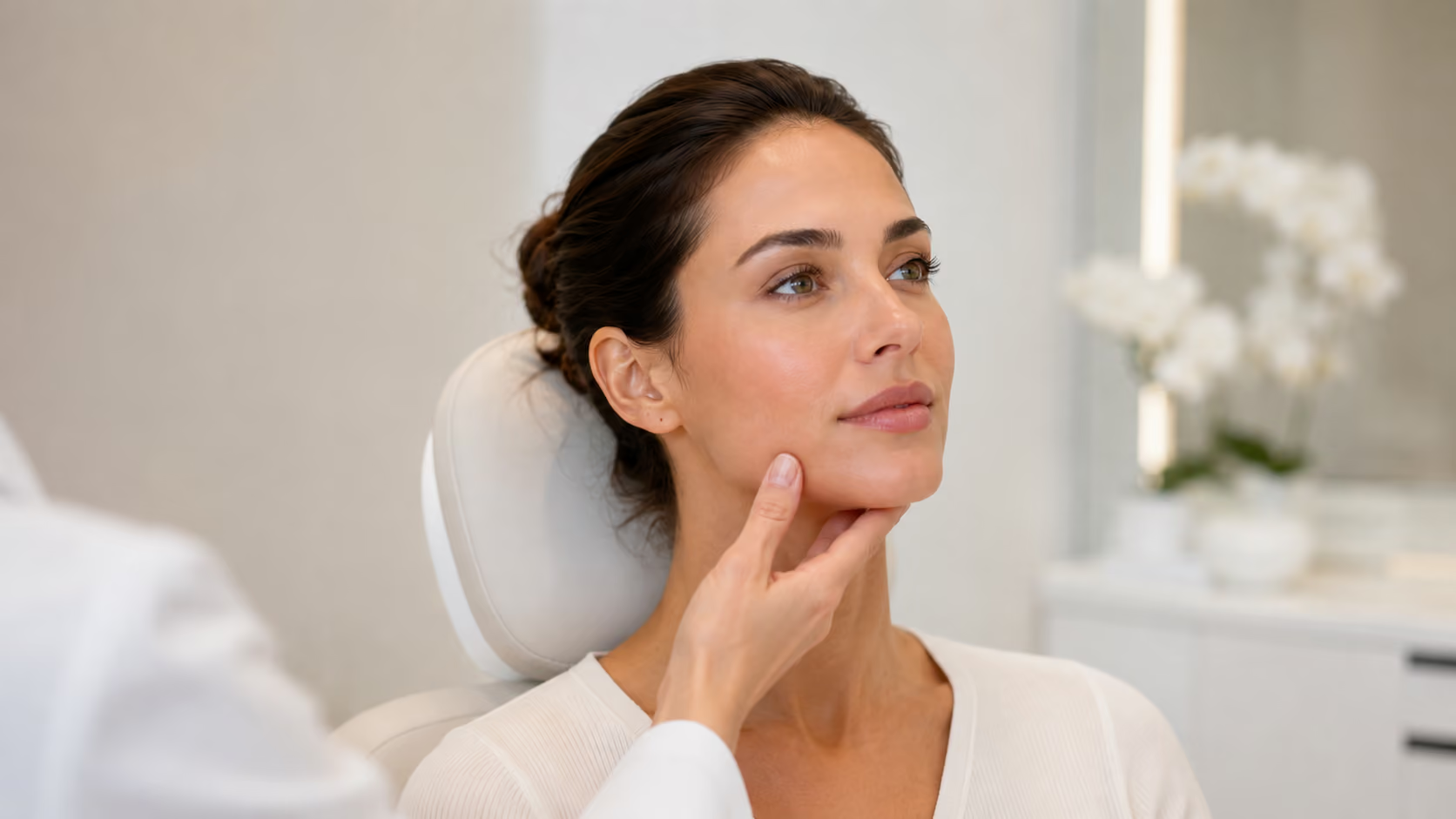
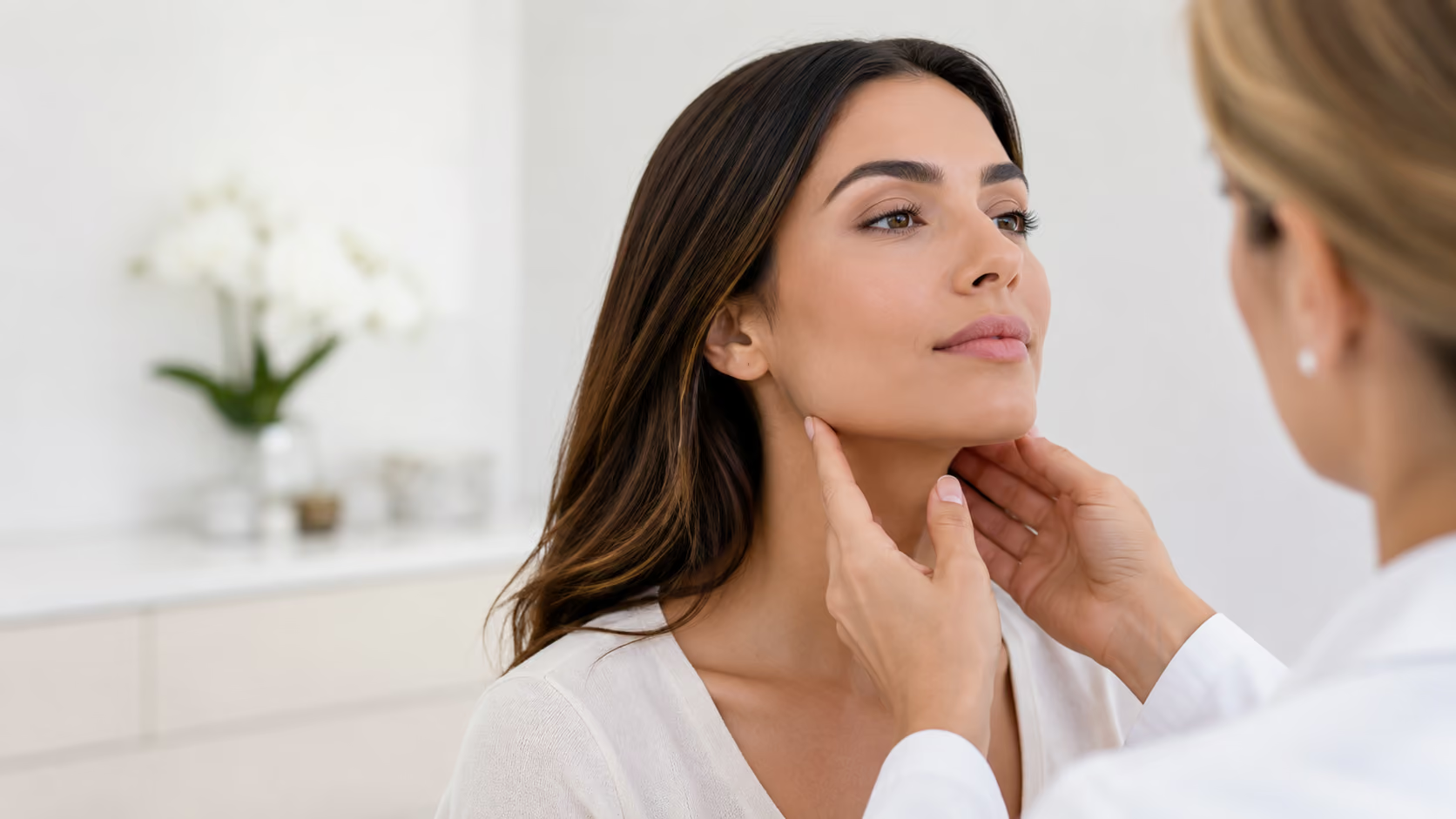
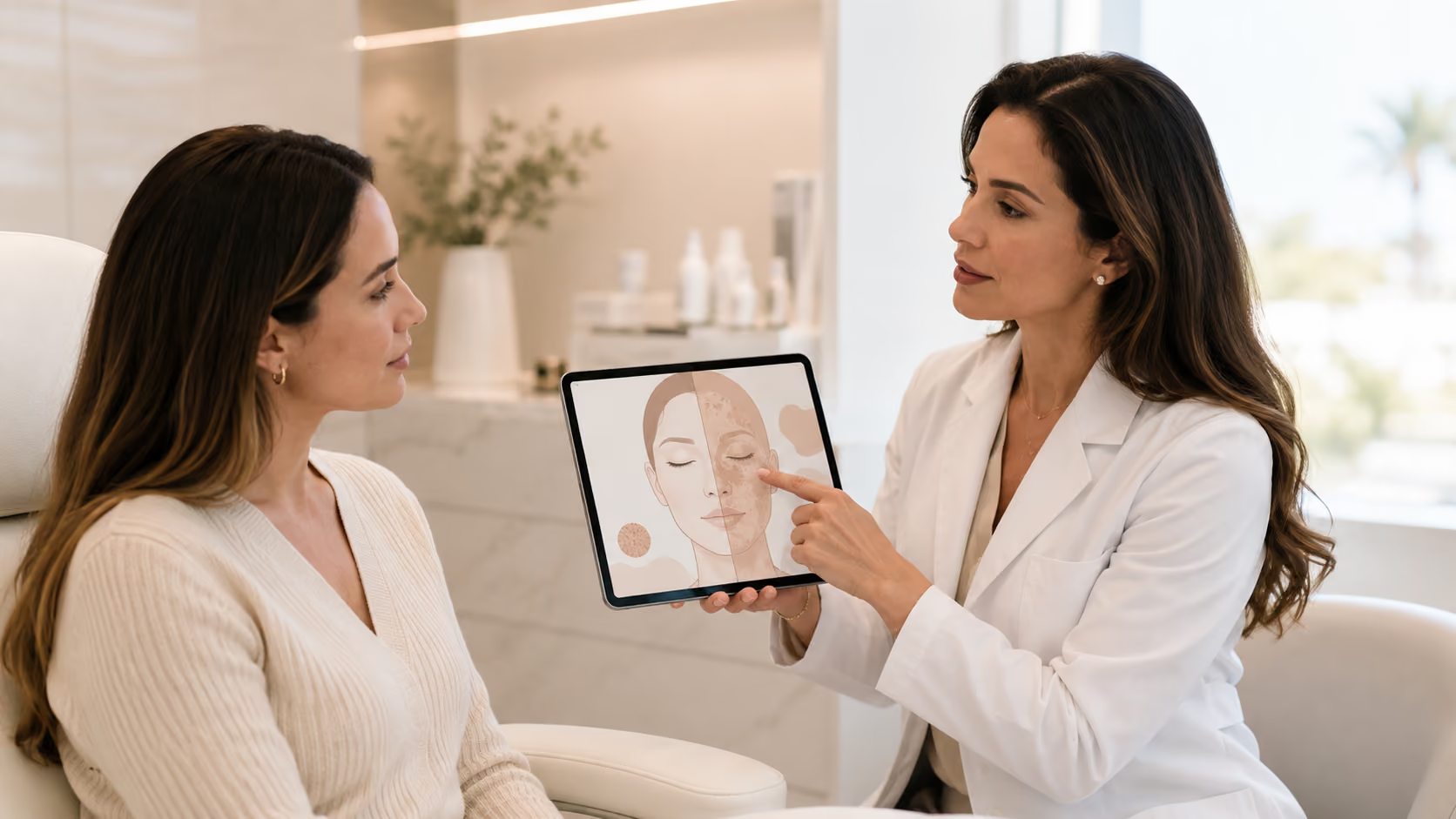
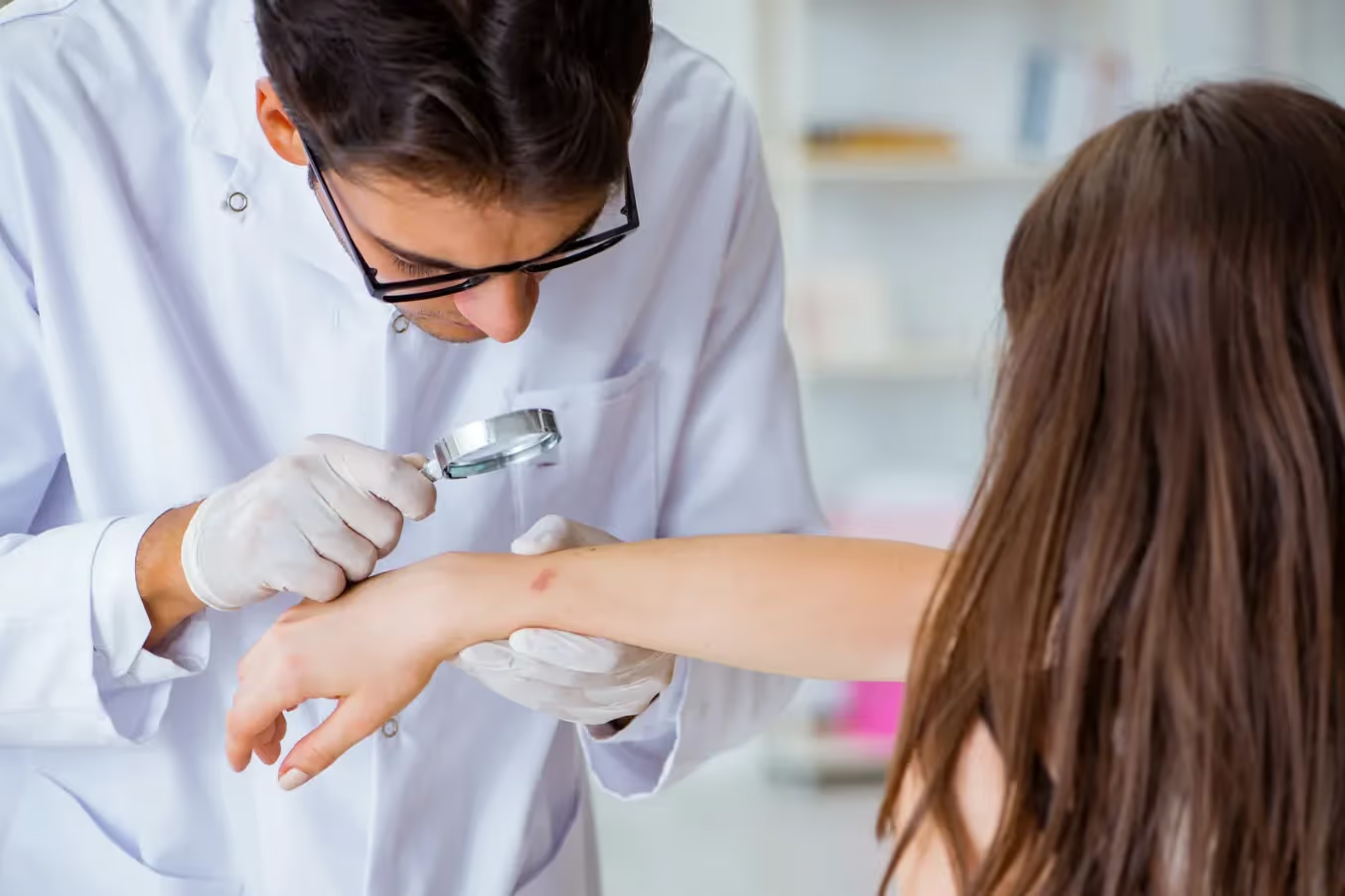
The consultation process at Hazany Derm involves comprehensive scar assessment using advanced imaging techniques when necessary to determine the depth and extent of scarring. This detailed evaluation allows for precise treatment planning and helps set realistic expectations for improvement. Patients receive detailed information about the chosen filler type, expected results, potential side effects, and post-treatment care requirements. The personalized approach ensures that each patient receives the most effective treatment for their individual scarring concerns.
The Treatment Process and Expected Results
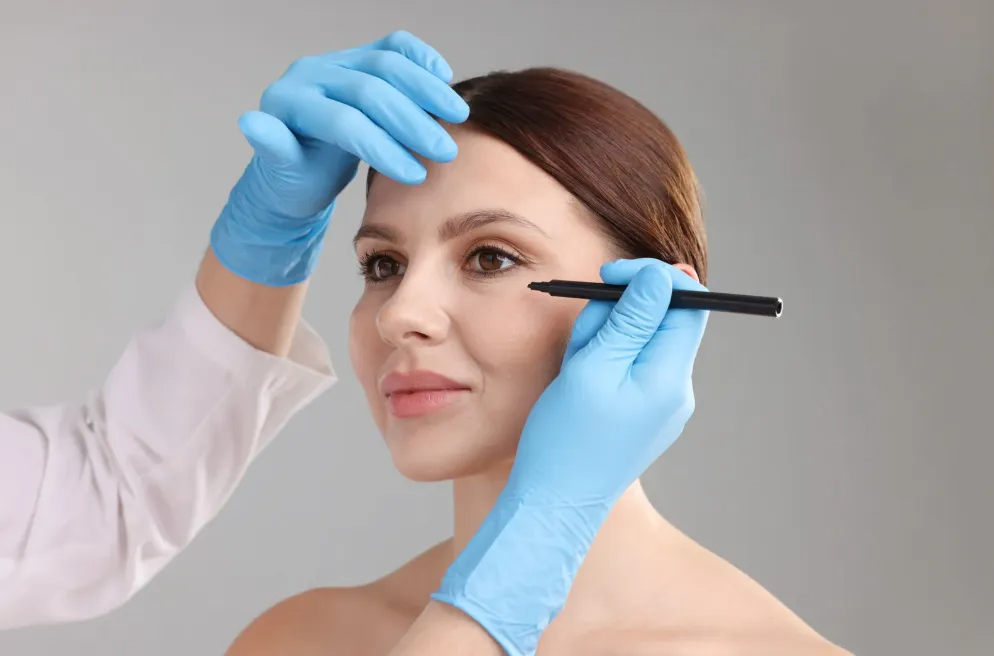
The dermal filler treatment process for scars begins with thorough skin preparation and the application of topical anesthesia to ensure patient comfort throughout the procedure. The treatment area is carefully cleansed and marked to identify precise injection points for optimal filler placement. Most modern dermal fillers contain lidocaine, a local anesthetic that further minimizes discomfort during the injection process. The entire procedure typically takes 30 to 60 minutes, depending on the number and size of scars being treated.
Injection technique is critical for achieving natural-looking results when treating scars with dermal fillers. The practitioner must carefully control the depth, angle, and volume of each injection to avoid overcorrection or creating an unnatural appearance. Multiple small injections are often preferred over single large deposits to ensure even distribution and smooth blending with surrounding tissue. At Hazany Derm, advanced injection techniques are employed to maximize patient comfort while achieving superior aesthetic outcomes.
Post-treatment care is essential for optimizing results and minimizing potential side effects following dermal filler treatment for scars. Patients may experience mild swelling, redness, or tenderness at injection sites, which typically resolves within a few days. Ice packs can be applied intermittently during the first 24 hours to reduce swelling, while avoiding excessive heat or sun exposure helps prevent complications. Most patients can return to normal activities immediately after treatment, though strenuous exercise should be avoided for 24 to 48 hours.
The timeline for seeing results varies depending on the type of filler used and individual healing responses:
- Immediate Results: Hyaluronic acid fillers provide instant volume correction, with final results visible once initial swelling subsides within one to two weeks.
- Gradual Improvement: Collagen-stimulating fillers like poly-L-lactic acid work over several months, with continued improvement for up to six months post-treatment.
- Peak Results: Most patients see optimal scar improvement between two to four weeks after treatment when tissue has fully settled and integrated.
- Duration: Results typically last six months to two years, depending on filler type, injection site, and individual metabolism factors affecting product breakdown.
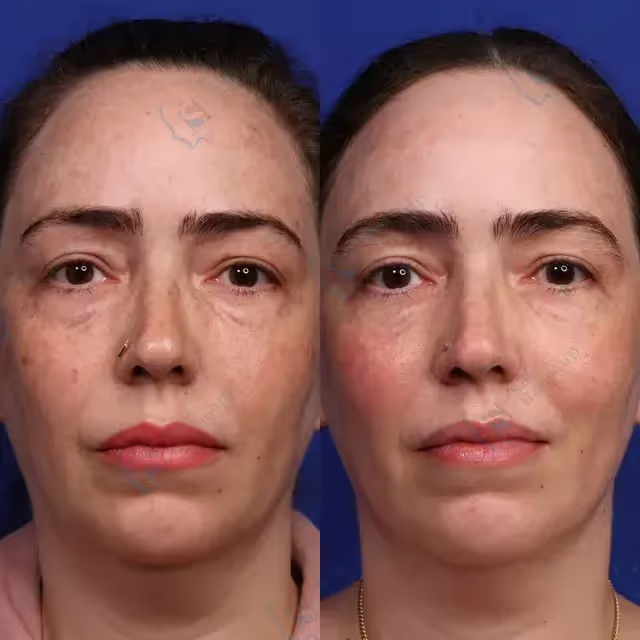
Realistic expectations are crucial for patient satisfaction with dermal filler treatment for scars. While significant improvement is often achievable, complete scar elimination is rarely possible with fillers alone. Most patients experience 50 to 80 percent improvement in scar appearance, which can make a dramatic difference in overall skin texture and confidence levels. The team at Hazany Derm ensures patients understand both the potential benefits and limitations of treatment before proceeding.
Multiple treatment sessions are often necessary to achieve optimal results, particularly for extensive scarring or very deep depressions. Initial treatment may provide substantial improvement, with touch-up sessions scheduled as needed to maintain results or address areas requiring additional correction. Some patients benefit from combination approaches that include dermal fillers alongside other treatments such as laser therapy, microneedling, or chemical peels. This comprehensive approach can address multiple aspects of scarring for more complete skin rejuvenation.
Safety Considerations and Alternative Options
Safety is paramount when considering dermal filler treatment for scars, making it essential to choose a qualified and experienced practitioner. Board-certified dermatologists have the necessary training and expertise to properly assess scarring, select appropriate filler types, and execute safe injection techniques. Proper sterilization, quality products, and adherence to safety protocols significantly reduce the risk of complications. Hazany Derm maintains the highest safety standards and uses only FDA-approved dermal fillers for all scar treatment procedures.
Common side effects of dermal filler treatment are generally mild and temporary, including swelling, bruising, redness, and tenderness at injection sites. These effects typically resolve within one to two weeks without requiring medical intervention. More serious complications, while rare, can include infection, allergic reactions, vascular compromise, or granuloma formation. Proper patient screening, sterile technique, and post-treatment monitoring help minimize these risks significantly.
Contraindications for dermal filler treatment include active skin infections, autoimmune conditions affecting the treatment area, pregnancy, breastfeeding, and known allergies to filler components. Patients taking blood-thinning medications may have increased bruising risk and should discuss their medication regimen with their practitioner before treatment. A thorough medical history review helps identify potential risk factors and ensures patient safety throughout the treatment process.
Alternative treatments for scar improvement may be recommended when dermal fillers are not suitable or when combination approaches would be more beneficial:
- Laser Resurfacing: Ablative and non-ablative lasers can improve scar texture by promoting collagen remodeling and skin renewal for smoother surface appearance.
- Microneedling: Controlled micro-injuries stimulate natural collagen production to gradually improve scar depth and overall skin texture over multiple sessions.
- Chemical Peels: Various acid concentrations can resurface scarred skin layers, promoting new skin growth and reducing the appearance of shallow scars.
- Surgical Scar Revision: Severe or extensive scarring may require surgical intervention to excise scar tissue and create more favorable healing conditions.
Patient education about realistic outcomes and proper post-treatment care is essential for achieving the best possible results with dermal filler treatment. Understanding the temporary nature of most fillers helps patients plan for maintenance treatments and budget accordingly for ongoing care. Following all post-treatment instructions, including avoiding certain activities and using recommended skincare products, optimizes healing and prolongs results.
Long-term planning for scar treatment often involves developing a comprehensive skincare regimen that supports ongoing skin health and maximizes treatment benefits. This may include prescription topical treatments, regular professional treatments, and consistent use of sun protection to prevent further skin damage. Dr. Salar Hazany works with patients to create personalized long-term care plans that maintain and enhance their dermal filler results while promoting overall skin health and appearance.
Frequently Asked Questions
How long do dermal filler results last for scar treatment?
The longevity of dermal filler results for scar treatment varies depending on several factors, including the type of filler used, the location of treatment, and individual patient characteristics. Hyaluronic acid fillers typically last six to twelve months, while calcium hydroxylapatite fillers may provide results for twelve to eighteen months. Collagen-stimulating fillers like poly-L-lactic acid can offer improvements lasting up to two years as they promote natural collagen production. Dr. Salar Hazany evaluates each patient's unique situation to recommend the most appropriate filler type and develop realistic expectations for result duration. Factors such as metabolism, lifestyle, and the depth of scarring can influence how long results persist, making personalized treatment planning essential for optimal outcomes.
Are dermal fillers painful when used for scar treatment?
Most patients experience minimal discomfort during dermal filler treatment for scars, thanks to various pain management techniques employed during the procedure. Many modern fillers contain lidocaine, a local anesthetic that numbs the treatment area upon injection. Additionally, topical numbing cream is typically applied before treatment begins to further minimize any discomfort. The team at Hazany Derm prioritizes patient comfort and may use ice or vibration devices to reduce sensation during injections. Most patients describe the feeling as similar to a small pinch or bee sting that lasts only seconds per injection site. Any mild discomfort usually subsides immediately after treatment, and over-the-counter pain relievers can address any residual tenderness if needed.
What types of scars respond best to dermal filler treatment?
Atrophic or depressed scars respond most favorably to dermal filler treatment because the injectable substance can effectively fill the void and restore normal skin contour. Acne scars, particularly rolling and boxcar types, often show significant improvement with appropriate filler placement and technique. Surgical scars that have created depressions in the skin can also benefit from filler treatment to achieve a smoother surface appearance. The team at Hazany Derm specializes in evaluating different scar types to determine the most suitable treatment approach. However, raised or hypertrophic scars are not appropriate candidates for filler treatment, as adding volume would worsen their appearance. Ice pick scars may require combination treatments alongside fillers for optimal results due to their narrow, deep nature.
How much does dermal filler treatment for scars typically cost?
The cost of dermal filler treatment for scars varies significantly based on several factors, including the type and amount of filler needed, the extent of scarring, and the number of treatment sessions required. Generally, prices range from several hundred to several thousand dollars per treatment session, depending on these variables. The specific filler chosen also affects cost, with some premium products commanding higher prices due to their longevity or specialized properties. Dr. Hazany provides detailed cost estimates during consultation after thoroughly evaluating the patient's scarring and developing a personalized treatment plan. Many practices offer financing options or payment plans to make treatment more accessible. It's important to consider the value of professional expertise and quality products when comparing costs, as cheaper alternatives may not provide the same safety or effectiveness.
Can dermal fillers be combined with other scar treatments?
Yes, dermal fillers can often be effectively combined with other scar treatments to achieve more comprehensive improvement in skin texture and appearance. Common combination approaches include using fillers alongside laser resurfacing, microneedling, or chemical peels to address different aspects of scarring simultaneously. For example, laser treatments can improve surface texture while fillers address volume loss and depression depth. Hazany Derm specialists carefully evaluate each patient's scarring to determine whether combination treatments would be beneficial and safe. The timing of different treatments is crucial, with some procedures requiring healing time between sessions while others can be performed simultaneously. This multi-modal approach often produces superior results compared to single treatment methods alone, though it may require a more complex treatment schedule and higher investment.
What should I expect during recovery after dermal filler treatment for scars?
Recovery after dermal filler treatment for scars is typically mild and brief, with most patients resuming normal activities immediately following their procedure. Common immediate effects include mild swelling, redness, and tenderness at injection sites, which usually resolve within one to three days. Bruising may occur and can last up to one week, though this can often be minimized with proper pre and post-treatment care. Dr. Salar Hazany provides detailed post-treatment instructions, including recommendations to avoid strenuous exercise for 24-48 hours and to sleep with the head elevated to reduce swelling. Ice packs can be applied intermittently during the first day to minimize swelling and discomfort. Most patients see their final results once initial swelling subsides, typically within one to two weeks after treatment.
Who is a good candidate for dermal filler treatment for scars?
Ideal candidates for dermal filler treatment for scars are individuals with atrophic or depressed scars who have realistic expectations about treatment outcomes and are in good overall health. The best candidates typically have scars that are no longer actively healing and have stable skin conditions without ongoing inflammation or infection. Age is generally not a limiting factor, though skin quality and healing capacity may influence results. The Hazany Derm clinic evaluates each patient's medical history, current medications, and specific scarring characteristics to determine candidacy. Patients should not be pregnant or breastfeeding and should not have known allergies to filler components. Those taking blood-thinning medications may still be candidates but require special precautions to minimize bruising risk. A thorough consultation helps identify the most suitable candidates and ensures optimal treatment outcomes.
Are there any risks or side effects associated with dermal fillers for scars?
While dermal filler treatment for scars is generally safe when performed by qualified professionals, there are potential risks and side effects that patients should understand before treatment. Common side effects are typically mild and temporary, including swelling, bruising, redness, and tenderness at injection sites lasting one to two weeks. More serious but rare complications can include infection, allergic reactions, vascular compromise, or granuloma formation. The experts at Hazany Derm minimize these risks through proper patient screening, sterile injection techniques, and the use of high-quality, FDA-approved products. Asymmetry or overcorrection can occur but can often be addressed with additional treatment or, in the case of hyaluronic acid fillers, reversed with hyaluronidase enzyme. Long-term risks are minimal with temporary fillers, though permanent fillers carry additional considerations that require careful evaluation and discussion during consultation.