





%201.avif)



Can You Remove Moles on the Eyelid?



Eyelid moles are usually benign but can cause vision issues, cosmetic concerns, or in some cases signal something more serious. Treatment options include surgical excision for suspicious lesions, laser treatment for confirmed benign moles, and shave excision for raised superficial moles, which tends to heal with minimal scarring and no sutures needed. Given how delicate and complex the eyelid is, choosing an experienced provider like Dr. Hazany is essential for both safe removal and a clean cosmetic outcome.
Safe & Effective Eyelid Mole Removal: When to Treat, Your Options, and What to Expect
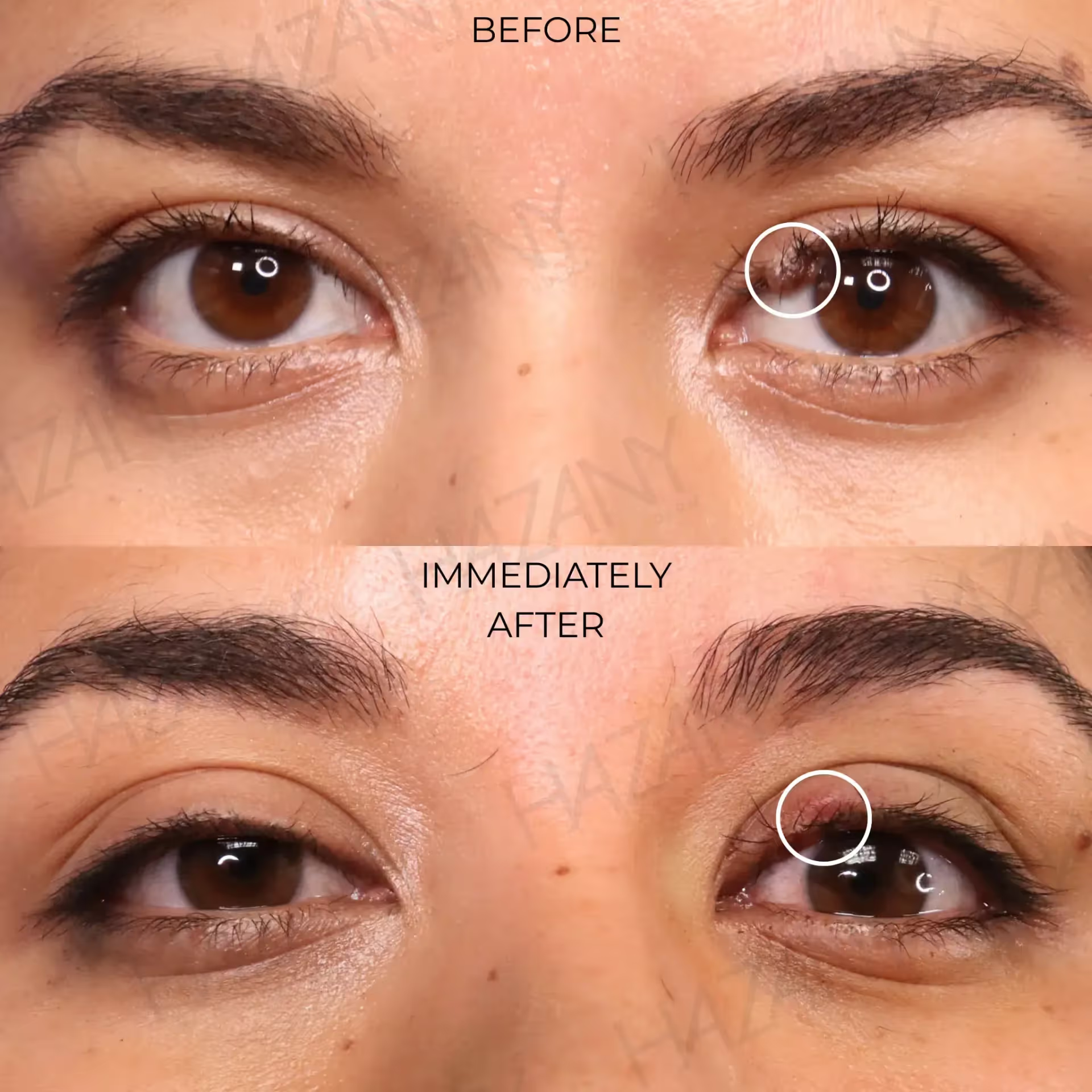
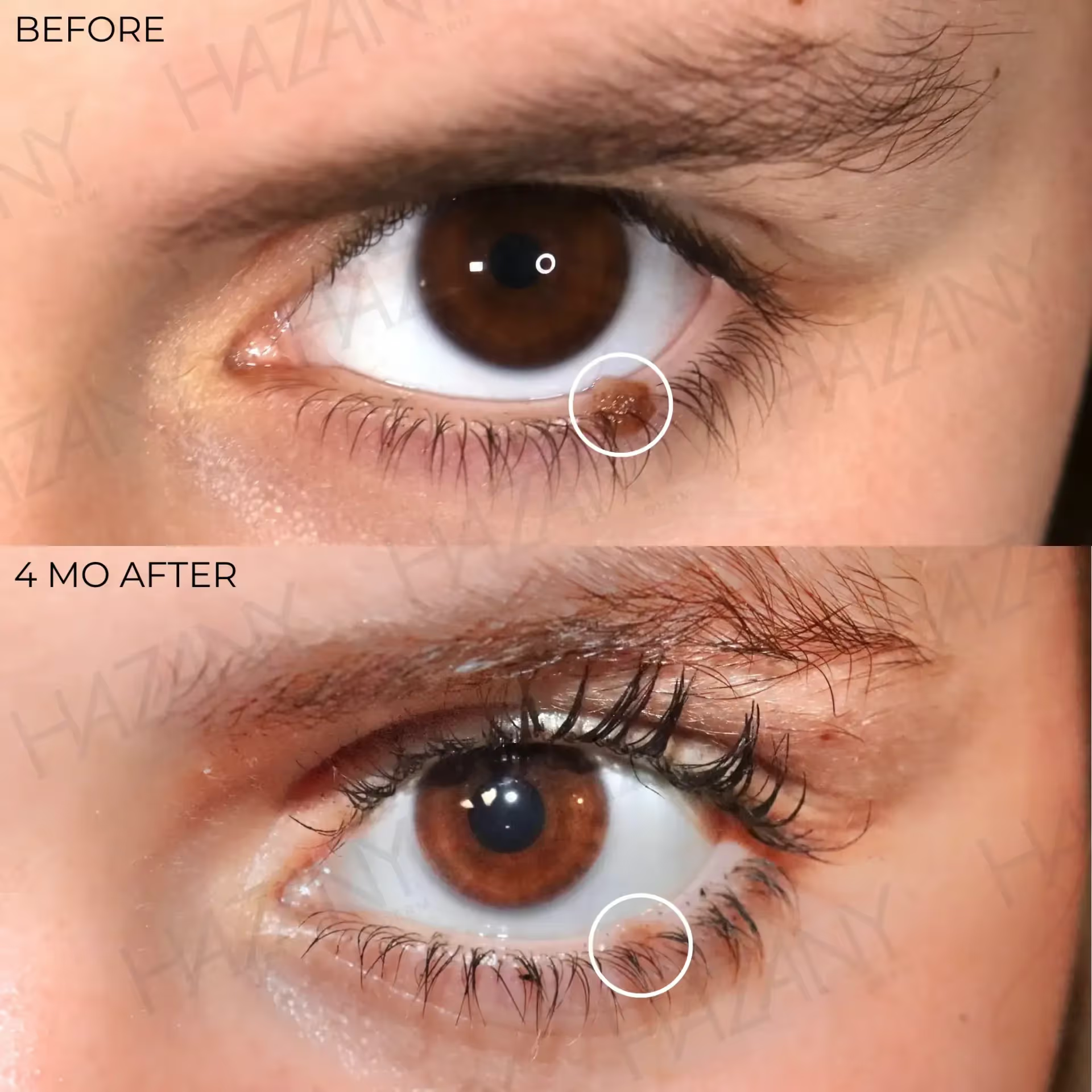
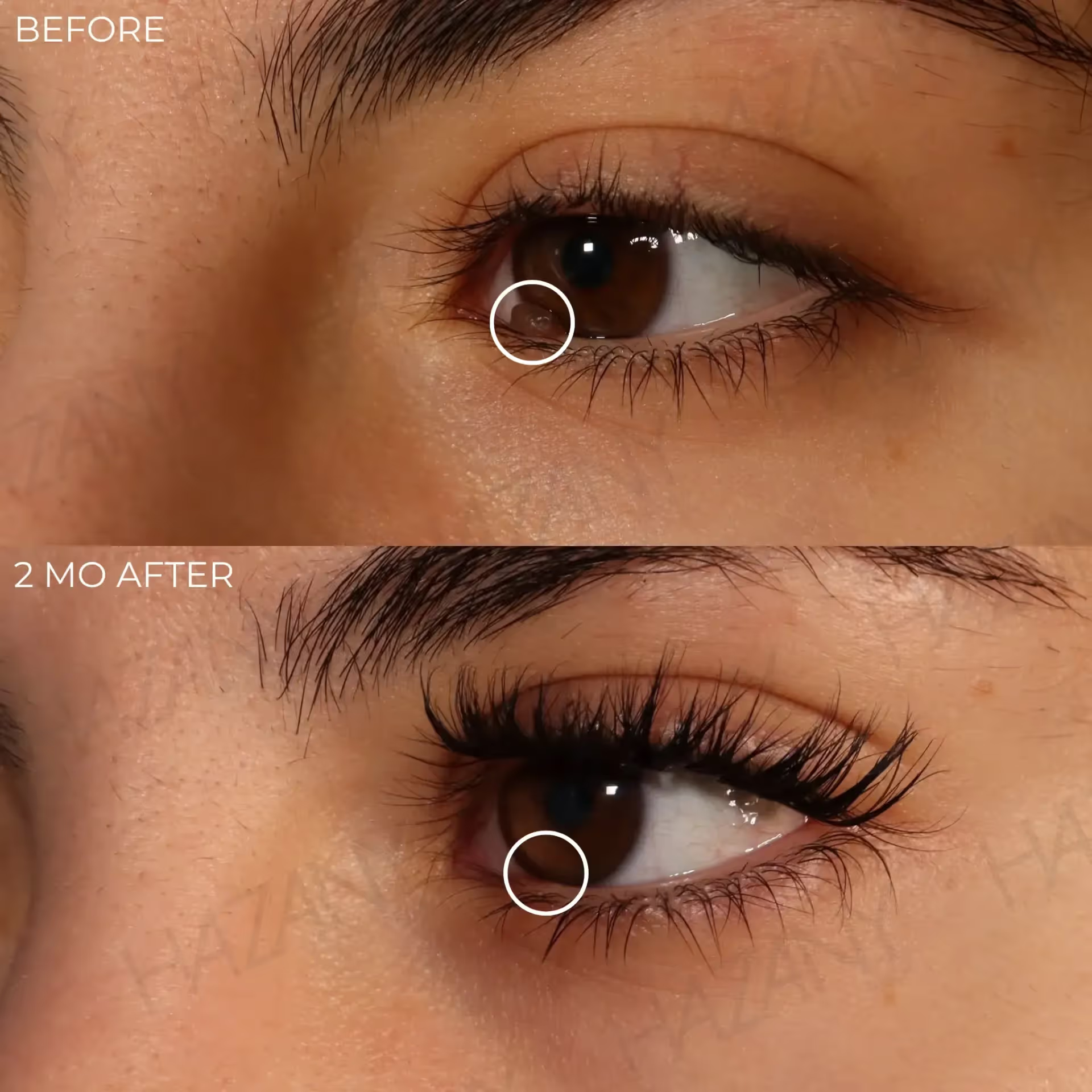
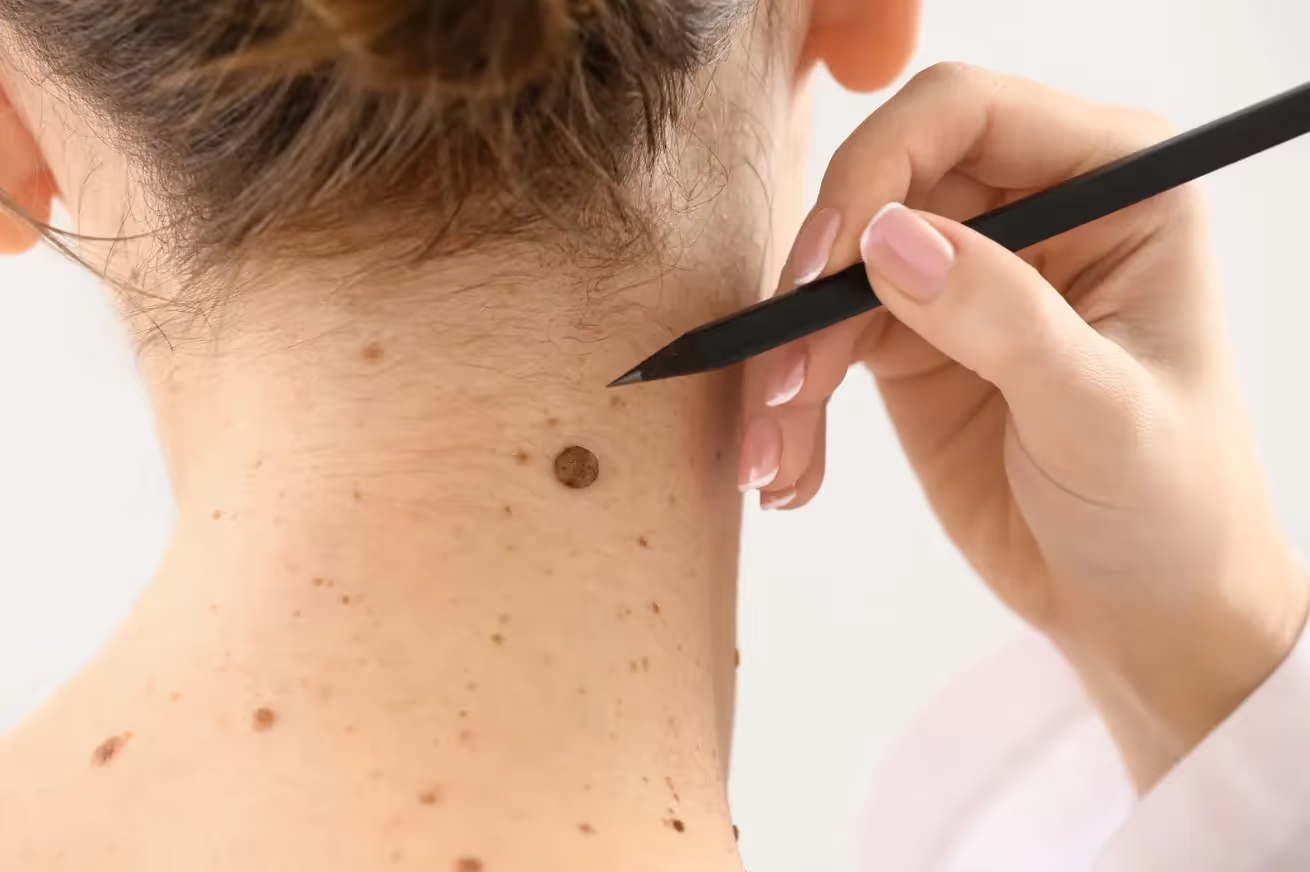
Eyelid nevi, or eyelid moles, are usually benign lesions that can appear along the lash line, upper lid, or lower lid. These lesions are formed when melanocytes, the cells responsible for pigment production, grow in a cluster. These moles are most commonly caused by sun exposure, genetic predisposition, aging, and skin changes. They can commonly be identified by darker pigmentation or more raised texture compared to the surrounding tissue. Most moles are harmless, but many seek mole removal for hindrance to their vision, health concern, or cosmetics. The eyelid is a sensitive, delicate location, and precise technique must be applied to ensure safe removal and a result with minimal scarring.
When to consider having an eyelid mole removed?
Larger lesions raised beyond the height of the eyelid skin often cause hindrance to vision, blinking, or general disturbance to the day to day life. Additionally, these nevi frequently cause cosmetic concern, as makeup application poses to be more difficult and general disturbance is made to one of the most prominent traits of the face.
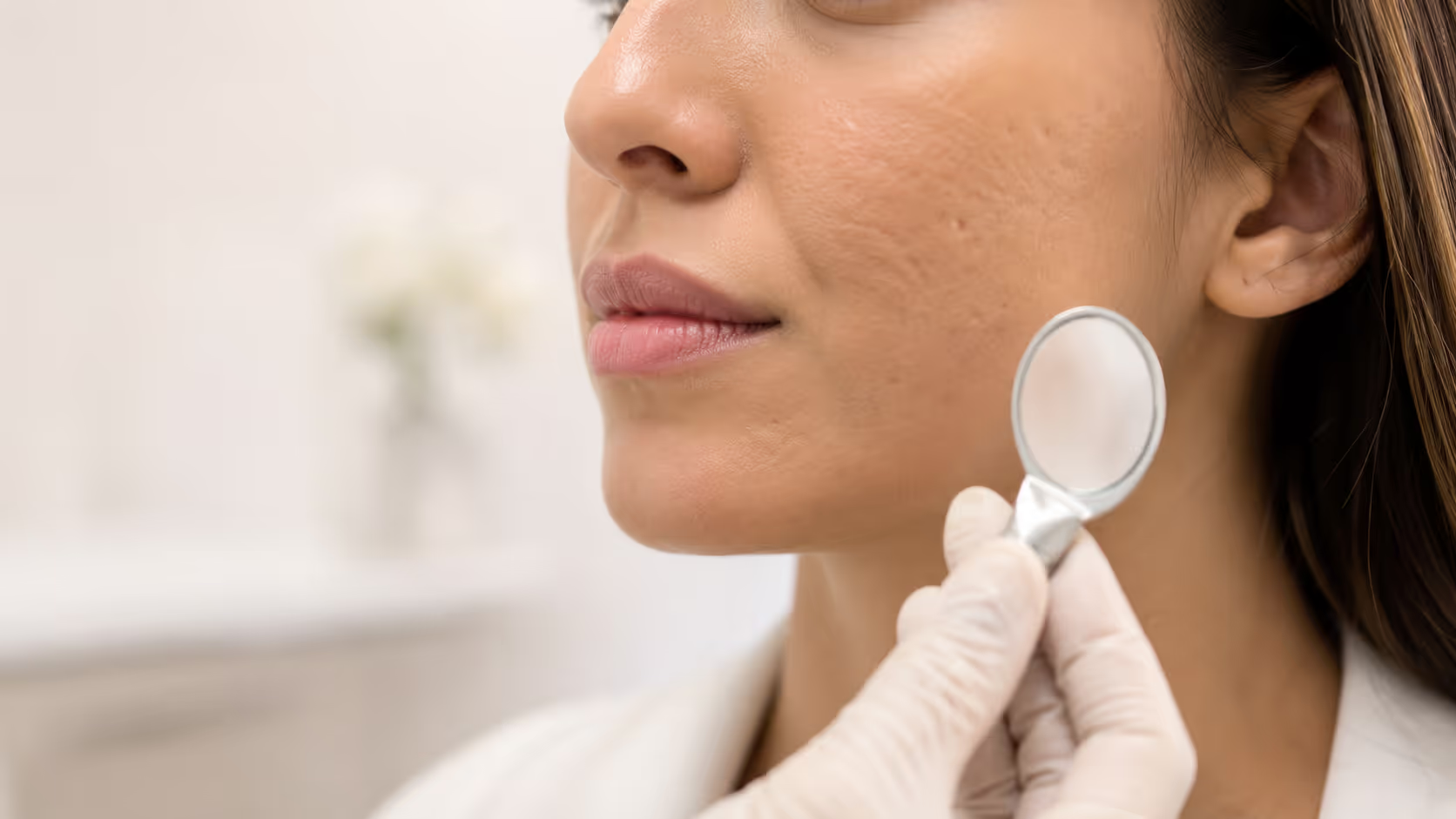
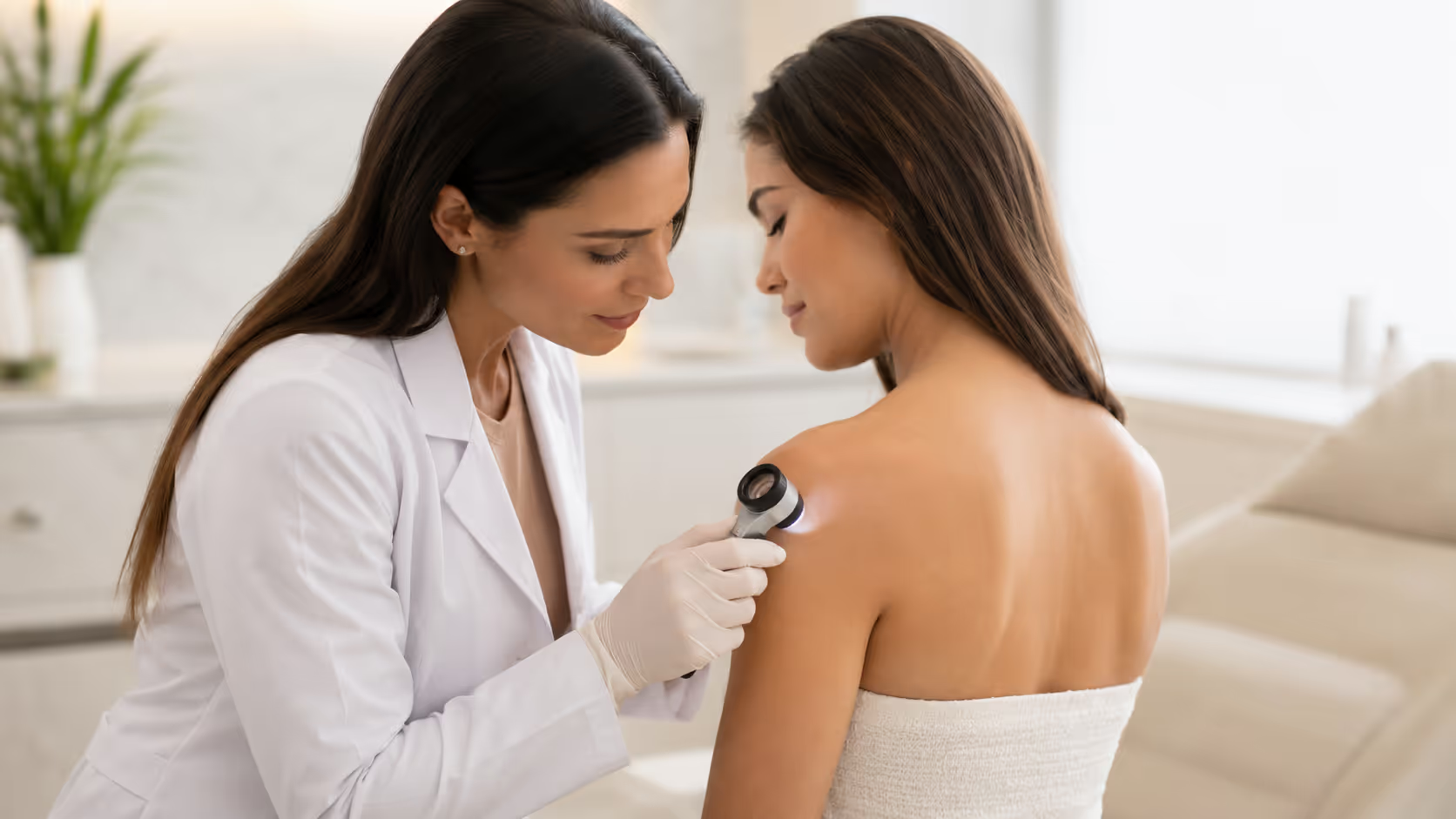
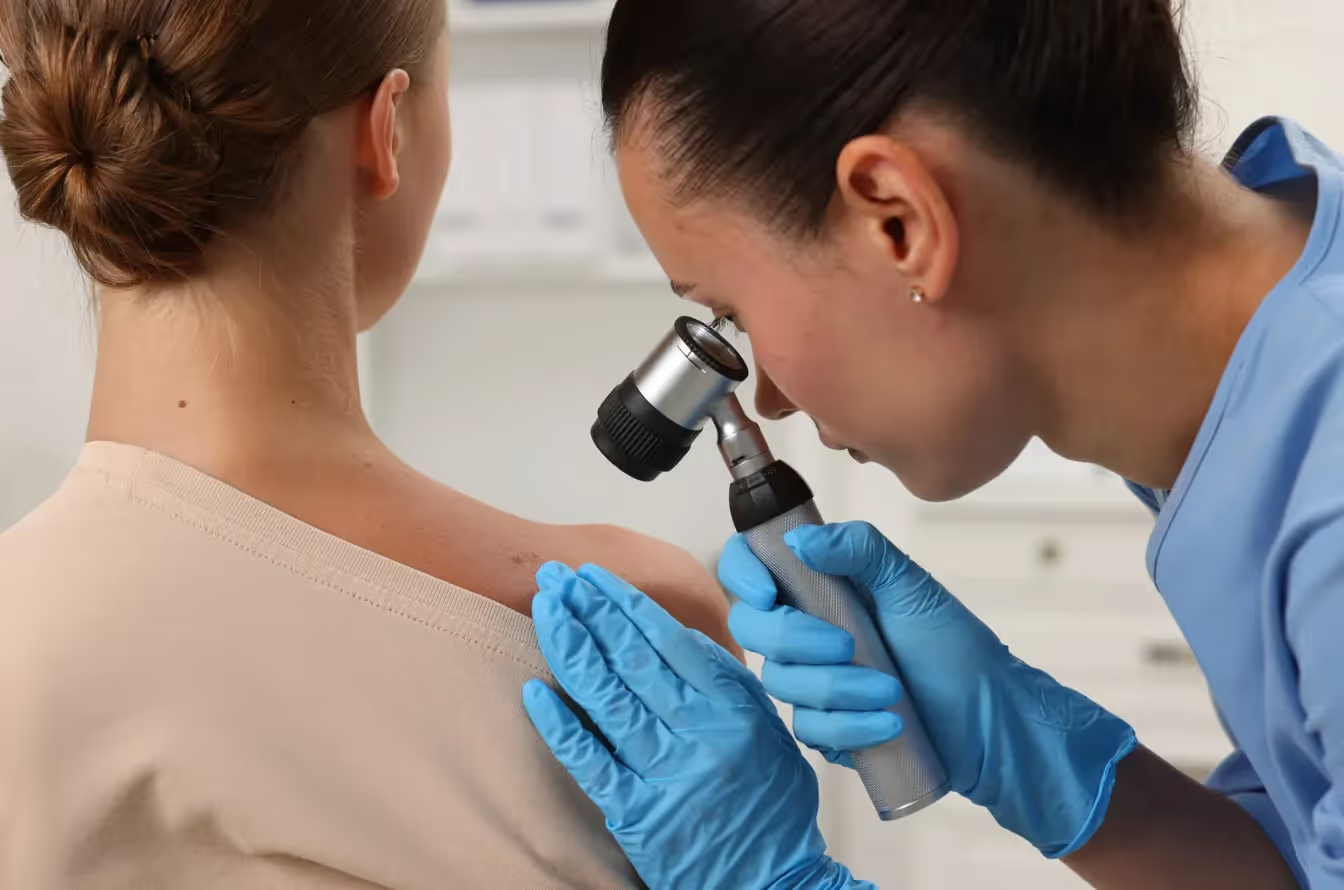
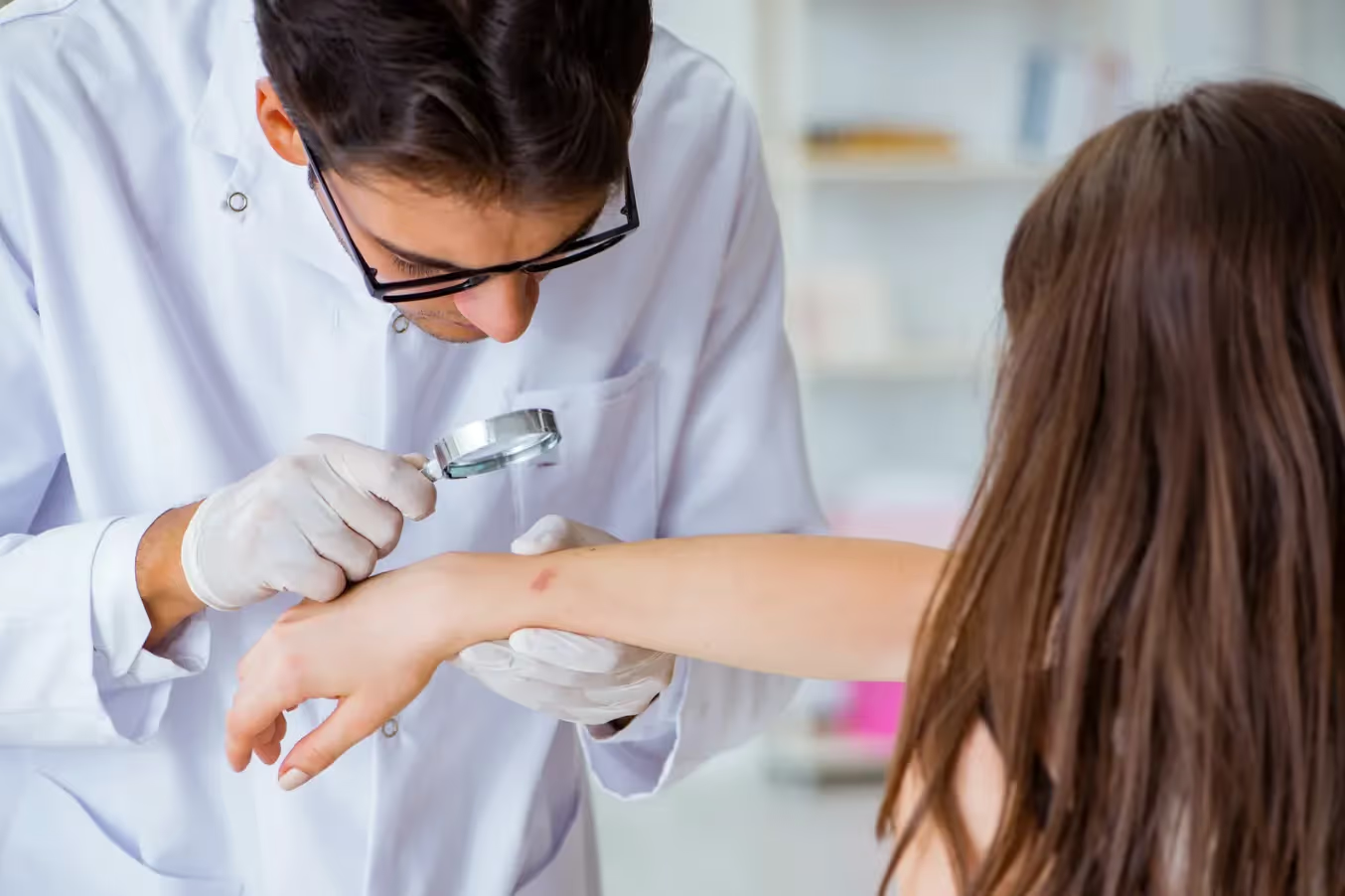
Regardless of indications, having an eyelid mole evaluated by a medical professional is highly advised to rule out any suspicion of cancerous tumors. Any atypical mole with signs of irritation, itchiness, growth, or obstruction should be promptly assessed by a dermatologist to rule out eyelid cancers such as squamous cell carcinoma or basal cell carcinoma.
Treatment Options to Remove Moles
1. Surgical Excision
Surgical removal of the mole is the most definitive treatment option to ensure the lesion is completely removed. This method is most commonly applied for highly suspicious moles or cases with confirmed biopsies. Local anesthetics are administered, and a fine closure with sutures would likely be utilized to aid in the healing process. Although the sutures can be hidden in any natural creases, surgical excision will likely result in a more prominent scar compared to other procedures. This method has the benefit of increasing the chance of removing the root of the mole, reducing the risk of a returning lesion.
2. Laser Removal
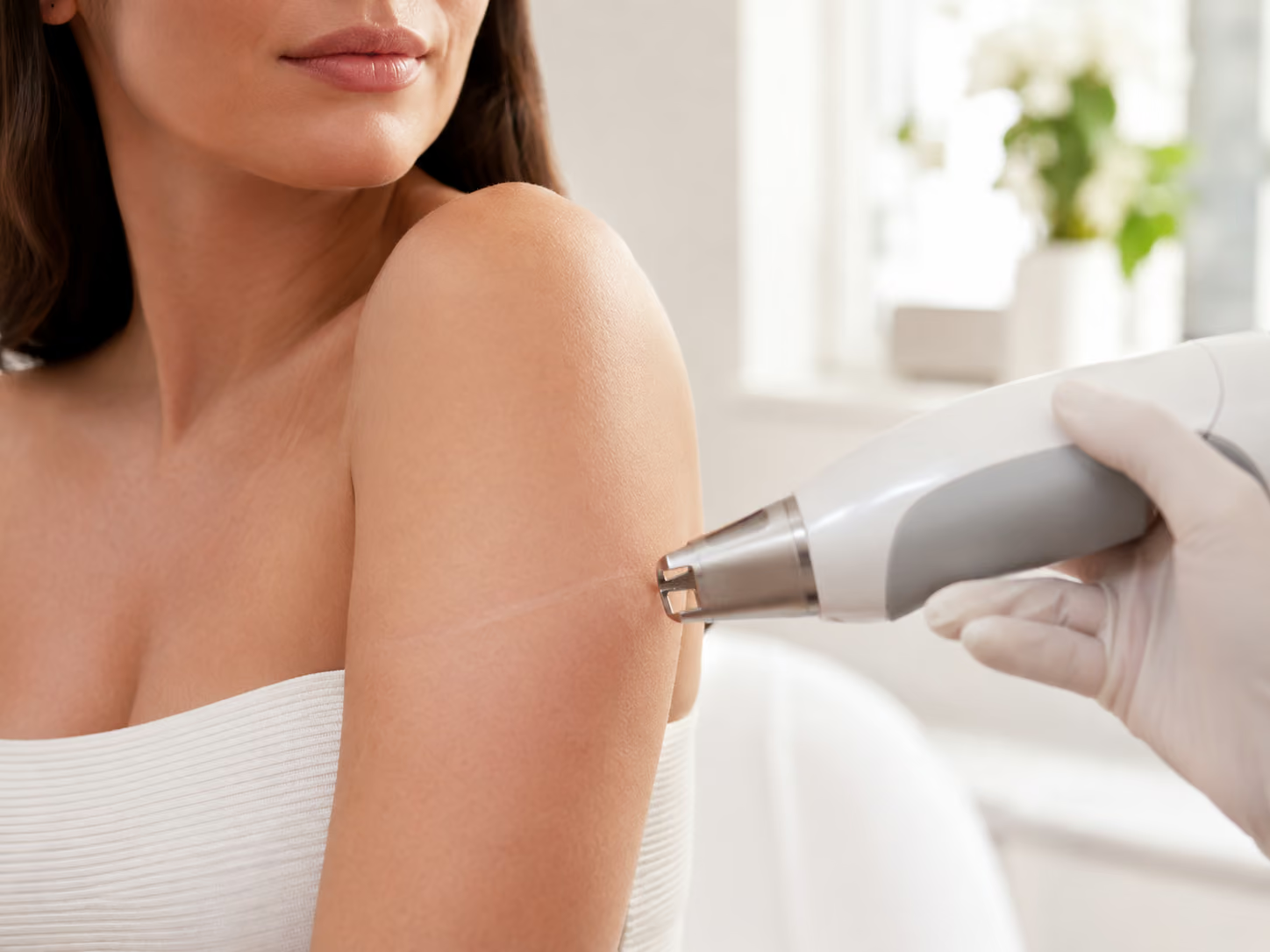
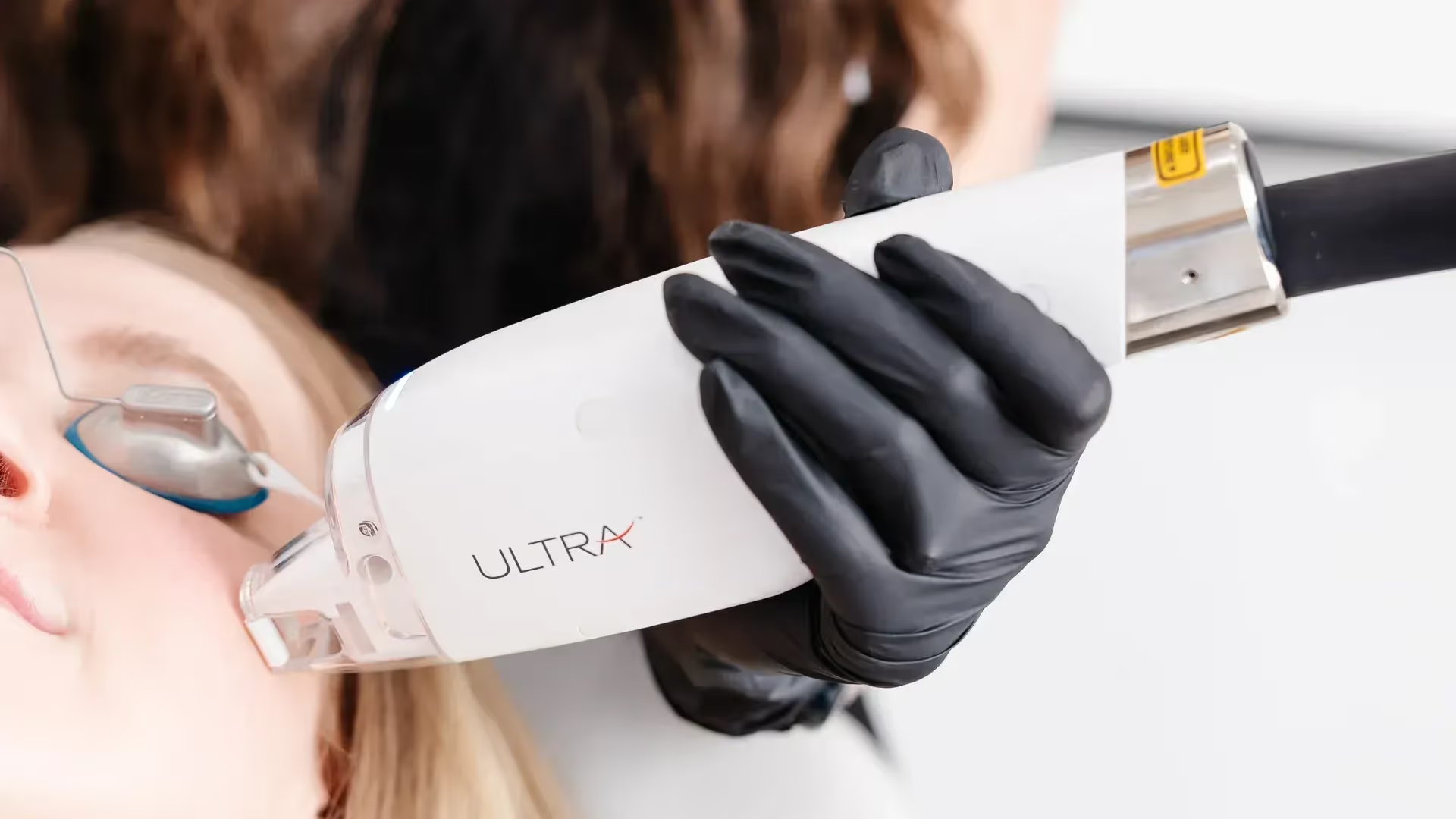
In some cases, various laser treatments may be utilized to help reduce pigmentation or flatten the mole; however, lasers typically do not remove deeper nevus cells, and do not permit a biopsy to be taken to rule out suspicious lesions, so treatment with this method would be typically be advised for lesions that are confirmed to be benign moles. Additionally, lasers are not commonly performed for eyelid mole removal due to the close proximity to the eye and damage inflicted if proper safety is not applied.
3. Shave Excision/Shave biopsy
In cases of more raised and superficial nevi, a precise shave technique may be used to remove the lesion at the skin level. This method of treatment has the benefits of reduced downtime, minimal scarring, and results flush to the rest of the eyelid or lash line. Local anesthesia is administered to the site, and a delicate removal is performed using a single blade. Sutures are not required with this procedure, and primary aftercare will consist of application of an ointment or antibiotic and protection of the area to reduce the risk of bacterial infection.
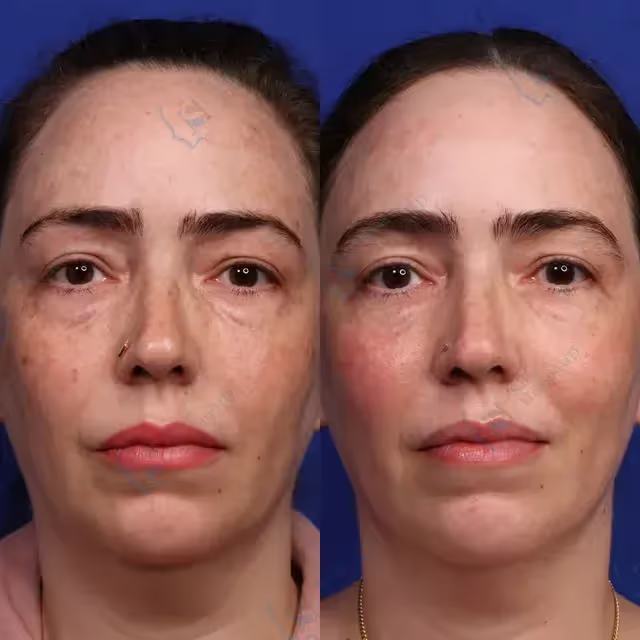
In general, any treatment of the skin poses a risk of a resulting scar; however, mole removal procedures with the shave excision in particular tends to heal exceptionally well, with very minimal scarring and low healing time. With meticulous technique and proper aftercare, preservation of the eyelashes and surrounding tissue is prioritized and scars are often barely noticeable.
Mole Removal with Dr. Hazany
Eyelid mole removal is a highly specialized procedure that must prioritize both medical safety with cosmetic precision. The eyelid is a highly complex treatment site. With many nerves and functions, improper technique poses a risk for prominent scarring, distortion to eyelid function, or functional issues with vision. For these reasons, choosing a medical provider with high experience in these procedures is critical.
Dr. Salar Hazany MD is a world-renowned, fellowship-trained Mohs micrographic surgeon and board-certified dermatologist. With over 10 years of experience with various skin and cosmetic treatments, he is dedicated to providing dermatologic care that not only restores healthy skin, but elevates confidence and enhances overall quality of life. Dr. Hazany has a variety experience of different skin lesion removals, ranging from skin tags, moles, skin cancer, or scars. This broad spectrum of treatment history provides a great understanding of the skin's response, allowing him to determine the form of mole removal best fit to you.
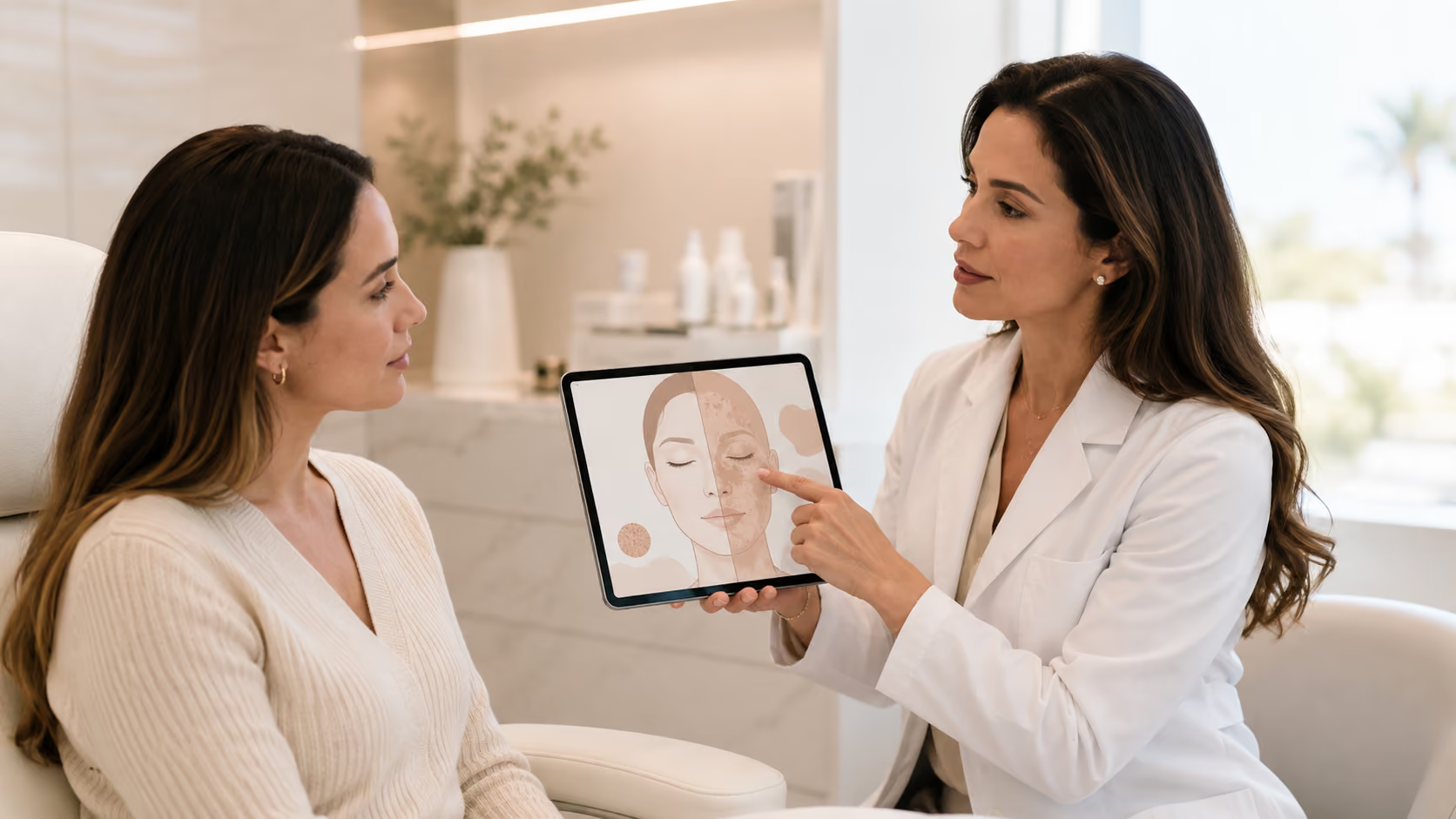
Treatment at HazanyDerm begins with a professional evaluation with our providers to identify the type of mole, assess the risk, and recommend removal based on physical discomfort, health concern, and your personal goals. Whether the concern revolves around overall health or cosmetic mole removal, our experts are dedicated to providing safe and effective treatment that puts you and your confidence above all.