







DermaV Laser in Beverly Hills
Clear facial redness, broken vessels, and sun spots with one laser built for both reds and browns, cooled with every pulse for comfort.
What Is DermaV?
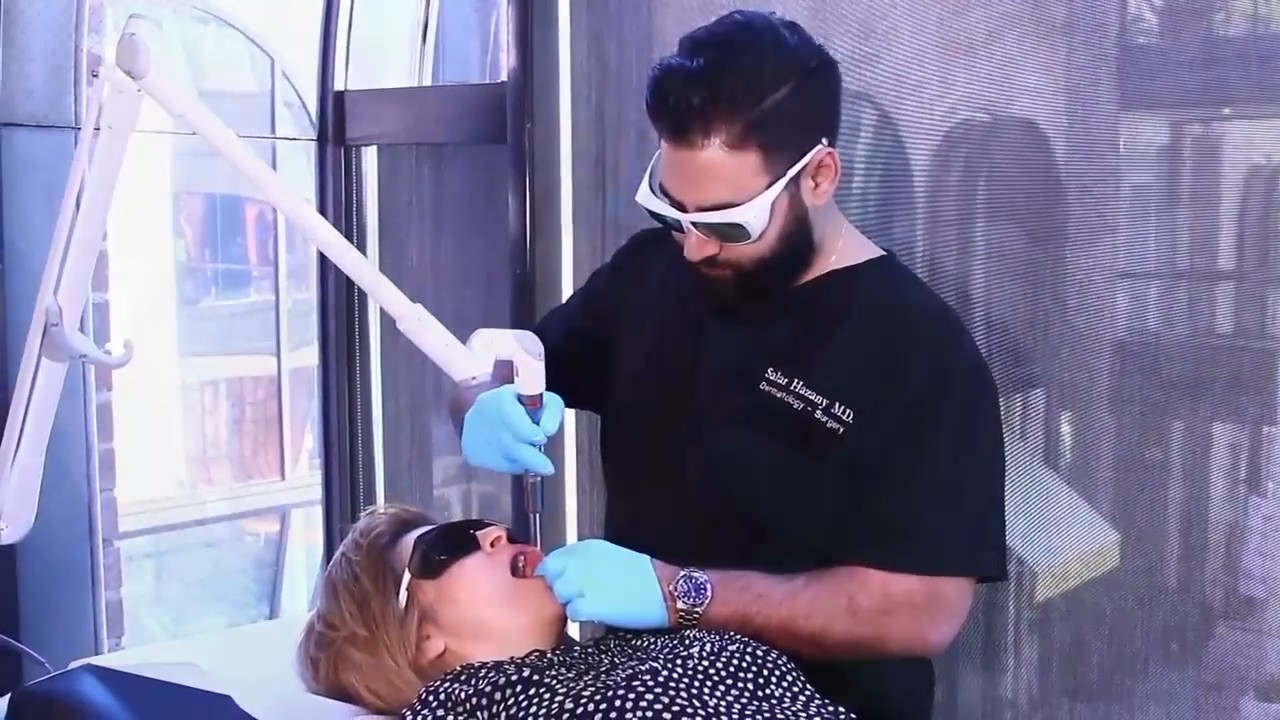
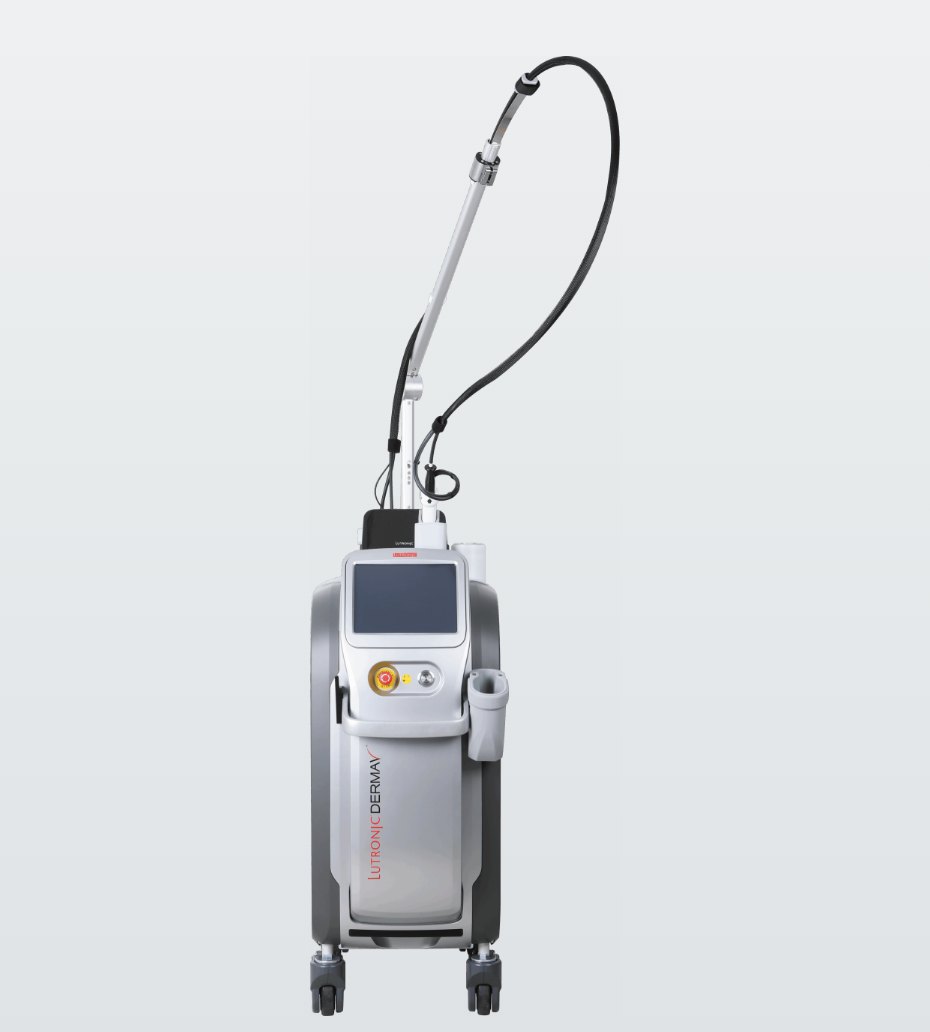
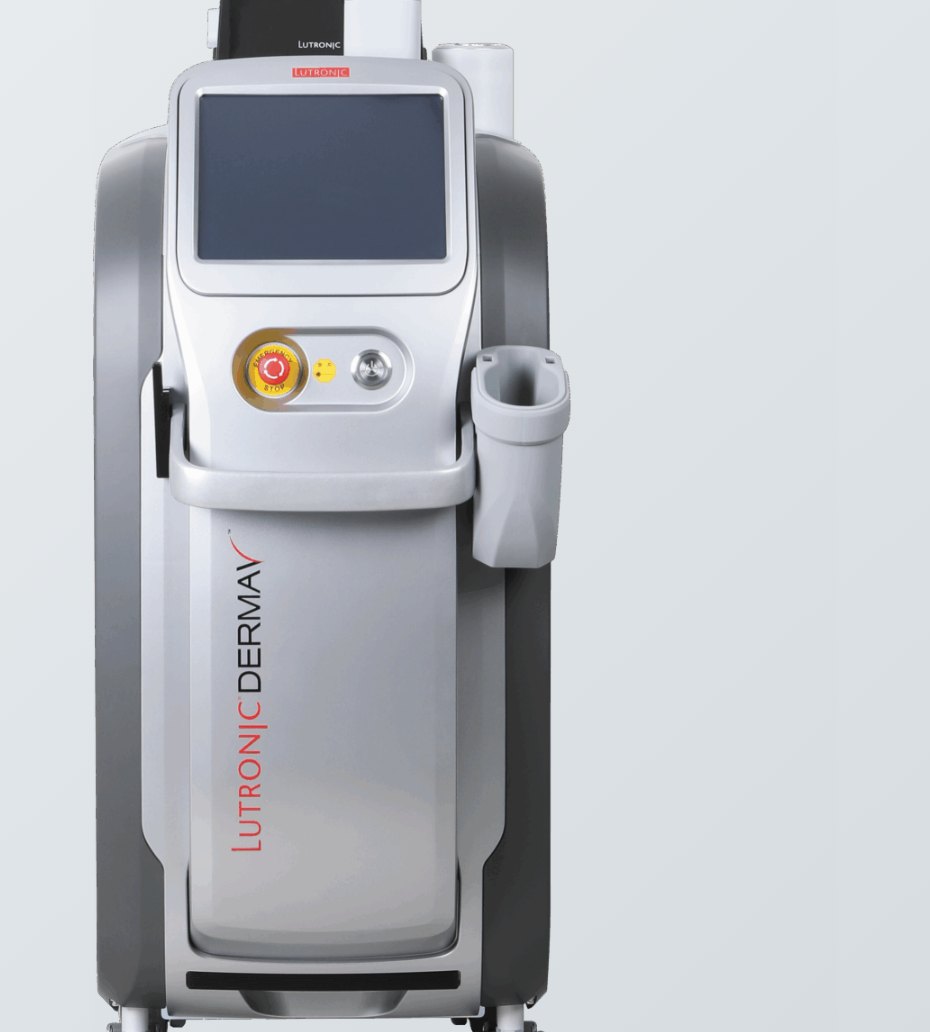
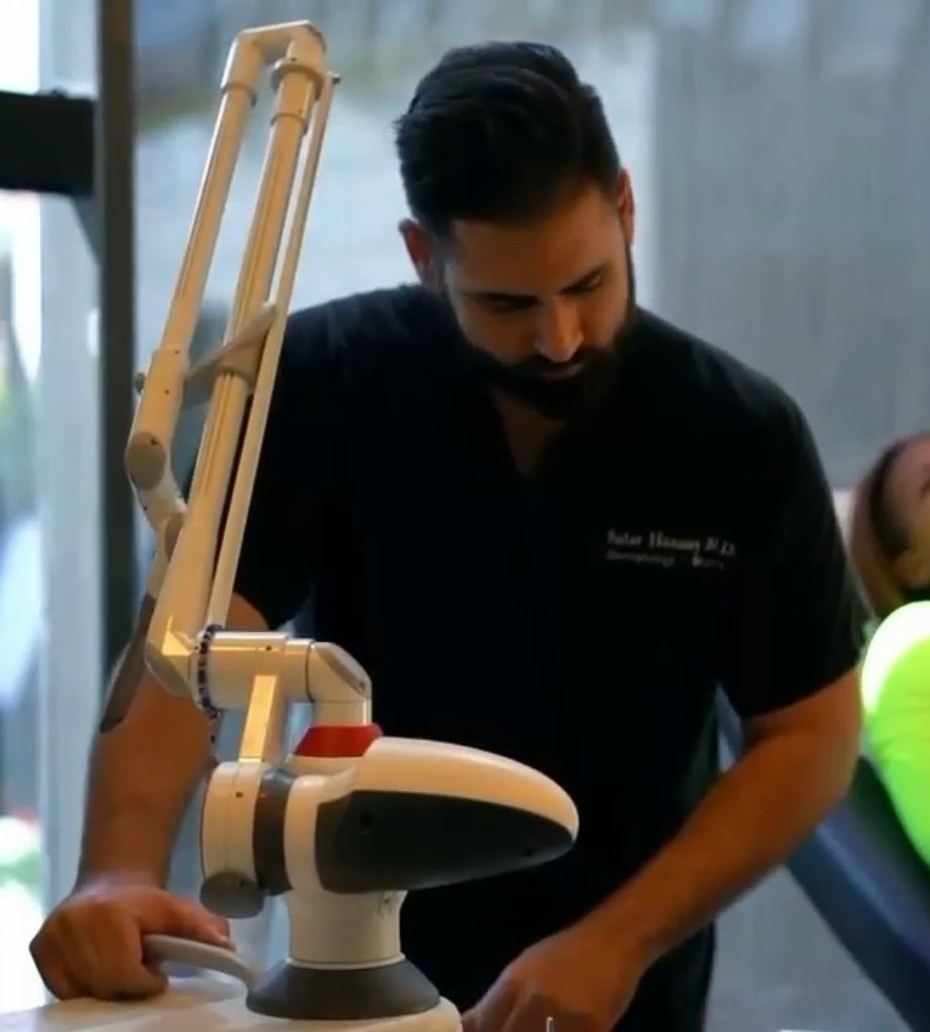
DermaV is a dermatology laser made by Cynosure that treats the two most common kinds of discoloration in one device: red, from blood vessels, and brown, from excess pigment. It is the newest laser at Hazany Derm.
It uses two wavelengths. The 532 nanometer wavelength targets redness and pigment close to the surface. The 1064 nanometer wavelength reaches deeper vessels and is also used for laser hair reduction on every skin type. A burst of cryogen cools the skin with each pulse, protecting the surface and keeping treatment comfortable.
Nothing is injected and nothing is cut. Treated vessels and spots fade as your body clears them over the following weeks.
How DermaV Works
Laser light is absorbed by the hemoglobin inside a blood vessel or by the melanin in a brown spot. That energy heats the target and seals or breaks it up while the skin around it is left intact. Your body then clears the treated vessel or pigment gradually.
A feature called Variable Sequential Pulsing lets Dr. Hazany match the energy to the size of the vessel, so fine capillaries and larger vessels each get the setting they need. Treatment is tailored spot by spot rather than one setting for everything.
What DermaV Treats
DermaV is indicated for a range of vascular and pigmented conditions, including:
- Facial redness, rosacea, and broken capillaries
- Spider veins and small leg veins
- Port wine stains, hemangiomas, and other vascular birthmarks
- Sun spots, age spots, and other benign brown spots
- Cherry angiomas and venous lakes
- Long-term hair reduction on all skin types
How We Use DermaV at Hazany Derm
Redness and rosacea that will not settle
For persistent flushing and visible vessels across the cheeks and nose, DermaV can reduce redness that skincare alone has not touched. Rosacea is a medical condition first, so laser is usually one part of a plan that also includes the right prescription and skincare. We treat the condition, not just the color.
Red scars after Mohs surgery, acne, or injury
Dr. Hazany is a fellowship-trained Mohs surgeon, and scar care is a core part of this practice. A healing scar that stays pink or red can respond well to vascular laser. DermaV gives us another way to help a scar blend in, alongside the resurfacing and scar revision methods we already use.
Sun spots, checked before they are treated
Brown spots from years of sun on the face, chest, and hands can be treated directly, spot by spot. Before any pigmented spot is treated, it is examined first. As a dermatologist and skin cancer surgeon, Dr. Hazany will not laser a spot that should be checked for skin cancer.
Vascular birthmarks and spots
Port wine stains, hemangiomas, cherry angiomas, and venous lakes are treated with settings matched to each lesion's size and depth. Some birthmarks need a longer series, and we will tell you what is realistic at your first visit.
Reds and browns in the same visit
Many patients have both redness and brown spots. Because DermaV treats reds and browns, both can often be addressed in the same visit instead of being split across different devices. That plan is set with your dermatologist, not from a menu.
What to Expect
Your skin is cleansed and you wear protective eyewear. Small areas can take just a few minutes, and a full face takes longer. Each pulse feels like a quick snap, followed by a cool burst from the cryogen. Topical numbing is available if you want it.
Afterward, the area may look pink or slightly swollen for a few days. Brown spots usually darken and then flake off over about a week. Some vessels fade right away, while others take a few weeks. Bruising is possible after some vascular treatments and fades on its own. Daily sunscreen matters while you heal.
Redness and vessels usually improve over a series of sessions spaced several weeks apart, while a single brown spot may clear in one or two. How many you need depends on what we are treating and how your skin responds. That decision is made at follow-up rather than promised in advance.
Is DermaV Right for You?
DermaV tends to suit patients with facial redness, visible vessels, rosacea, red scars, or sun spots that have not faded on their own. Its cooling system protects the skin's surface, and settings are chosen for your skin type.
It is not the right first step for everyone. A recent tan, pregnancy, active infection in the area, or certain medications may mean waiting or choosing a different approach. Deep wrinkles and loose skin are better served by other treatments, such as Sofwave or resurfacing. Candidacy is determined at your consultation, and individual results and experience vary.
Advanced Technology,
Board-Certified Care
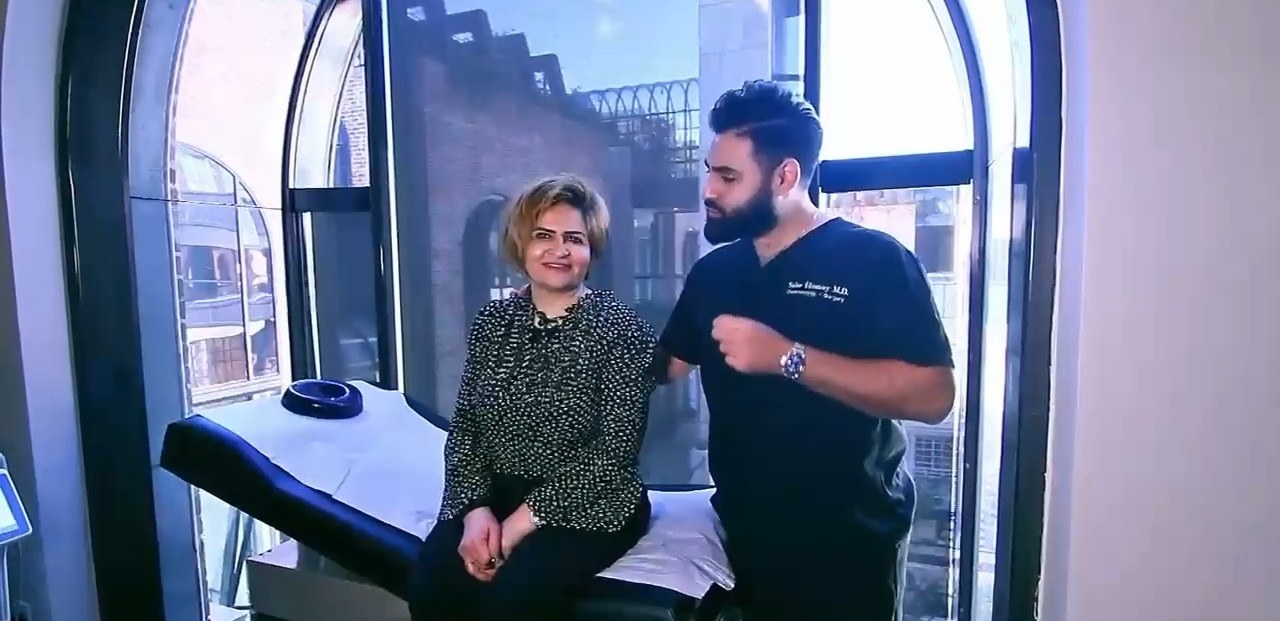
A laser is only as good as the hands using it. Dr. Salar Hazany is a board-certified dermatologist and fellowship-trained Mohs surgeon whose practice has treated more than 10,000 patients and completed more than 5,000 cosmetic procedures. Every pigmented spot is examined before it is treated, and your plan is built around your skin rather than around a device.
Patient Experiences That
Speak for Themselves
Frequently Asked Questions
What is DermaV and how does it work?
DermaV is a laser from Cynosure that treats red and brown discoloration. Its 532 nm and 1064 nm wavelengths are absorbed by blood vessels and pigment, which your body then clears over the following weeks. A burst of cryogen cools and protects the skin with every pulse.
Does DermaV hurt?
Most patients describe a quick snap, like a rubber band, softened by the cool burst that comes with every pulse. Topical numbing is available if you want it.
Is there downtime after DermaV?
Usually very little. Expect some pinkness or mild swelling for a few days, and brown spots darken before they flake off. Most patients go back to their normal day right away, with careful sun protection.
When will I see DermaV results?
Some vessels fade right away, while others clear over the following weeks. Brown spots darken first and flake off in about a week. Results build with each session in a series, and individual results vary.
How many DermaV treatments will I need?
It depends on what we are treating. Redness and vessels usually need a series of sessions spaced several weeks apart, while a single sun spot may clear in one or two. Dr. Hazany will give you a plan at your consultation.
Is DermaV safe for darker skin?
The 1064 nm wavelength is used on all skin types, and settings are chosen for your skin. Some pigment treatments carry a higher risk of discoloration in darker skin, which is why every plan starts with an exam by a board-certified dermatologist.
How is DermaV different from IPL or a pulsed dye laser?
IPL uses a broad band of light, while DermaV uses two precise laser wavelengths. Unlike a pulsed dye laser, it needs no dye and pairs every pulse with cryogen cooling, and its 1064 nm wavelength reaches deeper vessels.
Can DermaV be combined with other treatments?
Yes. It pairs well with prescription care for rosacea, with resurfacing for texture, and with skin tightening such as Sofwave. The order and timing are planned with your dermatologist.
Can DermaV treat red scars?
Yes. Scars that stay pink or red after Mohs surgery, acne, or an injury can become less noticeable with vascular laser treatment. Scar care is a core part of this practice, and DermaV is often one part of a larger scar plan.
What areas can DermaV treat?
The face, neck, chest, hands, arms, and legs. Common areas are the cheeks, nose, and chin for redness, and the face, chest, and hands for sun spots.
Am I a good candidate for DermaV?
You may be if you have facial redness, visible vessels, rosacea, red scars, or sun spots that have not faded on their own. A recent tan, pregnancy, or active infection may mean waiting. Your candidacy is decided at your consultation.
Rediscover Skin You
Feel Confident In
Take the next step toward clear, healthy, and radiant skin with care tailored to you. Your transformation starts with a single consultation.