




%201.avif)



Skin Cancer Treatment
Expert Skin Cancer Treatment in Beverly Hills and Los Angeles
Click below for closed captioning access on YouTube.
What is Skin Cancer?
Skin cancer is the uncontrollable growth of abnormal skin cells that can spread to other parts of the body and disrupt healthy cells' functioning. The Skin Cancer Foundation estimates that 1 in 5 Americans develop skin cancer by age 70.
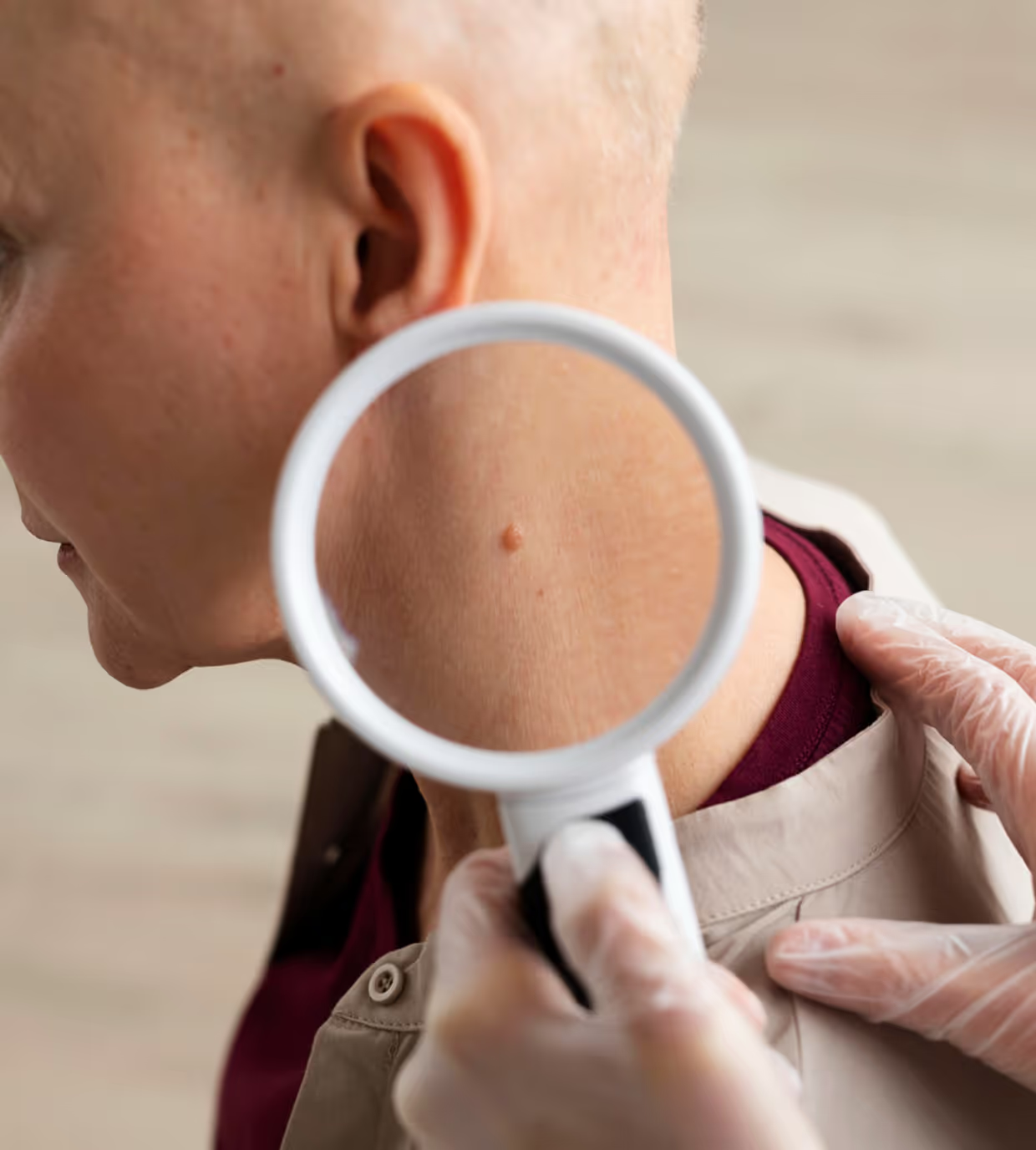
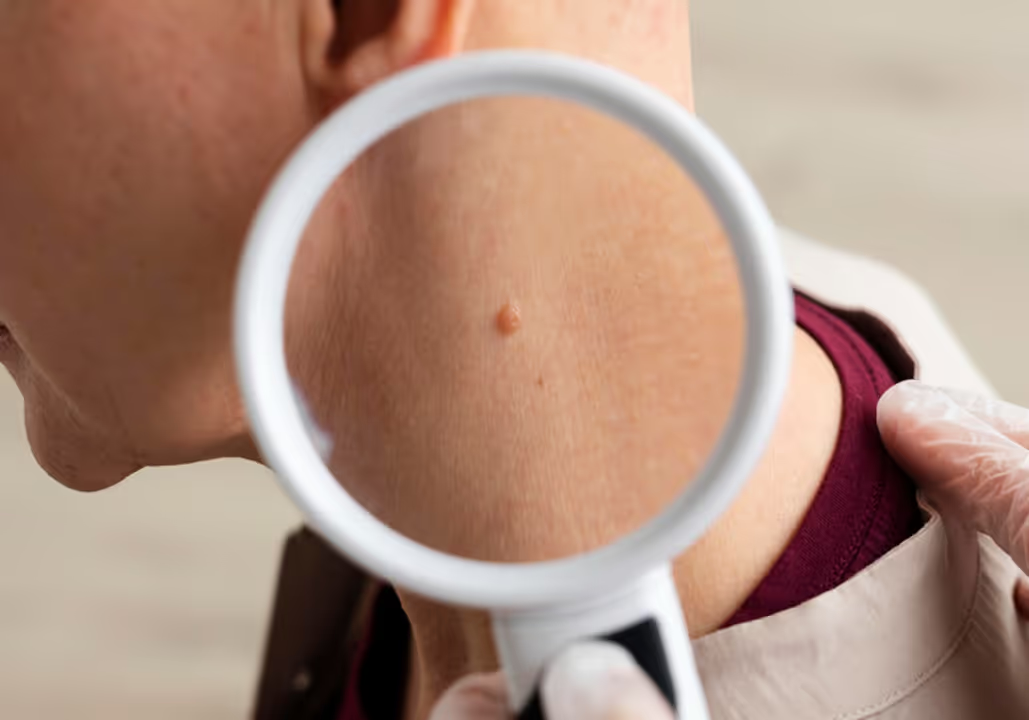
What Causes Skin Cancer?
Skin cancer often develops in skin areas with significant ultraviolet exposure since the ultraviolet rays can damage and mutate the DNA in your skin cells. Exposure to ultraviolet radiation causes more than 90% of cases. Tanning beds are another common source of ultraviolet radiation. Over time, UV exposure may cause your skin cells to grow uncontrollably. However, skin cancer can also develop in areas that do not receive UV exposure. Some common risk factors for skin cancer include having a lighter complexion, excessive sun exposure, and a family history of skin cancer.
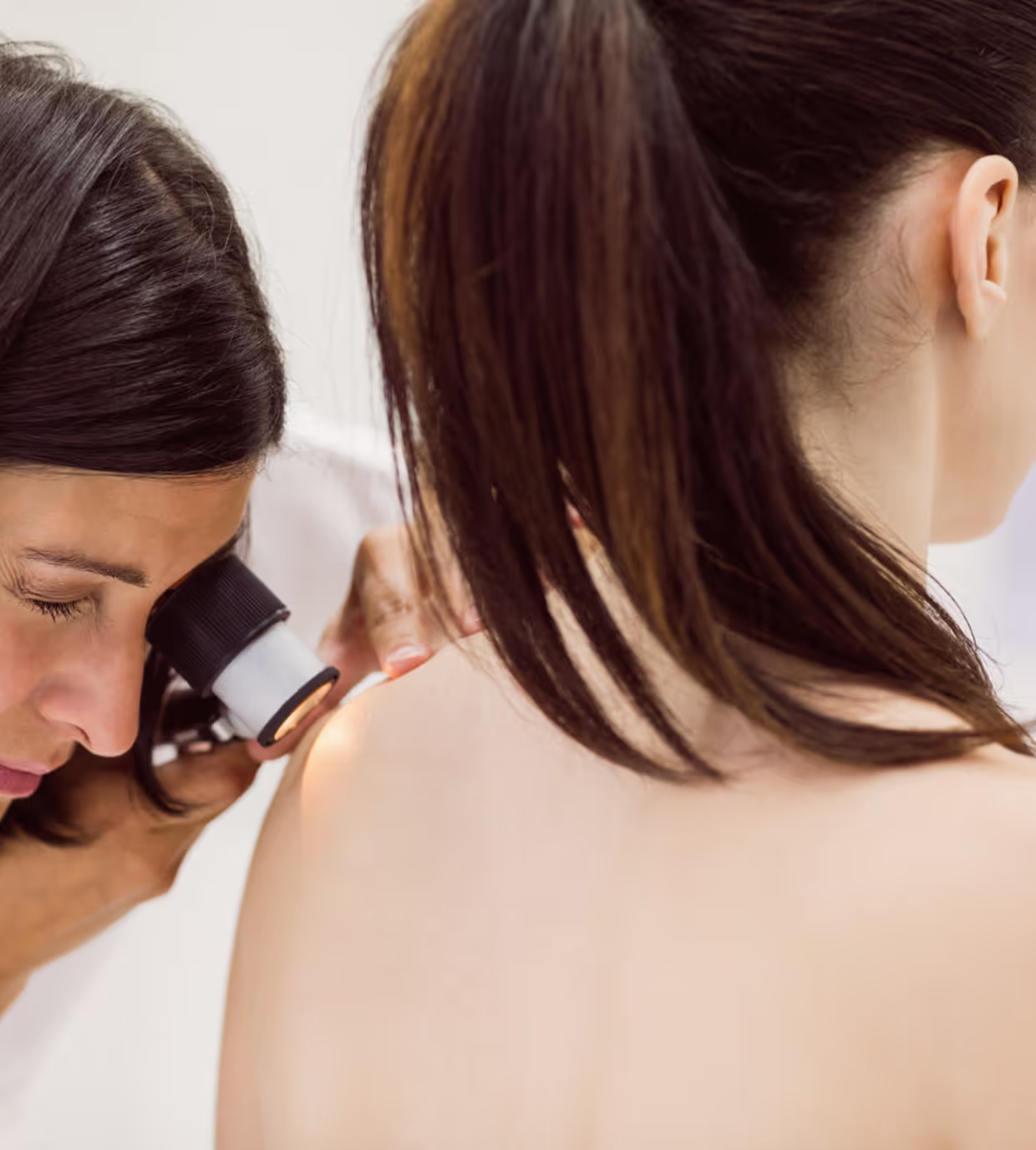

How Do I Know if I Have Skin Cancer?
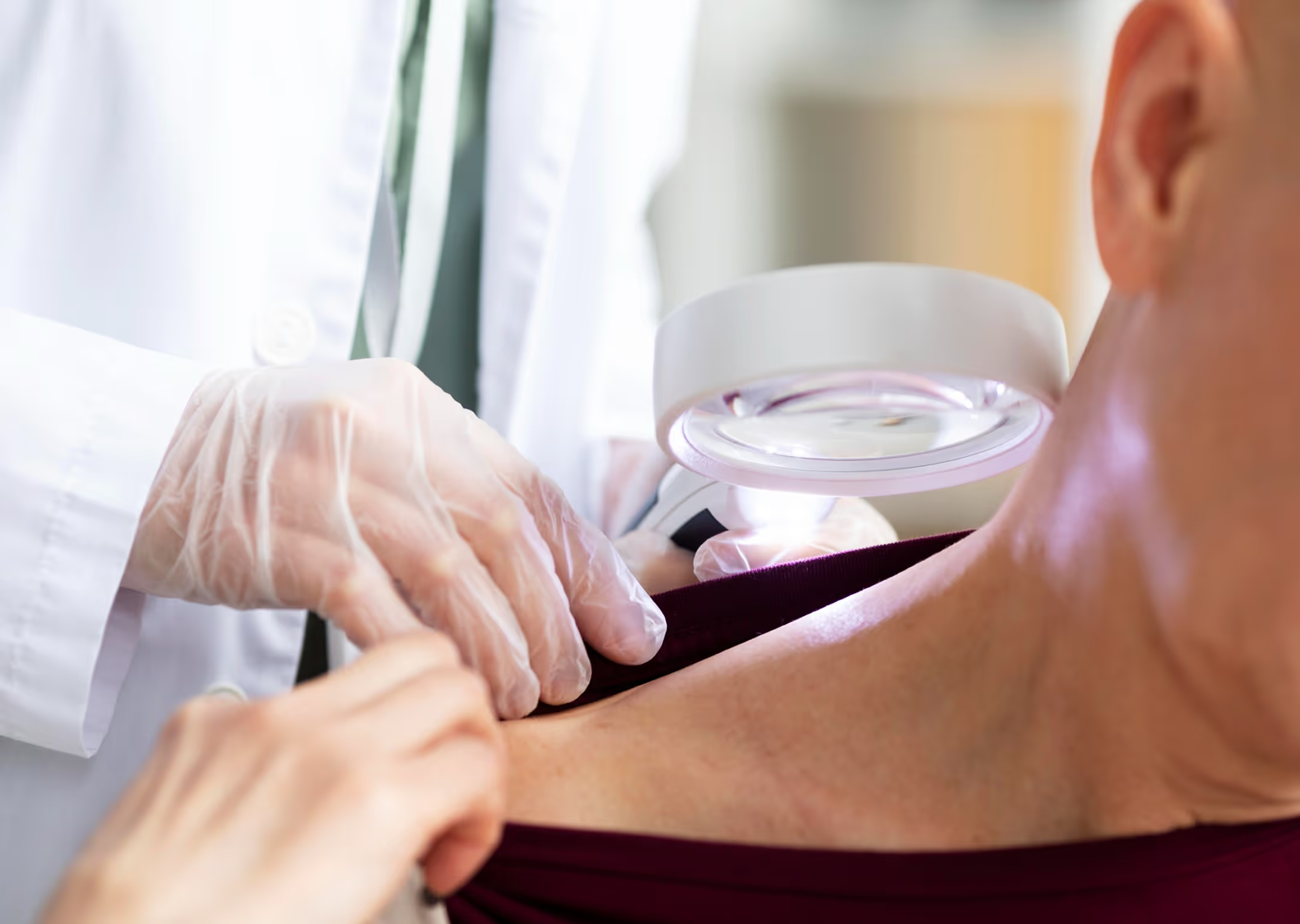
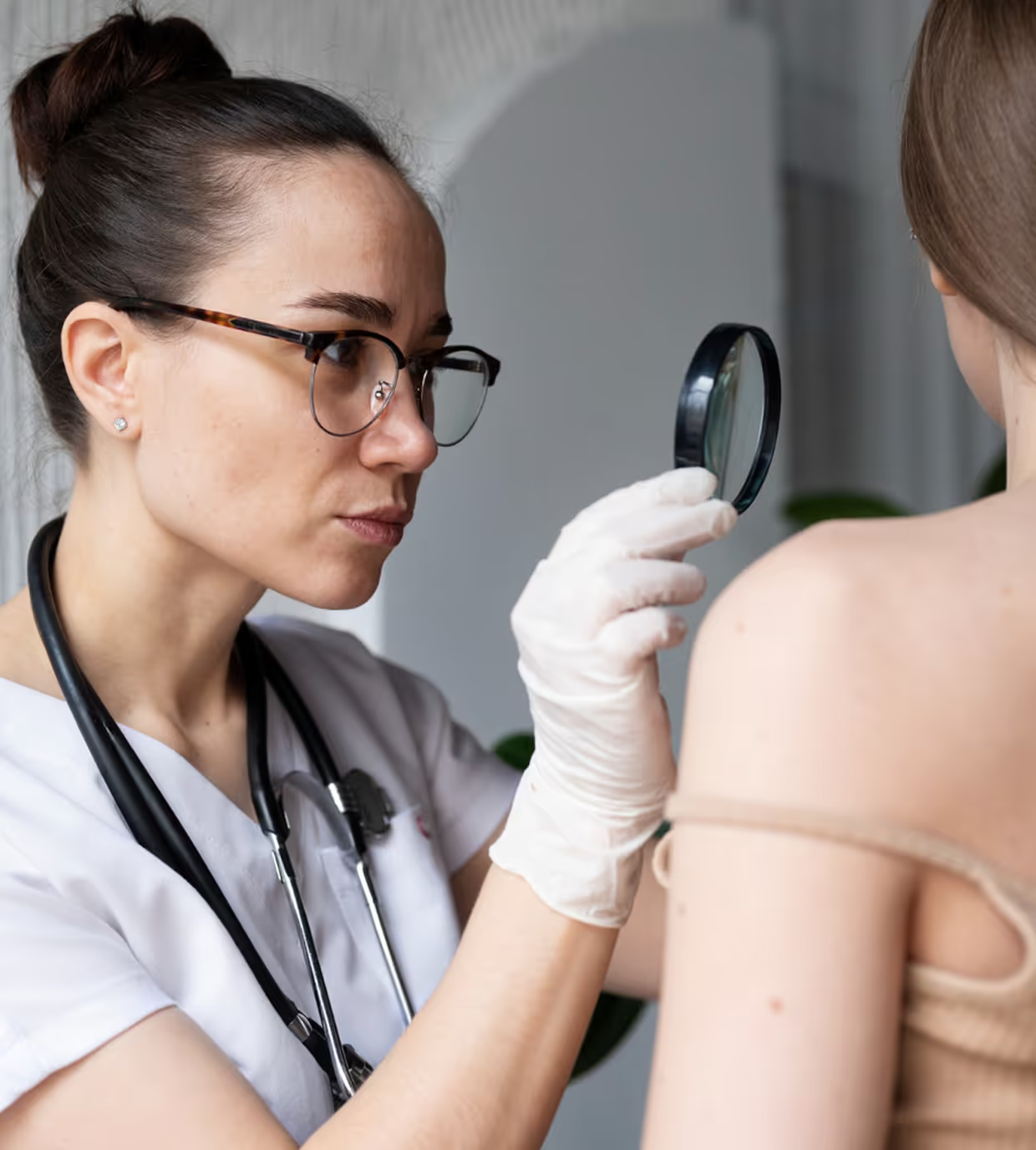
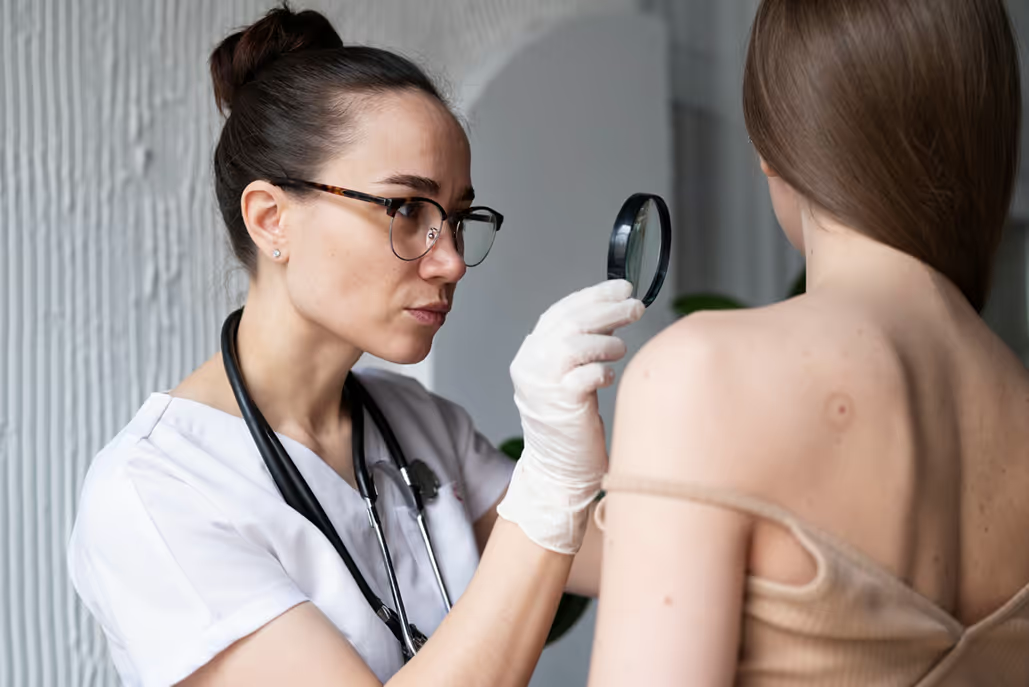
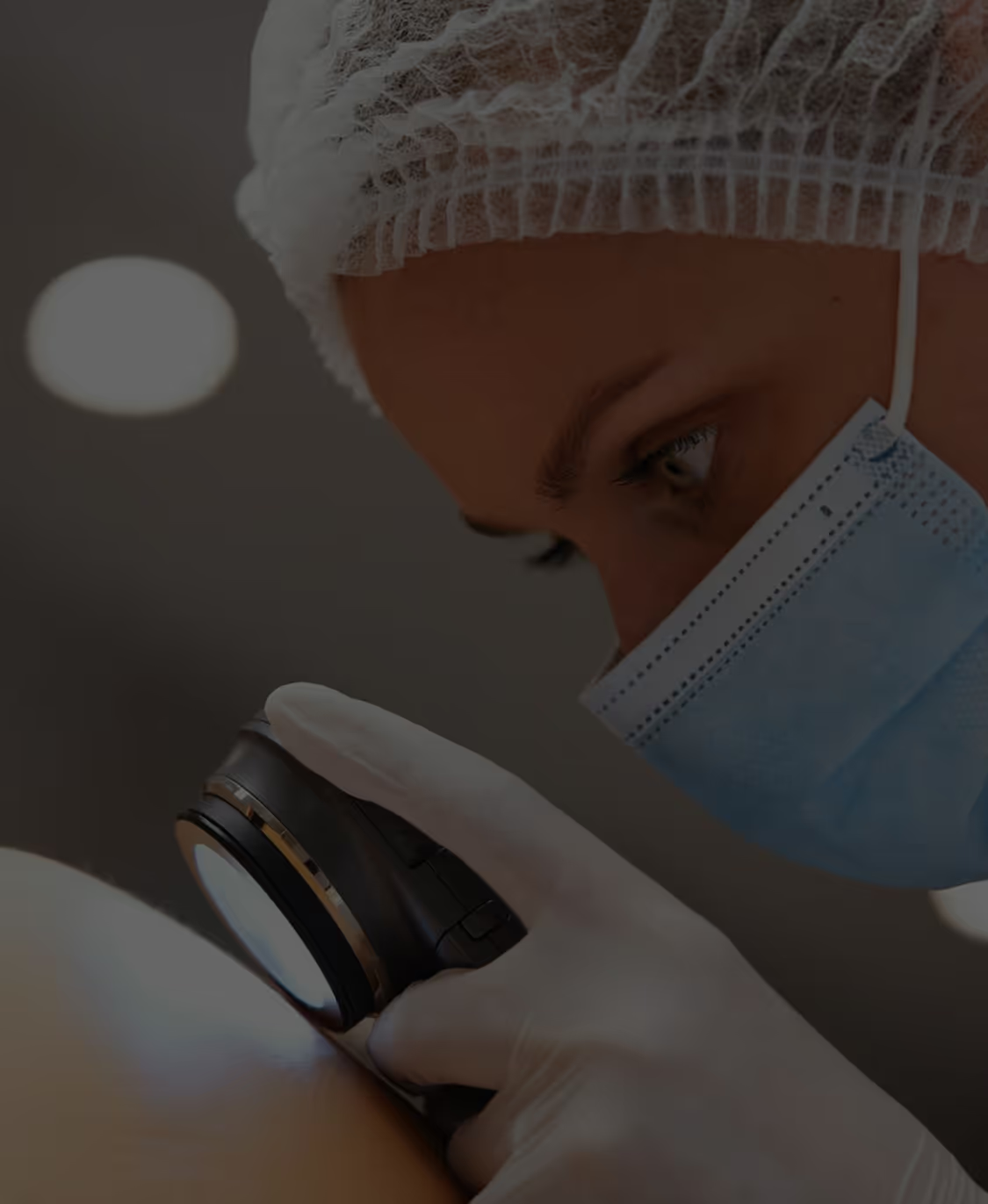
The best way to know if you have skin cancer is a professional evaluation. Dr. Hazany performs full-body skin cancer screenings and biopsies any suspicious lesions in his Beverly Hills clinic. Watch for the ABCDE warning signs in moles — Asymmetry, irregular Borders, uneven Color, Diameter over 6mm, and Evolving size, shape, or color — and see a board-certified dermatologist promptly if a spot changes, bleeds, or won't heal.
Three Most Common
Types of Skin Cancer
There are three main types of skin cancers: basal cell skin cancer (BCC), squamous cell skin cancer (SCC), and melanoma. BCC grows slowly and causes damage to surrounding tissue, but is unlikely to spread to other parts of the body. It often appears as a painless, raised area of skin that may be a red or pale color. It may ulcerate or look like a sore that has irregular healing. SCC is more likely to spread to other parts of the body, therefore making it more dangerous. It usually presents itself as a hard lump with a scaly top but may also form an ulcer. Lastly, melanomas are the most aggressive. Signs include a mole that has changed in size, shape, or color. Melanomas typically have irregular edges, have more than one color, are itchy, or bleed.
Comprehensive List of Skin Cancers
How Do I Avoid Skin Cancer?
- Avoid spending too much time in the sun, especially during the mid hours of the day (11 AM - 3 PM)
- Wear sunscreen daily (minimum SPF 30)
- Wear clothing to protect the skin
- Avoid indoor tanning
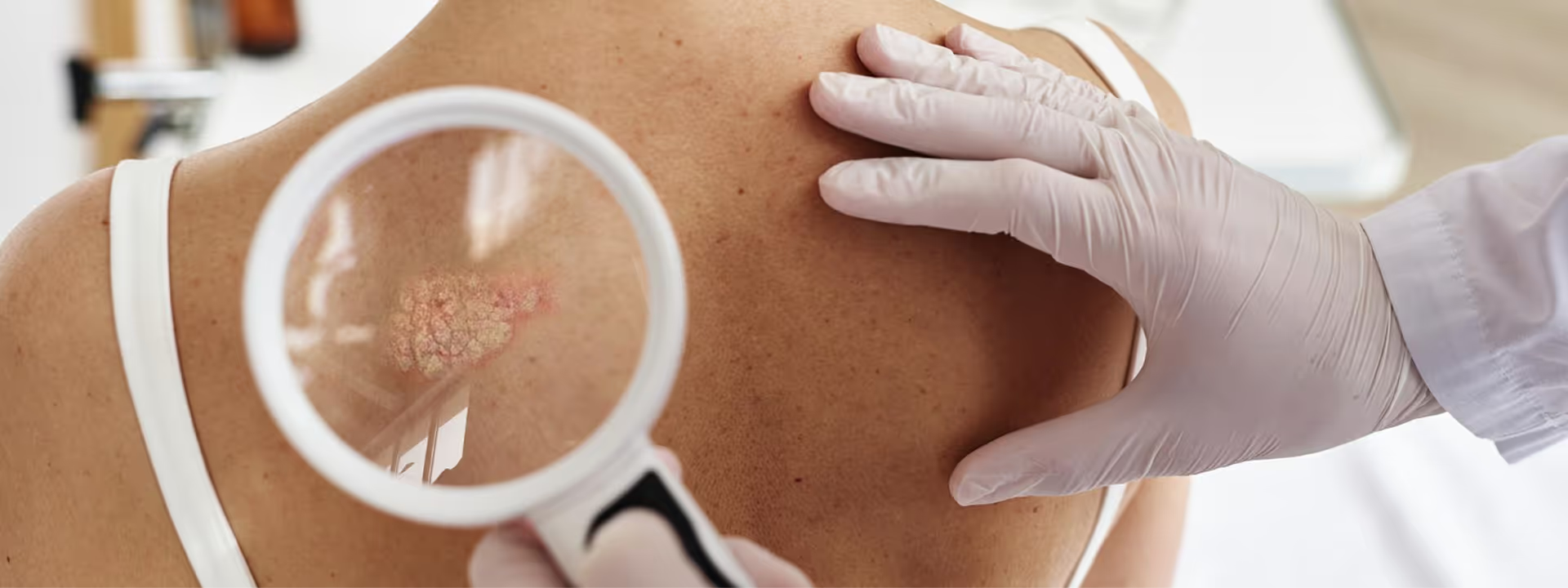
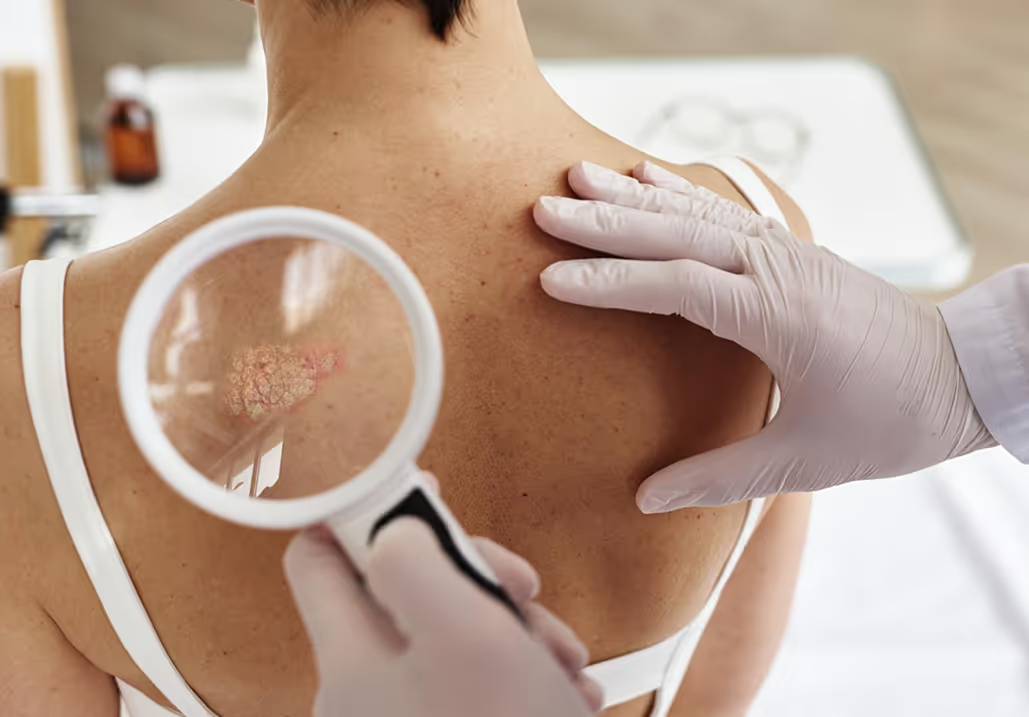
Skin Cancer Treatment in Beverly Hills
Dr. Hazany is a skin cancer removal specialist in L.A. and in his Beverly Hills dermatology clinic. Mohs micrographic surgery is the most effective technique to remove skin cancer while sparing healthy tissue surrounding the tumor. This is especially important for delicate areas, such as the face and hands. Special training is required to perform this technique. Read about Dr. Hazany's Mohs micrographic surgery fellowship training here. If skin cancer has spread to other parts of the body, further surgical procedures or chemotherapy may be required.
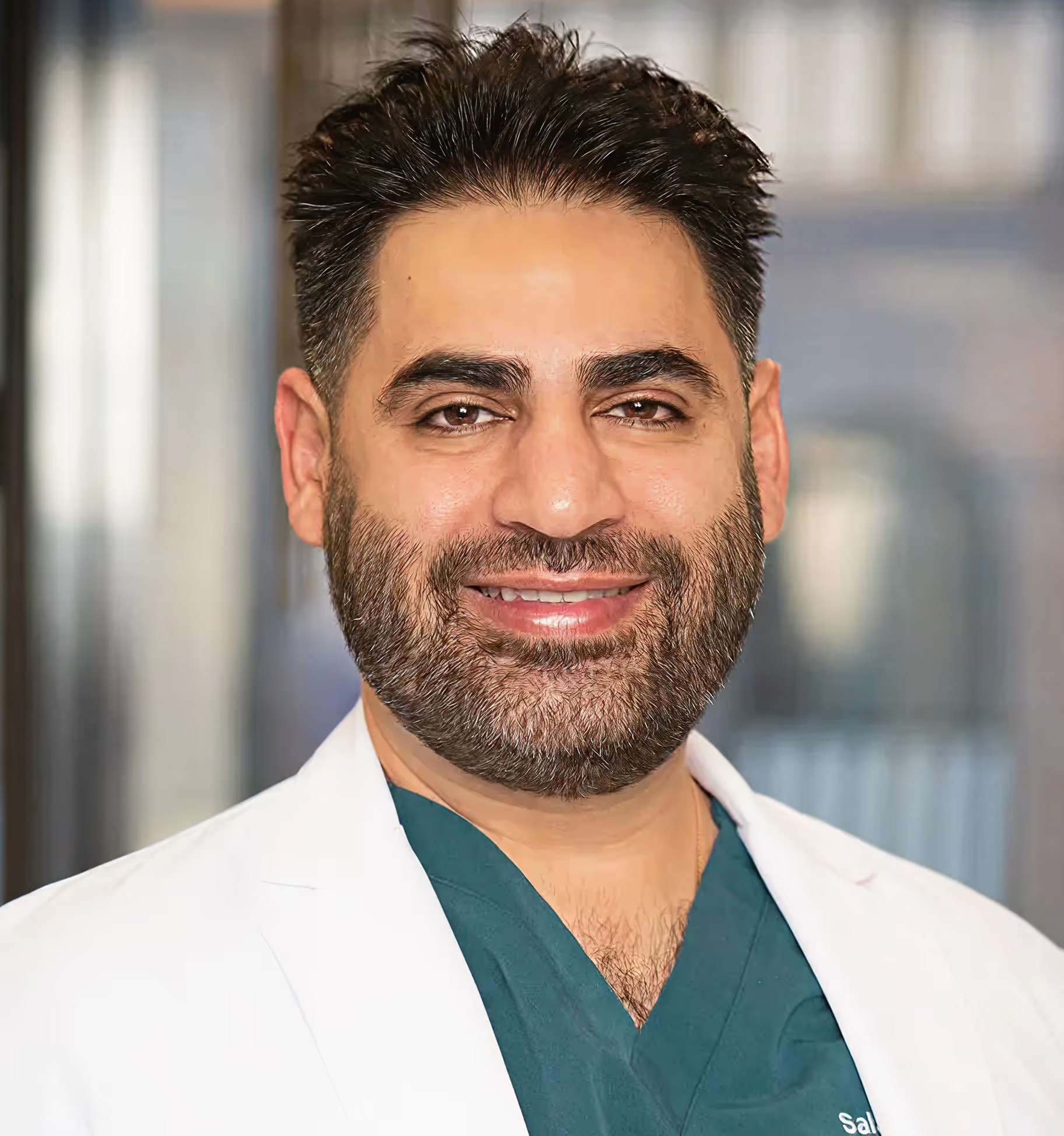
Meet Dr. Salar Hazany
Dr. Hazany is a world-renowned, board-certified dermatologist and fellowship-trained Mohs micrographic surgeon, originally from Los Angeles, California. With extensive, rigorous training and years of advanced clinical experience, he has cultivated a practice defined by precision, innovation, and excellence in both medical and cosmetic dermatology.
Recognized for his expertise in the treatment of complex and high-risk skin cancers, Dr. Hazany combines meticulous surgical technique with an unwavering commitment to optimal functional and aesthetic outcomes. His mastery extends beyond oncologic dermatology to encompass a comprehensive range of skin conditions, from the most common concerns to rare and challenging diagnoses, offering patients highly individualized, evidence-based care.
Known as “Dr. Cancer Killer” on social media, Dr. Hazany has become a trusted authority in dermatologic education, sharing insights into skin cancer prevention, advanced treatment modalities, and cutting-edge cosmetic procedures. His approach is rooted in the belief that exceptional dermatologic care not only restores skin health, but elevates confidence and enhances overall quality of life.