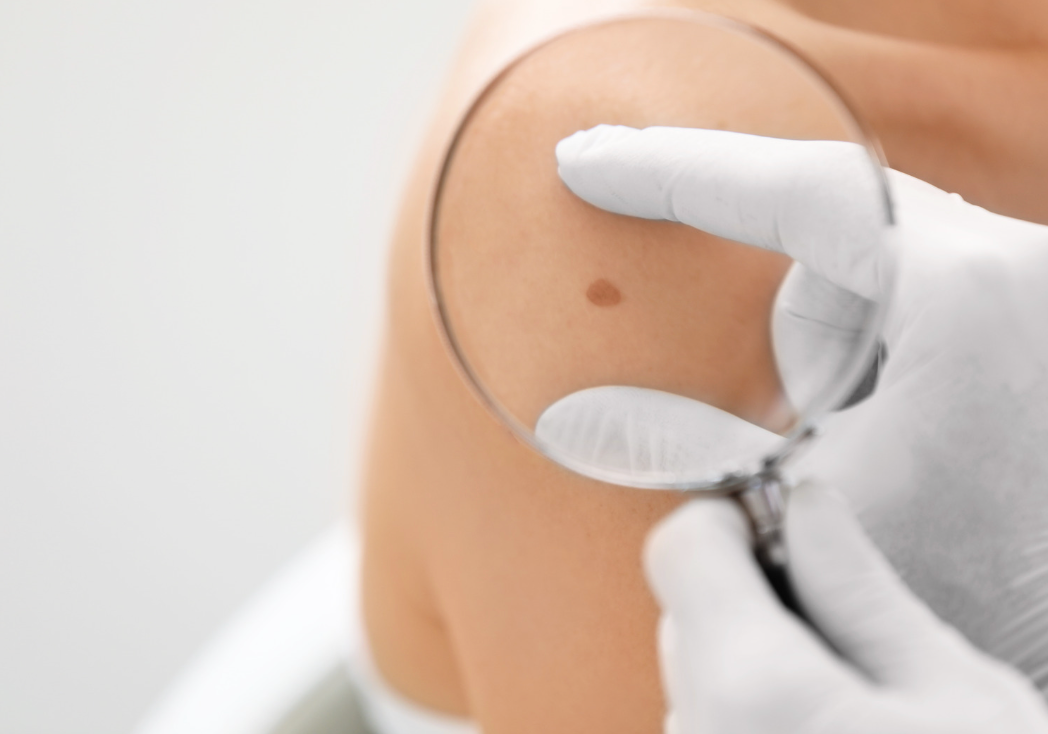
Can Men and Women Heal Differently After Laser Treatments?
Understanding Laser Recovery Time for Men and Women
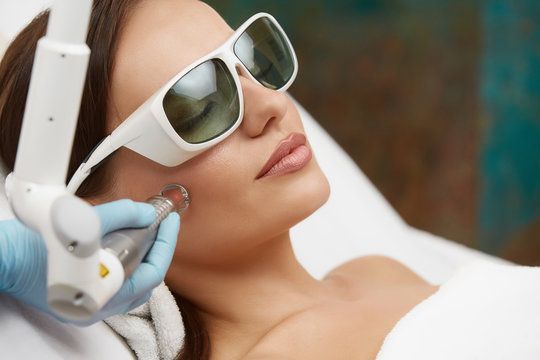
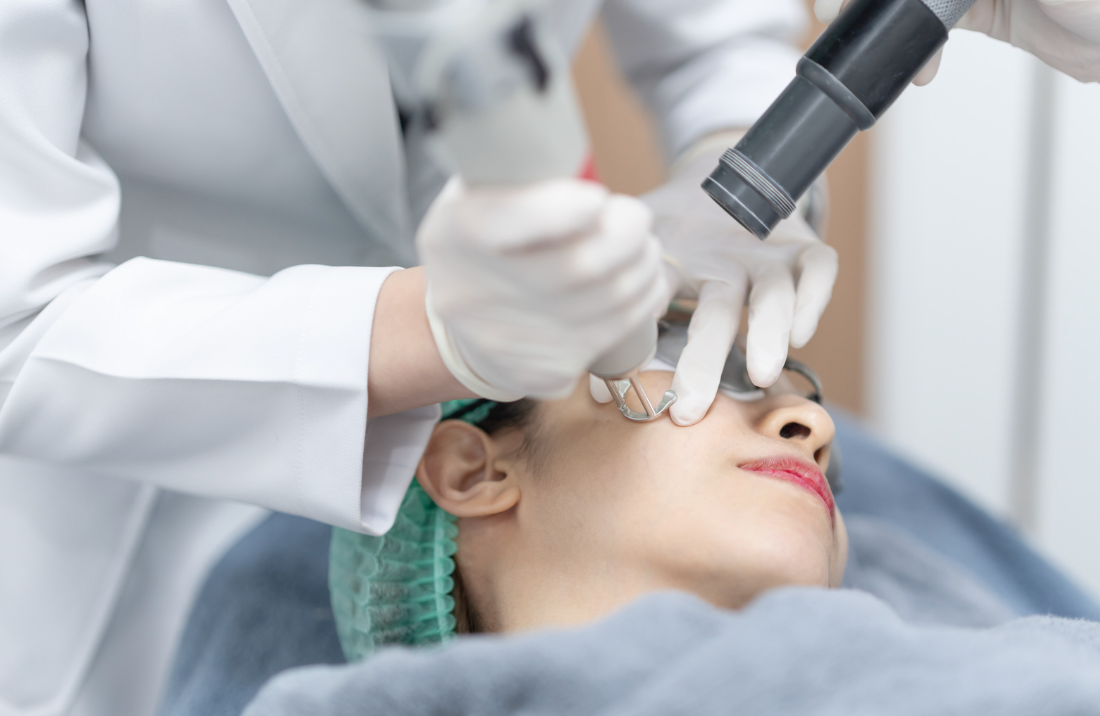
Laser skin treatments are nonsurgical cosmetic procedures designed to address various skin conditions, such as sun damage, scars, wrinkles, pigmentation, and benign skin growths, by stimulating collagen production and improving overall skin appearance. Laser skin resurfacing is a type of cosmetic procedure often performed by plastic surgeons to achieve optimal aesthetic results with minimal downtime. Candidates for laser treatments are evaluated based on their skin type and medical history to ensure safety and effectiveness. The typical recovery time after cosmetic laser skin treatment ranges from 24 hours to several weeks, depending on whether the procedure is ablative or non-ablative.
While laser technology itself works similarly for all patients, the healing process after laser resurfacing can vary significantly between men and women. Differences in skin thickness, hormones, collagen production, oil gland activity, and daily skincare habits may all influence how the skin responds and recovers after treatment.
Understanding these differences can help patients set realistic expectations and optimize their recovery after procedures such as CO2 laser resurfacing, Er:YAG laser treatments, and non-ablative laser rejuvenation.
How Skin Structure Differs Between Men and Women
Male and female skin are biologically different in several important ways that can affect laser treatment recovery.
Men generally have:
- Thicker skin
- Larger sebaceous (oil) glands
- Higher collagen density
- More facial hair follicles
- Increased skin oil production
Women often have:
- Thinner skin
- Greater hormonal fluctuations
- More sensitive skin barriers
- Faster collagen loss with age
- Increased likelihood of pigmentation disorders like melasma
Because laser treatments intentionally create controlled injury within the skin to stimulate collagen remodeling and the growth of new, healthier skin cells, these structural differences can influence inflammation, redness, swelling, and healing speed. Younger patients typically experience faster turnover of skin cells, and individual immune responses can affect how quickly inflammation subsides after laser treatment.
Do Men Heal Faster After Laser Treatments?
In some cases, men may heal slightly differently due to thicker skin and increased collagen density. Higher collagen content can support stronger wound healing responses after ablative laser procedures such as CO2 laser resurfacing or Er:YAG resurfacing. Local anesthesia is often used to numb the treated area during deeper or more aggressive laser procedures, ensuring patient comfort while the targeted skin layers are addressed.
However, thicker skin can also mean:
- More post-treatment swelling
- Increased redness after aggressive resurfacing
The extent of swelling and redness can depend on the depth of treatment and the size of the treatment area. Superficial treatments target only the outer epidermis and require minimal downtime, while deeper treatments can cause acute swelling that may take weeks to resolve.
Men who shave regularly may also experience additional irritation after facial laser procedures, especially during the healing phase when the skin barrier is temporarily compromised.
How Hormones Affect Healing in Women
Hormonal fluctuations can significantly influence how women heal after laser procedures. Estrogen plays a major role in:
- Collagen production
- Skin hydration
- Barrier repair
- Inflammation control
- Wound healing
As estrogen levels decline with age, especially during perimenopause and menopause, healing responses may slow, and collagen regeneration may become less robust. Women are also more prone to post-inflammatory hyperpigmentation and melasma, which can affect laser treatment planning and recovery.
For this reason, treatment settings and post-care protocols are often customized carefully to reduce the risk of pigmentation complications while still achieving strong cosmetic results.
Are Certain Laser Treatments Better for Men or Women?
Both men and women can achieve excellent outcomes with modern laser technology, but treatment selection is often individualized based on skin type, goals, and healing tendencies rather than gender alone. The type of laser used—such as CO2, erbium, or fractional lasers—is chosen based on the patient's skin type and specific treatment goals.
Laser skin resurfacing work involves different types of lasers, including ablative, non-ablative, and fractional lasers, each with unique mechanisms and recovery times. Ablative laser resurfacing, such as CO2 lasers, can produce dramatic results but typically requires a longer recovery time of four to six weeks. Ablative lasers remove the outer layer of skin, necessitating longer healing times. In contrast, non-ablative lasers heat the underlying tissue without removing the outer skin, allowing for near-immediate recovery but generally providing less dramatic effects.
Fractional laser treatments deliver laser energy in narrow columns, minimizing damage to surrounding tissue and allowing for quicker recovery compared to traditional full-field lasers. Fractional lasers represent a technological advancement that targets the skin more precisely, resulting in fewer side effects and shorter laser recovery time.
CO2 Laser Skin Resurfacing
CO2 lasers create deeper thermal remodeling and are often chosen for:
- Deep wrinkles
- Severe sun damage
- Significant acne scarring
- Advanced skin aging
For full-face (entire face) CO2 laser resurfacing procedures, general anesthesia may be used to ensure patient comfort, especially when the treatment is more aggressive. These lasers utilize continuous light beams or short pulsed light energy to precisely remove skin layers with minimal damage to surrounding tissue.
Because CO2 lasers are more aggressive, recovery may involve:
- Redness
- Swelling
- Peeling
- Extended downtime
The healing process involves the formation of new skin, which gradually replaces the treated area. Recovery time with CO2 laser resurfacing is up to two weeks, but healing after ablative laser treatments can take four to six weeks. The high heat levels used by CO2 lasers may cause prolonged redness lasting a few months, while Erbium lasers create less thermal damage, reducing the healing timeframe.
Patients with thicker, oilier skin may tolerate deeper resurfacing well, while individuals prone to pigmentation may require more conservative settings.
Er:YAG Laser Resurfacing
Er:YAG lasers, also known as erbium lasers, are effective for treating superficial and moderately deep lines and wrinkles. Erbium laser resurfacing is a minimally invasive procedure that removes damaged skin with less surrounding heat injury compared to CO2 lasers, making it suitable for patients with darker skin tones due to the lower risk of pigmentation changes. Ablative lasers, such as CO2 and erbium lasers, vaporize the top layers of skin to reveal healthier new skin underneath, effectively treating scars, wrinkles, and discoloration. Erbium lasers create less thermal damage than CO2 lasers, which reduces the healing timeframe and risk of prolonged redness. Recovery time with erbium laser resurfacing is typically about one full week.
These treatments are often preferred for patients seeking resurfacing with a gentler recovery profile.
Non-Ablative Laser Treatments
Non-ablative lasers, such as Nd:YAG and pulsed dye lasers, stimulate collagen production without removing the top layer of skin. These treatments are popular for:
- Mild skin rejuvenation
- Early aging changes
- Pigmentation correction
- Maintenance treatments
Non-ablative lasers leave the outer skin layer intact and heat the underlying tissue, resulting in a recovery time of 1 to 5 days with only mild redness and a sunburn-like sensation. They are particularly suitable for individuals with darker skin tones due to their minimal risk of pigmentation changes. Because recovery is typically milder, these lasers are well suited for many patients regardless of gender.
Does Skincare Habits Affect Recovery?
Daily skincare routines can strongly influence healing outcomes after laser resurfacing.
Before the procedure, applying a topical numbing cream can help minimize discomfort during both nonablative and ablative laser treatments.
After laser procedures, proper aftercare is essential for all patients and typically includes:
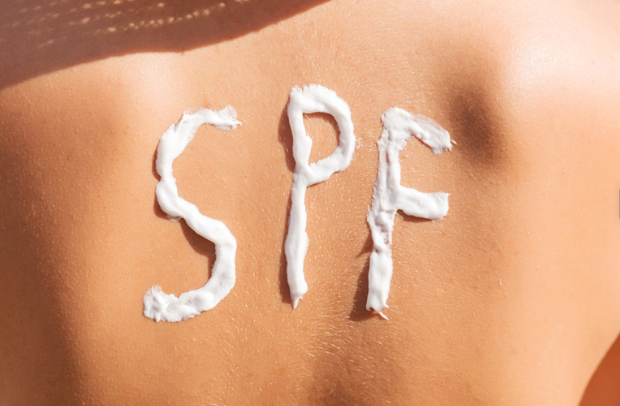
- Sun protection
- Gentle cleansing and maintaining hydration, which are crucial steps in post-treatment care for optimal recovery
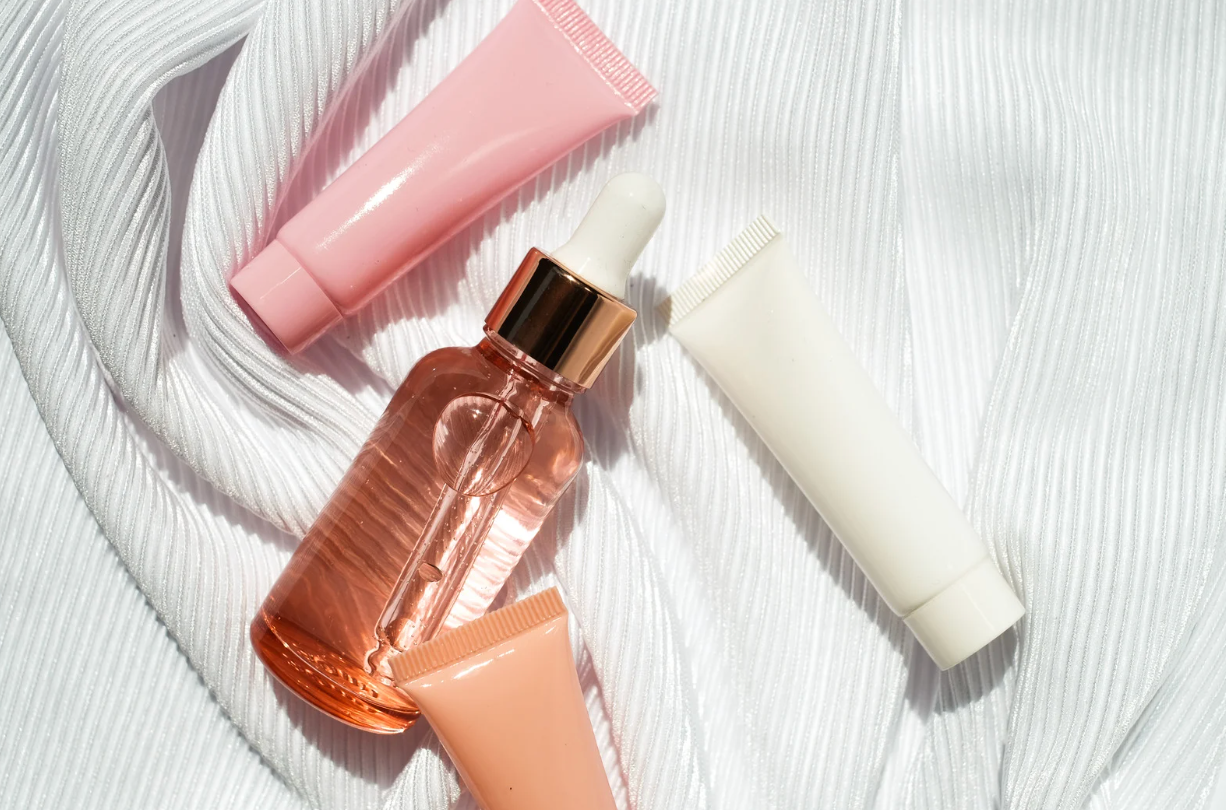
- Moisturization, ideally with an occlusive layer to protect the skin barrier and speed cellular repair
- Avoiding exfoliants
- Following post-procedure instructions carefully
Post-treatment care, including avoiding direct sunlight and moisturizing, significantly influences the speed of healing. Consistent aftercare helps minimize complications and supports optimal collagen remodeling. It's important to note that while the surface may heal quickly, the full collagen remodeling process after laser treatment can take 3 to 6 months.
Can Men and Women Have Different Risks After Laser Treatments?
Certain side effects may occur differently based on skin biology and hormonal factors.
Men may experience:
- Increased swelling
- Folliculitis around beard areas
- More prolonged redness after deep resurfacing
Women may have higher risk for:
- Post-inflammatory hyperpigmentation
- Melasma flare-ups
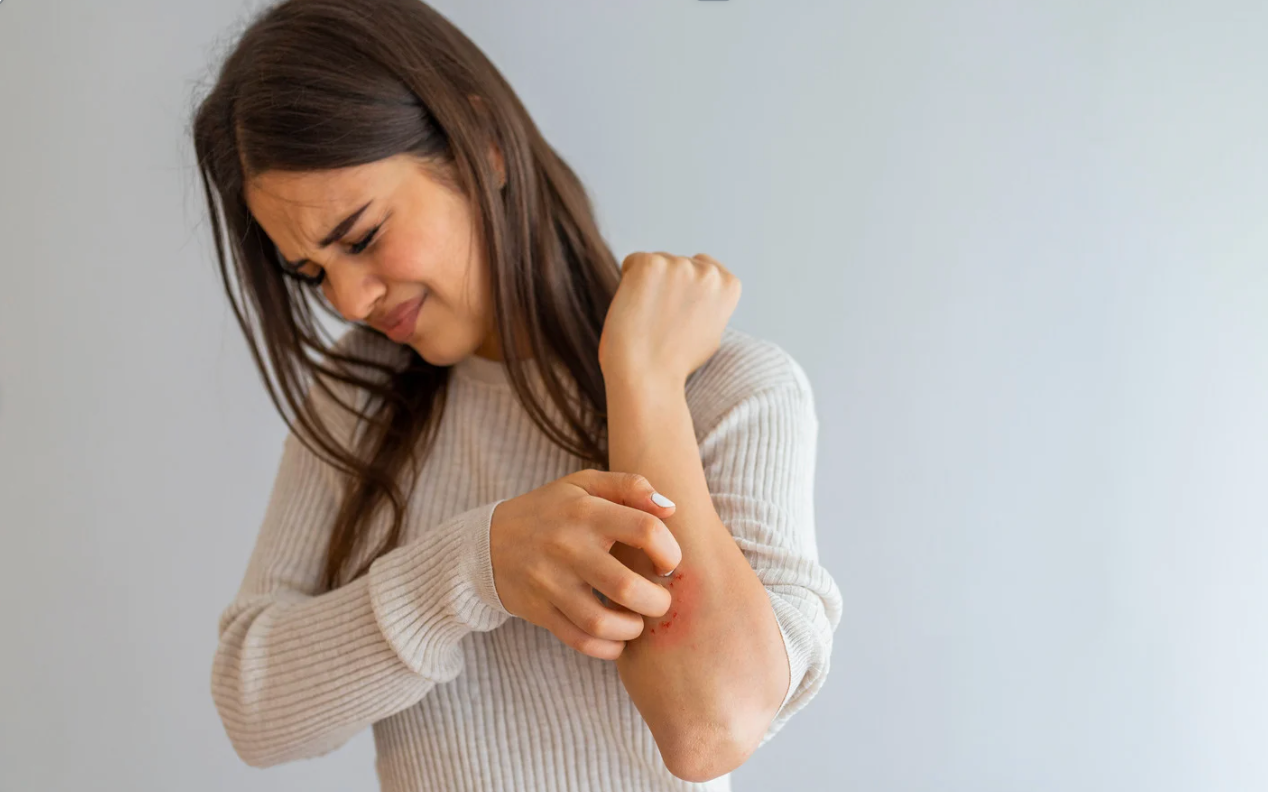
- Increased skin sensitivity
Laser skin resurfacing can also be used to treat certain types of skin cancer or precancerous growths, in addition to cosmetic concerns. Laser and light-based treatments are also commonly used for the removal of unwanted hair as a cosmetic benefit. Common risks associated with laser skin resurfacing include redness, swelling, and the potential for hypopigmentation, especially in individuals with darker skin tones.
A personalized treatment plan helps reduce these risks while maximizing safety and cosmetic improvement.
Final Thoughts
Men and women can both achieve excellent outcomes with laser skin resurfacing and rejuvenation treatments, but the healing process is not always identical. Differences in skin thickness, hormones, collagen levels, oil production, and pigmentation tendencies can all influence recovery after laser procedures. Laser surgery is often performed as an outpatient procedure, allowing patients to return home the same day.
The most important factor is not gender alone, but creating a customized laser treatment plan based on the patient’s skin type, goals, medical history, and healing characteristics. Laser light is used in various laser skin procedures to target specific skin layers and conditions. Fractional ablative lasers remove microscopic columns of skin, leaving the surrounding skin untouched, which promotes faster healing and minimizes damage. The treated area is carefully protected and cared for during the healing process, while the surrounding skin supports recovery. Laser resurfacing healing typically involves 3–14+ days of recovery, with symptoms such as redness, swelling, peeling, and new skin growth. Recovery time with fractional laser resurfacing is about one full week, often characterized by skin peeling and a sandpaper-like texture. However, laser treatments are not effective for sagging skin, which may require alternative procedures. Intense pulsed light (IPL) and intense pulsed light treatments are non-laser light therapies used for skin rejuvenation, pigmentation, and hair removal, often with minimal downtime.
With proper treatment selection and post-procedure care, laser treatments can safely improve skin texture, tone, scarring, and overall skin rejuvenation for all patients.
Laser Treatment at Hazany Dermatology
Whether you are considering CO2 laser resurfacing, Er:YAG laser treatments, or non-ablative laser rejuvenation, personalized treatment planning is essential for achieving safe, natural-looking results. Hazany Dermatology offers advanced laser treatments tailored to each patient’s skin type, concerns, and healing profile. From acne scars and sun damage to fine lines, wrinkles, and pigmentation, treatment plans are carefully customized to maximize skin rejuvenation while supporting optimal healing and recovery. By combining advanced laser technology with individualized care, patients can achieve smoother, healthier, and more youthful-looking skin with results designed specifically for their unique needs.
FAQs
Do men and women heal differently after laser treatments?
Yes, men and women can heal differently after laser procedures due to differences in skin thickness, collagen density, oil production, hormones, and pigmentation tendencies. These biological differences may affect redness, swelling, downtime, and the risk of pigmentation changes after treatment.
Do men have thicker skin than women?
In general, men tend to have thicker skin and higher collagen density than women. This can sometimes help support stronger wound healing responses, but it may also lead to increased swelling or prolonged redness after aggressive laser resurfacing treatments.
Are women more likely to develop pigmentation after laser treatments?
Women may have a higher risk of post-inflammatory hyperpigmentation and melasma, especially if they are prone to hormonal pigmentation changes. Careful laser selection and proper post-treatment skincare help minimize these risks.
Does hormone balance affect laser healing?
Yes. Hormones such as estrogen play an important role in collagen production, skin hydration, inflammation control, and tissue repair. Hormonal changes during aging, pregnancy, or menopause can influence healing and collagen remodeling after laser procedures.
Does sunscreen help improve laser treatment recovery?
Yes. Consistent sunscreen use is extremely important after laser procedures because the skin is more sensitive to UV damage during healing. Proper sun protection helps reduce inflammation, prevent pigmentation complications, and protect treatment results.
Are laser treatments safe for all skin types?
Many modern laser treatments can be safely customized for different skin types, but treatment selection is important. Patients with darker skin tones or pigmentation disorders may require specialized laser settings and personalized treatment planning to reduce the risk of hyperpigmentation.