Can Laser Treatment Help Nail Fungus?
Laser Treatment for Nail Fungus: Understanding Treatment Options for Fungal Toenails
Introduction: What Is Nail Fungus?
Nail fungus, also known as onychomycosis, is a challenging condition and a common infection that occurs when fungal organisms infect the nail and surrounding tissue. Fungal nail infections most commonly affect the toenails, although fingernails can also be involved. Nail fungus often develops gradually and may begin as a small area of discoloration before progressing deeper into the nail.
Environmental factors such as walking barefoot in damp, warm areas and exposure to fungi from athlete's foot can contribute to the development of nail fungus.
As the infection worsens, the nail may become thickened, brittle, yellow, white, or distorted in shape. In some cases, the nail may lift from the nail bed or develop debris beneath the nail plate. Nail fungus can affect one nail or multiple nails and may become increasingly difficult to treat if left untreated.
Because fungal organisms thrive in warm, moist environments, nail fungus is especially common in patients who wear occlusive footwear, frequent public pools or gyms, experience excessive sweating, or have a history of athlete’s foot.
What Causes Nail Fungus?
Nail fungus, also known as a fungal nail infection, is caused by fungal organisms that invade the nail plate and nail bed. Dermatophytes are the most common cause, although yeast and mold can also contribute to fungal nail infections.
Several factors can increase the risk of developing nail fungus, including:
- Walking barefoot in public areas
- Using communal bathing facilities
- Excessive sweating
- Tight or non-breathable footwear
- Nail trauma or injury
- Athlete’s foot
- Diabetes or circulation issues
- Weakened immune system
- Aging
Common risk factors for nail fungus include diabetes, a weakened immune system, and wearing tight, non-breathable shoes.
Because the nail plate acts as a protective barrier, fungal organisms can become trapped beneath the nail, making treatment more difficult over time. Proper diagnosis is important to distinguish nail fungus from other nail conditions.
What Does Nail Fungus Look Like?
Nail fungus can appear differently depending on the severity and stage of infection, and its symptoms are important to recognize for proper diagnosis and treatment. Nail fungus, also known as tinea unguium or onychomycosis, is a type of dermatophyte infection that affects the nails.
Early signs of nail fungus often include a small white or yellow spot under the tip of the nail.
Common symptoms of fungal toenails include:
- Yellow, white, or brown discoloration
- Yellowing of the nails
- Thickened nails
- Brittle or crumbly nail texture
- Distorted nail shape
- Debris beneath the nail
- Separation of the nail from the nail bed
- Dull or cloudy nail appearance
- Foul odor
As the infection progresses, the nail may become increasingly thick, uncomfortable, or difficult to trim. In severe cases, a fungal nail infection can lead to pain and permanent damage to the nails, affecting mobility and quality of life.
Why Is Nail Fungus Difficult to Treat?
Nail fungus can be difficult to treat because the infection lives beneath the nail plate, an area that is challenging for topical medications to fully penetrate. In many cases, fungal organisms remain protected beneath the nail, allowing the infection to persist or recur over time.
Toenails also grow slowly, which means improvement can take several months even after the fungus has been successfully treated. Because of this, many patients seek alternative treatments such as laser therapy for nail fungus when topical treatments or medications fail to produce satisfactory results.
How Laser Therapy Works for Nail Fungus
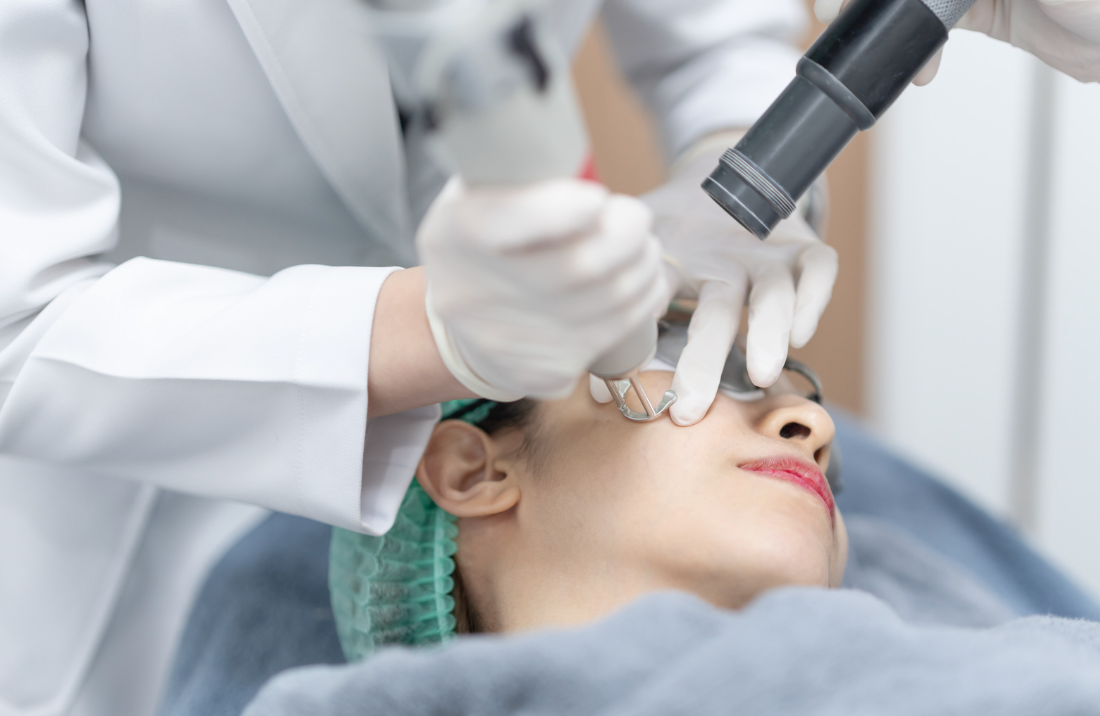
Laser therapy for nail fungus, also known as laser nail fungus treatment, offers a targeted and innovative solution for stubborn fungal nail infections. This treatment uses advanced laser technology to deliver specific wavelengths of light through the nail, reaching the nail bed where the fungal infection resides. The laser energy is precisely focused to penetrate the nail and disrupt the genetic material of the fungal cells, effectively inhibiting their ability to grow and spread.
One of the key advantages of laser therapy is its ability to target the fungal infection directly while minimizing damage to surrounding healthy nail and skin tissue. This precise targeting makes laser treatment a valuable option for patients who may not respond well to traditional medications or who wish to avoid the potential side effects of oral antifungal therapy.
Laser therapy is often combined with topical antifungal medications to enhance overall effectiveness, especially in more challenging cases. Clinical research trials have demonstrated that multiple treatments may be necessary to achieve optimal results, as healthy nail growth gradually replaces the affected nail over time. Many patients notice significant improvement in the appearance and health of their nails following a series of laser treatments, making this therapy a promising option for those struggling with persistent nail infections.
Nd:YAG Laser for Nail Fungus
Neodymium-doped Yttrium Aluminum Garnet (Nd:YAG) laser technology is one of the most commonly used and well-studied laser treatments for nail fungus. Q switched lasers, including the Nd:YAG type, utilize specific wavelengths to penetrate the nail and nail bed, targeting fungal cells. The 1064 nm wavelength allows the laser energy to reach deeply through the nail plate and into the nail bed, where fungal organisms often reside.
Laser therapy for toenail fungus uses focused light energy to penetrate the nail and nail bed, disrupting fungal cells by damaging their genetic material and stimulating the body's immune response to aid in infection removal. As the laser energy passes through the nail, heat is generated within the fungal environment. This heat helps disrupt fungal growth while minimizing damage to the surrounding skin and tissue. Because Nd:YAG lasers can penetrate deeper into the nail unit, they are especially useful for thicker fungal toenails and more established infections.
Nd:YAG laser treatment is commonly used for:
- Thickened fungal toenails
- Yellow or discolored nails
- Chronic nail fungus
- Toenail fungus involving deeper nail structures
- Recurrent fungal infections
Because the laser targets fungal organisms beneath the nail surface, Nd:YAG treatment is often used as a non-invasive alternative for patients who want to avoid oral antifungal medications or who have not responded well to topical treatments alone.
Er:YAG Laser for Nail Fungus
Erbium-doped Yttrium Aluminum Garnet (Er:YAG) laser technology is sometimes used as part of nail fungus treatment, particularly in cases involving thickened or dystrophic nails. Unlike Nd:YAG lasers, which penetrate more deeply into the nail bed, Er:YAG lasers primarily target the surface of the nail plate.
Er:YAG lasers work by ablating or thinning portions of the nail plate, which may help improve penetration of topical antifungal medications into deeper fungal areas beneath the nail. By creating microchannels or reducing nail thickness, Er:YAG treatment can help make combination therapy—including combination laser approaches with topical or oral antifungal medications—more effective. Combining laser treatments with antifungal drugs may improve overall effectiveness and address limitations such as recurrence and inconsistent results.
Er:YAG laser treatment may help:
- Thin thickened fungal nails
- Improve penetration of topical antifungal medications
- Reduce nail plate buildup
- Improve overall nail texture and appearance
Because Er:YAG lasers are more superficial, they are often used alongside other nail fungus treatments rather than as a stand-alone approach for deeper fungal infections.
CO2 Laser for Thickened Fungal Nails
Carbon dioxide (CO2) laser technology may also be used in certain cases of nail fungus, particularly when the nails become severely thickened or dystrophic. CO2 lasers are ablative lasers that vaporize portions of the nail plate, helping reduce thickness and improve access to deeper fungal organisms beneath the nail.
By thinning or partially removing damaged portions of the nail, CO2 laser treatment may improve the effectiveness of topical antifungal therapies and help reduce fungal buildup within the nail unit.
CO2 lasers may help:
- Reduce severely thickened fungal nails
- Debulk dystrophic nails
- Improve penetration of topical treatments
- Improve nail contour and appearance
Because CO2 lasers are more aggressive and ablative, they are generally reserved for more advanced fungal nail involvement or cases with substantial nail thickening. Treatment approaches are often individualized depending on the severity of the infection and the condition of the nail.
Because lasers can penetrate through the nail plate, they may reach fungal organisms that are difficult for topical treatments to access.
Benefits of Laser Treatment for Nail Fungus
Laser treatment has become increasingly popular for nail fungus because it is non-invasive and does not require oral medication. Many patients seek laser toenail fungus treatment when they want to avoid the potential side effects associated with oral antifungal drugs. Laser therapy is generally regarded as safe, with minimal adverse effects reported; most patients experience only mild warming or tingling during the procedure.
Potential benefits of laser treatment include:
- Non-surgical treatment
- No needles or incisions
- Minimal downtime
- No recovery period
- Targeted treatment approach
- Little to no discomfort for many patients
Laser treatment may also be used alongside topical antifungal therapies as part of a comprehensive treatment plan.
How Many Laser Treatments Are Needed for Nail Fungus?
The number of laser treatments needed depends on the severity of the fungal infection, the number of nails involved, and how the nail responds to treatment. Many patients require multiple laser sessions for optimal improvement.
Because toenails grow slowly, visible improvement often occurs gradually as healthier nail growth replaces the damaged nail. In many cases, patients may not see full improvement for several months after treatment.
Consistency and follow-up care are important to help reduce the risk of recurrence.
Can Nail Fungus Come Back After Laser Treatment?
Yes. Nail fungus can recur after treatment, particularly if the underlying environment that allowed the fungus to develop is not addressed. Reinfection can occur through contaminated footwear, nail trauma, excessive moisture, or untreated athlete’s foot, which can spread to the toenails if not managed.
To help reduce recurrence risk, patients are often advised to:
- Keep feet clean and dry
- Wear breathable footwear
- Change socks regularly
- Disinfect shoes
- Avoid walking barefoot in public areas
- Treat athlete’s foot promptly, as athlete's foot is a common fungal infection that thrives in moist, warm environments and can spread to the toenails if left untreated
- Maintain proper nail hygiene
Long-term prevention plays an important role in maintaining healthy nails after treatment.
Laser Treatment vs. Oral Antifungal Medication
Oral antifungals are commonly prescribed for nail fungus and may be effective in certain cases. However, these medications can require prolonged treatment courses and may carry potential side effects involving the liver or drug interactions.
Laser treatment offers a non-systemic alternative for patients seeking a more localized treatment approach. It is especially suitable for those who cannot tolerate oral antifungals or oral medications. Unlike oral antifungal medications, laser therapy avoids drug interactions altogether. In some cases, combination treatment involving both oral medication and laser therapy may be recommended for more severe fungal infections.
The best treatment approach depends on the severity of the infection, patient health history, and overall treatment goals.
Who Is a Good Candidate for Laser Nail Fungus Treatment?
Laser treatment may be appropriate for patients who:
- Have thickened or discolored fungal nails
- Did not respond to topical treatments
- Prefer to avoid oral antifungal medication
- Have recurrent fungal infections
- Want a non-invasive treatment option
- Have mild to moderate nail fungus
Patients with kidney disease or peripheral vascular disease may require special consideration when selecting treatment options, as certain antifungal treatments may not be suitable. A thorough medical evaluation is important to determine the safest and most effective approach for these individuals.
An evaluation can help determine whether laser treatment is appropriate based on the severity and extent of the infection.
Preventing Nail Infections After Treatment
Maintaining healthy nails after treatment is essential to prevent fungal nail infections from returning. Adopting effective preventive measures can help protect your nails and reduce the risk of reinfection. Here are some practical steps to keep your nails fungus-free:
- Practice good foot hygiene: Wash your feet daily, dry them thoroughly—especially between the toes—and keep your nails trimmed with clean nail clippers.
- Choose the right footwear: Wear shoes that fit well, allow for airflow, and avoid trapping moisture. Opt for socks made from breathable materials and change them regularly to prevent excessive sweating.
- Protect your feet in public areas: Always wear shoes or sandals in communal spaces like swimming pools, locker rooms, and gym showers to reduce exposure to fungal organisms.
- Use antifungal products: Apply antifungal sprays or powders to your feet and inside your shoes to help prevent fungal growth.
- Avoid sharing personal items: Do not share nail clippers, files, or other personal care tools, and disinfect any instruments used on your nails.
- Regular check-ups: Schedule routine visits with your healthcare provider to monitor nail health and catch any signs of infection early, allowing for prompt treatment and minimizing the risk of spread.
By following these preventive measures, you can help ensure your nails remain healthy and reduce the likelihood of future nail infections. Consistent care and attention to hygiene are key to long-term success after any nail fungus treatment.
Ready to Understand Your Nails and Your Options?
Hazany Dermatology provides evaluation and treatment for nail fungus using advanced laser technology and individualized treatment planning. Because fungal nail infections can vary in severity and depth, treatment approaches are customized based on the condition of the nails, the extent of the infection, and each patient’s treatment goals.
Laser treatment for nail fungus focuses on improving nail appearance while targeting fungal organisms beneath the nail plate in a safe, non-invasive manner. The goal is to support healthier nail growth while minimizing discomfort and downtime.
Whether you are dealing with thickened nails, discoloration, or recurrent fungal infections, the team at Hazany Dermatology can help determine the most appropriate treatment approach for your nails.
Book a consultation to learn whether laser treatment for nail fungus may be right for you.
FAQ: Laser Treatment for Nail Fungus
What is nail fungus?
Nail fungus, also called onychomycosis or tinea unguium, is a common fungal infection and nail disease that affects the nail plate and nail bed. It commonly causes discoloration, thickening, brittleness, and distortion of the nails.
Does laser treatment kill nail fungus?
Laser treatment targets fungal organisms beneath the nail using concentrated light energy and heat. The goal is to reduce fungal growth and support healthier nail regrowth over time.
Is laser treatment for nail fungus painful?
Most patients tolerate laser treatment well. Many describe the sensation as mild warmth or heat within the nail during treatment.
How many laser treatments will I need?
The number of sessions varies depending on the severity of the fungal infection and how the nails respond to treatment. Multiple sessions are often recommended for optimal improvement.
How long does it take to see results after laser treatment?
Toenails grow slowly, so improvement may take several months as healthy nail growth gradually replaces the damaged nail.
Can nail fungus come back after treatment?
Yes. Nail fungus can recur, especially if preventive measures are not followed. Proper foot hygiene and prevention strategies are important for maintaining results.
Is laser treatment better than oral antifungal medication?
Laser treatment offers a non-invasive alternative to oral medication and avoids systemic side effects. The best treatment depends on the severity of the infection and individual patient factors.
Is there downtime after laser nail fungus treatment?
Laser treatment for nail fungus typically involves little to no downtime. Most patients return to normal activities immediately after treatment.