



What Are Retinoids?

Retinoids are vitamin A derivatives that speed up cell turnover, boost collagen, unclog pores, and fade dark spots, making them effective for acne, aging, and sun damage. They range from gentle OTC options like retinol to stronger prescription formulas like tretinoin, with more conversion steps meaning gentler but slower results. Starting low and slow, keeping skin moisturized, and wearing sunscreen daily are the keys to getting results without unnecessary irritation.
Retinol, tretinoin, adapalene, retinal, the list goes on...

What Are Retinoids?
If you’ve spent any time researching skin care, you’ve probably encountered the word “retinoids” more times than you can count. These vitamin A derivatives have been a cornerstone of dermatology since the 1970s, and for good reason—they actually work.
But here’s where things get confusing: retinol, tretinoin, adapalene, retinal. Are these all the same thing? Not quite. Understanding what sets these compounds apart can help you choose the right product for your skin concerns and avoid unnecessary irritation along the way.
Quick answer: what are retinoids and why do they matter?
Retinoids are a class of compounds derived from vitamin A, encompassing both naturally occurring forms and synthetic versions developed in laboratories. The term “retinoid” serves as an umbrella category—retinol is just one member of this extensive family, which includes over 4,000 natural and synthetic molecules.
Think of it this way: all retinols are retinoids, but not all retinoids are retinol. This distinction matters when you’re scanning ingredient lists or deciding between an over the counter products option and a prescription retinoid.
What retinoids actually do:
- Accelerate cell turnover, pushing dead skin cells off the skin’s surface faster
- Stimulate collagen production, which helps reduce fine lines and wrinkles over time
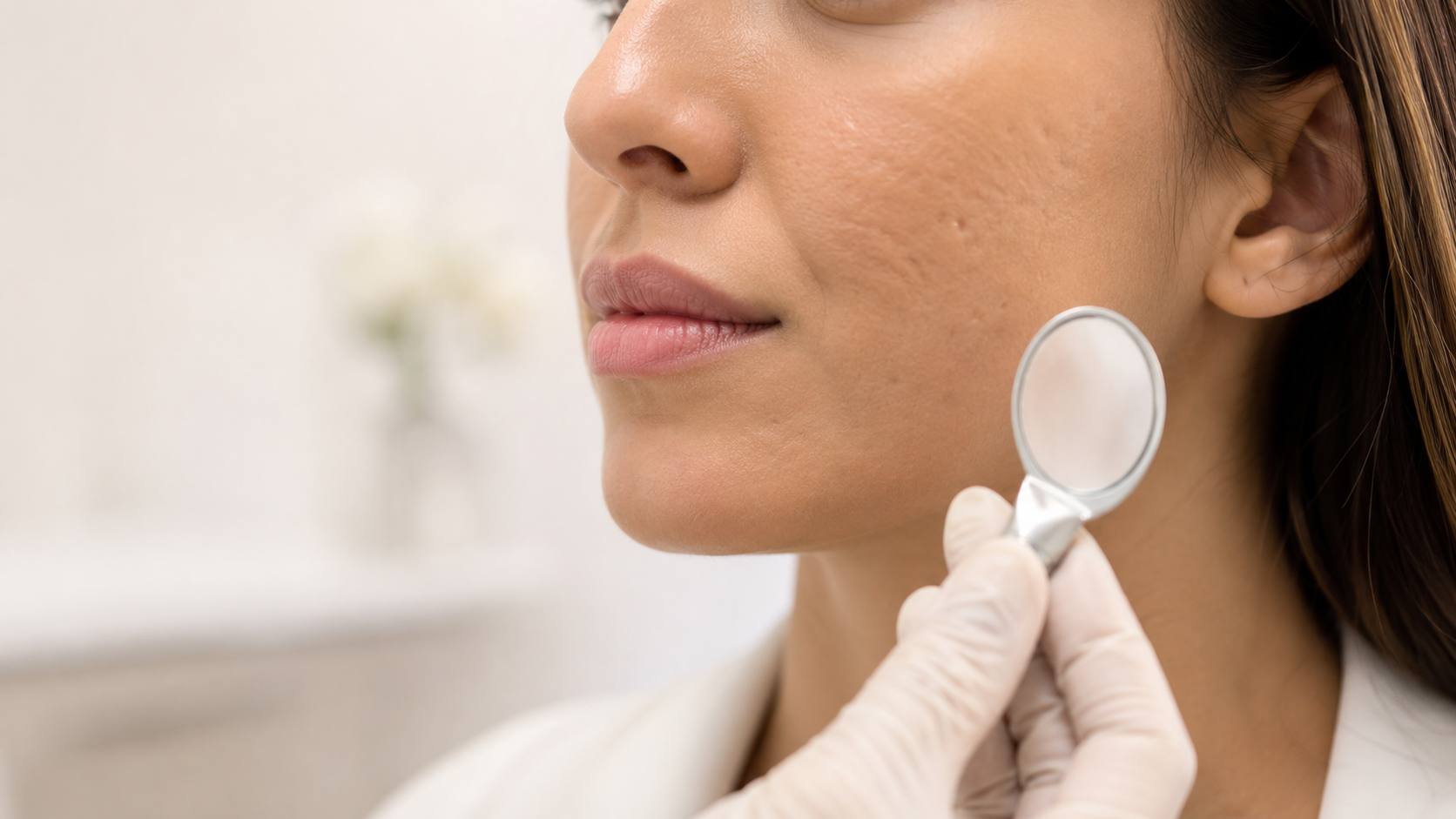
- Unclog pores by normalizing how skin sheds, making them effective for acne
- Improve uneven skin tone by fading dark spots and sun spots
- Refine overall skin texture for smoother, more even-looking skin
Retinoids are used to treat acne (from mild breakouts to severe acne with scarring), address signs of aging like wrinkles and loss of firmness, repair sun damage, and manage certain pigmentation disorders.
The range of options spans from very gentle OTC formulas suitable for sensitive skin to potent prescription medicines that require medical supervision. Each comes with different side-effect profiles, which is why understanding where you fall on this spectrum matters before you start.
How retinoids work in the skin
At the cellular level, retinoids work by binding to specific receptors in skin cells called retinoic acid receptors. Once attached, they essentially reprogram how those cells behave—influencing everything from how quickly they divide to how much collagen they produce.
The active form that does this heavy lifting is retinoic acid (also called all-trans retinoic acid or ATRA). This is a key metabolite of vitamin A that regulates fundamental biological processes including cellular differentiation, proliferation, and even apoptosis (programmed cell death). In practical terms, this translates to skin that renews itself more efficiently.
Key mechanisms at work:
- Increased cell turnover means new cells reach the skin’s surface faster, replacing dull dead cells
- Normalized keratinization reduces the sticky buildup that clogs pores and causes comedones
- Boosted collagen and elastin synthesis helps maintain skin firmness and elasticity
- Regulated oil production can help reduce acne outbreaks over time
What you’ll actually see:
- Smoother skin texture with fewer rough patches
- Fewer comedones (blackheads and whiteheads)
- Faded age spots and post-inflammatory hyperpigmentation
- Softened fine lines over several weeks to a few months of consistent use
Here’s an important distinction: prescription-strength retinoic acid acts directly on receptors without needing conversion. Most OTC forms like retinol must convert step-by-step into active retinoic acid within the skin. This conversion process is why gentler formulas take longer to show results but typically cause less irritation.
Types of retinoids (from prescription to over‑the‑counter)
Retinoids come in multiple generations and strengths, each designed for specific uses in skin care and acne treatment. Understanding where different compounds fall on this spectrum helps you set realistic expectations for results and side effects.
Prescription topical retinoids:
- Tretinoin (all-trans retinoic acid): The gold standard, available under brand names like Retin A. Used for acne, photoaging, and improving overall skin texture. Works directly without conversion, making it highly effective but potentially irritating.
- Adapalene: Originally prescription-only, now available OTC in lower strengths. Well-tolerated and particularly effective for acne. Less irritating than tretinoin for many users.
- Tazarotene: A third-generation retinoid that’s highly potent. Often prescribed for stubborn acne, psoriasis, and significant sun damage. Tends to cause more dryness and irritation than other options.
Oral retinoids:
- Isotretinoin (13-cis-retinoic acid): A systemic retinoid reserved for severe acne that hasn’t responded to other treatments. Requires strict medical supervision due to potential side effects including birth defects if taken during pregnancy.
OTC cosmetic retinoids:
- Retinol: The most common OTC form. Must convert to retinal, then to retinoic acid in the skin. Effective but slower-acting than prescriptions.
- Retinal (retinaldehyde): One step closer to active retinoic acid than retinol. Faster results with moderate tolerance.
- Retinyl esters (retinyl palmitate, retinyl acetate): The gentlest forms, requiring multiple conversion steps. Best for very sensitive skin or retinoid beginners.
- Hydroxypinacolone retinoate: A newer ester that doesn’t require conversion and claims to offer similar benefits with less irritation.
The conversion chain explained:
Retinyl ester → Retinol → Retinal → Retinoic acid
More conversion steps generally mean gentler effects but slower results. Fewer steps mean faster action but potentially more irritation as your skin adjusts.
Retinoids vs. retinol: what’s the difference?
This is probably the most common point of confusion in skincare products marketing. Retinol is one specific type of retinoid, but the terms are often used interchangeably in casual conversation—and sometimes even in product marketing.
Breaking down the terminology:
- “Retinoids” is the broad category that includes everything from prescription tretinoin to gentle retinyl palmitate
- “Retinol” specifically refers to one OTC compound that requires two conversion steps before becoming active retinoic acid
- Prescription retinoids (tretinoin, adapalene, tazarotene) are either already active or convert more directly
- OTC options (retinol, retinal, retinyl esters) require varying levels of conversion in the skin
Prescription vs. OTC in practice:
- Prescription retinoic acid is immediately active upon application, delivering faster and more dramatic results
- This potency comes with higher irritation potential—redness, peeling, and sensitivity are common initially
- OTC retinol and retinal must convert within the skin, making them slower but usually more tolerable for beginners
- A retinol product at 0.5% is not equivalent to tretinoin at 0.05%, even though the numbers might suggest otherwise
Decoding marketing language:
- “Retinol cream” typically contains the OTC ingredient retinol at varying concentrations
- “Retinoid treatment” could mean prescription or could just be marketing spin for any vitamin A derivative
- “Vitamin A serum” is vague and could contain anything from potent retinal to gentle retinyl palmitate
- Always check the actual ingredient list rather than relying on front-of-package claims
- Higher concentrations aren’t always better, especially for those new to retinoids
What retinoids are used for
Retinoids function as genuine multitaskers with both medical and cosmetic applications. Their ability to influence how skin cells behave makes them relevant across many forms of skin conditions and concerns.
Primary dermatologic uses:
- Treating mild to severe acne by normalizing cell shedding and reducing pore blockages
- Clearing comedones (blackheads and whiteheads) by preventing the buildup that causes them
- Preventing new acne outbreaks with continued use
- Managing acne scars by promoting collagen remodeling and smoother texture
Photoaging and sun damage concerns:
- Reducing fine lines and wrinkles by boosting collagen production
- Improving rough, uneven skin texture caused by cumulative sun exposure
- Minimizing enlarged pores that develop with aging skin
- Fading sunspots and solar lentigines (flat brown spots from UV damage)
- Addressing overall sun damage that makes skin look older than it is
Pigmentation issues:
- Treating post-inflammatory hyperpigmentation (dark marks left after acne heals)
- Supporting melasma treatment as part of combination therapy with other actives
- Evening out general uneven skin tone and skin color irregularities
Less common applications:
- Certain keratinization disorders where skin doesn’t shed normally, leading to scaly skin
- Some precancerous skin damage under physician guidance (actinic keratoses)
- Retinoids have shown promise as potential chemopreventative agents, though concerns about toxicity have limited broader application in this area
OTC vs. prescription scope:
Over the counter retinoids typically focus on texture improvement, brightness, and early signs of aging. Prescription formulas are better suited for tackling significant acne, deeper wrinkles, and more extensive sun damage. A board certified dermatologist can help determine which category fits your specific skin problems.
Who should (and shouldn’t) use retinoids
Most skin types can benefit from retinoids, but the right formula and approach depends heavily on your age, specific skin concerns, and tolerance for the adjustment period.
Ideal candidates for retinoids:
- People dealing with persistent acne or frequent breakouts
- Those with clogged pores and congested skin
- Anyone noticing early to moderate wrinkles and loss of firmness
- People with uneven skin tone, dark spots, or hyperpigmentation
- Anyone with a history of significant sun exposure wanting to address accumulated damage
Sensitive, dry, or reactive skin types:
- These skin types can absolutely use retinoids—just with more caution
- Start with gentle forms like retinyl esters or low-concentration retinol
- Use lower strengths than general recommendations suggest
- Apply less frequently (once or twice weekly to start)
- Prioritize formulas that include soothing ingredients alongside the retinoid
- Rosacea-prone skin may do better with adapalene, which tends to cause less irritation
- Very dry skin benefits from retinoid cream formulas with hydrating bases rather than gels
Who should avoid retinoids or seek medical clearance:
- Pregnant individuals: Retinoids, especially oral isotretinoin and high-strength topicals, carry risk of birth defects
- Breastfeeding individuals: Insufficient safety data for most retinoids
- Those currently on systemic vitamin A supplements or isotretinoin
- People with active eczema flares, broken skin, or open wounds
- Anyone with severe skin reactions to retinoids in the past
- Those using multiple strong active ingredients simultaneously without guidance
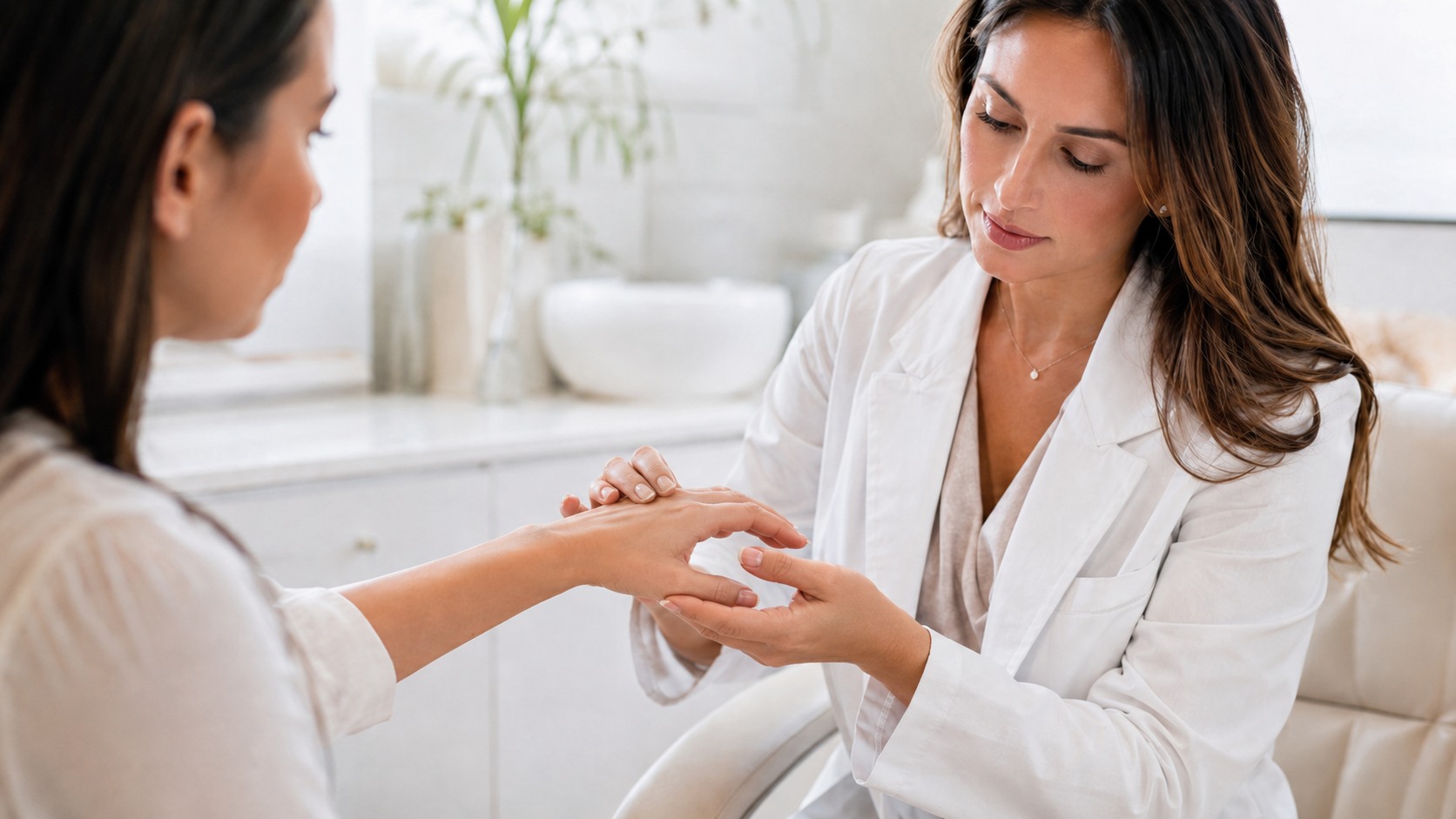
When to consult a dermatologist:
- Persistent acne that hasn’t responded to OTC treatments
- Severe or scarring acne requiring potentially oral isotretinoin
- Significant sun damage or precancerous lesions
- History of severe irritation or allergic reactions to retinoids
- Uncertainty about which type or strength to use
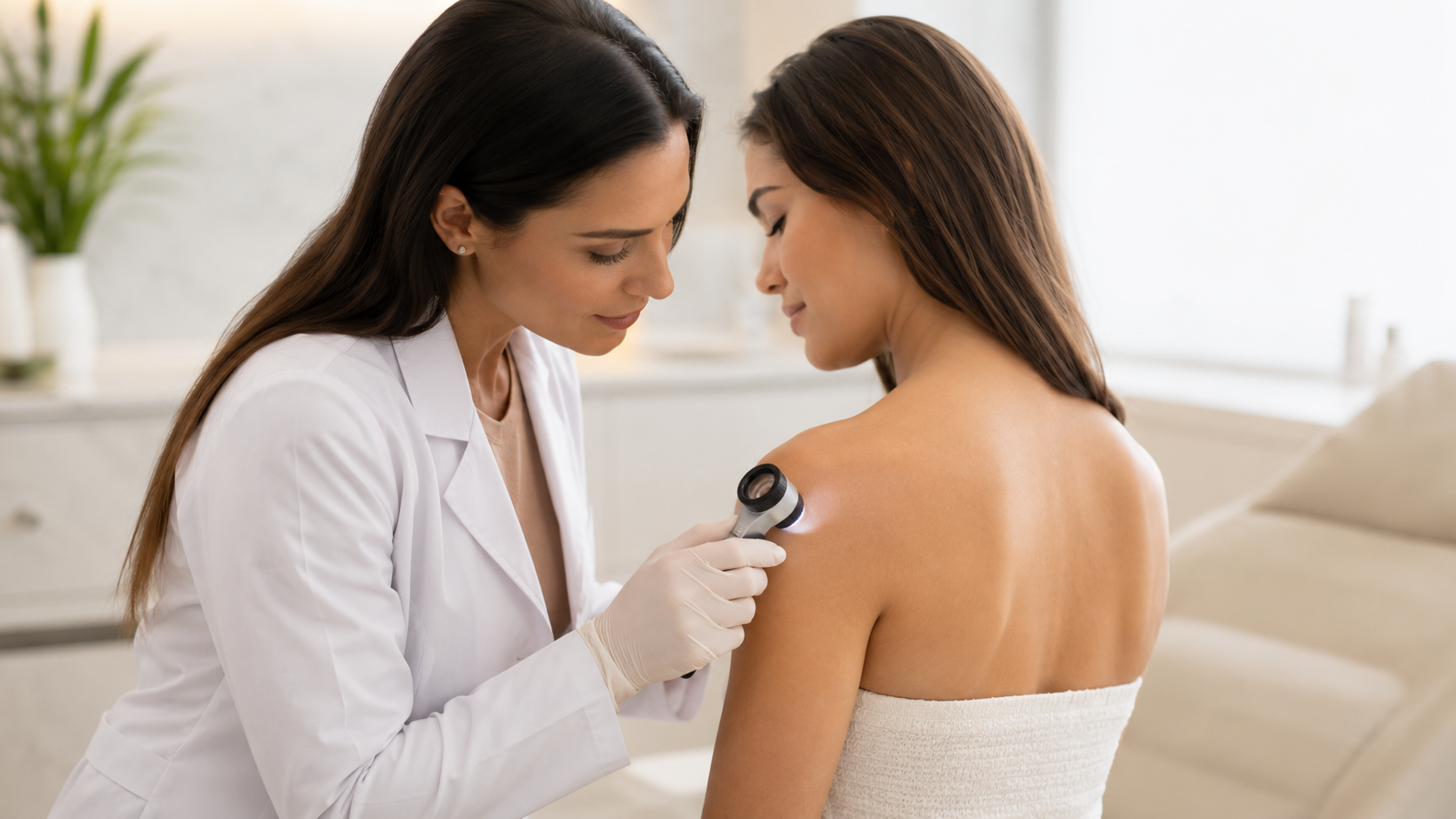
- Skin cancer concerns or monitoring needs
How to start using retinoids for best results
If you’re new to retinoids, the adjustment period can feel intimidating. Stories of peeling, redness, and purging are enough to make anyone hesitant. But with the right approach, most people can incorporate retinoids successfully into their nighttime regimen.
The key principle is “low and slow.” This isn’t about diving into higher concentrations as quickly as possible—it’s about giving your skin time to build tolerance while still getting results. Patience during the first several weeks pays off with better outcomes and less misery.
Starting protocol:
- Begin with a low concentration (0.2–0.3% retinol or equivalent gentle form)
- Use only 1–2 nights per week for the first 2–3 weeks
- Gradually increase to every other night, then nightly over 4–8 weeks
- Listen to your skin—if irritation increases, scale back frequency
- A pea sized amount is enough for the entire face
Application order in your skincare routine:
- Cleanse thoroughly and wait until skin is completely dry (applying to wet skin increases irritation)
- Optional: Apply a thin layer of moisturizer as a buffer, especially if you have sensitive skin
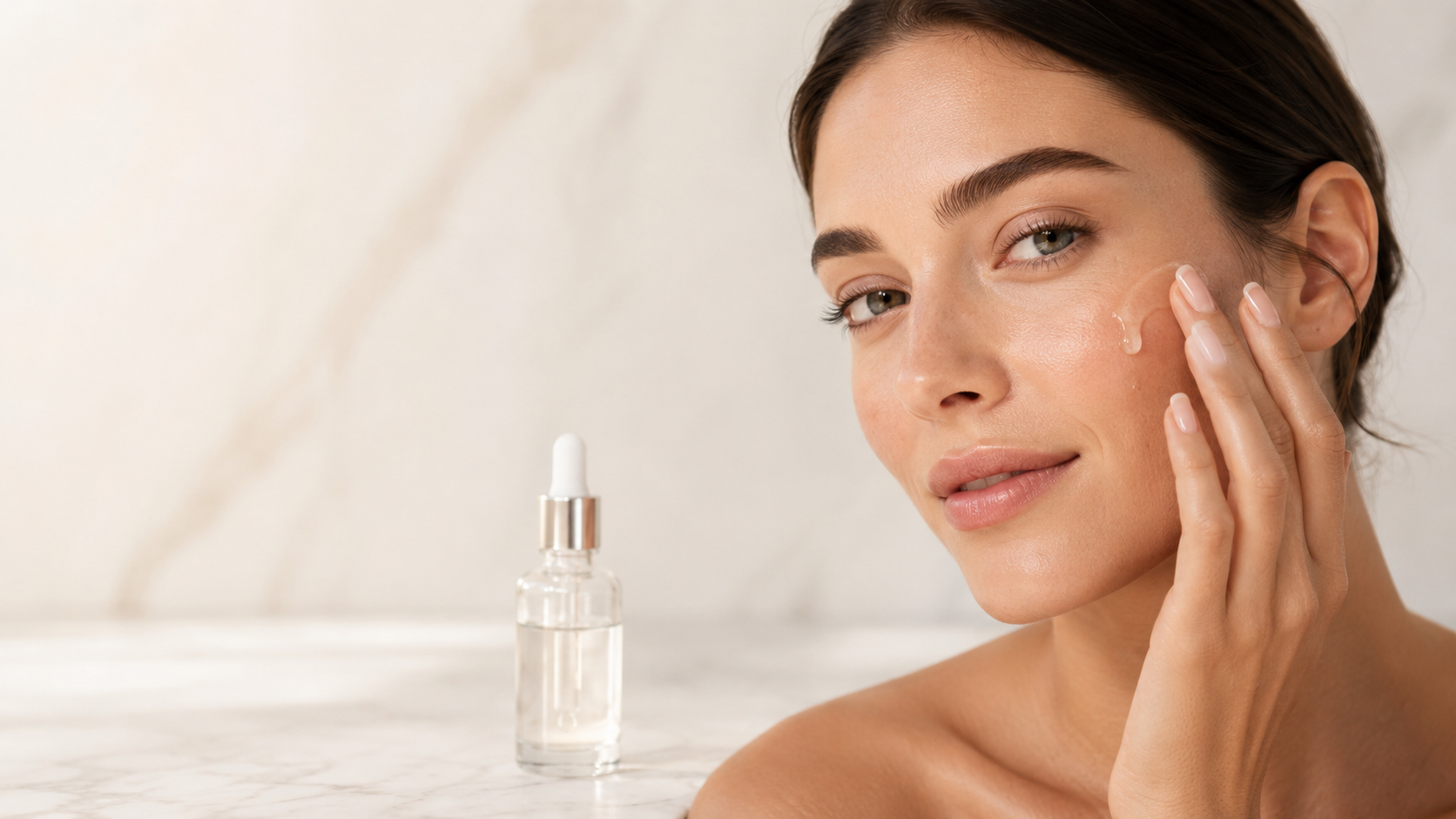
- Apply a thin layer of your retinoid product evenly across the face
- Wait a few minutes, then follow with applying moisturizer if you didn’t buffer beforehand
- Reserve retinoids for nighttime—they can degrade in sunlight
Areas to approach carefully:
- Avoid the immediate corners of your eyes until tolerance builds
- Skip the creases around your nose where skin is thinner
- Stay away from the corners of your mouth to prevent cracking
- These areas can be addressed later once your skin adjusts
What NOT to combine on the same night:
- Strong chemical exfoliants (glycolic acid, salicylic acid, lactic acid)
- At-home peels or exfoliating masks
- High-strength benzoyl peroxide (lower strengths may be okay with guidance)
- Vitamin C serums for some people (though this combination works fine for others)
- Other potentially irritating actives until you know your skin’s limits
Non-negotiable: sun protection:
Retinoids make your skin more sensitive to sun exposure. This isn’t optional—daily broad-spectrum sunscreen (SPF 30 or higher) is mandatory.
- Apply sunscreen every morning, even on cloudy days
- Wear sun protective clothing and hats when outdoors
- Seek shade during peak UV hours
- Reapply sunscreen every two hours if you’re outside
- Remember that sun damage undermines every benefit retinoids provide
Side effects and safety of retinoids
Let’s be direct: some degree of dryness, redness, and peeling in the first weeks is completely normal. This adjustment period, sometimes called “retinization,” is your skin adapting to increased cell turnover. It usually subsides within 4–8 weeks of consistent use.
Typical side effects during adjustment:
- Tightness and dryness, especially in the first few weeks
- Flaking and peeling, particularly around the nose and mouth
- Mild burning or tingling upon application
- Increased sensitivity to other skincare products
- Temporary acne flare or “purging” as clogged pores clear faster
- General redness that may come and go
Normal adjustment vs. adverse reaction:
- Normal: Mild to moderate dryness, some flaking, slight redness
- Concerning: Severe burning that doesn’t subside, significant swelling, blistering, or hives
- If you experience severe reactions, stop use immediately and consult a healthcare provider
- Persistent skin irritation beyond 8–10 weeks may indicate the product is too strong
Strategies to reduce skin irritation:
- Apply moisturizer before and/or after your retinoid to buffer the formula
- Use a gentle, non-foaming cleanser that won’t strip the skin
- Avoid harsh scrubs, exfoliating brushes, or physical exfoliants
- Skip drying toners containing alcohol
- Consider products with hyaluronic acid, glycerin, or ceramides to support the moisture barrier
- Reduce application frequency if irritation becomes uncomfortable
- Switch to a gentler retinoid form if adjustment remains difficult
Critical safety reminders:
- Never skip sunscreen—photosensitivity is real and sun damage reverses your progress
- Don’t layer retinoids with multiple strong actives initially
- Avoid retinoids during pregnancy unless explicitly cleared by your doctor
- If you’re prescribed isotretinoin, follow all monitoring requirements carefully
- Store retinoid products away from direct light to maintain potency
Choosing the right retinoid product
There’s no single “best” retinoid—the right choice depends on your skin type, primary concerns, budget, and tolerance for potential irritation. Someone treating stubborn acne has different needs than someone addressing early fine lines.
General guidance by goal:
- Anti-aging beginners: Start with OTC retinol (0.2–0.3%) or retinal at low concentrations
- Acne-focused: Consider adapalene gel (available OTC) or prescription tretinoin for more significant breakouts
- Sensitive skin: Begin with retinyl esters or encapsulated retinol formulas designed to release slowly
- Significant sun damage or deep wrinkles: Prescription tretinoin under dermatologist guidance typically delivers stronger results
Starting strength recommendations:
- OTC retinol: 0.2–0.5% for beginners, working up to 1% over time if tolerated
- Retinal (retinaldehyde): Lower concentrations (0.05–0.1%) since it’s more potent than retinol
- Prescription tretinoin: Usually starts at 0.025% or 0.05%, with increases as tolerated
- Jumping straight to 1% retinol or high-strength prescriptions often backfires with excessive irritation
Texture choices by skin type:
- Oily or acne-prone skin: Gels, oil-free serums, or lightweight lotions
- Dry skin: Cream or lotion bases with added emollients
- Mature or very dry skin: Rich retinoid cream formulas with hydrating ingredients
- Combination skin: Lighter textures applied to oilier zones, richer formulas on dry areas
Supportive ingredients to look for:
- Niacinamide: Helps with tolerance and supports barrier function
- Ceramides: Reinforce the skin barrier compromised by retinoid use
- Glycerin and hyaluronic acid: Provide hydration to counteract dryness
- Squalane: An emollient that helps lock in moisture
- Centella asiatica or allantoin: Soothing ingredients that calm irritation
Ingredients to be cautious about combining:
- High-concentration vitamin C (though some people tolerate this fine)
- Alpha hydroxy acids like glycolic acid on the same night
- Benzoyl peroxide at high strengths (can inactivate some retinoids)
- Multiple exfoliating actives in the same skin product
The goal is finding a skin care routine that delivers results without making your skin miserable. Sometimes that means starting with the gentlest option and working up, rather than reaching for the strongest formula immediately.
Key takeaways
- Retinoids are vitamin A derivatives that accelerate cell turnover, boost collagen, and improve skin texture and tone
- Retinol is just one type of retinoid—the category includes everything from gentle OTC esters to potent prescription tretinoin
- OTC options require conversion in the skin, making them gentler but slower than prescription forms
- Common uses include acne treatment, reducing wrinkles, fading dark spots, and addressing sun damage
- Most skin types can benefit, but approach matters—start low, go slow, and prioritize hydration
- Side effects like dryness and peeling are normal initially and typically resolve within weeks
- Sun protection isn’t optional—retinoids increase photosensitivity, and UV exposure undermines results
Whether you’re reaching for an over the counter retinol to address early aging skin or working with a dermatologist on a prescription retinoid for persistent skin concerns, the principles remain the same. Consistency beats intensity. Your skin adjusts over time. And that daily sunscreen? It’s protecting every bit of progress you make.
Start with what your skin can handle, give it time, and adjust as needed. The research backs retinoids as one of the most effective topical ingredients available—your job is simply to use them wisely.