How to Treat Dark Spots & Uneven Skin Tone

Staff Member • March 31, 2026

Reveal Brighter Skin with Advanced Laser Resurfacing

Hyperpigmentation is one of the most common skin concerns we see in our clinic. Whether it presents as dark spots, uneven tone, or lingering acne marks, pigmentation can be difficult to treat with skincare alone. Laser resurfacing offers a powerful, science-backed solution to restore a brighter, more even complexion.


What is Hyperpigmentation and How Can Laser Resurfacing Help?

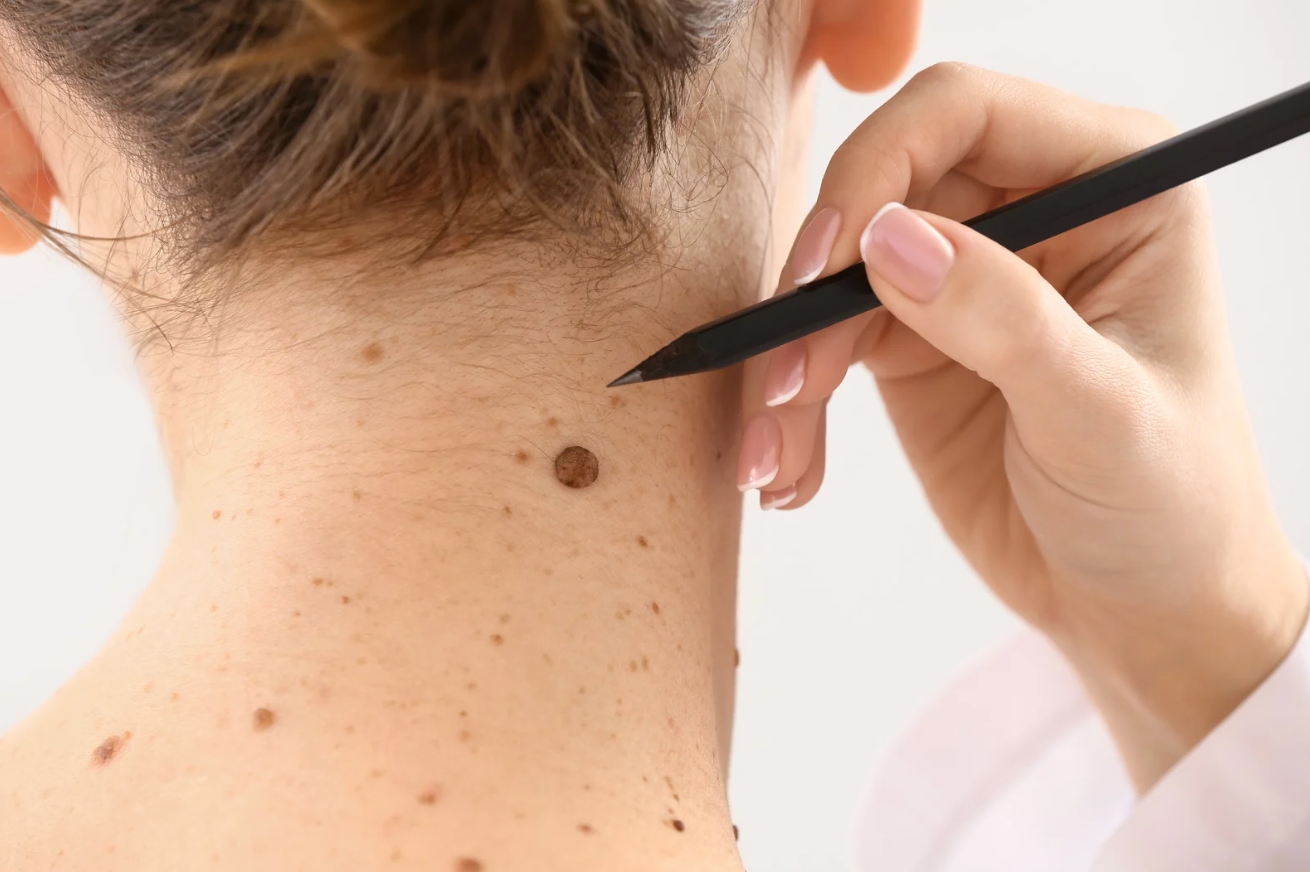
Hyperpigmentation occurs when excess melanin (pigment) is produced in certain areas of the skin, leading to darkened patches or spots.


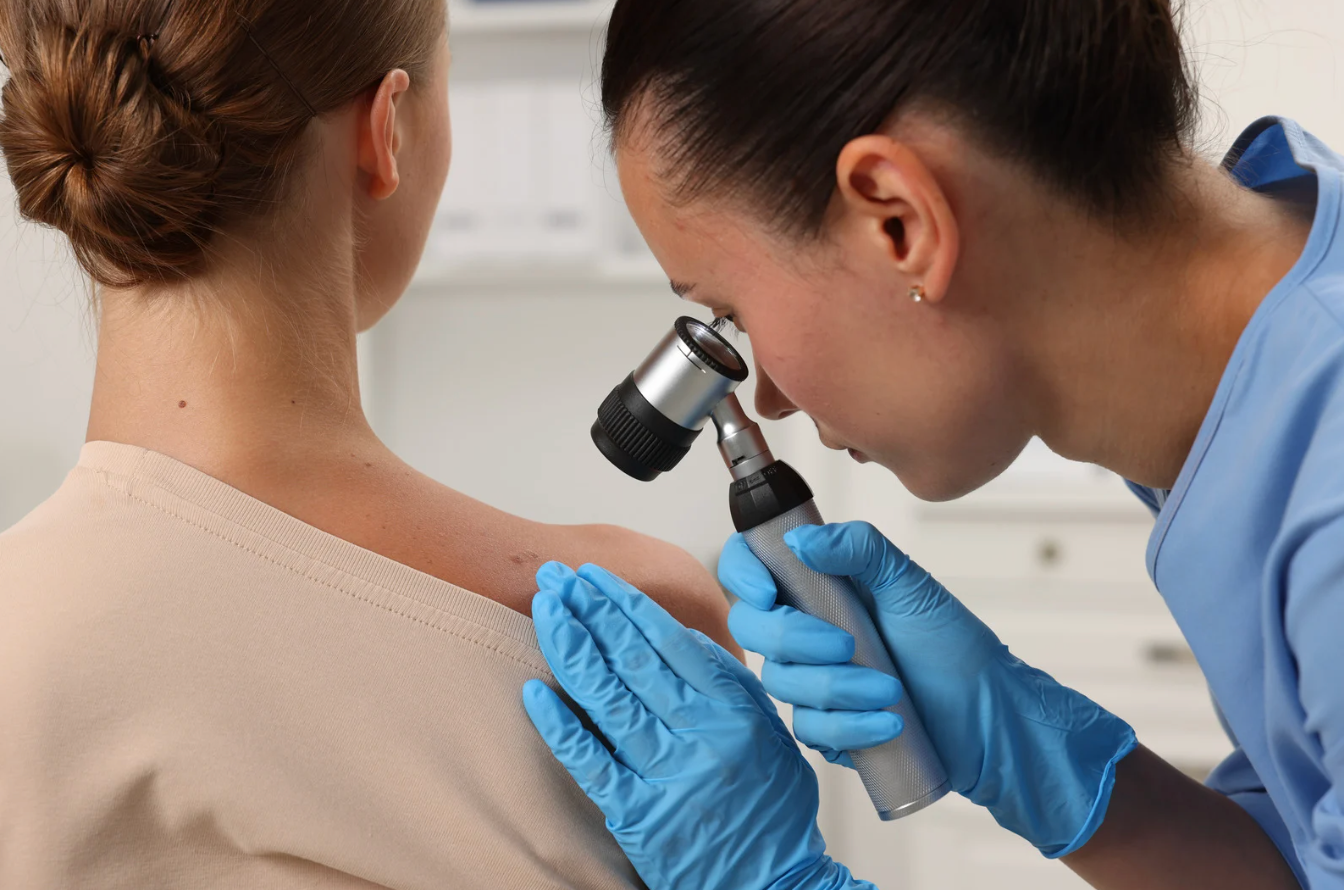
Actinic keratosis is a common sun-induced skin condition characterized by rough, scaly patches that appear on sun-exposed areas, especially in individuals with fair skin. These lesions can potentially progress to skin cancer, making medical evaluation and treatment important.


Common causes include:

  • Sun exposure
  • Acne and inflammation (post-inflammatory hyperpigmentation)
  • Hormonal changes (melasma)
  • Natural aging


Photoaging is the premature aging of your skin due to ongoing exposure to ultraviolet A (UVA) and ultraviolet B (UVB) radiation, and it most commonly occurs on the face, neck, back of hands, arms, legs, and upper chest. Photoaging causes DNA changes in the cells of your skin and can lead to cancer. Once UV radiation changes your skin cells' DNA, the DNA damage can't be reversed.


While topical treatments can help, deeper or more stubborn pigmentation often requires advanced treatments like laser resurfacing. Brown pigment (melanin) in the skin provides some natural protection against sun damage, but everyone is at risk for sun damaged skin.


Causes of Hyperpigmentation

Hyperpigmentation is a widespread skin concern that can affect people of all skin tones and ages. One of the most significant causes is sun exposure. When your skin is exposed to intense sunlight, UV light stimulates the production of extra melanin—the pigment responsible for your skin color. This can result in dark spots, age spots, liver spots, and uneven skin tone, especially on areas frequently exposed to the sun such as the face, hands, and upper chest.


Over time, repeated sun exposure can lead to sun damage and the development of solar lentigines, which are flat, brown patches that stand out from the surrounding skin.


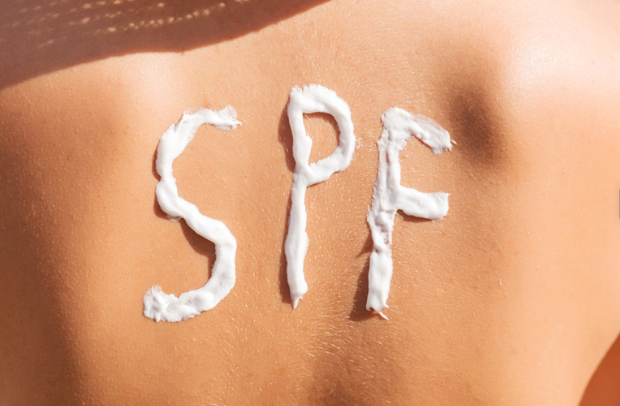
To protect your skin and help prevent hyperpigmentation, it’s essential to use a broad-spectrum sunscreen with a high sun protection factor (SPF), reapplying every two hours when outdoors. Wearing protective clothing, like a wide-brimmed hat, and seeking shade during peak sun hours are also key steps in reducing sun damage and lowering your risk of skin cancer.


Beyond sun exposure, other factors can contribute to uneven pigmentation. Postinflammatory hyperpigmentation (PIH) often occurs after a wound heals or following skin damage from acne or irritation, leaving behind darkened patches. Hormone changes, such as those experienced during pregnancy or with certain medications, can trigger melasma—a type of hyperpigmentation that appears as brown patches on the face. Genetics, sensitive skin, and your medical history can also play a role in how your skin responds to environmental stressors and injury.


Treating hyperpigmentation often requires a combination of approaches. Options include topical creams, chemical peels, and advanced treatments like laser skin resurfacing, which uses a laser beam to target and break down excess pigment while stimulating collagen production for smoother, more even skin. Other treatments, such as dermatologic surgery or vitamin C serums, may be recommended based on your unique needs.


Consulting with a dermatologist is the best way to determine the most effective treatment for your skin type and medical history. By prioritizing sun protection and seeking professional medical care when needed, you can help prevent and treat hyperpigmentation, achieving a more even skin tone and reducing your risk of long-term skin damage. The American Cancer Society recommends using a broad-spectrum sunscreen with an SPF of 30 or higher and taking proactive steps to protect your skin from the sun’s harmful rays.


What Is Laser Resurfacing?

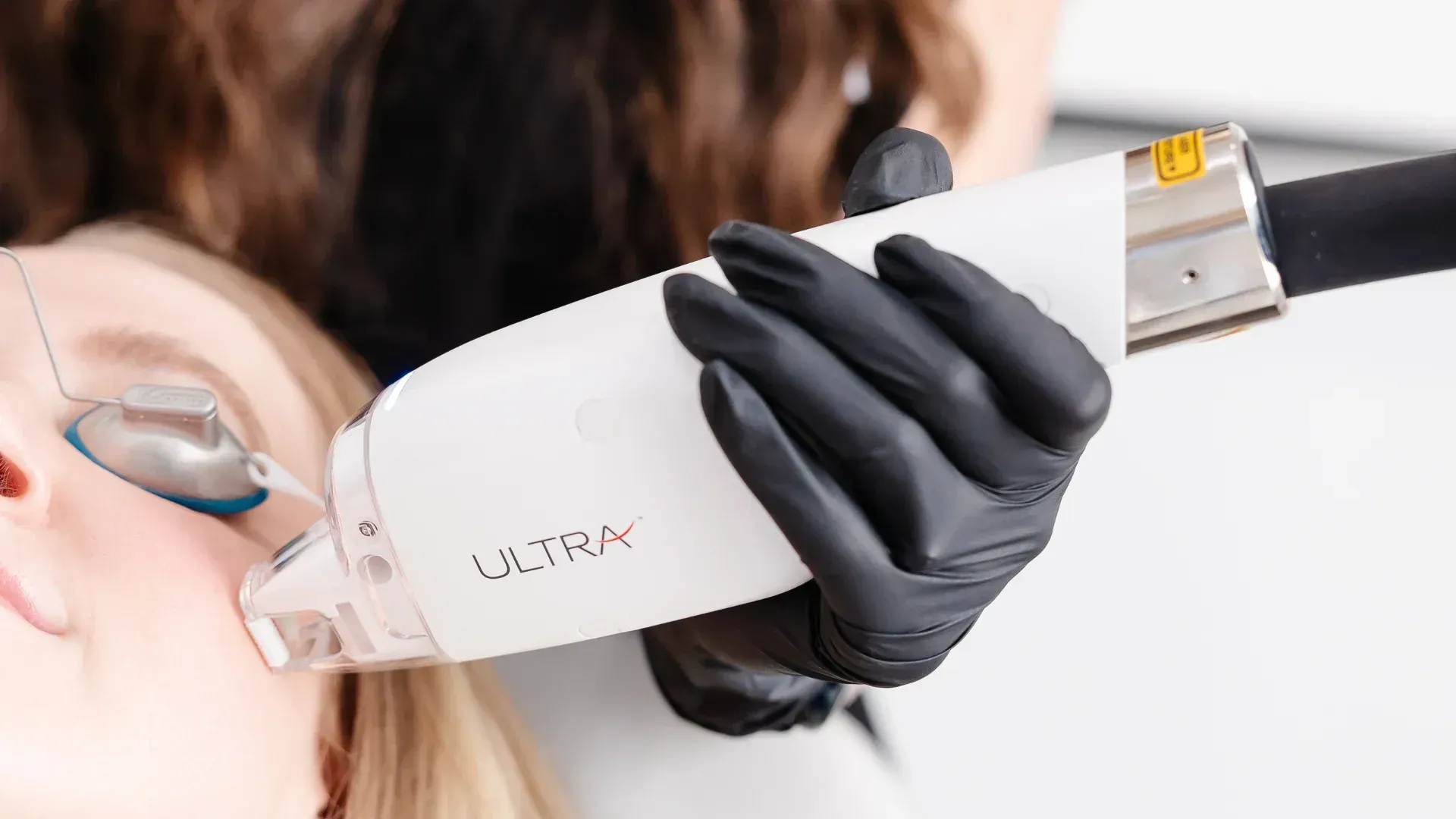
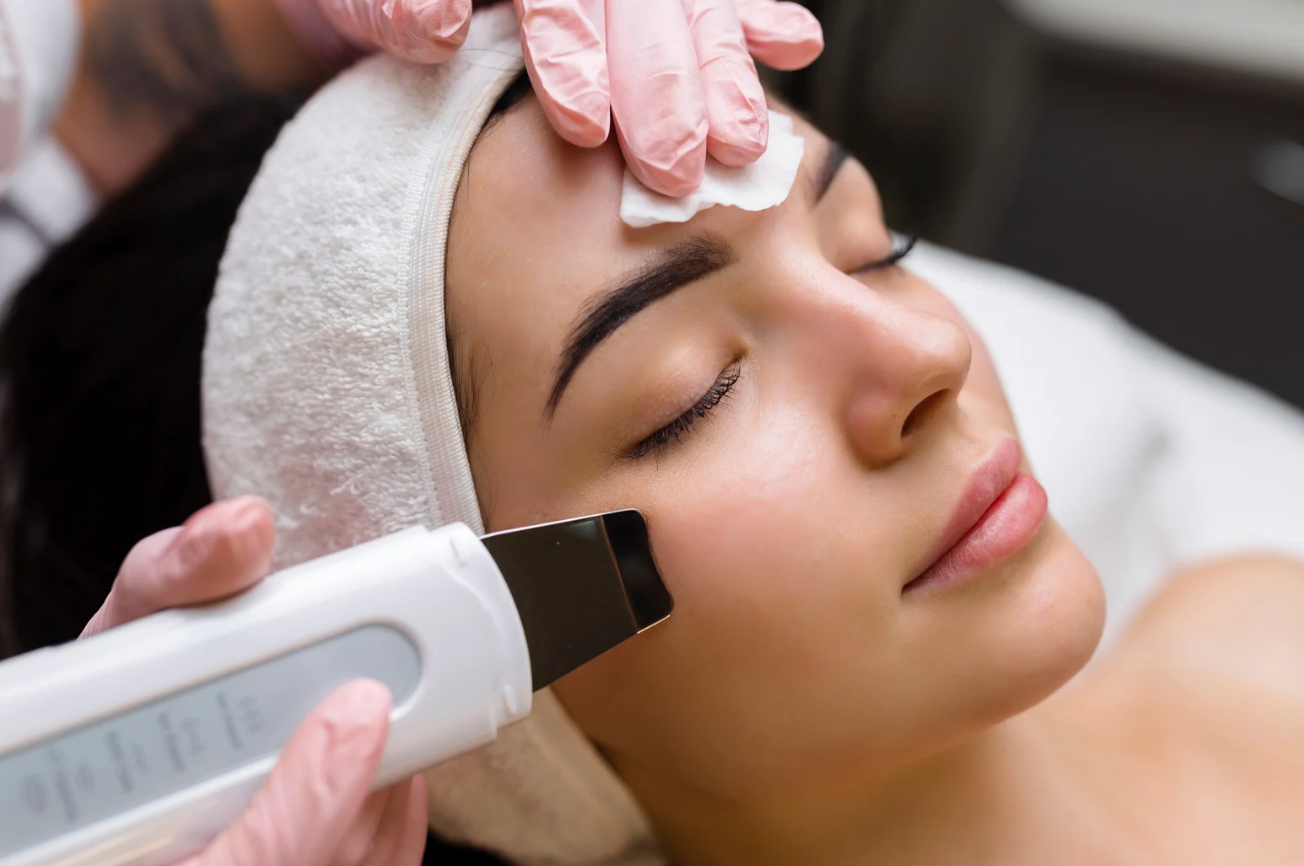
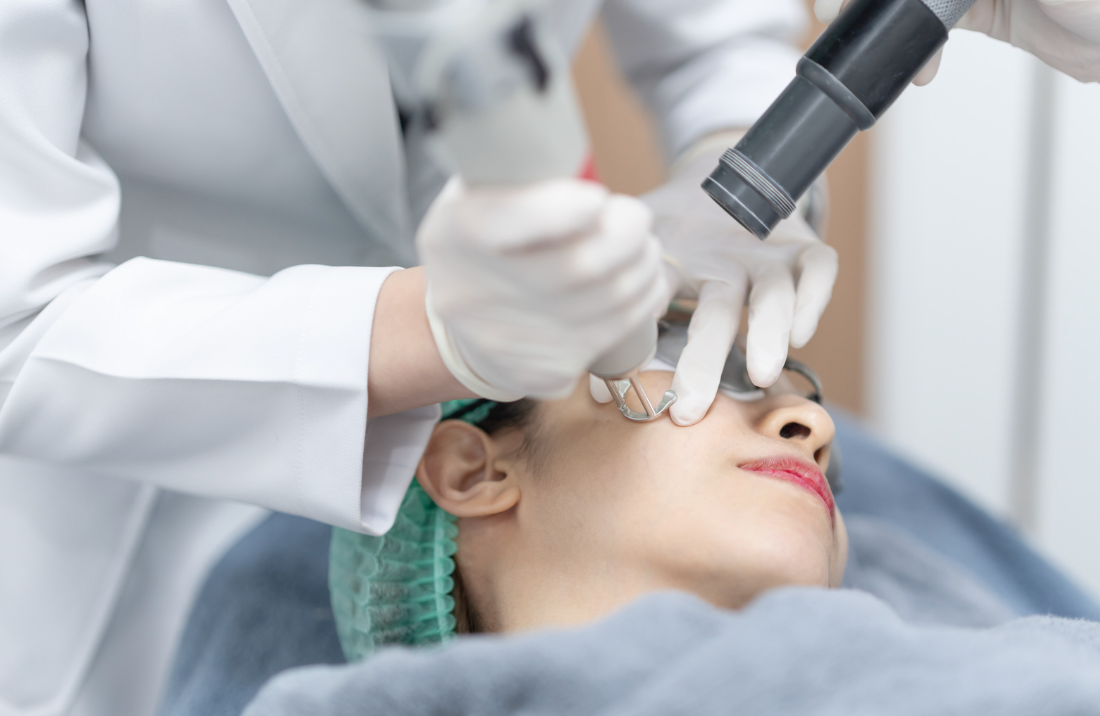
Laser resurfacing is a non-surgical treatment that uses targeted light energy to improve skin tone and texture.


Depending on the type of laser used, the treatment can:

  • Break down excess pigment
  • Stimulate collagen production
  • Accelerate skin cell turnover


Laser resurfacing can improve uneven skin tone by removing the outer layer of skin and encouraging the growth of new, healthier skin.


This process improves the appearance of the skin by promoting new skin growth and stimulating collagen production, replacing damaged, uneven skin with healthier, more evenly pigmented skin.


How Laser Resurfacing Treats Hyperpigmentation

Laser energy is absorbed by pigment in the skin, effectively breaking it up into smaller particles that your body naturally clears away.


At the same time, the treatment:

  • Encourages fresh, new skin cells to surface
  • Improves overall skin clarity and brightness
  • Refines texture and reduces signs of aging


Laser resurfacing can stimulate collagen production, which helps improve skin texture and tone. It can also reduce the appearance of wrinkles and fine lines caused by sun exposure.


Many patients notice not only improvement in pigmentation, but also smoother, more radiant skin overall.


What Types of Pigmentation Can Be Treated?

Laser resurfacing can be highly effective for:

  • Sun spots (age spots)
  • Post-acne marks
  • Uneven skin tone
  • Freckles
  • Deep wrinkles, especially those caused by sun damage (solar elastosis), where UV damage destroys collagen and elastin fibers in the deeper skin layers, resulting in persistent wrinkles that do not disappear when the skin is stretched.


Ablative lasers are highly effective for deep wrinkles and scarring, but require longer recovery times, typically two to four weeks.


Melasma can also be treated, but requires a more customized and gentle approach to avoid worsening pigmentation.


What to Expect During Treatment

Your treatment begins with a personalized consultation to assess your skin type, concerns, and goals.


During the procedure:

  • You may feel a warm or tingling sensation as the laser is applied
  • Most treatments take 20–45 minutes, depending on the area


Recovery & Downtime

Downtime varies depending on the type of laser used.


You may experience:

  • Redness similar to a mild sunburn
  • Dryness or light peeling
  • Temporary sensitivity


Most patients can return to normal activities within a few days to a week.


Proper aftercare is essential and includes:

  • Strict sun protection
  • Gentle skincare
  • Avoiding heat and irritation during healing


When Will You See Results?

Results develop gradually as your skin heals and regenerates.

  • Initial improvement can be seen within 1–2 weeks
  • Continued improvement over several weeks
  • A series of treatments may be recommended for optimal results


With proper skincare and sun protection, results can be long-lasting.


Who Is a Good Candidate?

Laser resurfacing is ideal for patients with:

  • Mild to moderate hyperpigmentation
  • Sun damage or acne marks
  • Uneven skin tone


Treatment plans are always customized, especially for patients with darker skin tones, to ensure both safety and effectiveness.


Are There Any Risks?

When performed by experienced providers, laser resurfacing is very safe. However, potential side effects may include:

  • Temporary redness or swelling
  • Sensitivity during healing
  • Risk of post-inflammatory hyperpigmentation (rare with proper care)


It's important to note that the sun's ultraviolet radiation breaks down the connective tissue — collagen and elastin fibers — that lies in the deeper layer of the skin underneath the surface. This means that both sun damage and certain treatments can affect the skin underneath, not just the visible outer layer.

This is why choosing the right provider and following aftercare instructions closely is so important.


Laser Resurfacing vs. Other Treatments

While treatments like chemical peels and topical products can help, laser resurfacing often provides:

  • Faster, more noticeable results
  • Deeper correction of pigmentation
  • Additional benefits like collagen stimulation


In many cases, lasers are the most effective option for stubborn or long-standing pigmentation.


Why Choose Hazany Dermatology

We take a personalized, results-driven approach to every treatment.


At our clinic, we:

  • Tailor each laser treatment to your unique skin type and concerns
  • Use advanced, medical-grade laser technology
  • Prioritize safety, comfort, and natural-looking results


Ready to Brighten Your Skin?

If you’re struggling with dark spots or uneven skin tone, laser resurfacing may be the solution you’ve been looking for. Schedule a consultation with HazanyDerm today to learn more about your options and create a treatment plan tailored to your skin.
By Staff Member March 21, 2026
Safe & Effective Eyelid Mole Removal: When to Treat, Your Options, and What to Expect
By Staff Member March 12, 2026
Understanding Lipomas and Modern Scar-Minimizing Techniques
By Staff Member February 26, 2026
Retinol, tretinoin, adapalene, retinal, the list goes on...
By Staff Member February 19, 2026
Glow without the downtime... Introducing the LaseMD Ultra!
By Staff Member February 10, 2026
How to Choose the Right Expert for Facial Reconstruction
By Staff Member December 4, 2025
Choosing a Mohs Surgeon: What Qualifications Actually Matter?
By Staff Member May 15, 2025
The World's Leading Mohs Surgeon
By Staff Member March 7, 2025
A Revolutionary Ingredient or Just a Fad?
By Staff Member February 11, 2025
The Skincare Superstar You Need in Your Routine
A heart shaped bowl filled with fruits and vegetables on a table.
By Staff Member January 28, 2025
Nourish Your Skin with What You Eat and Glow from the Inside Out!
A woman is sitting at a desk with a laptop and rubbing her eyes.
By Staff Member September 3, 2024
Why your skin feels the pressure
The word spf is written in white lotion on a person 's back.
By Staff Member July 24, 2024
Not all sun protection is created equal!
A woman is looking at her reflection in a bathroom mirror.
By Staff Member May 22, 2024
Learn More About Rosacea During Pregnancy!
A woman in a white sweater is scratching her elbow.
By Staff Member May 16, 2024
Psoriasis: Beyond the Flare-Ups
A before and after photo of a woman 's face
By Staff Member March 13, 2024
Discover the Benefits of the Red-Carpet Laser
A person is applying lotion to their eczema - prone hands.
By Staff Member February 29, 2024
Eczema: A Stubborn Skin Condition
A close up of a baby 's foot with a hole in it.
By Staff Member February 22, 2024
Learn More About the World of Warts
A woman is pointing at her face with her fingers.
By Staff Member February 9, 2024
Learn More About Non-Surgical Face Lifts!
A woman is combing her hair with a comb.
By Staff Member December 6, 2023
A Comprehensive Guide to Hair Loss: Understanding, Treatments, and Finding the Right Solution for You:
A woman with a towel on her head is looking at her face in a mirror.
By Staff Member October 12, 2023
A Comprehensive Guide to Mohs Micrographic Surgery: Choosing the Right Surgeon and Preparing for Success
A woman is getting a laser treatment on her face.
By Staff Member September 19, 2023
Discover the Magic of Fotona 4D Laser – Let's Dive In!
A woman is holding a bottle of lotion in her hands.
By Staff Member July 12, 2023
With the advancement of acne therapies through extensive research, technology, and pharmacology, the market for acne treatment products has become extremely saturated. This market saturation has made it hard for consumers to identify the best products for their skin. While each patient’s skin is different and requires a unique combination of treatments, there are a couple of widely available over-the-counter (OTC) home remedies that have proven to be effective on a majority of skin types. Dr. Salar Hazany, a board-certified and well-established dermatologic surgeon, recommends exploring some of the following treatments and remedies to see which is the most compatible with your skin. Since every skin type responds differently to treatments, there is no particular ranking of efficacy for the following: #1 Benzoyl Peroxide Benzoyl peroxide is a popular recommendation backed by dermatologists. It is a highly effective ingredient for killing bacteria and clearing the skin of waste and dead skin cells, all of which clog pores and cause acne. It is also a very strong exfoliating agent that works synergistically with other products to treat acne-prone skin. Benzoyl peroxide, however, doesn’t work for all types of acne. Specifically, non-inflammatory acne, including comedones and whiteheads generally do not respond much to benzoyl peroxide’s mechanism of action. Other topicals, such as salicyclic acid (as described below), are better alternatives to benzoyl peroxide. There are many forms of benzoyl peroxide available, including topical gels, foams, and creams. It is important to apply a small amount only on the affected areas, unless otherwise instructed, as this is a strong chemical. Before doing so, however, it is important to test the product on a few spots first to see how your skin reacts. Because benzoyl peroxide is an exfoliant, it can cause extreme dryness and redness on the skin. Patients should adhere to the most minimal dosage recommended, as higher doses are not necessarily going to yield better acne reduction. In addition, benzoyl peroxide is a bleaching agent that can discolor fabrics that come into contact with the treated skin. #2 Salicylic Acid A comparable alternative to benzoyl peroxide is salicylic acid, a topical peel that is especially effective against comedonal acne, such as blackheads and whiteheads. Salicylic acid is a beta hydroxy acid, a more penetrative version of alpha hydroxy acids that goes deep into clogged pores. Beta hydroxy acids are oil-soluble, meaning they can pass through the lipid layer of the stratum corneum, the top layer of the epidermis, to remove dead skin cells and excess oil trapped in the pores of the dermis. Although salicylic acid is an efficacious treatment for comedonal acne, benzoyl peroxide is still more effective for treating acne lesions that are more pustular in nature, due to its unique potent anti-inflammatory and antimicrobial properties. However, it is generally not recommended to use both products at the same time, as this could lead to severe dryness and redness. It is best to apply a sparing amount of each product on different days to avoid these side effects. Benzoyl peroxide and salicylic acid are found in many over-the-counter medications sold at local pharmacies. Benzoyl peroxide and salicylic acid medications come in concentrations of 2.5%, 5%, and 10% and 0.5% to 2% respectively. It is best to speak with your dermatologist to see what concentrations are optimal for treating your particular skin issues. #3 Glycolic Acid Glycolic acid is a type of alpha hydroxy acid that gently exfoliates the skin. Its mild effects make them great treatment options for acne-prone patients who also struggle with sensitive skin. These are plant-derived acids often utilized in anti-aging serums and creams marketed to older patients who want to treat their age/sun spots or just general discoloration of their skin. Because glycolic acid is not as strong as most facial chemical peels, it is quite limited in its application. It can surely prevent acne breakouts by clearing pores and removing impurities on the skin, but it is not potent enough to treat acne scars. At most, it can treat any hyperpigmentation associated with scars but will do little to the actual texture. If you are looking for an even more gentle alternative, lactic acid is also a good exfoliant as well as a hydrator. One downside is that the results will not be as noticeable at such a low strength. However, with multiple sessions, you can expect to see a considerable difference in your skin. #4 Vitamin C Vitamin C serums have also gained tremendous momentum as a skincare oral supplement. While benzoyl peroxide is considered the holy grail of acne treatment, more recent research suggests that Vitamin C serums are a much better alternative for certain skin types. Because Vitamin C is a 100% natural ingredient, it can lead to better results for people with sensitive, easily inflammable, or irritable skin. While benzoyl peroxide is praised for its antiseptic and exfoliating properties, Vitamin C is a potent antioxidant, protecting your skin from oxidative damage from the sun while also boosting collagen production at the same time. Regular Vitamin C supplementation is thus one of the most important habits to develop to prevent not only premature aging of the skin but also skin cancer. #5 Ointments, and Lotions (Hydrocortisone) Hydrocortisone is an FDA-approved drug for inflammatory skin conditions that cause swelling, itching, and irritation of the skin. For patients that are currently experiencing psoriasis, eczema, or other irritable skin conditions, hydrocortisone (1%) OTC medication is a safe, low-dose, topical steroid medication that can provide temporary relief to the symptoms listed above. At the biochemical level, hydrocortisone essentially mimics cortisol, a natural hormone released during periods of high stress. Cortisol plays a major role in the regulation of carbohydrates, fats, and proteins as well as other sympathetic nervous system fight-or-flight responses, including the body’s natural inflammatory response to high-stress situations. Hydrocortisone can act as a hormone replacement to treat other cortisol deficiencies, like adrenal insufficiency and hypopituitarism. In low concentrations, hydrocortisone is an effective measure against dry, rashy, and irritable skin. In addition to hydrocortisone, there are other commonly used topical corticosteroids available for patients to buy OTC, including triamcinolone, fluocinonide, and clobetasol. Before starting these medications, however, it is recommended that you consult a board-certified dermatologist to ensure proper application and dosage of the topicals listed above. Honorable Mentions and Alternatives #1 Tea Tree Oil While there are many conventional methods of treating acne, especially with creams and prescribed medications, essential tea tree oil is a natural remedy that really works! While there are still clinical trials being completed to extensively study the effects of tea tree oil, many researchers have concluded it is an effective antibacterial and anti-inflammatory remedy. In particular, its anti-inflammatory properties are conferred by its primary constituent, terpinene-4-ol, a known suppressor of pro-inflammatory mediators released by a specific kind of white blood cell, called monocytes. These monocytes are naturally activated when bacteria accumulate in clogged pores, resulting in vasodilation and inflammation. When tea tree oil is applied to the affected area, it penetrates deep into the dermis to kill the bacteria and calm the body’s naturally prolonged immune response. #2 Aloe Vera Another common herbal home remedy for skin is aloe vera, a topical gel-like substance derived from plants. Acting as a natural antibacterial and anti-inflammatory agent that can reduce the appearance of acne and prevent acne outbreaks, it is a popular alternative to conventionally prescribed medications. Because aloe vera is derived from a plant, it naturally contains a lot of water and is an ideal moisturizer for people who get dry skin from the usage of other non-compatible acne products. While there are many home mixtures of aloe vera and tea tree oil with other moisturizers, it is important to get a consultation with qualified professionals and see which one might work the best for you. Key Takeaways and Reminders While these remedies are often advertised as easy quick-fixes, it is important to recognize that each individual skin type is different and requires specialized treatments. Here are some recommended tips that should be practiced for all skin types. It is important to practice regular everyday skincare routines, such as washing your face twice a day, applying sunscreen before exposure to sunlight, avoiding touching your face with dirty hands, or following a dermatologist-recommended skin care regimen. In addition, regular exfoliation is helpful to not only improve skin tone but also reduce the appearance of dark spots, scars, and other irregularities over time. Regular exfoliation will also help in removing dead skin follicles, bacteria, and oil. There are many facial wash options on the market, so make sure to do your research before committing to a purchase. Before taking any medications, over-the-counter drugs, supplements, or herbs, consult a physician for a thorough evaluation. We do not endorse any medications, vitamins, or herbs. A qualified physician should make a decision based on each person’s medical history and current prescriptions. The medication summaries provided do not include all of the information important for patient use and should not be used as a substitute. Remember that although acne is a persistent and stubborn problem for many patients, we truly believe that every case of acne can be cured. Schedule your consultation today to achieve your desired skin results and let our team help you!

A woman with red hair is wearing a face mask.
By Staff Member June 7, 2023
Maskne is Mask Induced Acne. Read about the science behind Maskne and how to treat it here.
A tray of surgical instruments including scissors and a syringe
By Staff Member April 19, 2023
Insights about recovery and scar management
A doctor is talking to a patient while holding a clipboard and a pen.
By Staff Member April 6, 2023
Superficial Radiation Therapy (SRT) or Mohs Micrographic Surgery (MMS)?
A person is examining a woman 's arm with a magnifying glass
By Staff Member February 23, 2023
Prevention, Detection, and Treatment
An elderly couple is sitting at a table giving a thumbs up.
By Staff Member January 13, 2023
World-Renowned Mohs Micrographic Surgeon