%201.svg)
%201.svg)







Pigment Laser vs. Redness Laser Treatments: Vbeam, Excel V, and Derma V Explained



Redness and pigmentation require different laser technologies — vascular lasers like Vbeam, Excel V, and Derma V target blood vessels causing redness and rosacea, while pigment lasers like Starwalker address brown spots and sun damage. Many patients benefit from a combination approach since most skin concerns involve both. Dr. Hazany takes a device-agnostic approach, matching the right laser to each patient's specific skin concerns rather than relying on a single device.
Vbeam vs. Excel V vs. Derma V: Choosing the best laser for redness, rosacea, and pigmentation
If you’re researching lasers for redness, rosacea, broken capillaries, or pigmentation, you’ve probably come across names like Vbeam, Excel V, and Derma V. While they’re often grouped together, these technologies are designed to treat different skin concerns—and choosing the right one can make a big difference in your results.
At our clinic, we take a custom, device-agnostic approach: matching the right laser to your skin, not the other way around.
Quick Answer: Which Laser Do You Need?
- Redness / vascular (rosacea, broken capillaries): best treated with vascular lasers like Vbeam, KTP, Excel V, or Derma V
- Pigmentation (sun spots, melasma, discoloration): best treated with pigment-focused lasers like Starwalker
- Mixed concerns: often require a combination of both
Introduction to Laser Therapy
Laser therapy has revolutionized dermatology by offering a non-invasive, highly targeted solution for a variety of skin concerns. Using a laser beam that produces a very narrow beam of light energy, this treatment can precisely address pigmented lesions, vascular lesions, and even acne. The laser produces high-intensity light that travels long distances without dispersing, allowing dermatologists to treat specific areas of the skin with remarkable accuracy. This precision not only enhances the effectiveness of the treatment but also supports optimal skin health by minimizing damage to surrounding tissue. Whether you’re dealing with stubborn pigmentation, visible blood vessels, or acne, laser therapy provides a versatile and effective option for improving your skin’s appearance and health.
Understanding the Difference: Pigment vs. Redness
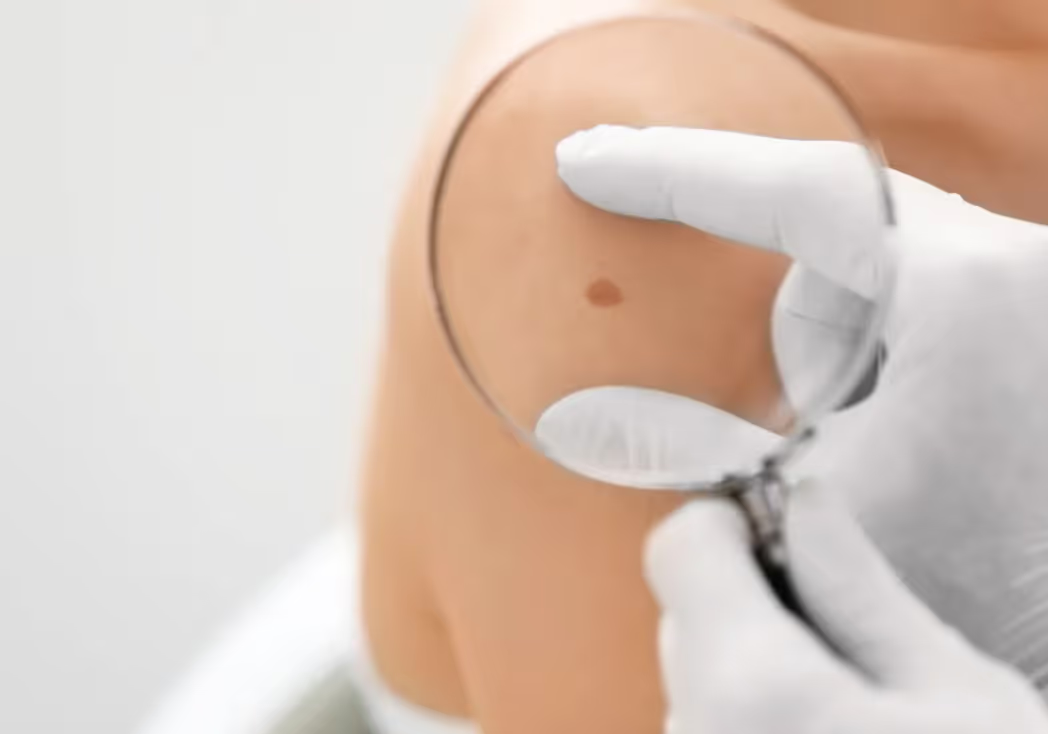
Pigment (Brown Spots, Sun Damage)
Pigment-based issues are caused by excess melanin. These appear as:
- Sun spots (lentigines)
- Freckles
- Post-inflammatory hyperpigmentation
These respond best to lasers that target melanin, like the Starwalker laser, which we already use in-clinic.
Redness (Vascular Conditions)
Redness is caused by blood vessels, not pigment. Common concerns include:
- Rosacea
- Broken capillaries
- Facial flushing
- Post-acne redness
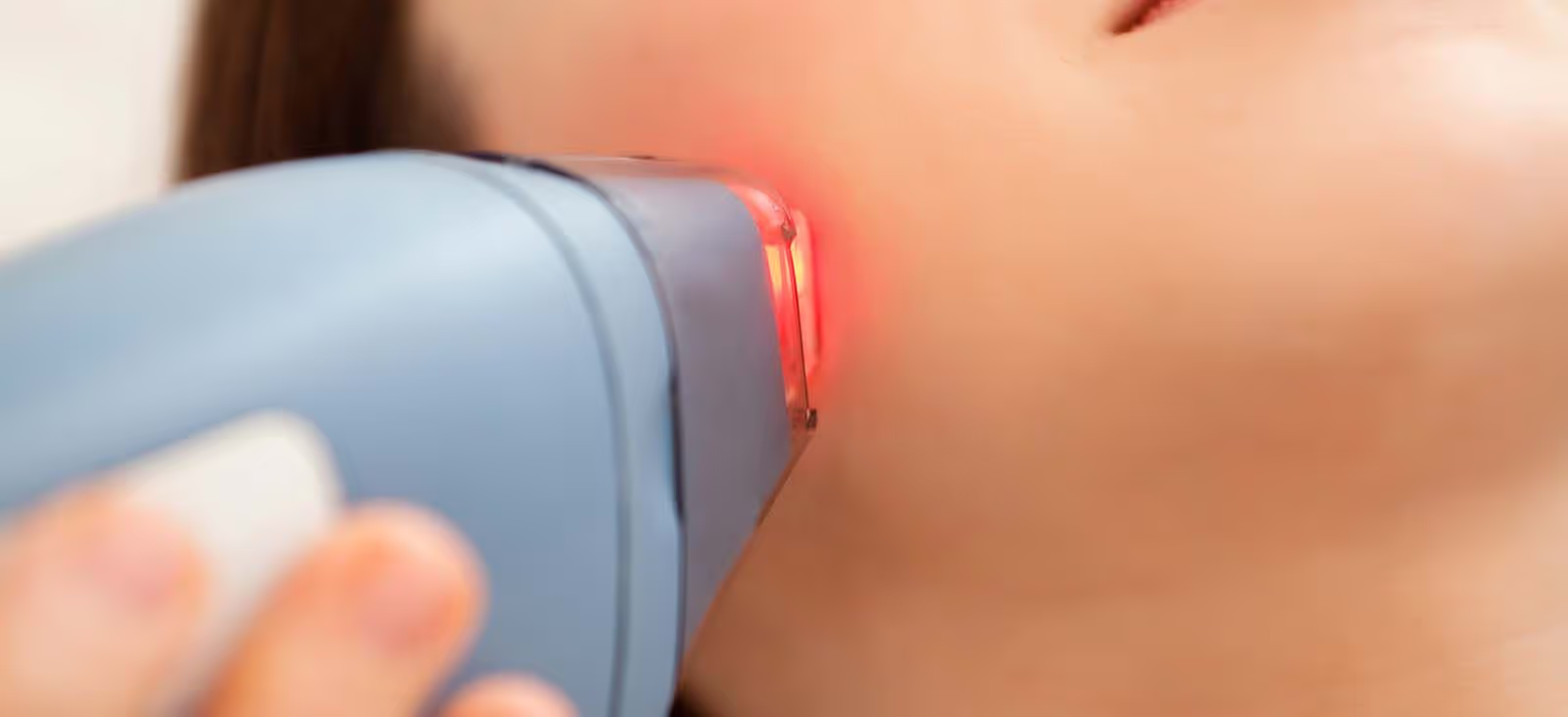
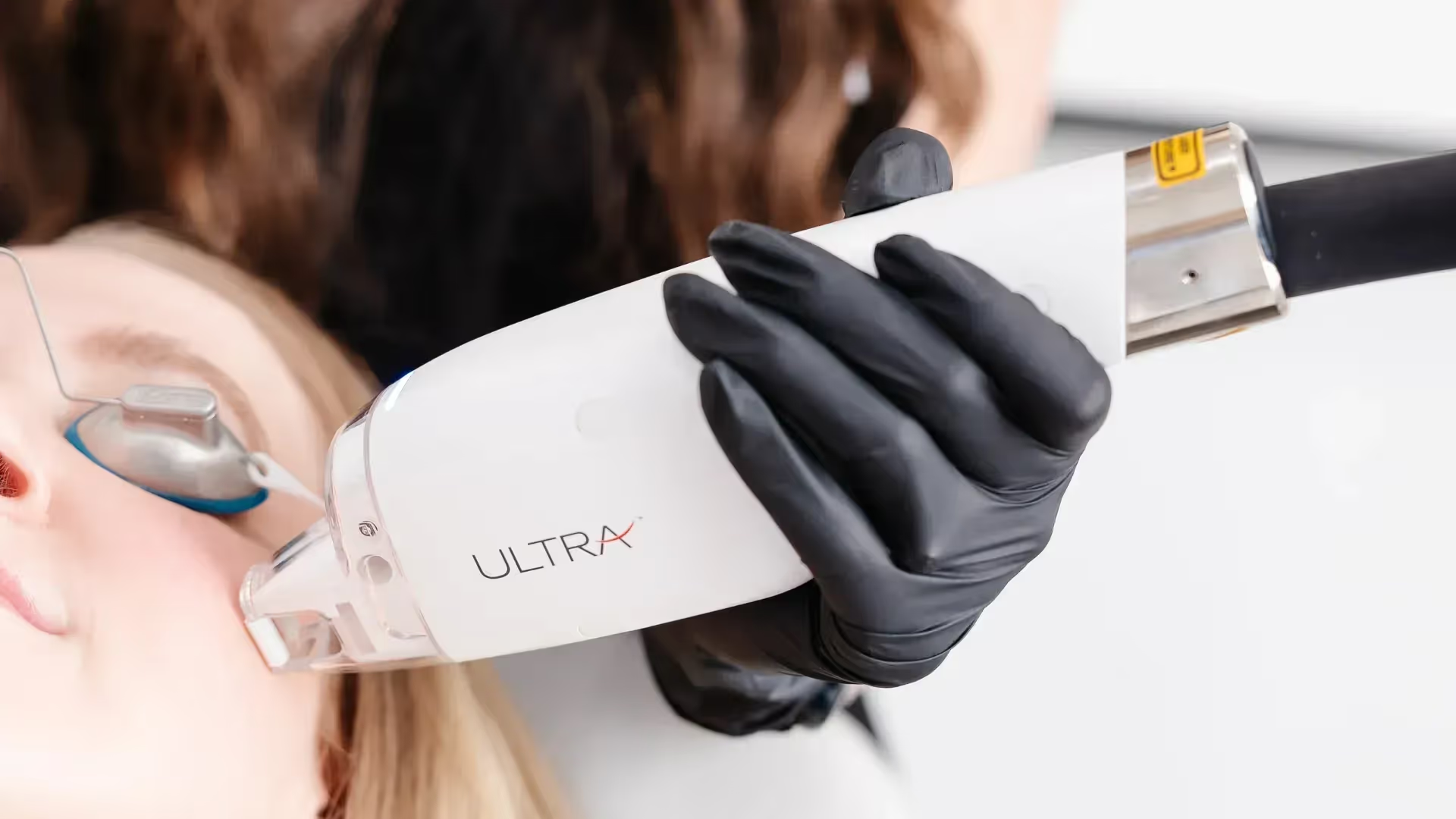
Pulsed dye lasers (PDL), which operate at wavelengths such as 595 nm, are recognized for their effectiveness in treating vascular lesions and pigmented lesions with minimal side effects. Lasers and Intense Pulsed Light (IPL) machines can also effectively target and treat various skin conditions, including redness and blood vessels, with minimal side effects.
These require lasers that specifically target hemoglobin (blood vessels).
The 3 Main Redness Lasers Compared
1. Vbeam (PDL)
The most recognized vascular laser and often what patients search for first.
Best for:
- Rosacea
- Diffuse redness
- Sensitive skin
Pros:
- Long track record and strong clinical data
- Effective for widespread redness
Limitations:
- Can cause temporary bruising (purpura)
- May require multiple sessions
2. Excel V
A versatile vascular system that combines multiple wavelengths.
Best for:
- Targeted vessels
- Combination redness + pigment
- Benign pigmented lesions and benign cutaneous lesions, including seborrheic keratoses
Pros:
- More precision for individual vessels
- Less downtime in many cases
- Effective for treating benign pigmented lesions and benign cutaneous lesions, such as seborrheic keratoses
- Uses different wavelengths to target various skin concerns
3. Derma V
A newer-generation vascular laser designed specifically for redness and vascular discoloration.
Best for:
- Persistent redness
- Diffuse vascular conditions
- Patients wanting minimal downtime
Why it stands out:
- Designed to deliver more uniform results across larger areas, making it efficient for treating extensive regions of skin
- Suitable for treating venous anomalies and venous lake, as well as other vascular lesions
- Utilizes high energy and high power for effective and precise treatment outcomes
- Often more comfortable treatments
- Increasingly popular among advanced dermatology practices
This is the technology we are likely adding to our clinic in the coming months.
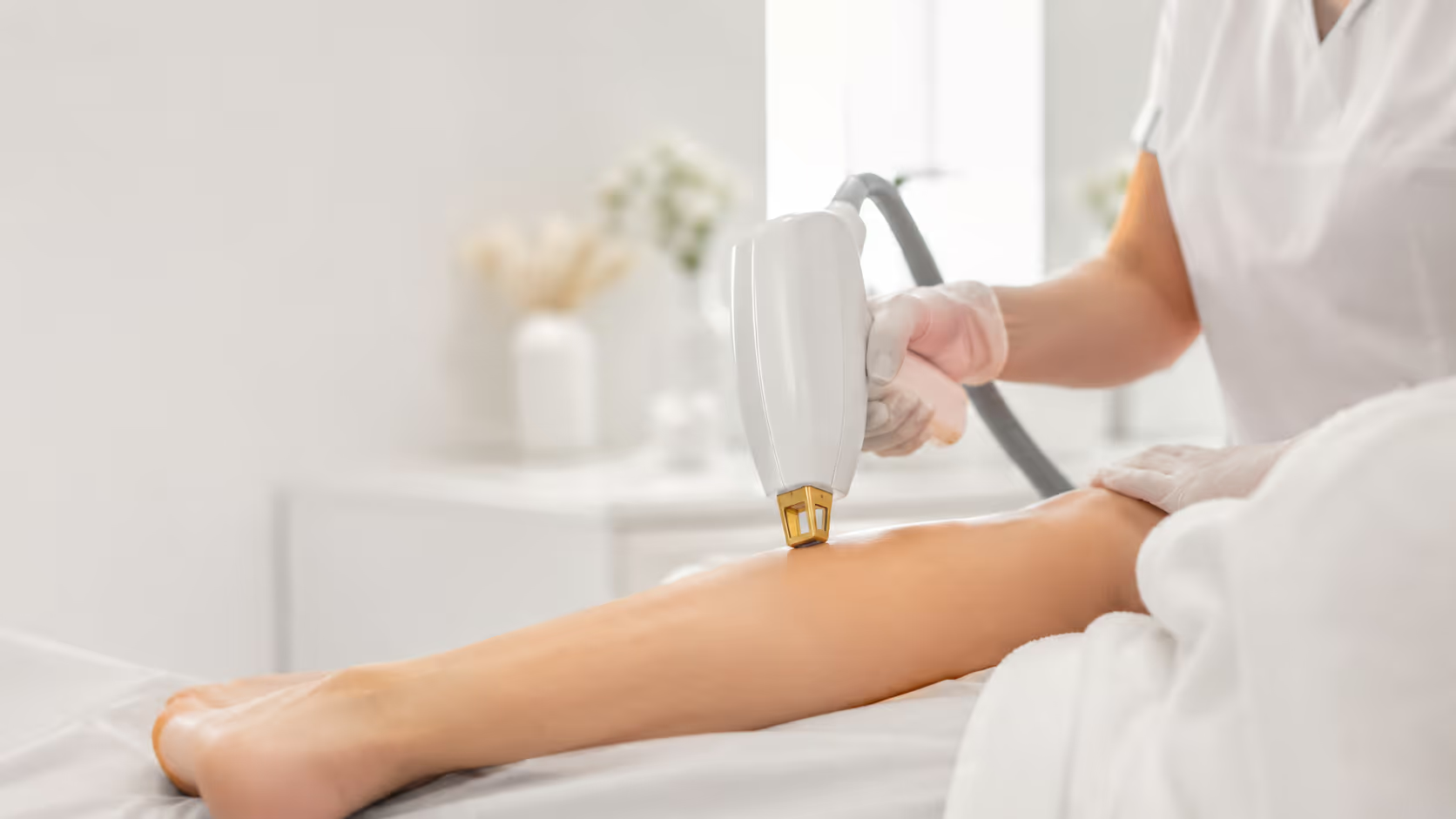
Targeting Specific Skin Conditions: Leg Veins
Laser therapy is a proven method for treating leg veins, including both spider veins and larger varicose veins. During treatment, the laser heats the targeted blood vessels, causing them to collapse and gradually fade from view. This approach is especially effective for patients with fair skin and can address leg veins of varying sizes. In addition to leg veins, laser therapy is also used to treat other vascular lesions such as port wine stains, rosacea, and telangiectasia. By focusing on the affected blood vessels, the laser improves the appearance of the treated skin, resulting in healthier-looking skin and a noticeable reduction in visible veins. Patients often see a significant improvement in the appearance of spider veins and other vascular concerns after just a few sessions.
Do You Need Vbeam—or Something Else?
Many patients search specifically for “Vbeam,” but the truth is:
The best results come from the right technique, not just the brand name.
An experienced clinician can achieve excellent outcomes using:
- Vbeam for diffuse redness
- KTP laser (532 nm) for precise vessel targeting
- Combination treatments for complex cases
At our clinic, we use both vascular lasers and pigment lasers to fully address your skin concerns—rather than relying on a single device.
Why Combination Treatment Often Works Best
Most patients don’t have just one issue.
For example:
- Red acne scars = redness + pigment
- Sun-damaged skin = brown spots + broken vessels
That’s why we often combine:
- Vascular lasers (Vbeam / KTP / Derma V)
- Pigment lasers (Starwalker)
This layered approach leads to:
- More complete results
- Better skin tone overall
- Fewer total sessions long-term
Benefits and Risks of Laser Treatments
Laser treatments offer a range of benefits for patients seeking to improve their skin. With minimal downtime and a low risk of scarring, laser therapy is a popular choice for addressing redness, pigmentation, and other skin concerns. Most patients experience only mild redness or swelling after treatment, which typically resolves quickly. However, as with any dermatology procedure, there are potential risks, including temporary changes in skin pigmentation and, in rare cases, mild scarring. Choosing a skilled practitioner with expertise in laser dermatology is essential to minimize these risks. Following all pre- and post-treatment instructions will help ensure the safest experience and the best possible results for your skin.
Pre-Treatment Preparation
Proper preparation is key to a successful laser treatment. Patients should avoid sun exposure in the weeks leading up to their appointment and use a high-SPF sunscreen to protect their skin. It’s also important to discuss your full medical history with your provider, as certain conditions or medications may increase the risk of side effects from laser therapy. Patients with specific medical histories, such as porphyria or epilepsy, may require special precautions or may not be suitable candidates for laser treatment. By evaluating your skin type and medical background, your practitioner can tailor the treatment to your needs, reducing risk and maximizing results.
What to Expect from Treatment
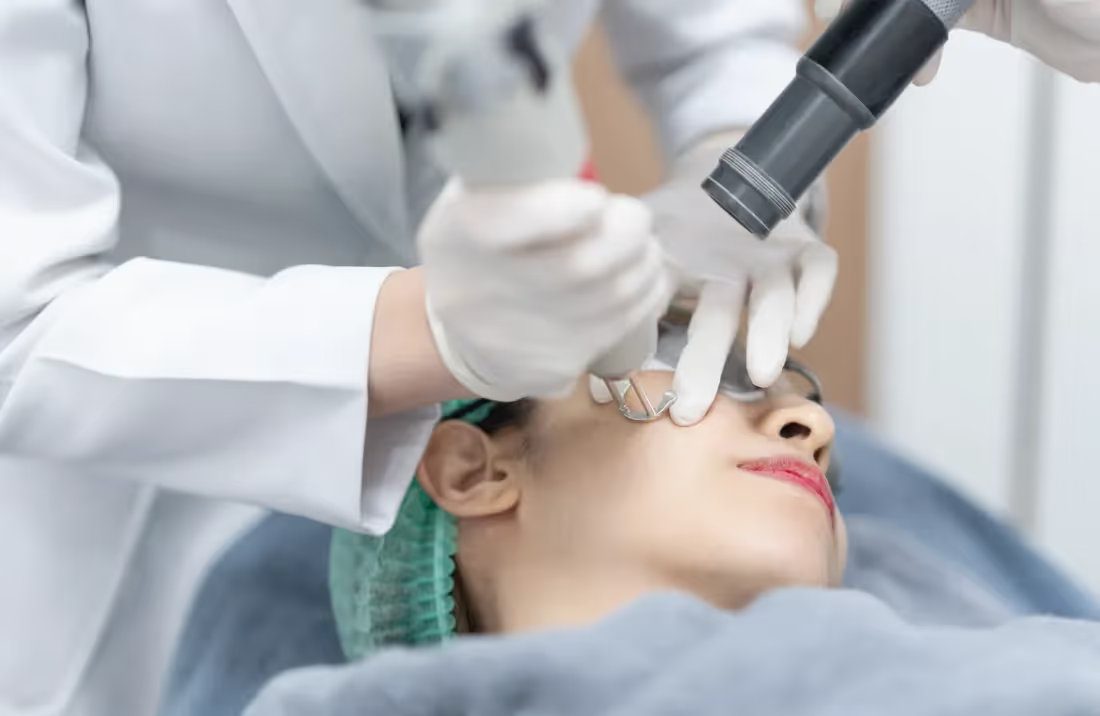
- Sessions typically take 15–45 minutes
- Mild redness or swelling afterward is normal
- Multiple sessions are usually needed for best results
- Minimal downtime for most patients
Post-Treatment Care
After your laser treatment, caring for your skin is crucial for optimal healing and results. Patients should stick to a gentle skincare routine, avoiding harsh products and limiting sun exposure to protect the treated skin. Mild redness and swelling are common but usually subside within a few days, allowing most patients to resume normal activities right away. Following your practitioner’s post-treatment instructions will help minimize risk and support healthier-looking skin. With proper aftercare, laser therapy can effectively reduce the appearance of acne scars, age spots, and vascular lesions, leaving your skin clearer and more radiant.
Final Thoughts
When it comes to treating redness and pigmentation, there is no one-size-fits-all laser. The key is choosing the right technology—and the right provider.
If you’re considering Vbeam or exploring other options, we’re here to guide you toward the most effective treatment for your skin.
Book a consultation with Hazany Dermatology to get started.
Frequently Asked Questions
Is Vbeam the best laser for redness?
Vbeam is one of the most established lasers for redness, but newer technologies like Derma V and combination approaches can provide equally strong—or sometimes better—results depending on your skin.
What laser is best for rosacea?
Vascular lasers such as Vbeam, Excel V, Derma V, and KTP are all effective. The best choice depends on the severity and type of redness.
Can one laser treat both redness and pigment?
Some lasers can address both, but optimal results usually require separate technologies targeting each issue specifically.
How many sessions do I need?
Most patients need 3 or more sessions, depending on the condition and severity.
What’s the difference between redness and pigmentation?
Redness comes from blood vessels, while pigmentation comes from melanin. They require different laser technologies.
Does laser treatment hurt?
Most patients describe it as mild discomfort. Cooling systems help keep treatments comfortable.
Is there downtime?
Downtime is minimal. Some lasers (like Vbeam) may cause temporary bruising in certain settings.
Are results permanent?
Results are long-lasting, but maintenance may be needed—especially for conditions like rosacea.
Which laser is best for me?
The best laser depends on your skin type, concern, and goals. A consultation allows us to create a personalized treatment plan.