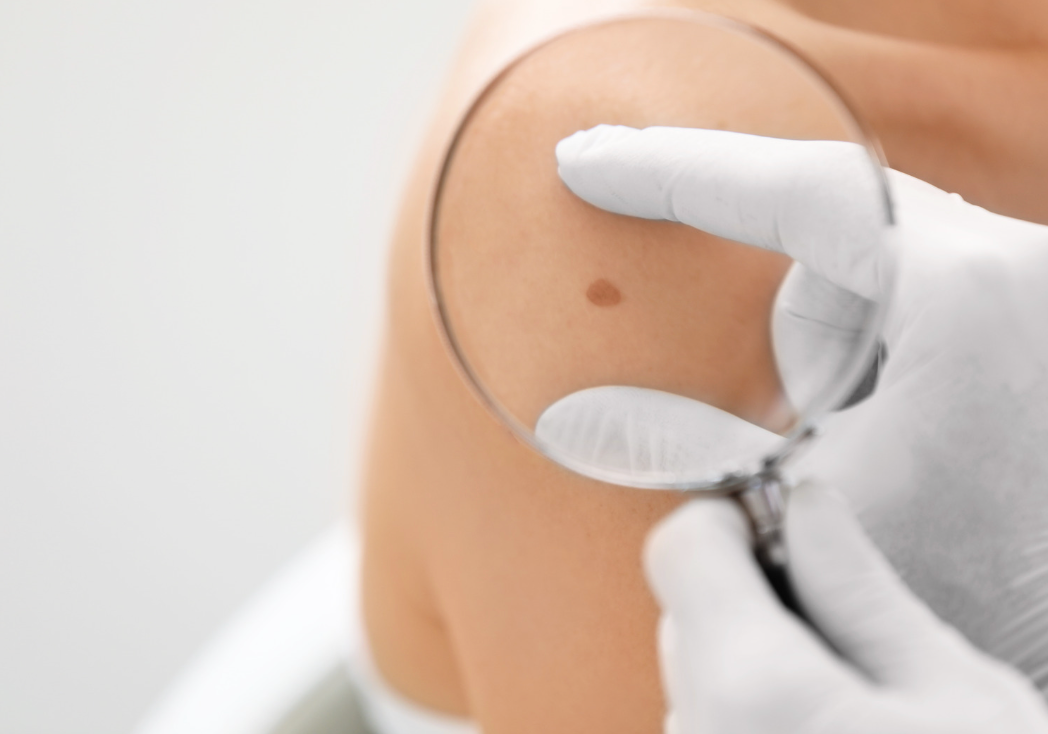
Scarless Lipoma Removal
Understanding Lipomas and Modern Scar-Minimizing Techniques
What are Lipomas?
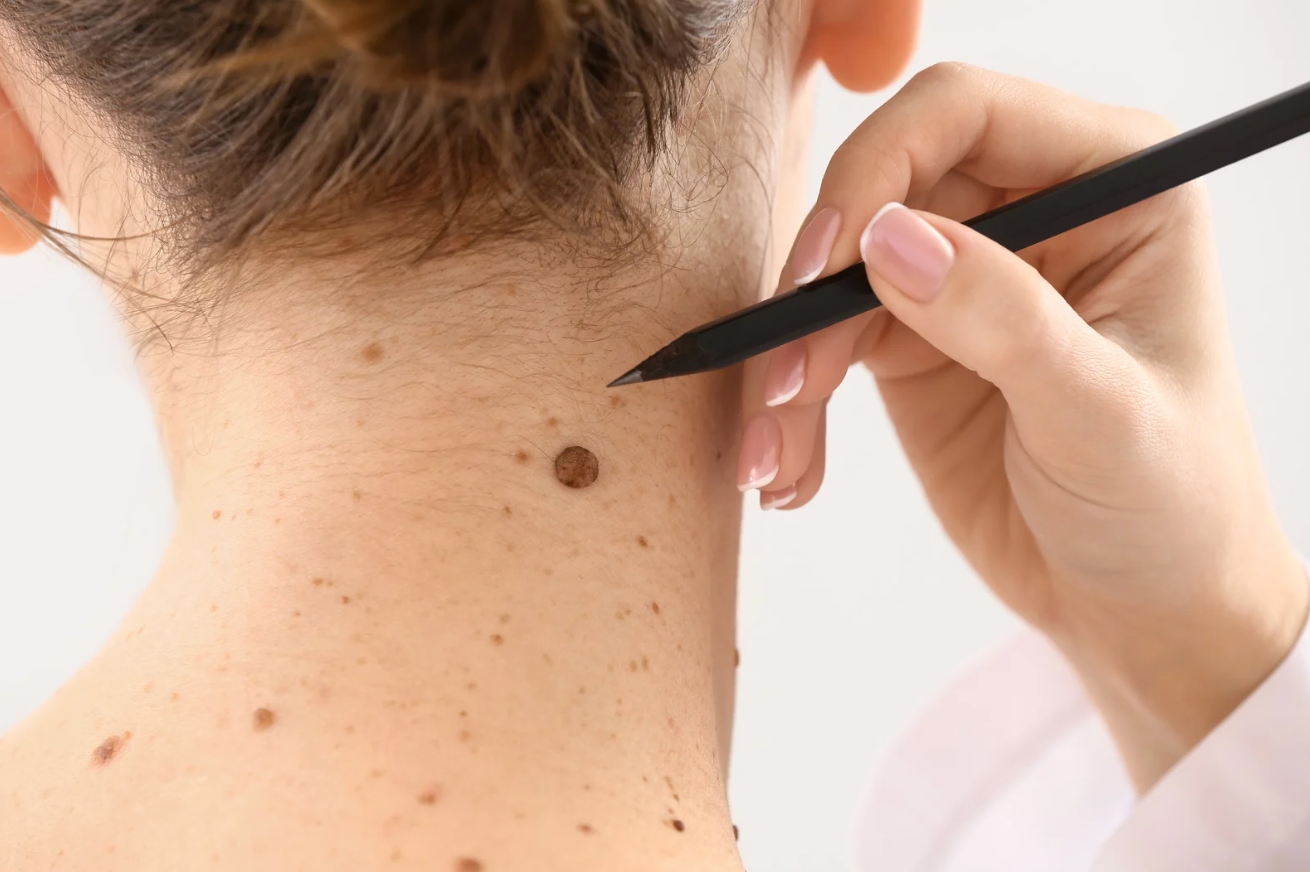
Lipomas are large, noncancerous tumors that develop underneath the skin as a result of excessive growth of fat cells. This condition is very common and typically causes minimal disturbance to one's lifestyle. Although the exact causes of these growths are not known, most cases show a genetic or hereditary predisposition to this skin condition. Additionally, some link a higher tendency to formation of lipomas after physical trauma to the area or presence of a correlated condition such as Madelung's disease. These growths are usually round in shape, soft to the touch, and most lipomas are commonly located on the neck, shoulder, back, torso, thighs and arms. Most are usually harmless and not painful; however, lesions that continue to grow or change may begin to pose physical or aesthetic concerns that solicit removal.
Identifying Lipomas
Treatment of lipomas begin with a diagnosis. Lipomas are most commonly found to be about two inches, but size may vary. These fatty tumors are typically very soft and malleable, showing no discomfort to the touch, and are very slow growing. Diagnosis of a lipoma may be guided by the physical examination and the results of a magnetic resonance imaging (MRI) or computed tomography (CT) scan. Ultimately, an affirmative diagnosis can only be determined by a performed biopsy of a tissue sample to confirm that it is benign. Although typically harmless, proper diagnosis with a medical professional is highly advised to rule out rare cases of more dangerous conditions.
There are several types of lipomas including:
Conventional Lipoma
The most common form, composed entirely of mature fat cells, grow slowly, and are typically painless. These commonly occur on the neck, shoulders, back, arms, and thighs.
Fibrolipoma
Fibrolipomas contain fatty tissue and fibrous connective tissue that feel slightly more dense.
Angiolipoma
Angiolipomas contain fatty tissue along with small blood vessels. This type may feel some tenderness or discomfort upon touch.
Spindle Cell Lipoma
Spindle cell lipomas contain spindle cells and fat cells and most commonly observed on the neck, shoulders, or upper back.
Pleomorphic Lipoma
These are a more rare type that contain irregular or variable-shaped cells in addition to fat cells.
Intramuscular Lipoma
Intramuscular lipomas develop deeper in the body, growing within muscle tissue, causing them to feel less mobile and can sometimes grow larger before being detected.
Hibernoma
A hibernoma is a tumor that forms from brown fat are more commonly found in the thighs, shoulders, neck, or back.
Myolipoma
Myolipomas are rare tumors composed of both fat tissue and smooth muscle cells. These tumors often develop deeper in the body.
Lipoma Treatment
Often times, removal of lipomas aren't necessary if this is minimal disturbance and discomfort, but removal of these growths are possible, and there are several methods commonly applied:
Injections
In some cases of lipomas very small in size, injections provide a non-surgical method to reduce the size and appearance of the growth.
- Pros: Injections may provide a less invasive treatment, ideal for those with more than one lipoma or smaller growths.
- Cons: Injections alone may be able to shrink the lipoma, but are usually insufficient to fully address the tumor, especially for cases of larger lipomas.
Surgical Removal
An incision is made, directly over the center of the lipoma. The entirety of the lipoma is removed, and the opening is closed in a linear shape with sutures.
- Pros: The surgeon has a full view of the area, and there is a higher chance of removing the lipoma in one piece.
- Cons: A linear scar is left over the center of the lipoma site, posing aesthetic concern for highly visible areas.
A hidden excision: Scarless Lipoma Removal
Considering that lipoma treatment is not always always necessary, the risk of excessive scarring is a common concern with traditional methods of removal. A newer technique is now available - a Minimal Incision Extraction (MIE).
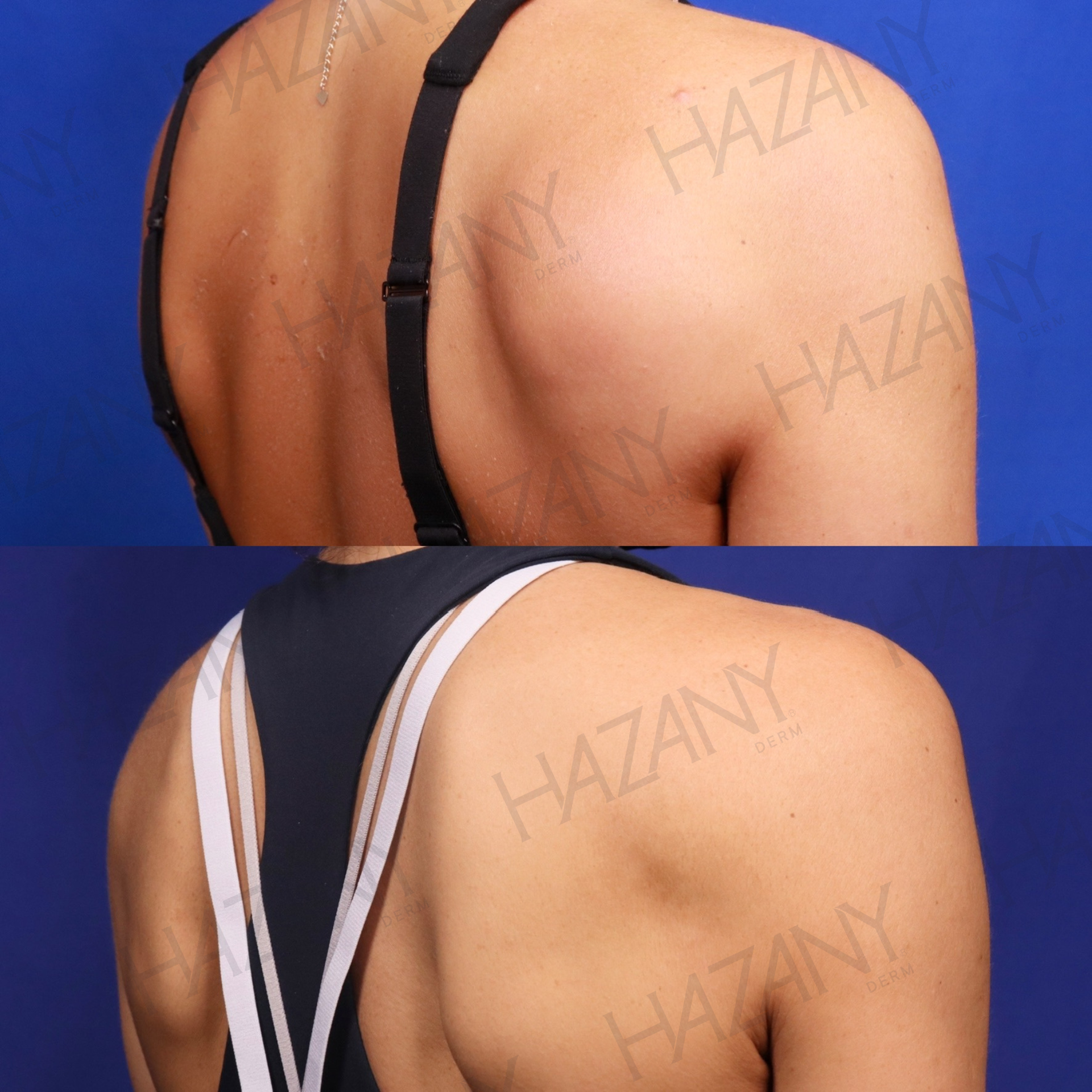
Contrary to the traditional method of surgical excision, a hidden excision lipoma excision considers aesthetic concerns by creating a very small incision in a more discreet area. Depending on the location of the lipoma, the entry point can be made in areas that can be more easily hidden in a fold or crease. For example, a lipoma located on the shoulder or truck may be accessible by a small entry point near the axilla. Because the incision is not placed directly on top of the lipoma, the visible area where the lump once existed will not have a scar.
Local anesthesia is administered to the excision site to numb the area, and a small incision is made in a hidden location. A blunt tool is used to create a small tunnel underneath the skin's surface to access the lipoma and loosen the fibrous tissue from surrounding tissue, all while avoiding damage to the many blood vessels in the area. For larger lipomas, assistance with liposuction via a thin tube or needle may be utilized through the same entry point.
Complete removal of the fatty tumor can be ensured with a physical examination before closure with a few sutures. The average duration for the entire of the procedure is around 1 hour, and depending on the area of excision, normal activity can be resumed in the few days or weeks after surgery.
Pros
- Improved cosmetic results for visible locations
- Discreet procedure and healing
- Reduced mental impact from the scar size
Cons
- Scars may be reduced in size but not entirely hidden based on the location of the lipoma
- Tumors residing in deeper tissues may require traditional excision
Lipoma Removal with HazanyDerm
Lipoma removal doesn’t have to mean accepting a visible scar. Dr. Salar Hazany understands the psychological impacts of scars, especially in sensitive or highly visible locations. New advances in surgical technique now allow providers to remove many lipomas through strategically placed incisions, that are effective in allowing for complete extraction of the lipoma while prioritizing preservation of the natural appearance of the skin.
If you have a lipoma that bothers you, a consultation with an experienced provider can help determine whether scar-minimizing removal techniques may be right for you.