









What Is a Skin Analysis?



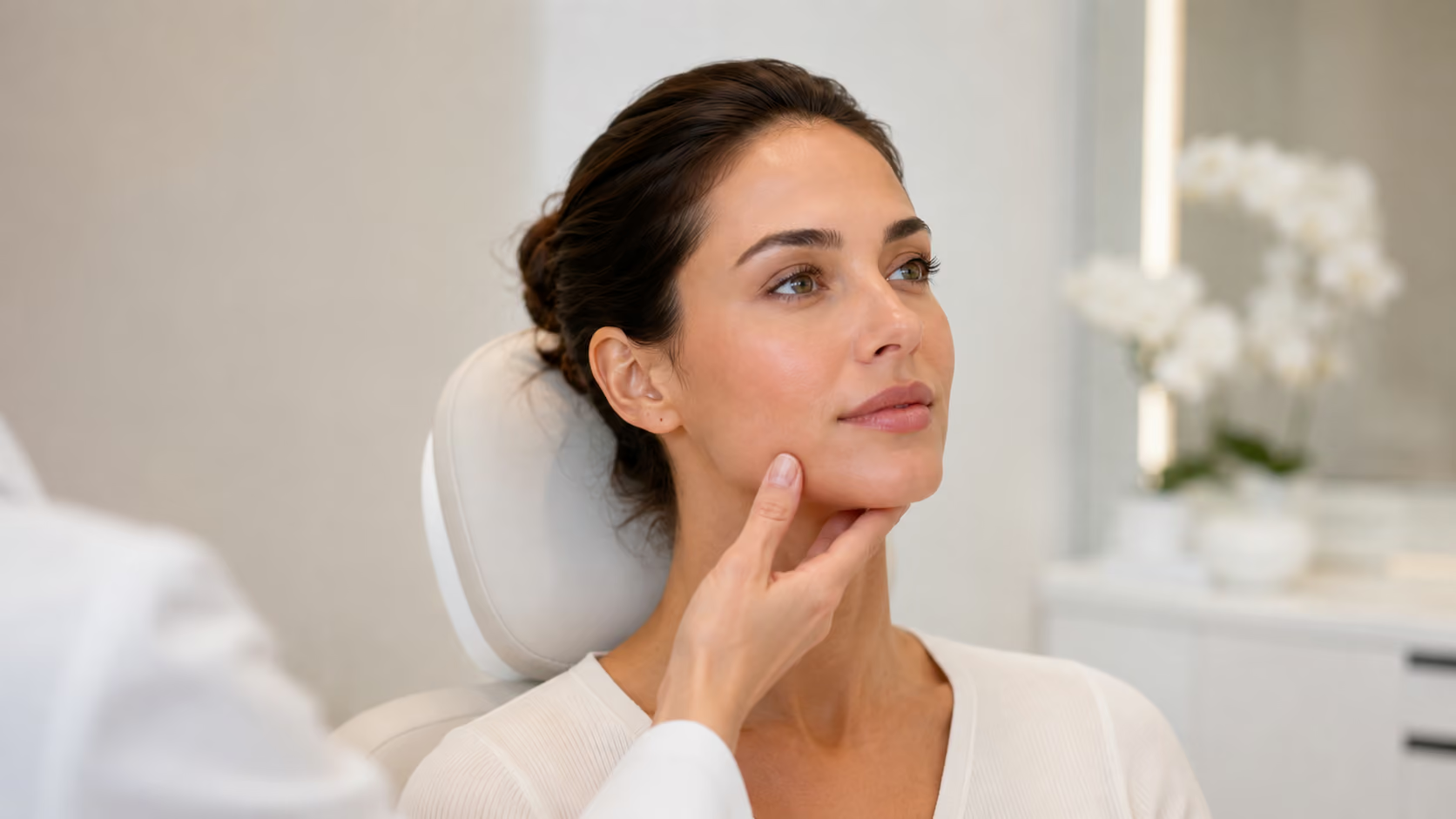
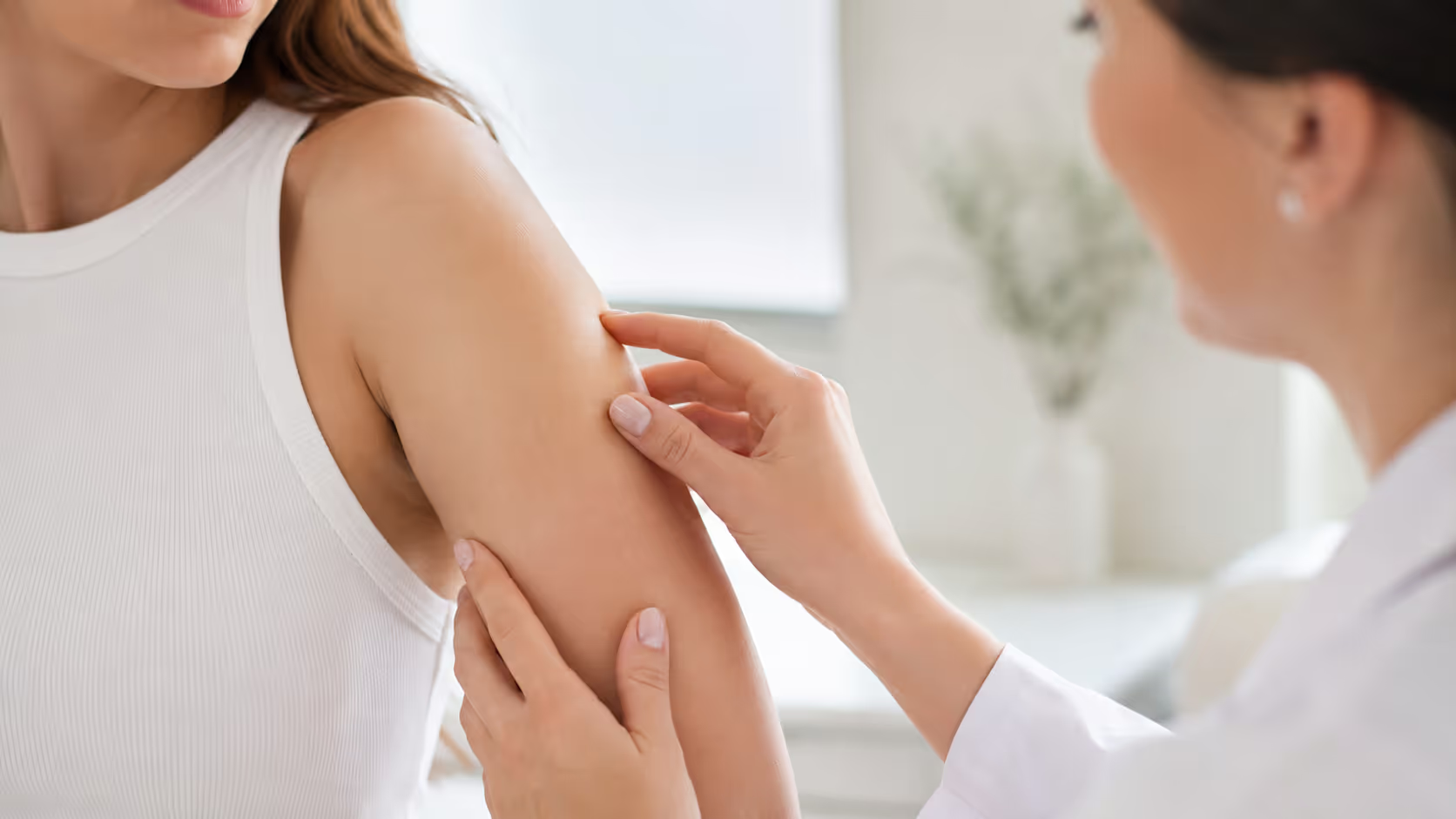
A skin analysis is a comprehensive evaluation that examines your skin's condition, texture, hydration levels, and underlying concerns. At Hazany Derm, this detailed assessment helps create personalized treatment plans for optimal skin health and appearance.
Understanding your skin's unique characteristics and needs is the foundation of effective skincare and dermatological treatment. A professional skin analysis provides valuable insights that go far beyond what you can observe in your bathroom mirror. This comprehensive evaluation serves as the roadmap for achieving your skin health goals and addressing specific concerns with precision and expertise.
Modern dermatology has evolved to embrace personalized approaches to skin care, recognizing that no two individuals have identical skin profiles. A thorough skin analysis takes into account numerous factors including genetics, lifestyle, environmental exposure, and aging processes. This detailed assessment allows dermatologists to identify both visible and hidden skin issues that may not yet be apparent to the naked eye.
At Hazany Derm, skin analysis represents the cornerstone of patient care, ensuring that every treatment recommendation is tailored to individual needs and goals. Rather than adopting a one-size-fits-all approach, this comprehensive evaluation enables the development of targeted strategies that deliver optimal results. The process combines advanced technology with clinical expertise to provide patients with a clear understanding of their skin's current state and future potential.
The Components of Professional Skin Analysis
Professional skin analysis encompasses multiple dimensions of skin health, examining both surface conditions and deeper structural elements. Advanced diagnostic tools allow dermatologists to visualize skin layers that remain invisible during standard visual examination. This multi-layered approach provides comprehensive insights into skin function, damage patterns, and treatment opportunities. The analysis process typically involves both technological assessment and clinical evaluation to ensure accuracy and completeness.
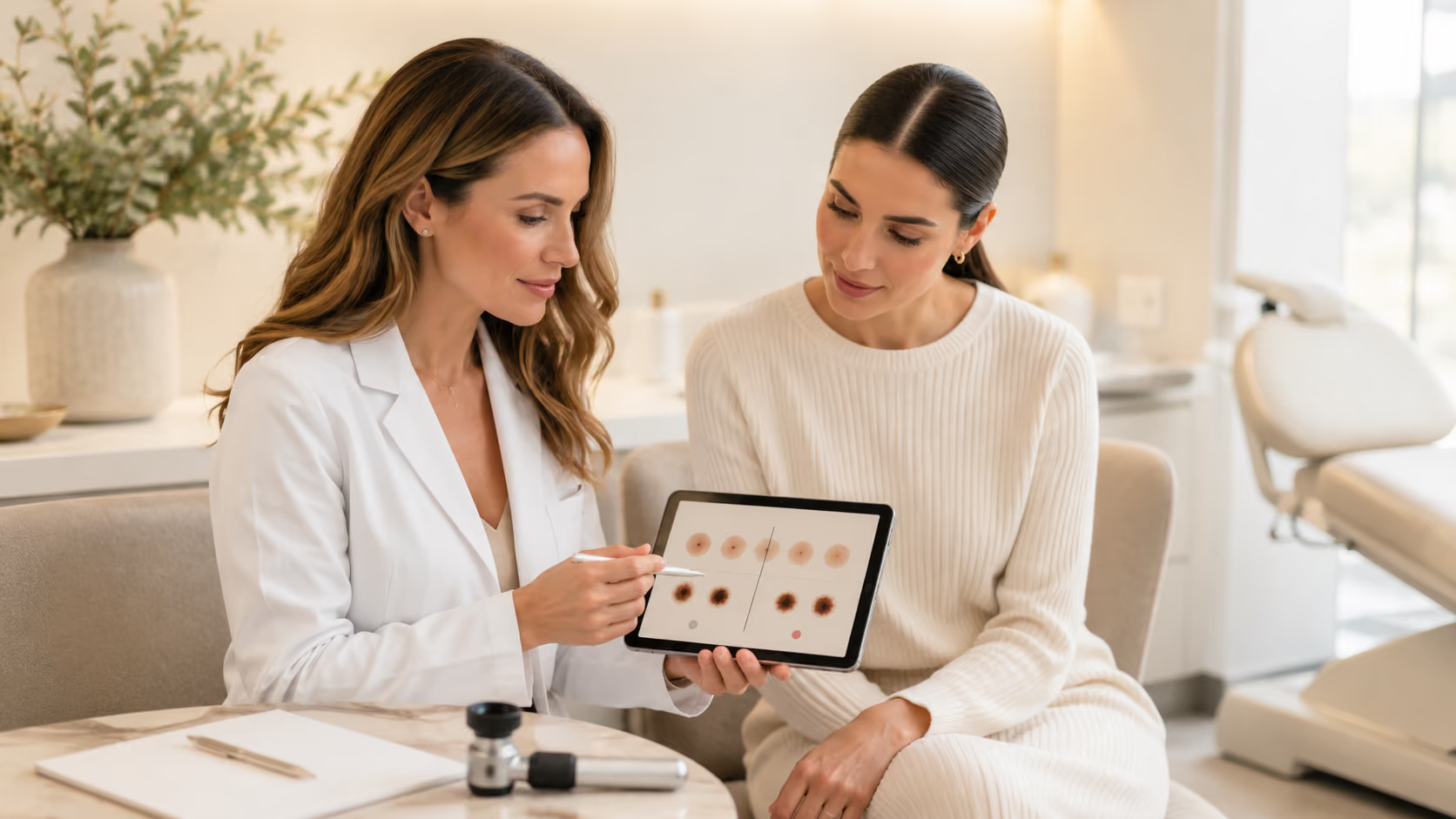
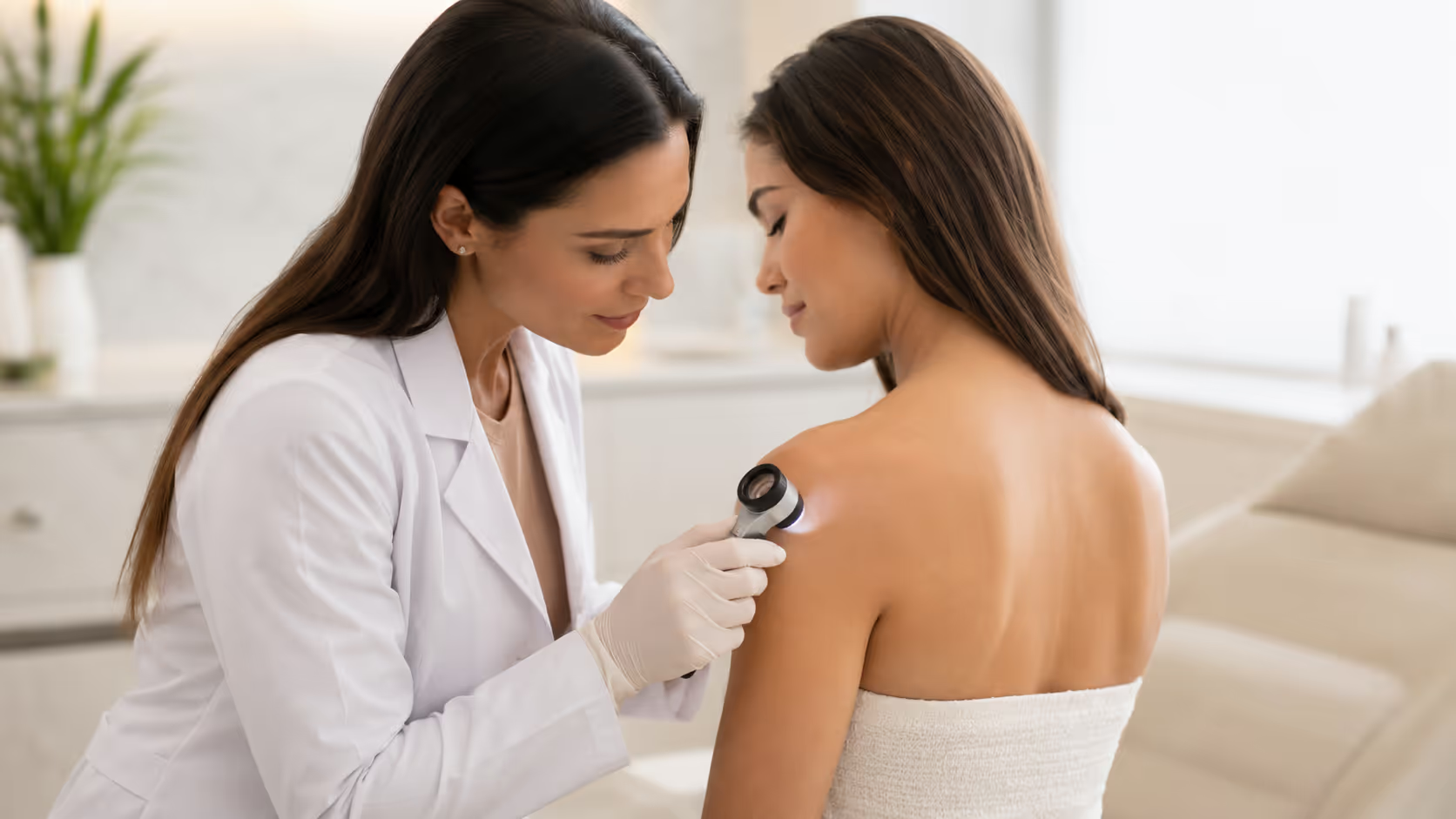
Modern skin analysis technology has revolutionized the way dermatologists assess and treat various skin conditions. Digital imaging systems can capture high-resolution images that reveal subtle changes in pigmentation, texture, and vascular patterns. These sophisticated tools enable practitioners to track progress over time and adjust treatment protocols based on objective measurements. The combination of visual assessment and technological analysis provides a complete picture of skin health status.
The analytical process extends beyond simple observation to include functional assessments of skin barrier integrity, hydration levels, and cellular turnover rates. Specialized instruments can measure parameters such as sebum production, pH levels, and elasticity with remarkable precision. This quantitative data complements visual findings to create a comprehensive profile of skin characteristics and needs. The resulting information forms the foundation for evidence-based treatment planning and monitoring.
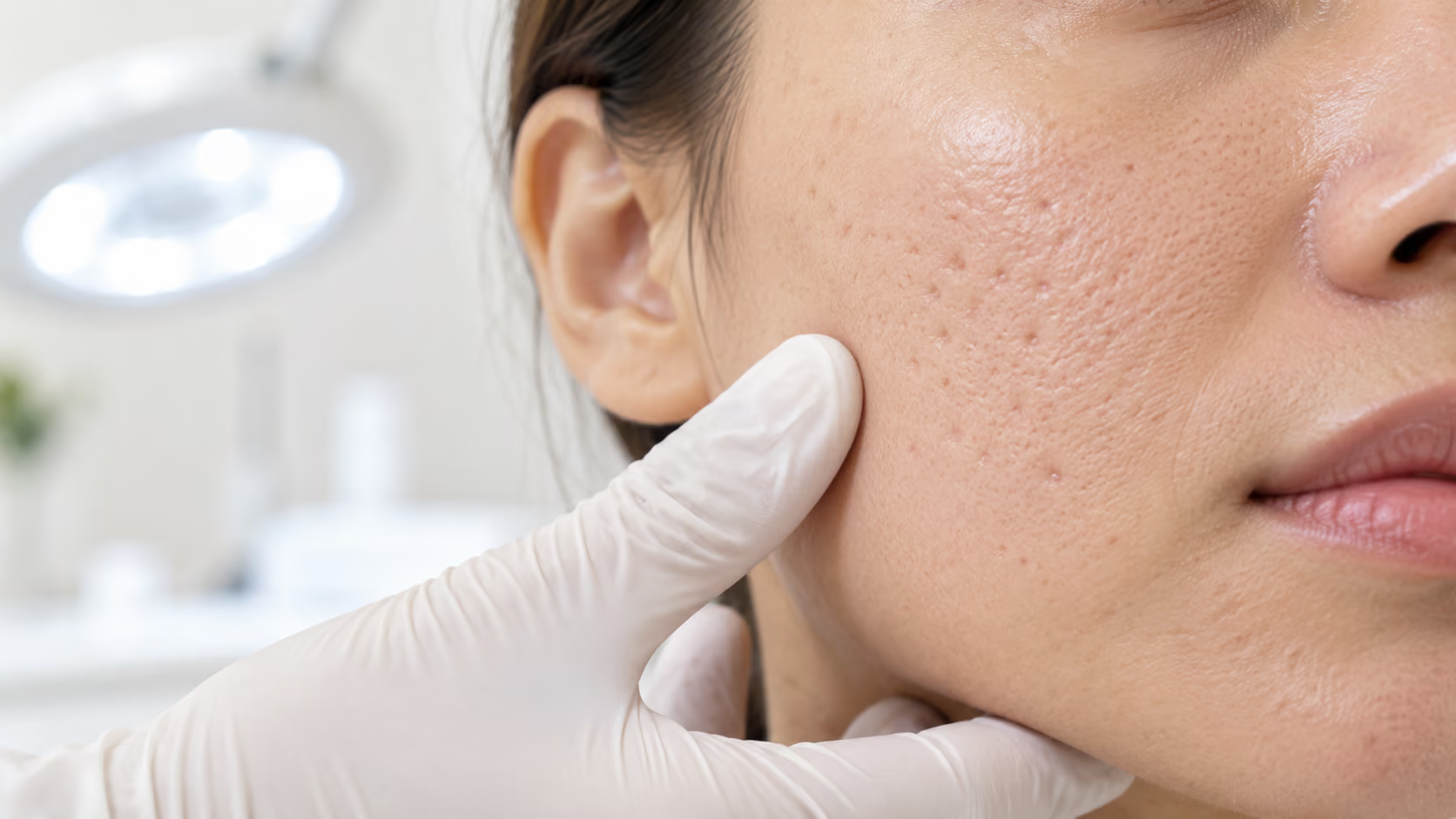
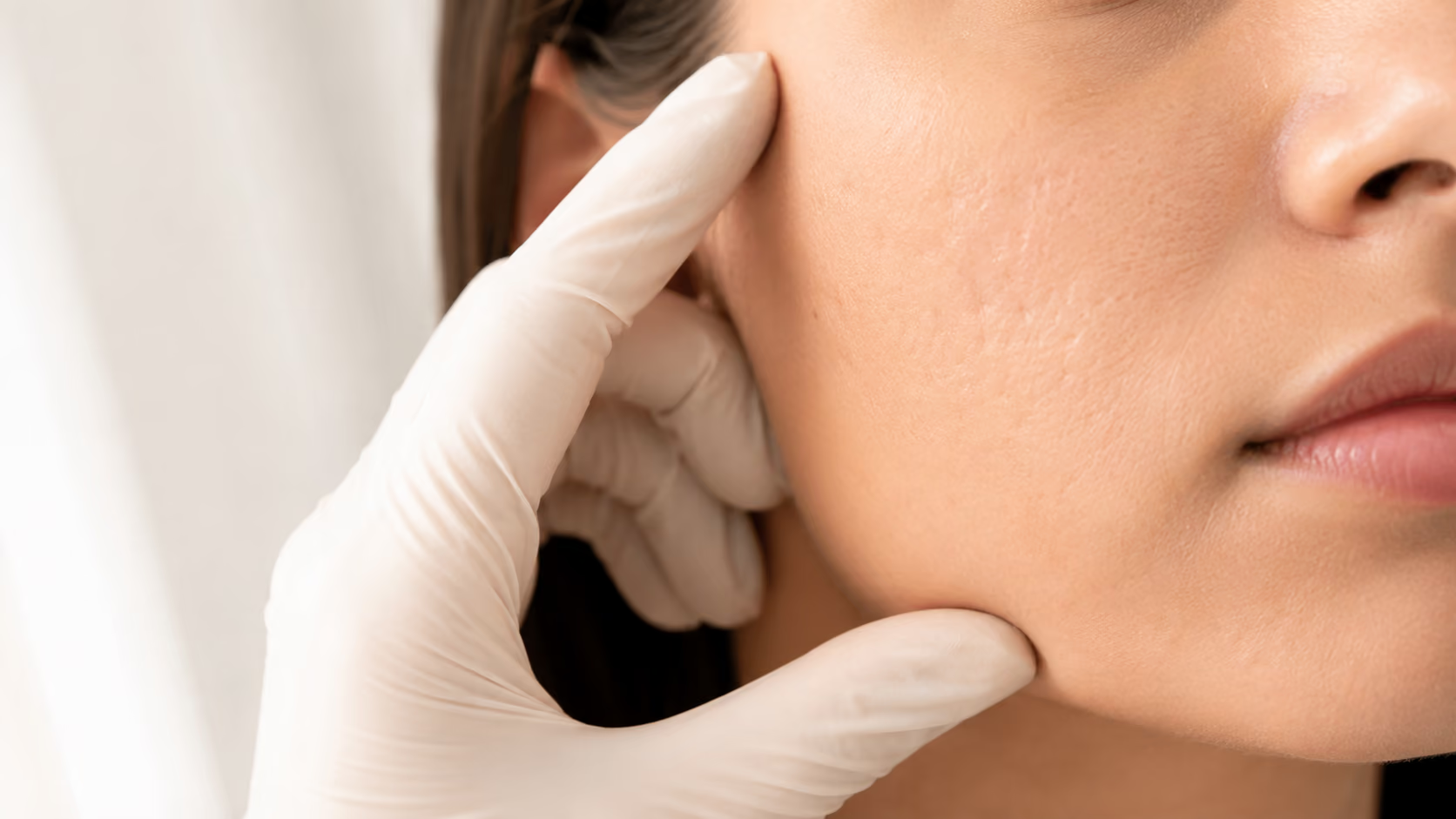
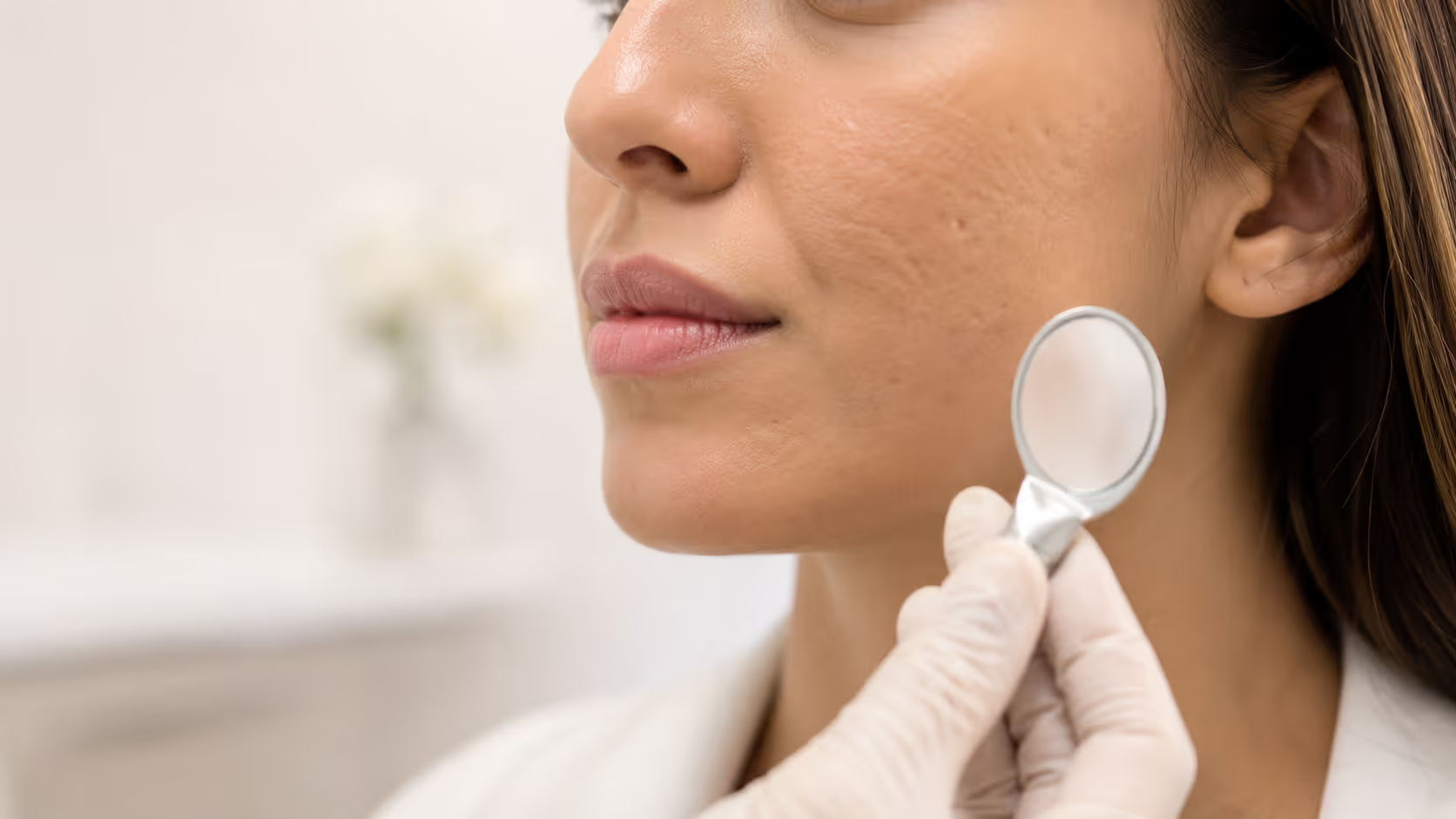
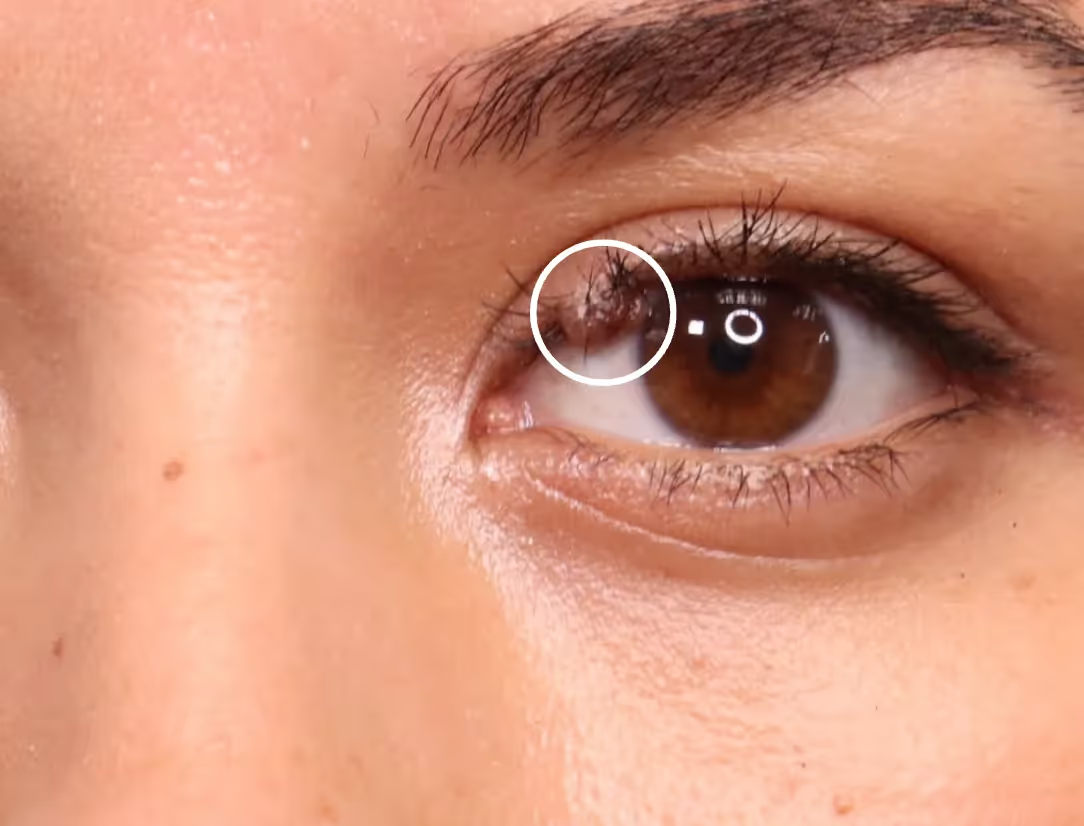
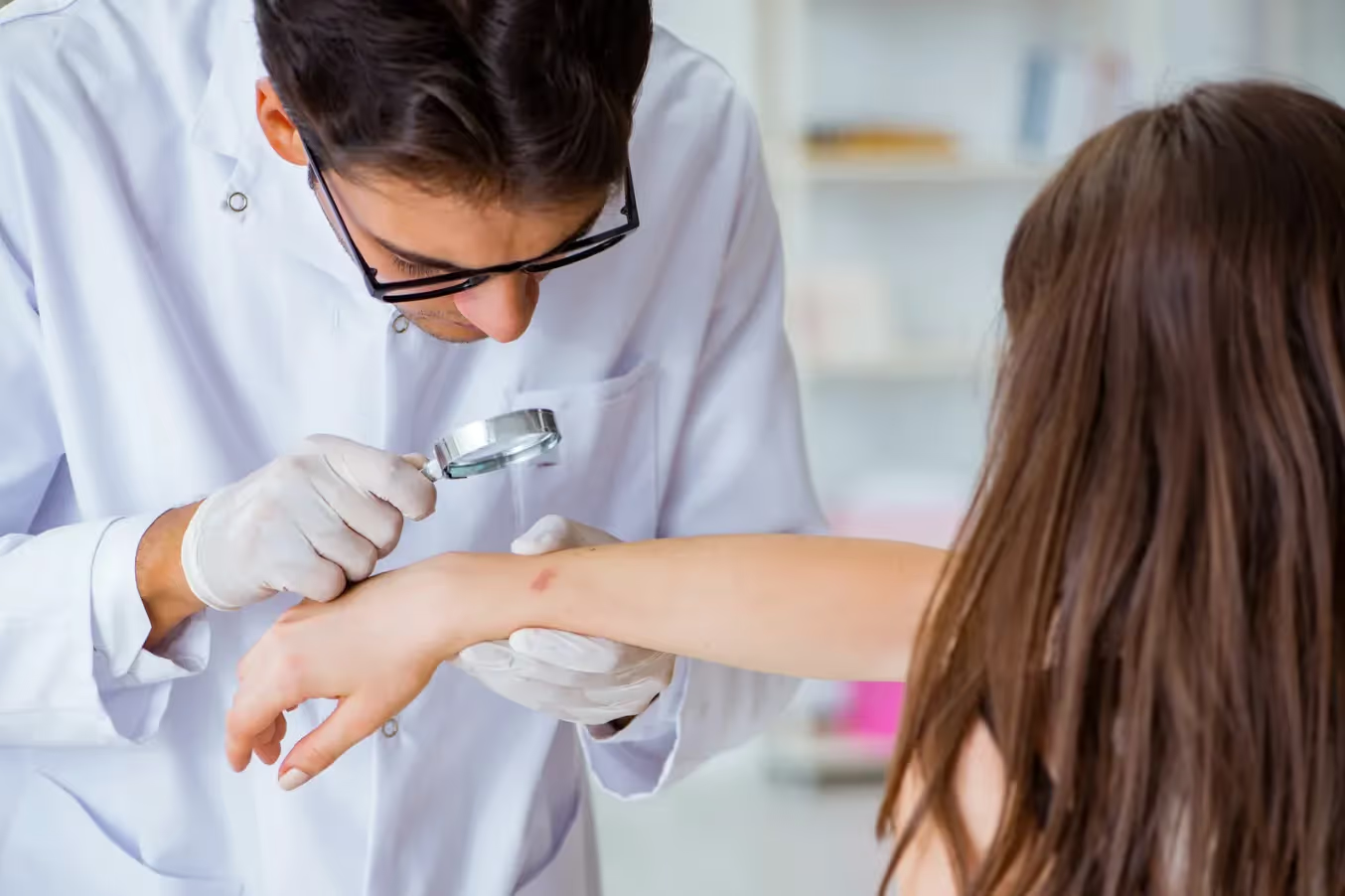
- Surface Analysis: Examination of skin texture, pore size, blackheads, whiteheads, and surface irregularities using magnification tools
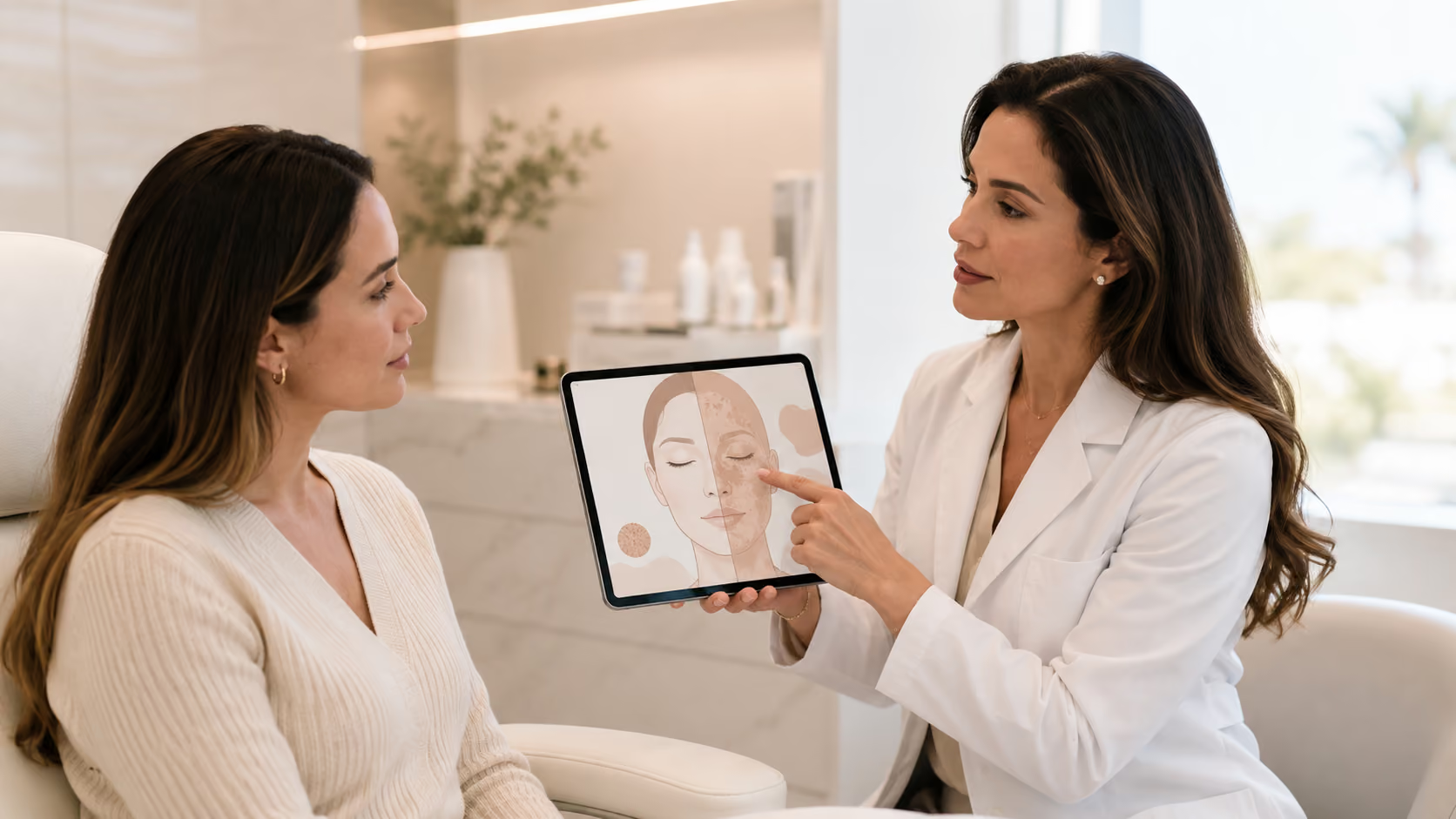
- Pigmentation Assessment: Evaluation of sun damage, age spots, melasma, and other discoloration patterns using specialized lighting
- Hydration Measurement: Testing skin moisture levels and barrier function to determine optimal moisturizing strategies
- Sensitivity Evaluation: Assessment of skin reactivity, inflammation patterns, and tolerance to various treatment modalities
The integration of multiple analytical components ensures that no aspect of skin health goes unnoticed during the evaluation process. Each element of the analysis contributes unique information that influences treatment decisions and outcome predictions. This comprehensive approach allows practitioners at Hazany Derm to identify subtle patterns and correlations that might otherwise be overlooked. The thorough nature of professional skin analysis distinguishes it from superficial assessments that focus solely on obvious surface conditions.
Documentation and tracking of analytical findings enable longitudinal monitoring of skin changes and treatment responses. Digital records preserve baseline measurements and progress photos that facilitate objective evaluation of improvement over time. This systematic approach to data collection and analysis supports evidence-based adjustments to treatment protocols. The ability to track quantitative changes enhances patient motivation and treatment compliance by demonstrating measurable progress.
Advanced Technology in Skin Analysis
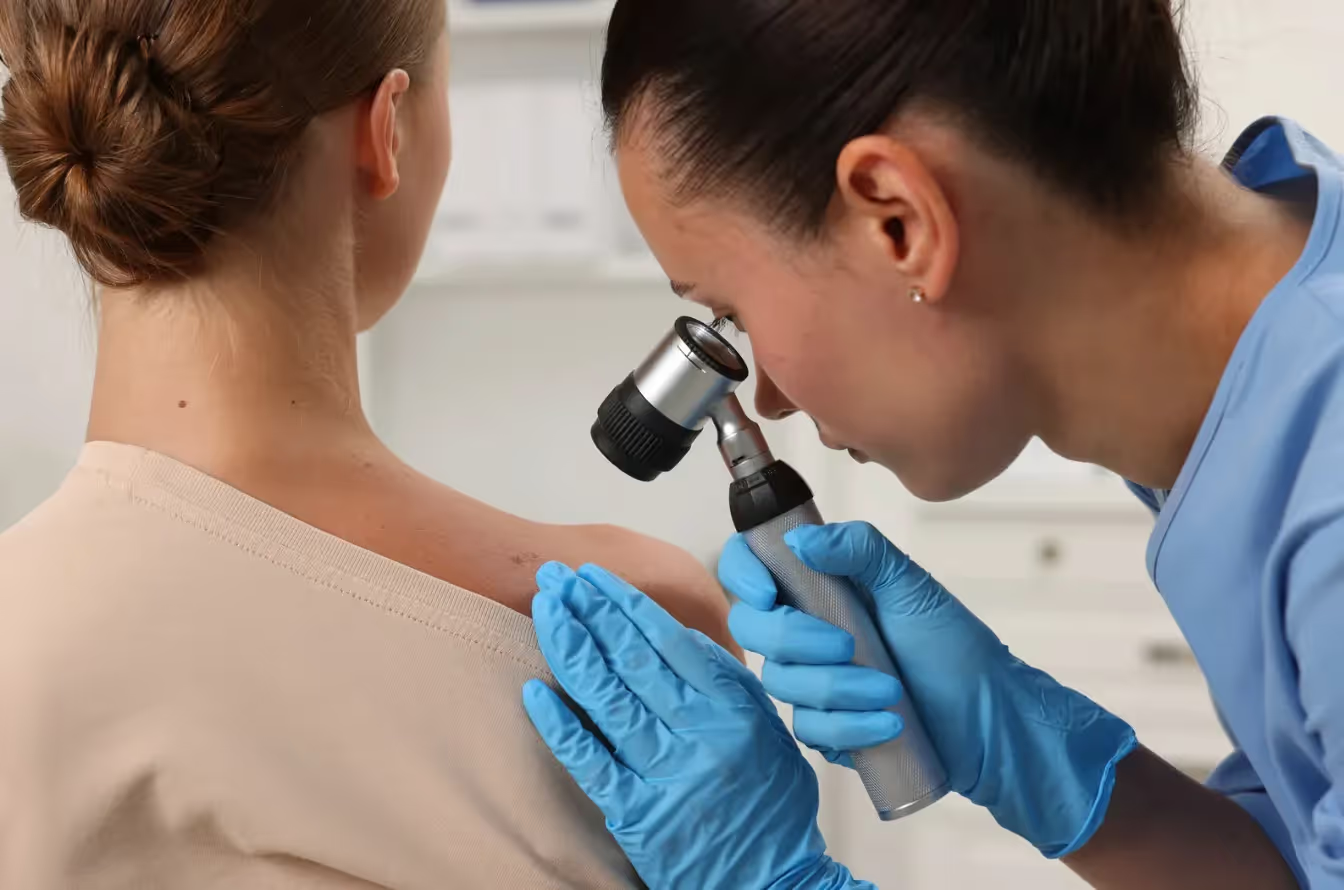
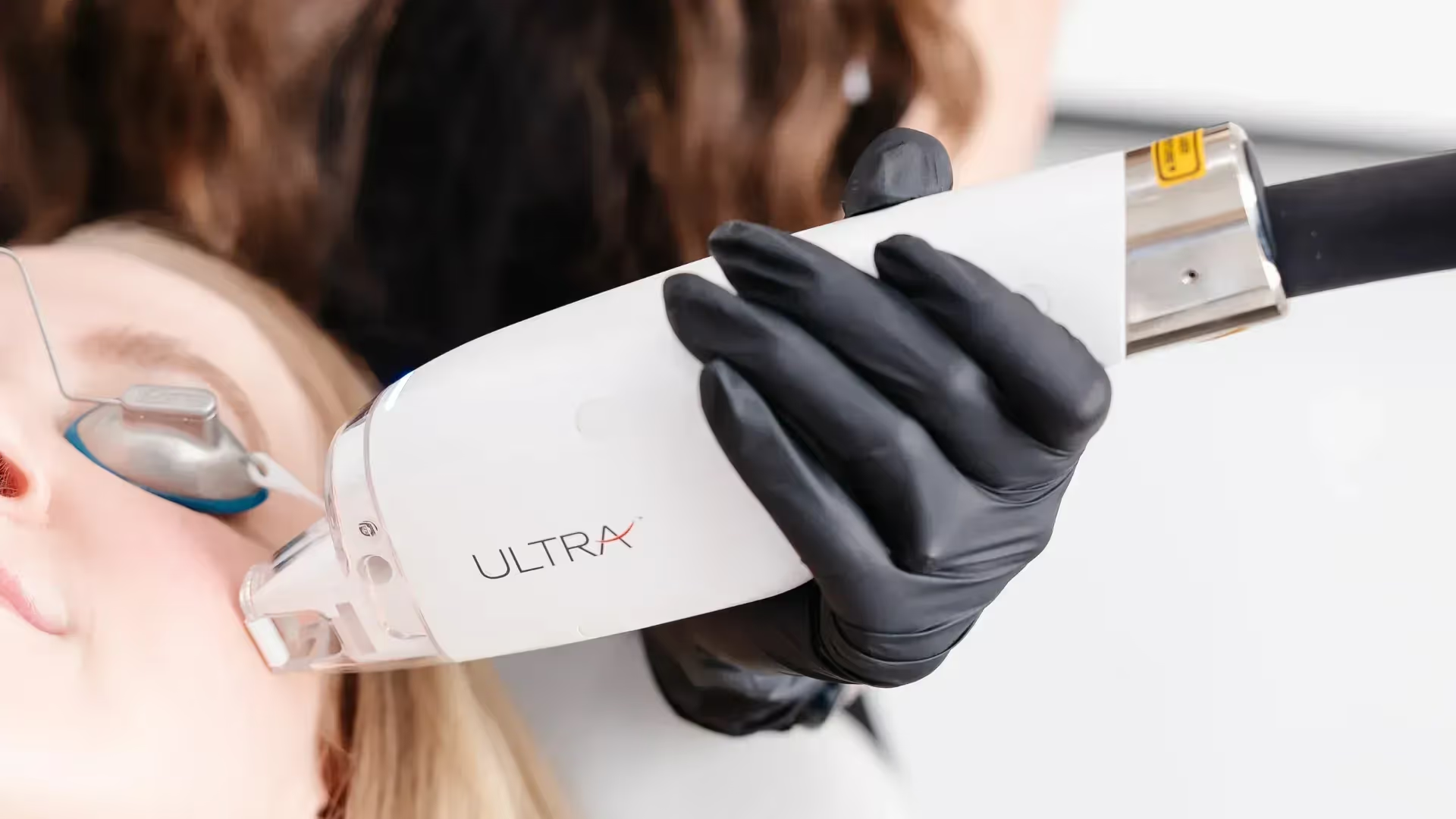
Cutting-edge technology has transformed skin analysis from subjective visual assessment to objective, measurable evaluation. Digital dermoscopy, multispectral imaging, and 3D surface analysis provide unprecedented detail about skin structure and function. These advanced tools reveal information about subsurface damage, vascular patterns, and cellular activity that influences treatment planning. The integration of artificial intelligence and machine learning algorithms enhances pattern recognition and diagnostic accuracy.
Photographic documentation using standardized lighting and positioning creates consistent baseline images for comparison purposes. Specialized cameras equipped with various filters can highlight different aspects of skin pathology and aging. UV photography reveals sun damage and pigmentation changes that remain invisible under normal lighting conditions. This comprehensive visual documentation supports both diagnostic processes and patient education initiatives.
Quantitative measurement devices provide objective data about skin parameters that were previously assessed through subjective evaluation. Instruments measuring hydration, elasticity, sebum production, and pH levels deliver precise, reproducible results. This quantitative approach eliminates guesswork and enables practitioners to track subtle changes over time. The availability of objective measurements enhances treatment customization and outcome monitoring at facilities like Hazany Derm.
- 3D Imaging Systems: Advanced cameras that create detailed topographical maps showing skin texture, volume, and contour changes
- Multispectral Analysis: Technology that examines skin under different wavelengths of light to reveal hidden damage and irregularities
- Conductance Meters: Devices that measure skin barrier function and hydration levels with scientific precision
- Sebum Measurement Tools: Specialized equipment that quantifies oil production patterns across different facial zones
The rapid advancement of analytical technology continues to expand the possibilities for comprehensive skin assessment. Artificial intelligence applications can now identify patterns and correlations that might escape human observation. Machine learning algorithms trained on thousands of skin images can assist in pattern recognition and outcome prediction. This technological evolution enhances diagnostic accuracy while supporting more personalized treatment approaches.
Integration of analytical findings with treatment planning software enables the creation of customized protocols based on individual skin profiles. Digital platforms can correlate skin analysis data with treatment outcomes to refine protocols over time. This systematic approach to data utilization supports continuous improvement in treatment effectiveness. The combination of advanced analysis and intelligent treatment planning represents the future of personalized dermatological care.
Benefits and Applications of Skin Analysis
Comprehensive skin analysis provides the foundation for evidence-based treatment planning that addresses both current concerns and future prevention strategies. By identifying early signs of aging, sun damage, and other skin issues, practitioners can implement proactive measures before problems become more severe. This preventive approach often yields better outcomes while requiring less intensive interventions. Early detection and intervention represent key advantages of thorough skin analysis protocols.
Personalized treatment recommendations based on detailed skin analysis typically produce superior results compared to generic skincare approaches. Understanding individual skin characteristics allows practitioners to select products and procedures that complement natural skin processes. This targeted approach minimizes the risk of adverse reactions while maximizing therapeutic benefits. Patients experience more predictable outcomes when treatments are matched to their specific skin profile and needs.
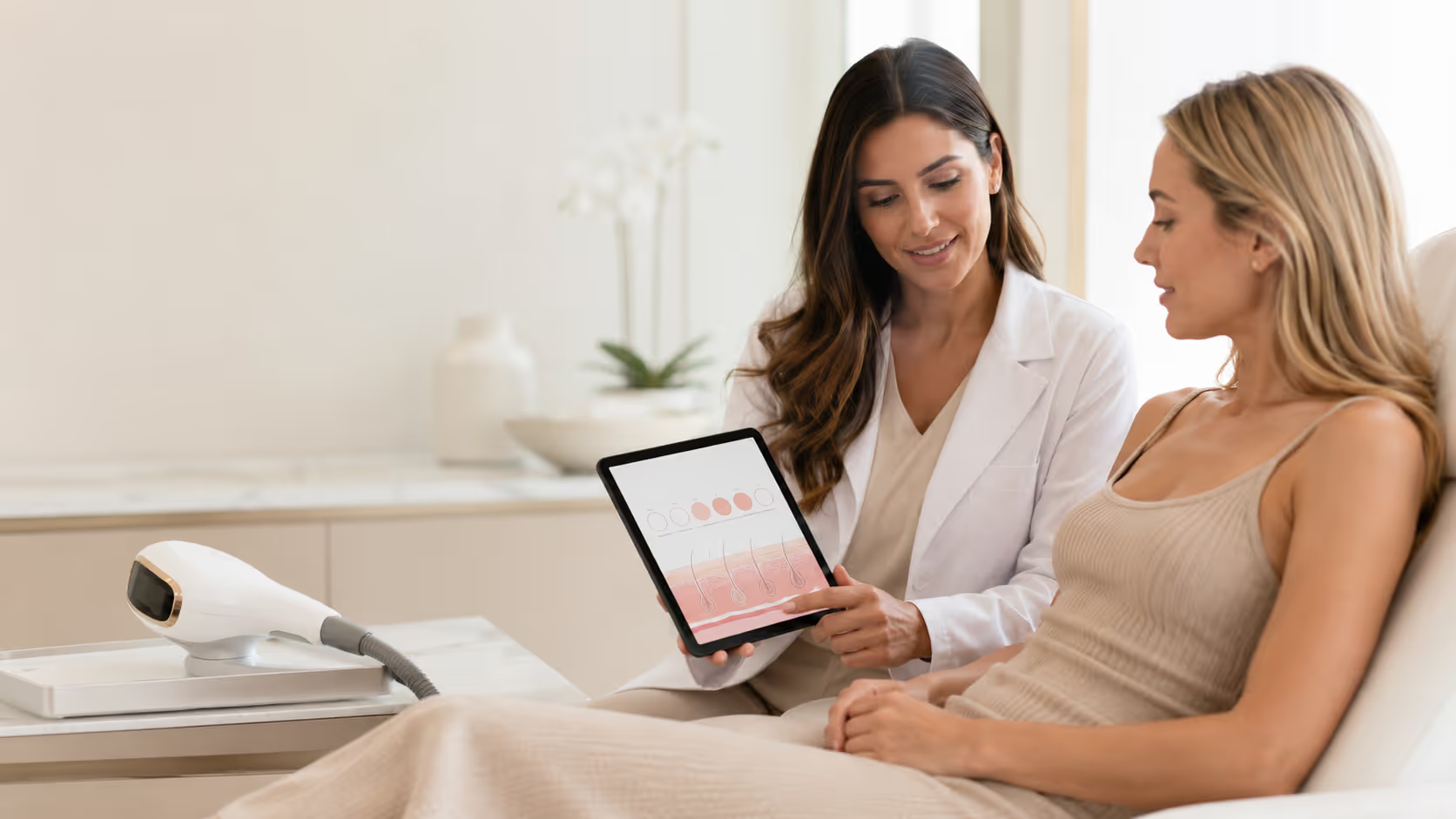
The educational value of skin analysis extends beyond treatment planning to encompass patient understanding and engagement. Visual documentation and quantitative measurements help patients comprehend their skin's current state and treatment objectives. This enhanced understanding typically leads to improved compliance with skincare regimens and lifestyle recommendations. Patient education supported by analytical findings creates partnerships between practitioners and patients that facilitate long-term success.
- Treatment Customization: Analysis results guide selection of appropriate procedures, products, and protocols for individual needs
- Progress Monitoring: Baseline measurements enable objective tracking of improvement and treatment effectiveness over time
- Prevention Planning: Early identification of risk factors supports proactive measures to prevent future skin damage
- Product Selection: Detailed skin profiling ensures compatibility between recommended products and individual skin characteristics
Long-term skin health management benefits significantly from the comprehensive understanding provided by thorough analysis. Regular reassessment allows practitioners to adjust treatment strategies as skin needs evolve with age and environmental factors. This dynamic approach to skincare ensures that interventions remain relevant and effective over time. The ability to adapt treatment protocols based on objective feedback represents a significant advantage of systematic skin analysis.
Professional skin analysis also serves as a valuable tool for setting realistic expectations and treatment timelines. Understanding the current state of skin damage and repair capacity helps practitioners communicate achievable outcomes to patients. This transparency builds trust and reduces disappointment while supporting realistic goal-setting. Clear communication based on analytical findings enhances the overall treatment experience and patient satisfaction at practices like Hazany Derm.