










How Often Should You See a Dermatologist?



Most adults should see a dermatologist annually for skin cancer screenings, while those with specific conditions may need more frequent visits. At Hazany Derm, personalized schedules ensure optimal skin health based on individual risk factors and concerns.
Your skin is your body's largest organ, serving as the first line of defense against environmental threats while reflecting your overall health. Despite its critical importance, many people neglect regular dermatological care until problems become severe or visually apparent. Understanding how often you should see a dermatologist can be the difference between preventing serious conditions and treating advanced diseases that could have been caught earlier.
The frequency of dermatological visits varies significantly based on individual factors including age, skin type, family history, and existing conditions. While some people may benefit from annual checkups, others require monthly monitoring due to high-risk factors or ongoing treatments. Professional dermatological care extends far beyond treating acne or removing suspicious moles, encompassing comprehensive skin health management that can enhance both appearance and longevity.
At Hazany Derm, patients receive personalized recommendations for visit frequency based on thorough assessments of their unique skin health needs. Dr. Salar Hazany emphasizes that proactive dermatological care is an investment in long-term health and confidence. Rather than waiting for problems to develop, establishing a regular relationship with a dermatologist creates opportunities for early intervention and optimal outcomes.
Annual Screenings: The Foundation of Dermatological Health
For most adults without significant risk factors, an annual dermatological examination serves as the cornerstone of preventive skin care. These yearly visits allow dermatologists to establish baseline documentation of your skin's appearance and track changes over time. The American Academy of Dermatology recommends annual skin cancer screenings for adults, as early detection dramatically improves treatment outcomes and survival rates.
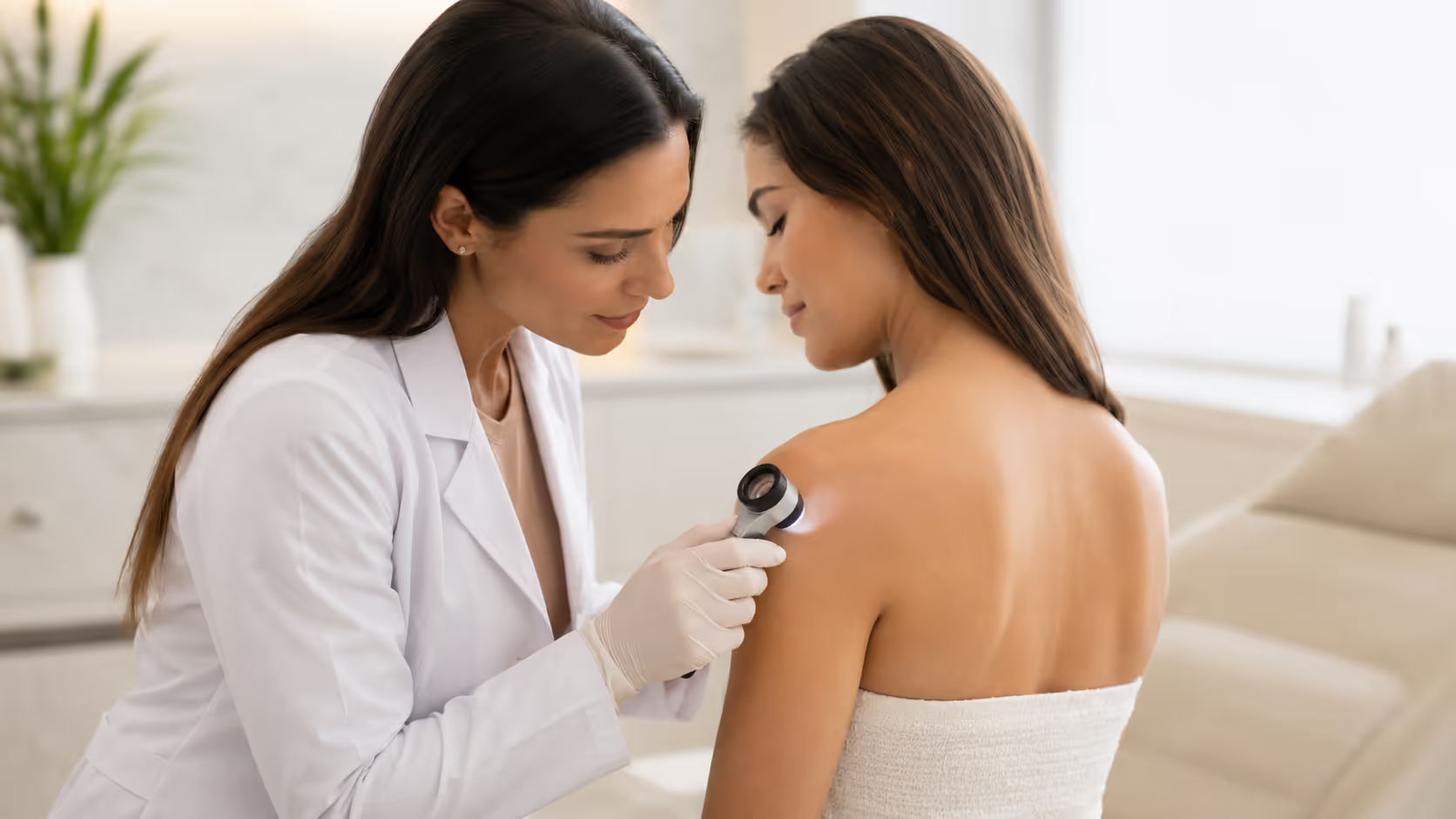
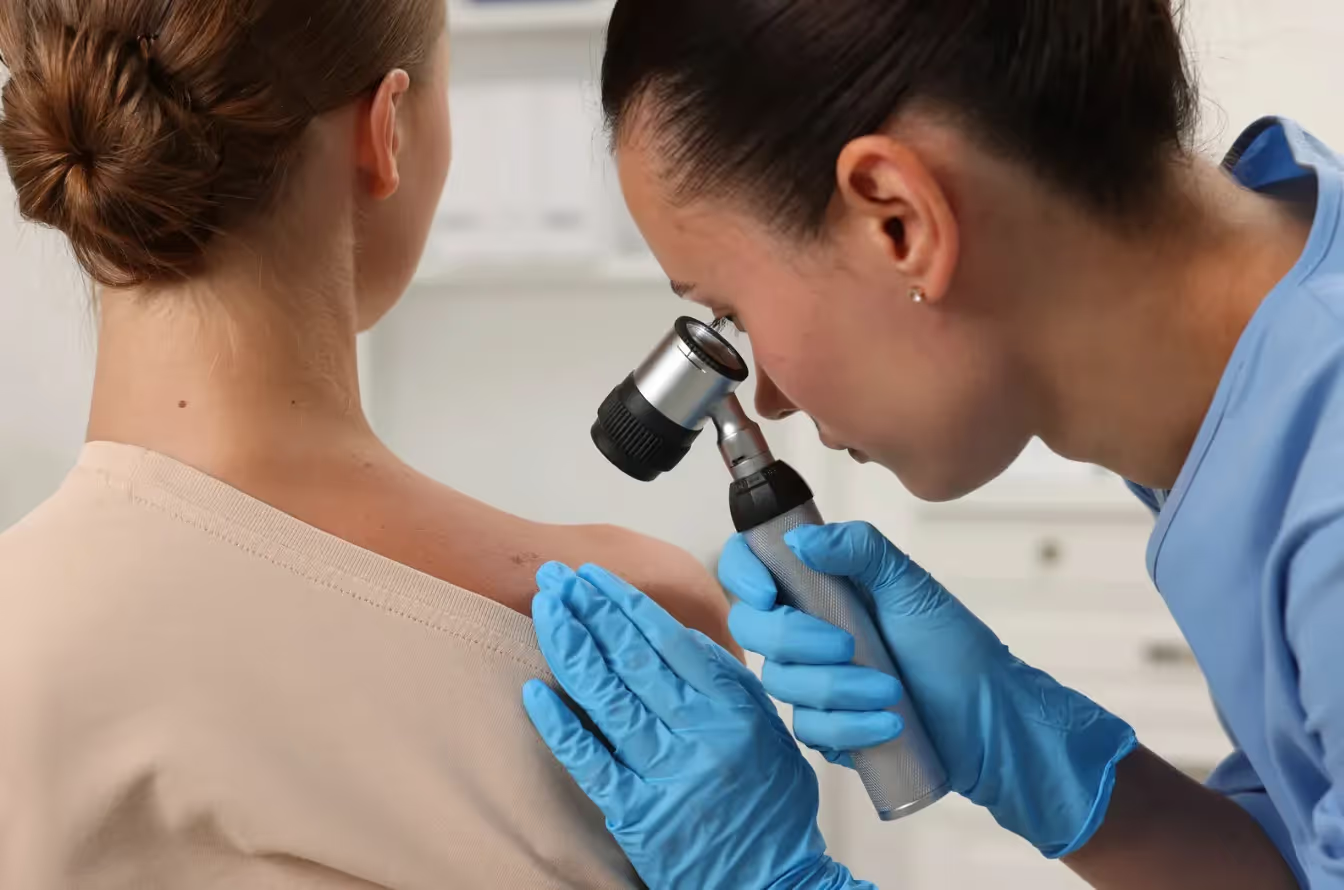
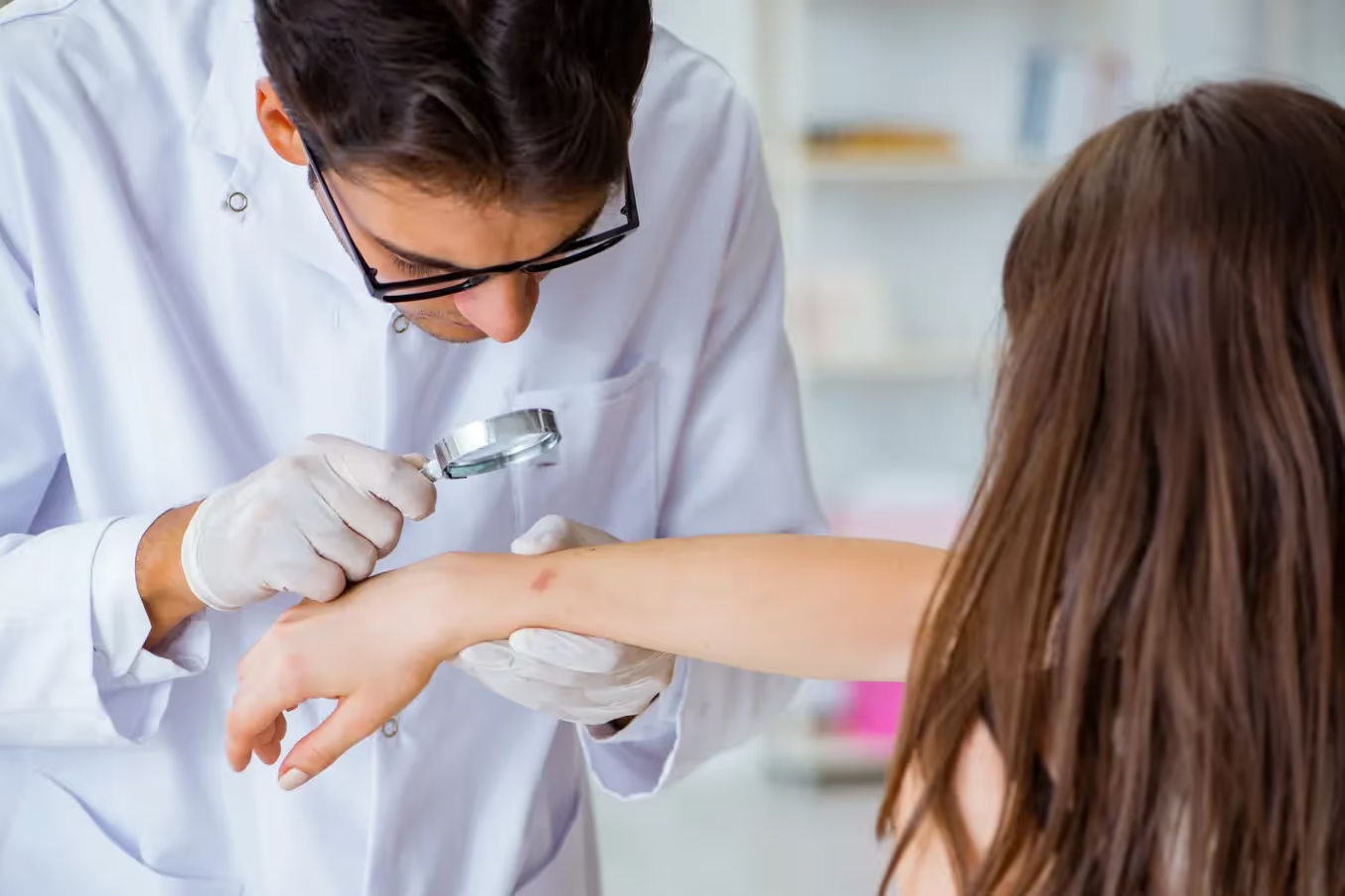
During annual examinations, dermatologists perform comprehensive full-body skin checks, examining areas that patients often overlook or cannot see themselves. These thorough assessments can identify suspicious lesions, precancerous changes, and other abnormalities before they become serious health threats. Professional examination techniques and trained eyes can spot subtle changes that untrained individuals might dismiss as normal variations.
Beyond cancer screening, annual visits provide opportunities to address cosmetic concerns, discuss preventive strategies, and update treatment plans based on changing needs or life circumstances. Dermatologists can recommend appropriate skincare routines, discuss sun protection strategies, and evaluate the effectiveness of current treatments. These regular touchpoints ensure that your skin health strategy evolves with your changing needs and environmental exposures.
Key benefits of annual dermatological visits include:
- Early cancer detection: Professional screening identifies suspicious lesions before they become advanced malignancies
- Preventive education: Learning proper sun protection and skincare techniques prevents future damage and complications
- Baseline establishment: Creating photographic and written documentation enables accurate tracking of changes over time
- Comprehensive assessment: Evaluating skin health in context of overall health, medications, and lifestyle factors
The investment in annual dermatological care pays dividends in both health outcomes and peace of mind. Many patients report feeling more confident about their skin health after establishing regular care relationships with dermatologists. At Hazany Derm, annual examinations are tailored to each patient's specific needs and concerns, ensuring comprehensive coverage without unnecessary procedures or treatments.
Regular annual visits also strengthen the doctor-patient relationship, enabling more personalized care and better communication about concerns or changes. This ongoing relationship facilitates more effective treatment when issues do arise, as the dermatologist has extensive knowledge of the patient's skin history and response patterns.
High-Risk Patients: Increased Monitoring Requirements
Certain individuals require more frequent dermatological monitoring due to elevated risk factors for skin cancer or other serious dermatological conditions. Personal or family history of melanoma, atypical mole syndrome, immunosuppression, or extensive sun damage necessitates closer surveillance intervals. These high-risk patients may need examinations every three to six months, depending on their specific risk profile and the dermatologist's assessment.
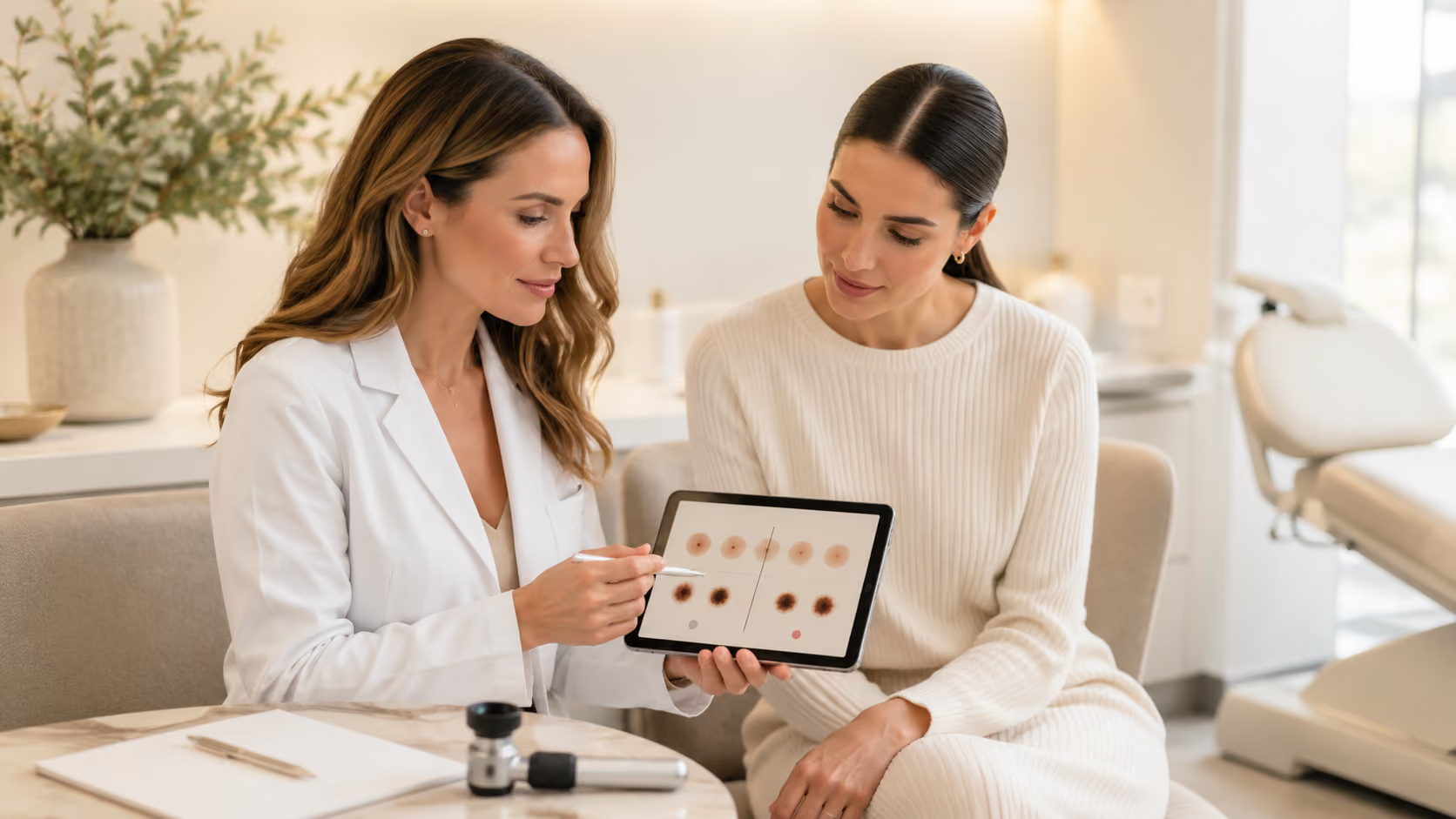
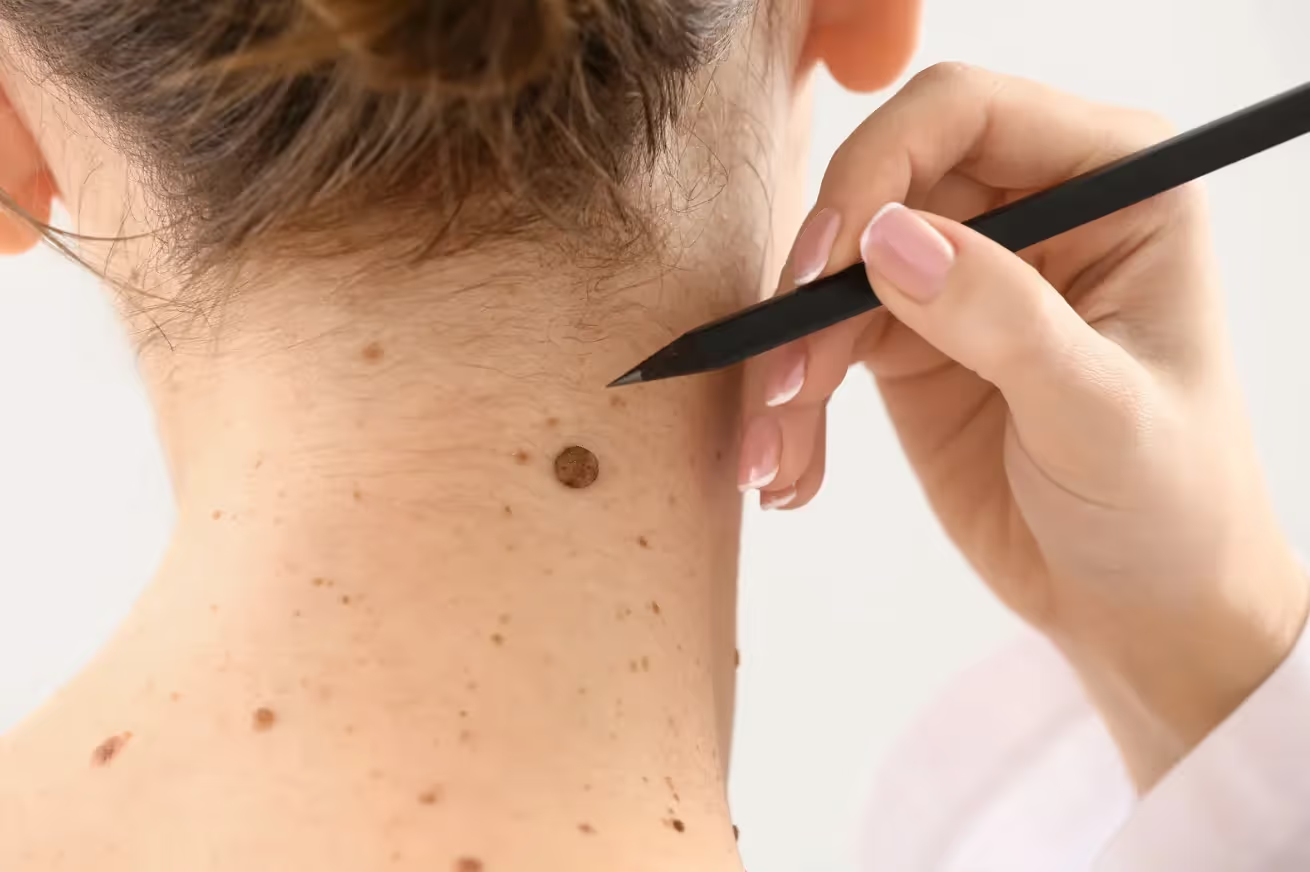
Individuals with numerous atypical moles require particularly careful monitoring, as these lesions have higher potential for malignant transformation. Digital dermoscopy and photographic documentation become especially valuable tools for tracking subtle changes in these cases. The frequency of visits may be adjusted based on the stability of existing lesions and the development of new concerning features.
Organ transplant recipients and individuals taking immunosuppressive medications face significantly elevated skin cancer risks, often requiring quarterly examinations. These patients develop skin cancers at rates 20 to 100 times higher than the general population, making vigilant monitoring essential for early detection and intervention. The aggressive nature of skin cancers in immunocompromised patients makes frequent professional surveillance a critical component of their overall healthcare strategy.
Factors that increase monitoring frequency include:
- Melanoma history: Personal or family history of melanoma requires intensive surveillance protocols
- Atypical mole syndrome: Multiple irregular moles need frequent professional assessment and documentation
- Immunosuppression: Transplant recipients and immunocompromised patients face dramatically elevated cancer risks
- Occupational exposure: Individuals with significant sun or radiation exposure need enhanced monitoring schedules
Patients with these risk factors should work closely with their dermatologists to establish appropriate monitoring intervals. Hazany Derm specializes in developing customized surveillance protocols that balance thorough monitoring with practical considerations. The goal is maintaining vigilant oversight without creating excessive anxiety or disruption to daily life.
Technology plays an increasingly important role in high-risk patient monitoring, with digital imaging systems enabling precise tracking of lesion changes over time. These advanced tools enhance the dermatologist's ability to detect subtle changes that might indicate malignant transformation, improving early detection rates and treatment outcomes for high-risk individuals.
Specific Conditions: Treatment-Based Visit Schedules
Patients with ongoing dermatological conditions often require visit frequencies determined by treatment protocols rather than screening recommendations. Conditions like severe acne, psoriasis, eczema, or rosacea may necessitate monthly or bi-monthly visits during active treatment phases. These frequent appointments allow dermatologists to monitor treatment response, adjust medications, and manage side effects effectively.
Acne treatment, particularly with systemic medications like isotretinoin, requires careful monitoring for both efficacy and potential adverse effects. Monthly visits during isotretinoin treatment are mandatory for safety monitoring, including laboratory tests and assessment of mood changes or other side effects. The intensive monitoring ensures patient safety while maximizing treatment effectiveness for this life-changing therapy.
Chronic inflammatory conditions like psoriasis or severe eczema benefit from regular follow-up visits to optimize treatment regimens and prevent flares. These conditions often require combination therapies or treatment adjustments based on seasonal changes, stress levels, or other triggering factors. Regular professional oversight ensures that treatment strategies remain effective and appropriate as conditions evolve.
Treatment-based visit frequencies for common conditions:
- Isotretinoin therapy: Monthly visits required for safety monitoring and treatment optimization
- Psoriasis management: Bi-monthly visits during active treatment, quarterly for stable maintenance
- Severe eczema: Monthly visits during flares, every 2-3 months for stable maintenance therapy
- Rosacea treatment: Initial monthly visits, extending to quarterly once well-controlled
The intensity of monitoring typically decreases as conditions stabilize and optimal treatment regimens are established. However, maintaining regular follow-up visits remains important for long-term management success and early detection of treatment-related complications. Dr. Salar Hazany emphasizes the importance of patient compliance with recommended visit schedules for achieving optimal outcomes.
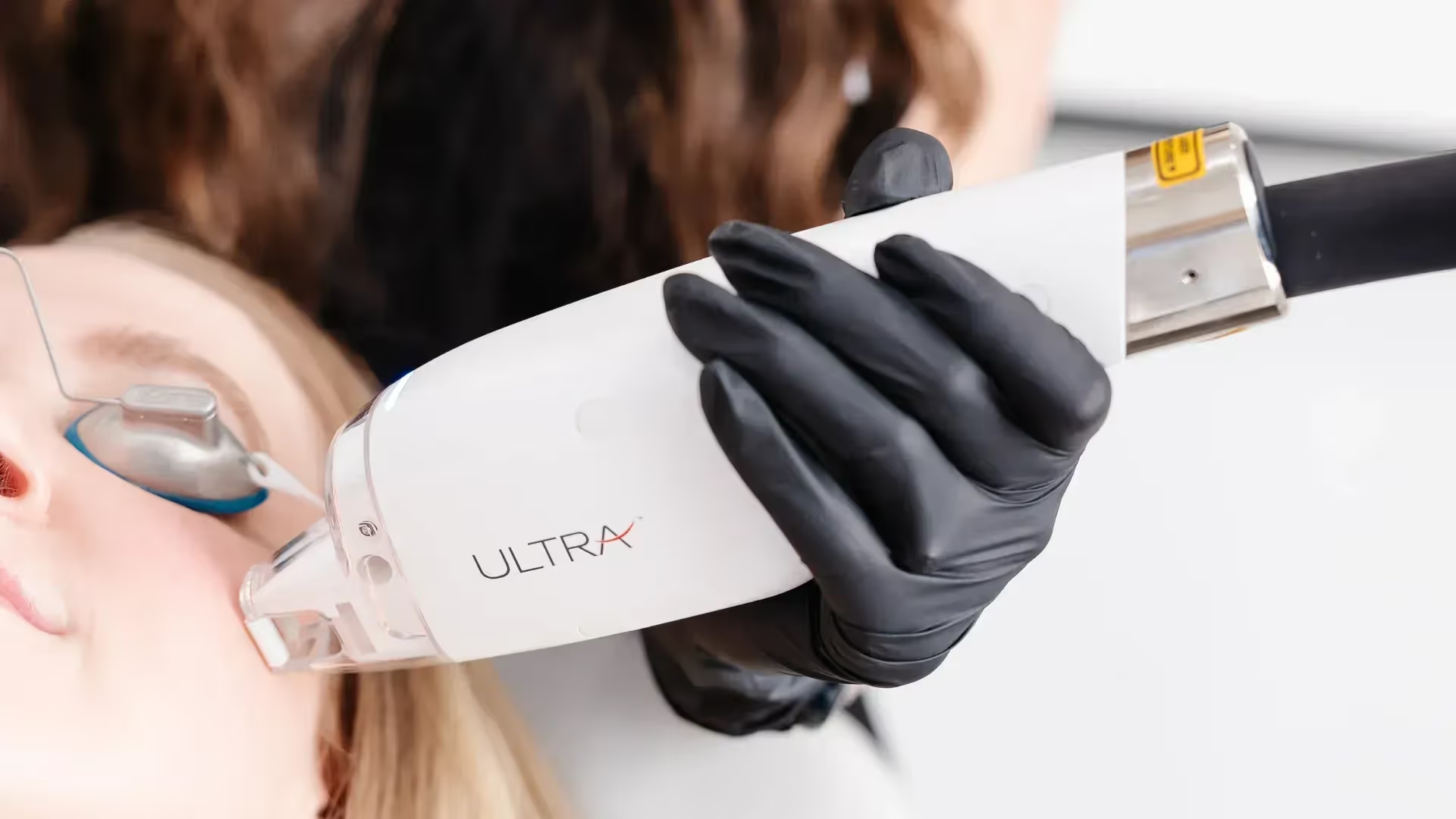
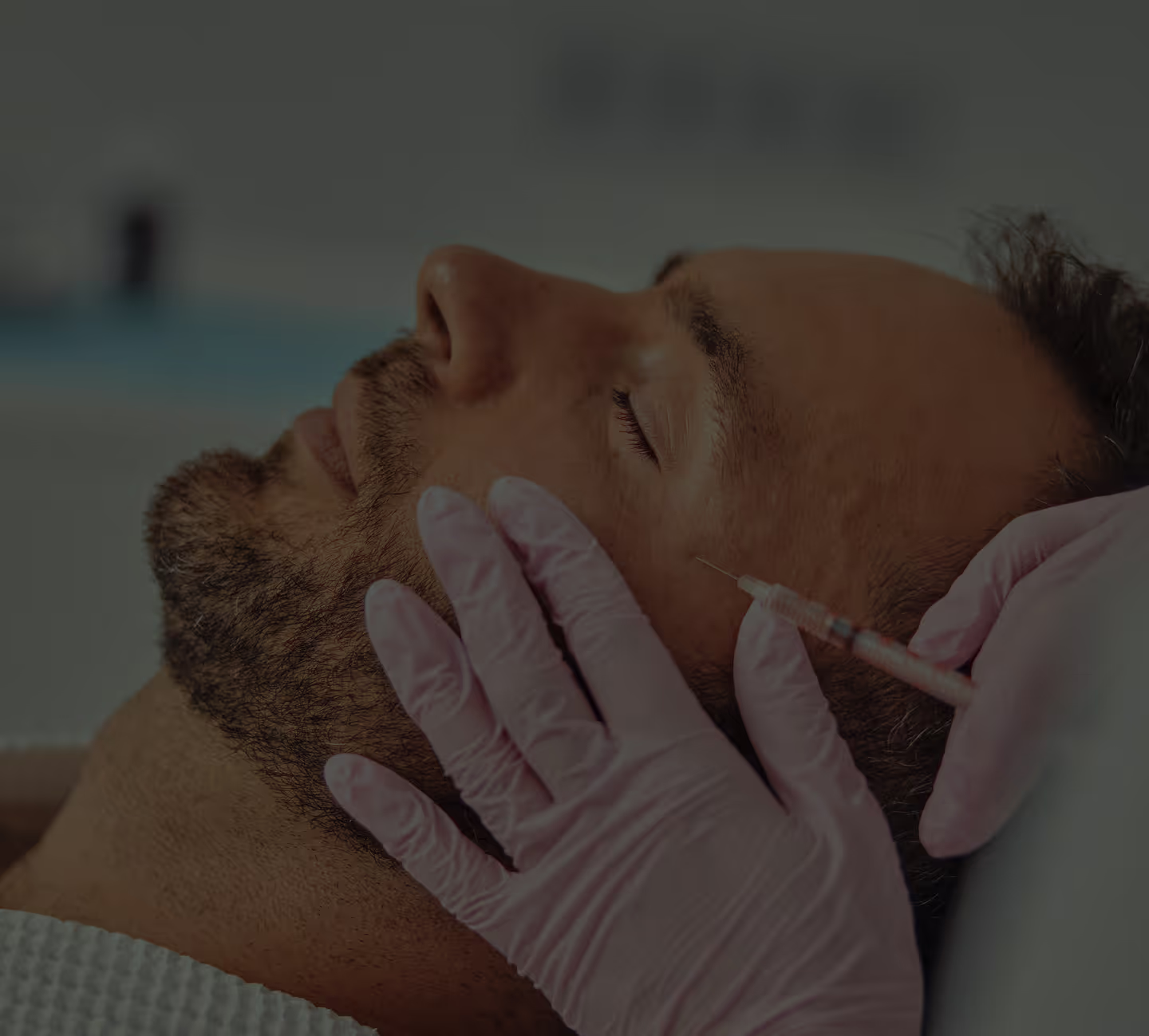
Patients undergoing cosmetic procedures may also require specific follow-up schedules based on the treatments received. Injectable treatments, laser procedures, and other aesthetic interventions often benefit from scheduled follow-up visits to assess results and plan additional treatments. These visits ensure optimal outcomes while maintaining safety standards for all procedures performed.