







What Is the Best Wart Removal Method?


The best wart removal method depends on the wart's type, location, and size. Professional treatments like cryotherapy, laser removal, and surgical excision offer the most effective results. Hazany Derm provides comprehensive evaluation and personalized treatment plans for optimal wart removal outcomes.
Warts are common skin growths caused by the human papillomavirus (HPV) that can appear anywhere on the body. While these benign growths are generally harmless, they can be unsightly, uncomfortable, or painful depending on their location. Many people wonder about the most effective way to remove these persistent skin lesions permanently.
The reality is that there's no single "best" wart removal method that works for everyone. The most effective approach depends on several factors including the type of wart, its location on the body, size, and the patient's individual circumstances. What works well for plantar warts on the feet may not be the ideal choice for facial warts or genital warts.
Professional dermatological treatment typically offers the most reliable and safest results compared to over-the-counter remedies or home treatments. Dr. Salar Hazany emphasizes that proper diagnosis and professional treatment planning are crucial for achieving successful wart removal while minimizing the risk of recurrence, scarring, or complications.
Professional Medical Treatments
Cryotherapy, or freezing treatment, represents one of the most widely used and effective professional wart removal methods. This procedure involves applying liquid nitrogen directly to the wart tissue, causing the infected cells to freeze and eventually fall off. The treatment typically requires multiple sessions spaced several weeks apart for optimal results.
The freezing process destroys both the wart tissue and the underlying HPV-infected cells, which helps prevent recurrence. Most patients experience some discomfort during the procedure, described as a burning or stinging sensation that subsides quickly. The treated area may develop a blister within 24-48 hours, which is a normal part of the healing process.
Hazany Derm utilizes advanced cryotherapy techniques that maximize effectiveness while minimizing patient discomfort and treatment time. The precision application methods ensure that healthy surrounding tissue remains unaffected during the freezing process. Recovery typically involves keeping the treated area clean and dry while the body naturally sheds the frozen wart tissue.
- Liquid nitrogen application: Direct freezing of wart tissue using specialized applicators for precise treatment
- Multiple treatment sessions: Usually requires 2-4 sessions spaced 2-3 weeks apart for complete removal
- Blister formation: Normal healing response that helps separate the wart from healthy skin
- Minimal scarring risk: Professional application reduces the likelihood of permanent skin damage
The success rate for cryotherapy varies depending on the wart type and location, with common warts showing response rates of 60-80% after multiple treatments. Plantar warts and periungual warts (around nails) may require additional sessions due to their deeper root systems. Some patients may experience temporary skin discoloration at the treatment site, which typically resolves within several months.
Post-treatment care involves protecting the area from excessive moisture and avoiding picking at healing tissue. Patients should watch for signs of infection such as increased redness, warmth, or pus formation. The treated area will gradually heal over 1-2 weeks, with the wart tissue naturally sloughing off during this period.
Laser Treatment Options
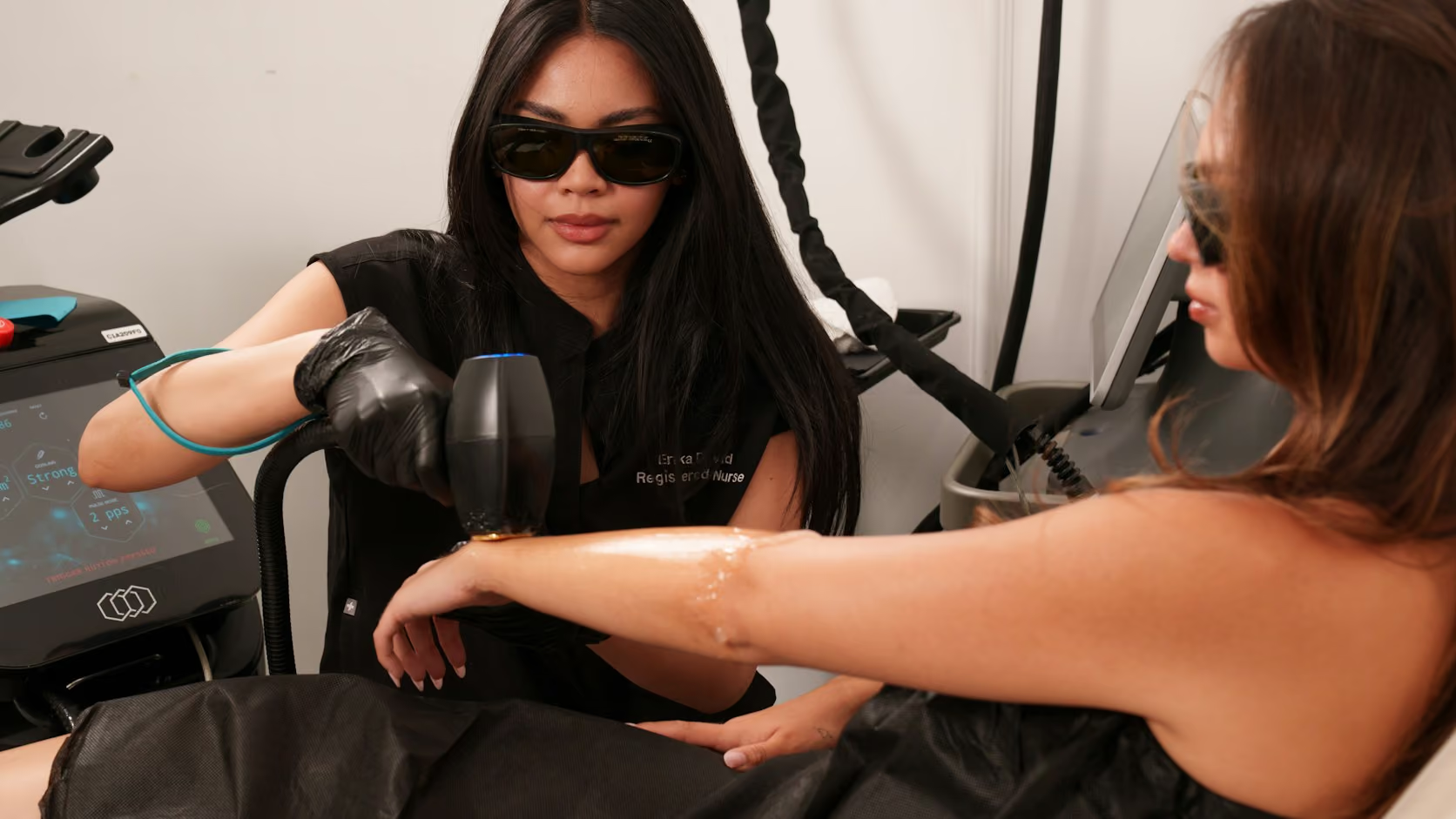
Laser wart removal has become increasingly popular due to its precision and effectiveness for stubborn or recurrent warts. The most commonly used lasers include pulsed dye lasers and CO2 lasers, each offering unique advantages for different wart types. These treatments work by targeting the blood vessels that supply the wart or by vaporizing the wart tissue directly.
Pulsed dye laser treatment focuses on destroying the blood vessels within the wart, effectively starving it of nutrients and causing it to die. This method is particularly effective for warts that haven't responded well to other treatments. The procedure is relatively quick, with most treatments taking just a few minutes per wart.
CO2 laser treatment involves vaporizing the wart tissue layer by layer with extreme precision. Hazany Derm employs state-of-the-art laser technology that allows for controlled tissue removal while preserving surrounding healthy skin. This method is especially useful for large warts or those in sensitive areas where precision is critical.
- Pulsed dye laser: Targets blood vessels feeding the wart to cut off nutrient supply
- CO2 laser vaporization: Precisely removes wart tissue layer by layer with minimal damage
- Local anesthesia: Numbing injection ensures patient comfort during the procedure
- Immediate results: Wart tissue is removed during the treatment session with visible results
Laser treatments typically offer higher success rates than traditional methods, especially for recalcitrant warts that have failed other treatments. The precision of laser technology allows for complete wart removal while minimizing damage to surrounding healthy tissue. Most patients require only one or two treatment sessions to achieve complete wart elimination.
Recovery from laser treatment involves wound care similar to a minor burn, with patients applying antibiotic ointment and keeping the area covered. Some discomfort and redness are normal for several days following treatment. The treated area will form a scab that should be allowed to heal naturally without picking or scratching to minimize scarring risk.
Surgical Excision Methods
Surgical excision involves physically cutting out the wart and surrounding infected tissue using sterile instruments. This method is typically reserved for large warts, those that haven't responded to other treatments, or warts in locations where other methods aren't suitable. The procedure is performed under local anesthesia to ensure patient comfort throughout the treatment.
The surgical approach allows for complete removal of the wart and its root system in a single treatment session. Dr. Salar Hazany carefully evaluates each case to determine if surgical excision is the most appropriate option based on the wart's characteristics and location. This method offers the advantage of immediate, complete removal with tissue available for pathological examination if needed.
Electrosurgery combines surgical cutting with electrical current to remove wart tissue and seal blood vessels simultaneously. This technique reduces bleeding during the procedure and may help destroy any remaining HPV-infected cells at the treatment site. The controlled use of electrical current also provides some antibacterial effect, reducing infection risk.
- Complete tissue removal: Entire wart and root system eliminated in single treatment session
- Local anesthetic injection: Ensures pain-free procedure with immediate onset of numbness
- Electrocautery sealing: Electrical current stops bleeding and may destroy remaining virus particles
- Tissue examination: Removed tissue can be sent for pathological analysis if concerns exist
Surgical excision typically offers the highest immediate success rate since the entire wart is physically removed during treatment. However, this method may result in a small scar, particularly for larger warts or those in areas prone to keloid formation. Hazany Derm uses advanced surgical techniques and wound closure methods to minimize scarring and optimize cosmetic outcomes.
Post-surgical care involves keeping the wound clean and dry while it heals over 1-2 weeks. Patients receive detailed instructions for wound care, including when to change dressings and how to recognize signs of complications. Sutures may be required for larger excisions and are typically removed within 7-14 days depending on the location and size of the wound.