







What Is SCAAR FX Laser Treatment for Scars?


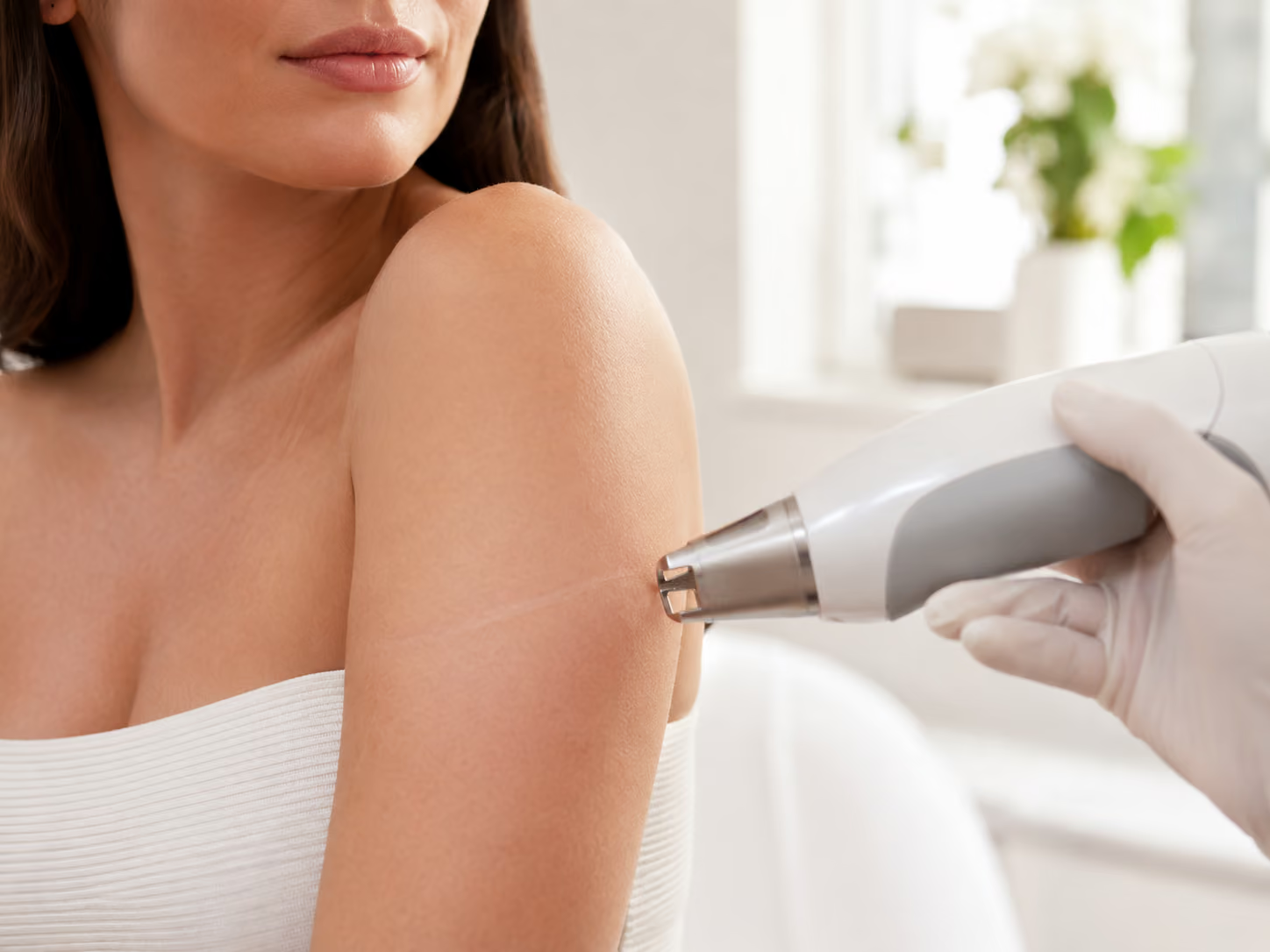
SCAAR FX is the deepest fractional mode of the Lumenis UltraPulse CO2 laser, designed for thick, raised, tight and surgical scars that lighter lasers cannot reach. At Hazany Derm, Dr. Salar Hazany uses it as part of a staged scar plan that can also include other UltraPulse handpieces, injections and surgical revision.
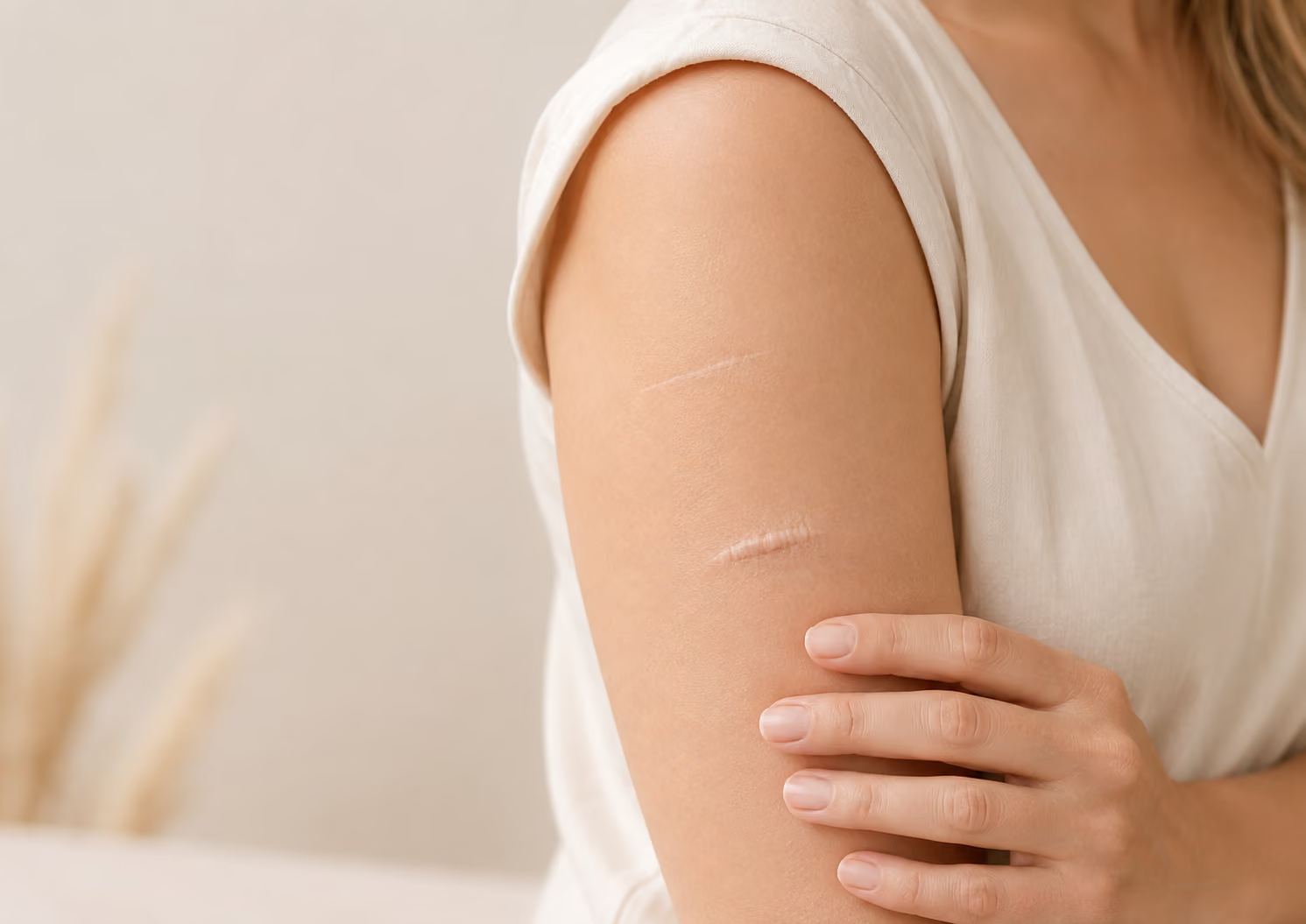
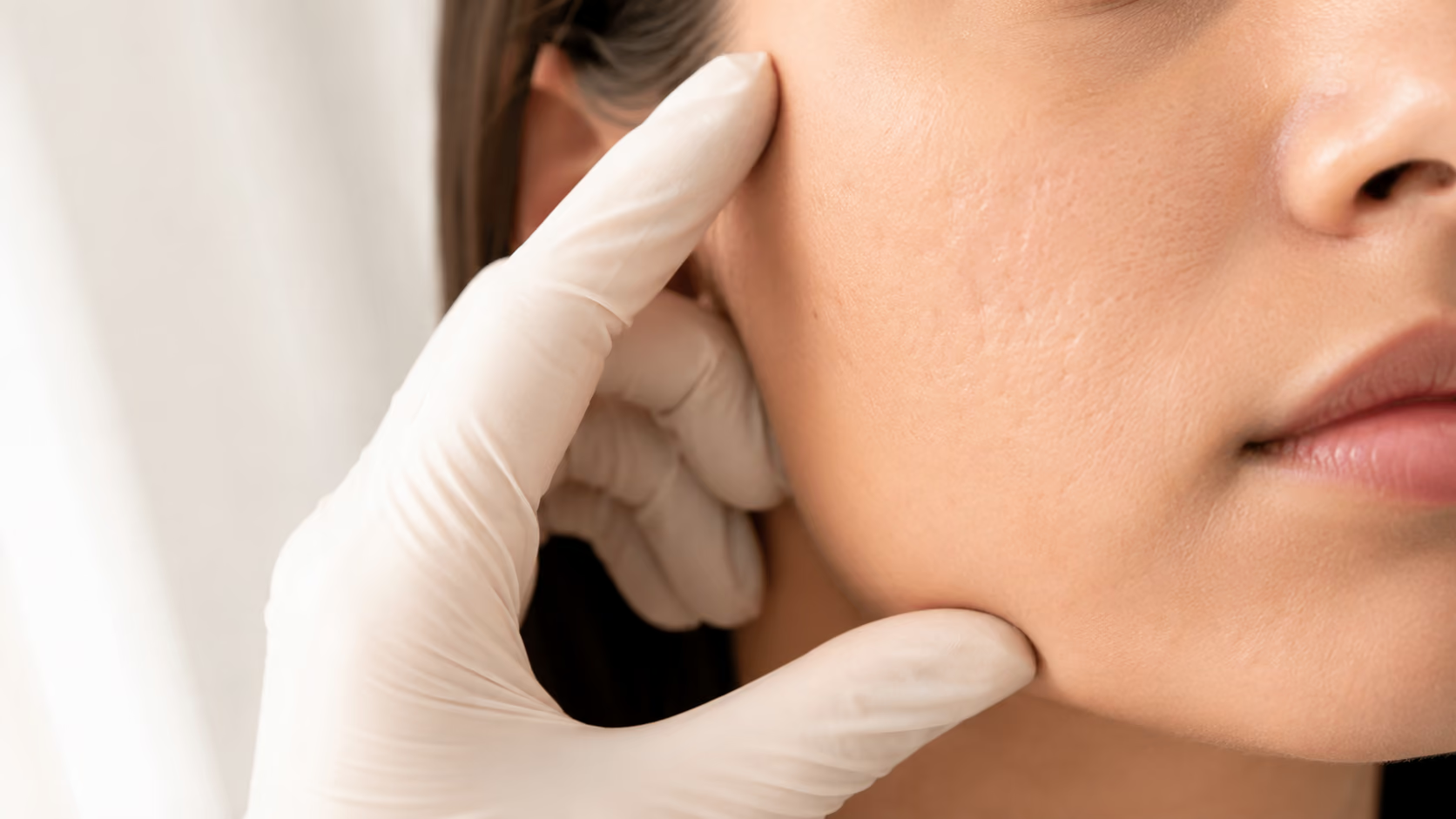
Most laser resurfacing is built for fine lines, sun damage and shallow acne scars. Thick scars are a different problem. A raised surgical scar, a burn scar or a tight band of scar tissue across a joint sits several millimeters deep, and a laser that only treats the top layer of skin barely touches it.
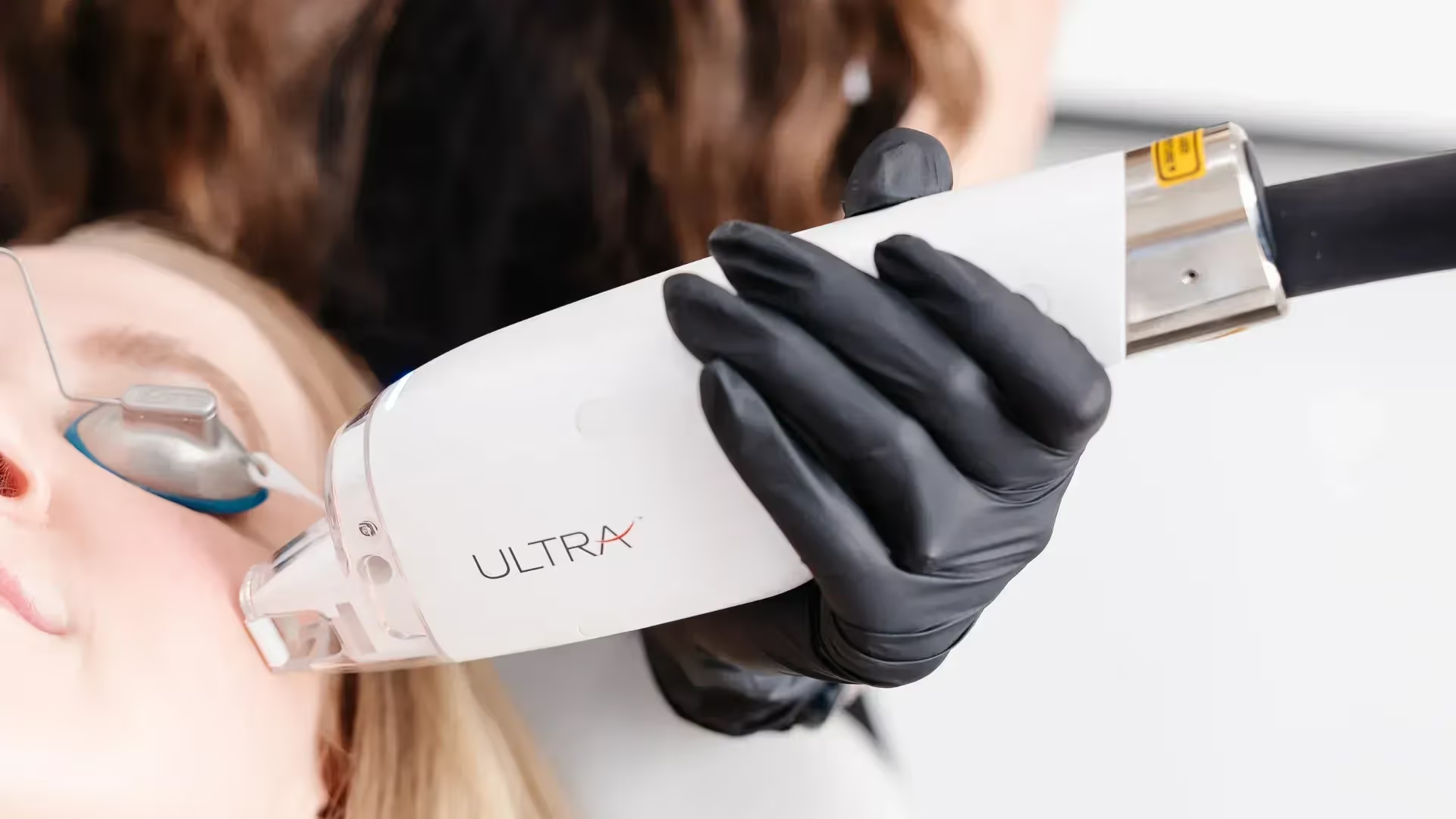
SCAAR FX was designed for exactly that kind of scar. It is one of several treatment modes on the UltraPulse, the CO2 laser Dr. Salar Hazany uses at Hazany Derm, and it reaches deeper in a single pulse than the other settings on the same machine. That depth is what lets it soften and flatten scar tissue that has not responded to creams, silicone or lighter lasers.
This guide explains what SCAAR FX is, how it differs from the other UltraPulse handpieces, which scars it treats, what the research shows and what to expect from treatment and recovery.
What Is SCAAR FX?
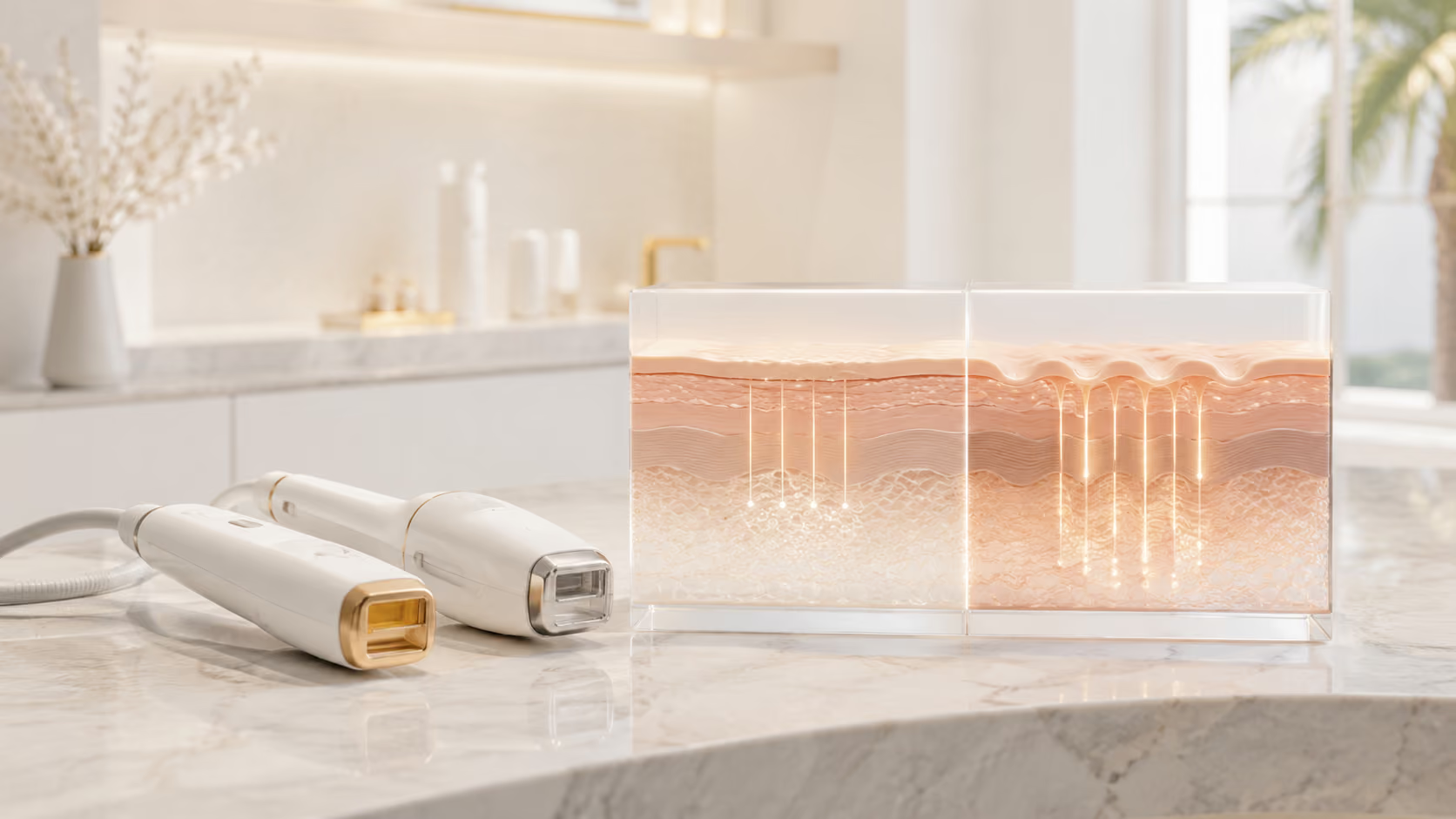
SCAAR FX is a deep fractional treatment mode on the Lumenis UltraPulse CO2 laser. The name stands for Synergistic Coagulation and Ablation for Advanced Resurfacing. It sends very narrow beams of laser energy, about 0.12 mm wide, deep into scar tissue in a spaced pattern, leaving healthy skin between each treated column so the area heals faster.
Lumenis rates SCAAR FX at up to 3.5 mm deep in a single pulse, which is several times deeper than typical fractional CO2 settings. Each pulse removes a microscopic column of tissue and heats a thin zone around it. As the skin repairs those columns, it lays down new, better organized collagen in place of the dense, disorganized collagen that makes a scar thick and stiff.
The laser fires each pulse faster than the surrounding tissue can absorb the heat. That short pulse is what makes it possible to go deep while limiting heat damage to the skin around each treated point.
Is SCAAR FX a separate laser?
No. SCAAR FX is one mode of the UltraPulse CO2 laser, not a separate device. The same laser has other handpieces and settings for lighter resurfacing, so one session can treat a scar deeply with SCAAR FX and smooth the surface around it with another mode.
One Laser, Several Handpieces: Where SCAAR FX Fits
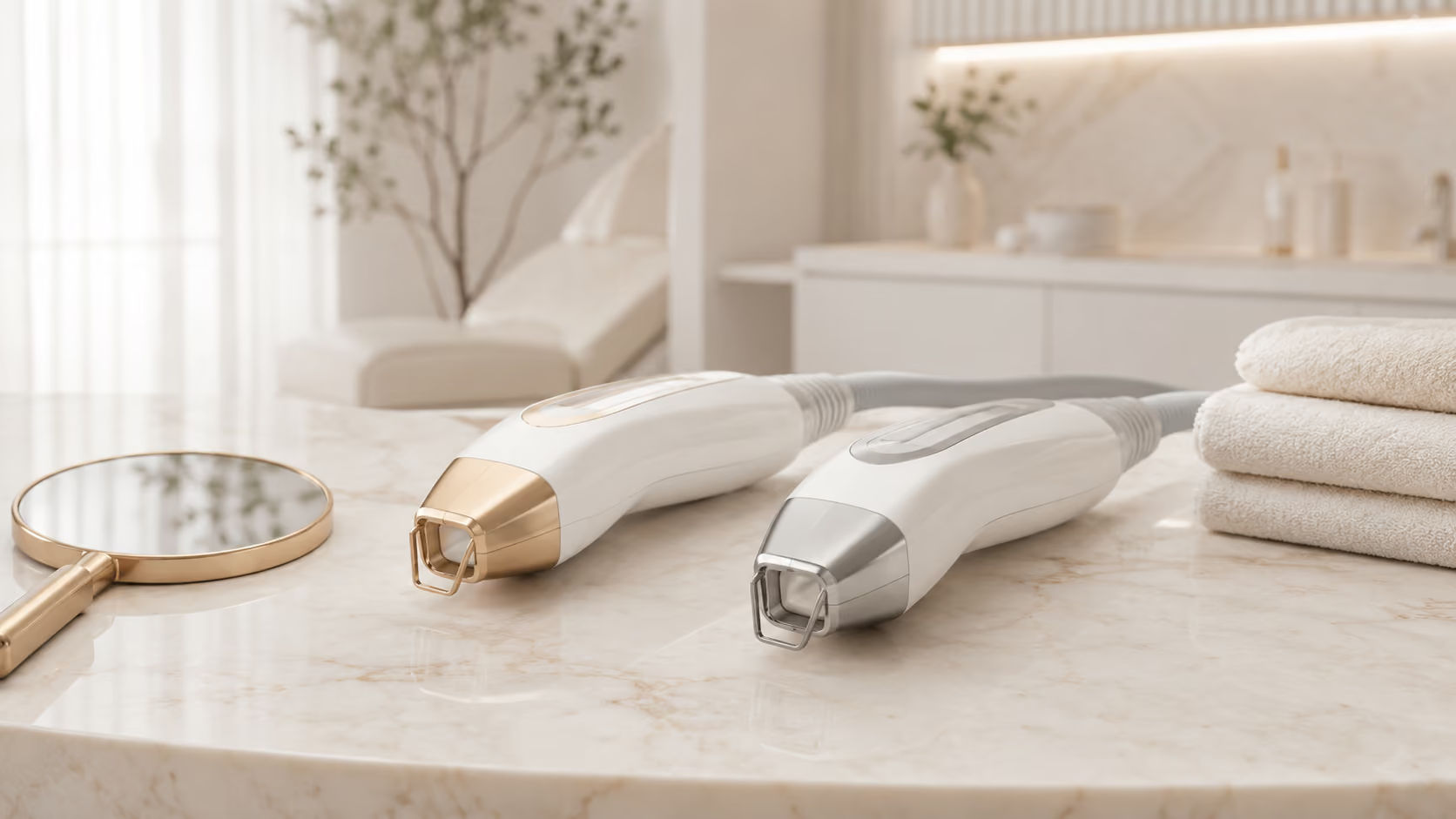
The UltraPulse is built around interchangeable scanners and settings, each made for a different depth and purpose. Knowing the difference helps explain why SCAAR FX is reserved for certain scars.
- ActiveFX: A wider, shallower beam for fine lines, uneven texture and sun damage, with shorter downtime.
- DeepFX: Narrow beams that reach deeper for wrinkles and acne scars.
- TotalFX: ActiveFX and DeepFX combined in one treatment, for the surface and deeper layers together.
- SCAAR FX: The deepest setting, for thick, raised, tight and complex scars.
- Precision handpieces: Focused beams for precise tissue removal and surgical incisions.
In practice, SCAAR FX is often combined with a lighter mode in the same visit. SCAAR FX treats the scar's thickness, and a surface mode blends the scar's edges and texture into the surrounding skin. You can read more about how the laser works in general on our CO2 laser treatment page.
Which Scars SCAAR FX Treats
SCAAR FX is meant for scars that are deep, firm or tight rather than flat and shallow. Dr. Hazany considers it for:
- Raised surgical scars: Thick or ropey scars after surgery, including C-section, tummy tuck, joint and chest surgery scars.
- Burn scars: Hypertrophic burn scars that are thick, itchy or uneven. See our guide to the best treatment for severe burn scars.
- Traumatic scars: Scars from accidents, dog bites and deep lacerations.
- Contracture scars: Tight scars that pull on nearby skin or limit how far a joint can move. Learn more about contracture and burn scar treatment.
- Deep acne scars: Severe, tethered scarring that lighter settings have not improved enough.
Flat, shallow scars and mild textural concerns usually do better with a lighter mode, and keloids need their own plan, described below.
Can SCAAR FX help a scar that limits movement?
Often, yes. Thick scars over joints can restrict how far you can bend or stretch. By breaking up dense scar tissue and letting it remodel, deep fractional CO2 treatment can make the scar softer and more flexible, and studies of burn and traumatic scars report better range of motion along with less itching and pain.
What the Research Shows
Deep fractional CO2 laser treatment is now an established part of scar care rather than an experimental one. A 2014 consensus report in JAMA Dermatology, written by an international panel of scar and laser specialists, named ablative fractional laser resurfacing as a core treatment for traumatic and burn scars. A 2020 international consensus update reached the same conclusion and supported treating scars earlier than was once standard.
Studies of the UltraPulse itself point the same way. A 2021 study in Lasers in Medical Science followed 21 patients with extensive burn and trauma scars covering 20 to 65 percent of the body, treated with several UltraPulse modes chosen by scar type and thickness. Their scars became flatter and lighter, itching, pain and discomfort dropped significantly, scar assessment scores improved, and no serious side effects were reported (read the study).
Results vary with the scar, the skin and the number of sessions, and no laser removes a scar completely. The realistic goal is a scar that is flatter, softer, more comfortable and closer in color and texture to the skin around it.
What to Expect From Treatment and Recovery
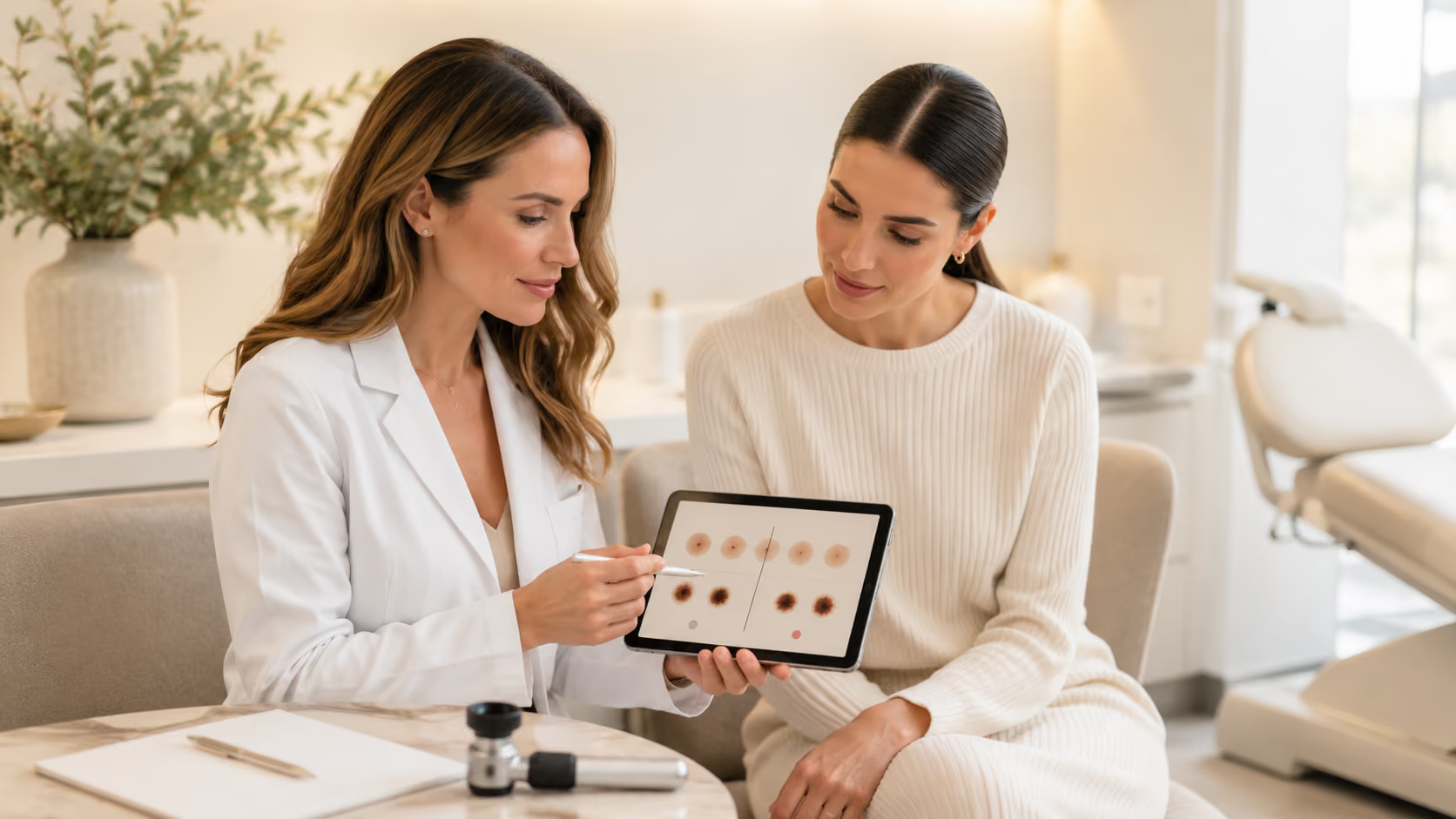
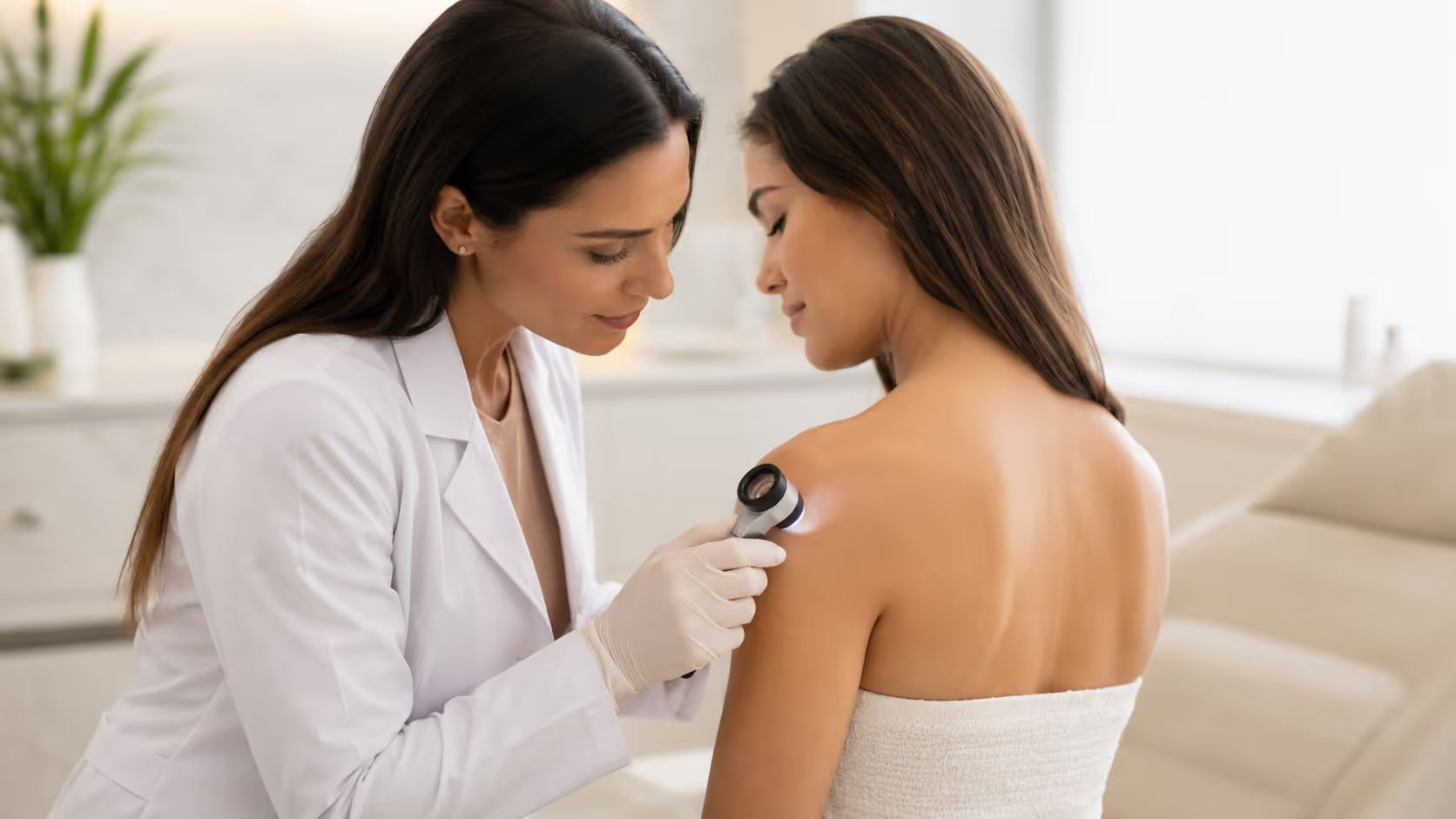
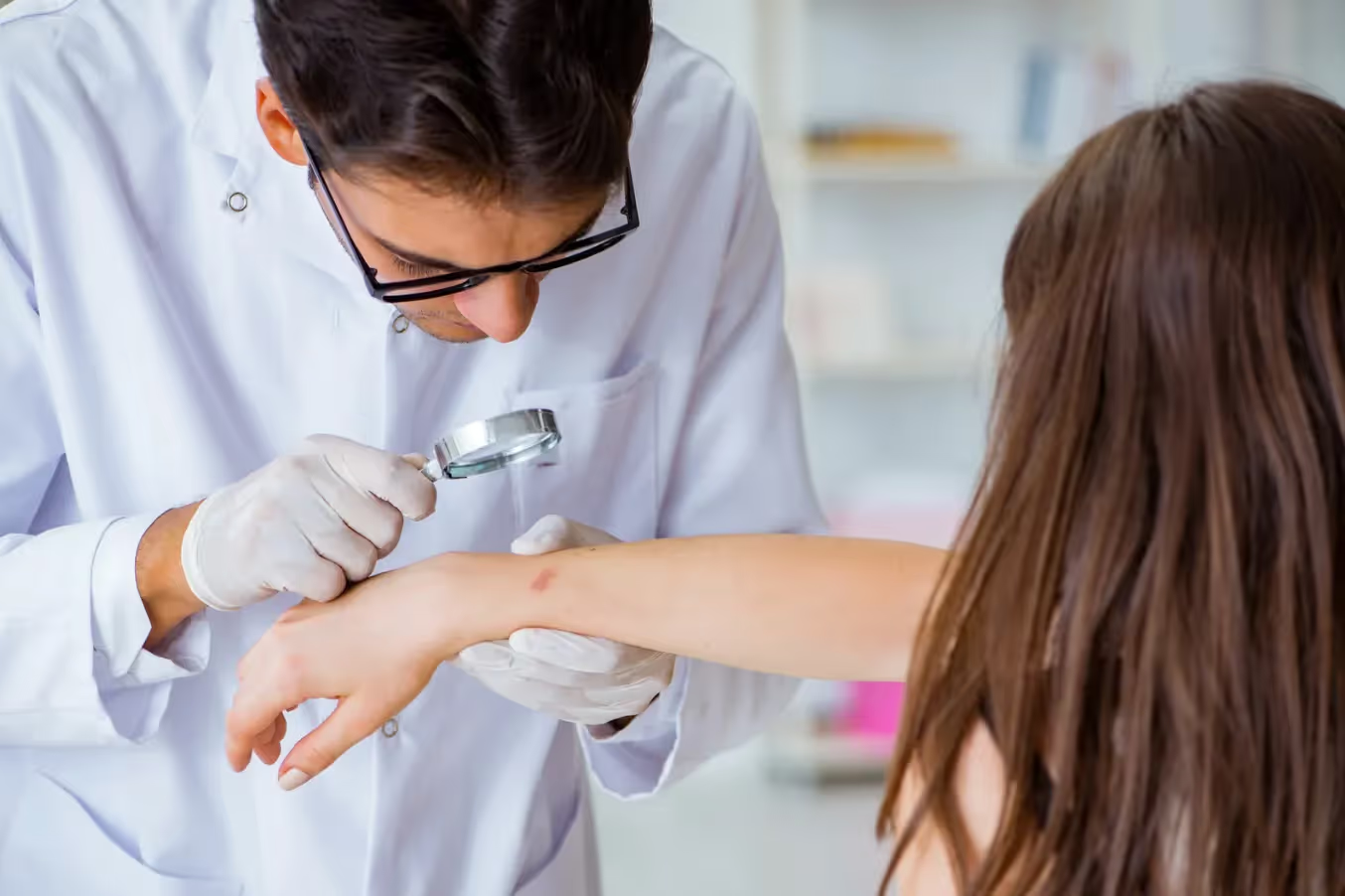
Every treatment starts with a consultation, where Dr. Hazany examines the scar, asks how long it has been there and how it has changed, and decides which UltraPulse modes and settings fit. Not every scar needs SCAAR FX, and some need injections or surgery first.
- Before treatment: A numbing cream is applied, and for larger areas other numbing options may be used.
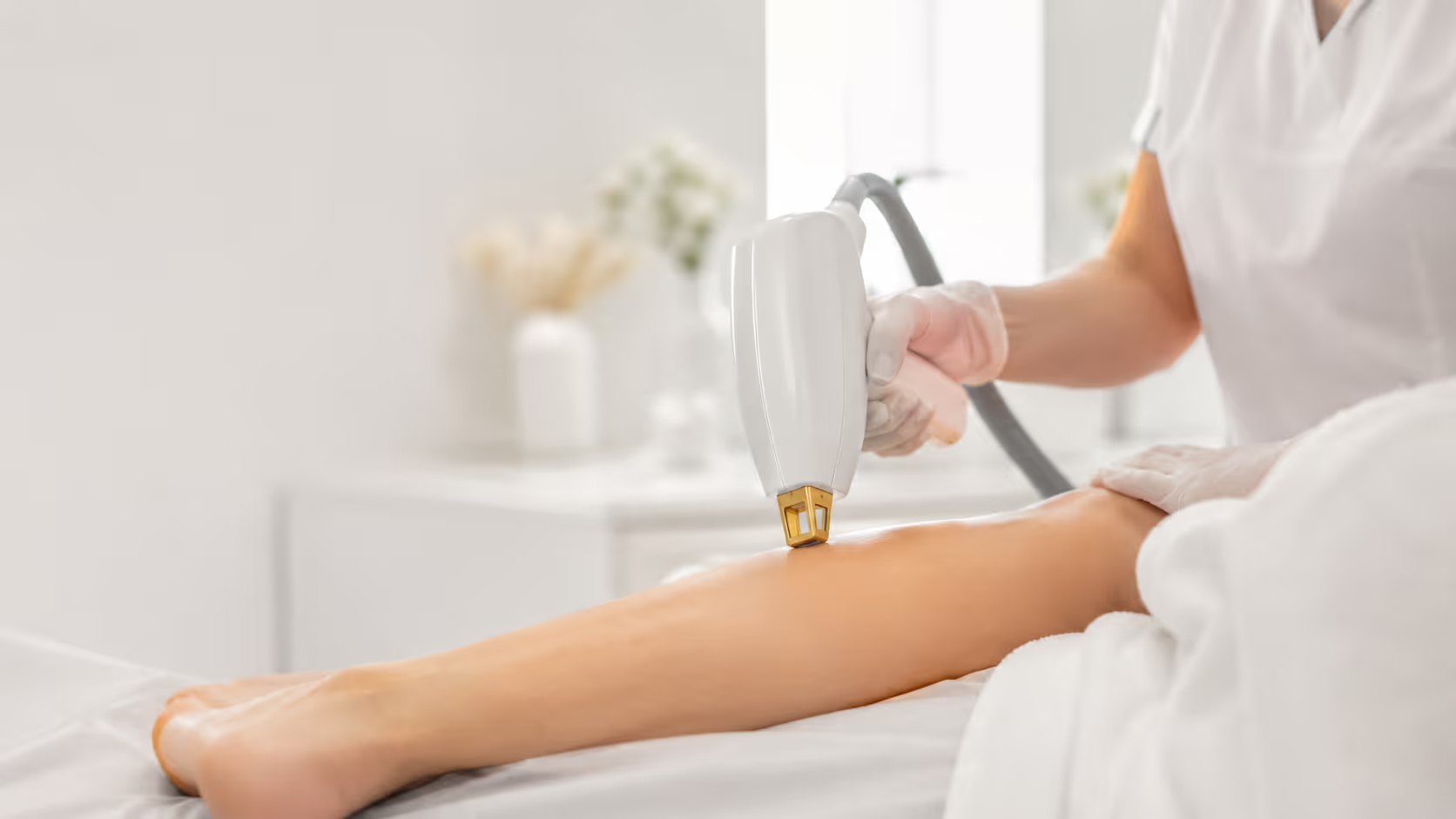
- During treatment: Most sessions take 15 to 45 minutes depending on the size of the area. Patients usually describe heat and a snapping sensation.
- The first week: Expect redness, swelling and pinpoint crusting or oozing for several days. You will follow a simple wound care routine with a gentle cleanser and ointment.
- The weeks after: Pinkness fades gradually over several weeks. Strict sun protection on the treated area matters during this time.
- Further sessions: Thick scars usually need several treatments, spaced about one to three months apart, because collagen keeps remodeling for months after each one.
Sometimes a medication such as a steroid is applied right after the laser, while the treated channels are still open, so it reaches deeper into the scar. Dr. Hazany decides whether that step fits your scar.
How soon after surgery can a scar be treated?
Earlier than many people expect. Once the wound has fully closed and healed, a raised or tight scar can often be treated within the first few months rather than waiting a year or more. Our article on how long after surgery you can do scar revision covers timing in more detail.
Who Is a Good Candidate?
Good candidates have a thick, raised, tight or deep scar, are in good general health and have realistic expectations about improvement rather than erasure. Dr. Hazany takes extra care in a few situations:
- Darker skin tones: Settings and density are adjusted to lower the risk of pigment changes, and pre-treatment skin care may be recommended.
- Keloids: Keloids grow beyond the original wound and can return after treatment, so they usually start with injections or other therapy. See our keloid treatment page.
- Active skin infection, open wounds or recent sun tanning: Treatment waits until the skin is ready.
- Pregnancy and certain medications: Your full medical history is reviewed before any laser treatment.
If a scar is too wide, too tight or in the wrong position for a laser to fix on its own, surgical scar revision may come first, with SCAAR FX used afterward to refine the result. Our guide on whether laser treatment can improve surgical scars explains how the two work together.
SCAAR FX Scar Treatment in Beverly Hills
Thick and tight scars are among the most rewarding scars to treat, because the right plan can change how a scar looks and how it feels. Dr. Salar Hazany is a board-certified dermatologist and Mohs surgeon who builds staged scar plans around the UltraPulse, injections and surgical revision. To find out whether SCAAR FX is right for your scar, request a consultation or explore our scar removal treatments and scar revision before and after photos.
常见问题解答
Does SCAAR FX hurt?
Most patients describe SCAAR FX as heat and a quick snapping feeling. A numbing cream is applied before treatment, and larger areas can use additional numbing options, so the session is usually well tolerated. The treated skin feels like a sunburn for a day or two afterward. Dr. Hazany adjusts the plan for comfort based on the size and location of the scar.
How many SCAAR FX sessions will I need?
Most thick or raised scars need several sessions, often three to five, spaced about one to three months apart. Collagen keeps remodeling for months after each treatment, so improvement builds over time. Smaller or thinner scars may need fewer sessions, while large burn or contracture scars may need more. Dr. Hazany gives you an estimate after examining the scar.
How long is recovery after SCAAR FX?
Expect redness, swelling and pinpoint crusting or oozing for several days, with most patients back to normal routines within about a week. Pinkness can last several weeks and fades gradually. During recovery you follow a simple wound care routine and protect the area from the sun. Recovery is longer when large areas or deeper settings are treated.
How soon after surgery or an injury can a scar be treated with SCAAR FX?
Once the wound has fully closed and healed, a raised or tight scar can often be treated within the first few months. International scar experts now support earlier treatment rather than waiting a year or more, because early treatment can guide how the scar matures. Dr. Hazany confirms timing at your consultation based on how the scar is healing.
Is SCAAR FX safe for darker skin tones?
SCAAR FX can be used on many skin tones with the right settings. Darker skin carries a higher risk of temporary darkening or lightening after any laser, so Dr. Hazany adjusts the energy and density, may recommend skin preparation beforehand, and spaces sessions carefully. Strict sun protection after treatment also lowers the risk of pigment changes.
What is the difference between SCAAR FX and DeepFX?
Both modes use narrow fractional beams on the UltraPulse CO2 laser. DeepFX is designed for wrinkles and acne scars, while SCAAR FX delivers more energy per pulse and reaches deeper, up to about 3.5 mm, for thick, raised and tight scars. Many treatments combine a deep mode with a lighter surface mode in the same visit.
Can SCAAR FX treat keloids?
Keloids behave differently from other raised scars. They grow beyond the original wound and can return after treatment, so they usually start with steroid injections or other therapy. A laser may be added as part of a combined plan, sometimes with medication applied right after the laser. Dr. Hazany decides the right sequence after examining the keloid.
Will SCAAR FX make my scar disappear?
No laser removes a scar completely. SCAAR FX aims to make a scar flatter, softer, more flexible and closer in color and texture to the surrounding skin. Many patients also notice less itching, tightness and discomfort. The amount of improvement depends on the scar, your skin and the number of sessions, which Dr. Hazany reviews with you before you start.