




%201.avif)



What Is an Ice Pick Acne Scar?



Ice pick acne scars are deep, narrow indentations that resemble puncture wounds from an ice pick tool. These challenging scars penetrate deeply into the skin and require specialized treatment approaches. Hazany Derm offers advanced solutions for improving ice pick scar appearance.
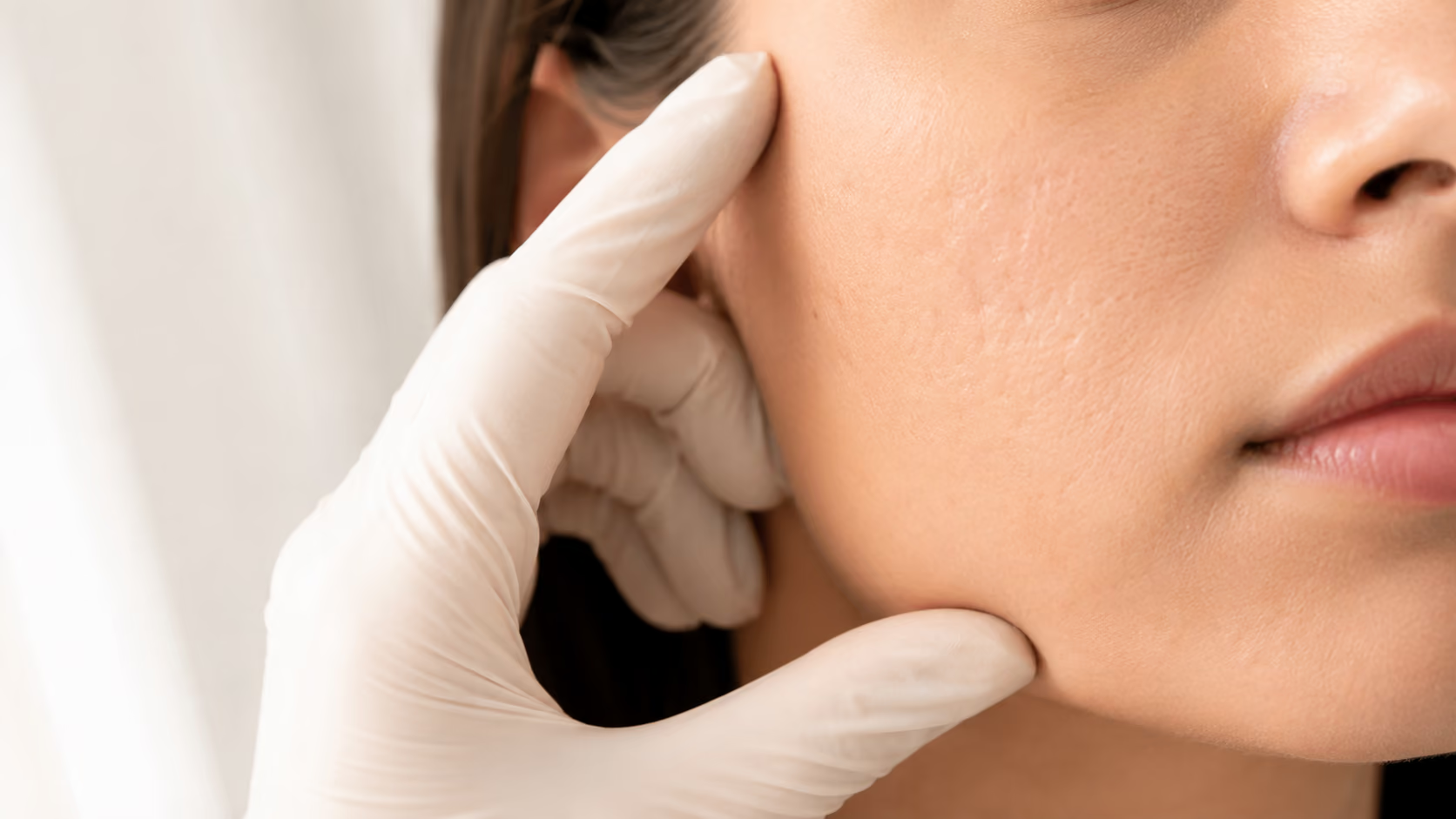
Ice pick acne scars represent one of the most challenging types of acne scarring that dermatologists encounter in their practice. These distinctive marks earned their name from their resemblance to the puncture wounds created by an ice pick tool. The scars appear as small, deep holes in the skin that can significantly impact a person's confidence and self-esteem. Understanding the nature of these scars is crucial for anyone seeking effective treatment options.
The formation of ice pick scars occurs when severe acne inflammation destroys collagen deep within the skin's structure. Unlike other types of acne scars that may be shallow or rolling, ice pick scars create narrow channels that extend far beneath the skin's surface. This deep penetration makes them particularly noticeable and difficult to treat with standard skincare routines. The scars typically measure less than 2 millimeters in diameter but can be several millimeters deep.
At Hazany Derm, patients frequently seek consultation for ice pick acne scars because these marks can persist for years without proper intervention. The visibility of these scars often increases with age as the skin loses elasticity and collagen production naturally decreases. Professional evaluation becomes essential for developing an effective treatment strategy that addresses both the depth and the individual characteristics of each scar. Dr. Salar Hazany emphasizes that early intervention and proper treatment planning can significantly improve outcomes for patients dealing with this challenging scarring.
Understanding Ice Pick Scar Formation and Characteristics
The development of ice pick acne scars begins with severe inflammatory acne lesions that penetrate deep into the dermal layer of skin. When cystic acne or nodular acne occurs, the intense inflammation destroys not only the hair follicle but also the surrounding collagen matrix. The body's healing response attempts to repair this damage, but often produces insufficient collagen to fill the deep void left behind. This inadequate healing process results in the characteristic narrow, deep indentation that defines an ice pick scar.
The anatomical structure of ice pick scars sets them apart from other acne scar types through their unique funnel-like shape. These scars are widest at the skin's surface and narrow as they extend deeper into the dermis and sometimes into the subcutaneous tissue. The walls of ice pick scars are typically steep and well-defined, creating sharp edges that cast shadows and make the scars more visible under certain lighting conditions. This structural characteristic explains why ice pick scars can appear more prominent in natural sunlight or harsh artificial lighting.
Ice pick scars most commonly develop on areas of the face where sebaceous glands are most concentrated and where acne tends to be most severe. The cheeks, temples, and upper forehead are frequent locations for these types of scars. The skin thickness in these areas also influences scar formation, as thinner skin may be more prone to developing the characteristic narrow, deep indentations. Hazany Derm patients often notice that ice pick scars in these locations can create an uneven skin texture that affects the overall appearance of their complexion.
Several factors contribute to the likelihood of developing ice pick acne scars:
- Genetic Predisposition: Family history of severe acne and scarring increases individual risk for developing ice pick scars through inherited skin characteristics and healing responses.
- Acne Severity: Deep, inflammatory acne lesions such as cysts and nodules are more likely to result in ice pick scarring than superficial comedones or pustules.
- Delayed Treatment: Allowing severe acne to persist without proper medical intervention increases the likelihood of permanent scarring as inflammation continues to damage deeper skin structures.
- Improper Lesion Manipulation: Picking, squeezing, or attempting to extract deep acne lesions can worsen inflammation and increase the risk of developing permanent ice pick scars.
The healing process following severe acne inflammation plays a crucial role in determining whether ice pick scars will develop. When the body cannot produce adequate amounts of organized collagen to fill the space left by destroyed tissue, the characteristic narrow depression forms. Individual variations in wound healing, collagen synthesis, and inflammatory response all contribute to the final appearance of these scars. Some patients may develop only a few ice pick scars despite having severe acne, while others may develop numerous scars from relatively moderate inflammatory lesions.
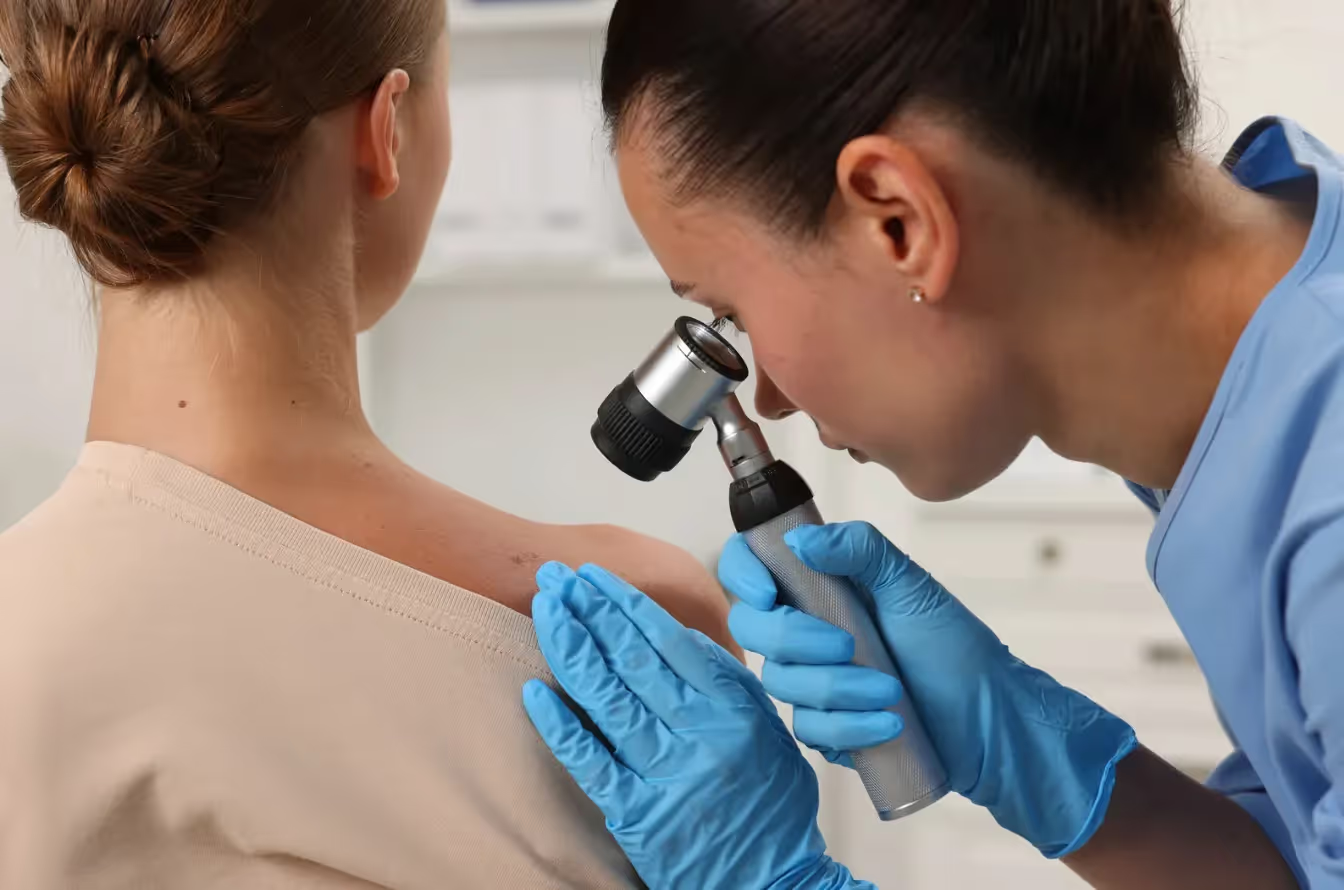
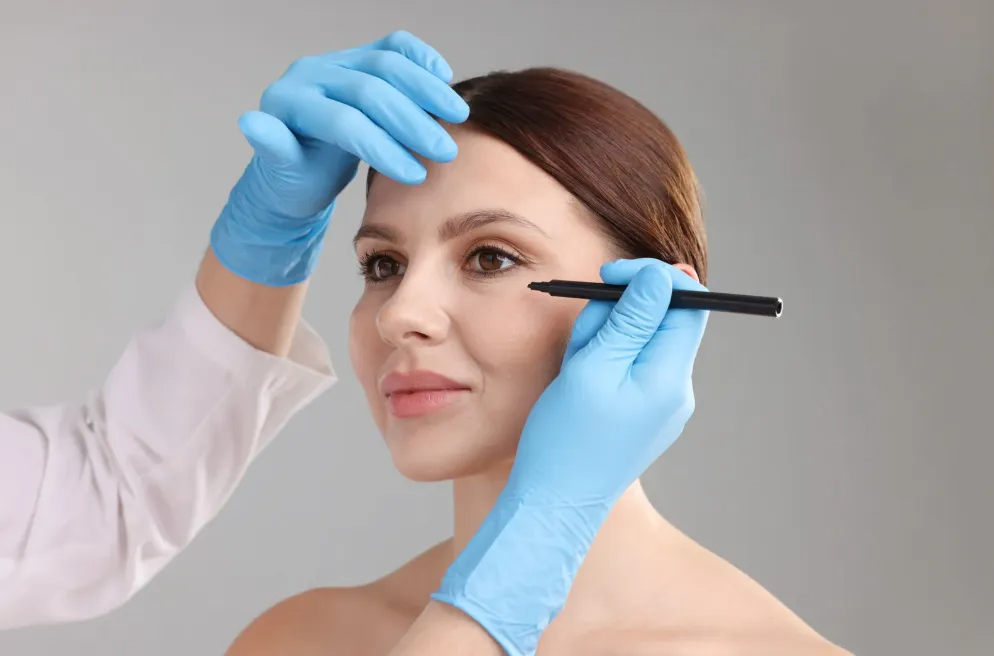
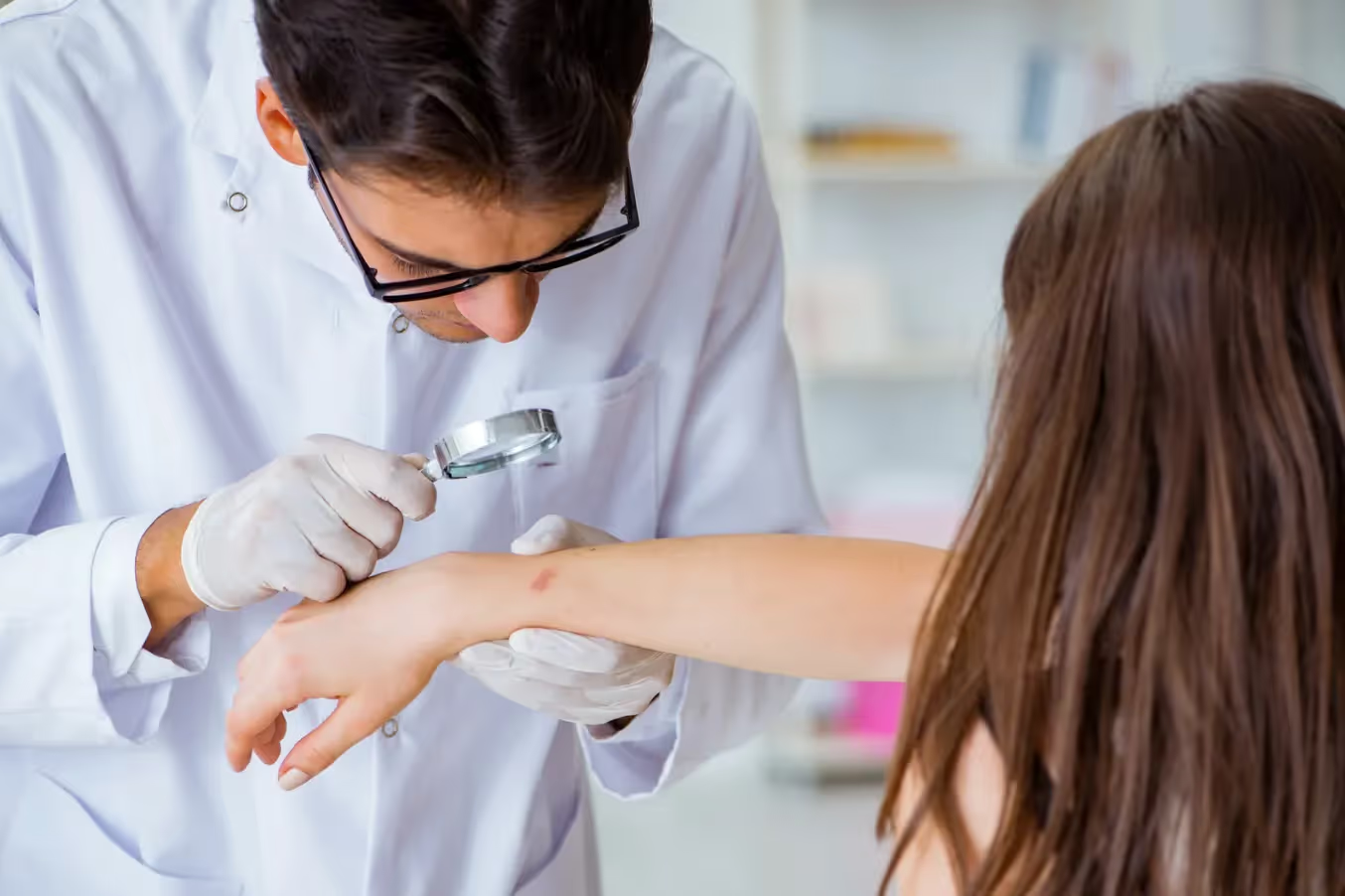
Professional evaluation at Hazany Derm allows for accurate identification of ice pick scars and differentiation from other scar types that may require different treatment approaches. The depth, width, and tissue characteristics of each individual scar must be assessed to develop an effective treatment plan. Dr. Salar Hazany utilizes advanced diagnostic techniques to evaluate the full extent of scarring and determine the most appropriate therapeutic interventions for each patient's unique situation.
Treatment Options and Approaches for Ice Pick Scars
The treatment of ice pick acne scars requires specialized techniques that can address the unique depth and narrow structure of these challenging marks. Traditional topical treatments and superficial procedures typically provide minimal improvement for ice pick scars because they cannot reach the depth necessary to stimulate significant remodeling of the scar tissue. Effective treatment approaches must target the deep dermal and sometimes subcutaneous layers where the scar channels extend. The selection of appropriate treatment methods depends on factors such as scar depth, skin type, patient expectations, and tolerance for downtime.
Punch excision represents one of the most effective treatments for individual ice pick scars, particularly those that are deep and well-defined. This surgical technique involves using a small circular blade to completely remove the scar tissue, followed by closure with sutures or skin grafting depending on the size of the excised area. The procedure essentially replaces the deep, narrow scar with a linear scar that heals more favorably and can be further refined with additional treatments. Hazany Derm utilizes precise techniques to minimize the size of the resulting surgical site while ensuring complete removal of the problematic scar tissue.
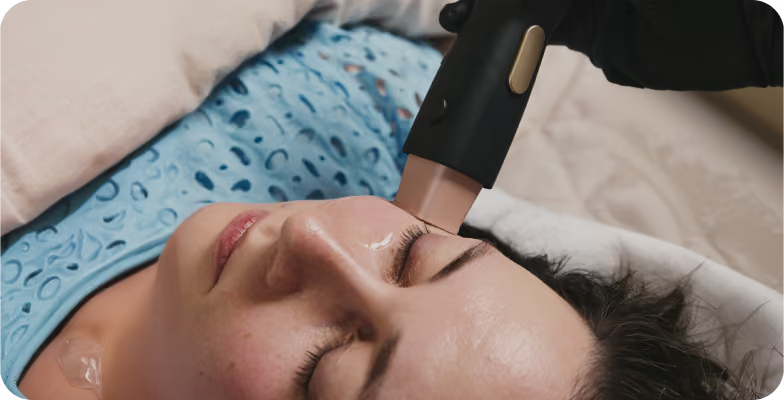
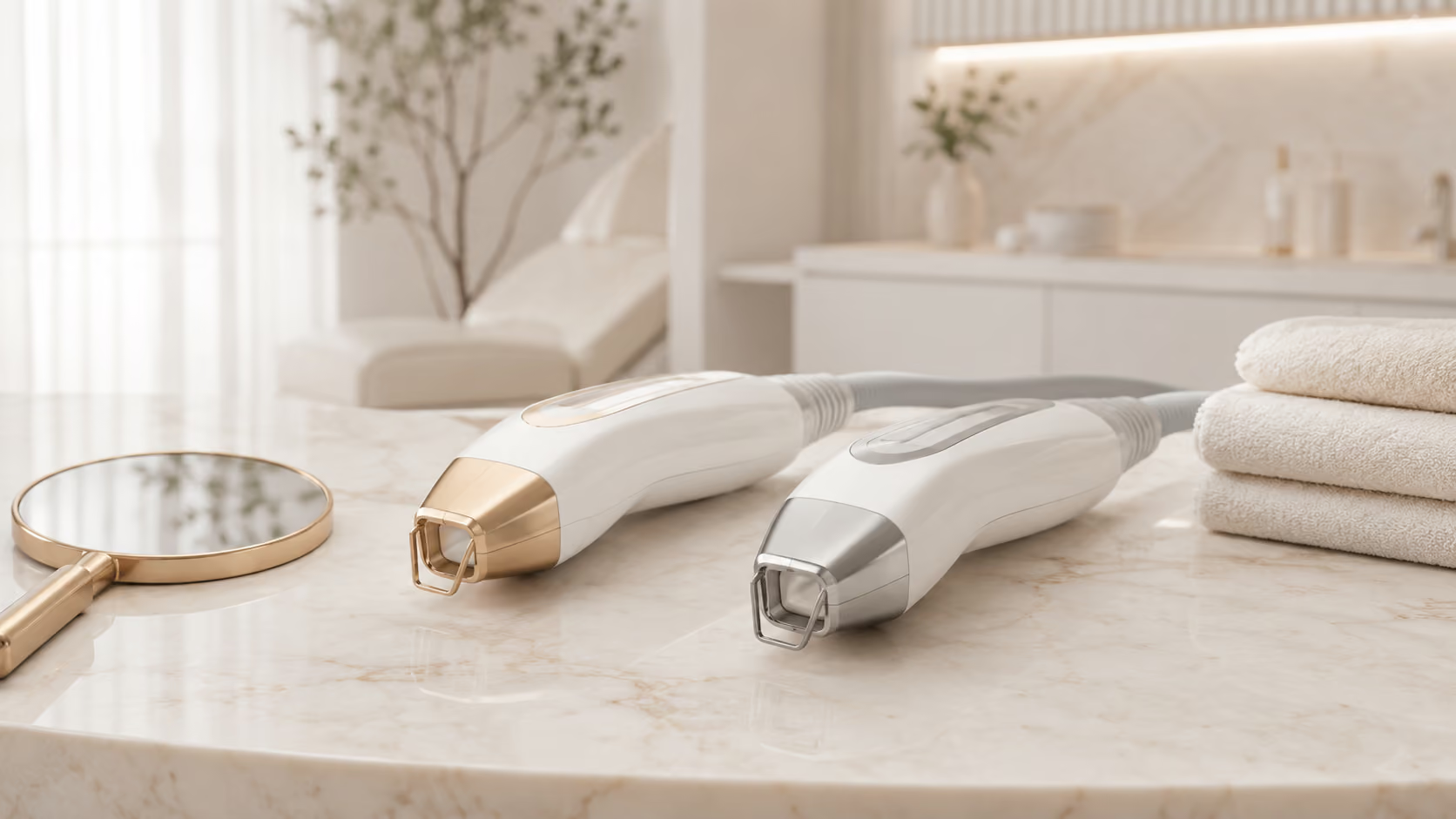
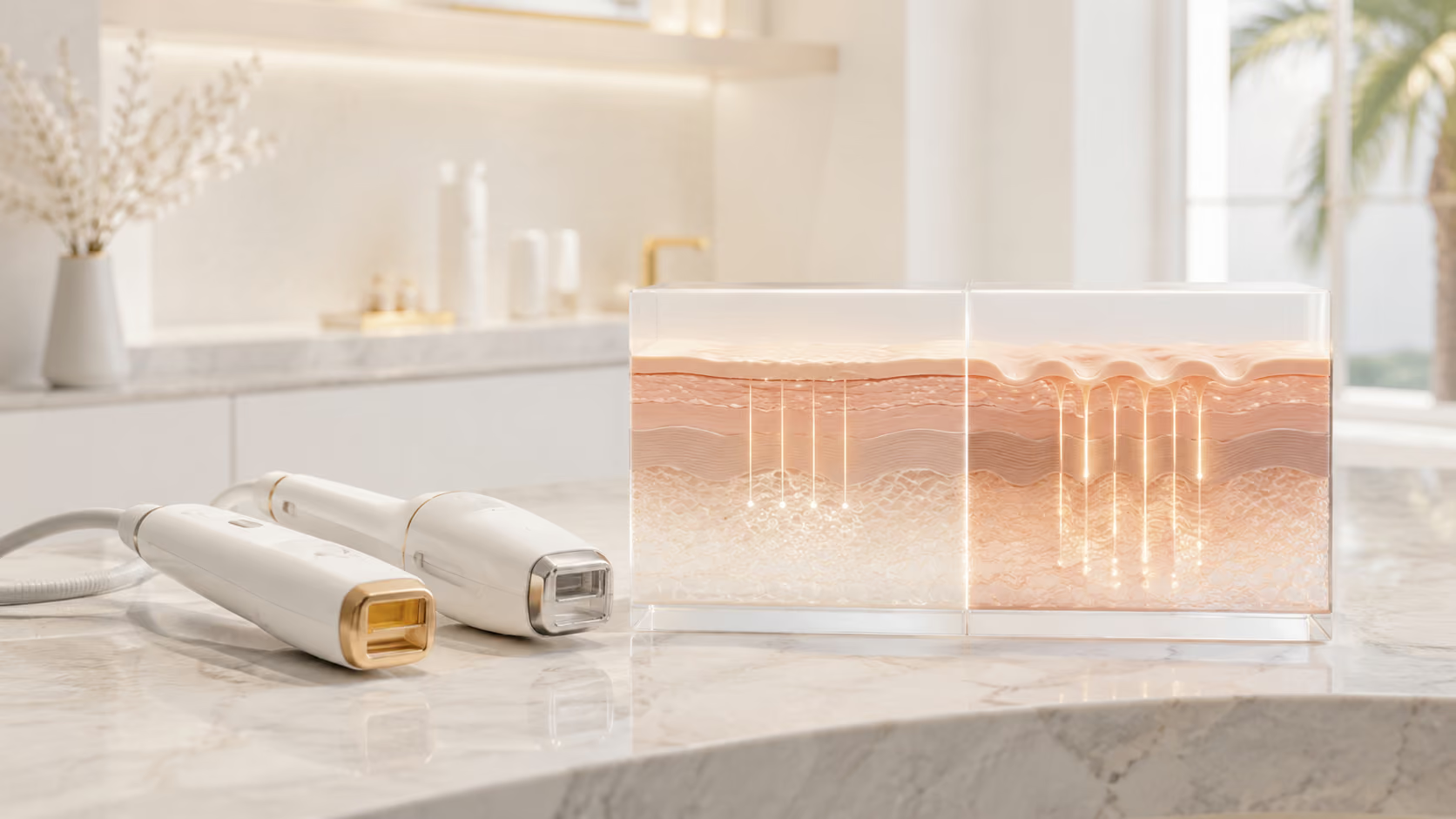
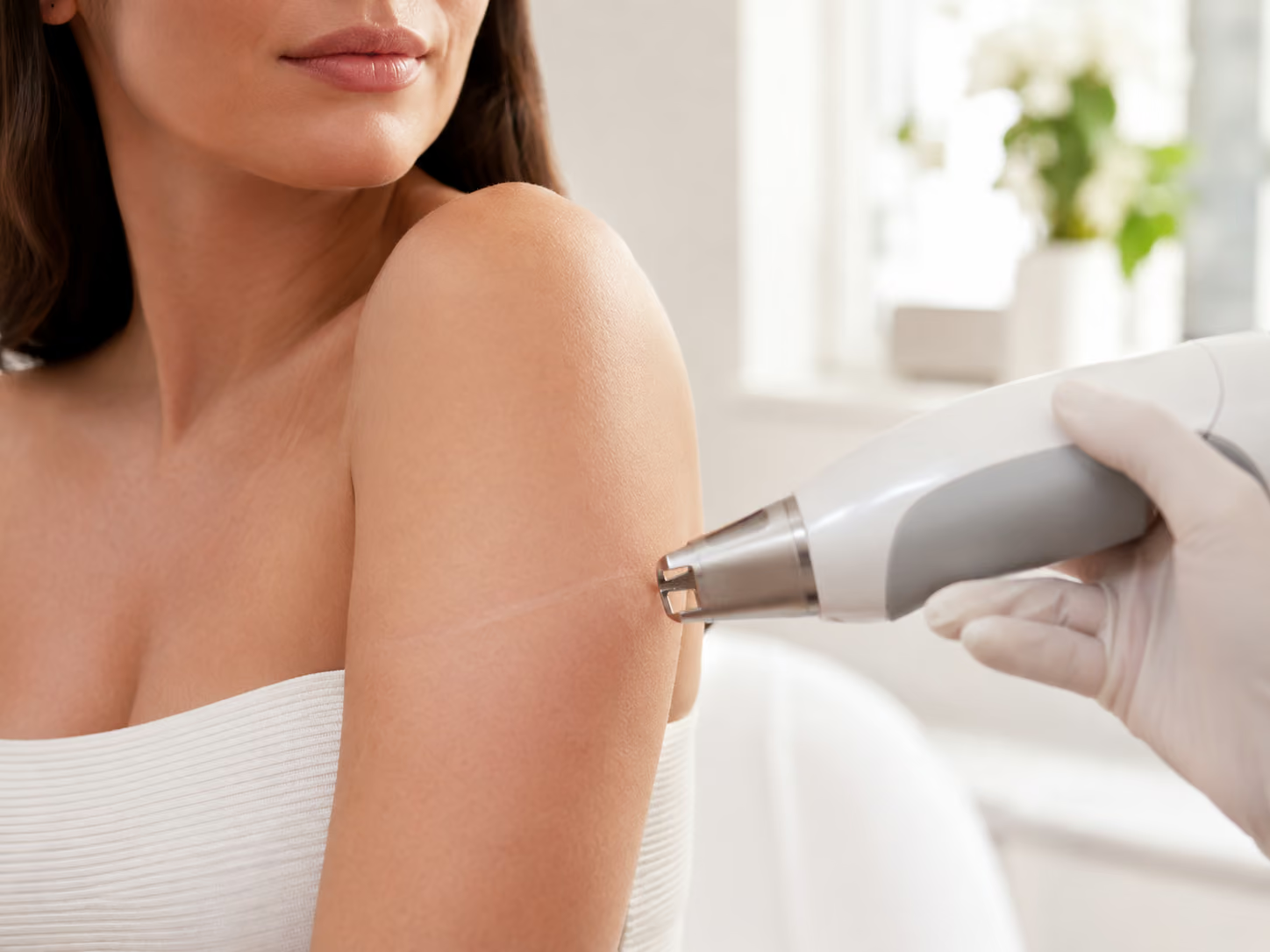
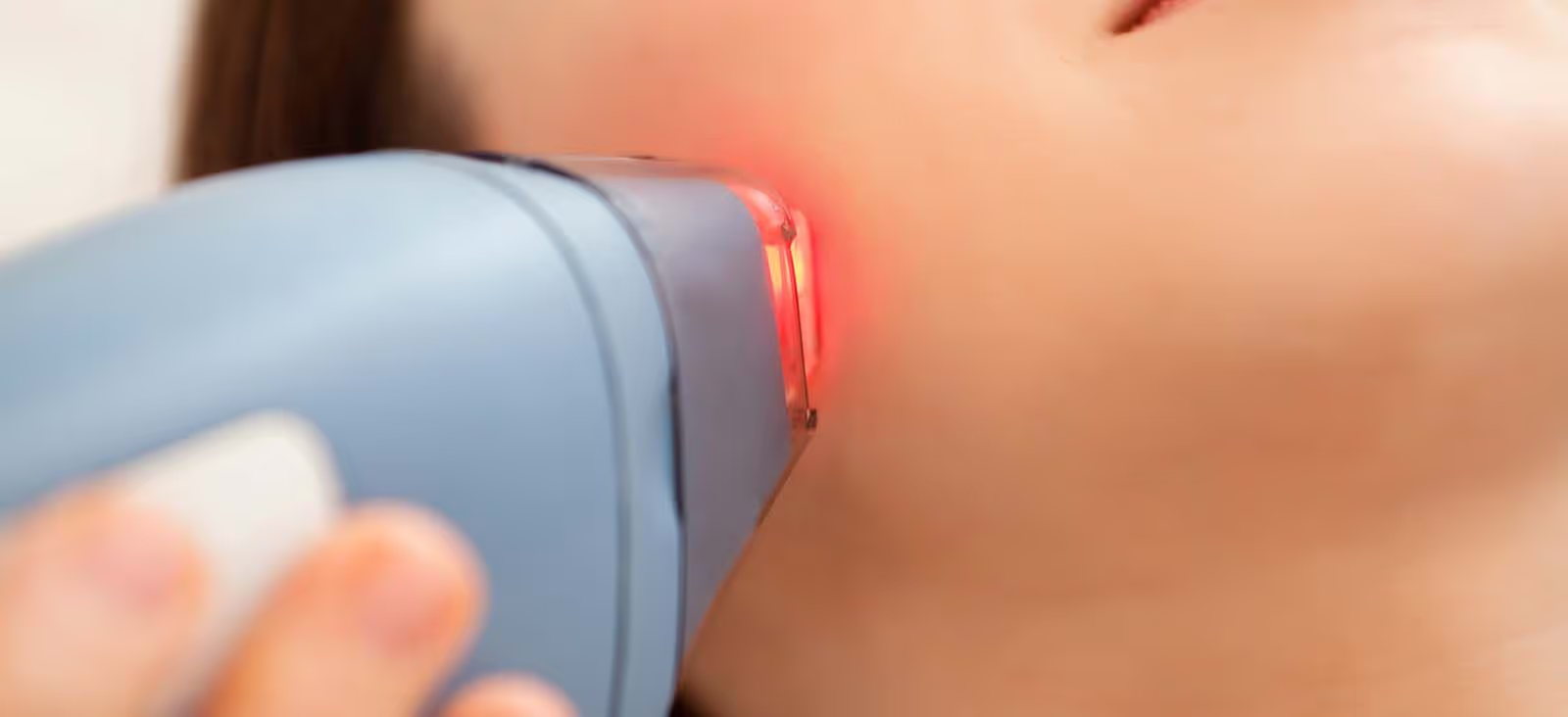
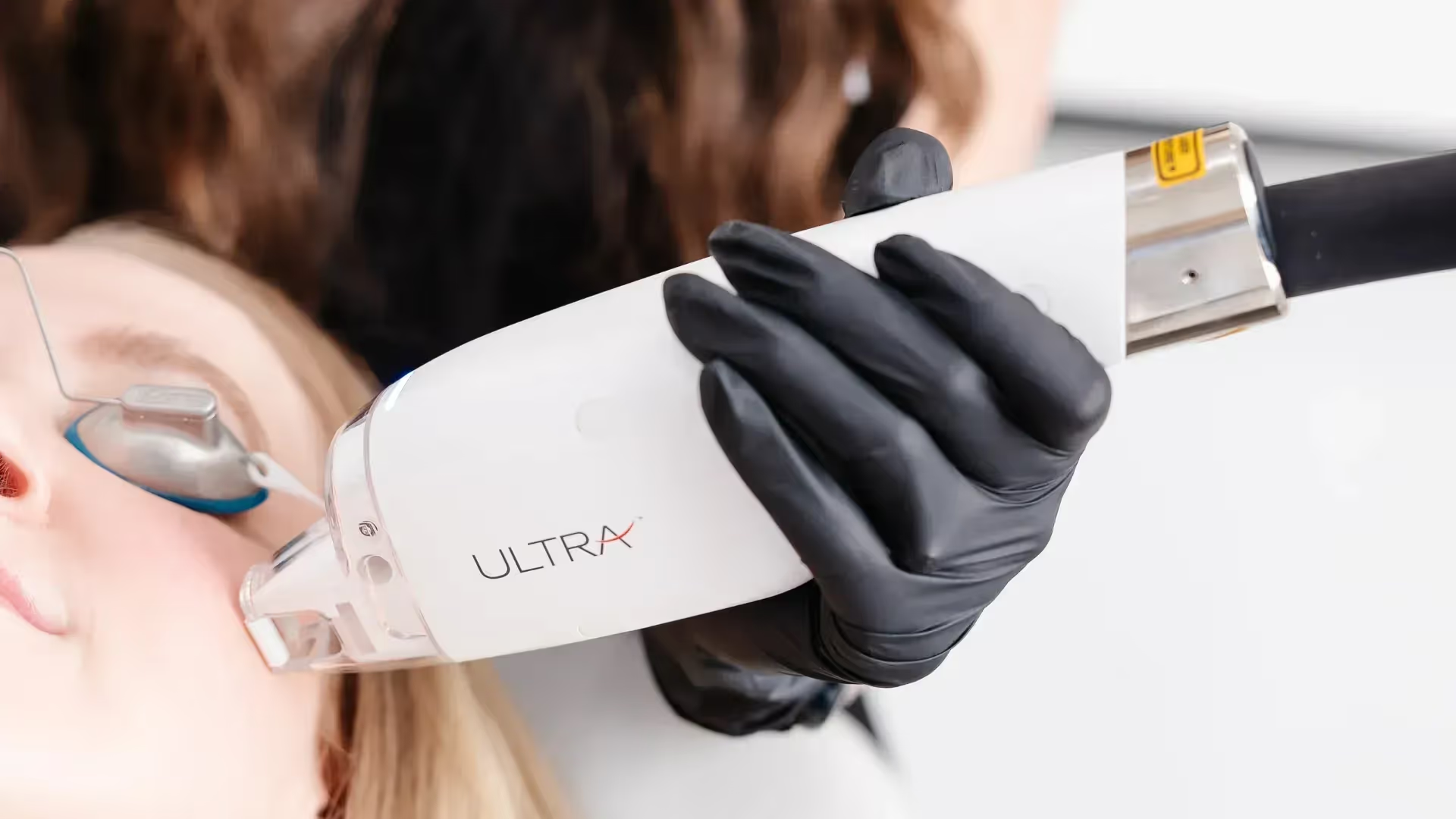
Laser treatments have revolutionized the approach to treating ice pick acne scars by providing controlled thermal energy that can penetrate to appropriate depths. Fractional laser systems create microscopic treatment zones that extend into the dermis, stimulating collagen production and tissue remodeling around the scar. Multiple treatment sessions are typically required to achieve optimal results, as the remodeling process occurs gradually over several months. The precision of modern laser systems allows for customization of treatment parameters based on individual scar characteristics and skin response.
Several advanced treatment modalities are available for ice pick scar improvement:
- TCA Cross Technique: Trichloroacetic acid is applied directly into individual ice pick scars using a toothpick or fine applicator, causing controlled chemical destruction and subsequent collagen formation during healing.
- Radiofrequency Microneedling: Combines the mechanical stimulation of microneedling with radiofrequency energy delivery to deeper skin layers, promoting collagen synthesis and tissue tightening around scars.
- Subcision Procedure: Involves breaking up fibrous bands beneath the skin surface that may be tethering ice pick scars, allowing for improved contouring and reduced scar visibility.
- Dermal Filler Injection: Strategic placement of hyaluronic acid or other fillers can help elevate depressed scars and improve overall skin contour, though results are temporary and require maintenance treatments.
The recovery process following ice pick scar treatment varies depending on the specific procedures performed and individual healing characteristics. Patients typically experience some degree of redness, swelling, and potential scab formation in treated areas. Proper post-treatment care is essential for optimizing results and minimizing the risk of complications such as hyperpigmentation or infection. Hazany Derm provides comprehensive aftercare instructions and monitoring to ensure patients achieve the best possible outcomes from their scar treatment procedures.
Long-term success in treating ice pick acne scars often requires a combination of treatment modalities performed over an extended period. No single treatment can typically achieve complete correction of deep ice pick scars, but significant improvement in appearance and skin texture is achievable with appropriate intervention. Dr. Salar Hazany works with each patient to develop realistic expectations and create treatment plans that balance effectiveness with practical considerations such as downtime, cost, and maintenance requirements.
Prevention and Long-Term Management Strategies
Preventing the formation of ice pick acne scars begins with early and aggressive treatment of inflammatory acne before severe tissue damage occurs. The key to prevention lies in recognizing the warning signs of acne that has the potential to cause scarring and seeking professional dermatological care promptly. Patients who develop cystic acne, nodular acne, or persistent inflammatory lesions should not delay in obtaining appropriate medical treatment. The longer severe acne is allowed to persist, the greater the likelihood of permanent scarring including ice pick scars.
Professional acne management involves multiple approaches that work together to reduce inflammation, prevent new lesion formation, and promote proper healing of existing breakouts. Topical retinoids play a crucial role in preventing scarring by promoting proper skin cell turnover and preventing the formation of comedones that can develop into inflammatory lesions. Oral medications such as antibiotics, hormonal treatments, or isotretinoin may be necessary for patients with severe acne that poses a high risk for scarring. Hazany Derm emphasizes the importance of consistent, medically supervised acne treatment to minimize the risk of permanent scarring.
The role of proper skincare and lifestyle factors cannot be underestimated in preventing acne scarring. Patients must resist the urge to pick, squeeze, or manipulate acne lesions, as this mechanical trauma significantly increases the risk of scarring. Gentle skincare routines that support the skin barrier while addressing acne-prone skin are essential for optimal healing. Sun protection becomes particularly important during acne treatment, as many acne medications increase photosensitivity and UV exposure can worsen post-inflammatory hyperpigmentation and potentially interfere with proper healing processes.
Several preventive strategies can reduce the risk of developing ice pick acne scars:
- • Early Medical Intervention: Seeking professional dermatological care at the first signs of inflammatory acne prevents progression to severe scarring-prone lesions and allows for implementation of appropriate preventive treatments.
- Consistent Treatment Adherence: Following prescribed acne treatment regimens consistently, even when improvement is not immediately visible, maintains therapeutic levels of medication and prevents acne flares that could lead to scarring.
- Professional Extraction Procedures: When comedone extraction is necessary, having it performed by trained professionals reduces tissue trauma and inflammation that could contribute to scar formation.
- Anti-Inflammatory Support: Incorporating ingredients and treatments that reduce inflammation can help minimize tissue damage during acne healing and promote more favorable wound healing outcomes.
Long-term management of patients with existing ice pick acne scars involves ongoing maintenance treatments and vigilant prevention of new acne lesions that could create additional scarring. Many patients require periodic touch-up treatments to maintain improvements achieved through initial scar revision procedures. The skin's natural aging process can also affect the appearance of scars over time, sometimes making them more or less noticeable depending on changes in skin thickness, elasticity, and pigmentation. Regular dermatological monitoring allows for timely intervention when changes in scar appearance occur.
The psychological impact of ice pick acne scars should not be overlooked in long-term management planning. These visible reminders of past acne can significantly affect self-confidence and quality of life for many patients. Hazany Derm recognizes that successful scar treatment extends beyond physical improvement to encompass the emotional well-being of patients. Open communication about realistic expectations, treatment timelines, and ongoing management helps patients develop a positive relationship with their skin improvement journey.
Advances in scar treatment technology continue to provide new options for patients dealing with ice pick acne scars. Staying informed about emerging treatments and techniques allows for optimization of treatment approaches over time. Dr. Salar Hazany stays current with the latest developments in scar treatment to offer patients access to the most effective and innovative therapeutic options available. This commitment to ongoing education and technology adoption ensures that patients receive the most advanced care possible for their ice pick acne scar concerns.