







Can Dermatologists Treat Different Skin Types?



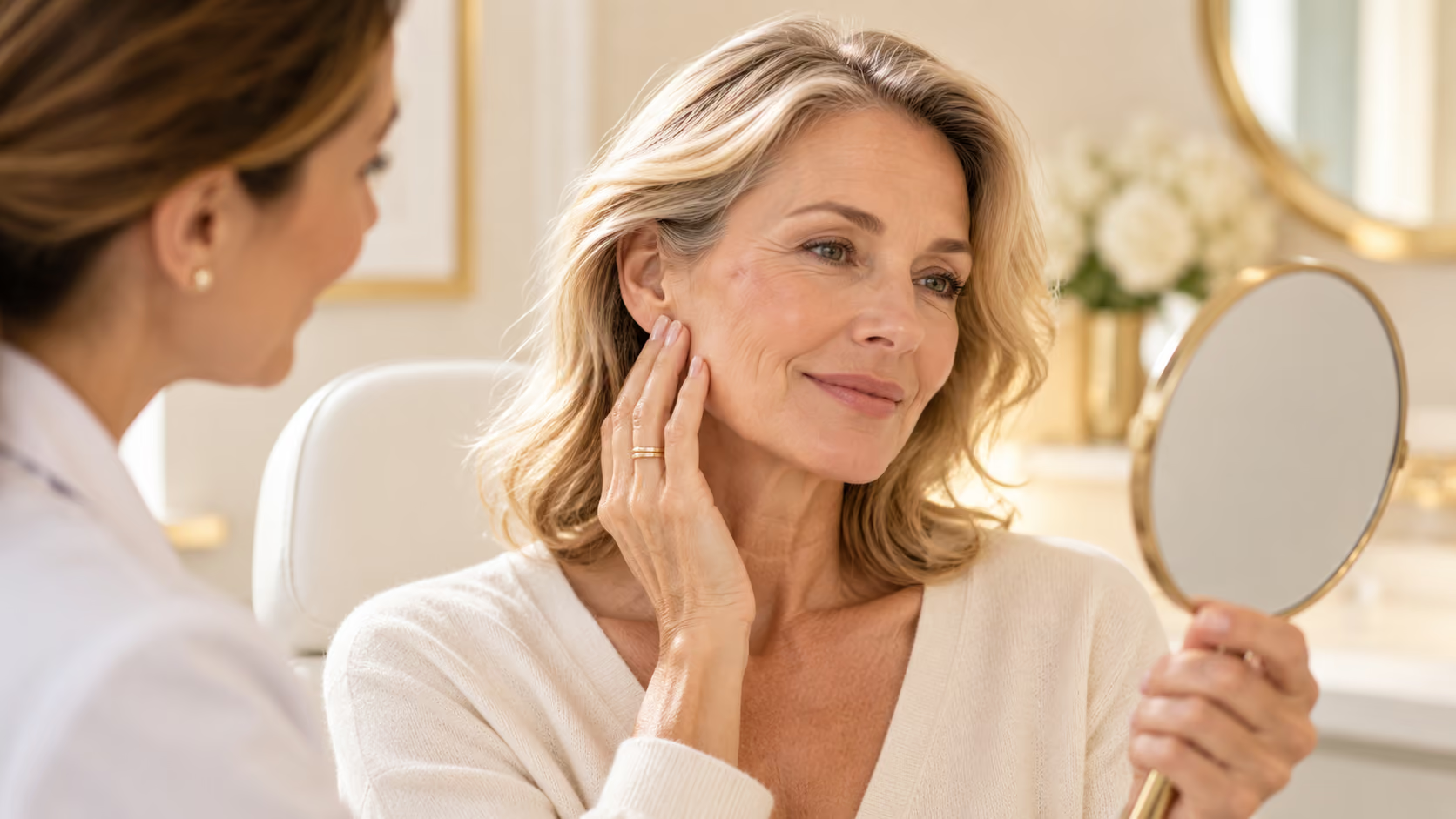
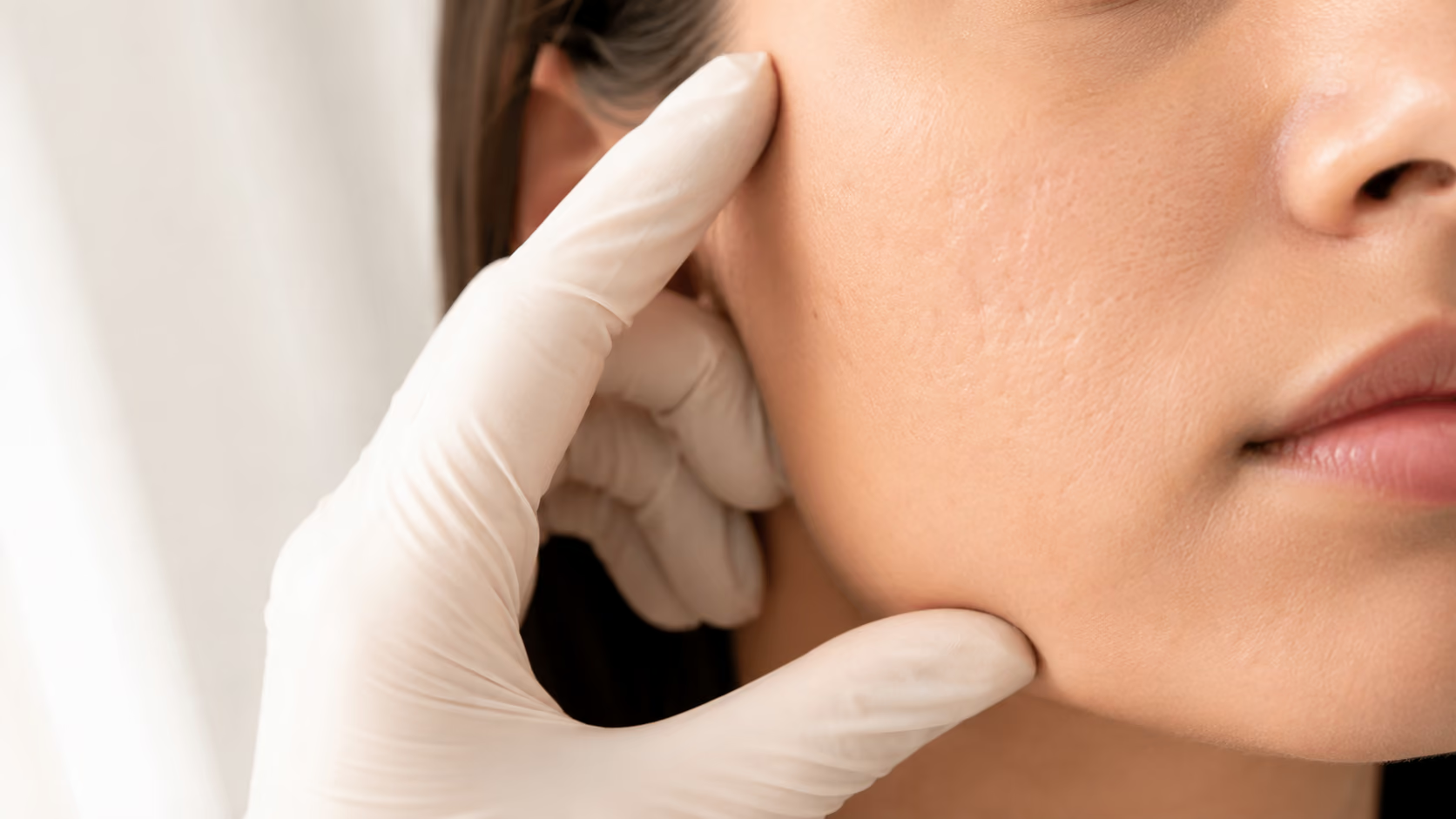
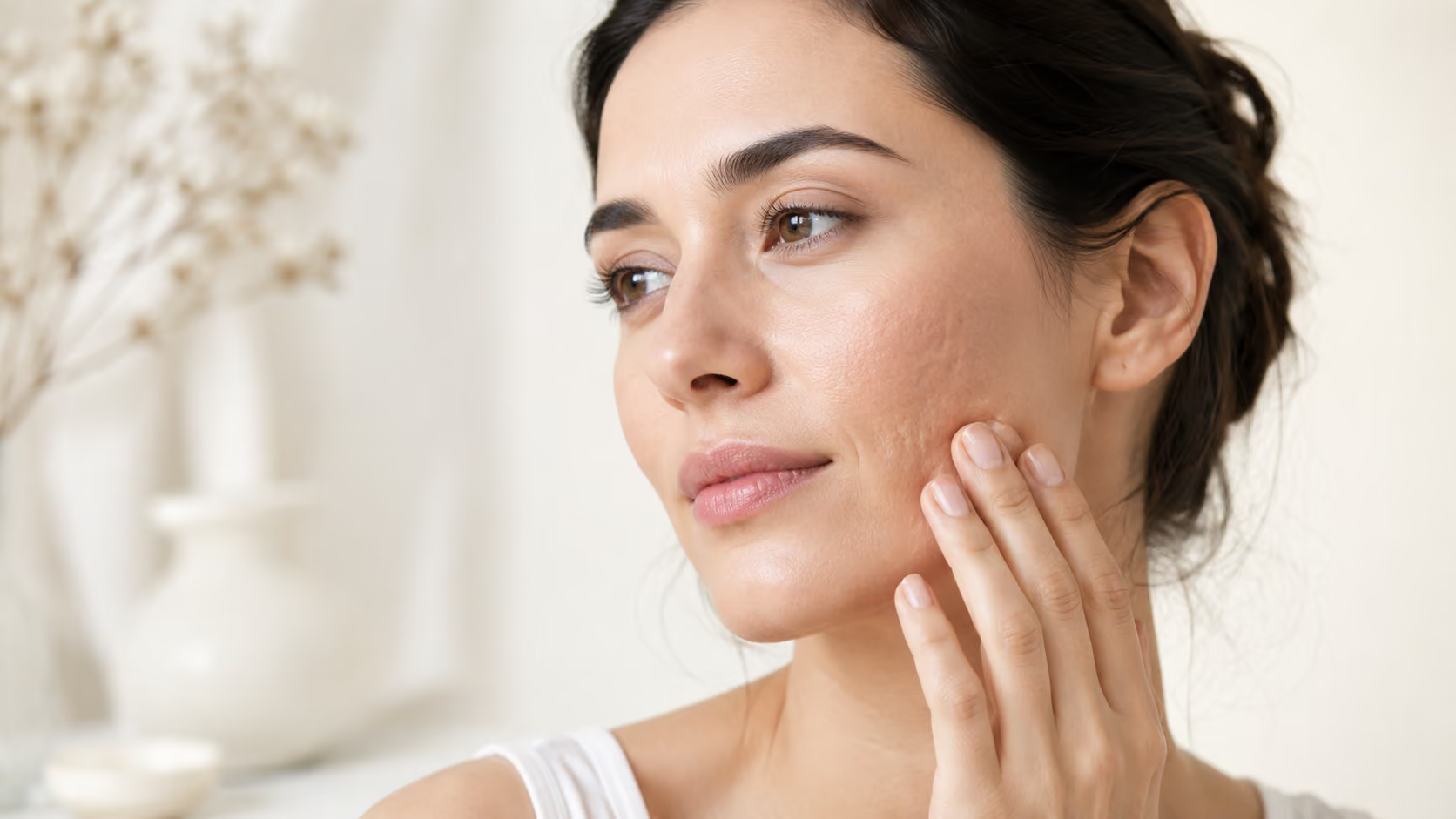
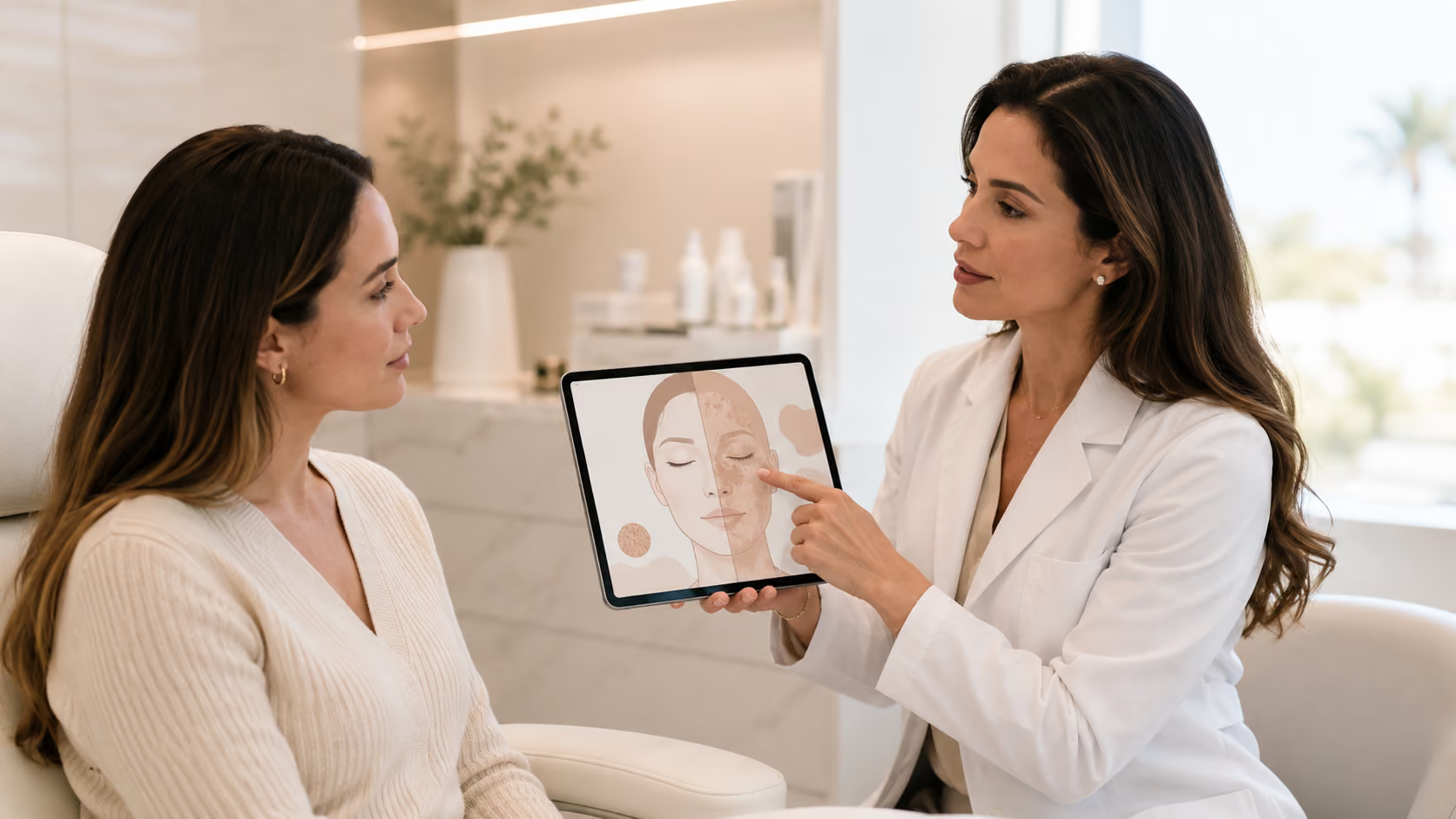
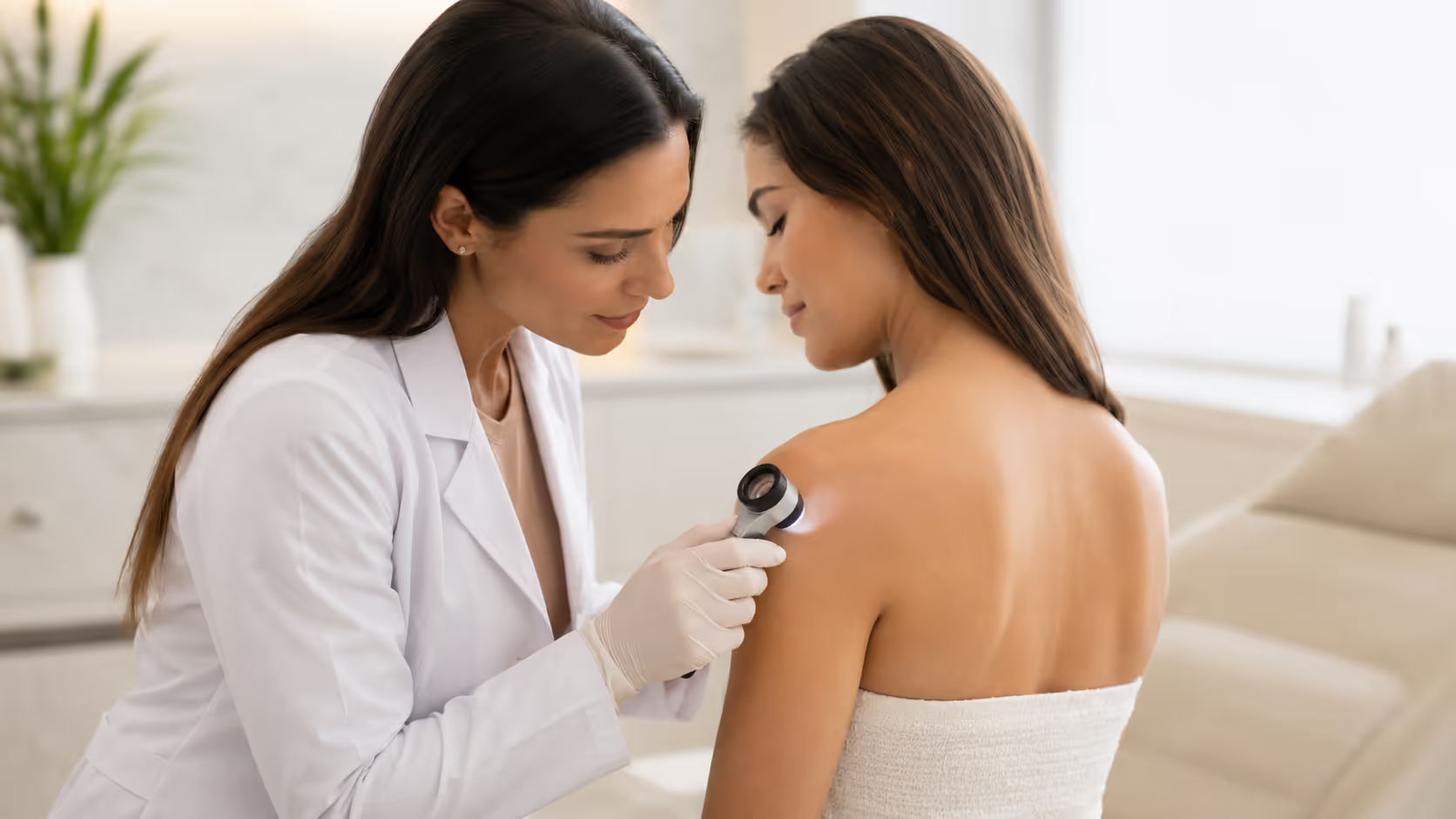
Yes, dermatologists are trained to treat all skin types effectively. At Hazany Derm, Dr. Salar Hazany provides specialized care tailored to each patient's unique skin characteristics, ensuring optimal treatment outcomes for diverse dermatological needs across all ethnicities and skin tones.
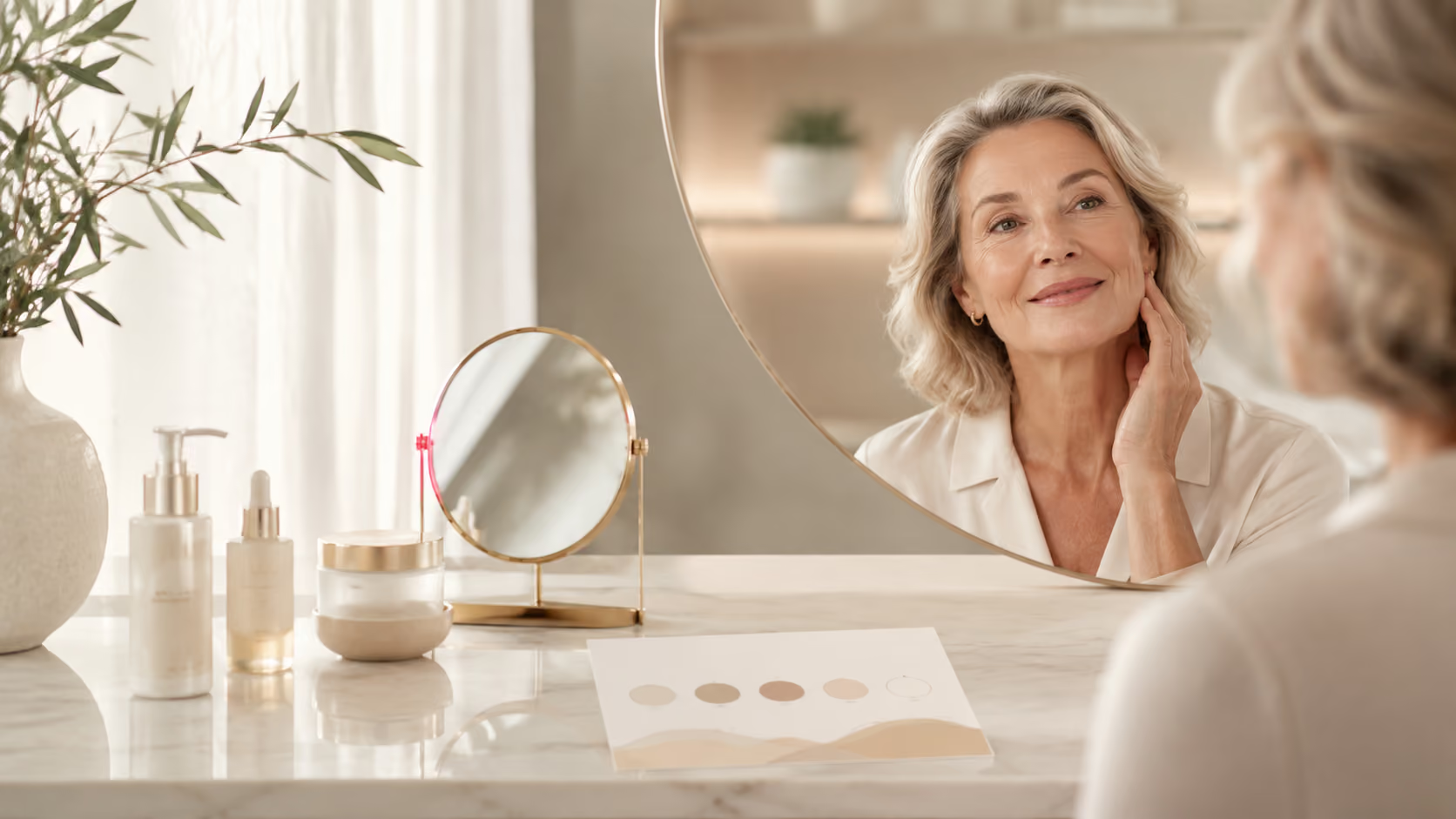
The diversity of human skin presents unique challenges and opportunities in dermatological care. Each person's skin has distinct characteristics influenced by genetics, ethnicity, environmental factors, and individual biology. Understanding these variations is crucial for effective treatment, as what works for one skin type may not be appropriate for another.
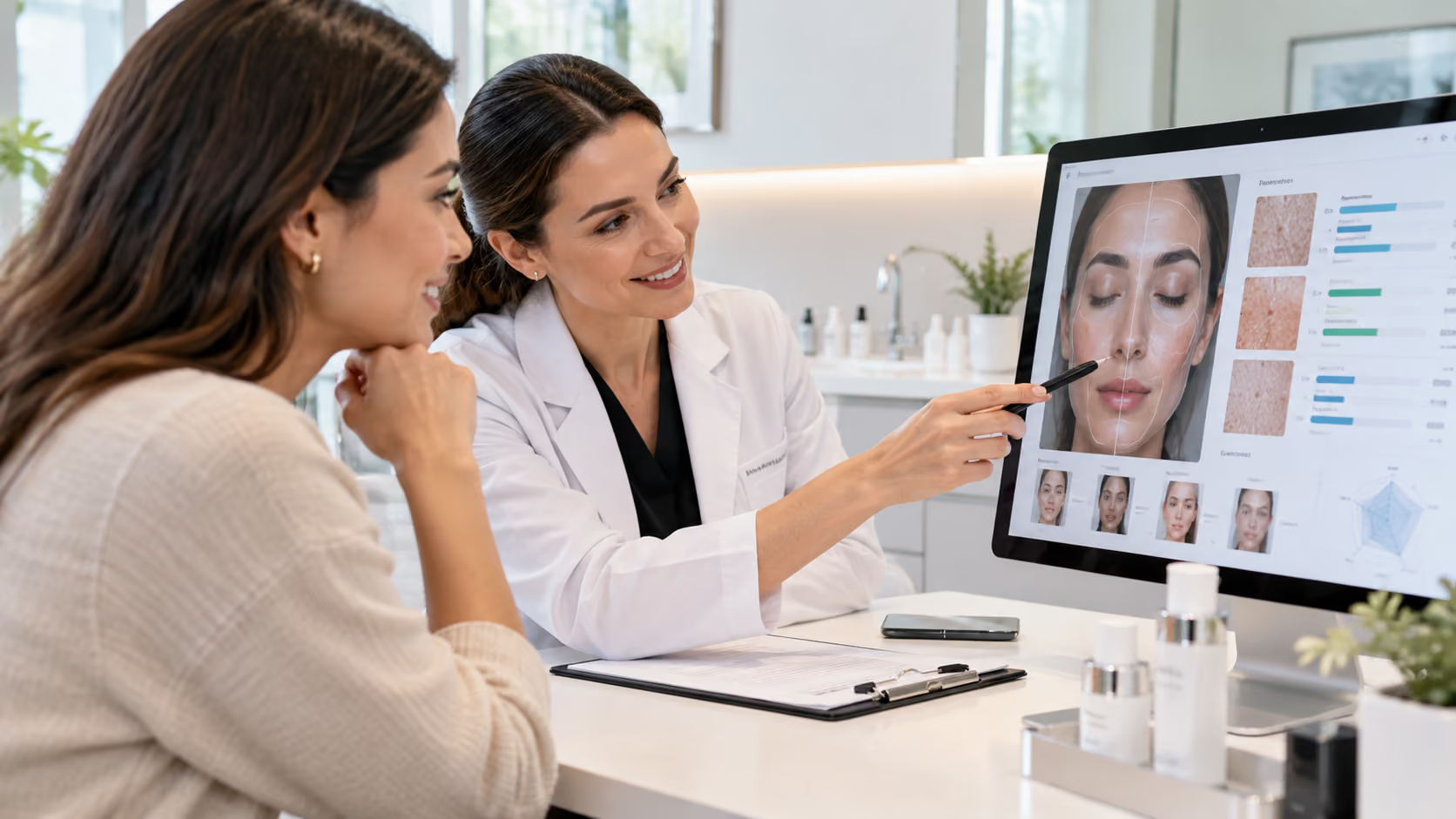
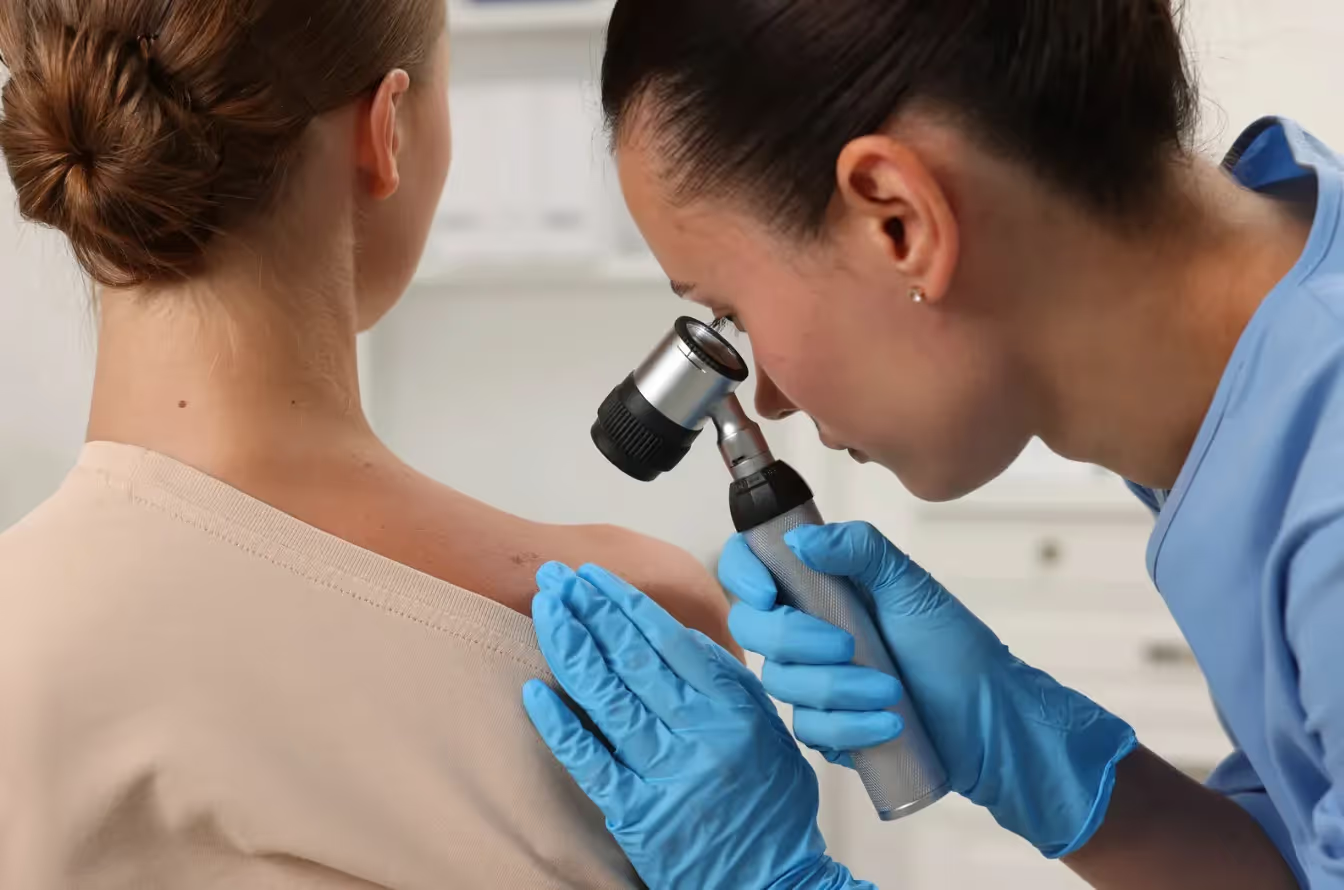
Dermatologists are specifically trained to recognize and treat the full spectrum of skin types found across different populations. This comprehensive training enables them to provide personalized care that considers not only the presenting condition but also the patient's skin tone, texture, sensitivity, and healing patterns. The field of dermatology has evolved significantly to embrace this diversity and develop targeted treatment approaches.
Modern dermatological practice requires a deep understanding of how various treatments interact with different skin types. Practitioners must consider factors such as melanin content, skin thickness, oil production, and cultural practices when developing treatment plans. At Hazany Derm, this individualized approach ensures that every patient receives care specifically tailored to their unique dermatological profile.
Understanding the Fitzpatrick Skin Types
The foundation of modern dermatological assessment lies in understanding the six Fitzpatrick skin types, which classify skin based on its response to sun exposure. This classification system helps dermatologists predict how different treatments will affect various skin tones and types. Type I represents the lightest skin that always burns and never tans, while Type VI represents the darkest skin that never burns and tans very darkly.
Each Fitzpatrick type presents unique considerations for treatment selection and approach. Lighter skin types may be more susceptible to certain laser treatments but require careful monitoring for pigmentation changes. Darker skin types often have increased melanin protection but may be more prone to post-inflammatory hyperpigmentation following certain procedures.
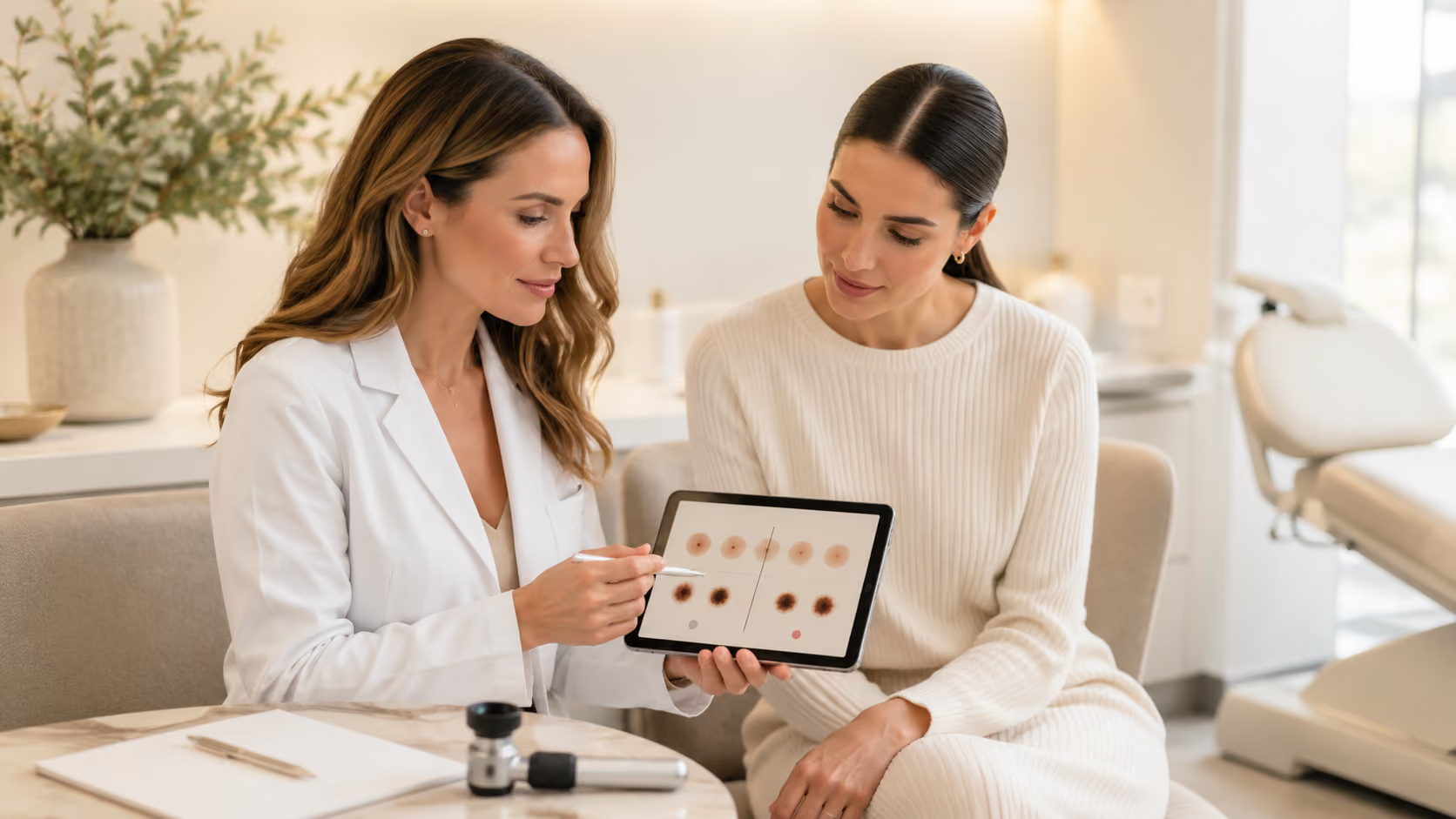
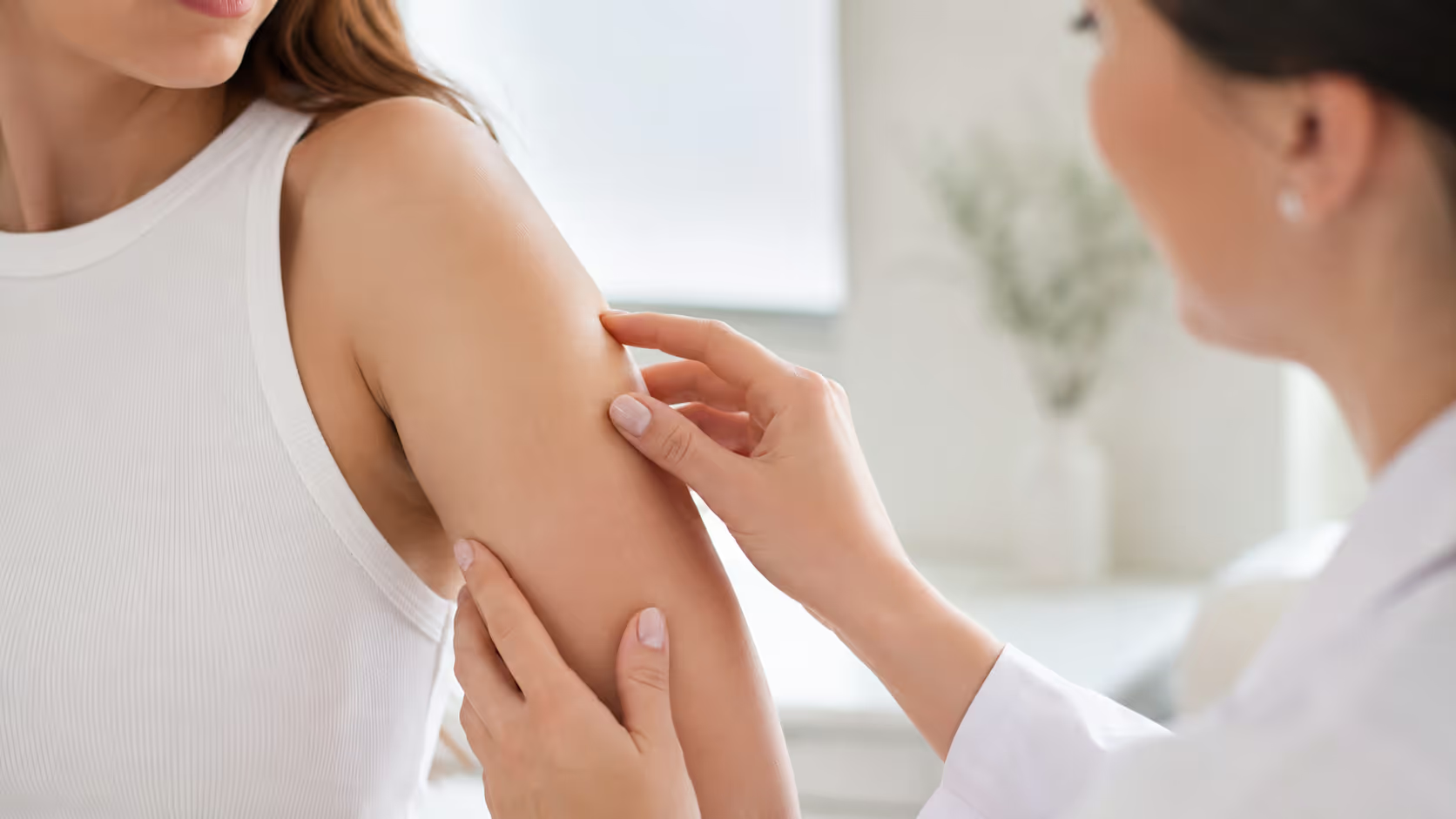
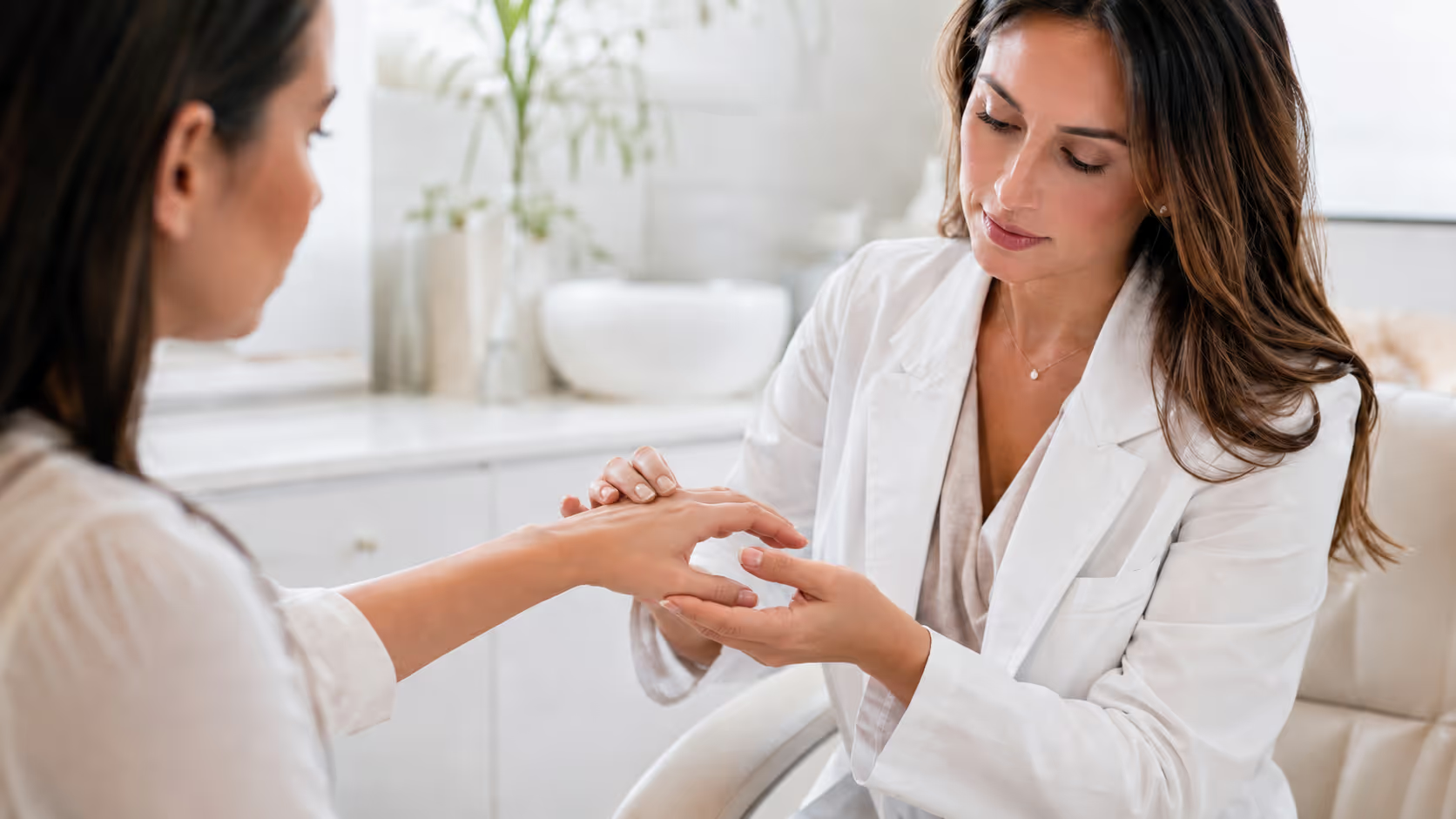
The classification system serves as a starting point for treatment planning, but experienced dermatologists understand that individual variations within each type require personalized assessment. Dr. Salar Hazany emphasizes the importance of thorough skin evaluation beyond basic typing to ensure optimal treatment outcomes for every patient.
Key considerations for different Fitzpatrick types include:
- Sun sensitivity levels: Determining appropriate sun protection and phototherapy treatments based on natural burning and tanning tendencies
- Pigmentation response: Understanding how skin will react to inflammation, injury, or certain treatments in terms of darkening or lightening
- Treatment tolerances: Adjusting laser settings, chemical peel strengths, and medication dosages based on skin type characteristics
- Healing patterns: Recognizing how different skin types recover from procedures and adjusting aftercare accordingly
Treatment selection must account for these fundamental differences to ensure both safety and efficacy. Dermatologists who understand these nuances can prevent complications such as unwanted pigmentation changes or inadequate treatment responses. This knowledge allows for more precise treatment planning and better patient education about expected outcomes.
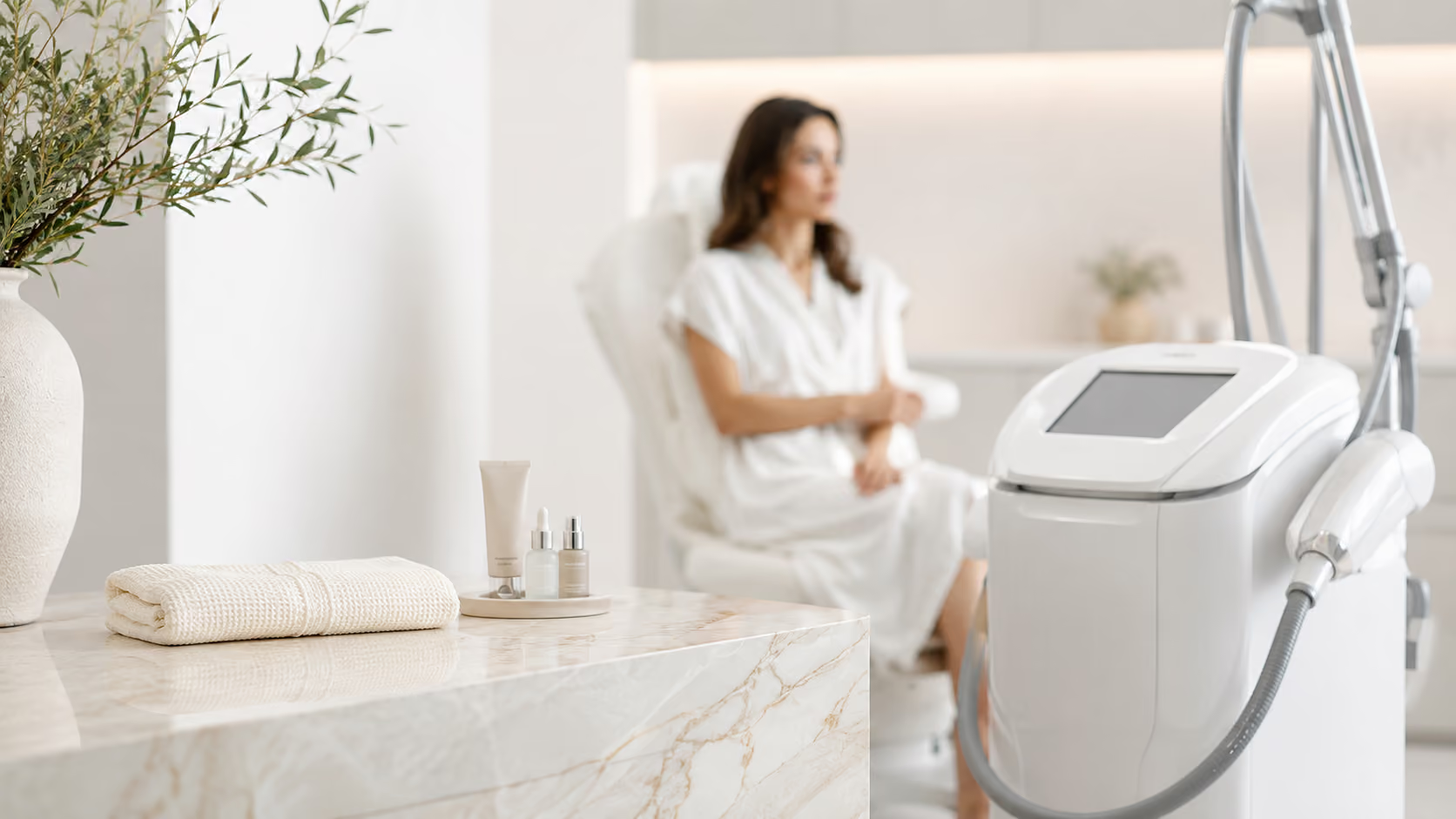
The evolution of dermatological technology has led to devices and treatments specifically designed for different skin types. Modern laser systems often include multiple settings and wavelengths to accommodate various Fitzpatrick types safely. At Hazany Derm, advanced equipment and expertise combine to provide appropriate care across the entire spectrum of skin types.
Treating Diverse Ethnic Skin Considerations
Ethnic skin variations extend far beyond simple color differences and encompass unique structural and functional characteristics. African American, Hispanic, Asian, and Middle Eastern skin types each present distinct features that influence treatment approaches. These differences include variations in stratum corneum thickness, sebum production, and inflammatory responses that directly impact treatment selection.
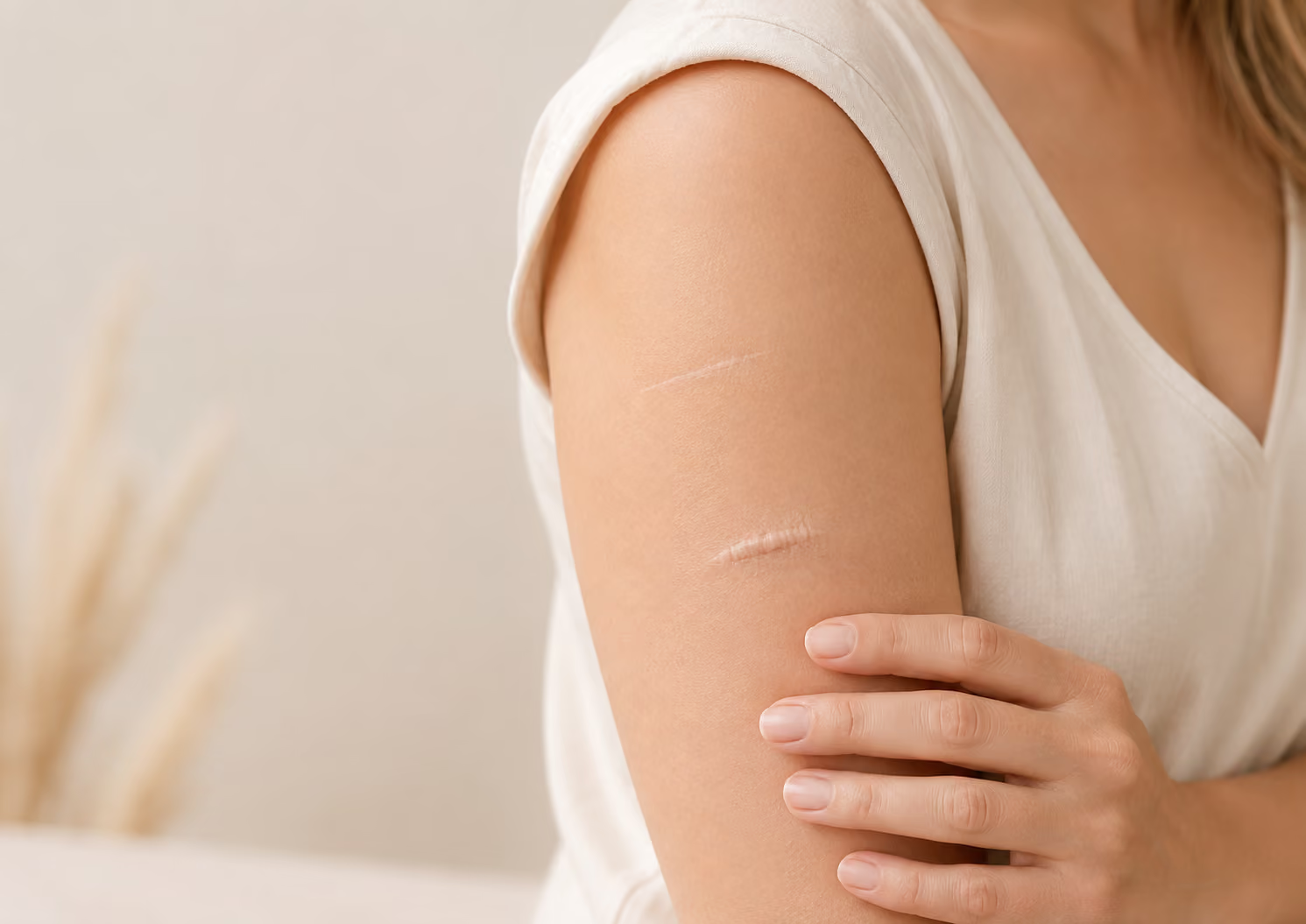
Dermatologists must understand that certain conditions manifest differently across ethnic groups. For instance, melasma is more common in individuals with Hispanic and Asian backgrounds, while keloid formation occurs more frequently in those of African descent. These predispositions require specialized knowledge and treatment modifications to achieve optimal results.
Cultural practices and beauty standards also influence treatment goals and approaches. Understanding patient expectations within cultural contexts helps dermatologists provide more appropriate and satisfying care. Hazany Derm recognizes these cultural nuances and incorporates them into comprehensive treatment planning for diverse patient populations.
Essential ethnic skin considerations include:
- Barrier function differences: Recognizing variations in skin permeability and moisture retention across different ethnic groups
- Inflammatory responses: Understanding how different skin types react to irritation and adjusting treatments to minimize adverse reactions
- Pigmentation patterns: Knowing common pigmentation concerns specific to different ethnicities and appropriate treatment methods
- Hair and follicular differences: Addressing unique hair growth patterns and follicular conditions that vary among ethnic groups
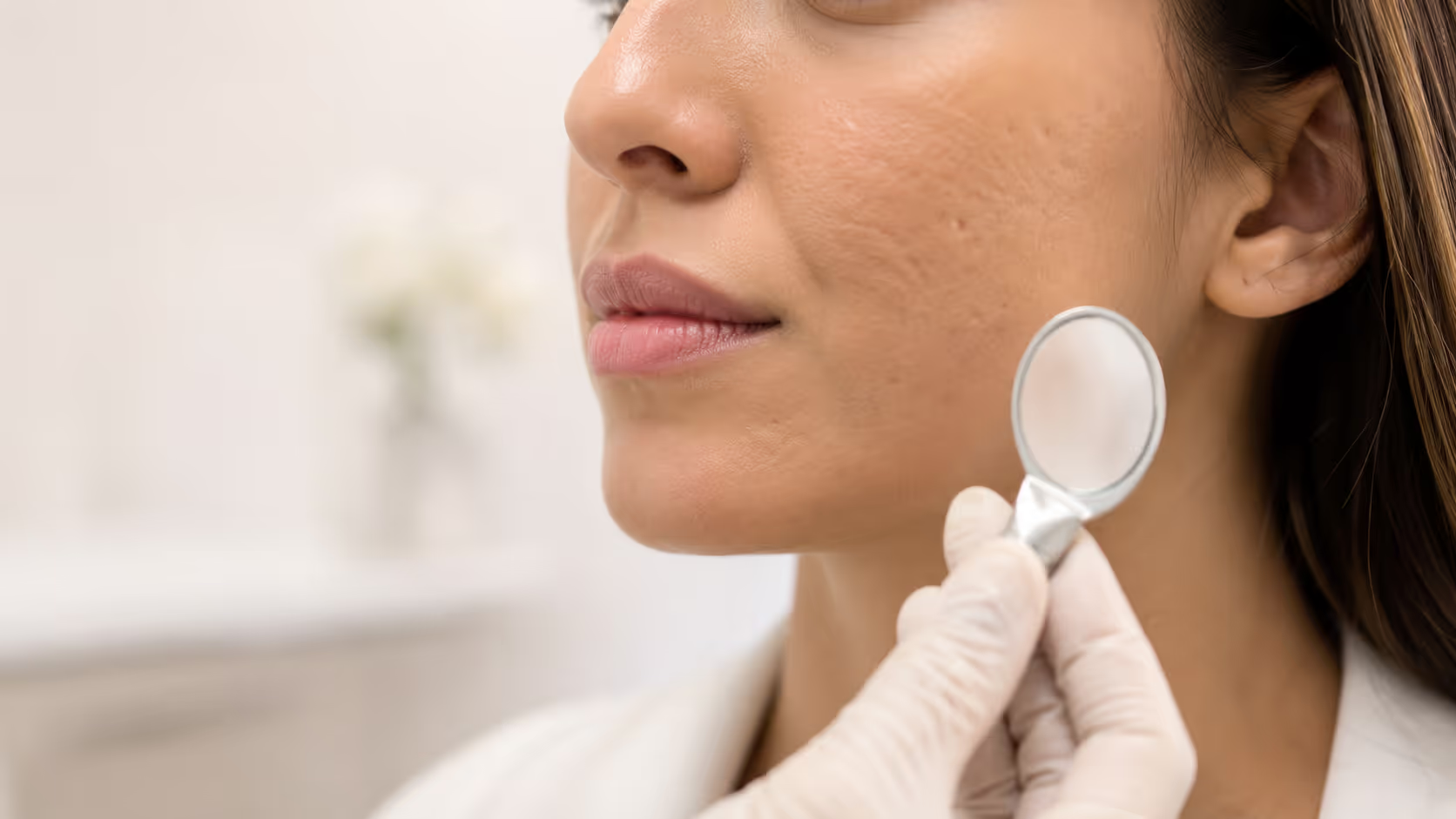
Post-inflammatory hyperpigmentation represents one of the most significant concerns when treating darker skin types. This condition can occur following acne, eczema, or cosmetic procedures, leading to dark spots that may persist for months or years. Experienced dermatologists employ preventive strategies and specific treatments to minimize this risk while still addressing the underlying skin condition effectively.
The selection of topical treatments requires careful consideration of skin sensitivity and response patterns. Certain ingredients that work well for lighter skin may cause irritation or unwanted pigmentation changes in darker skin types. Dermatologists must balance efficacy with safety, often using lower concentrations or alternative formulations to achieve desired results without complications.
Advanced Treatment Modalities for All Skin Types
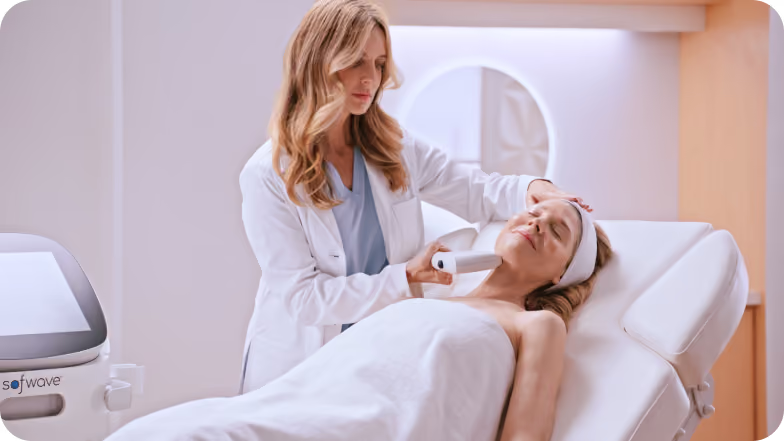
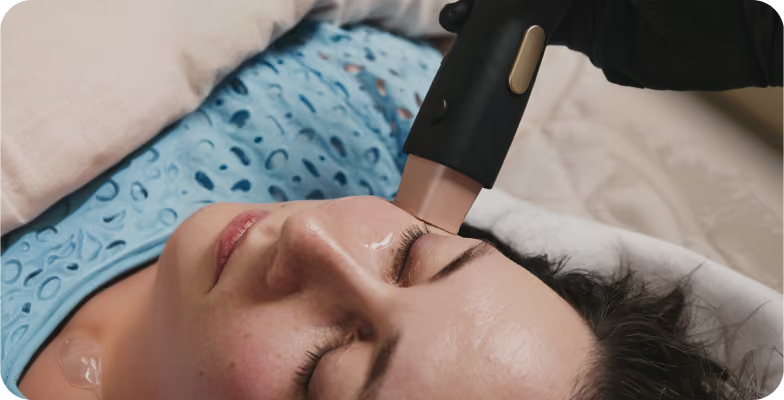
Modern dermatology offers sophisticated treatment options that can be safely adapted for different skin types through proper technique and equipment selection. Laser therapies, chemical peels, and injectable treatments all require modification based on individual skin characteristics. The key lies in understanding how each modality interacts with various skin types and adjusting parameters accordingly.
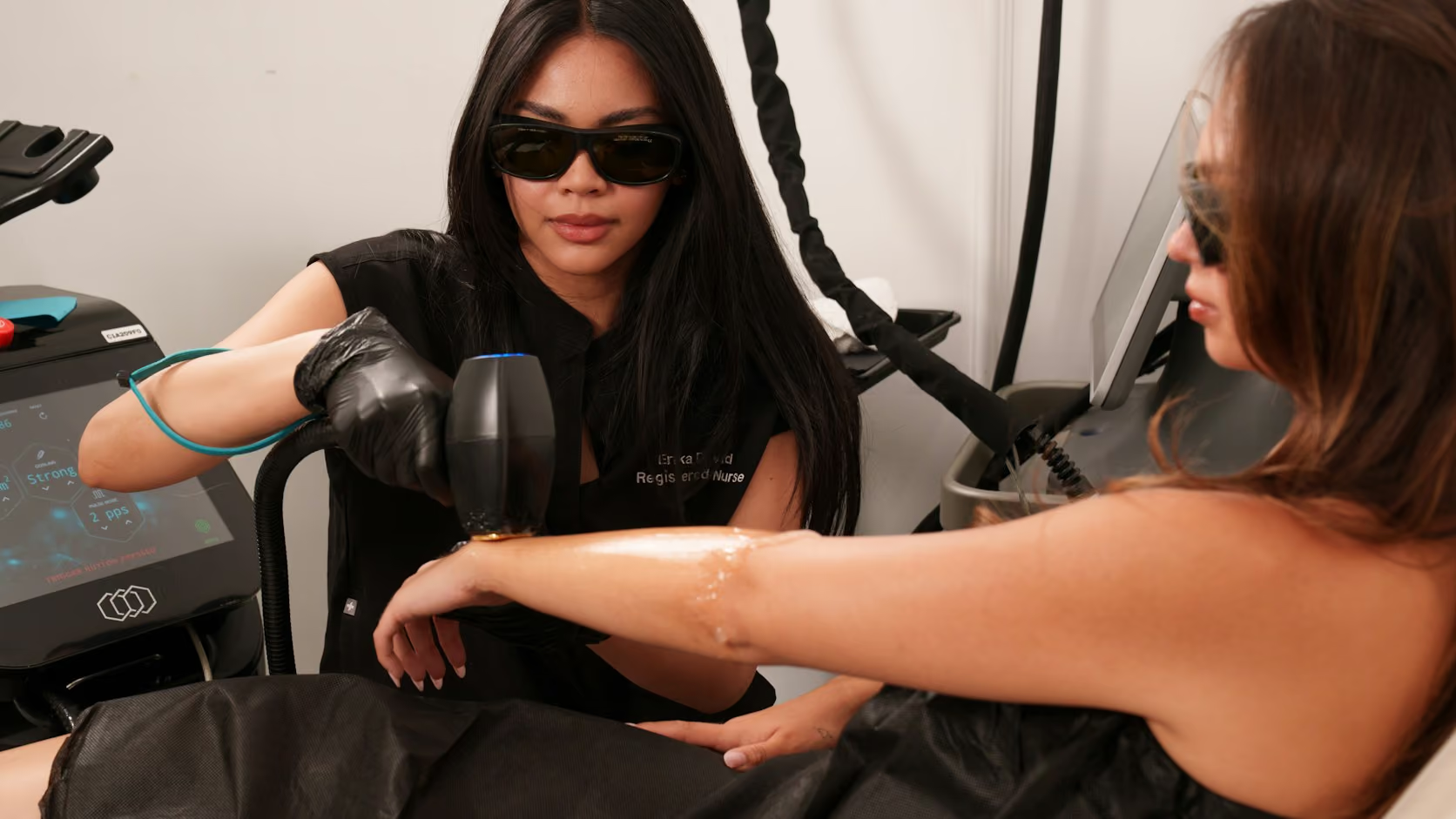
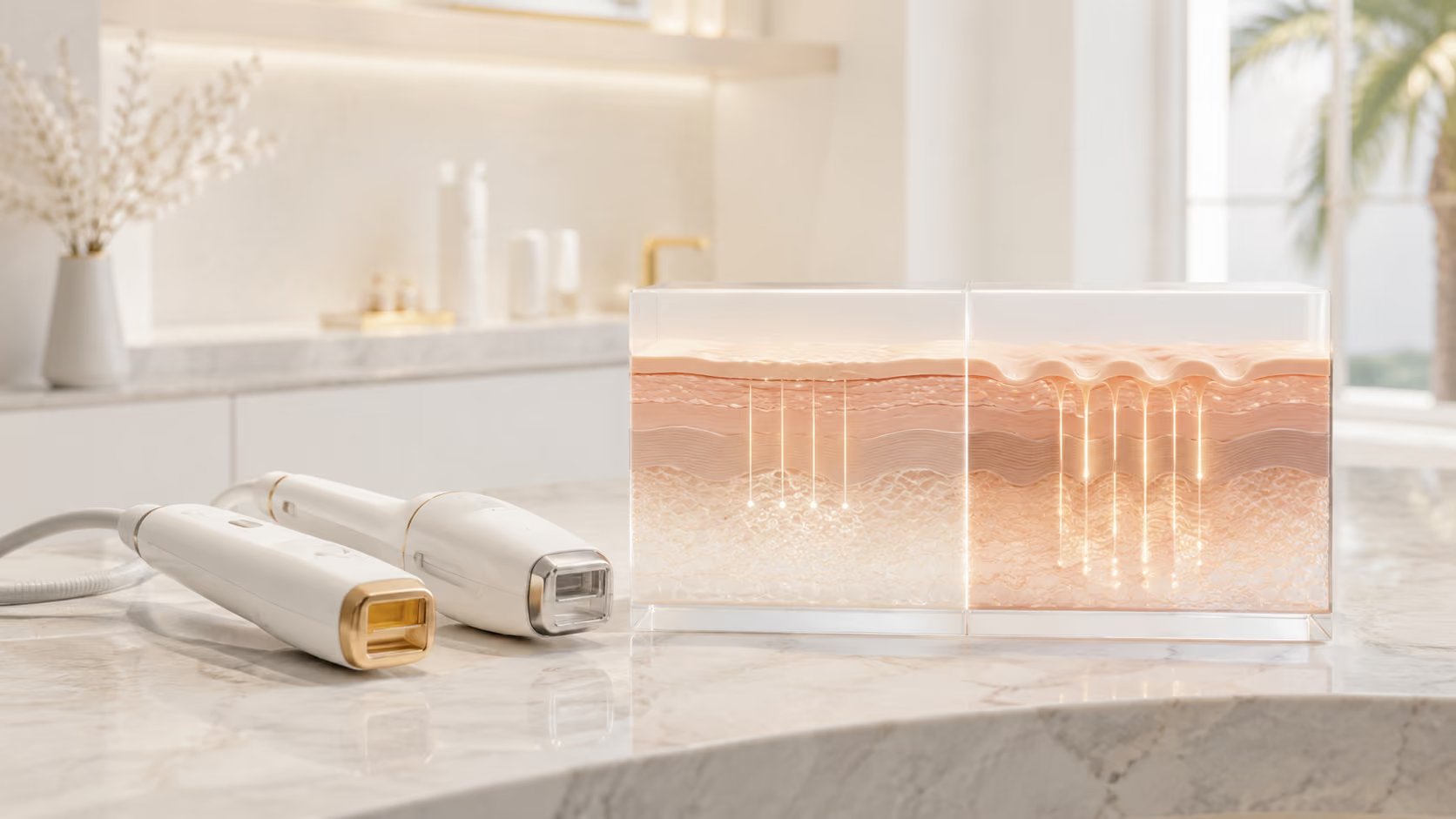
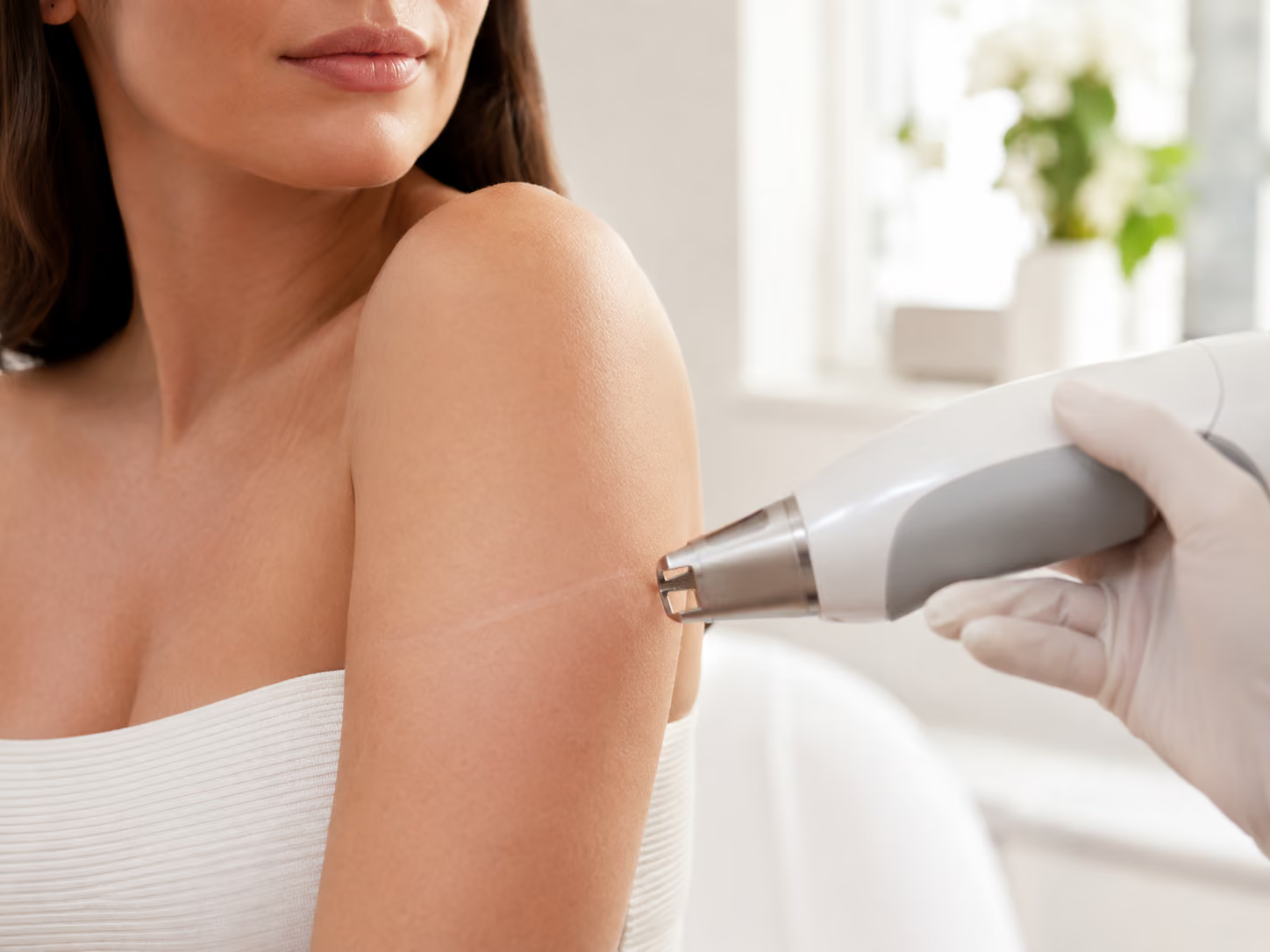
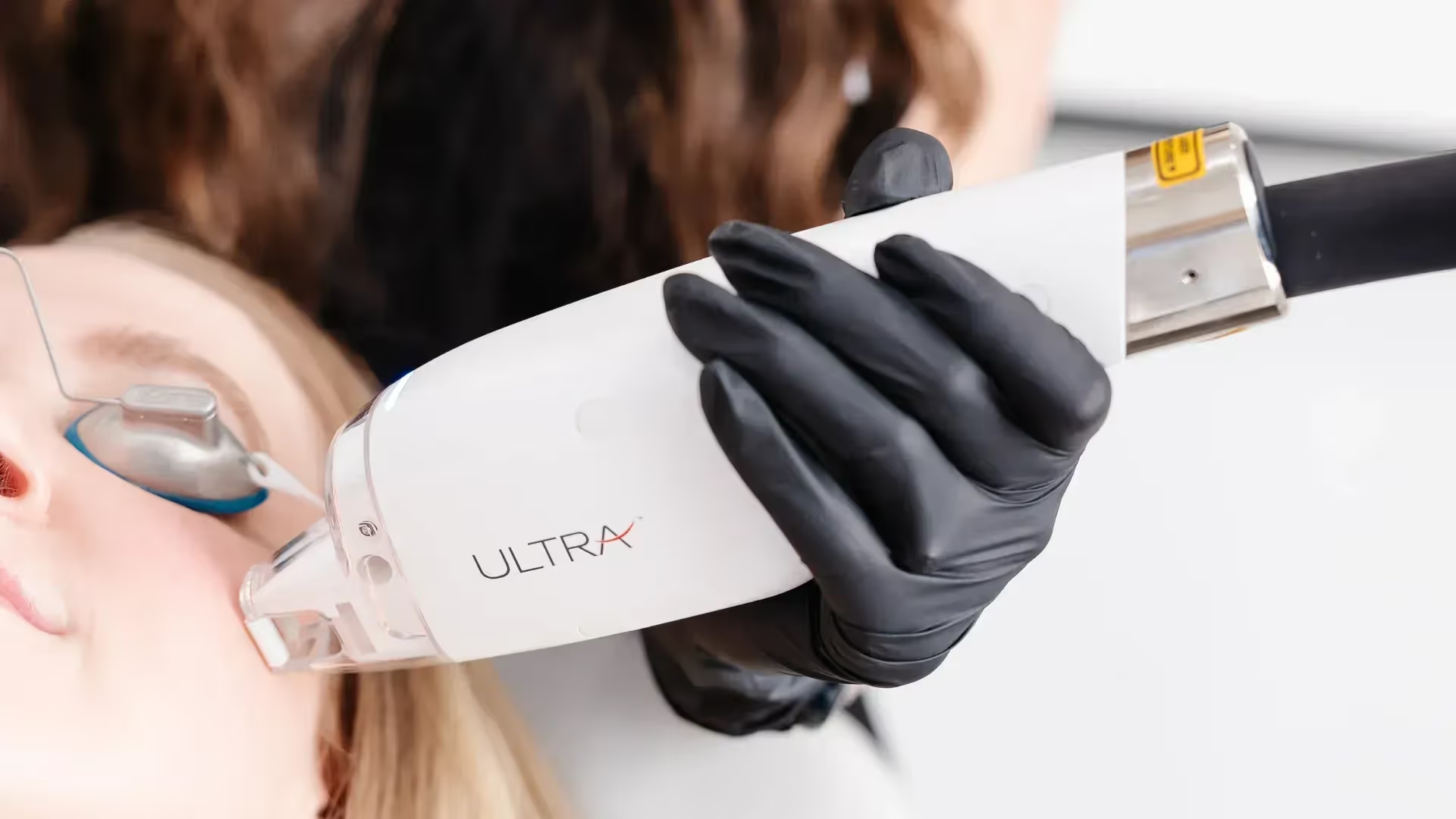
Laser technology has advanced significantly to include wavelengths and settings appropriate for all skin types. Nd:YAG lasers, for example, can safely treat darker skin types for hair removal and vascular lesions, while other wavelengths may be preferred for lighter skin. The expertise to select appropriate laser parameters is crucial for achieving desired results while maintaining safety.
Chemical peels represent another versatile treatment category that can benefit all skin types when properly selected and applied. Superficial peels using gentler acids may be preferred for sensitive or darker skin types, while deeper peels might be appropriate for sun-damaged lighter skin. Dr. Salar Hazany carefully evaluates each patient's skin type and concerns to recommend the most suitable peel depth and formulation.
Innovative treatment approaches include:
- Customized laser protocols: Adjusting wavelength, pulse duration, and energy settings based on individual skin type and treatment goals
- Combination therapies: Using multiple treatment modalities in sequence to maximize results while minimizing individual treatment intensity
- Gradual treatment approaches: Building tolerance and achieving results through progressive treatment sessions rather than aggressive single treatments
- Advanced topical preparations: Utilizing compounded medications and specialized formulations designed for specific skin types and conditions
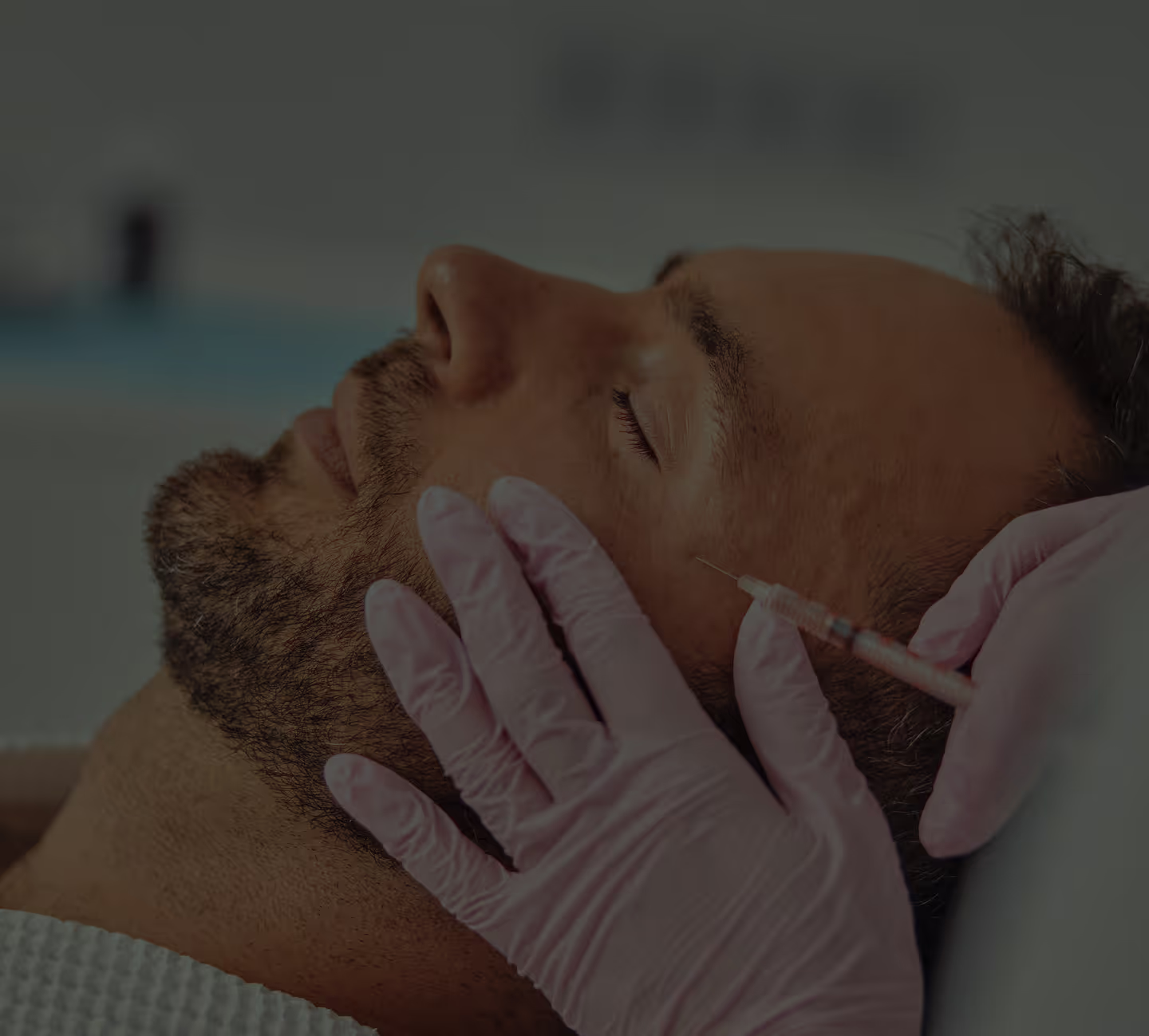
Injectable treatments such as dermal fillers and neuromodulators also require consideration of ethnic and individual variations. Facial anatomy differs among ethnic groups, requiring adjusted injection techniques and product placement. Understanding these anatomical differences ensures natural-looking results that enhance rather than alter ethnic features inappropriately.
Recovery and aftercare protocols must be tailored to different skin types to optimize healing and prevent complications. Darker skin types may require more intensive sun protection and specific moisturizing regimens, while sensitive skin types might need gentler cleansing routines and anti-inflammatory treatments. Hazany Derm provides detailed, individualized aftercare instructions that consider each patient's unique skin characteristics and treatment response patterns.
The future of dermatological treatment continues to evolve with new technologies and techniques designed to serve diverse patient populations safely and effectively. Staying current with these advances allows dermatologists to offer the most appropriate and innovative treatments for all skin types. This commitment to continued education and technological advancement ensures that patients receive the highest standard of care regardless of their skin type or ethnic background.